
My Passport Was Still Valid, So Why Was I Stopped?
It sounds ridiculous. Your passport has not expired, your flight is boarding, and then an airline agent tells you that you cannot get on the plane. The catch is that many countries do not just care whether your passport is valid today. They care whether it will still be valid months after you arrive.
 Edwin Petrus, Unsplash, Modified
The Rule That Trips Up A Lot Of Travelers
This is often called the six-month passport rule, though the exact rule depends on where you are going. The U.S. Department of State says some countries require your passport to be valid for six months beyond your travel dates. So a passport that looks perfectly fine to you can still get flagged at check-in.
 Thomas Dahlstrøm Nielsen, Wikimedia Commons
Why Airlines Are So Strict About It
The airline agent is usually enforcing immigration rules, not making up a new one. Airlines can be fined and may have to fly you back if they bring in a traveler who does not meet entry requirements. That is why they often stop people before they ever reach passport control.

There Is No One Global Rule
This is where people get caught. There is no single worldwide six-month standard. Some countries want three months of validity, some want six, and some only require your passport to be valid for the length of your stay.

What The U.S. Government Says
The U.S. Department of State tells travelers to check the entry, exit, and visa rules for their destination before they leave. Its guidance specifically says that many countries require six months of passport validity beyond the travel dates. That warning exists for a reason. People run into this problem all the time.

The Airline Usually Catches It First
Most of these stories start at the airline counter, not at the border overseas. Airlines use destination entry rules to decide whether you can board. If the system shows that your passport does not meet the requirement, your trip can end before the plane even leaves.
 Austrian Airlines, Wikimedia Commons
Europe Has A Different Version Of The Same Problem
For many countries in the Schengen area, the rule is often not six months but three months after your planned departure from the Schengen area. The European Union says a passport should have been issued within the previous 10 years and remain valid for at least three months after the date you plan to leave. Travelers who assume Europe follows the same six-month rule everywhere can get blindsided.

Three Months Can Still Ruin A Trip
Three months may sound easier than six, but it can still wreck your plans. If your passport drops below that threshold, airline staff can still deny boarding. The number is different, but the result is the same.

The UK Gives Similar Advice
The UK government warns travelers that many countries require at least six months left on a passport, while others require less. It also tells people to check the travel advice page for the country they are visiting. That is a clear sign this is a common issue, not some rare airport mix-up.
 Radosław Botev, Wikimedia Commons
Why Countries Want Extra Passport Validity
Governments want a buffer in case a traveler has to stay longer than planned because of illness, delays, or some other emergency. Extra validity lowers the risk of someone ending up stuck abroad with a nearly expired passport. The rule is really about border control and backup planning, not whether your passport looks current on departure day.

Your Passport Can Be Valid And Still Not Good Enough
This is the part that makes people furious. A passport can be legally unexpired and still fail a country's minimum validity rule. Valid does not always mean acceptable.
Schengen Adds One More Catch
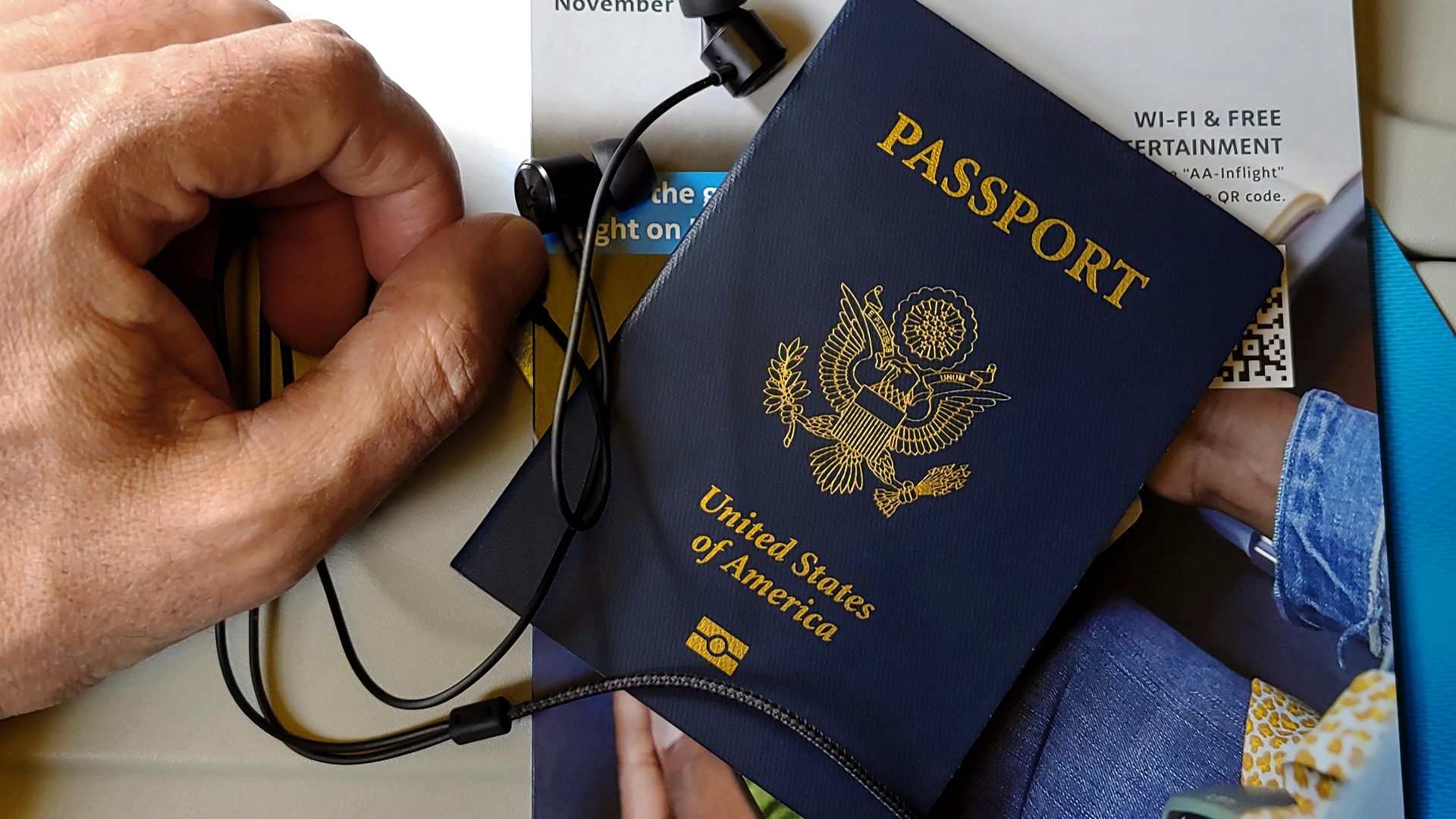
For many non-EU travelers entering the Schengen area, the passport also has to be less than 10 years old on the date of entry. The European Union spells this out alongside the rule that the passport must stay valid for at least three months after your planned departure. So even a passport with time left on it can still cause problems if it is too old under Schengen rules.
Some People Find Out Far Too Late
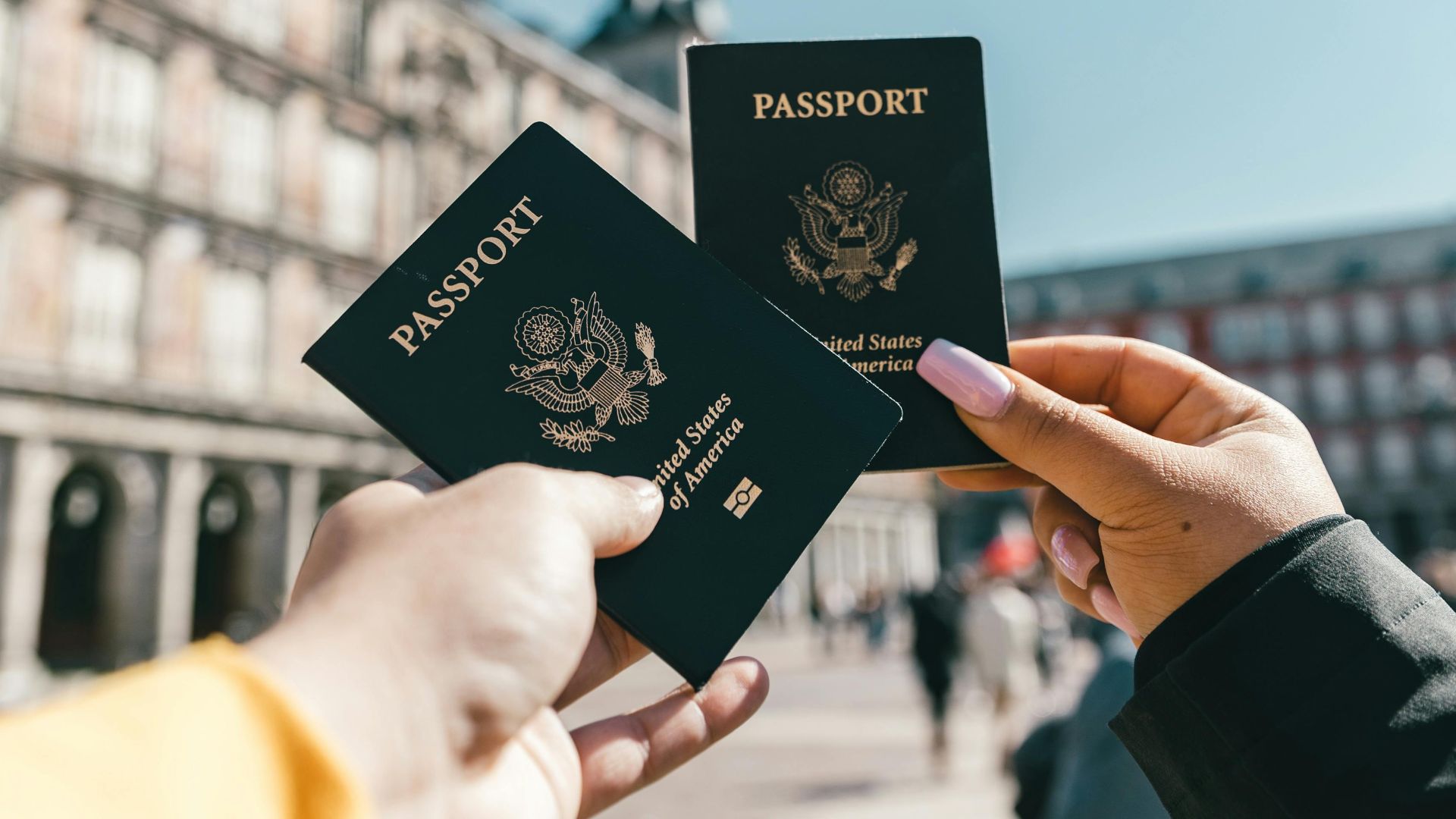
A lot of travelers only learn about this when they check in online, reach bag drop, or speak with an airline agent. By then, time is not on their side. Passport renewals can take a while, and last-minute fixes are limited and expensive.

The Destination Matters More Than The Airline
If one airline turns you away, switching to another usually does not solve anything. Airlines are generally following the same destination entry rules. What matters is what the country requires, not which airline you booked.

Visa Rules And Passport Rules Are Separate
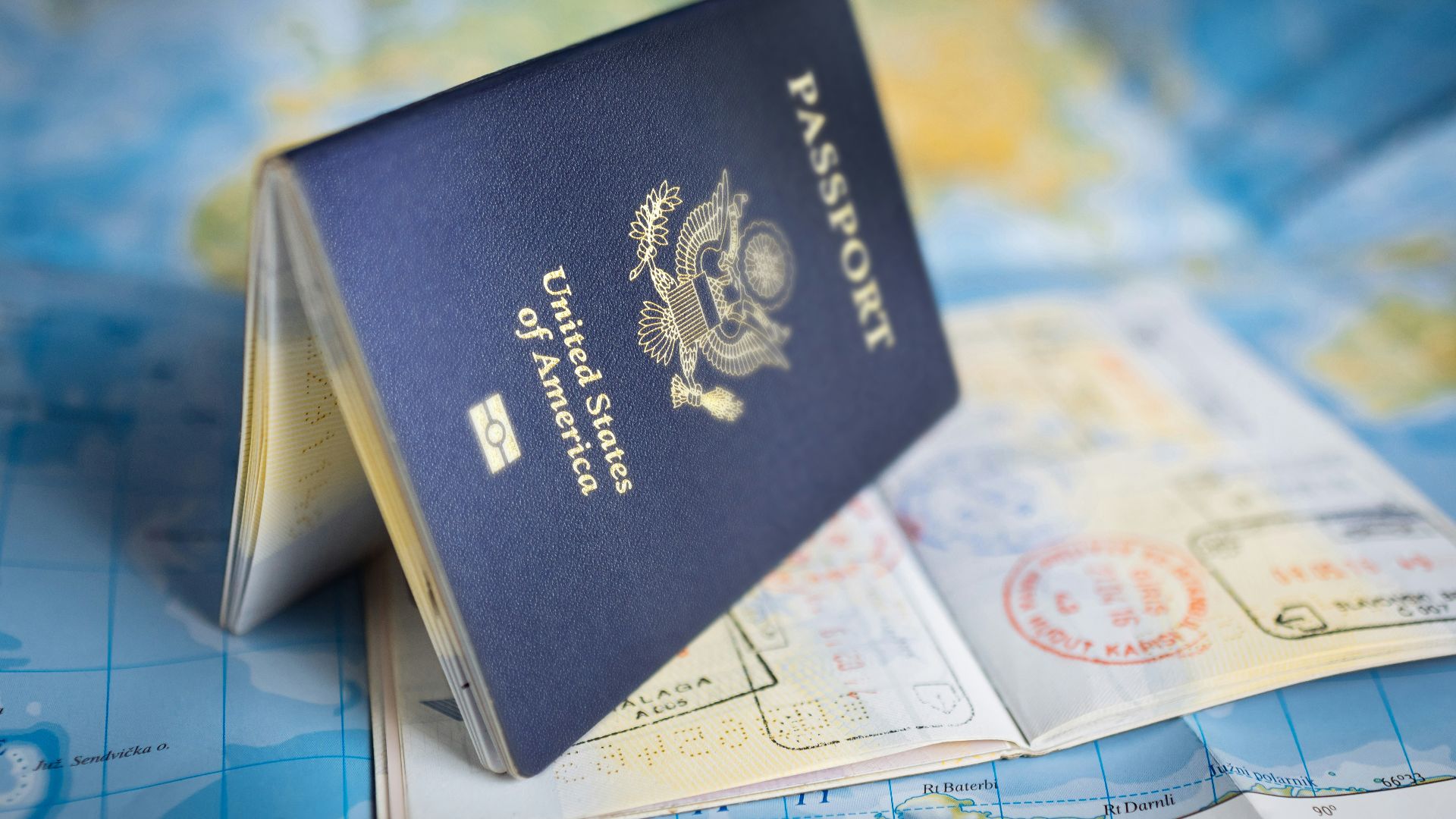
Some travelers focus on whether they need a visa and miss the passport validity rule. But those are two different things. You can be visa-free and still be denied boarding because your passport does not meet the minimum validity period.
 Global Residence Index, Unsplash
Even A Transit Stop Can Cause Trouble
A connection can bring another country's rules into the trip. In some cases, even if you are not formally entering that country, your documents may still be checked. That is why official advice often tells travelers to look up every country on the itinerary, not just the final destination.

Official Sources Matter More Than Travel Rumors
Friends, forums, and social media are full of confident advice, but entry rules change and can get complicated fast. The safest move is to check your own government's travel advice and the destination country's official border guidance. If the information does not match, confirm it with the airline and the embassy or consulate.

The U.S. Has A Special Arrangement With Some Countries
There is one exception that confuses a lot of Americans. The U.S. Department of State says some countries are part of the Six-Month Club, which means they treat a U.S. passport as valid for an extra six months beyond the printed expiration date. That can help in some cases, but it does not apply everywhere.

The Six-Month Club Does Not Save Every Trip
Depending on that arrangement without checking your exact destination is risky. Not every country is part of it, and the list can change. It also does not wipe out any other entry rules that apply to your trip.

Europe Shows Why The Details Matter
If you are headed to France, Italy, Spain, or another Schengen country, the key rule is usually the Schengen standard, not a flat six-month rule. The EU's official travel guidance says many visitors need three months of validity after their planned departure and a passport issued within the last 10 years. That small detail can mean the difference between a smooth check-in and a disaster at the airport.

Why Check-In Agents Rarely Bend The Rules
Airline agents usually cannot just let something slide because your case seems close. They work from document-check systems and carrier rules tied to immigration requirements. If your passport falls short, they can deny boarding even if your trip is short and your return is just a few days away.
 Michael Ball, Wikimedia Commons
What To Do Before You Book
Check your passport expiration date first, then compare it with the official rules for every country you will visit or pass through. Do that before you pay for flights, hotels, or tours. It is one of the easiest ways to avoid a very expensive mistake.

What To Do If The Trip Is Already Booked
If your passport is getting close to the cutoff, move quickly. In the United States, the State Department provides renewal information and urgent travel appointment options for some cases. Other countries also offer faster service, though what is available depends on where you live.

How Much Extra Time Is Smart?
Many travel experts suggest renewing when your passport has less than six months left, even if your destination only requires three months. That extra cushion helps if plans change or if a transit stop adds another rule. It can also save you from a last-minute argument at the airport.

This Is One Rule Worth Taking Seriously
Passport validity rules can seem petty right up until they wreck your vacation, wedding trip, cruise, or emergency travel. Then they feel very real, very fast. A quick date check can save you a lot of money and a brutal denial at the gate.
The Bottom Line
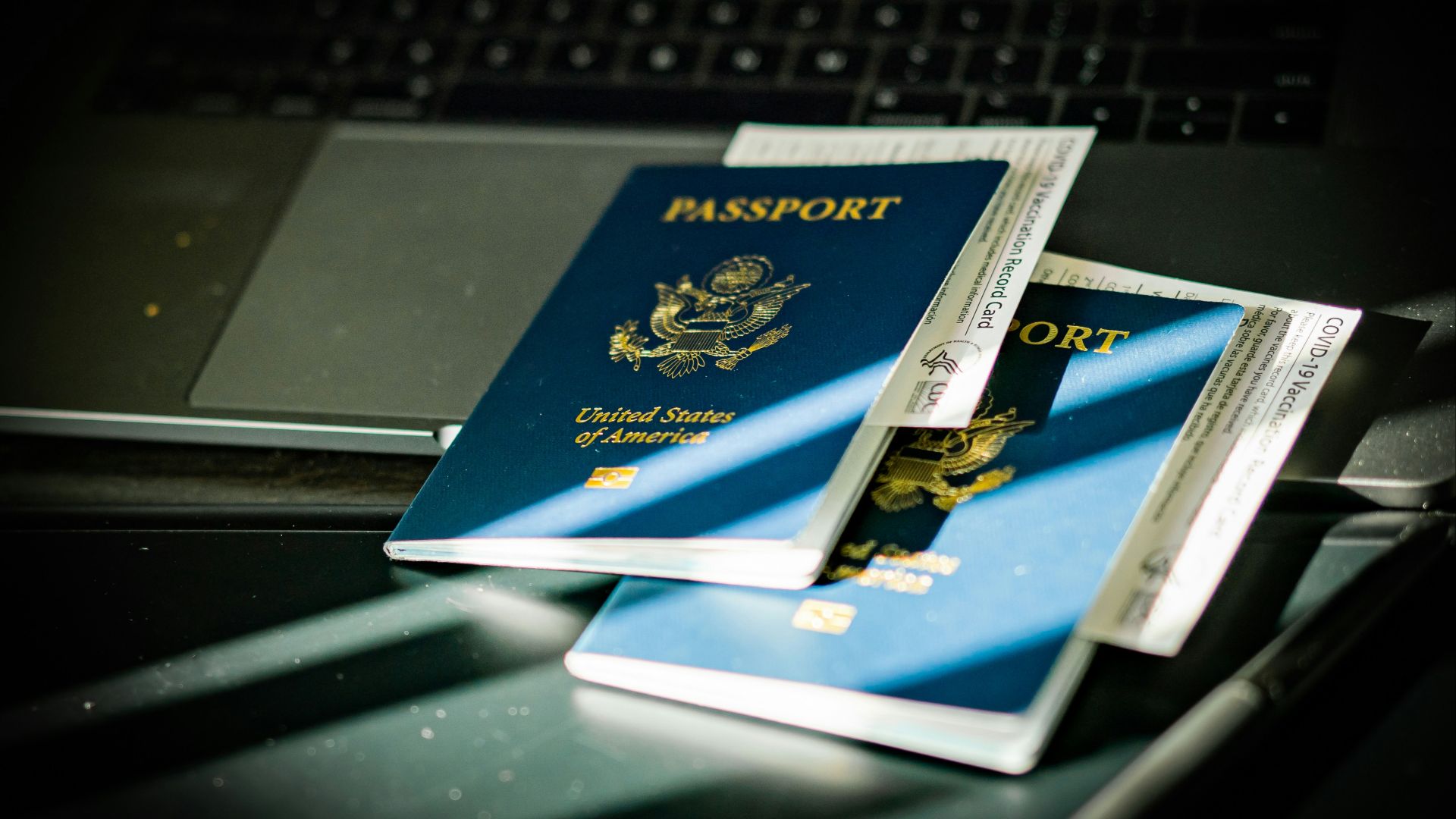
If an airline denied boarding even though your passport had not expired, the reason was likely a destination or transit rule that required extra months of validity. The exact rule depends on where you are going, with many countries requiring six months and Schengen countries often requiring three months after departure. The fix is simple, but easy to miss: check the official rules early and renew sooner than you think you need to.