I just bought a new house and the old owner buried something in the backyard. Now he wants to come back and dig it up. Do I have to let him?

I just bought a new house and the old owner buried something in the backyard. Now he wants to come back and dig it up. Do I have to let him?


April 1, 2026 | Allison Robertson

I just bought a new house and the old owner buried something in the backyard. Now he wants to come back and dig it up. Do I have to let him?


A Mystery in the Backyard

You just closed on your new home, and everything seems normal—until the previous owner calls. Apparently, they buried something in the backyard and now want to come dig it up. Sounds strange… but do you actually have to let them?

A concerned man with two people behind him holding a shovel and pointing to the ground.Factinate

Advertisement

So… Do They Have Any Right to Come Back?

Short answer: usually, no. Once the property is sold, it’s yours—land, structures, and anything attached or buried on it. The previous owner generally loses access and rights the moment the deal closes.

But there’s more to it than that.

A hand holding a green key to a houseJakub Żerdzicki, Unsplash

Advertisement

What Happens to Things Left Behind?

In most real estate transactions, anything left behind becomes the new owner’s property. That includes items in the house, in the garage, or yes—even buried in the yard.
brown cardboard boxes on brown wooden parquet floorDyana Wing So, Unsplash

Advertisement

Buried Items Count as Part of the Property

Legally, items buried in the ground are often considered part of the real property. That means ownership transfers to you when you buy the home, whether you knew about them or not.

But what if they didn’t tell you about it?
Individual in pink coat digging soil in grass field, spring farming activity.Thirdman, Pexels

Advertisement

Did They Disclose It Before Selling?

This is where things get interesting. If the previous owner knew about something buried and didn’t disclose it, that could raise legal questions. Sellers are typically required to disclose known issues or unusual conditions.

MaximilianovichMaximilianovich, Pixabay

Advertisement

What If It’s Something Valuable?

If the buried item is valuable—like cash, jewelry, or collectibles—it doesn’t automatically give them rights to return. Ownership likely transferred with the property unless there was a written agreement stating otherwise.

Open suitcase filled with cash, gold necklaces, and a sale tag, symbolizing wealth.Ron Lach, Pexels

Advertisement

The Only Time They Might Have a Claim

If there was a clause in the purchase agreement allowing them to retrieve the item, that changes things. Without that in writing, their legal standing is usually very weak.

Asian businessman in corporate attire reading documents at office desk with a yellow folder.RDNE Stock project, Pexels

Advertisement

Verbal Agreements Don’t Hold Much Weight

Even if they mentioned it casually before the sale, that doesn’t usually count. Real estate agreements must be in writing to be enforceable, especially for something this specific.

Close-up of a diverse business handshake over documents, symbolizing agreement and collaboration.Ron Lach, Pexels

Advertisement

Can They Just Show Up and Dig?

Absolutely not. Entering your property without permission could be considered trespassing. Even if they claim ownership of the buried item, they can’t legally access your land without your consent.
File:No trespassing by Djuradj Vujcic.jpgDjuradj Vujcic, Wikimedia Commons

Advertisement

What If They Ask Nicely?

Now it becomes a personal decision. You’re not obligated to say yes, but you can choose to allow it under conditions. Just know—you’re doing it as a favor, not because you have to.

A senior man and an adult in a friendly conversation outdoors, enjoying a casual moment.RDNE Stock project, Pexels

Advertisement

Should You Be Careful If You Agree?

Yes. If you allow them to dig, set clear boundaries. Decide when, where, and how it happens. You may even want to supervise or document the process to avoid disputes.
A man using an electric mower in a garden on a sunny day, capturing outdoor chores and gardening vibes.Lisa from Pexels, Pexels

Advertisement

Liability Is a Hidden Risk

If someone comes onto your property and gets injured while digging, you could potentially be liable. That’s another reason to think carefully before agreeing to anything.
A person's foot on a shovel digging into garden soil, illustrating gardening work.Riccardo Falconi, Pexels

Advertisement

What If They Get Aggressive?

If the previous owner becomes pushy or insists they have a right, don’t engage directly. You can consult a real estate lawyer or simply refuse and, if needed, involve local authorities.

Angry African American boyfriend and ethnic girlfriend looking at each other while having emotional dispute on street near wooden fenceKeira Burton, Pexels

Advertisement

Could This Turn Into a Legal Dispute?

It’s rare—but possible. If the item is extremely valuable, the previous owner might try to pursue legal action. Still, without prior agreement, their chances are usually slim.

qimonoqimono, Pixabay

Advertisement

What About “Forgotten Property” Laws?

In some cases, laws around abandoned or forgotten property apply. Generally, if something is left behind after a sale, it’s considered abandoned—and becomes yours.

In this photo depicting property law and the process of buying a house, a gavel and block can be seen alongside a set of keys and house. We originally created this image for our own use, but have since decided to release it under Creative Commons Attribution Licensing. This means you have our full permission to use it in any way you wish. All we ask is that you kindly credit us when you do so - in the form of a link to our website: www.advokatsmart.noadvokatsmart.no, Wikimedia Commons

Advertisement

Why This Situation Feels So Weird

It’s not something most buyers think about. Hidden or buried items aren’t part of typical inspections, so situations like this can feel unexpected and confusing.

Real estate agent showing a modern home interior to a potential buyer.RDNE Stock project, Pexels

Advertisement

Should You Dig It Up Yourself?

You can—but proceed carefully. If you don’t know what’s buried, it could be hazardous or require permits. It might be worth finding out more before grabbing a shovel.
Full body of positive female gardener in gloves and rubber boots standing and loosening soil in backyard of house in countryside in daytimeGreta Hoffman, Pexels

Advertisement

Could It Be Something You Don’t Want?

Not everything buried is treasure. It could be debris, old materials, or even something that needs proper disposal. That’s another reason sellers should have handled it before closing.
Big Lake, MO, 6-16-07 -- Flood water damaged household belongings lay piled up ready to be hauled to the dump. Moldy flood damaged belongings, drywall, and insulation must be removed for health issues.   FEMA has aid available to victims that received flood damage under FEMA's Individual Assistance Program.   
Marvin Nauman/FEMA photoMarvin Nauman, Wikimedia Commons

Advertisement

Why Sellers Shouldn’t Do This

Leaving something buried and coming back later creates legal gray areas. It’s always better for sellers to remove personal property before the sale is finalized.

A real estate agent standing outside a house with a 'For Sale' sign, ready for viewing.Pavel Danilyuk, Pexels

Advertisement

So… Do You Have to Let Him Dig?

No—you don’t. The property is yours now, including what’s in the ground. Unless there was a written agreement, you’re under no obligation to let the previous owner return.
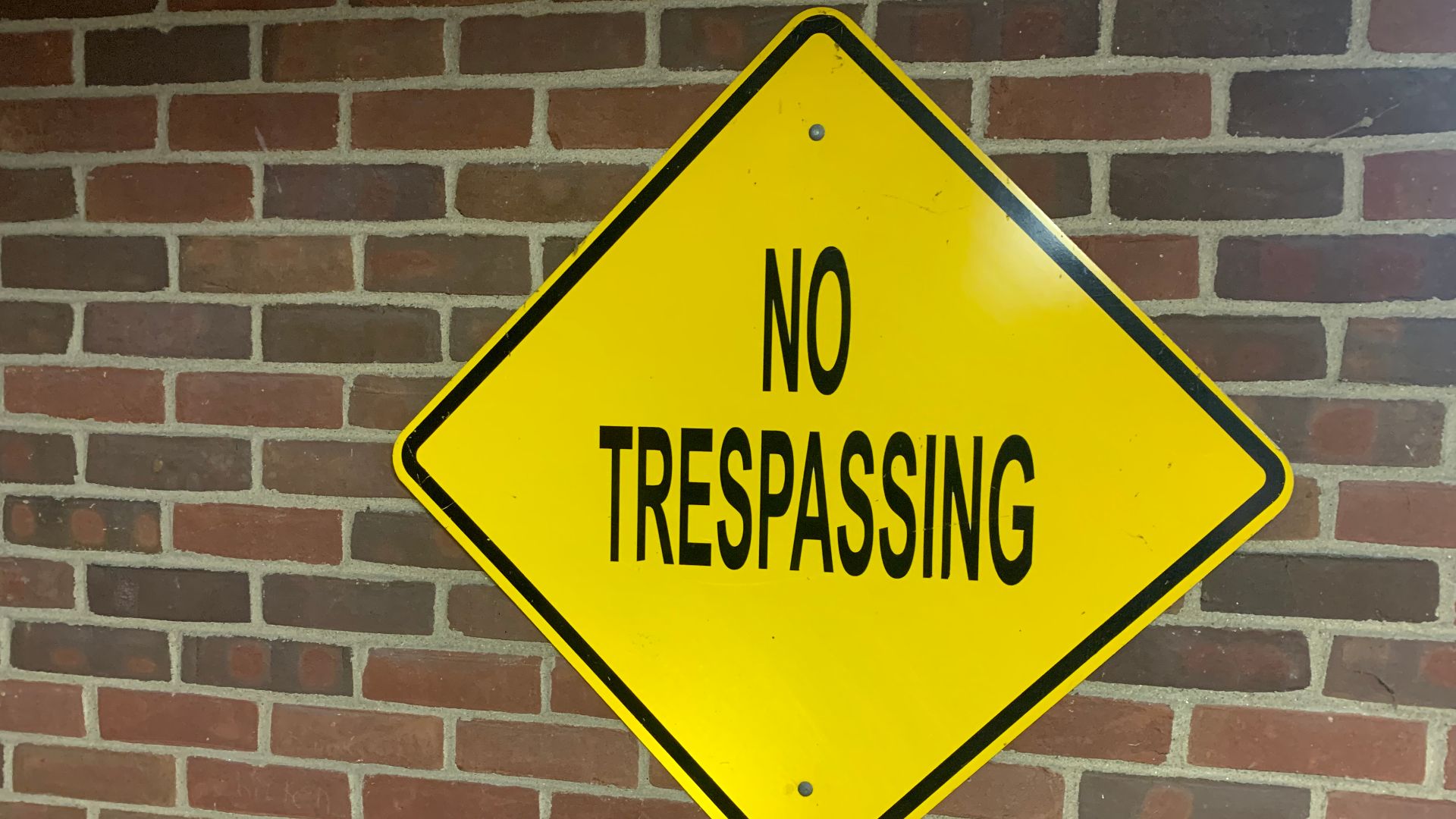
A yellow and black no trespassing signMarkBuckawicki, Wikimedia Commons

Advertisement

The Bottom Line Before You Grab a Shovel

You’re in control here. You can say no, say yes with conditions, or ignore the request entirely. Just remember—once you bought the home, the backyard (and its secrets) became yours.

A smiling couple proudly posing in front of their newly purchased house, expressing joy and togetherness.Kindel Media, Pexels

Advertisement

You May Also Like:

My insurance company viewed my property on Google Earth, then immediately canceled my policy because I have shipping containers. Can they do that?

I put a $12k purchase on my credit card, and my brother says it’ll be reported to the IRS. My dad says only cash purchases are reported. Who’s right?

Sources: 1, 2, 3


READ MORE

Americans waving at USA States map Map

The States Americans Are Actively Avoiding In 2026

Based on the latest domestic migration trends, housing affordability pressures, job growth data, and relocation patterns heading into 2026, these are the states Americans are most actively choosing to avoid. The results reveal where momentum is fading fastest—and some of the top states might surprise you.
January 20, 2026 Jesse Singer
American Man, European woman

Americans Should Know That These “Normal” Things They Do Are Illegal In Europe

Most Americans break European laws without realizing it—sometimes within minutes of landing. Not because they’re reckless, but because everyday U.S. habits quietly cross legal lines overseas. The fines come fast, the rules aren’t obvious, and “that’s normal back home” doesn’t help.
January 28, 2026 Jesse Singer
African landscape

In 2026, researchers uncovered the world’s oldest cremation pyre in Africa, where a hunter-gatherer woman was cremated around 9,500 years ago.

Archaeologists in Malawi uncover the world’s oldest known cremation pyre, dating back 9,500 years, revealing complex funerary rituals, pre-cremation defleshing, and early symbolic behavior among ancient hunter-gatherers.
January 20, 2026 Allison Robertson
Berkeley Mystery Walls

Explorers in California stumbled upon ancient stone walls scattered across the Berkeley hills that archaeologists struggle to explain.

Mysterious stone walls scattered across the Berkeley hills continue to puzzle archaeologists, raising unanswered questions about who built them, when they were constructed, and why they still defy explanation today.
January 28, 2026 Allison Robertson
DB Cooper

The Most Intriguing Cases Of People Who Vanished Without A Trace

What happens when someone vanishes into thin air? Throughout history, certain disappearances have captivated the public imagination because of their mysterious circumstances and the lingering questions they leave behind.
January 30, 2025 Peter Kinney
Amazon Rainforest

In 2024, archaeologists used light-detection technology to uncover a massive Amazonian city hidden in what was once believed to be untouched jungle.

Archaeologists reveal a 2,500-year-old network of ancient garden cities hidden beneath Ecuador’s Amazon rainforest, reshaping what we know about early urban life in the Amazon.
January 19, 2026 Allison Robertson