We Came For The Haunted House
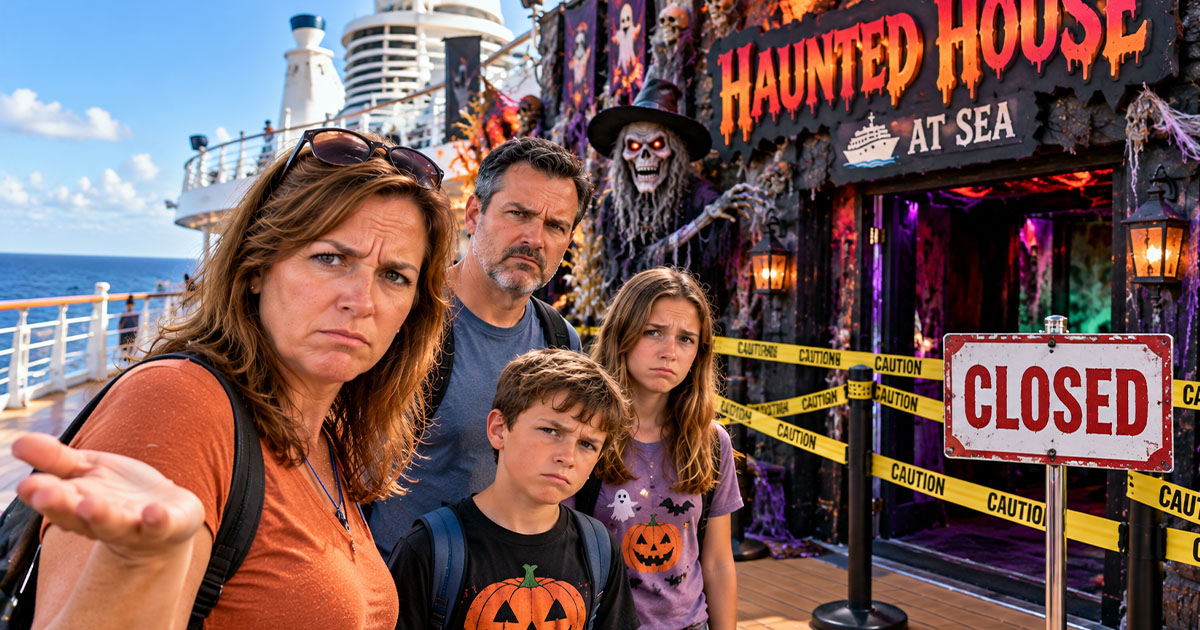
My family booked a Halloween cruise after seeing advertisements for a huge haunted attraction onboard. It was one of the things that convinced us to choose this sailing instead of another vacation. But when we boarded, the attraction was closed. It stayed closed for the entire cruise. We still got the ship, cabin, meals, ports, and everything else, but the Halloween experience we were excited about never happened.
Can we ask for some of our money back?
Cruise Vacations Come With A Lot Of Fine Print
Cruises are unusual vacations because passengers aren't simply buying a hotel room. You're purchasing transportation, accommodations, dining, entertainment, activities, and access to a floating resort under one contract.
That contract gives cruise lines considerable flexibility when plans change.
Start With Your Cruise Ticket Contract
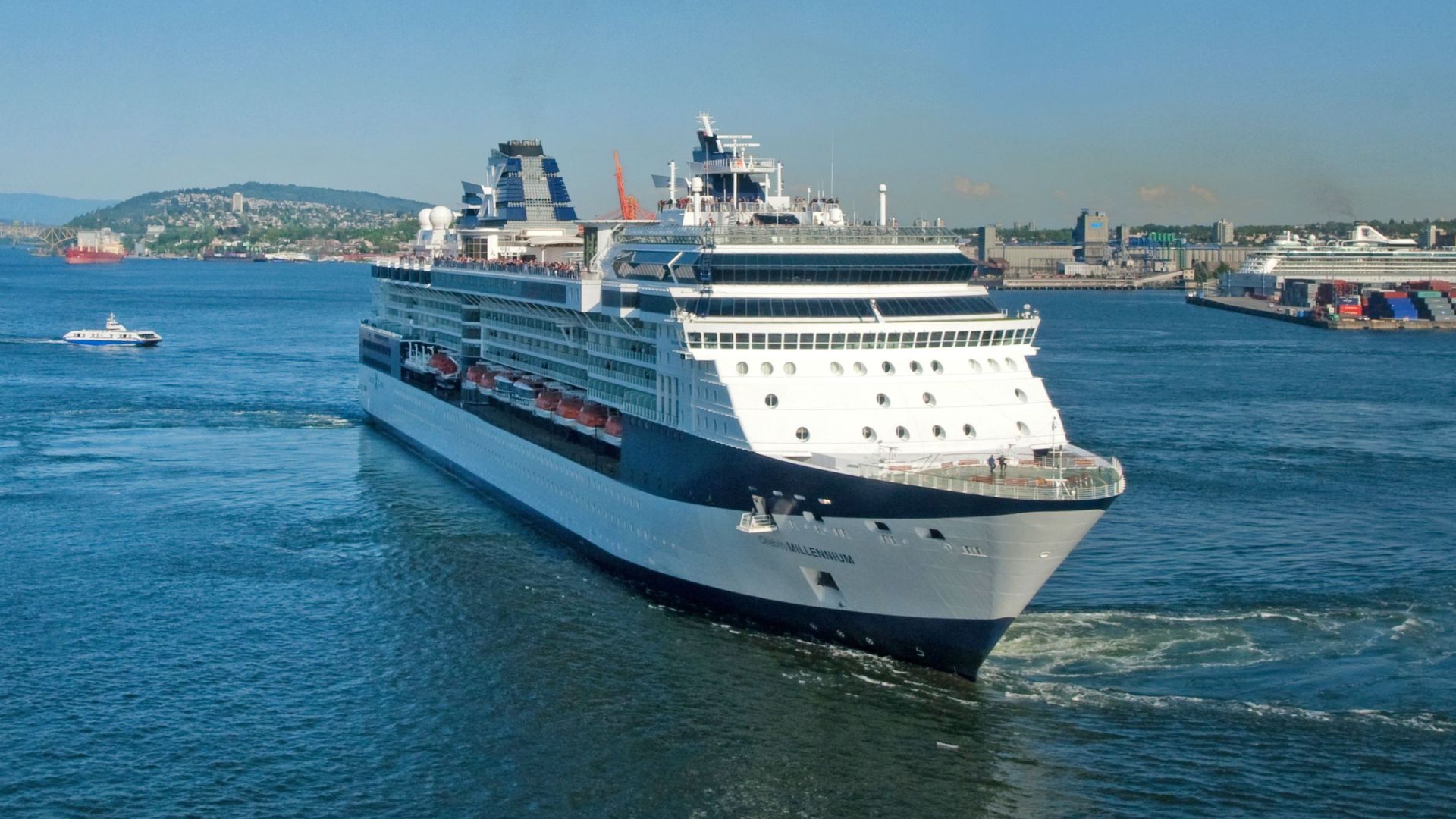
Before calculating what the missing haunted attraction was "worth," pull up the passenger ticket contract that applied when you booked. Cruise contracts commonly contain provisions allowing cruise lines to modify itineraries, schedules, activities, and other parts of the vacation under various circumstances.
Those provisions can make getting money back harder than passengers expect.

Even Major Cruise Changes Don't Always Produce Refunds
Carnival's current ticket terms, for example, give the company broad authority to change a cruise's duration or itinerary and omit or change port calls under numerous circumstances. Norwegian's U.S. ticket contract similarly contains broad provisions covering changes when voyages are affected by circumstances outside the carrier's control.
If cruise lines reserve substantial flexibility over ports and itineraries, passengers shouldn't assume every onboard entertainment change automatically generates compensation.

But Advertising Still Matters
Now we get to the interesting part. You didn't simply board a regular cruise and discover that one random arcade machine was broken.
You say the haunted attraction was advertised as part of the Halloween cruise, and that advertising influenced your purchase.
Save it.

Screenshot Everything You Can Still Find
Save the cruise line's webpage, promotional emails, social-media advertisements, booking confirmation, itinerary description, travel-agent materials, and anything else specifically mentioning the haunted attraction.
You want to establish exactly what was represented when you purchased the cruise.

Wording Could Make A Huge Difference
Compare these two advertisements: "Enjoy Halloween festivities and spooky surprises throughout your cruise." "Enter our massive haunted attraction, available throughout your Halloween sailing."
The second statement makes a much more specific representation about what passengers should expect.

Look For Words Like "Subject To Change"
The same promotional page may contain qualifications saying entertainment, activities, venues, schedules, or experiences are subject to change or availability.
Those few words aren't very exciting when you're booking a vacation, but they can become extremely important when you're asking for compensation afterward.

Why Was The Attraction Closed?
This is another major question. Was there an unexpected mechanical problem? A safety concern? Staffing shortage? Weather issue? Damage from the previous sailing?
Or did the cruise line know well before departure that the attraction wouldn't operate and continue prominently advertising it anyway?
Those are very different situations.
Safety Closures Are Particularly Difficult To Argue Against
Suppose crew members discovered an electrical problem inside the attraction and closed it to protect passengers. Most travelers would rather miss the haunted house than become permanent residents of it.
A legitimate last-minute safety closure could make substantial compensation less likely, especially if the cruise contract gives the line discretion to alter onboard programming.

What If It Was Never Going To Open?
That's a more frustrating scenario. Imagine the attraction had already been dismantled or was known to be unavailable before your sailing, but the cruise line continued using it prominently to sell the Halloween voyage.
At that point, your complaint isn't merely "an activity broke."
You're questioning whether the vacation was marketed accurately.

Did You Pay Separately For It?
This could dramatically simplify the financial question.
If admission to the haunted attraction cost an additional $40 per person and the cruise line canceled every performance, requesting your $40 back is considerably more straightforward than demanding a percentage of a $4,000 cruise fare.

Paid Entertainment Can Have Specific Refund Rules
Norwegian Cruise Line's current terms provide a useful example. When NCL cancels a show with an additional charge, passengers holding tickets can reserve another performance, subject to availability, or receive a full refund.
That doesn't establish a rule for every cruise line or every haunted attraction. It demonstrates why you should determine whether the missing experience was separately purchased.
 Gordon Leggett, Wikimedia Commons
Free Attractions Are More Complicated
Suppose the haunted attraction was included in the cruise fare. Now there's no neat receipt saying: Haunted House: $49.99. You purchased an entire vacation package, and one component disappeared. Calculating what portion of the fare should theoretically be returned becomes much more subjective.
Don't Expect Half Your Cruise Fare Back
If you paid $3,500 for a weeklong cruise and still received your cabin, meals, transportation, ports, pools, shows, and other amenities, demanding $1,750 because one attraction was unavailable probably isn't a realistic starting point.
The missing feature may have mattered enormously to you without representing half the economic value of the cruise.

A Full Refund Is An Even Bigger Ask
A full cruise refund generally becomes difficult to justify when the cruise itself operated and you took the vacation.
Royal Caribbean, for example, states that cancellation by a passenger after a cruise has begun or early disembarkation generally occurs without refund or compensation under its cancellation rules. Its booking conditions also distinguish minor changes from significant changes to the overall vacation.
 Richard N Horne, Wikimedia Commons
But "No Full Refund" Doesn't Mean "Don't Complain"
There is a huge financial gap between receiving your entire cruise fare back and receiving absolutely nothing.
Cruise lines can offer onboard credit, future cruise credit, refunds of specific purchases, loyalty points, refunds of fees, or other goodwill compensation depending on the circumstances and their policies.

Complain While You're Still Onboard
Don't wait three weeks if you discover the attraction is closed on Day One.
Visit guest services and ask whether the closure is temporary. Find out why it is closed, whether it will reopen, and what alternative is being offered.
Most importantly, ask them to document your complaint.

Ask A Very Specific Question
Instead of saying, "This cruise is terrible and I want my money back," try focusing on the missing advertised feature.
Explain that the haunted attraction was specifically promoted when you booked, that it materially influenced your choice of sailing, and that it remained unavailable throughout the voyage.
Then ask what compensation the cruise line is offering affected passengers.

Get The Answer In Writing
If guest services says the attraction won't open during the voyage, ask whether they can provide that information in writing or note it on your account.
Take a screenshot if the cruise app lists the attraction as canceled or unavailable.
Documentation becomes considerably harder once you've gone home.

Ask Whether Everyone Is Receiving Something
Sometimes compensation isn't individually negotiated. The cruise line may already have established a standard response for affected guests.
Perhaps everyone who purchased admission gets an automatic refund. Perhaps passengers receive onboard credit. Perhaps no compensation is being offered.
Ask before assuming.

What Is A Reasonable Dollar Amount?
If you paid separately for the attraction, the price you paid for it is the obvious starting point.
If the attraction was included in your fare, there isn't a universal formula. Instead of inventing a percentage, ask the cruise line what credit or adjustment it provides when a prominently advertised included amenity is unavailable for an entire voyage.

Future Cruise Credit Isn't The Same As Cash
Suppose the cruise line offers you $200 in future cruise credit.
That's potentially useful, but it requires you to spend money with the same company again. Read the expiration date, eligible sailings, transfer restrictions, minimum-fare requirements, and other conditions before deciding how valuable the credit really is to you.

Onboard Credit Has Limits Too
An onboard credit offered during the current sailing can be valuable if you were already planning to spend money on drinks, specialty restaurants, excursions, spa treatments, or other purchases.
But $100 in cruise credit isn't necessarily economically identical to receiving $100 back on your credit card.
What If We Booked Through A Travel Agent?
Contact the agent too. They may have records showing exactly how the cruise was marketed when you purchased it and can potentially advocate with the cruise line.
If the travel agency created its own Halloween package or made additional promises, determine who actually made the representation you're relying on.

What If It Was A Third-Party Attraction?
Cruise contracts often distinguish between services provided by the cruise line and those supplied by independent contractors. That can affect who is responsible for cancellations and what remedies are available.
Norwegian, for example, says it isn't responsible for certain losses or expenses resulting when third-party tours, programs, or services are changed or abandoned.
Travel Insurance Probably Isn't The Magic Answer
Standard travel insurance generally shouldn't be assumed to cover disappointment because an onboard attraction wasn't available. Policies cover defined events and losses, and the exact terms matter.
Check the policy before filing a claim rather than assuming "my vacation wasn't what I expected" is automatically covered.

What About A Credit Card Dispute?
Be careful here.
You did receive the cruise. Disputing the entire cruise charge as though the company provided nothing would ignore the cabin, transportation, food, entertainment, and other services you actually received.
That's very different from disputing a separate charge for an attraction that was canceled and never refunded.

A Separate Haunted-House Charge Is Cleaner
Imagine your family paid $200 total for four haunted-attraction tickets. The attraction never opened, and the cruise line neither refunded the tickets nor provided the purchased service.
That creates a much cleaner financial dispute than arguing that an unspecified percentage of your entire cruise fare should be reversed.

What If The Halloween Theme Was The Whole Selling Point?
This is where the facts become more interesting.
Suppose the voyage was specifically sold as a Halloween event, the haunted attraction dominated the advertisements, and passengers paid a premium compared with ordinary sailings because of the seasonal programming.
Save evidence showing that.

Compare What Was Promised With What You Received
Don't simply make a list of everything you disliked. Create a short comparison:
Advertised: Haunted attraction operating during Halloween cruise.
Received: Attraction closed for entire voyage.
Paid separately: Yes/no.
Notice before sailing: Yes/no.
Reason given: Whatever the cruise line told you.
That makes the complaint much easier to understand.

The Rest Of The Halloween Programming Matters
If the haunted attraction disappeared but the ship still provided costume parties, themed shows, decorations, trick-or-treating, Halloween menus, and other advertised activities, the cruise line can reasonably point out that the broader themed experience was still delivered.
If virtually the entire advertised Halloween program disappeared, your complaint becomes considerably more substantial.
 Peripateticpenguin, Wikimedia Commons
One Missing Attraction Isn't The Same As A Missing Vacation
This distinction is crucial. If the ship sailed, visited its destinations, housed you, fed you, and provided most promised services, the financial dispute concerns a missing component of the vacation, not usually the entire vacation.
Your requested remedy should reflect that distinction.

The Cruise Contract May Still Be The Biggest Obstacle
Cruise lines write their passenger contracts to preserve substantial operational flexibility. Carnival's contract expressly allows numerous itinerary changes, while Royal Caribbean's booking conditions explain that minor changes may occur without a right to cancellation or compensation.
The exact contract applicable to your sailing needs to be checked before assuming the advertisement guarantees compensation.

But A Contract Doesn't Make Advertising Meaningless
You should still preserve evidence if a specific feature was prominently marketed and unavailable for the entire trip.
There's an important factual difference between an unavoidable last-minute operational change and continuing to sell a vacation using a specific attraction that the company already knows won't be provided.

Put Your Post-Cruise Complaint In Writing
If guest services doesn't resolve it onboard, send a concise written complaint after returning home.
Include your booking number, sailing date, screenshots of the advertising, evidence that the attraction remained closed, what crew members told you, how much you separately paid if applicable, and the specific compensation you're requesting.

Don't Wait Forever
Your passenger contract may impose deadlines and procedures for particular types of claims. Credit-card disputes and travel-insurance claims can also have their own deadlines.
If money is genuinely at stake, read those terms promptly instead of leaving the paperwork in a drawer until next Halloween.

So... Are We Owed Anything?
Possibly, but a full or automatic partial refund of the cruise fare is far from guaranteed.
If you separately paid for admission and the cruise line canceled the attraction, you have a much stronger argument for getting that specific charge refunded. Some cruise lines expressly provide refunds when paid entertainment is canceled.
If the haunted attraction was simply one included amenity, the situation is murkier. The passenger contract may give the cruise line substantial authority to alter entertainment and programming, meaning compensation could depend on the circumstances, the advertising, applicable law, and the cruise line's customer-service policies.

The Advertising Could Strengthen Your Case
Your complaint becomes more compelling if the haunted attraction was a major, specific selling point rather than a tiny item buried in a list of dozens of activities.
It's stronger still if you can show the cruise line knew before departure that the attraction wouldn't operate but continued advertising it without notifying booked passengers.

Start By Asking For Money, Not Just An Apology
If you paid separately, ask for that charge back.
If it was included, ask what monetary adjustment, onboard credit, or future cruise credit the company is offering because a prominently advertised attraction was unavailable for the entire sailing.
Keep the request specific, documented, and proportionate.
 https://kaboompics.com/, Pexels
The Bottom Line
You probably aren't automatically entitled to a free cruise because the haunted attraction never opened. Cruise contracts generally give operators significant flexibility, and you still received the rest of the voyage.
But that doesn't mean you should shrug and forget it either. Save the advertisement, document the closure, read your ticket contract, complain onboard, and request compensation in writing.
Because if a cruise line sells you the haunted experience of a lifetime, the scariest part shouldn't be discovering that you paid for an attraction with the lights permanently off.
You May Also Like: