The Campsite Switch Nobody Wants
You booked early, picked the perfect site, and pictured exactly where your tent or RV would go. Then, right before arrival, the park tells you that your campsite has changed. That feels unfair, especially if you chose that spot for shade, privacy, hookups, accessibility, or proximity to friends. The frustrating answer is that the park may be allowed to move you, but the details matter.

A Reservation Is Not Always A Promise Of Perfection
A campsite reservation usually guarantees camping accommodations for specific dates, not necessarily one exact campsite. Individual campgrounds often have their own policies for site changes, cancellations, and refunds. That means your rights depend on where you booked and the terms of your reservation.
Start With The Confirmation Email
Your confirmation email is the first place to look when a campsite gets changed. It should show your reservation number, campground, arrival date, departure date, and often the site number or site type. Utah State Parks, for example, says confirmation emails include campground information, dates, park rules, and reservation policies. Save that email because it is your cleanest proof of what you originally purchased.

The Site Type Matters More Than The Site Number
Campground managers often distinguish between a specific site number and a broader site category. A move from one standard non-electric tent site to another may be treated differently than a move from an electric RV site to a smaller non-electric site. If the replacement site lacks a paid feature, you have a stronger case for a fee adjustment. The key question is whether the new site is meaningfully equivalent.
Parks Can Change Plans For Safety
Parks sometimes move campers because a site becomes unsafe or unusable. Flooding, wildfire risk, fallen trees, road work, utility failures, animal activity, or storm damage can all affect campground operations. The National Park Service maintains active alerts for closures, dangers, and other conditions that may affect visits. If a site is closed for safety, the park is more likely to offer a move than keep the original reservation.
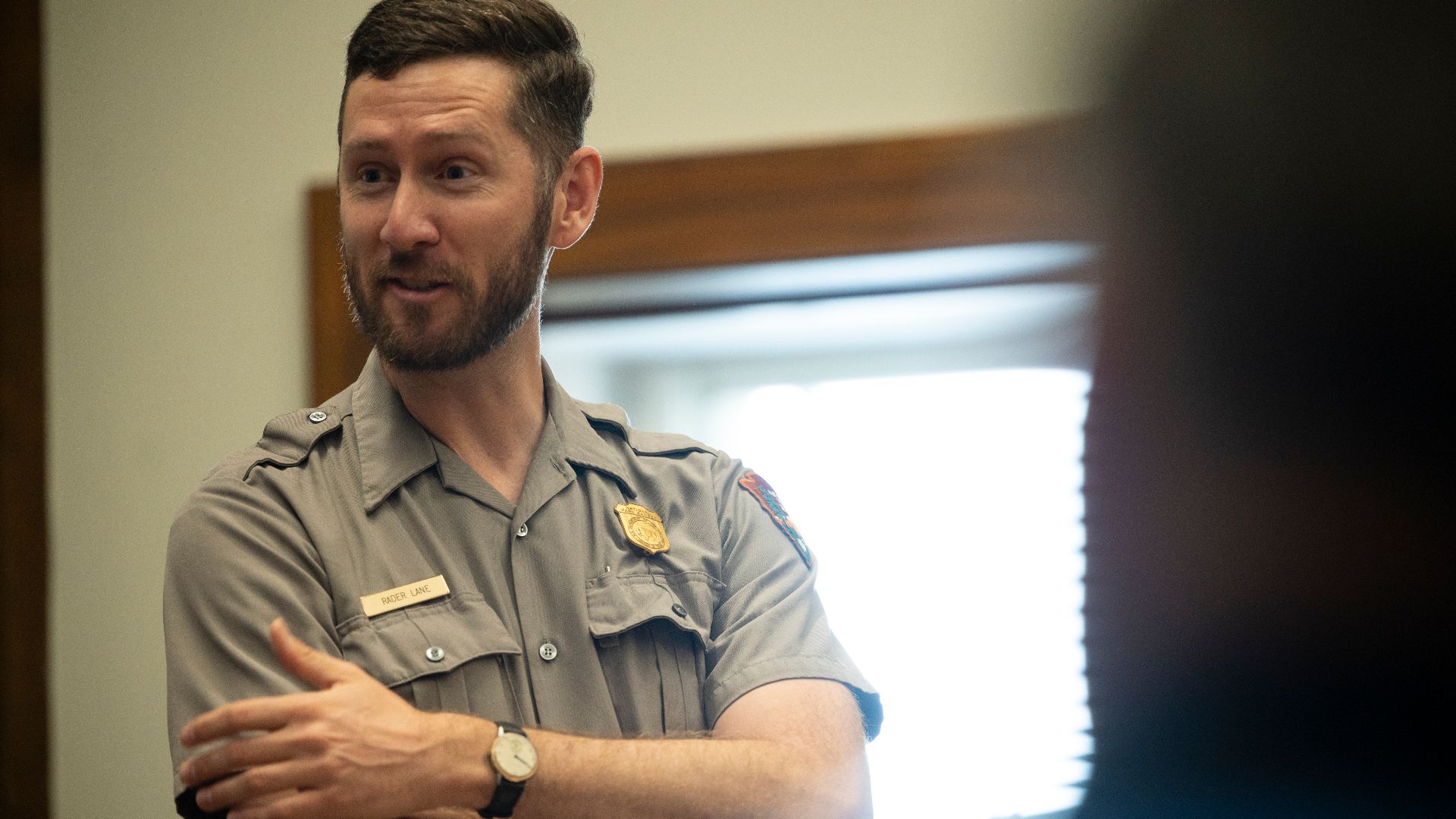 Joel Kowsky, Wikimedia Commons
Maintenance Can Override Your Favorite Spot
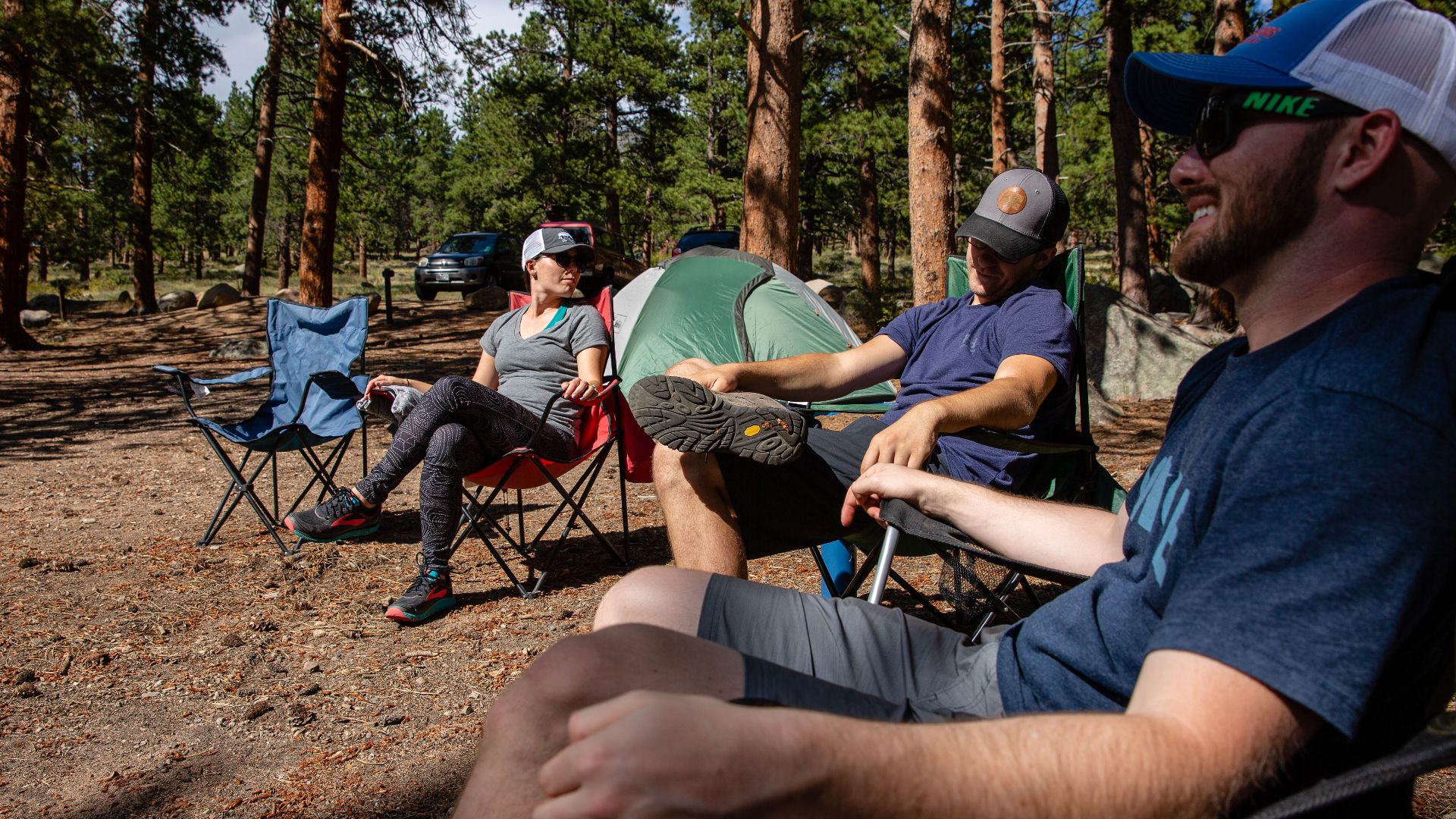
Campgrounds are working facilities, not just scenic backdrops. Sewer lines, water systems, electrical pedestals, roads, bathrooms, and bear boxes all need maintenance. Rocky Mountain National Park has publicly adjusted campground plans around sewer system rehabilitation work. When infrastructure issues affect a campsite, staff may have little choice but to move reservations.
Staffing Problems Can Also Change Inventory
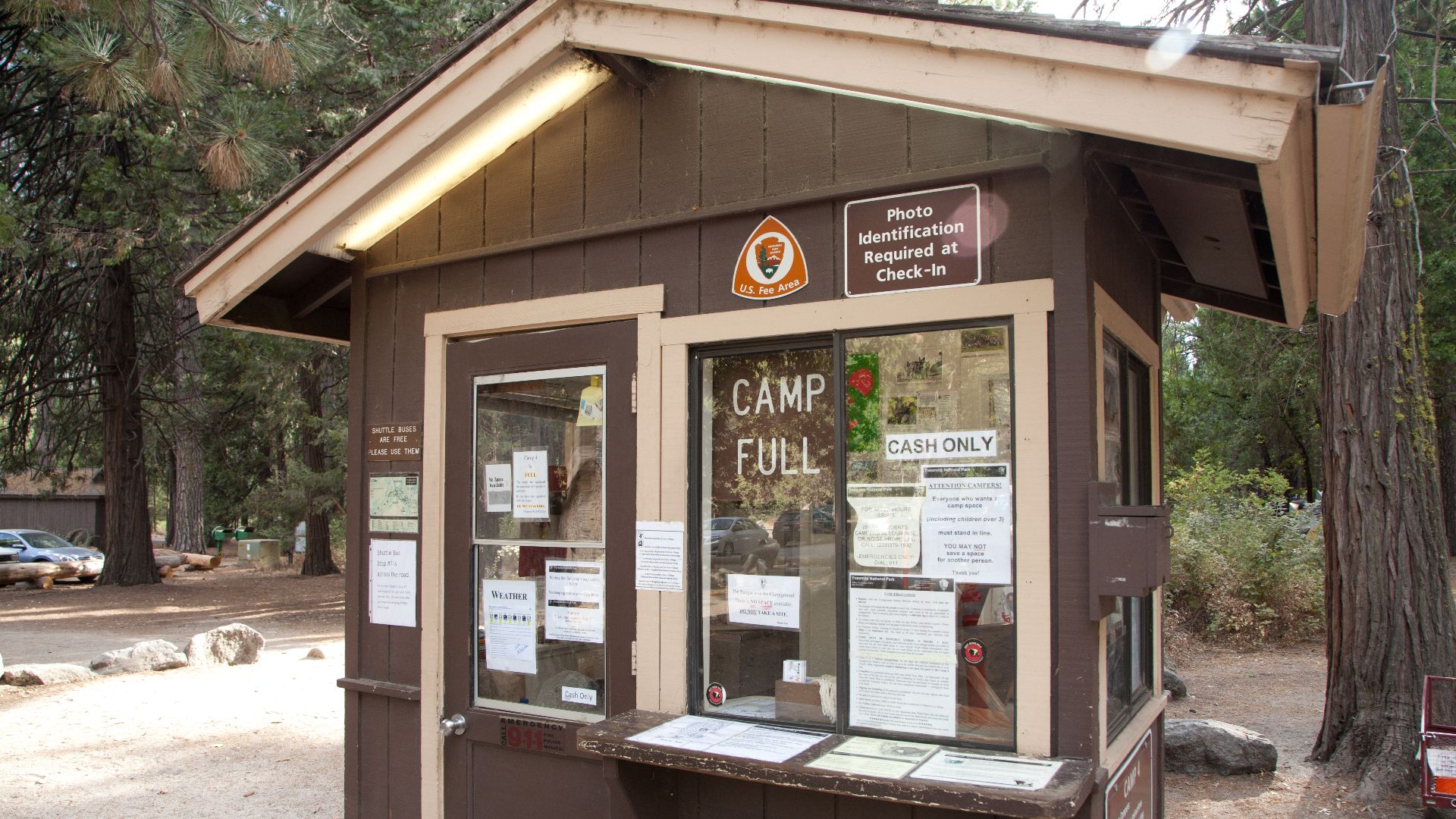
Campgrounds need staff to clean bathrooms, manage check-ins, monitor rules, answer emergencies, and maintain sites. If a park cannot operate a full campground safely, it may reduce available inventory. Yosemite has paused or adjusted campground reservation availability in the past because of operational capacity concerns. In those cases, even a confirmed reservation can become part of a larger staffing problem.

Overbooking Is Less Common But Still Possible
Public park systems usually try to avoid overbooking because campsites are fixed pieces of inventory. Even so, reservation systems can face errors, duplicate bookings, storm closures, or last-minute operational changes. Individual facilities set booking windows, details, fees, and business rules. If the move happened because of an administrative mistake, ask for a written explanation.
Accessibility Needs Deserve Extra Attention
If you booked an accessible campsite because of a disability-related need, a casual site swap may not be enough. Some reservation systems have specific rules for accessible campsite use and documentation. If the replacement site does not meet your access needs, say that clearly and ask for a comparable accessible option.

Hookups Are Not A Small Detail
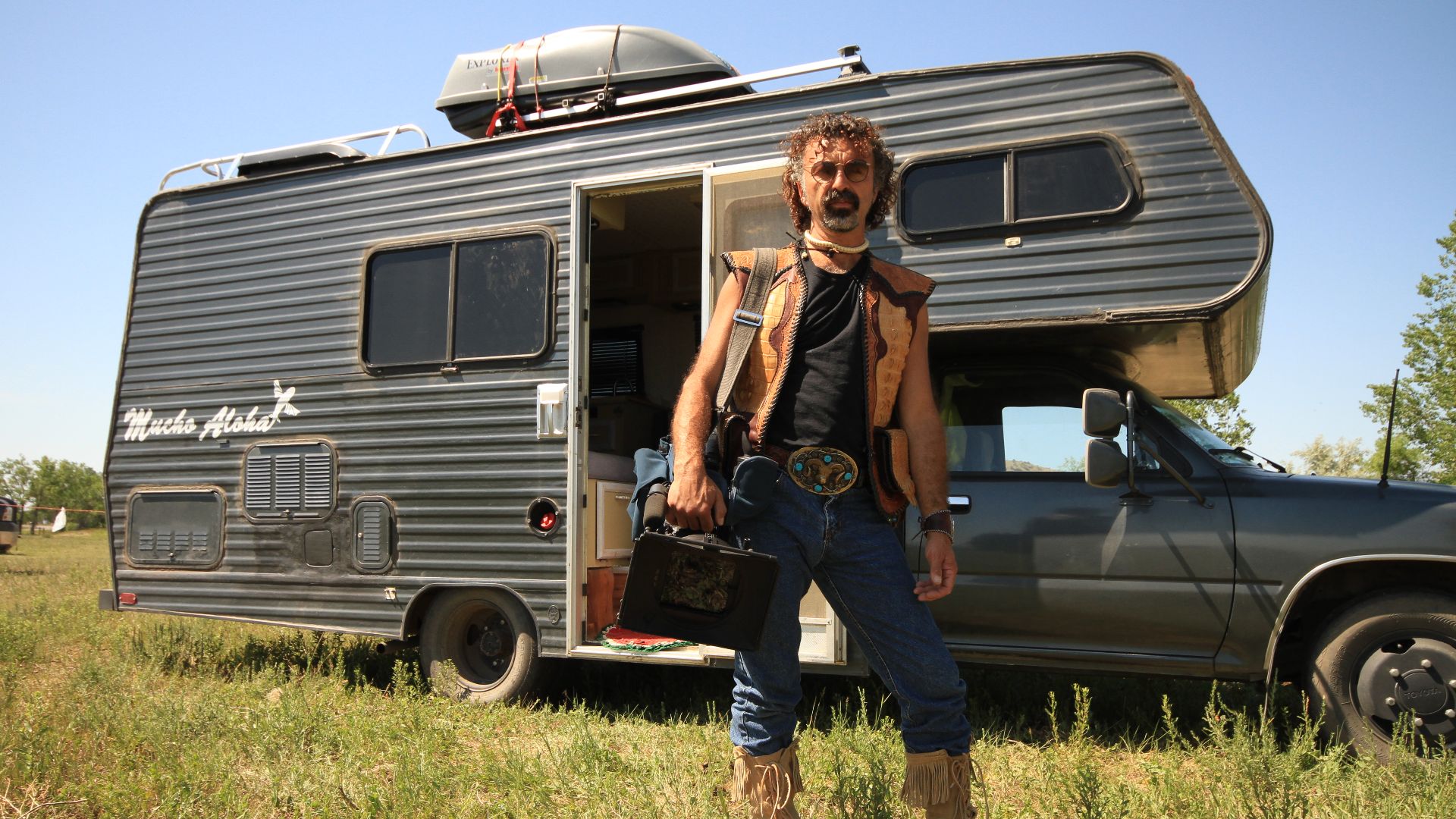
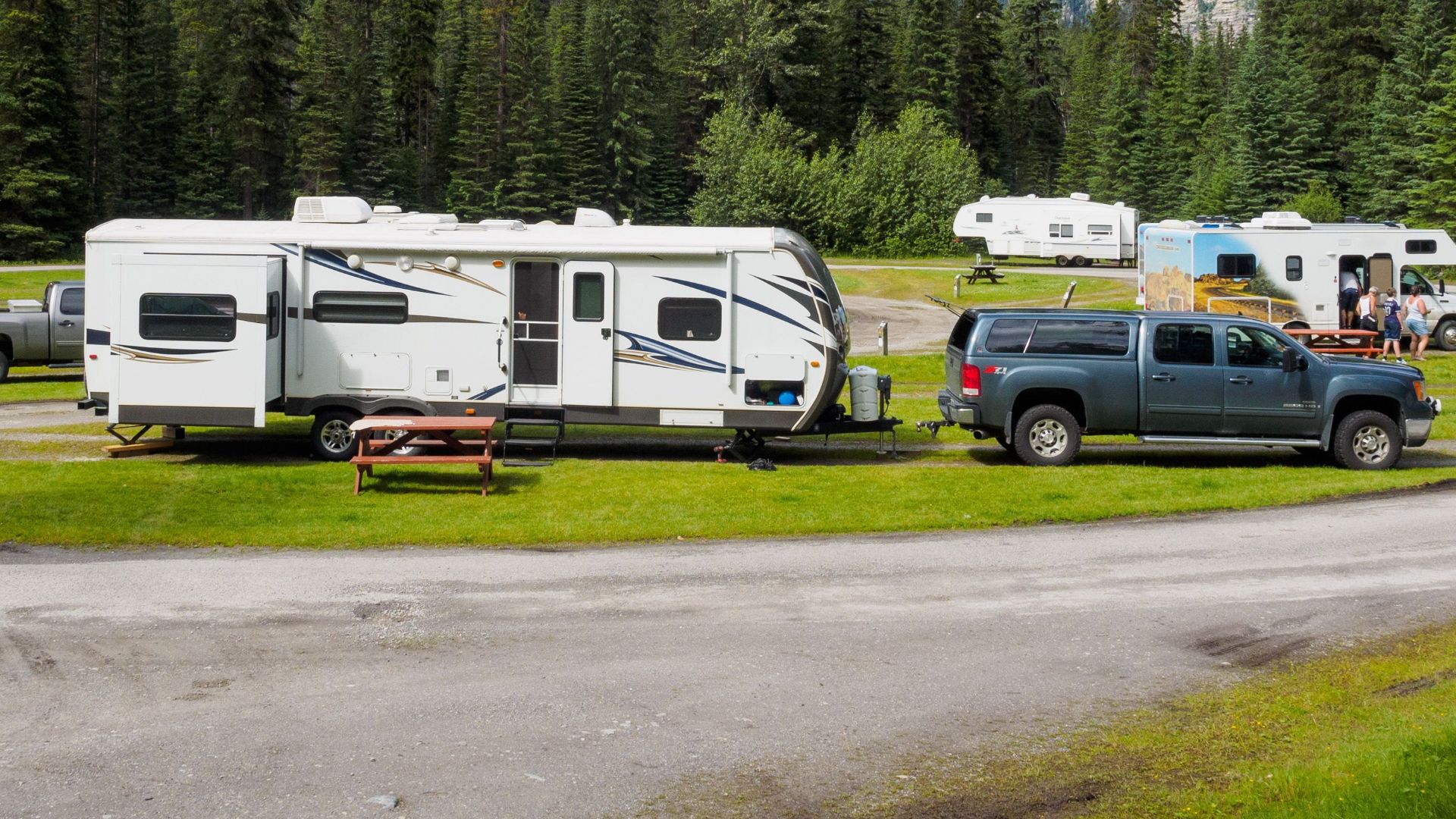
For RV travelers, hookups can be the difference between a comfortable trip and a stressful one. A move from full hookups to partial hookups, or from electric to non-electric, is not just a change of scenery. Many campground systems price sites based on amenities, site type, season, and demand. If you paid for a feature that is no longer available, ask whether the rate should be adjusted.
Location Can Be Part Of The Value
Some campers choose a site because it is near a restroom, lake, trailhead, playground, or another family’s campsite. Reservation systems often let visitors search by map, list, calendar, equipment type, or amenities. If the new site removes something important, explain why the move affects your trip.

The Park May Offer An Equivalent Site
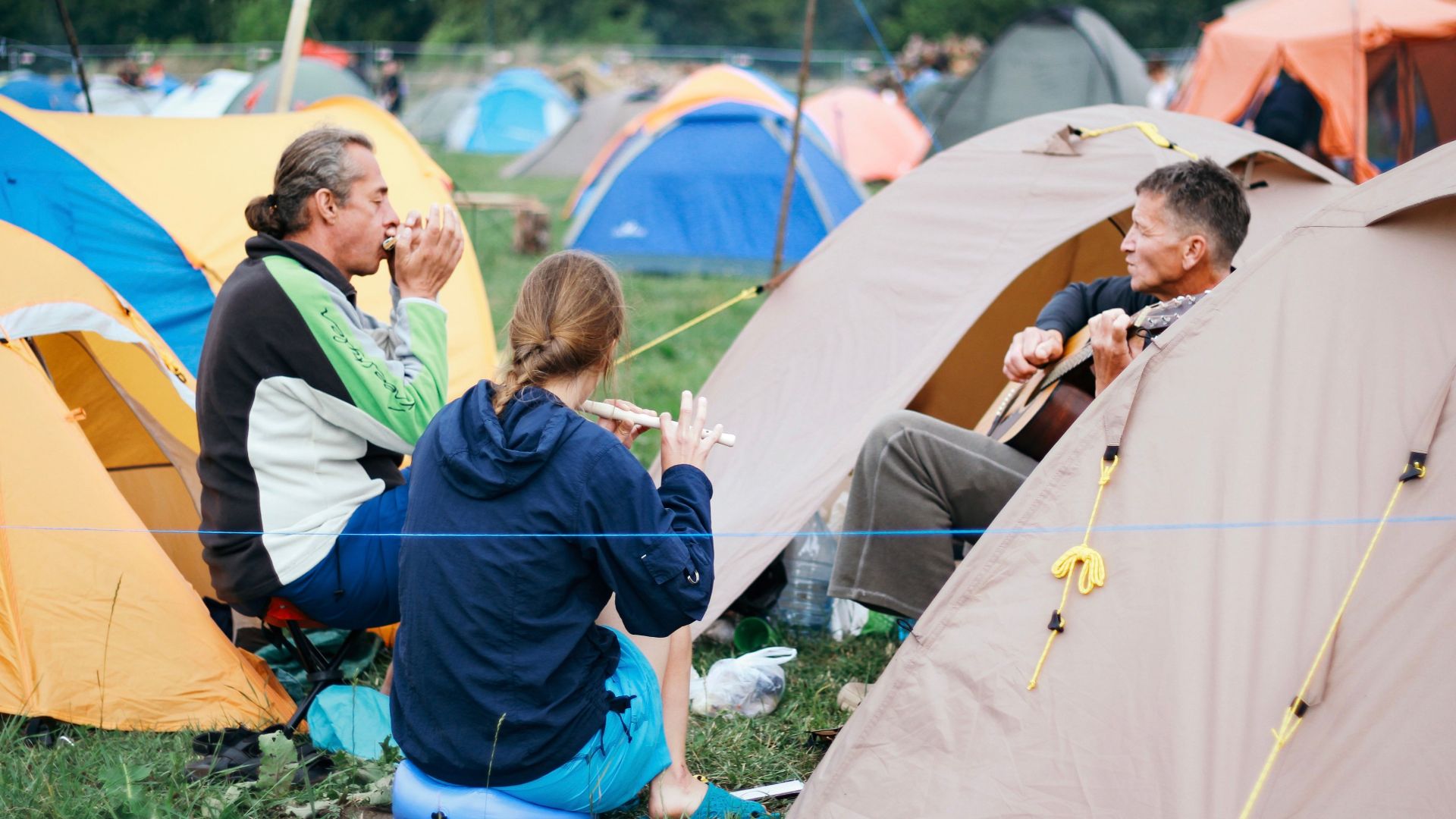
If a park needs to move your reservation, it will often try to assign you a campsite with similar features and amenities. That could mean another site in the same campground with comparable hookups, size, or location. If the replacement site is truly equivalent, the park may consider the issue resolved. The important question is whether the new site offers the same overall value as the one you originally booked.
A Downgrade Is Different From A Move
A downgrade is when the replacement site gives you less than you booked. That could mean fewer hookups, a smaller pad, no space for your RV, worse accessibility, or the loss of a premium feature. If the replacement site costs less or provides fewer amenities, ask whether the park can adjust your rate or refund the difference.
Refund Rules Depend On Who Runs The Campground
Federal, state, provincial, county, and private campgrounds all use different rules. Recreation.gov, ReserveCalifornia, ReserveAmerica, Ontario Parks, and individual state agencies may all have separate policies. California State Parks, for example, has its own cancellation and refund schedule for ReserveCalifornia bookings. Always check the exact system used for your reservation, not just a general camping article online.

Do Not Cancel In Anger Too Quickly
If the park moved you, do not immediately cancel through the online system unless you understand the fee consequences. Standard cancellation rules may treat your action as a regular customer cancellation. Cancellation fees and late cancellation penalties can apply depending on timing. It is often better to contact the park or reservation support first and explain that the change was initiated by the park.

Ask For The Reason In Writing
A written reason helps you understand whether the move was caused by safety, maintenance, overbooking, accessibility, construction, or another issue. It also gives you documentation if you later request a refund or file a complaint. Keep your tone calm and specific because the person answering may not be the person who made the decision. Ask them to confirm the original site, the new site, and the reason for the change.

Compare The Two Campsites Carefully
Look at the original site and replacement site side by side. Compare length limits, slope, shade, hookups, distance to bathrooms, accessibility, generator rules, pet rules, parking, and water access. If maps or site photos are available, save screenshots before they change. The more specific your comparison, the stronger your request will be.

Your Best Ask Is Usually Practical
Instead of leading with outrage, lead with a clear request. Ask for your original site back if it is still available. If it is not available, ask for a comparable site with the same amenities. If the replacement is inferior, ask for a price adjustment, fee waiver, or cancellation without penalty.
 Joshua Tree National Park, Wikimedia Commons
Timing Can Affect Your Options
The closer you are to arrival, the fewer open campsites the park may have. Popular campgrounds often sell out well in advance, especially during summer weekends and holidays. If you receive a change notice, respond quickly.

Late Arrival Rules Can Complicate Things
A campsite move is not the only way travelers can lose a reservation. Many parks may release an unoccupied campsite if you miss the arrival deadline without notifying staff. If you expect to arrive late, contact the campground as soon as possible to avoid losing your site.
Keep Cell Service Limits In Mind
Many campgrounds have unreliable cell service, making last-minute reservation issues harder to resolve. Before you travel, save or print your reservation confirmation, campground map, reservation policies, and any emails about changes to your booking. Having everything available offline can make resolving problems much easier.

When A Full Refund May Be Reasonable
A full refund is more reasonable when the park cannot provide the type of campsite you booked. It may also be reasonable if the move makes the trip impossible for your equipment, disability needs, group arrangement, or paid amenities. If the park offers only a clearly inferior site, ask whether you can cancel without the usual penalty. Policies vary, so frame the request around the specific failure to provide what was reserved.

When A Partial Refund May Be More Realistic
A partial refund may be the more realistic outcome when the park still provides a usable campsite. If you paid for electric service and lost it, the difference in site fees is a logical starting point. If you lost a premium lakefront or full-hookup site, ask how the replacement is priced. Keep the request tied to measurable differences rather than general disappointment.

Private Campgrounds May Have More Flexibility
Private campgrounds may have their own contracts, guarantees, and customer service practices. Some will move guests for operational reasons, while others may let campers pay extra to lock a specific site. The legal and refund terms depend on the booking agreement and local consumer rules. Read the fine print before assuming a private campground follows the same rules as a public park.
 E.Guggenbichler, Wikimedia Commons
Public Parks Still Need To Be Fair
Public park systems have to manage safety, access, demand, staffing, and limited inventory. That does not mean they can ignore customers or communicate poorly. If a park moves you without warning, it is fair to ask why, what changed, and what remedy is available. A polite paper trail is often more effective than a heated exchange at the check-in window.
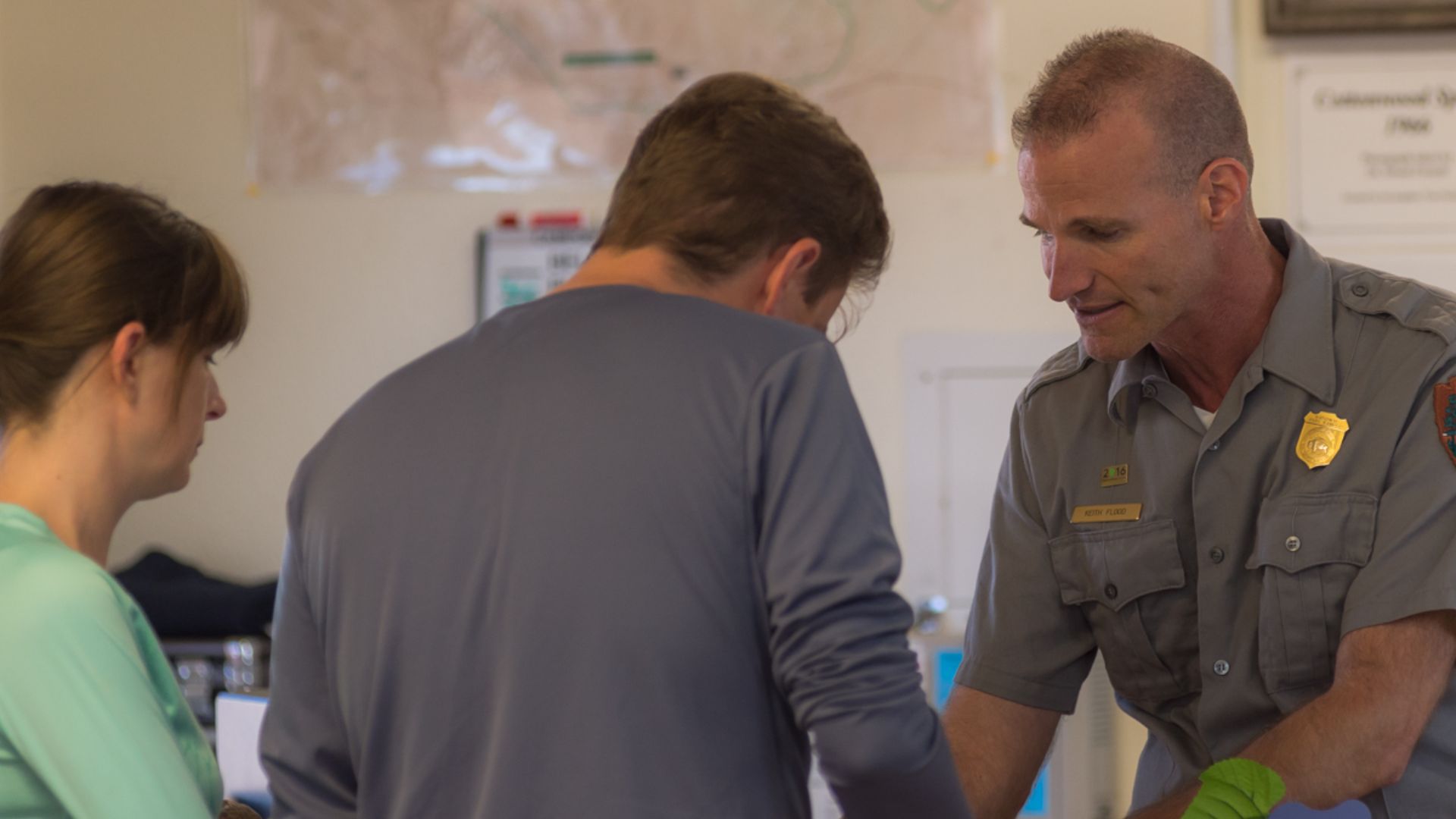 Joshua Tree National Park, Wikimedia Commons
The Bottom Line For Campers
Yes, a park can often move your campsite if operations, safety, maintenance, or policy require it. No, that does not mean you must silently accept a worse site with no explanation. Your best argument is strongest when the replacement is not equivalent to what you booked. Ask for the original site, a comparable replacement, a fee adjustment, or a penalty-free cancellation.
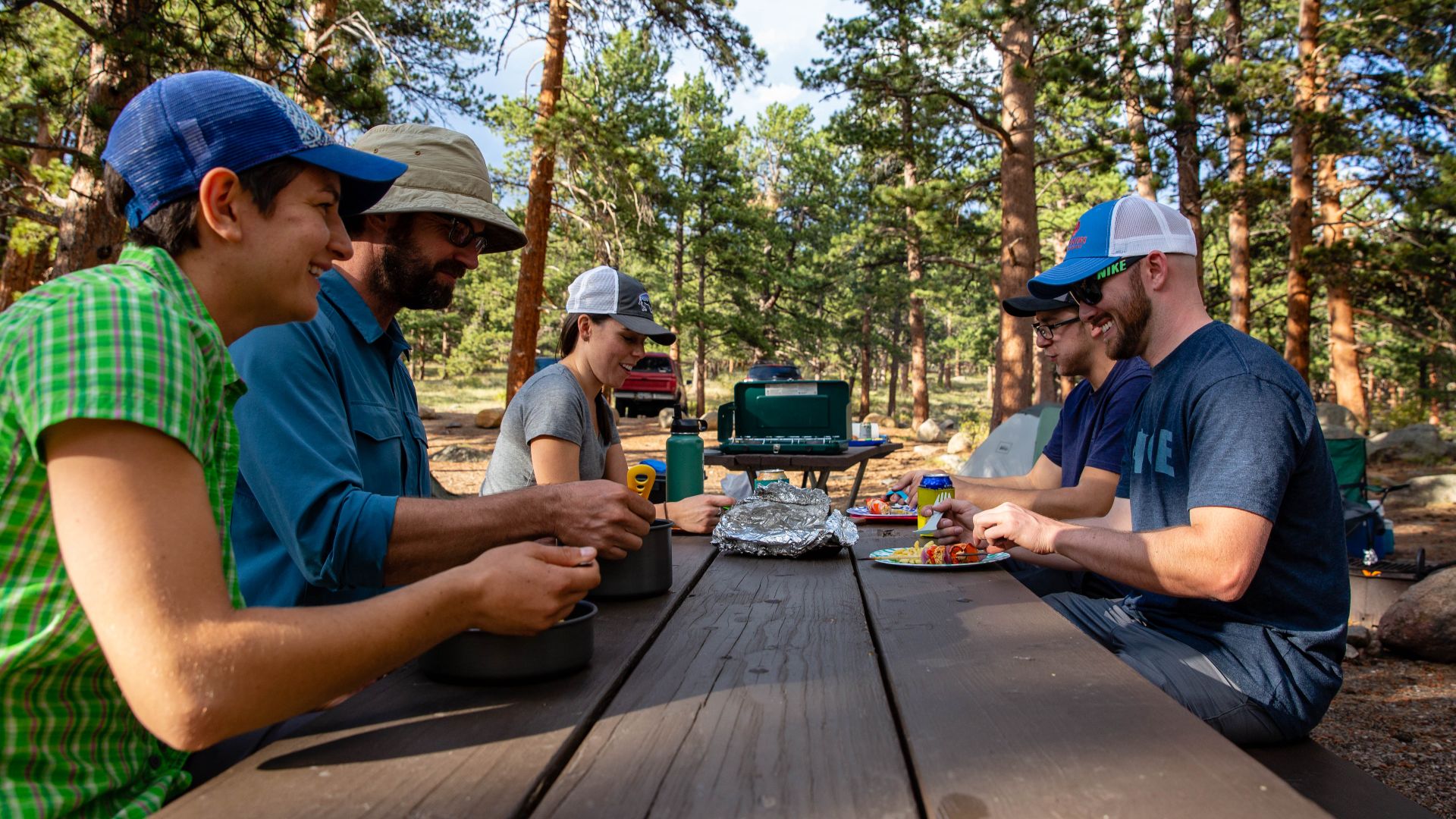
How To Protect Your Next Reservation
Before booking, read the campground’s specific rules, not just the reservation platform’s general policy. Save your confirmation, site map, cancellation terms, and screenshots of the site details. Call the park ahead of time if your site choice is tied to accessibility, RV length, hookups, or camping with another group. The more important the exact site is, the more you should document before arrival.

You May Also Like:
The Best States For Off-Beat Winter Camping—Ranked According To Travelers