The Message That Should Make You Pause
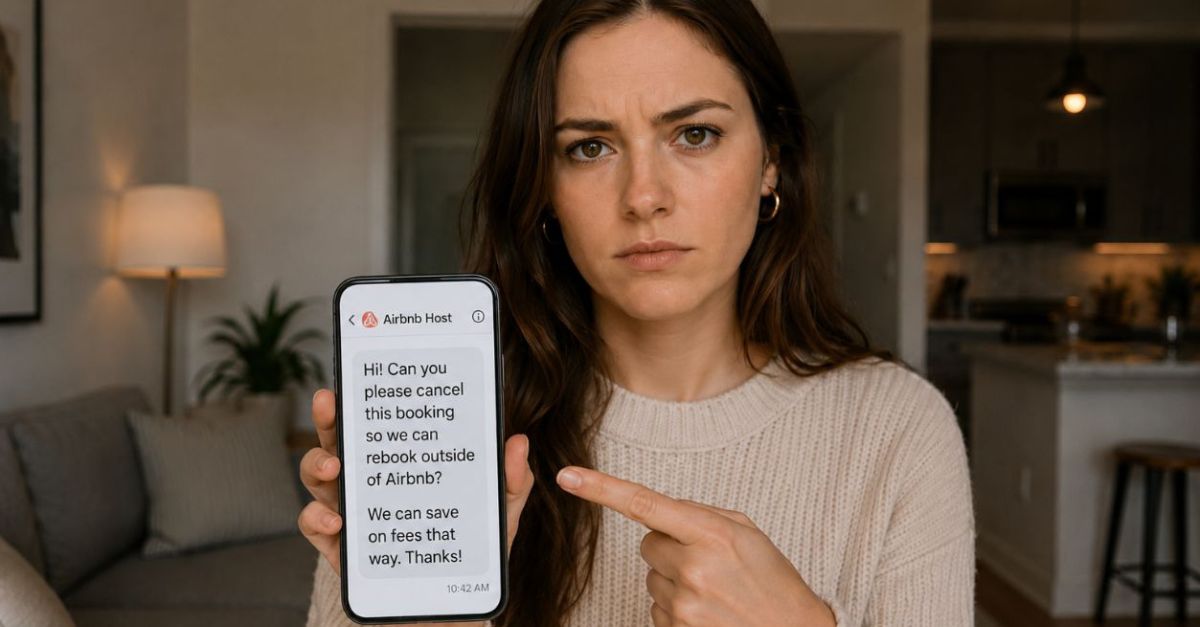
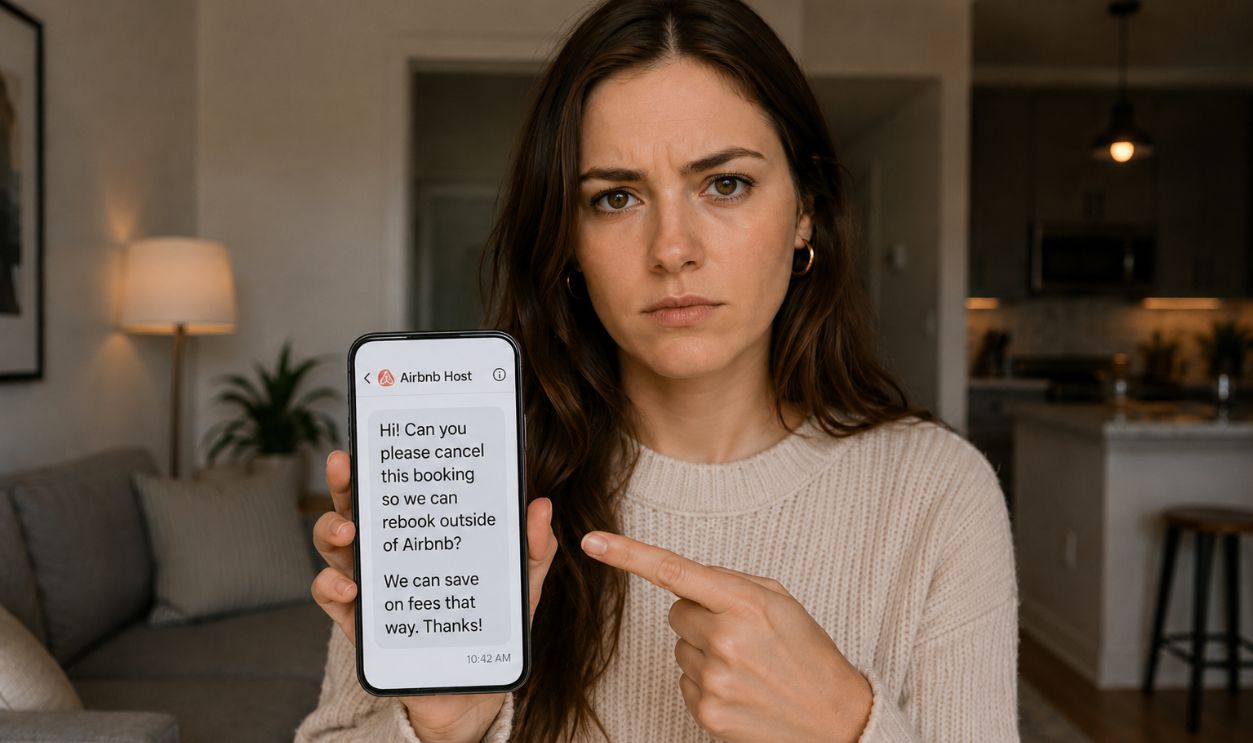
You book an Airbnb, lock in your plans, and then a message pops up. The host asks you to cancel and rebook outside the platform to “save fees.” To some less experienced customers, this might seem like it makes sense, but Airbnb’s own rules make this a serious red flag that could actually put you at risk.
Why Hosts Make This Ask
The pitch is usually simple: both sides save money by cutting out Airbnb’s service fees. But once a reservation and payment move off-platform, you also lose many of the protections that come with booking through Airbnb.

Airbnb Explicitly Warns Against It
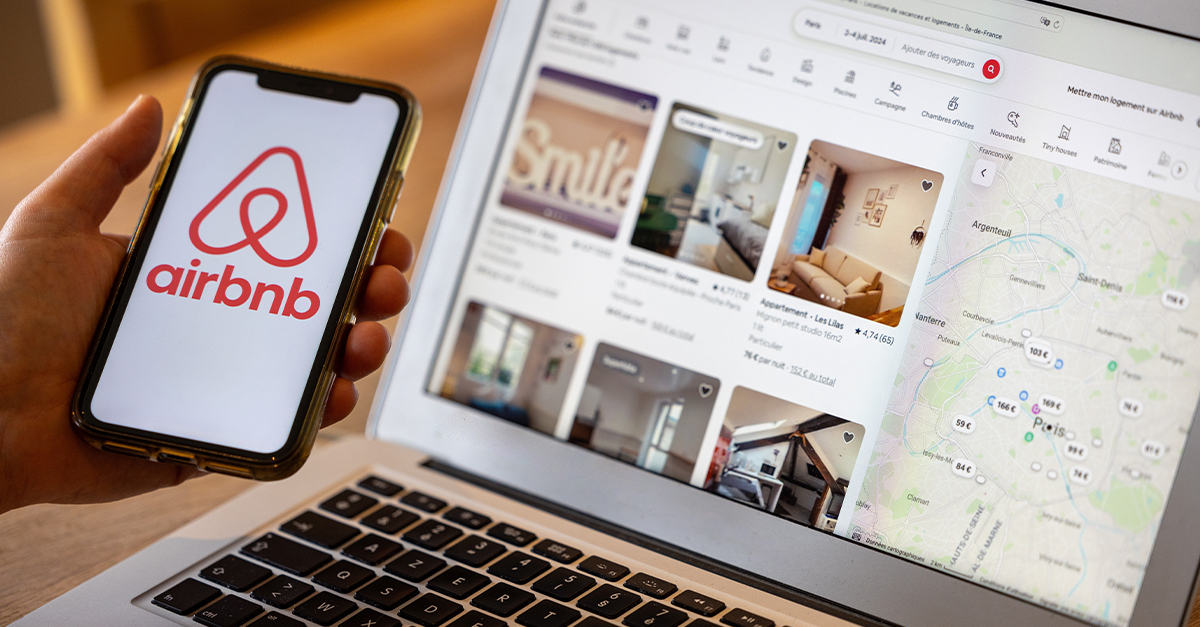
Airbnb’s policy on off-platform payments and fee transparency is clear. Users are not supposed to ask for, make, or accept payments outside Airbnb for stays booked on the platform, except in limited cases Airbnb specifically allows. The reason is simple: Airbnb cannot protect a transaction it cannot track.
What Counts as Off-Platform Payment
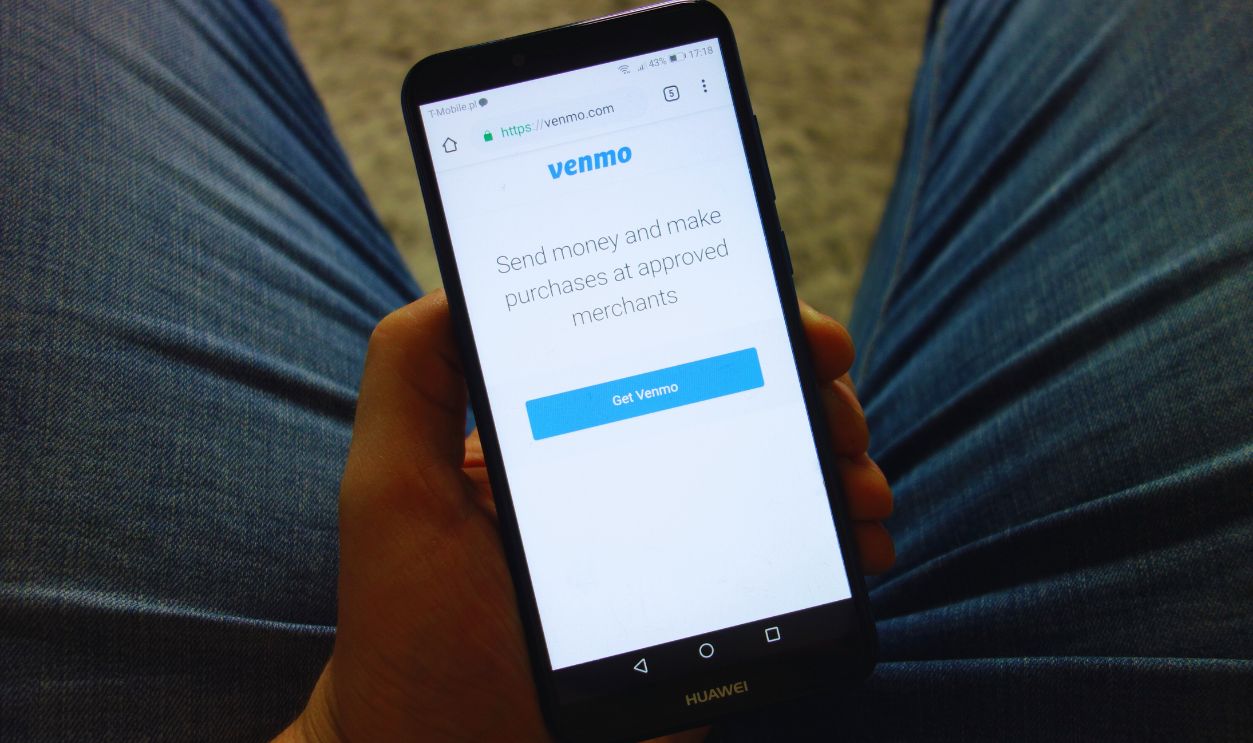
Off-platform payment can mean a bank transfer, wire, cash, Venmo, PayPal, Zelle, or a payment link sent outside Airbnb. If a host tells you to cancel the listing and pay them directly, that is squarely in risky territory. Even if the host presents it as a favor, it still takes the deal outside Airbnb’s system for disputes, refunds, and fraud checks.
The Fees Are Not the Real Story
Saving a little money sounds good, especially when travel costs are high. But Airbnb’s service fee is not just extra padding on the bill. It helps support the booking system, customer service, secure payment processing, and protections like AirCover that are meant to help when a stay goes sideways.

AirCover Only Works for Eligible Airbnb Bookings
Airbnb says AirCover for guests includes booking protection if a host cancels, a check-in guarantee if you cannot access the property, and support if the listing is very different from what was advertised. If you cancel and pay outside Airbnb, you should not count on those protections coming with you.
 Kateryna Hliznitsova, Unsplash
If Something Goes Wrong, You May Be on Your Own
This is the part many travelers learn too late. If the property does not exist, the host disappears, or the place looks nothing like the listing, Airbnb may have little or no duty to help with an off-platform arrangement. You also lose the benefit of having your payment and messages documented inside Airbnb’s system.

Scams Often Start With a Small “Special Deal”
Scammers know how to make a risky request sound reasonable. A small discount, a plea to help the host, or a complaint that “Airbnb charges too much” can make guests drop their guard. Airbnb’s own scam-prevention guidance tells guests to be cautious when someone asks them to communicate or pay outside the platform.

Airbnb Says Keep Communication on Airbnb Too
Payment is only part of it. Airbnb also tells guests to use its messaging system because it creates a record if there is a dispute. If a host wants to move everything to text, WhatsApp, or email before the stay is confirmed, that is another warning sign.

The Refund Problem Can Get Ugly Fast
Inside Airbnb, refunds are handled under the listing’s cancellation policy and the platform’s procedures. Outside Airbnb, your refund may come down to the host’s goodwill. If the host stops responding, you may be left fighting with your bank or card issuer, and there is no guarantee you will win.

Chargebacks Are Not a Perfect Safety Net
Some travelers assume they can always dispute the charge with their credit card company. Sometimes that works, but it is not the same as having platform-backed protection. Banks apply their own rules, and a direct payment to a host can be harder to reverse than a booking dispute fully documented on Airbnb.
Airbnb Can Penalize Off-Platform Behavior
Airbnb does not just warn against this practice. Its policies say asking for or accepting off-platform payment can break the rules and may lead to consequences, including removal from the platform. If a host is willing to ignore a basic rule before you even arrive, that tells you something important.

There Are Rare Exceptions, but They Are Narrow
Airbnb does allow some hotels or software-connected hosts to collect certain charges outside Airbnb in limited cases, such as local taxes or extra fees where allowed and clearly disclosed. That is very different from canceling your stay and rebooking privately. A host asking you to scrap the Airbnb reservation is not talking about the same thing.

What If the Host Says “Everyone Does It”
That should not reassure you. If anything, it should make you more cautious. A common rule violation is still a rule violation, and it does not make the transaction any safer.

What If the Host Offers a Big Discount
A steep discount is where people start talking themselves into a bad idea. Ask what you are giving up in return. Any money you save can disappear fast if you show up to a double-booked property, cannot get in, or find that the host vanished after getting paid directly.

A Better Question to Ask
Do not ask whether going off-platform might save money. Ask whether the discount is worth losing the paper trail, dispute tools, and booking protections. For most travelers, the answer is no.

How to Respond in the Moment
Keep it short and polite. Say you are only comfortable booking and paying through Airbnb. Do not click outside payment links, and do not cancel your booking just because the host asked you to.

Do Not Cancel First Without Talking to Airbnb
This matters. If the host wants the reservation changed, ask them to make any allowed changes through Airbnb, or contact Airbnb support yourself before touching the booking. If you cancel on your own, you could trigger the listing’s cancellation policy and make things worse for yourself.

Report the Request Inside the App
Airbnb gives users ways to report suspicious messages and policy violations. Reporting the request creates a record and may help protect future guests too. It also gives Airbnb a chance to advise you before any money moves elsewhere.

Screenshot Everything
Even if the messages are already in Airbnb, save screenshots. Keep copies of the host’s request, the listing, and any mention of fees or direct payment. If the conversation shifts to text or email, save that too and try to move the host back to Airbnb messaging.

Watch for Other Red Flags
The off-platform request may not be the only clue. Be wary of pressure to act fast, refusal to answer basic questions, inconsistent property details, or excuses about why the Airbnb system “is not working.” A real host should be able to complete a normal reservation on the platform.

What Legitimate Hosts Usually Do Instead
If a host wants to offer a better price, there is a proper way to do it. They can send a special offer through Airbnb before booking, or sometimes adjust pricing inside the platform. That keeps the reservation within the rules and preserves the record and protections tied to it.

When a Host Wants You to Cancel for Their Benefit
This can be especially risky because it may push the costs onto you. If the host cannot or will not honor the booking, they should handle it through Airbnb instead of asking you to cancel and absorb the consequences.

Does Travel Insurance Fix This
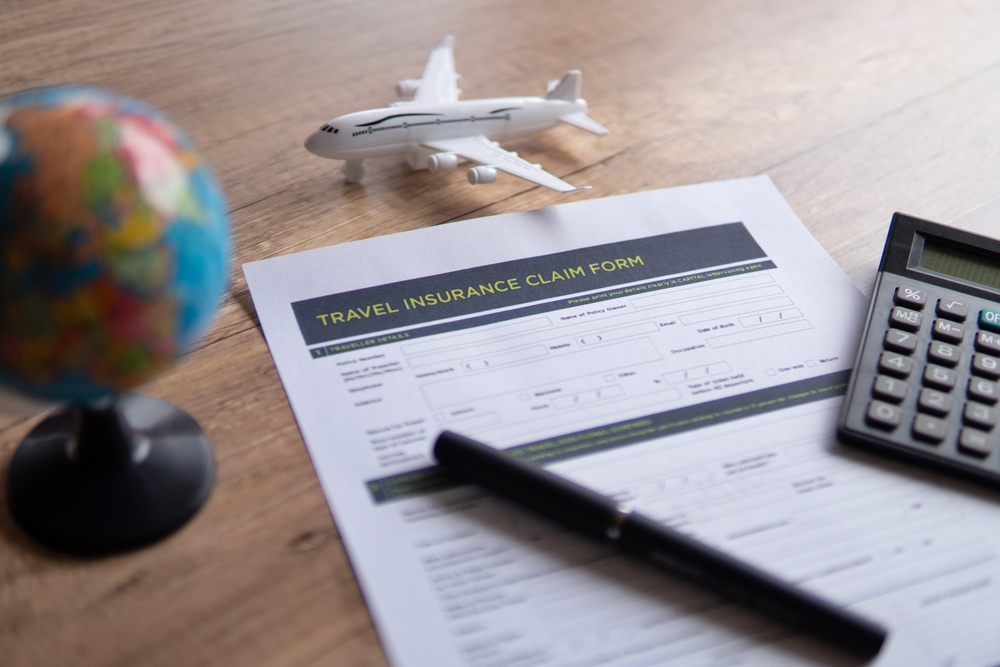
Not necessarily. Travel insurance policies vary, and many come with exclusions and documentation rules. An off-platform deal that breaks the booking platform’s rules could make a claim harder, not easier.
So, Is It Ever a Good Idea
For the average traveler, no. The small thrill of “saving fees” is usually wiped out by what you lose: AirCover eligibility, secure payment processing, documented communication, and help if the stay falls apart. The safer move is to keep the booking, payment, and key messages on Airbnb.

The Smart Traveler Playbook
Treat this the same way you would treat an airline ticket seller asking for a wire transfer. Decline, document it, and report it. In travel, the cheapest option is not the best deal if it quietly removes the safety net.