
What Airlines Usually Mean By “Operational Issues”
When an airline says your delay was caused by “operational issues,” it usually means a broad mix of problems tied to how the airline runs flights. That can include crew scheduling trouble, maintenance work, aircraft swaps, baggage delays, fueling holdups, or gate problems. In simple terms, something in the airport system did not come together the way it should have. The hard part is that the phrase sounds clear, but it often does not tell passengers much.

Why The Phrase Feels So Vague
Airlines often use general language because the real reason may be messy, technical, or still changing. One delay can start with one problem and then turn into several more as the day goes on. “Operational issues” can also be an easier public term than saying there was a staffing problem or a late incoming plane. For travelers, though, it feels frustrating because it does not clearly answer whether the airline was responsible.

Sometimes It Really Is The Airline’s Problem
A lot of the time, an operational issue is something the airline controls, or mostly controls. If the airline did not have enough crew, if the aircraft got in late from another route, or if scheduling fell apart, those are usually airline-side problems. In the U.S., the Department of Transportation treats things like maintenance and crew issues as controllable when it comes to airline customer service promises. That does not automatically mean cash compensation, but it can affect rebooking, meals, or hotel help.

Sometimes It Is A Spillover From Something Else
Not every operational issue starts as the airline’s fault in the everyday sense. Bad weather in another city can delay the plane coming to your airport, and by the time your flight is affected, the airline may call it an operational issue because the whole schedule is now out of place. Air traffic control restrictions can do the same thing. So the label may be technically true while still leaving out the original cause.

Weather Is Usually A Separate Category
Airlines and regulators usually treat weather as its own category. If storms, snow, strong winds, or low visibility make flying unsafe, airlines normally call the delay weather-related instead of operational. That matters because weather delays often do not bring the same airline obligations as delays caused by something the airline could control. If the airline says “operational issues” instead of “weather,” that may suggest the cause was not just the weather, though sometimes delays have more than one cause.
Maintenance Can Count As Operational Too
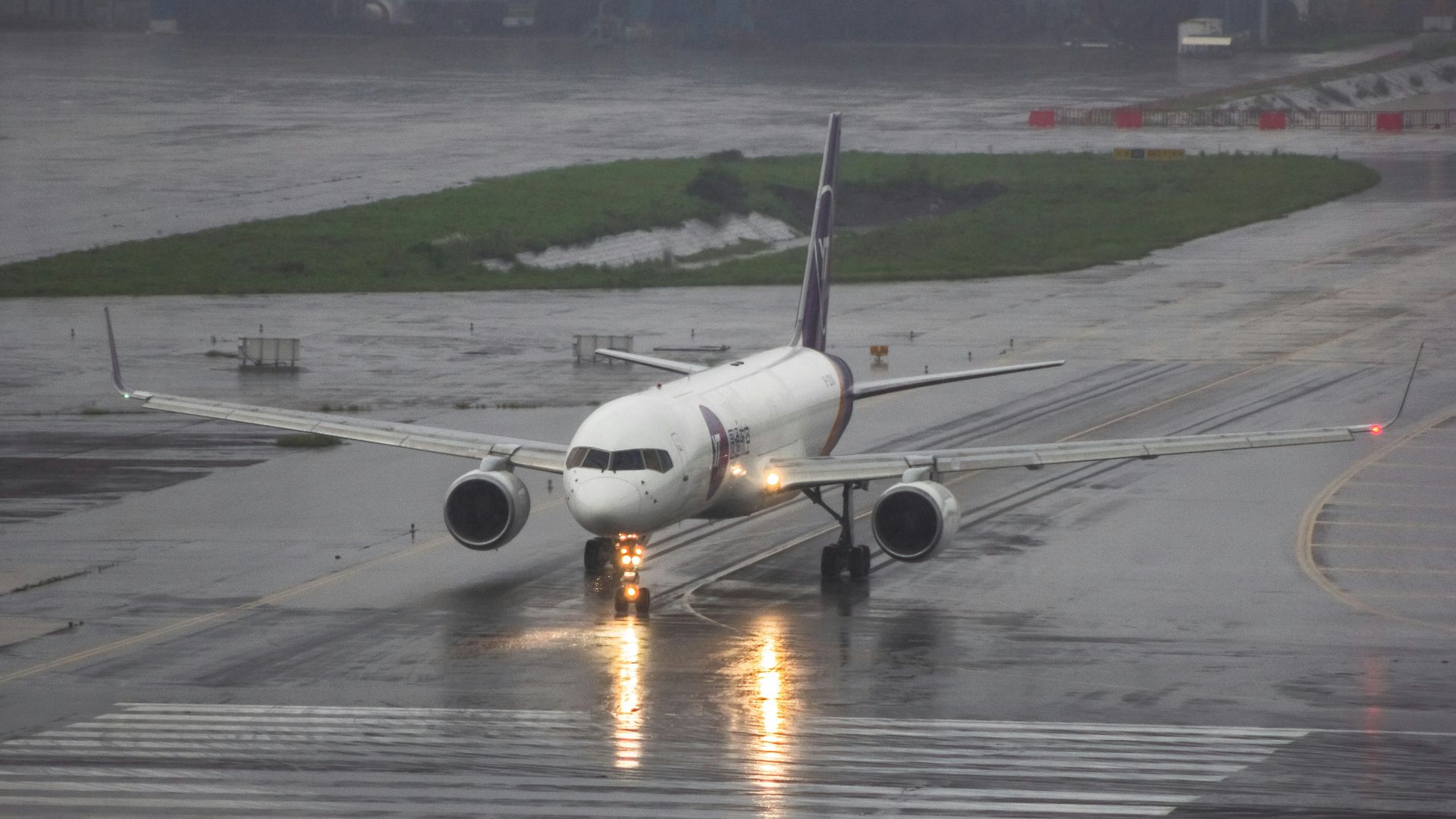
If a plane needs an inspection, repair, or replacement part before takeoff, that often falls under operational or technical issues. Airlines have to follow safety rules, and they cannot send out a plane just to avoid a delay. For passengers, that can feel reassuring and annoying at the same time. In many passenger-rights systems, maintenance is usually treated as airline-related rather than something totally outside the airline’s control.
Crew Problems Are A Big One
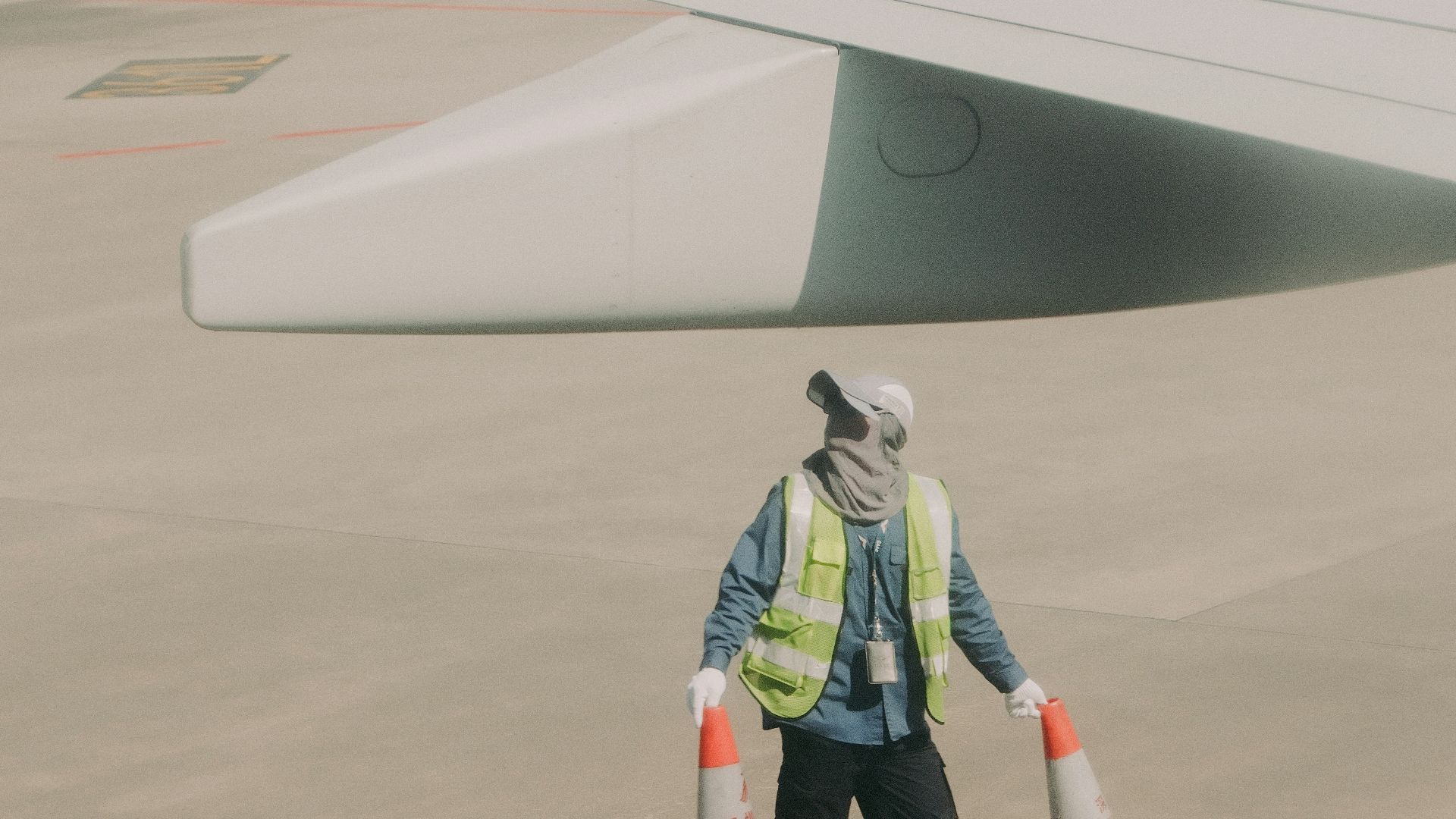
Federal duty-time rules limit how long pilots and flight attendants can work, and airlines have to follow those rules. If an earlier delay causes a crew to time out, your flight may be held up until a new crew can be found. Staffing shortages, crew misplacement, or internal scheduling mistakes are classic examples of operational issues. These problems are usually seen as being within the airline’s control, even if the airline says an earlier disruption helped cause them.
A Late Incoming Plane Can Trigger The Same Label
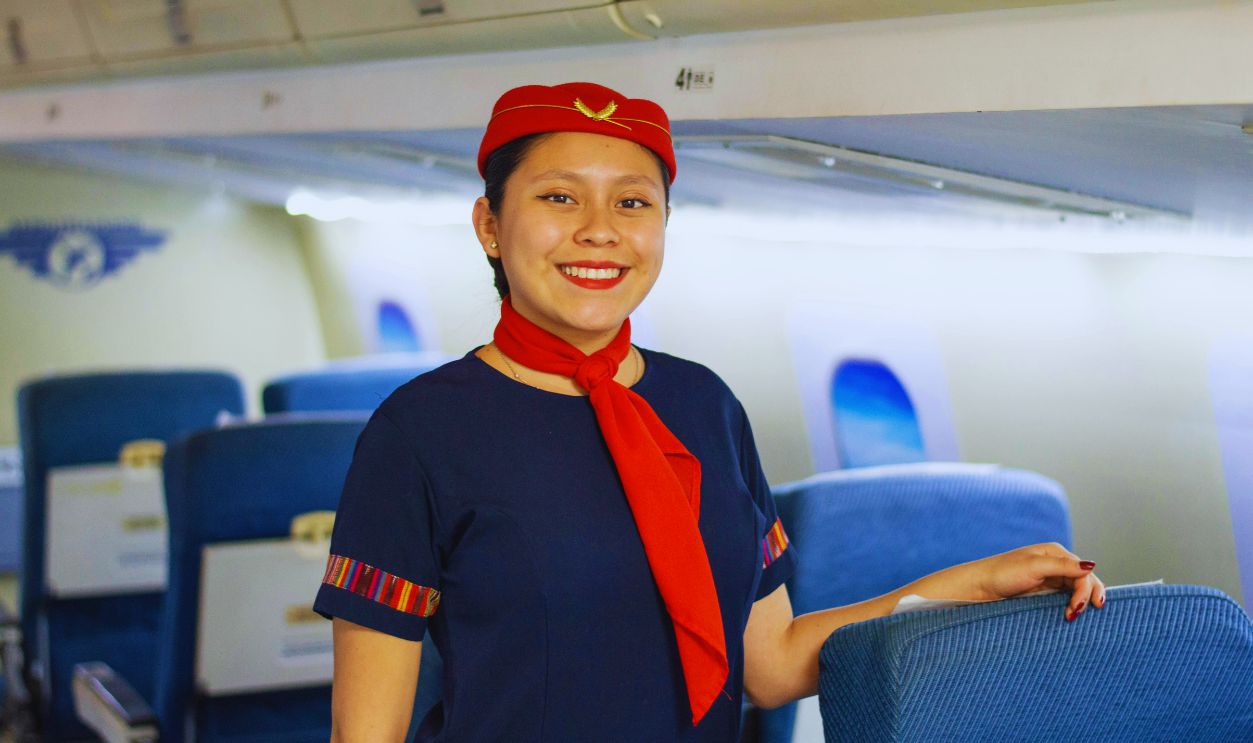
Most planes do not sit around all day waiting for one trip. They fly several legs in a row. If the aircraft assigned to your route arrives late from somewhere else, your departure may be delayed while cleaning, catering, fueling, and boarding all get pushed back. Airlines may call this an operational issue because it has to do with aircraft routing and schedule management. If you want a clearer answer, ask whether your delay is because the incoming plane arrived late and what caused that earlier delay.
Gate And Ground Handling Problems Also Fit
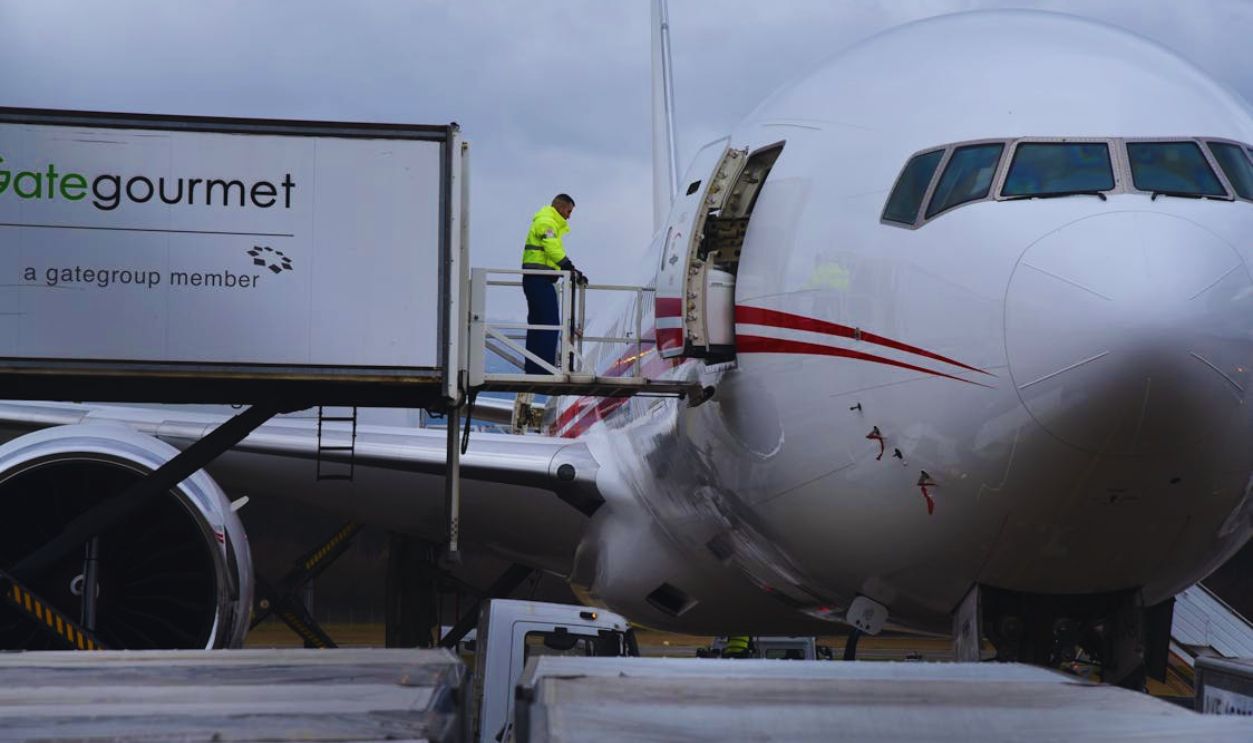
Airlines depend on open gates, ramp crews, baggage teams, fuel trucks, catering, and dispatch to keep flights moving. When one of those pieces breaks down, the airline may group the delay under operational issues. A plane might be ready to leave but have no gate available, no baggage loader, or a fueling delay. These are not dramatic problems, but they can easily add a half hour or more.
Air Traffic Control Makes Things Murkier
If the FAA or another air traffic authority slows flights because of congestion, staffing, or route limits, airlines do not directly control that. But those delays can mix with airline problems later in the day. A flight that starts with an air traffic control delay may later need a new crew or a different aircraft, and then the explanation changes. That is one reason passengers often get a simple label instead of a full play-by-play.
 ajay_suresh, Wikimedia Commons
In The U.S., “Fault” Does Not Work Like People Expect
Many travelers think that if a delay is the airline’s fault, they automatically get compensation. In the United States, that is usually not how it works for domestic flights. There is no general federal rule that says airlines must pay cash just because a flight was delayed. What the Department of Transportation does provide is a dashboard showing what major airlines say they will offer during controllable delays and cancellations, such as meals, hotel stays, or rebooking.

Europe Uses A Different Standard
For flights covered by EU rules, compensation may be available when delays are long enough and the cause was within the airline’s control. Under EU passenger-rights rules, extraordinary circumstances like severe weather or some air traffic management problems may excuse compensation, but ordinary operational problems often do not. European courts have also said that many technical issues are not automatically extraordinary. So if an airline uses the phrase “operational issues” on an EU-covered trip, that wording can matter a lot.
The U.K. Has Similar Passenger Rights
After Brexit, the U.K. kept a similar system for many flights under U.K. law. Like the EU rules, it usually draws a line between disruptions within the airline’s control and extraordinary circumstances outside it. A vague message about operational issues does not automatically let an airline avoid responsibility if the real cause was staffing or routine maintenance. That is why it is worth asking for a more exact written explanation.
Canada Also Has Its Own Delay Rules
Canada’s Air Passenger Protection Regulations require airlines to sort delays and cancellations into categories: within the airline’s control, within its control but needed for safety, or outside its control. That middle category matters because safety-related maintenance may be treated differently from plain scheduling mistakes. The Canadian Transportation Agency also tells passengers to ask for the specific reason for a delay in writing. If you are flying in Canada, “operational issues” alone is often not the full answer.
Why Airlines Do Not Always Give More Detail Right Away
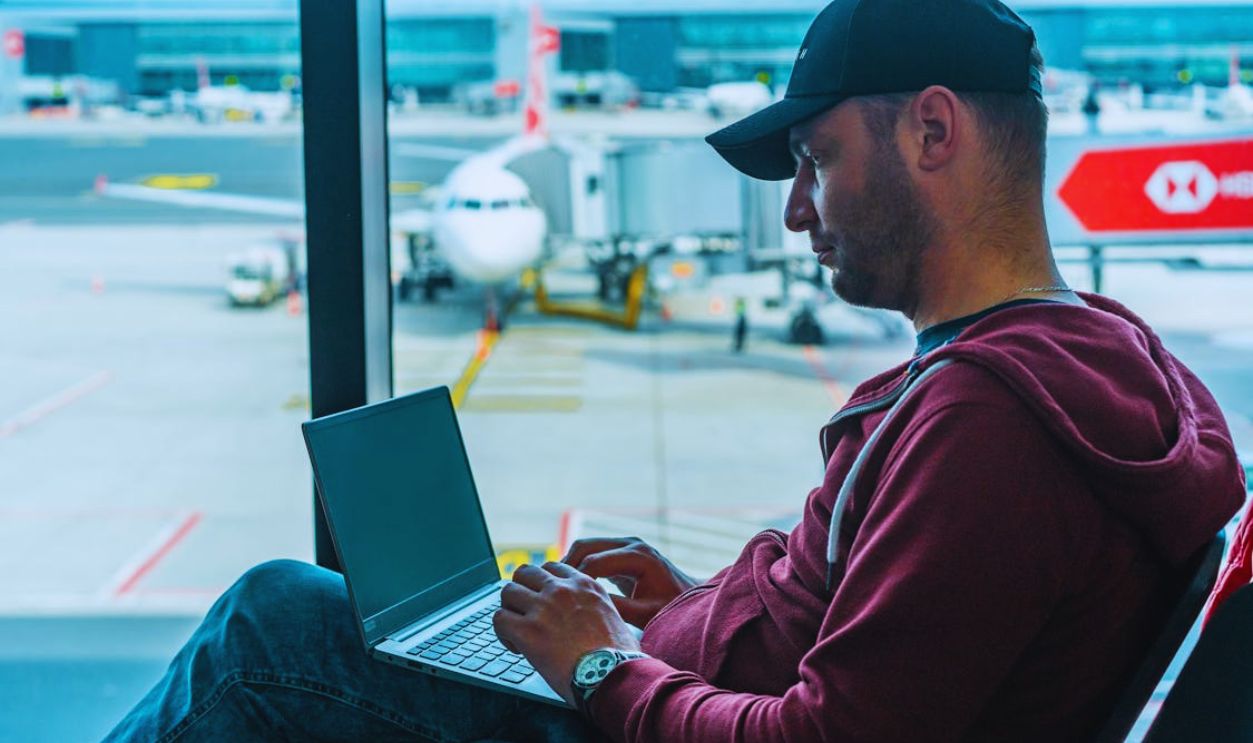
Sometimes gate staff honestly do not have the final answer while the delay is still happening. Operations teams may still be deciding whether to swap planes, call in a reserve crew, or wait out a restriction. In other cases, the airline may not want to give a reason that later turns out to be wrong. But once things settle down, you can still ask for the specific cause and whether the airline considers it controllable.
How To Ask Better Questions At The Gate
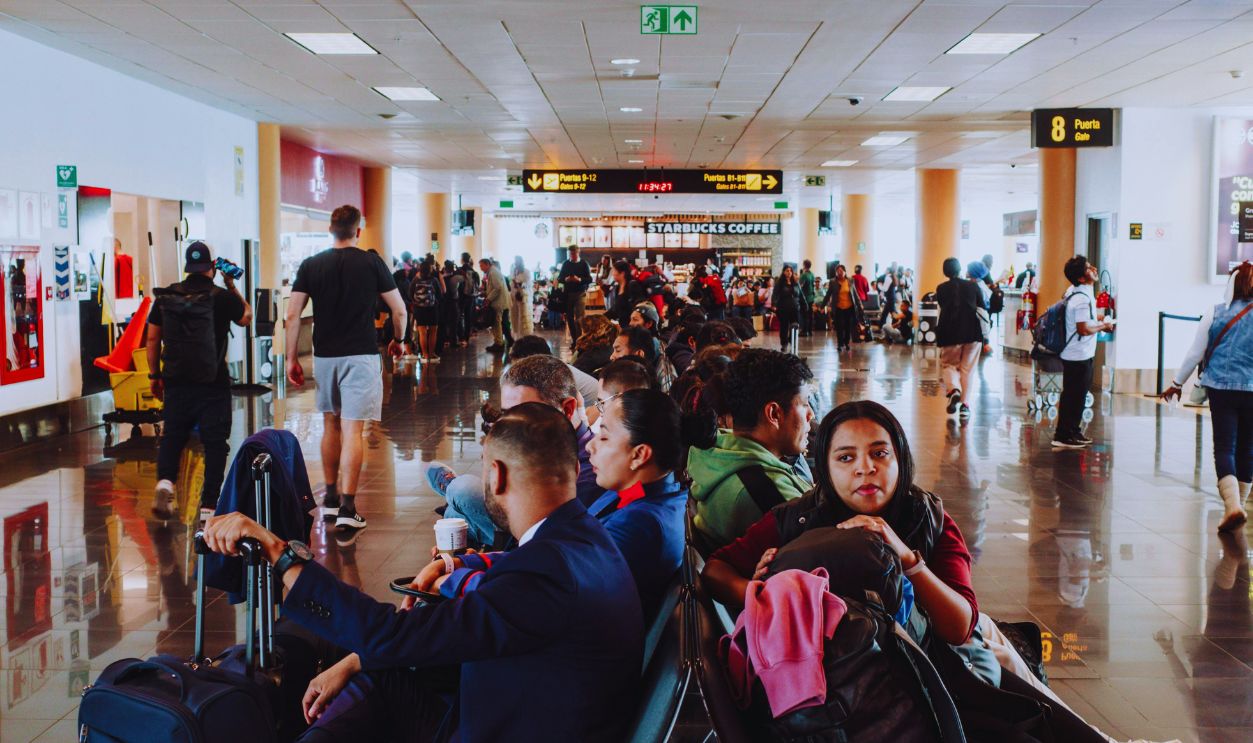
Instead of asking only, “What does operational issues mean?” try asking, “Is this due to crew, maintenance, incoming aircraft, weather, or air traffic control?” You can also ask whether the delay is considered controllable by the airline and whether that changes your meal, hotel, or rebooking options. If the gate agent does not know, ask whether customer service can add the reason to your reservation notes. The more specific your question is, the better your chances of getting a useful answer.

Get The Reason In Writing If You Can
A written explanation can help a lot if you later file a claim, challenge a denial, or use travel insurance. You might get it by email, in the airline app, through customer service chat, or in a follow-up message after the trip. Keep screenshots of delay notices, departure-board updates, and text alerts. If the stated reason changes over time, those records can help show what the airline said at each point.

Your Boarding Pass And Flight Number Matter More Than You Think
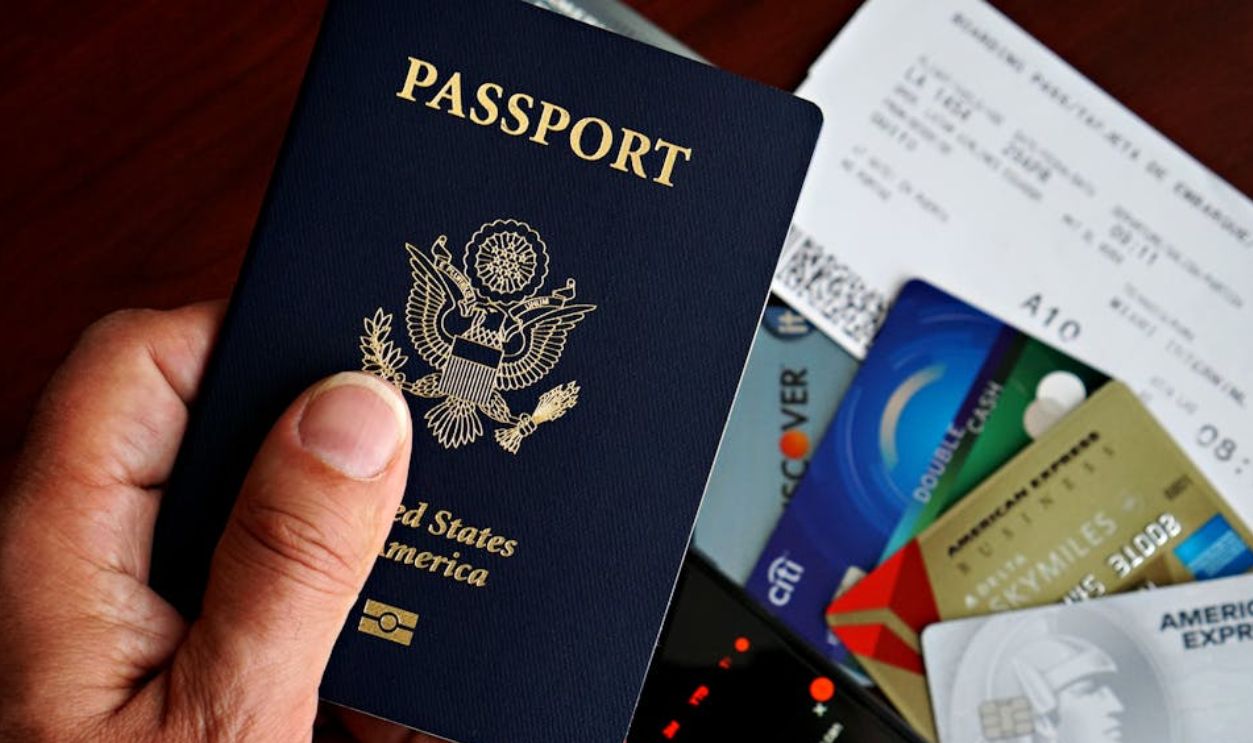
If you plan to complain or ask for reimbursement, keep your boarding pass, booking confirmation, and any receipts tied to the delay. That paperwork helps show the exact flight, timing, and out-of-pocket costs. It also makes it easier to compare what happened to the airline’s own service promises or the rules that apply where you were flying. A claim with documents is usually stronger than one based only on memory.
Check The Airline’s Customer Service Plan
Most major airlines publish customer service plans or contracts of carriage that explain what they will do in different delay and cancellation situations. In the U.S., the DOT’s Airline Customer Service Dashboard makes it easier to compare those promises across major carriers. You can check whether your airline says it offers meals, hotel rooms, ground transportation, or free rebooking for controllable disruptions. These promises do not answer everything, but they do show what you can ask for.

Travel Insurance Might Care About The Exact Cause
Some travel insurance plans cover delay-related costs after a certain number of hours, but the details vary a lot. Coverage may depend on whether the cause was weather, mechanical trouble, a common carrier delay, or another named event. That means “operational issues” may be too vague for an insurer unless you can show what really happened. Read your policy carefully and save every receipt before filing a claim.

Credit Card Protections Can Also Help
Certain travel credit cards offer trip delay reimbursement if you paid for the trip with that card and meet the card’s rules. These benefits often require proof of the delay and your covered costs, such as meals or a hotel. The card issuer may ask for a statement from the airline or proof of the reason for the delay. If all you have is a vague operational notice, it can still be worth filing, but more detail is better.

What To Do If You Think The Airline Is Dodging Responsibility
If the airline keeps using broad language and denies help or compensation you think you are owed, escalate calmly and in writing. Start with the airline’s customer relations department and include dates, flight numbers, screenshots, and receipts. If your trip was covered by EU, U.K., or Canadian passenger-rights rules, mention the right framework and ask the airline to say whether it considers the cause within or outside its control. In the U.S., you can also file a complaint with the Department of Transportation if you think the airline misrepresented its obligations or failed to follow its stated commitments.

The Bottom Line On “Operational Issues”
Most of the time, “operational issues” means some part of the airline’s day-to-day system did not work smoothly. It is a real category, but it is also a blurry one that can hide the exact cause unless you ask follow-up questions. Whether that matters legally depends a lot on where you are flying and which passenger-rights rules apply. So if you hear the phrase, do not stop there. Ask what specifically went wrong, get it in writing, and keep your records.