
The Best And Worst States To Live In, According To Cost Of Living Data
Thinking about packing up and starting somewhere new in 2025? Maybe you’re scouting the perfect place to retire—or just wondering where your hard-earned savings might stretch the furthest. Either way, not all states treat your wallet the same. Let’s break down the cost of living across the country and see which states are budget-friendly—and which ones might make your bank account sweat.

Arkansas
The cheapest state to live in is Arkansas! If you're looking for a cheap place to start over or have a remote job and want to save money, move to Arkansas. It ranks low in crime and high in fiscal stability. Arkansas has gorgeous state and national parks with diverse geography and ranks 29th out of 50 in economic opportunity. The housing market in Arkansas is 23% lower than the national average, with the cost of living being about 8% lower overall.
 Christopher Boswell, Adobe Stock
Mississippi
Mississippi has been settled since 1540 and has passed through the hands of the Spanish, French, British, and Native Americans. Today, it is a hub of agriculture and forestry, producing the country's cotton and sweet potatoes. The average cost of living in Mississippi is roughly $37,000 per year, about 13% lower than the national average, with Mississippi housing costing 29% less than the national average.

Alabama
Alabama's cost of living is the third-lowest in the country, with the Bureau of Economic Analysis estimating that the cost of living for a single person in the state is $39,457. Housing is roughly 38% lower than the national average, with food, healthcare, and goods and services being lower. However, Alabamans pay 11% and 9% more for utilities and transportation respectively.

South Dakota
South Dakota is ranked among the best states in the country for their beautiful natural environment (#4) and impressive infrastructure investment (#8), while ranking 11th in the Opportunity Index. The vast expanse of the Midwestern state does mean that it's less populated, which drives down the cost of living for South Dakotans to an average of $49,000 per year.

Iowa
Iowans pay similar food and clothing prices to their compatriots, but they save money in housing and utility costs. In Iowa, housing is 19% lower than the national average, while utilities are 5% below the national average. The annual expenses for single Iowans are roughly $43,000 per year.

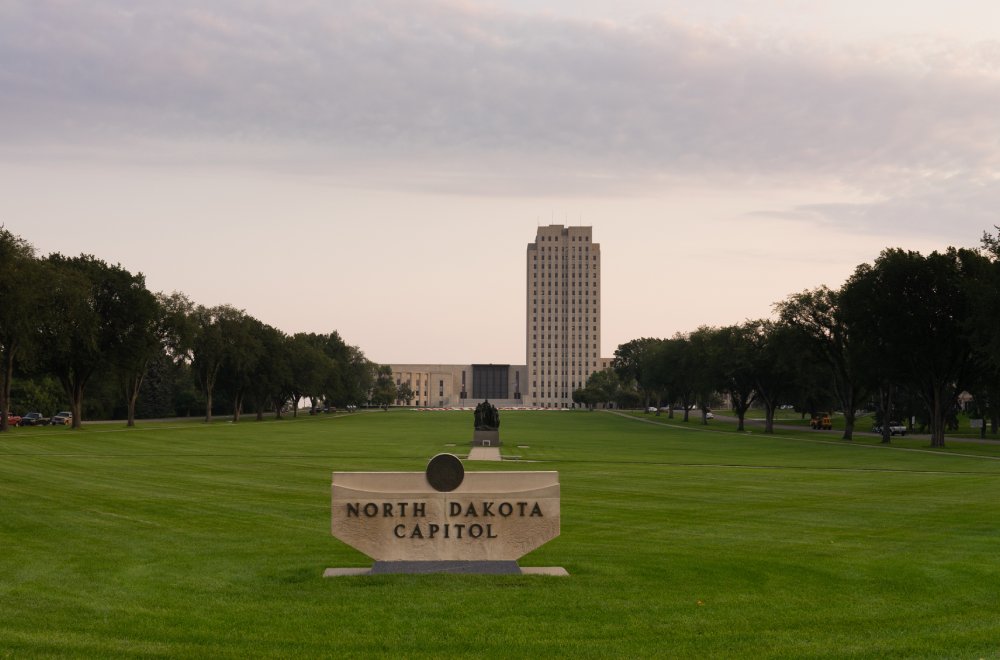
North Dakota
South Dakota's sister-state has very cheap rent—51% lower than the national average. The average expenses for North Dakotans amount to $52,000 per year, with the City of Minot being the cheapest of the large North Dakota cities.
 Christopher Boswell, Adobe Stock
Oklahoma
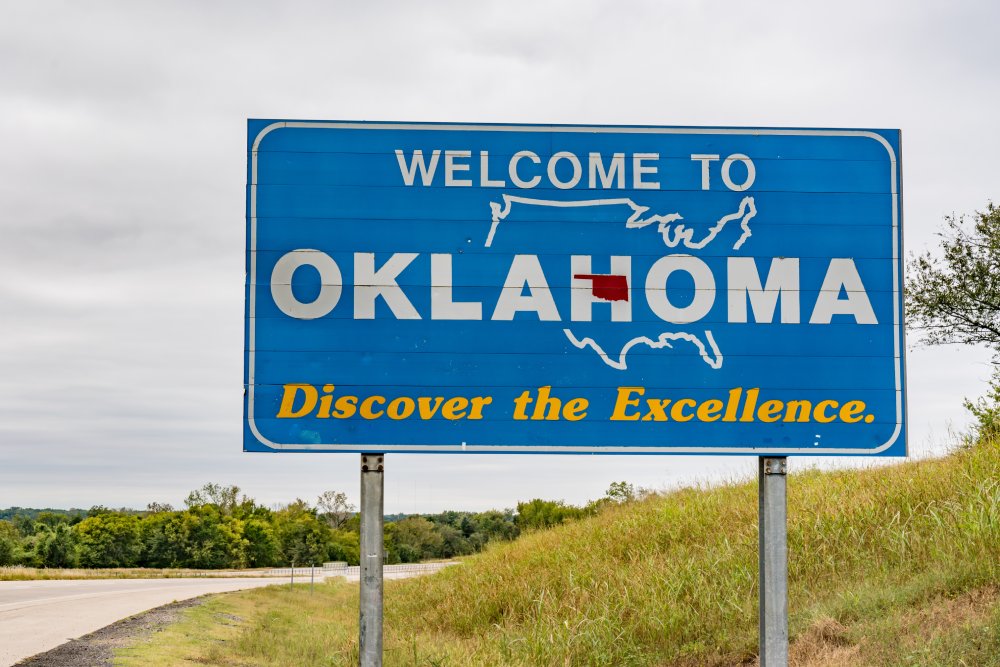
With a population of about four million people, Oklahoma pairs relatively low living costs with a median household income of $36,988. Housing is one of the more manageable expenses, with typical monthly costs ranging from around $700 to $1,400. Even so, many residents still devote a sizable portion of their income to housing and healthcare, while personal expenditures average roughly $21,000 a year. For those seeking the most affordable urban option, Muskogee stands out as the state’s lowest-cost large city.
West Virginia
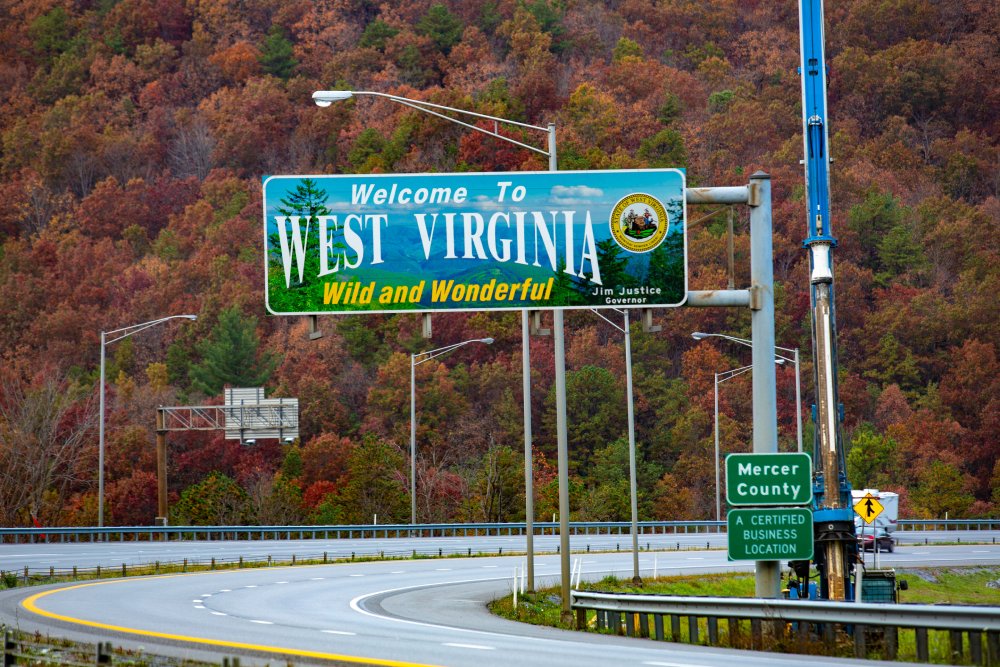
Country roads, take me home... West Virginia is as geographically stunning and diverse as anywhere in the world. With a population of just over 1.7 million people, West Virginians have a median household income of $37,256 per year. On average, West Virginians pay 9% less than the national average for their living expenses.
Kentucky
On average, Kentucky's cost of living for one person is roughly $40,816 per year. It's the third most affordable state in the Southeast and healthcare is the highest cost-per-capita at $7,000. Meanwhile, gas and energy costs are the lowest in the country, due to the state producing its own LNG.
 Christopher Boswell, Adobe Stock
Nebraska
Corn-fed beef is Nebraska's main export. The major agricultural hub of "Middle America" is one of the most affordable places to rent, compared with the rest of the country. Its average rental is 32% lower than the national average, with Nebraskans also paying 14% less than the rest of the country for utilities. The necessary annual income for a single Nebraskan is $41,849 per year.
 Margaret Burlingham, Adobe Stock
Kansas
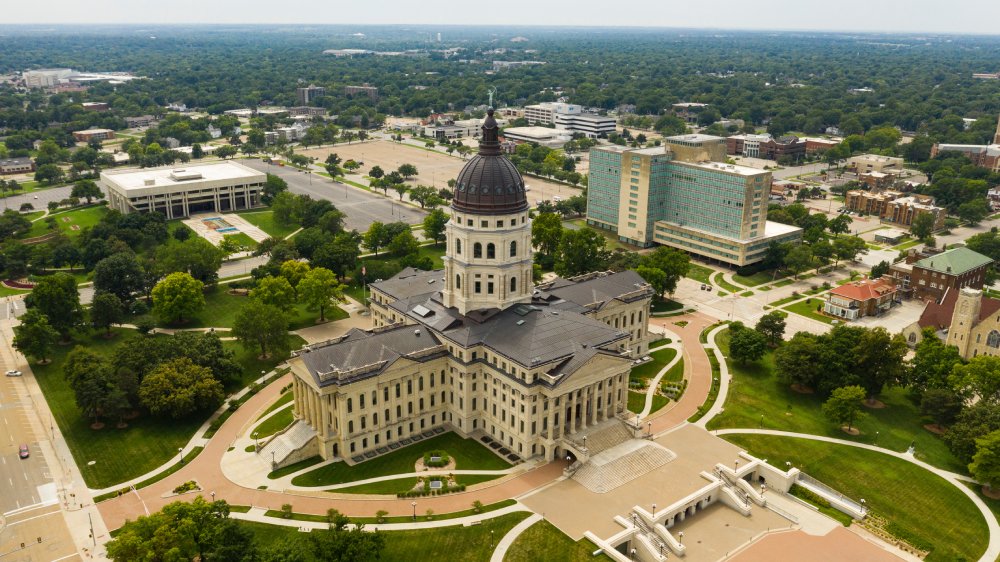
The heartland of America on the Great Plains contributes to its greatly reduced cost of living, with an average required annual salary for a single person of just $31,200, and a two-bedroom apartment costing just $835 per month.
 Christopher Boswell, Adobe Stock
Montana
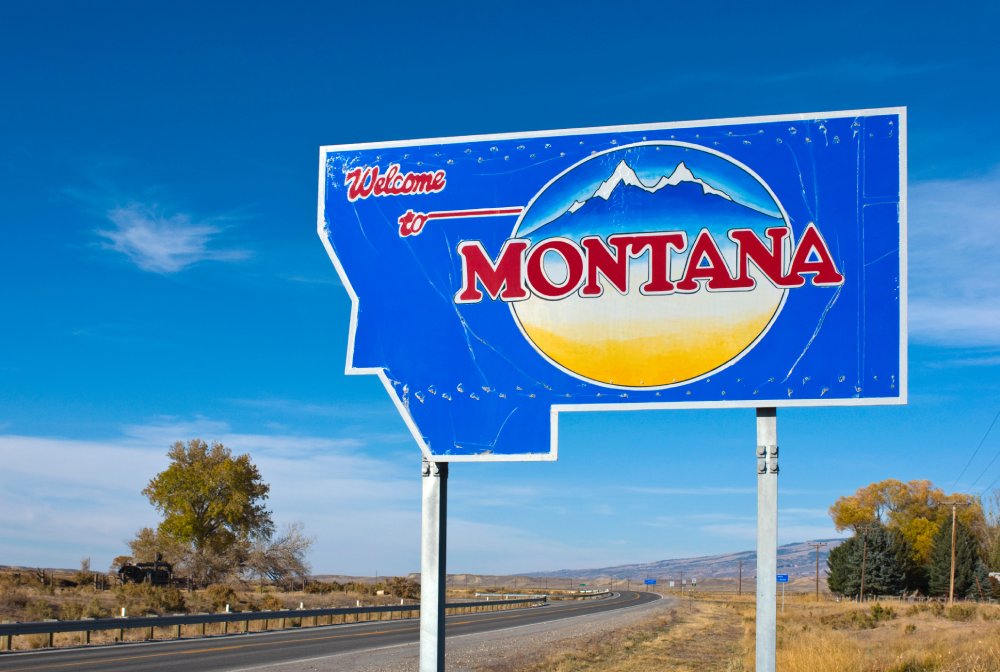
One of the things that Montanans love about the Western state is the natural beauty that can be found in every corner, despite an average cost of living of $47,887 per year. Housing is the highest cost, but utility and other energy costs are among the lowest.
Louisiana
When it comes to living in Louisiana, the reduced cost of living in the Cajun state is due to the housing cost, which is 18% lower than the national average, and utilities—which cost 16% less than the national average. The average family of two requires $45,840 per year to live comfortably in Louisiana.

New Mexico
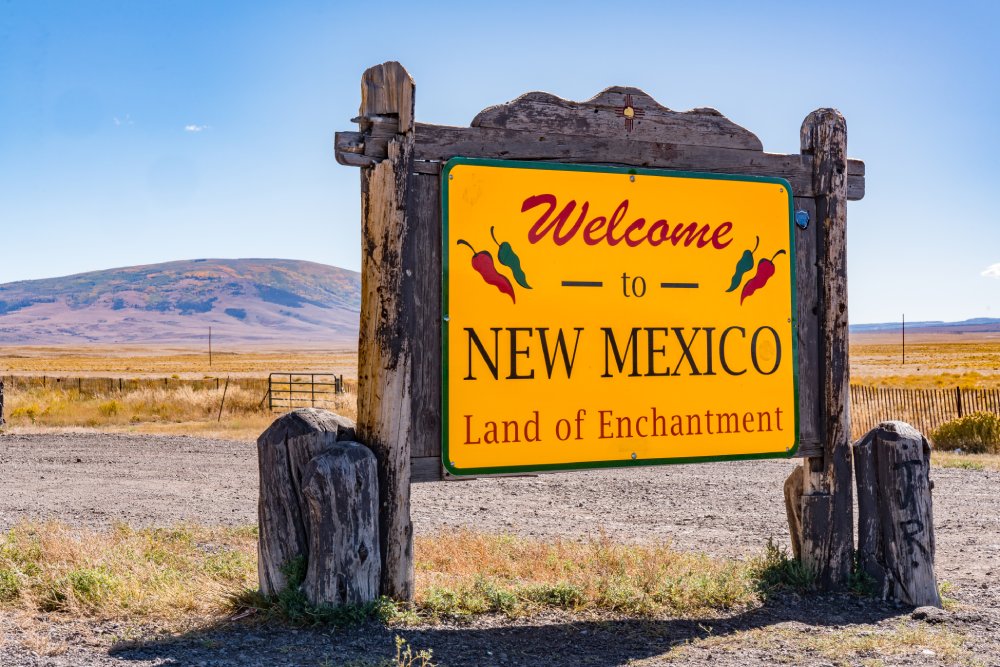
Nicknamed the “Land of Enchantment”, New Mexico also casts a pretty appealing spell when it comes to affordability. A single person can live comfortably on an income of around $34,000 a year, making it one of the more budget-friendly places to call home. Much of those savings come from housing and utilities, which cost about 8% and 10% less than the national average, respectively.
Missouri
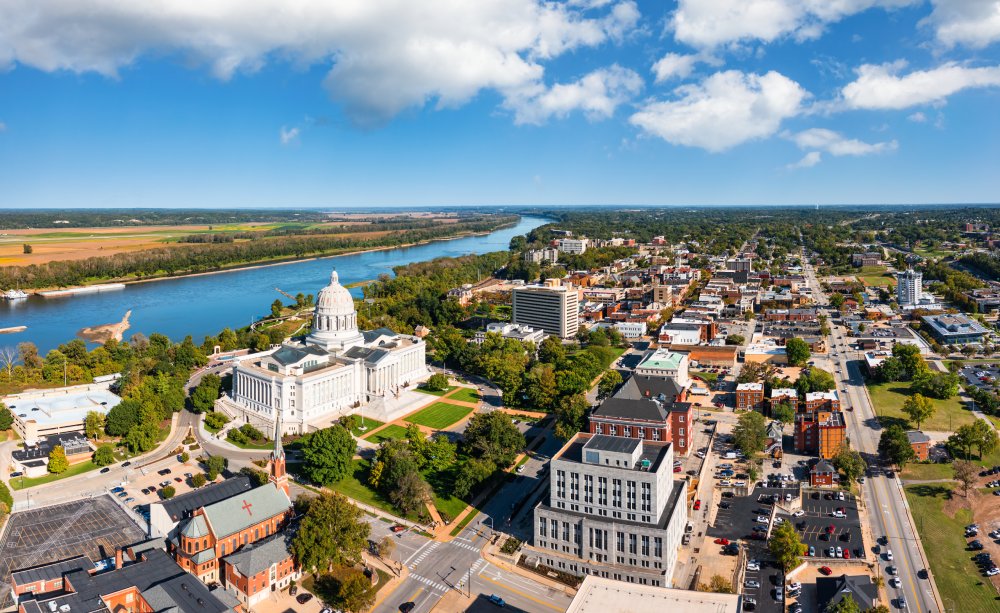
Another state that became part of the US thanks to the Louisiana Purchase is Missouri. Although the average annual salary for comfortable living is high at $84,000, prospective residents in Springfield, Joplin, and Branson enjoy a cost of living that's 15% lower than the national average.
Ohio
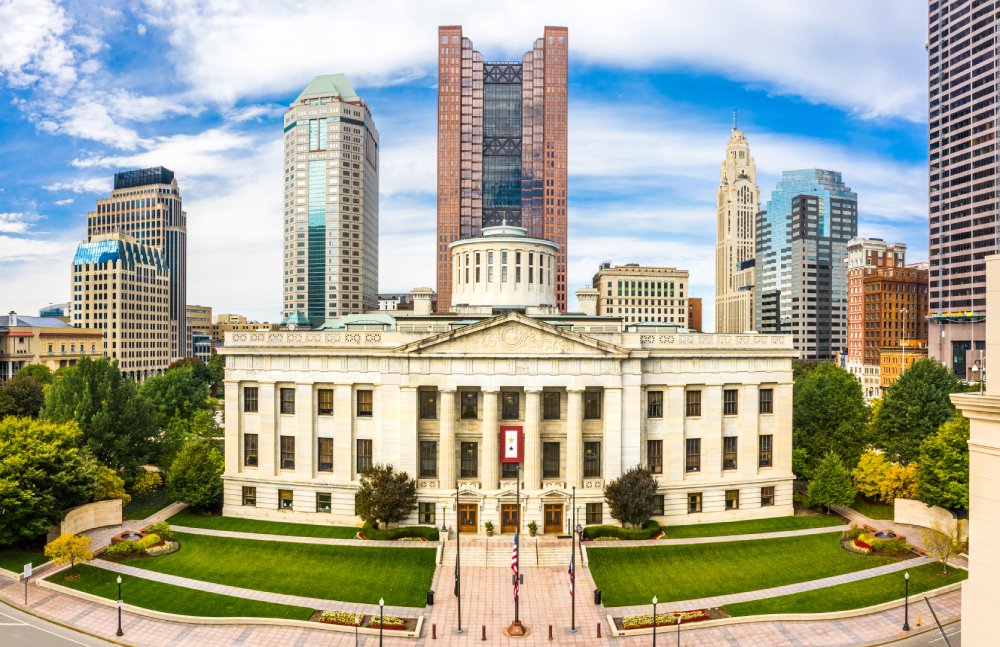
Ohio's manufacturing industry is one of the major drivers of their economy, granting them the ranking of 17th nationwide in fiscal stability, with many Fortune 500 companies headquartered in the state. Housing costs nearly 20% less than the national average, with the overall cost of living 8-12% less than the national average.
Tennessee
Tennessee ranks as the 17th most expensive state to live in the country, with an average annual cost of living of around $42,469 per person. In Tennessee, all metrics of the cost of living—housing (18%), monthly utilities (9%), food (4%), healthcare and transportation (both 13%), and goods and services (6%)—are all lower than the national average. Whether you came to Nashville to work or simply fell in love with the vibrant, musical atmosphere of the state, Tennessee is a great place to raise a family, with a relatively low cost of living.

Indiana
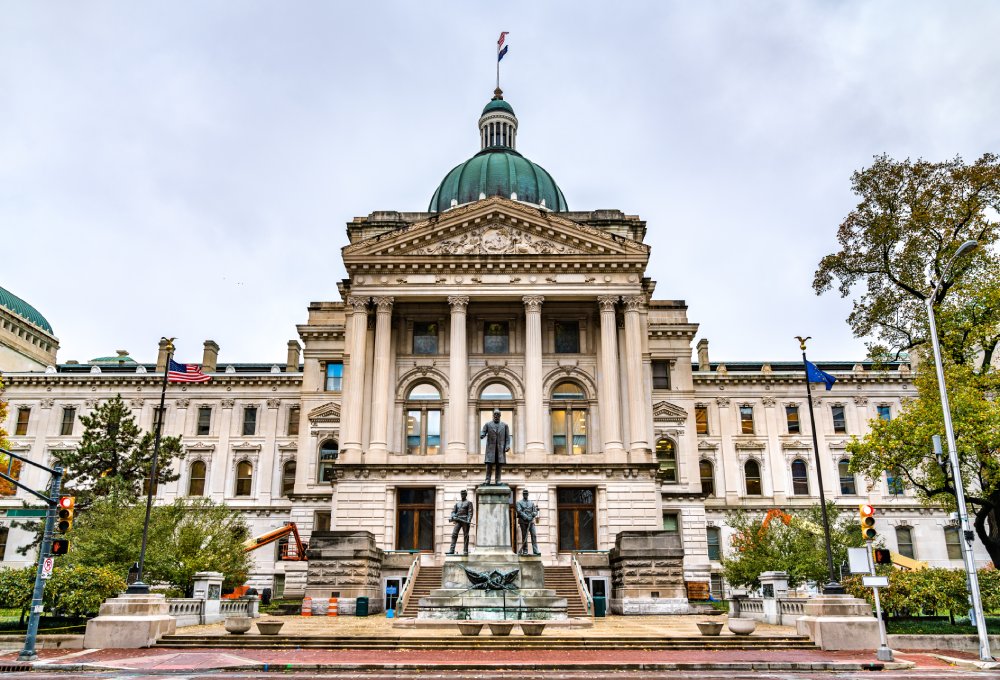
If you're looking for a new job in the automotive or natural resource industry, you might consider moving to Indiana. It ranks #9 in opportunity rankings nationwide, with a median annual salary of $40,900. The average cost of living in Indiana is roughly $42,000 per year.
Idaho
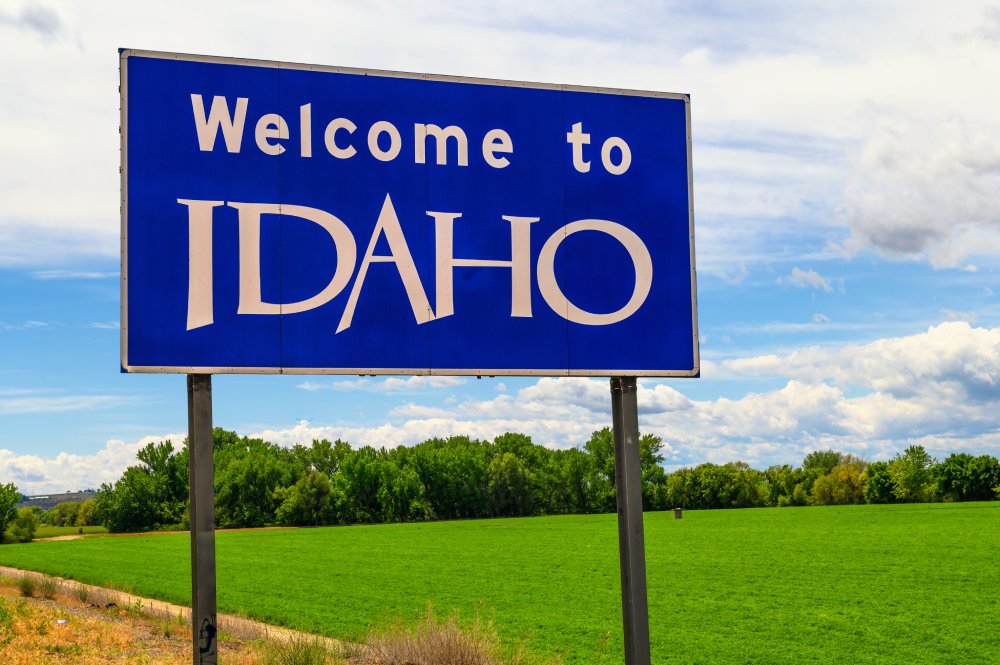
Idahoans love their state. It ranks #2 overall in its economic outlook and 9th in fiscal stability nationwide, with a low cost of living of just $39,739 per year. Idahoans have a huge agricultural industry, having shifted away from mining in the 20th century.
Wyoming
Ranked as the most fiscally stable state in the US, Wyoming has an average cost of living of $47,832, ranking it the lowest among its Rocky Mountain state counterparts. Housing is about 18% lower than the national average, with utilities in Wyoming costing 13% less than in other parts of the country.

Wisconsin
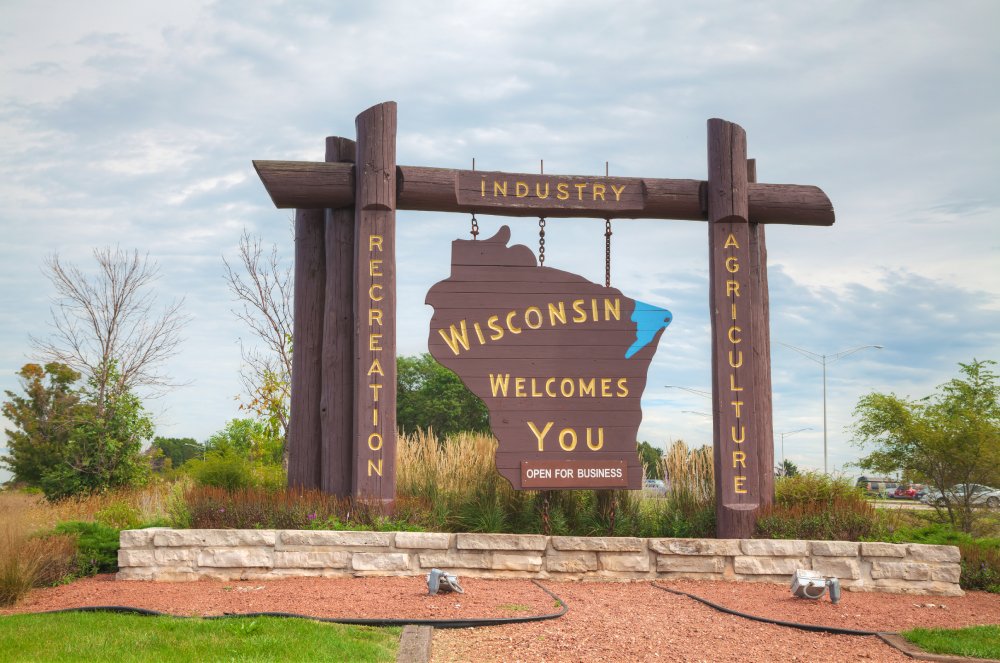
The “other W” state, Wisconsin, keeps housing relatively affordable, with overall costs sitting about 11% below the national average. That said, residents tend to pay a bit more in other areas—healthcare and dental services in particular—while tuition and education-related costs run roughly 9% higher than the national average. Even with those added expenses, the state’s median household income of $42,827 helps balance things out for many households.
Michigan
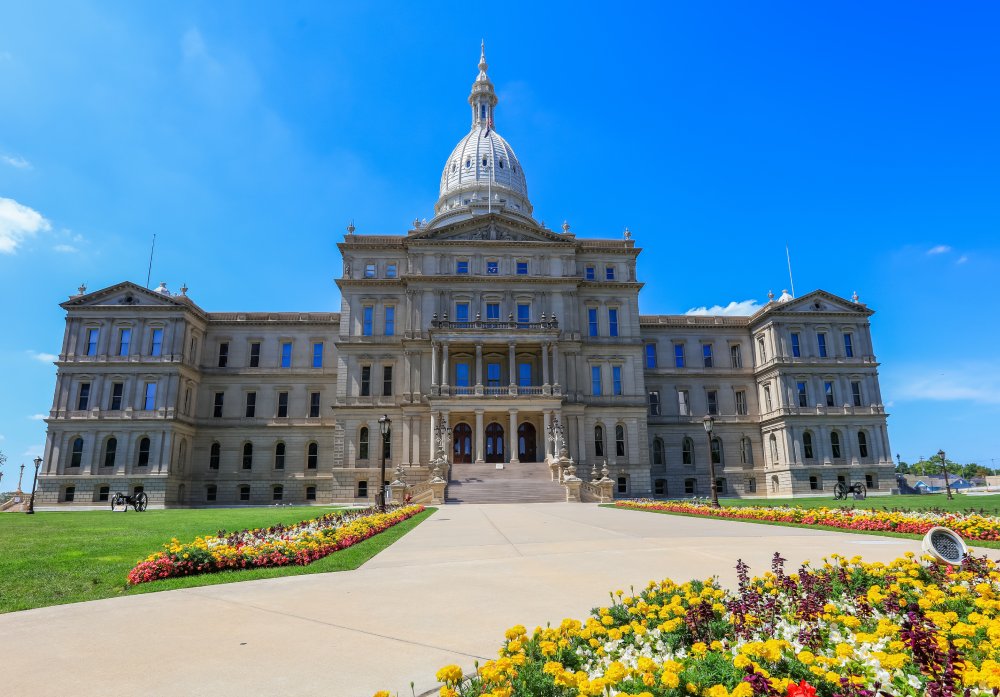
The home of the Ford automobile company, Michigan is almost inseparable from the automotive industry. Dearborn, one of the largest cities in the state, has a huge Ford manufacturing plant. The median home price in Michigan is $207,000, with utility bills costing an average of $400 per month. The median household income in Michigan is $40,610 per year.
South Carolina
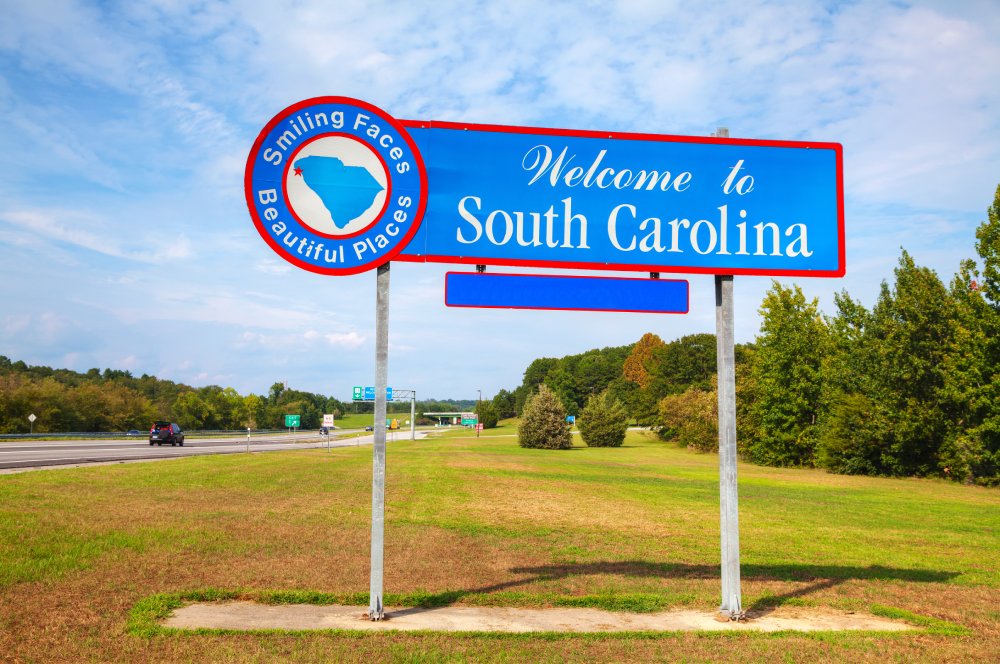
One half of the Carolinas enjoys a slightly lower cost of living than their northern neighbor, as South Carolinians spend about $46,220 per person. The state sales tax is just 6%, while the local sales taxes are only 1.44%. South Carolinians also enjoy a graduated income tax system, meaning you'll pay more or less depending on your income. Gas and energy costs represent the lowest portion of South Carolina's costs per year, at just over $1,900 per person.
North Carolina
North Carolina fares slightly worse in the cost of living metrics than their southerly sister state. If you're in the banking, pharmaceutical, or tech industry, then North Carolina is crying out for your talents. With an annual cost of living of $43,959 per year, North Carolinians pay about $120 monthly for electricity.

Utah
Utah has three things going for it in the national rankings: Education (#3), Economic Outlook (#2), and Infrastructure (#3). While these three indices mean that life is pretty good for those living in Utah, the cost of living is fairly middle-of-the-road, with an average of $42,653 per year.

Georgia
Home of the world's busiest international airport, the Hartsfield-Jackson Atlanta International Airport, Georgia is the home of Delta Airlines, Home Depot, UPS, and even Coca-Cola. The huge presence of industry giants means that the cost of living is about average—at $43,482 per year.
Pennsylvania
Pennsylvania was one of the original founding states of the United States and where the States signed the Declaration of Independence. Today, the state is the country's largest producer of chocolate and canned fruit and veg, and is widely known as the "Snack Food Capital Of The World". But all those snacks come at a price—Pennsylvanians have a relatively high cost of living, at $49,040 per year.

Nevada
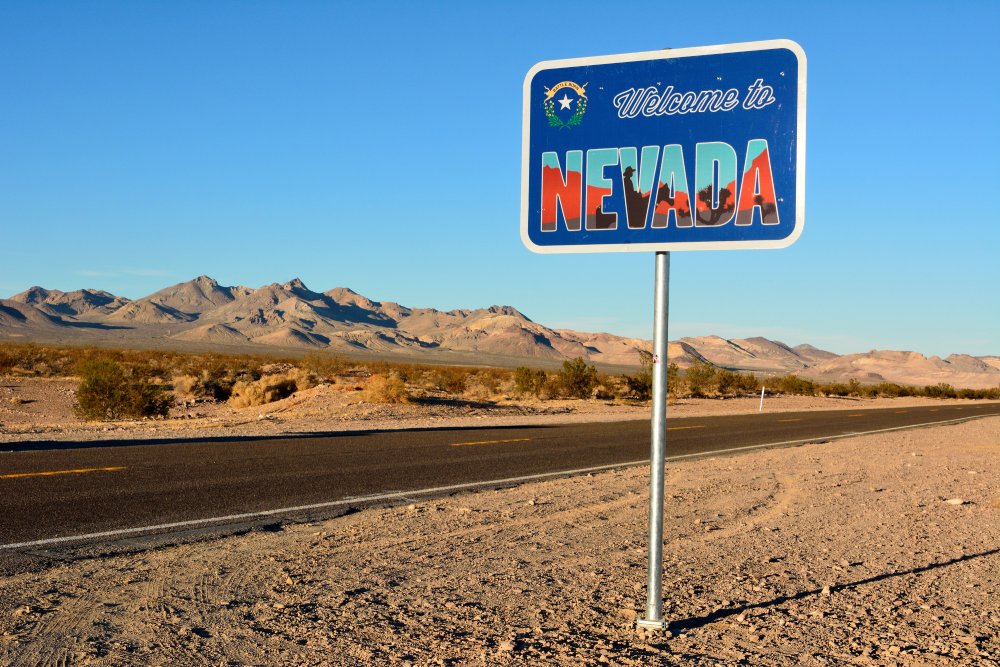
Home to the bright lights of Las Vegas, Nevada comes with a cost of living that’s higher than many other states. A single person typically needs about $47,600 a year to live comfortably, while the median home price sits around $462,000. Transportation costs are particularly steep in the state’s biggest cities—running about 15% higher than the national average in Las Vegas and roughly 23% higher in Reno. Healthcare, however, offers a bit of relief, coming in about 10% to 13% lower than the national average in both cities. Much of Nevada’s higher costs can be traced back to the powerful micro-economy built around Las Vegas.
Texas
The great state of Texas is the 29th most expensive place to live in the US, with housing being 17% lower than the national average. The living wage for a single person in Texas, as calculated by the MIT Living Wage Calculator, is $34,000.

Minnesota
Unfortunately for Minnesotans, their state is the 30th most expensive place to live in the US. Housing costs in Minnesota are 15% lower than the national average, with goods and services and food costs on-par with the rest of the country. Its cost of living, however, is roughly $40,000 for a single person.
Delaware
The second-smallest state by land area (2,489 square miles), Delaware's cost of living is certainly bigger than its footprint. With an average cost of living of $51,113 per year, Delawareans spend most of their incomes on food and beverages, housing, healthcare, and their motor vehicles.

Arizona
If you like the idea of living in the middle of the desert, then the arid nature of Arizona may suit you well. Blistering heat and scorching sun aside, Arizona's cost of living is roughly $44,875 per person, per year. Arizonans spend almost $8,200 per year on housing, with healthcare, food and beverages, and gas among their next highest costs.

Maine
Maine has an interesting dichotomy in the state's rankings—it ranks #2 in both crime and corrections and opportunity. Maybe that means that your opportunity for employment in corrections is particularly high. In any event, Maine's cost of living is around $50,559 per year, with the lowest cost of living in New England.

Vermont
The greatest opportunity state in the US, according to US News rankings, has an unfortunately high cost of living. Its cold winters contribute to high utility costs (making up an average of $9,544 per year), with an overall cost of living of $50,761 per year.
Illinois
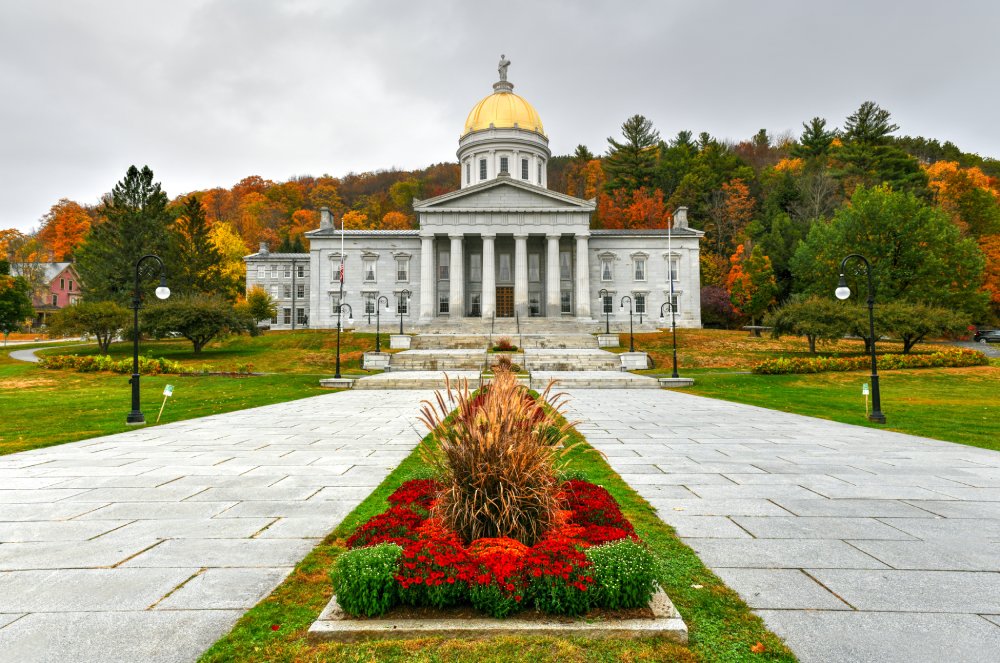
Illinois is home to the Windy City, the Chicago Bulls, Kraft Heinz, and has over 6,000 wind farms. Despite this huge investment in renewable technology, Illinois residents spend an average of $49,995 per year, with the bulk going toward housing.
Alaska
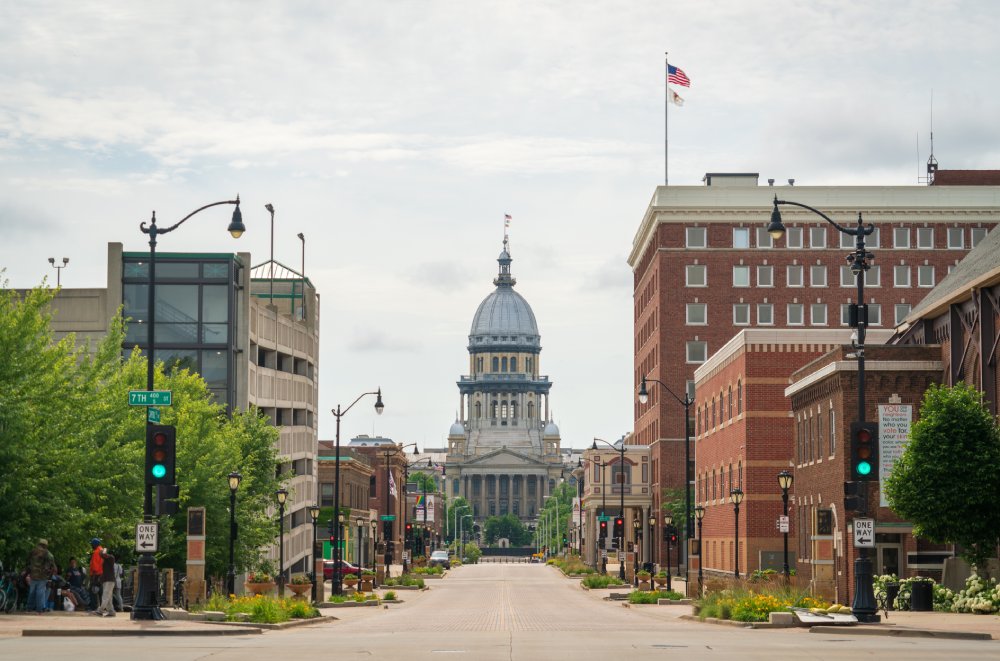
As one of the most sparsely populated states in the country, Alaska’s remote location above Canada comes with a hefty price tag. The state’s overall cost of living sits about 31% higher than the national average, meaning residents pay more for just about everything. Utilities are especially steep—costing roughly 52% more than the national average—thanks to the challenges of transporting energy and supplies to such a remote region. On average, Alaskans spend around $54,331 per year to cover their living expenses.
Virginia
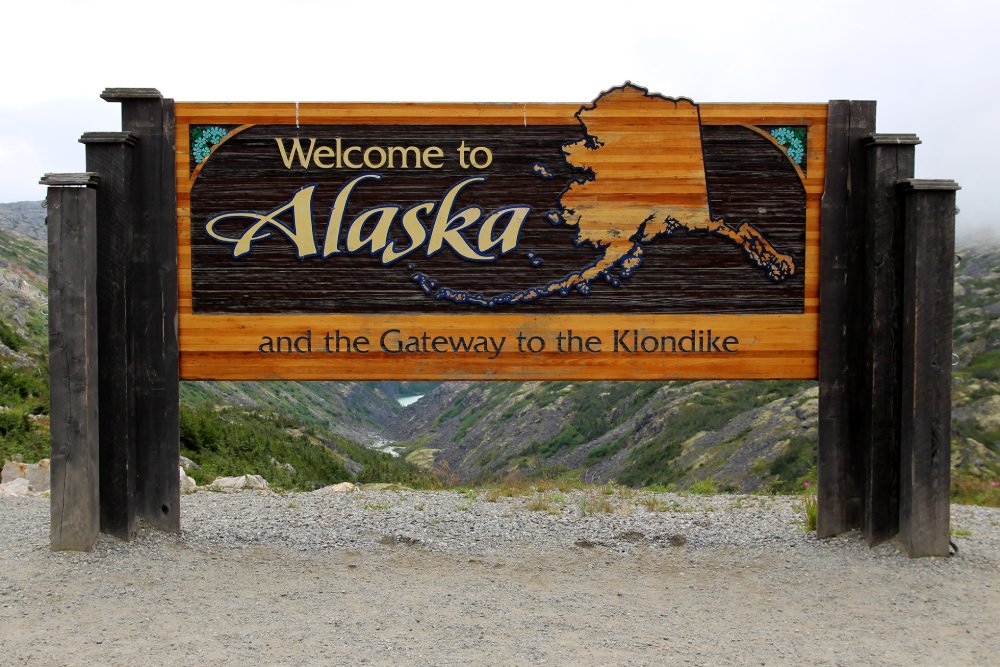
Virginians, unlike their West Virginian compatriots, pay exorbitantly more to live. With an average cost of living of $48,249 per year, with housing and healthcare costs being among the highest costs to Virginians, many of them may soon be heading for West Virginia, which could save them almost $10,000 per year.

Florida
The best state in the US for education and economy, according to US News rankings, is the 38th most expensive state in the country. On average, Floridians will spend about $50,889 per year on their necessities, mostly for housing, food, and utilities. Interestingly, Floridians pay 4% less than the national average for health and dental care.
 Felix Mizioznikov, Adobe Stock
Colorado
Despite the incredible geography of Colorado, the small mountainous state is the 39th most expensive state in the country. That's mostly because of its huge tourism draw and its sparse population. The average person needs an income of $53,374 per year to live in Colorado. Similar to Alaska, housing is 20% higher in Colorado than in the rest of the country.

Rhode Island
The maritime state of Rhode Island is a major biomedicine and shipbuilding state, with Rhode Islanders paying 13% more than the national average, including in food, utility, and transportation costs. Rhode Islanders must make an average of $44,481 per year to afford the basics.
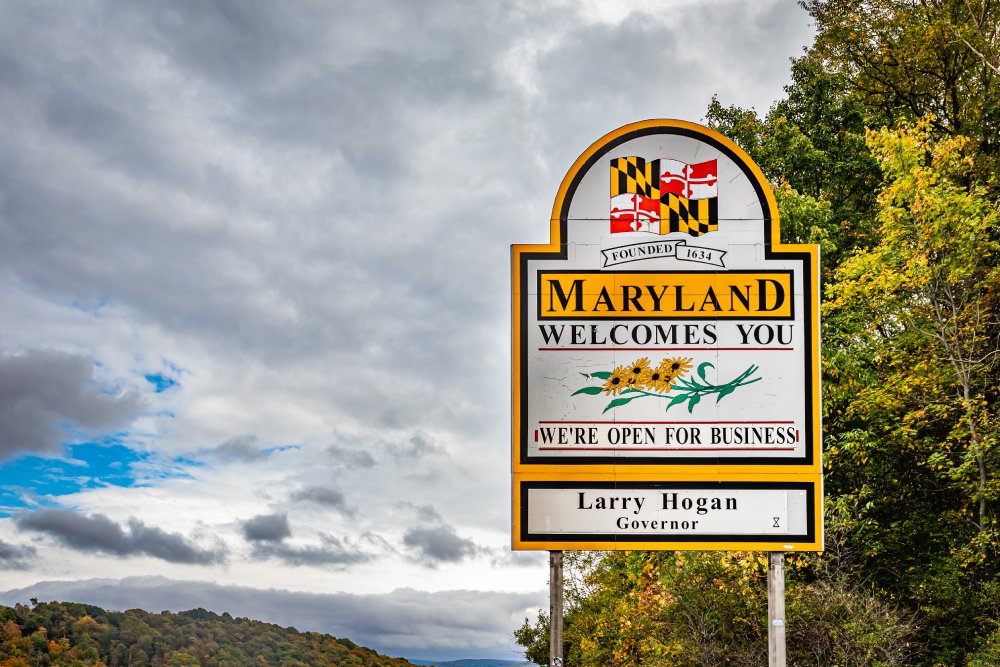
Maryland
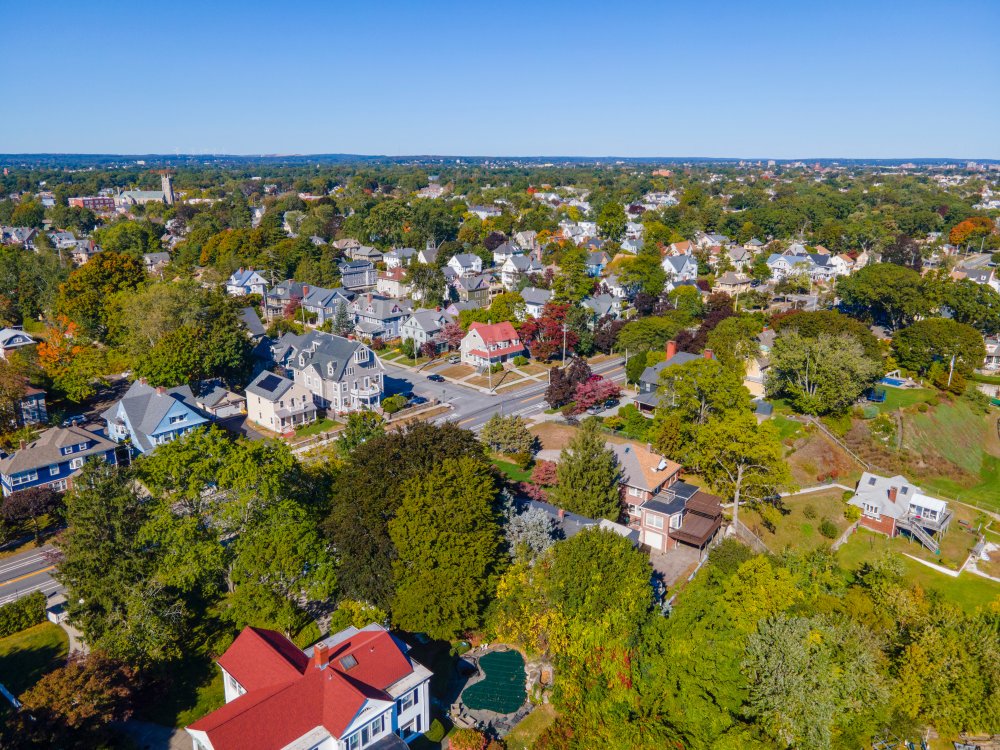
With a population of just over 6 million and a median household income of $52,436, Marylanders are mostly federal employees—working in the adjacent Washington DC. Marylander's cost of living is 16% higher than the national average, with housing alone being a staggering 44% higher than the national average.
Connecticut
Connecticut is an education state, home to dozens of colleges—including some of the country's most prestigious, such as Yale University, Wesleyan University, and the US Coast Guard Academy. Connecticut's healthcare ranks in the top 10 in the country, but housing is 13% higher than the national average. For a single person, the cost of living in Connecticut is $69,480.

Oregon
The gorgeous Pacific Northwest is encapsulated perfectly in Oregon—a coastal state with sprawling wilderness and towering mountains. But living in the PNW doesn't come cheap, with an average cost of living of $47,779 per person required. Oregon's infrastructure does rank at #2 in the country, so at least your 10-15% taxes are put to good use.

New York
New Yorkers are lucky to live in an eclectic mix of nature and cities, particularly given the state's relatively small size of 54,559 square miles. There's far more to New York than just The Big Apple, but the entire state has a high cost of living that's 42% higher than the national average, with an average salary needing to be at least $130,000 for a single person.

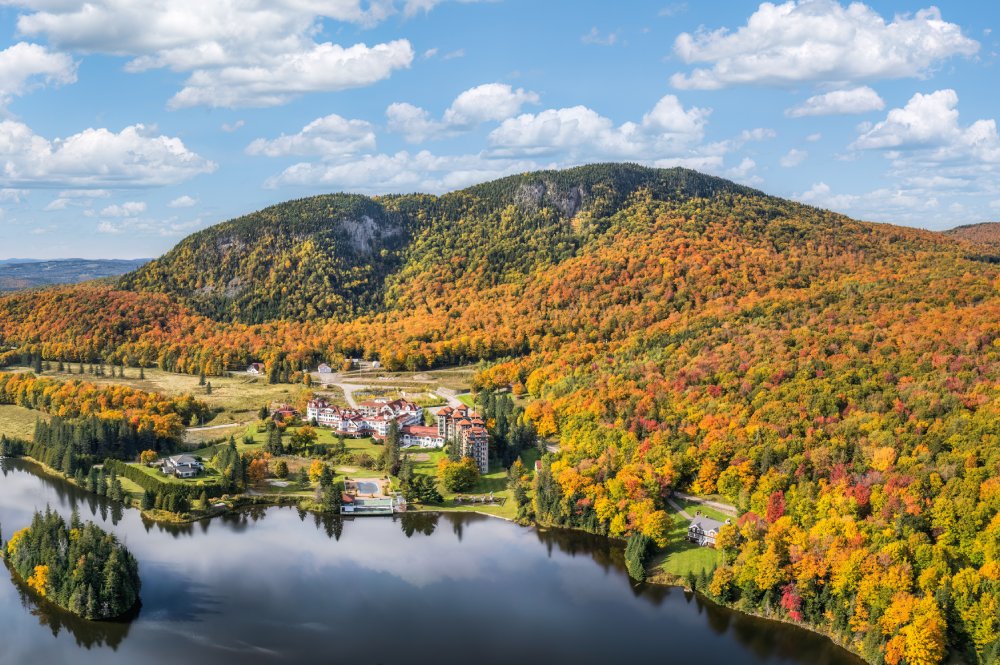
New Hampshire
New Hampshire is one of the most beautiful states to visit, particularly in the fall. But don't let its autumnal charm fool you, New Hampshire is expensive. With an average cost of living of $56,727 per year, it's one of the most expensive states in the country.
New Jersey
Adjacent to New York, New Jersey is said to be the "cheaper" cousin, but housing costs are 30-35% higher than the national average, and you'll also pay slightly more for utilities and clothing than the national average. MIT's Living Wage Calculator says that an adult with no children should make $38,916 annually to survive in New Jersey, which has a median household income of $104,000 per year.

Massachusetts
Massachusetts is a great state to live if you love good healthcare (#2 nationally)—it's also the country's second best employer, closely followed by education. The average cost of living in Massachusetts is $53,000, with housing scoring a whopping 108% higher than the national average.

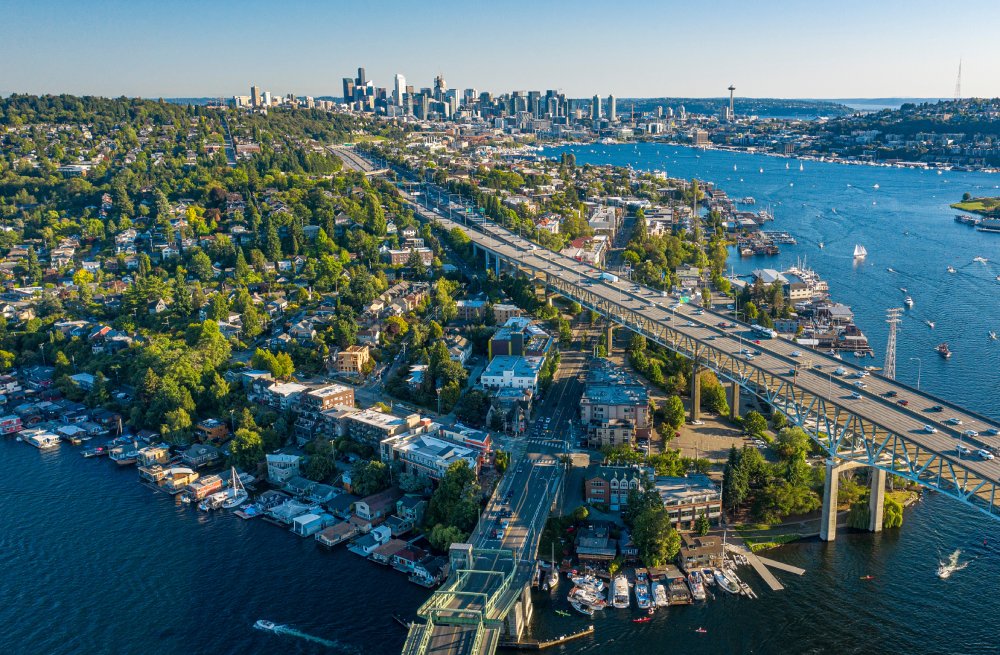
Washington
The gorgeous, mountainous Washington state is the third most expensive state in the United States, with an average cost of living of $60,528. That number is mostly attributed to houses, which cost 29% higher than the national average, but begin at an astonishing $600,000 for a single-family home.
Hawaii
The island state of Hawaii is the second-most expensive place to live in the United States. Mostly, like Alaska, because of its location. As everything has to be flown or shipped in, the cost of basic goods is very high. Housing costs in Hawaii are three times the national average, with a single person needing between $70,000 and $100,000 per year to live.

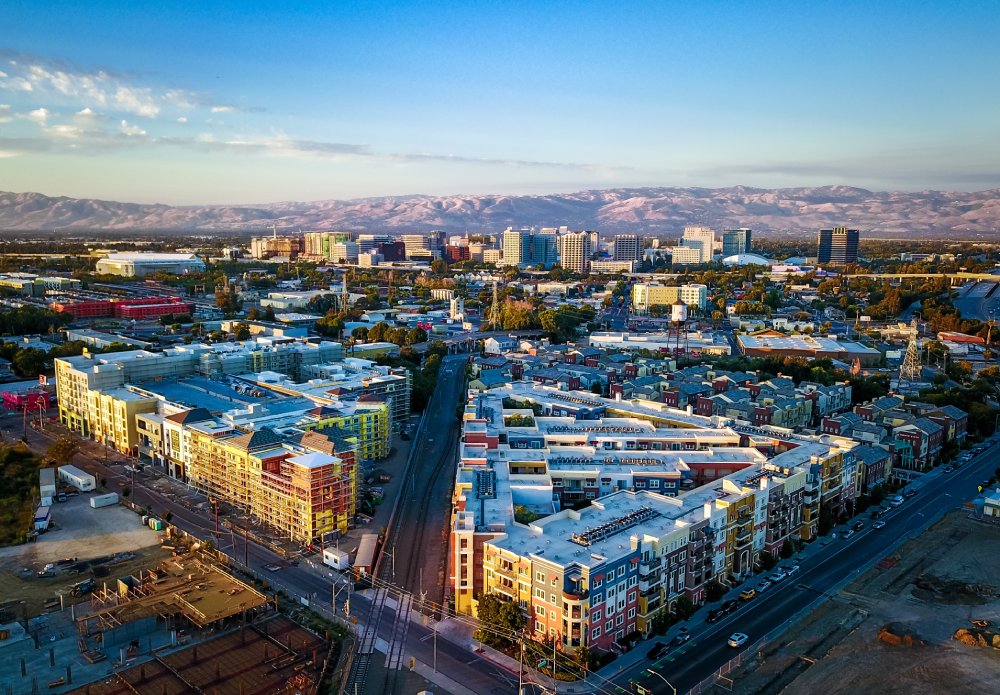
California
Surprising no one, the state that costs the most is California. This is mostly due to the artificial scarcity of real estate. California has an average annual cost of living of $53,082, which is 38% higher than the national average. Housing is almost 100% higher than the national average, with utilities costing 25% more than the rest of the US.
Where Do You Live? What Insights Can You Share About Your Cost Of Living?
If you have any insights to share about your own cost of living situation, we'd love to hear them. Contribute to the cost of living conversation in the comments section!