
A New Kind Of Check-In
Picture this: you've finally arrived at your vacation rental after a long day of traveling, and instead of punching in a door code, you're asked to scan your face. It can feel a little surprising if you've never seen it before. While facial recognition is becoming more common for short-term rentals, hotels, and apartment buildings, plenty of travelers are still caught off guard when it's suddenly part of the check-in process.
 Andrii Iemelianenko, Shutterstock Images
Facial Recognition Is More Than Just A Photo
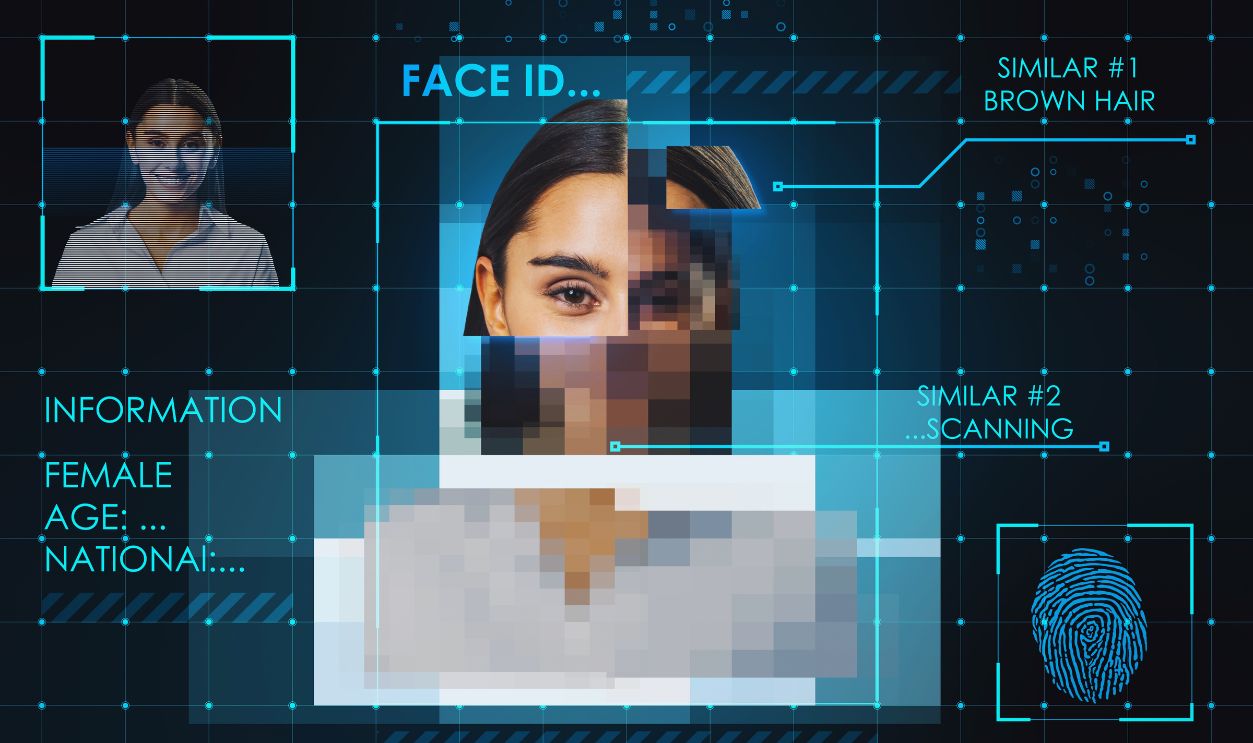
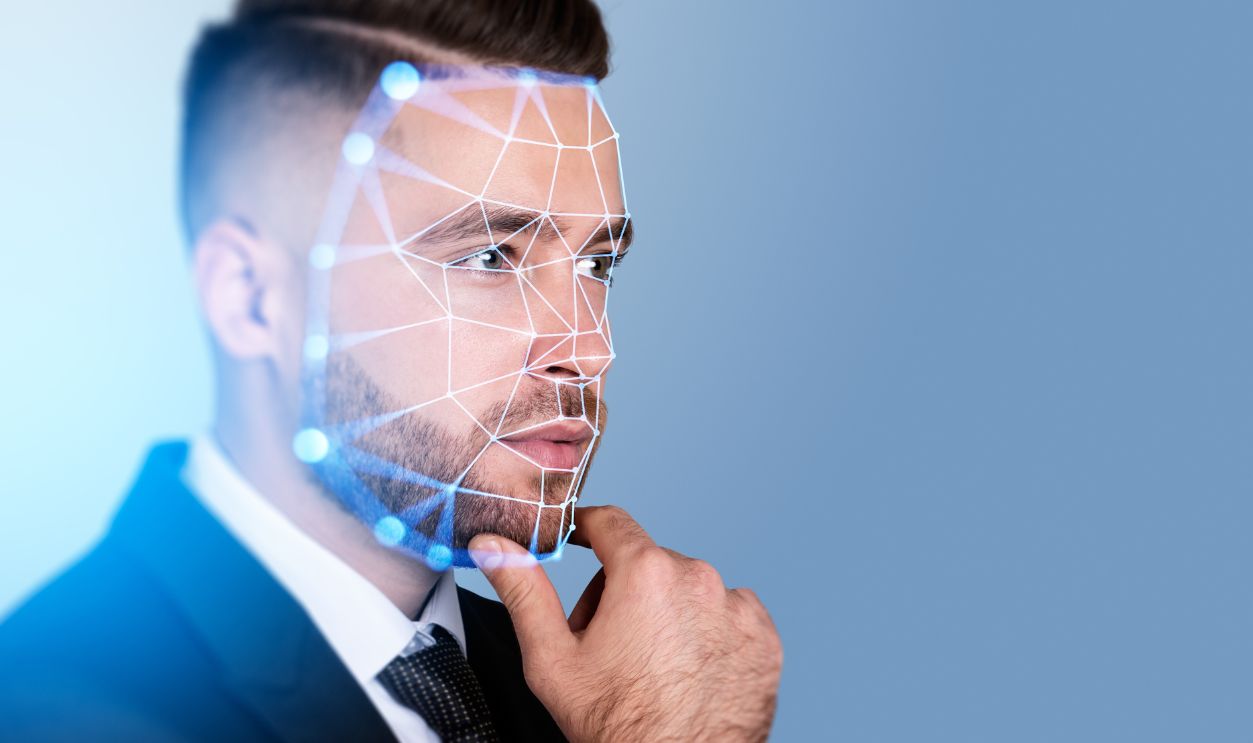
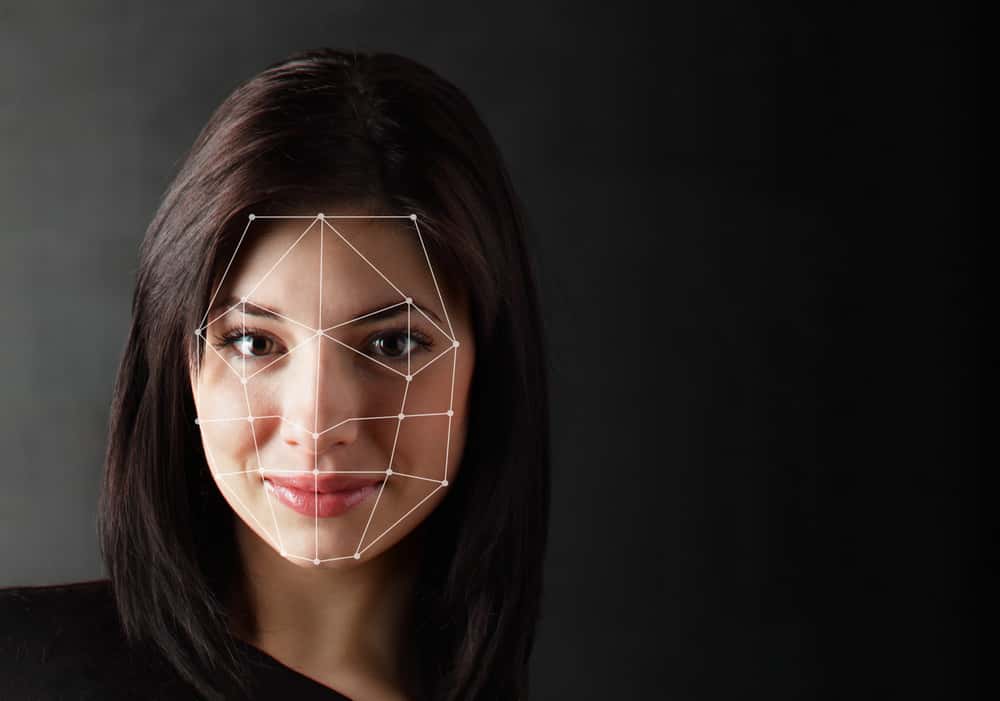
This isn't the same thing as snapping a selfie. Facial recognition technology measures unique features of your face to create a biometric template that confirms your identity. Since you can't change your face the way you can reset a password, that information is considered much more sensitive than an ordinary photograph.

Can A Vacation Rental Actually Ask For It?
In many cases, yes. There isn't one nationwide rule that says vacation rentals can or can't require facial recognition. Instead, the answer depends on where the rental is located, how your information is collected, and whether the company follows the privacy rules that apply in that state or country.

Your Location Makes A Big Difference
Where you're staying matters more than you might think. Some states have specific laws covering biometric information like facial scans, while others rely on broader privacy protections. That means a check-in process that's perfectly acceptable in one state could face much stricter requirements somewhere else.
Illinois Has Some Of The Strongest Privacy Protections
Illinois is often considered the gold standard when it comes to biometric privacy. Its Biometric Information Privacy Act, better known as BIPA, generally requires businesses to tell people before collecting biometric information, get their consent, explain how the data will be used, and have a plan for deleting it when it's no longer needed.
 Diego Delso, Wikimedia Commons
You Should Know What You're Agreeing To
If a property wants to collect your facial recognition data, you shouldn't have to guess what's happening. In places with biometric privacy laws, companies are often expected to clearly explain what they're collecting and why. If you're only finding out about it after you've arrived, it's reasonable to ask questions before moving forward.

Don't Just Click "Accept"
Most of us tap through privacy notices without giving them a second thought, especially after a long trip. But if facial recognition is involved, it's worth slowing down for a minute. The privacy policy may explain how long your information is stored, whether it's shared with another company, and when it's supposed to be deleted.

Not Every System Works The Same Way
One facial recognition system can be very different from another. Some simply compare your face to your ID during check-in and then delete the biometric information soon afterward. Others keep a biometric template on file to make future check-ins or building access faster. Knowing which system you're dealing with can help you decide how comfortable you are with it.
 Frame Stock Footage, Shutterstock
You Can Always Ask About Other Options
If you'd rather not scan your face, don't assume you're out of luck. Some hosts and property managers still offer alternatives, like checking a government-issued ID, verifying your identity over video, or meeting someone in person. It never hurts to ask before canceling your reservation.

The Booking Site And The Host May Have Different Rules
Even if you booked through a well-known vacation rental platform, the host may use a separate company to handle identity verification. That means your facial recognition data could be processed under a different privacy policy than the one you saw when making your reservation. It's worth checking who will actually receive your information.

Traveling Overseas Can Change Everything
Heading abroad? The privacy rules may be very different. In the European Union, biometric information receives extra protection under the General Data Protection Regulation, or GDPR. Companies often have to meet stricter requirements before they can collect or use facial recognition data.

Keeping Your Information Safe Is A Big Deal
Whenever a company collects biometric information, it also takes on the responsibility of protecting it. That's especially important because you can't simply replace your facial features if the information is ever exposed. Strong security practices are a big part of responsible biometric data handling.
Companies Have Already Been Taken To Court
Facial recognition isn't just a theoretical privacy issue. A number of businesses have faced lawsuits over how they collected or handled biometric information, especially under Illinois' BIPA. Those cases have pushed many companies to improve their consent forms, privacy policies, and data retention practices before rolling out facial recognition systems.

Convenience Isn't The Whole Story
There's no question that facial recognition can make check-in quicker. It can reduce fraud, eliminate lost keys, and make late-night arrivals much easier. But faster check-ins also come with reasonable questions about how long your information is kept, who has access to it, and whether it could be used for anything besides verifying your identity.

You Should Know Before You Arrive
Nobody likes surprises after a long flight. A good property manager should let you know ahead of time if facial recognition is required so you can review the privacy policy and decide whether you're comfortable with the process. Finding out only after you're standing at the front door can be frustrating.

Don't Be Afraid To Ask Questions
If something doesn't feel clear, speak up. Ask how your biometric information will be stored, when it will be deleted, whether another company has access to it, and if there's another way to verify your identity. Those are perfectly reasonable questions whenever sensitive personal information is involved.

Saying No Might Have Consequences
If facial recognition is part of the property's published check-in process, refusing the scan could mean you won't be able to access the rental. Whether you qualify for a refund depends on things like the rental agreement, the booking platform's policies, local consumer protection rules, and whether the requirement was disclosed before you booked.

The Rules Are Still Evolving
Facial recognition technology has become popular much faster than privacy laws have developed. Lawmakers, regulators, and courts are still working through many of the questions surrounding biometric data. As more businesses adopt the technology, the rules will likely continue to change.
A Little Research Can Save You A Headache
Before you book your next vacation rental, take a quick look at the property's check-in instructions and privacy policy. If facial recognition is required and you're not comfortable with it, it's usually easier to choose another property before your trip than to deal with the issue after you've arrived.

The Bottom Line
Being asked to scan your face before checking into a vacation rental can definitely come as a surprise, but it's becoming more common. Whether a property can require it depends on where it's located and how it handles your biometric information. The best thing you can do is read the check-in requirements ahead of time, understand how your information will be used, and make sure you're comfortable before agreeing to anything.

You May Also Like: