The Vacation That Turned Into A Content Shoot
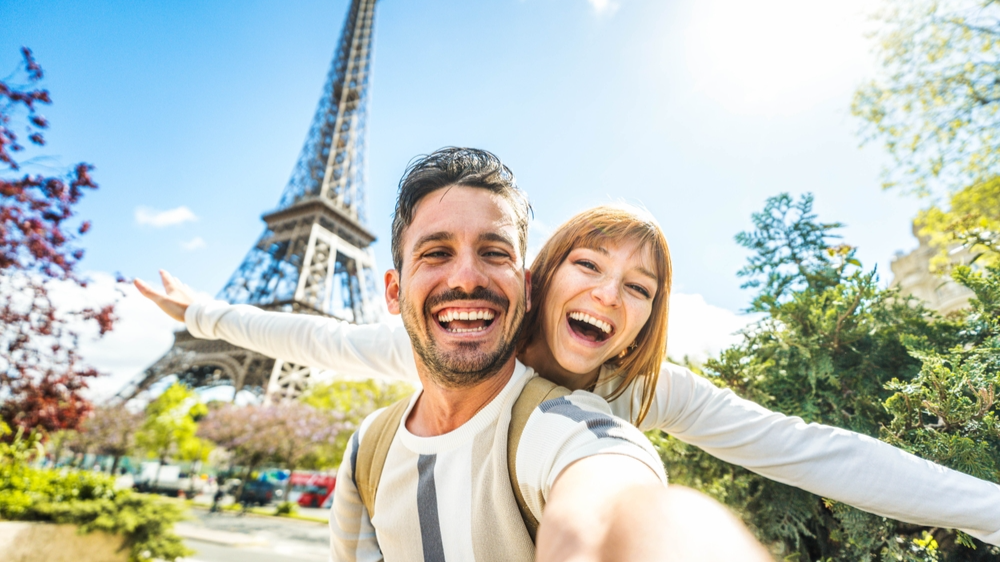
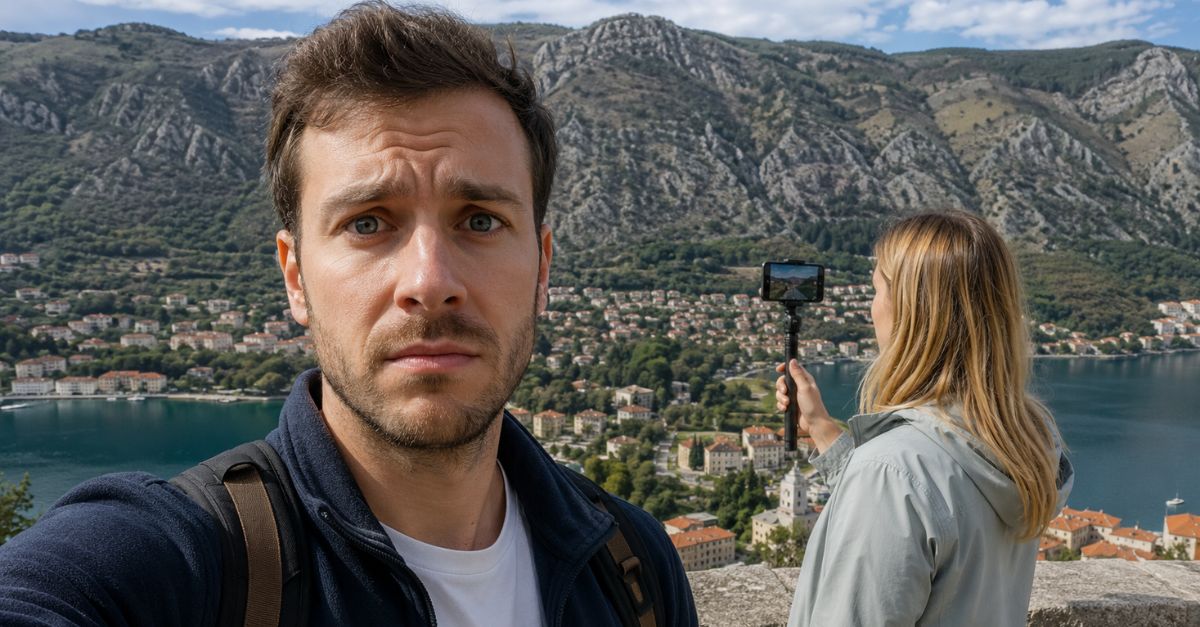
You book a trip for sunsets, street food, and a little peace. Then the friend you brought along spends the entire time trying to get the perfect Reel, making everyone redo the same walk five times, and holding up lunch until the plates are filmed. And they weren't the only one. Social media has tangibly changed how many people travel, and researchers have actually been tracking the effects for years.
Why This Feels So Personal
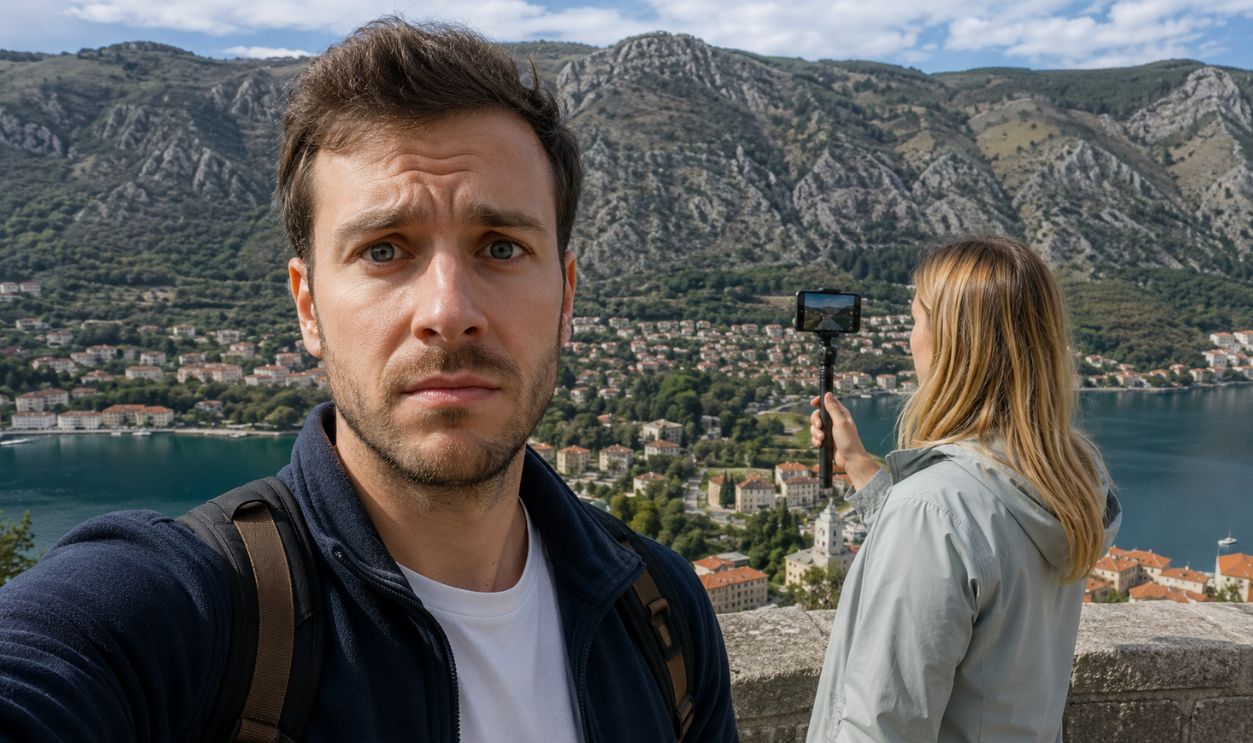
Travel is supposed to be shared time, so it can be frustrating when one person treats the itinerary like a production schedule. The problem is not just the phone. It is about attention, being present, and whether the trip is being lived or staged. That tension has become common enough that tourism boards, parks, and researchers now talk openly about social media-driven travel.
Influencer Culture Did Not Appear Overnight
The word “influencer” may sound new, but the business behind social media personalities has been growing for more than a decade. The Federal Trade Commission has had to update and enforce endorsement guidance as paid content spread across Instagram, YouTube, and TikTok. In 2023, the FTC proposed updates to its Endorsement Guides to address fake reviews, social media influence, and clearer disclosure rules. That matters because a lot of travel content is advertising, whether viewers realize it or not.

Travel Inspiration Now Starts On Social Platforms
For many travelers, Instagram and TikTok are not side influences anymore. They are the trip planner. Expedia Group’s 2022 Traveler Value Index found that social media plays a growing role in travel inspiration, especially for younger travelers. When travel starts with content, it is easy for the trip itself to turn into a hunt for content too.
The Numbers Show How Big Creator Culture Has Become
Influencer marketing is no longer a niche corner of the internet. Statista has tracked the fast growth of the global influencer marketing market in recent years, showing how brand spending has jumped as audiences and platforms grew. Once money enters the picture, travel behavior changes. A scenic overlook can go from a quiet stop to a film set.
Why Your Friend May Be Filming Everything
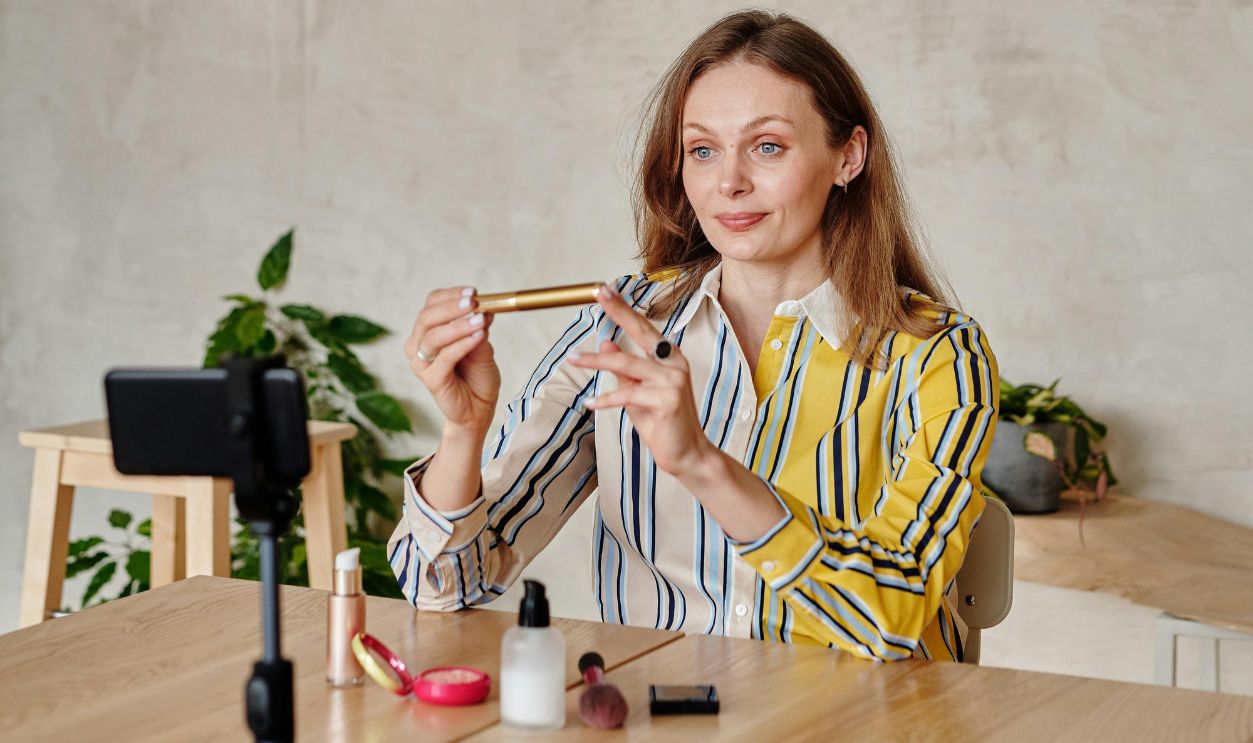
Not every overenthusiastic content creator is chasing fame. Some are chasing validation, future sponsorships, or just the pressure to stay visible online. Pew Research Center has reported widely on social media use and how deeply platforms are woven into daily identity and communication. That helps explain why “put the phone away” can sound, to some people, like “stop being yourself.”
Tourism Experts Have Been Warning About Overtourism
Social media did not invent overcrowding, but it can speed it up fast. The World Tourism Organization, now UN Tourism, has long described overtourism as a challenge when visitor flows overwhelm a destination’s capacity and hurt local quality of life. Viral posts can push fragile places from hidden gems to overrun hotspots in a single season. That has real consequences for residents and for travelers who show up expecting calm.
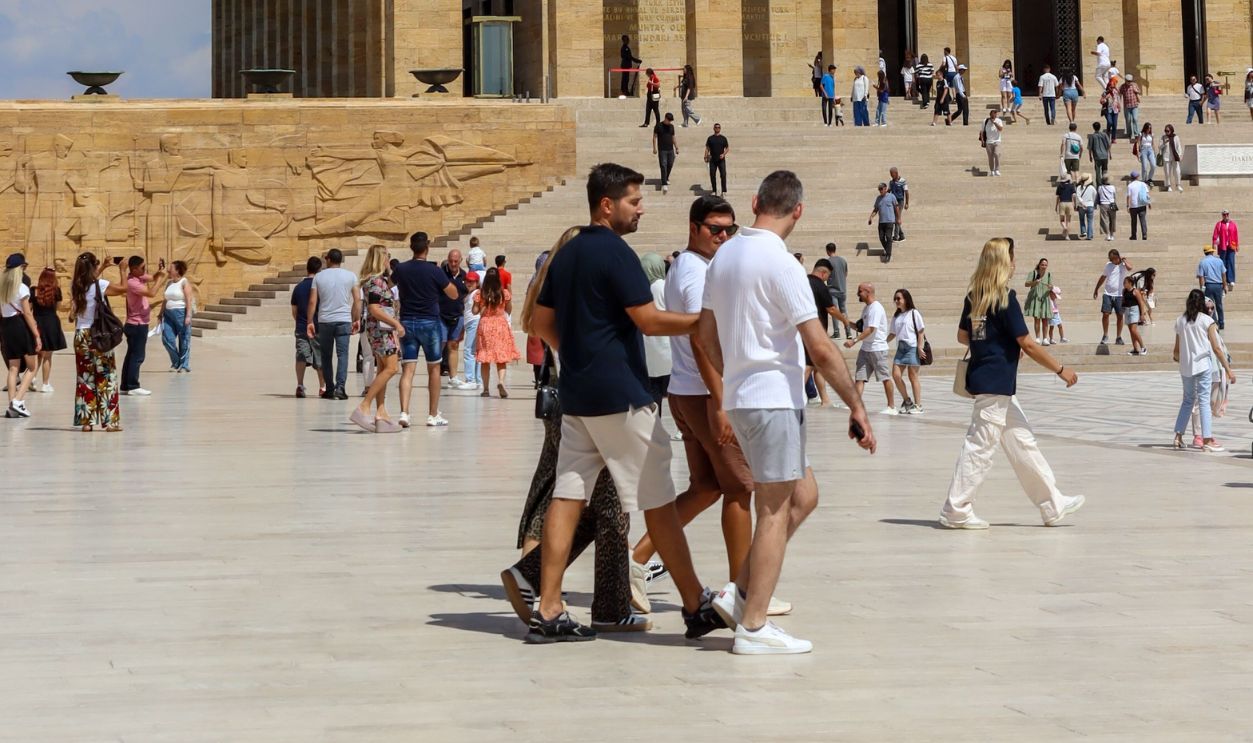
Once Quiet Places Can Go Viral Fast
A geotag can do what years of marketing could not. One photogenic café, cliff, or alleyway can suddenly draw long lines of visitors chasing the exact shot they saw online. Researchers in tourism studies have linked social media exposure to destination image and travel decisions. In plain terms, your companion may be following an algorithm more than their own curiosity.
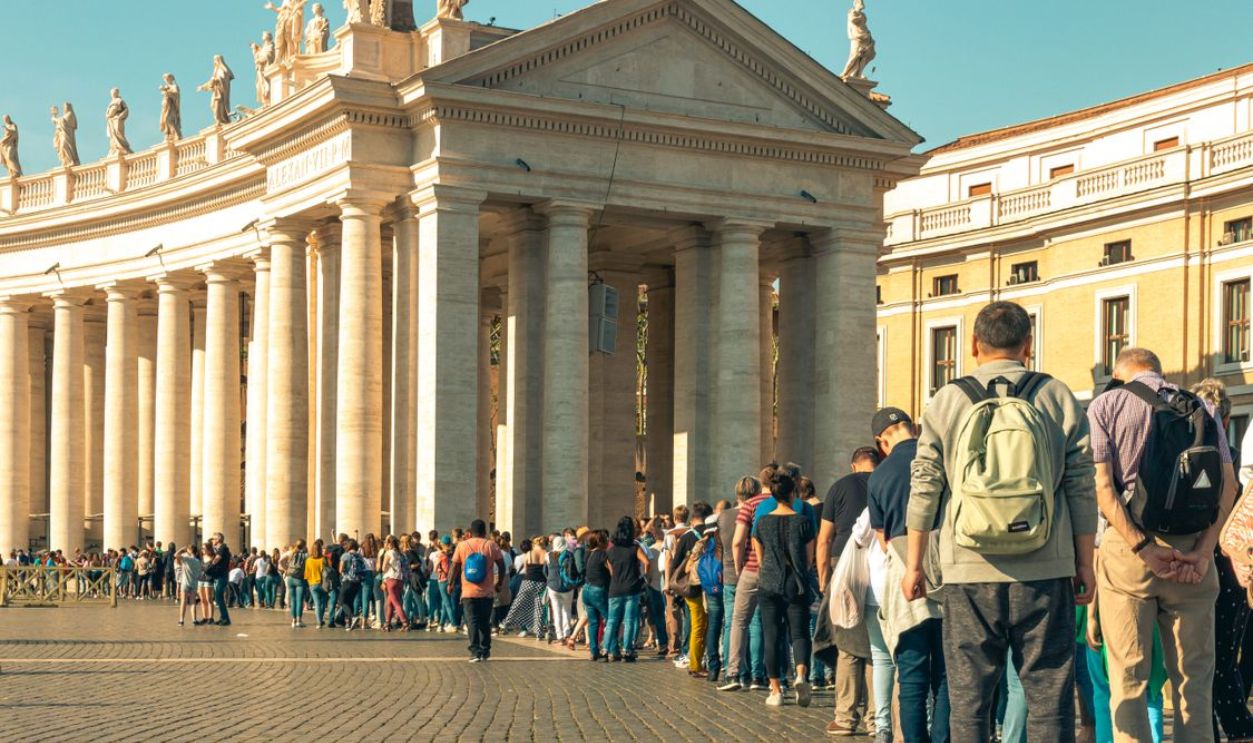
Parks Have Had To Ask Visitors To Behave Differently
Public land managers have seen enough social media-inspired bad behavior that some now address it directly. The U.S. National Park Service has repeatedly urged visitors to recreate responsibly, respect wildlife, and avoid dangerous stunts for photos. The message is simple. A beautiful backdrop does not make reckless or disruptive behavior okay.
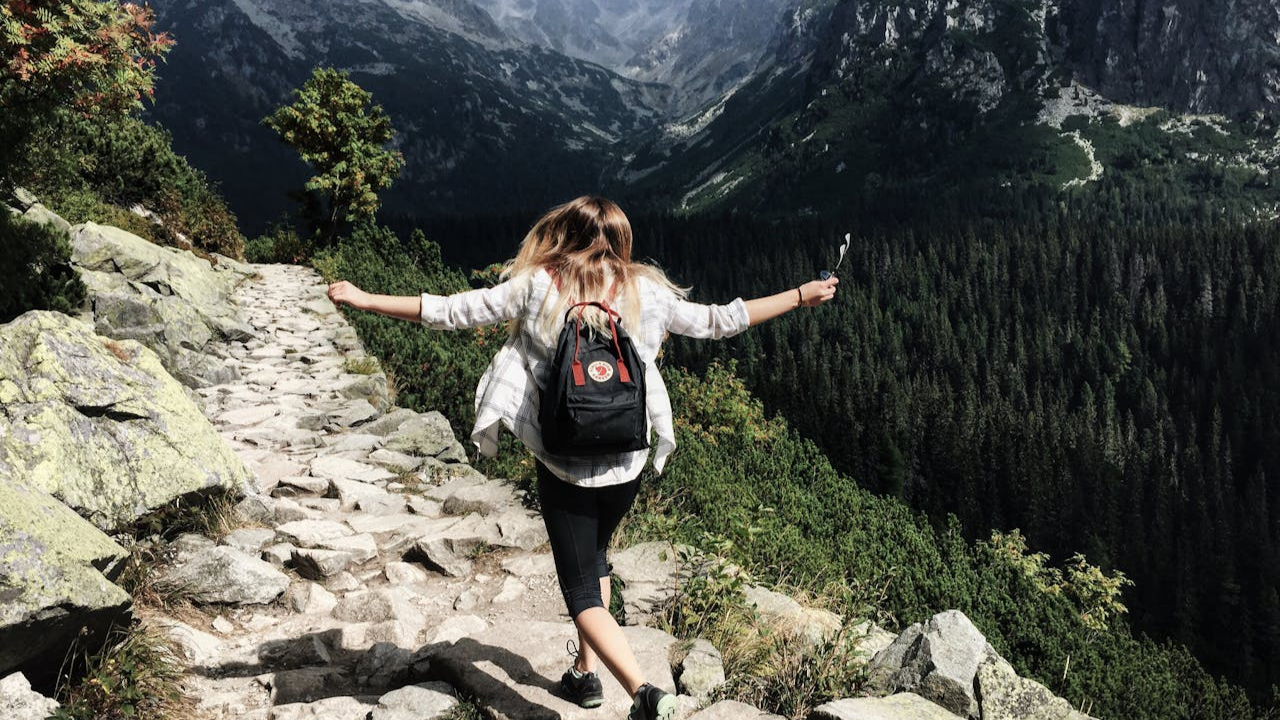
The Selfie Problem Is Not Just Annoying
Sometimes the chase for content turns deadly. A widely cited 2018 study published in the Journal of Family Medicine and Primary Care reviewed selfie-related deaths reported worldwide between October 2011 and November 2017 and found 259 deaths in that period. The authors concluded that no-selfie zones should be established at dangerous tourist sites. That turned a familiar annoyance into a clear safety issue.
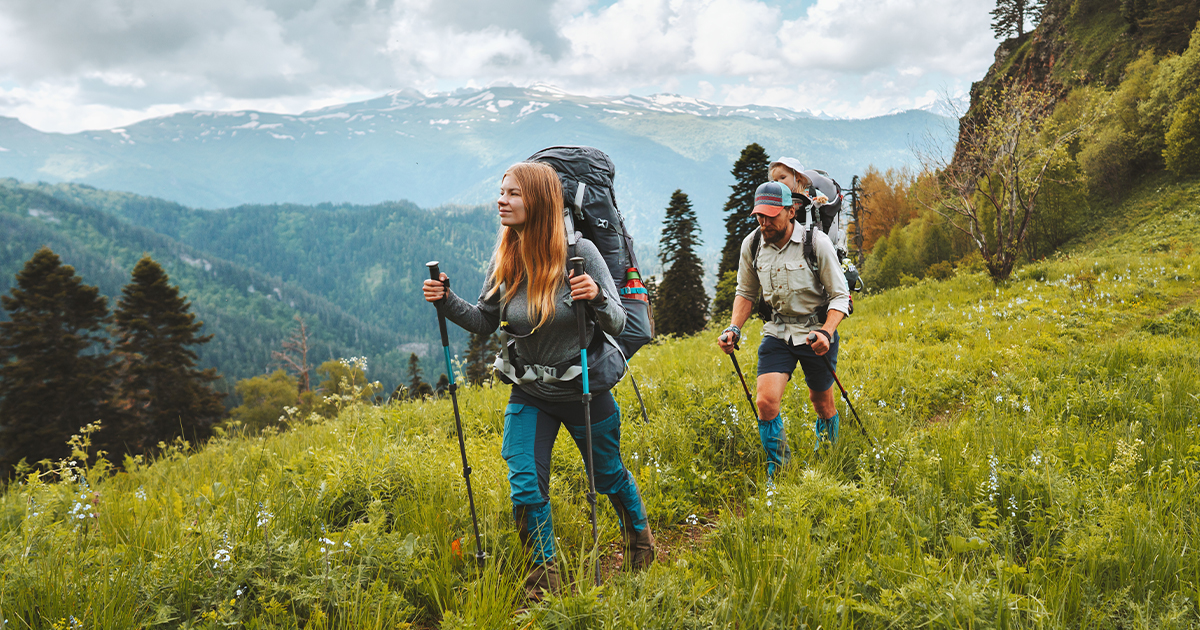
Wildlife Also Pays The Price
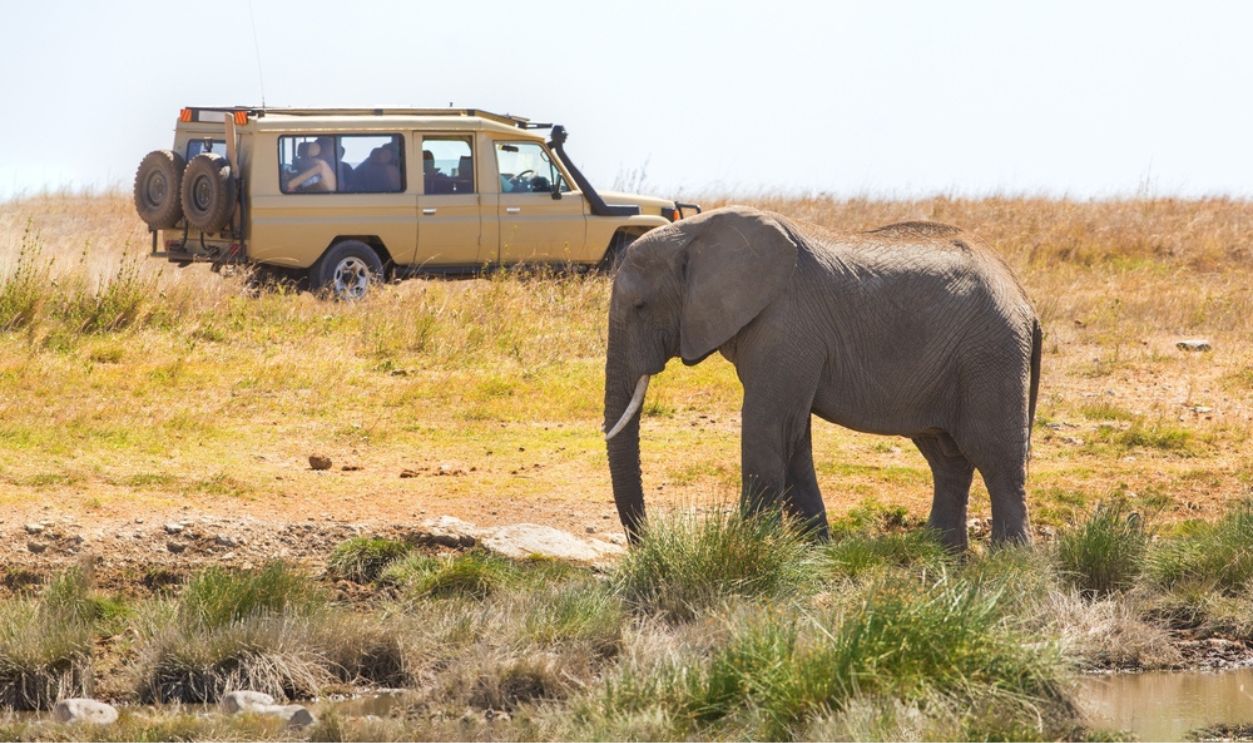
Animals are often treated like props in viral travel videos, and experts have pushed back hard. World Animal Protection has warned travelers for years about wildlife selfies and close-contact attractions that put content ahead of animal welfare. Tourism pressure can lead to stress, unsafe interactions, and harmful training practices. A cute clip can hide a much uglier reality.
 Kjetil Kolbjornsrud, Shutterstock
Destinations Are Fighting Back Against Geotag Damage
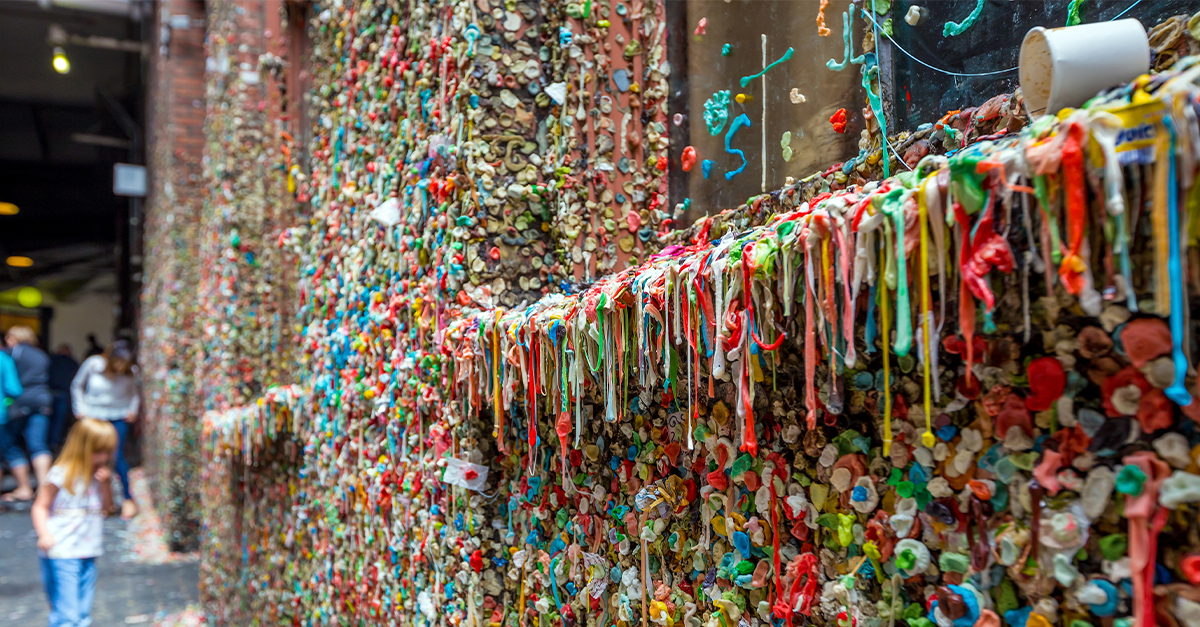
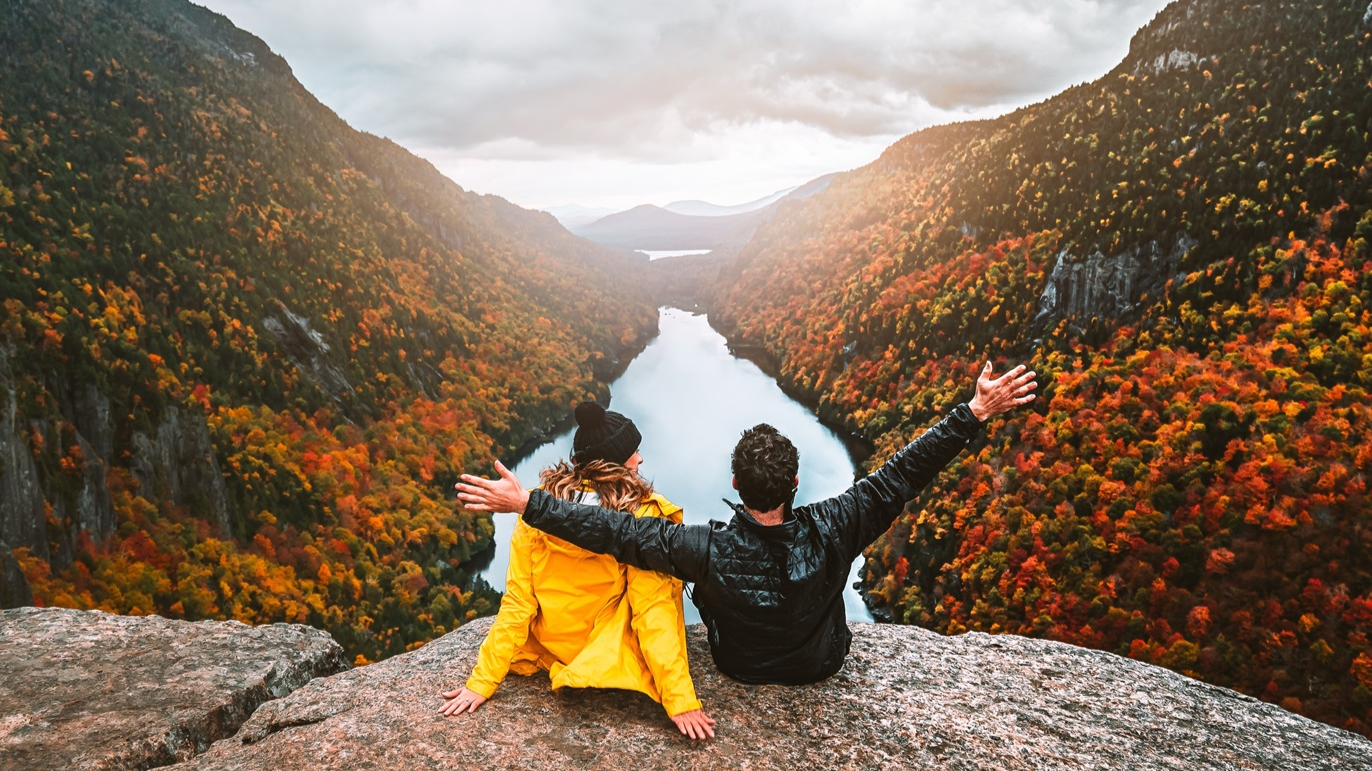
Some places now ask visitors not to geotag sensitive locations. The concern is simple and well-founded. Precise location sharing can send crowds into fragile natural areas that are not built for heavy foot traffic. What looks like one harmless upload can quickly become hundreds of copycat visits.
The Museum Visit That Becomes A Photo Queue
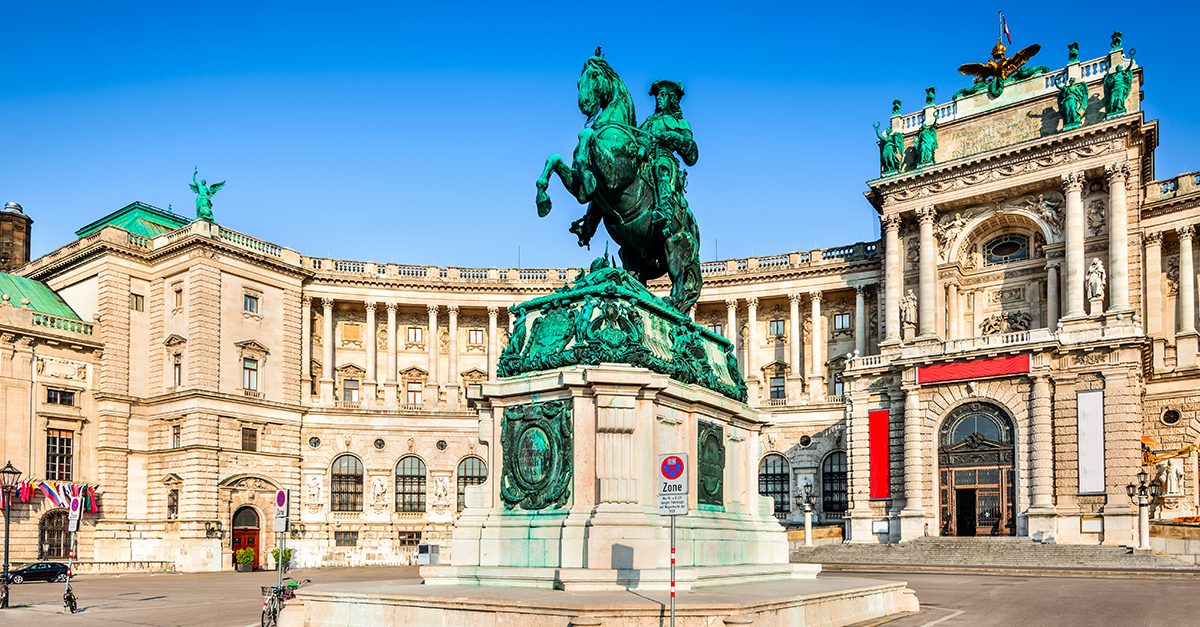
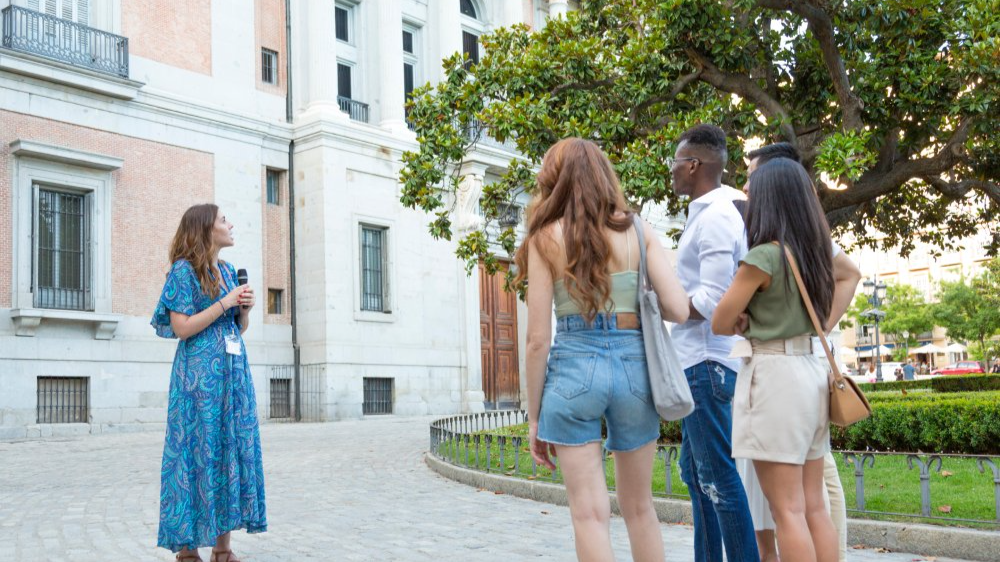
This is not limited to beaches and mountain viewpoints. Museums and heritage sites have also become stages for image-making, with visitors gathering around a few famous corners while ignoring the rest. Cultural institutions have had to balance access, visitor flow, and respect for artworks with the reality of phone-first behavior. The visit can start to feel less like discovery and more like waiting in line for proof you were there.
Restaurants Feel It Too
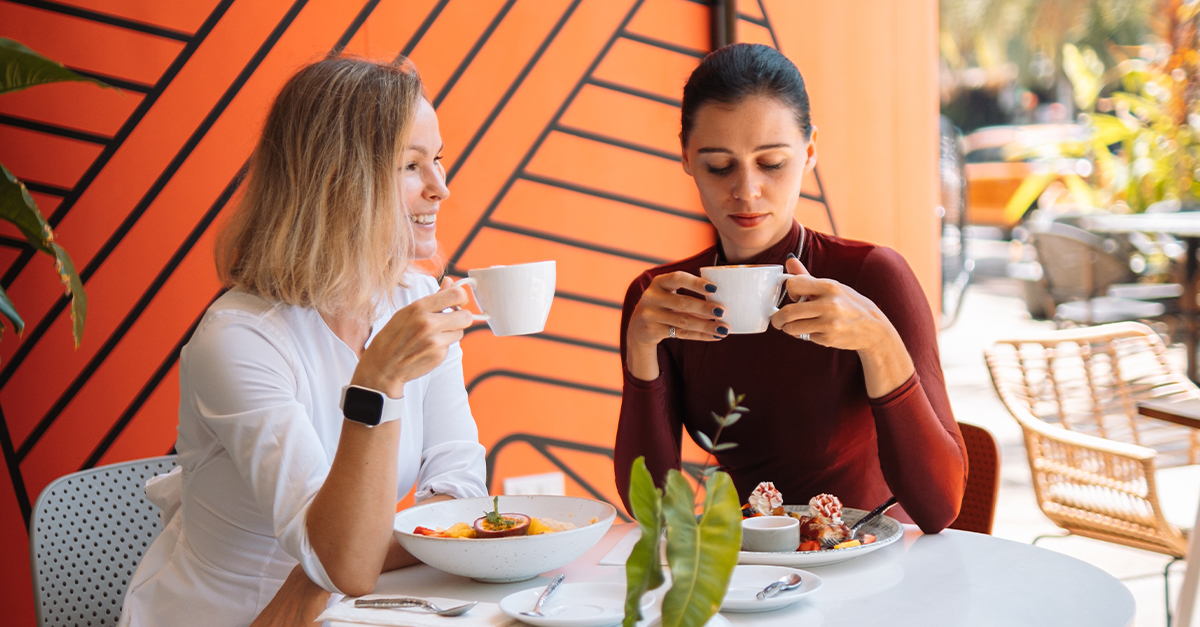
Hospitality workers know the routine. Dishes arrive, nobody touches the food, and the lighting discussion begins. For staff and dining companions, content creation can delay service, disrupt the mood, and turn an ordinary meal into a performance. It is a small example, but it shows the bigger shift. More and more experiences are being judged by how postable they are.
There Is A Psychological Cost To Constant Posting
Researchers have also looked at how heavy social media use can affect well-being, including comparison, pressure to present yourself a certain way, and anxiety. The U.S. Surgeon General released an advisory in 2023 on social media and youth mental health, showing that online environments can shape emotional health and behavior. That advisory focused on younger users, but the broader point still applies here. Constant sharing can change how people experience real life while it is happening.

Memory Can Suffer When Everything Becomes Documentation
There is evidence that relying on devices to capture everything can affect what we remember. Researchers have described the “photo-taking impairment effect,” where taking photos in some settings can reduce later memory for the experience itself. That does not mean every snapshot ruins a trip. It does suggest that nonstop documentation may leave travelers with more footage and fewer strong memories.
Not All Travel Content Is Shallow
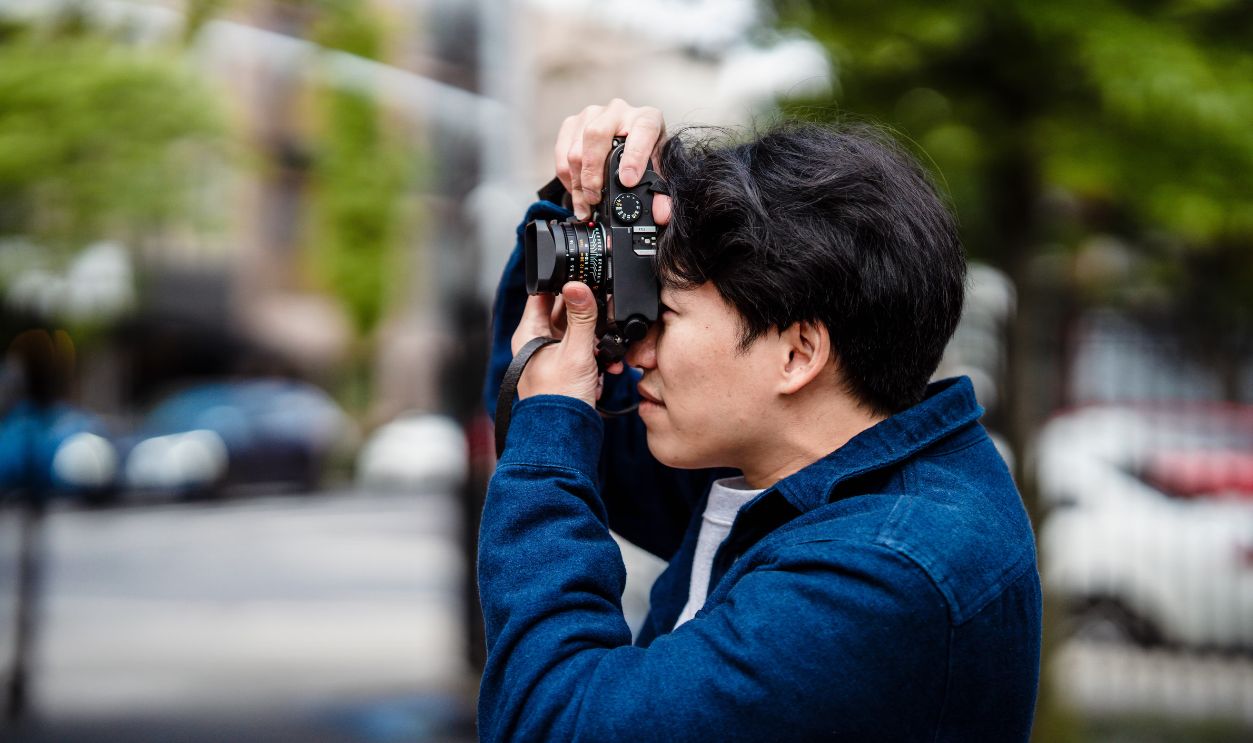
It is worth being fair. Social media has helped travelers find lesser-known destinations, small businesses, accessibility tips, and cultural context they might otherwise miss. Many creators make genuinely useful guides, budget breakdowns, and safety advice. The problem is not that travel content exists. The problem starts when making content swallows the trip.
There Is Also A Business Behind The Camera
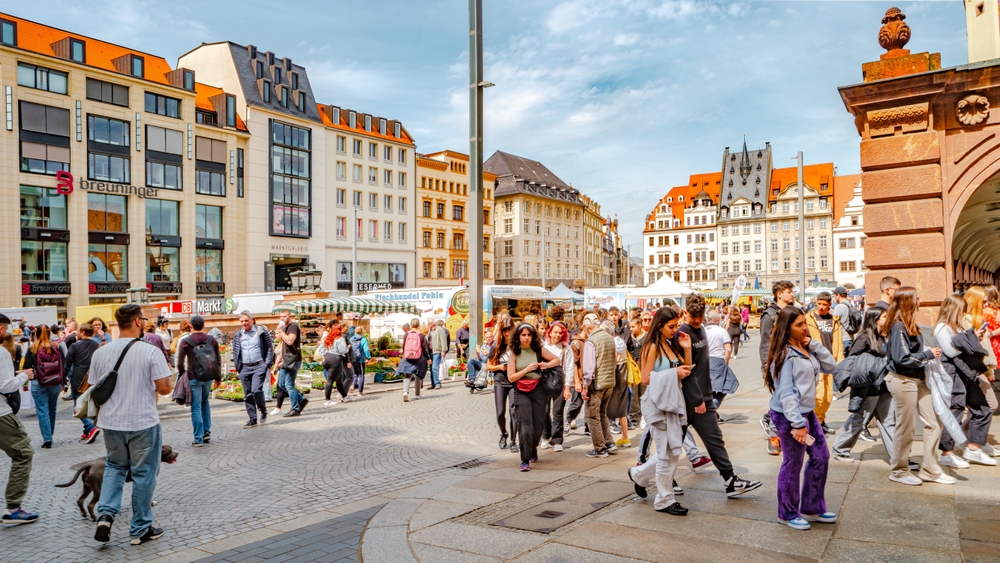
For some people, filming on vacation is not vanity. It is work. Creators who earn money through partnerships, affiliate links, or platform payouts may see every outing as something that has to be captured while they are there. That does not make your frustration any less real, but it does explain why they may feel like they cannot just switch off.
Disclosure Rules Matter More Than Ever
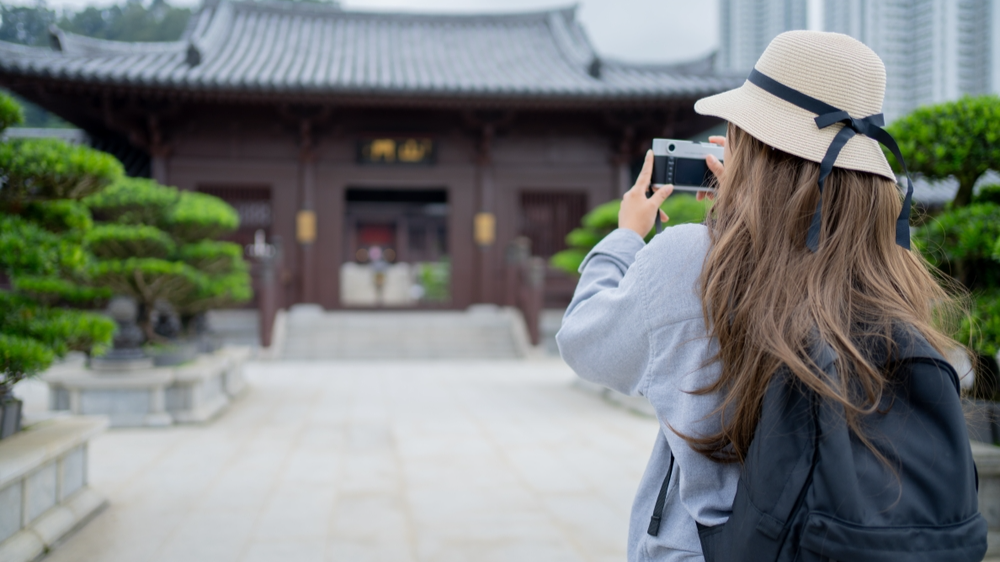
If your friend is promoting hotels, airlines, luggage, or tours, disclosure is not optional in the United States. The FTC requires endorsements to be truthful and clearly disclosed when there is a material connection between the endorser and the brand. In travel, those lines can get blurry because a dreamy clip may look like a personal recommendation even when it is sponsored. A lot of audiences are watching marketing dressed up as spontaneous joy.
Why Couples And Friends Clash Over This
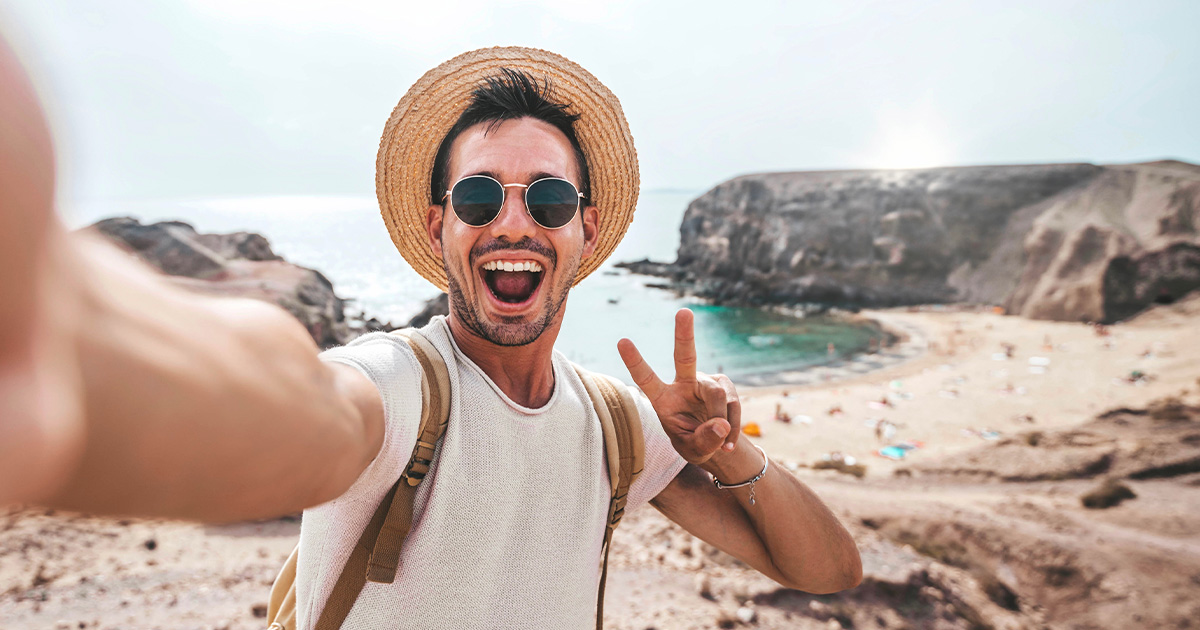
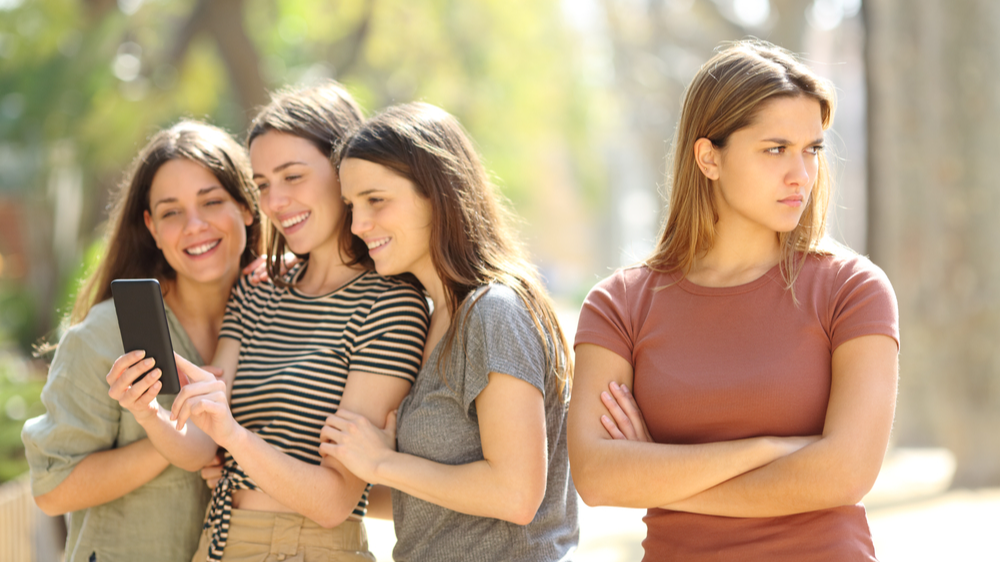
The conflict usually comes down to mismatched expectations. One traveler wants spontaneity and presence. The other wants documentation, polish, and maybe online growth. If that is not discussed before departure, resentment can build fast and boil over before checkout.
The Best Fix Starts Before You Board
If you know your companion is content-focused, have the awkward conversation early. Ask how much filming they expect to do, whether any activities are mainly for content, and when phones will be put away. Setting boundaries before the trip can save both the friendship and the itinerary. It is much easier to talk it through at home than during a delayed train in the rain.

Set Content Windows, Not Content All Day
One of the easiest compromises is to set defined shooting periods. Maybe your companion gets thirty minutes at sunrise and another block before dinner, while the rest of the day stays mostly phone-free. That gives them space to capture what matters without turning every walk into a retake. A little structure can protect both creativity and the trip itself.
Choose Some No Film Experiences
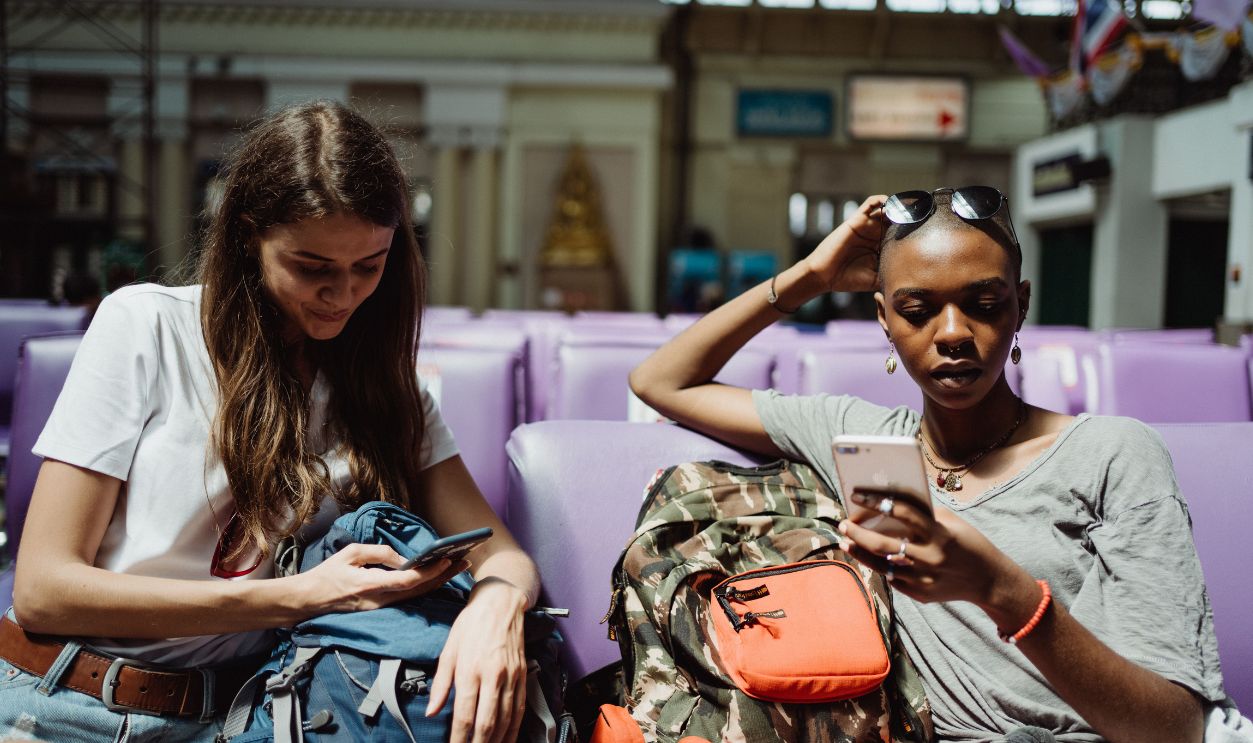
Make part of the trip deliberately unpostable. Book a spa circuit, a cooking class, a guided hike, or a dinner where everyone agrees to keep phones away unless there is an emergency. These moments can reset the pace of the vacation. They also remind everyone what they came for in the first place.
Respect Other Travelers And Locals
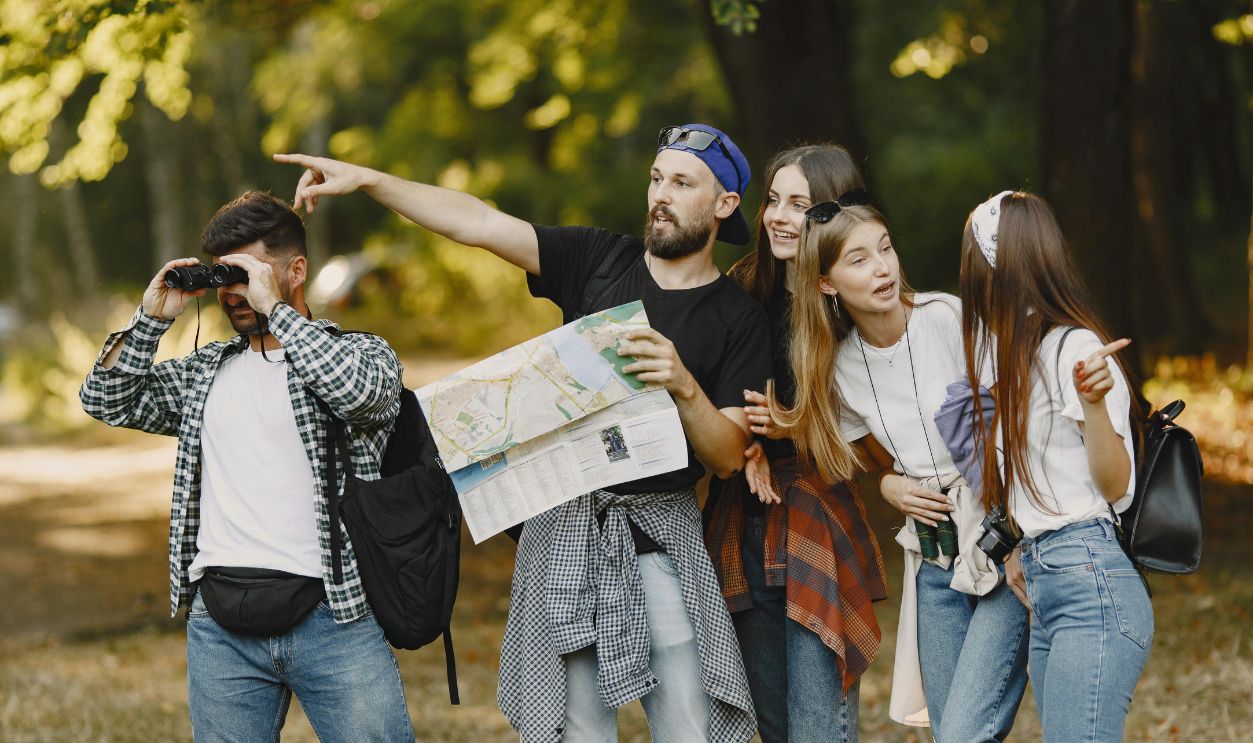
Even if your group loves creating content, basic etiquette still matters. Do not block pathways for long shoots, blast audio in quiet places, climb barriers, or treat neighborhoods like film sets. A destination is someone else’s home, workplace, or sacred site. Good travel manners matter more than any post.
Watch For Signs The Trip Is Going Sideways
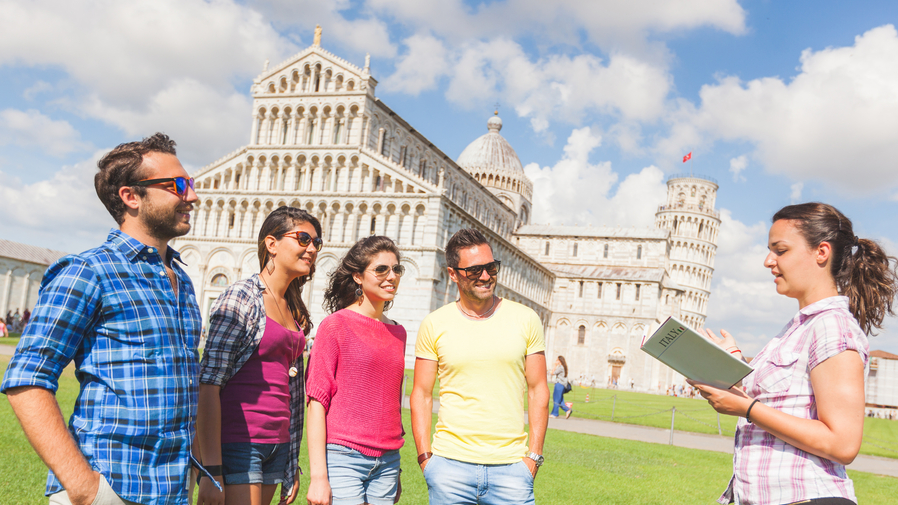
If meals are going cold, tempers are rising, and every stop is being judged by how it will perform online, the balance is off. The issue is not one extra photo. It is when the trip starts serving the feed instead of the people on it. That is usually the moment to reset expectations and be honest.
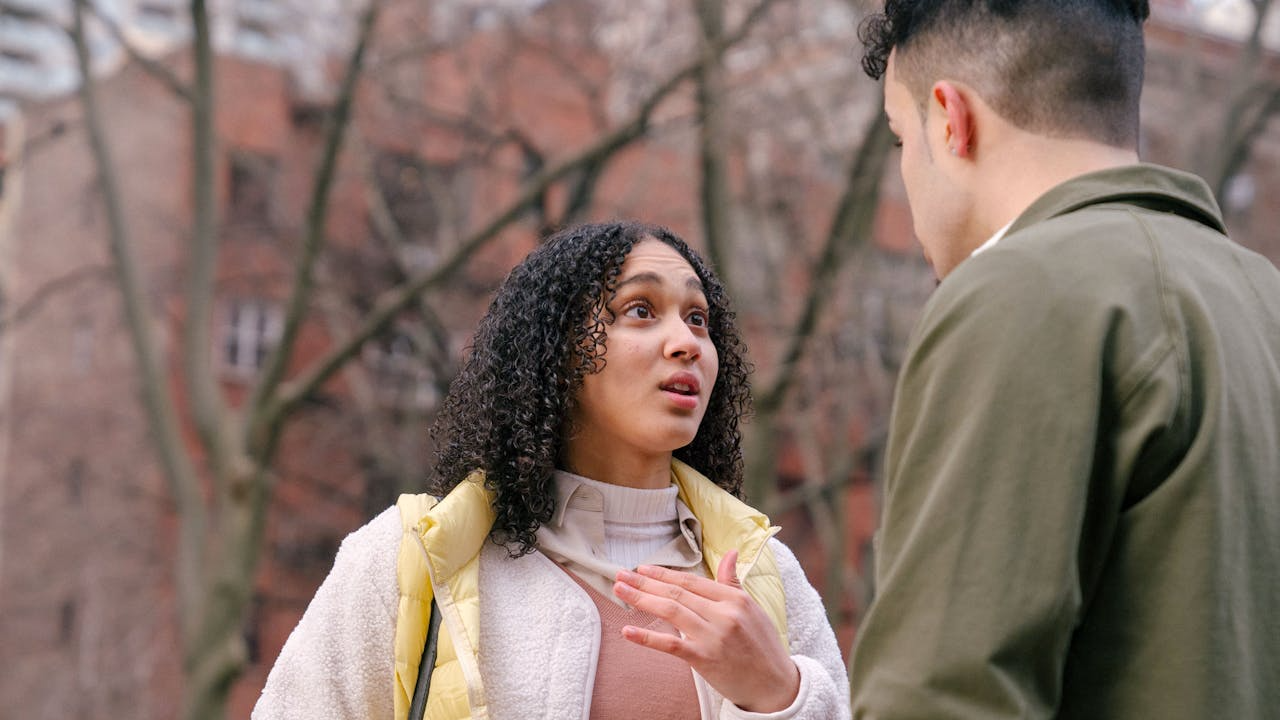
So, Is Influencer Culture Getting Out Of Hand?
In some corners of travel, yes. The evidence points to real effects on behavior, safety, wildlife, destination crowding, and how people experience the moment itself. But the story is not that all creators are ruining travel. It is that the incentives of the social internet can push normal vacations into something staged, extractive, and exhausting if nobody sets limits.
The Real Luxury Might Be Paying Attention
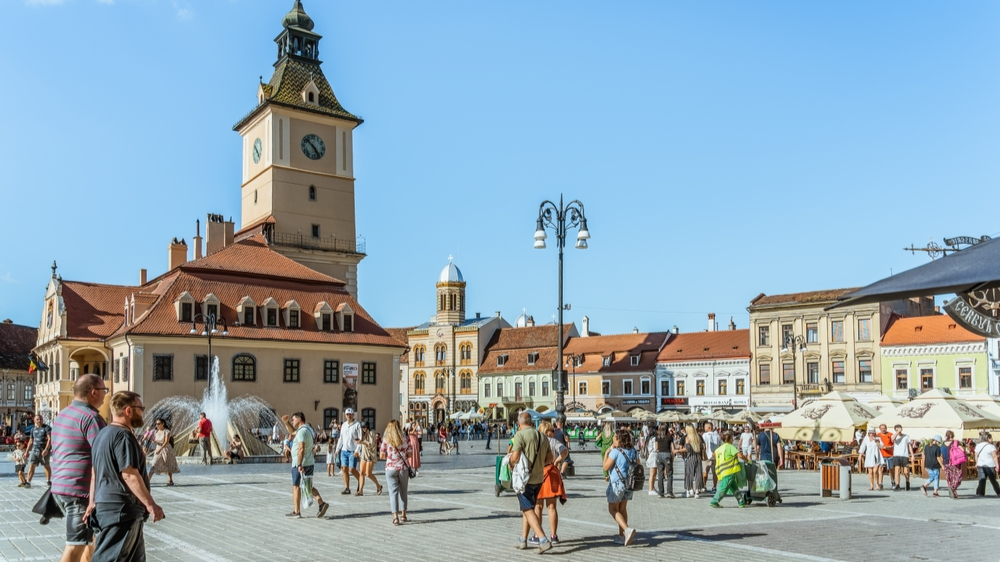
The best souvenir from a trip is not always the clip that performs well. It may be the conversation you remember, the meal you actually ate while it was hot, or the view you watched without checking the framing. Social media can add to travel, but it should not replace it. If your companion spends the whole getaway filming, the bigger question is not whether they got the shot. It is whether either of you really got the vacation.