


That Sunset Beach Closure Can Feel Off
You booked a beachfront resort, paid the resort fee, and pictured moonlit walks by the water. Then sunset hits and staff rope off the sand or tell guests to leave the beach. It can feel like the hotel is shutting down the ocean, but the legal answer is usually much narrower than that.

The Short Answer Is Usually No
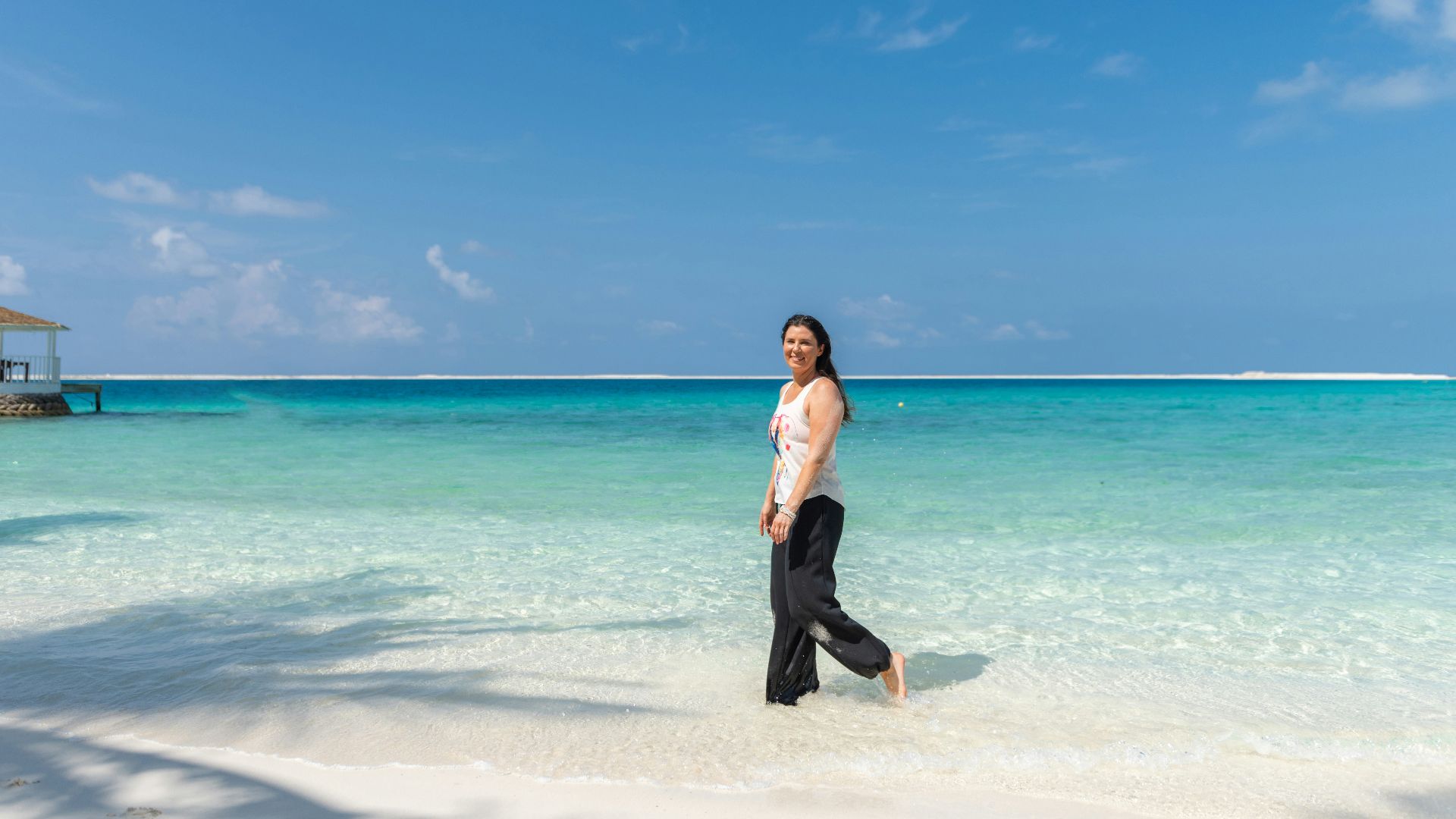
In most places, a hotel cannot “own” the ocean or block the public from waters that are legally public. What it often can control is access through its own private property, along with its chairs, umbrellas, bars, docks, and other amenities. The real question is not whether the water sits in front of the resort, but who controls the beach, the shoreline, and the path used to get there.
Why This Gets Confusing So Fast
Beach rights are a mix of property law, public trust rules, local ordinances, and safety regulations. Those rules can change a lot from one state or country to another. A guest can be standing in public water while crossing private land to reach it, and that is where fights usually begin.
The Big Legal Idea To Know
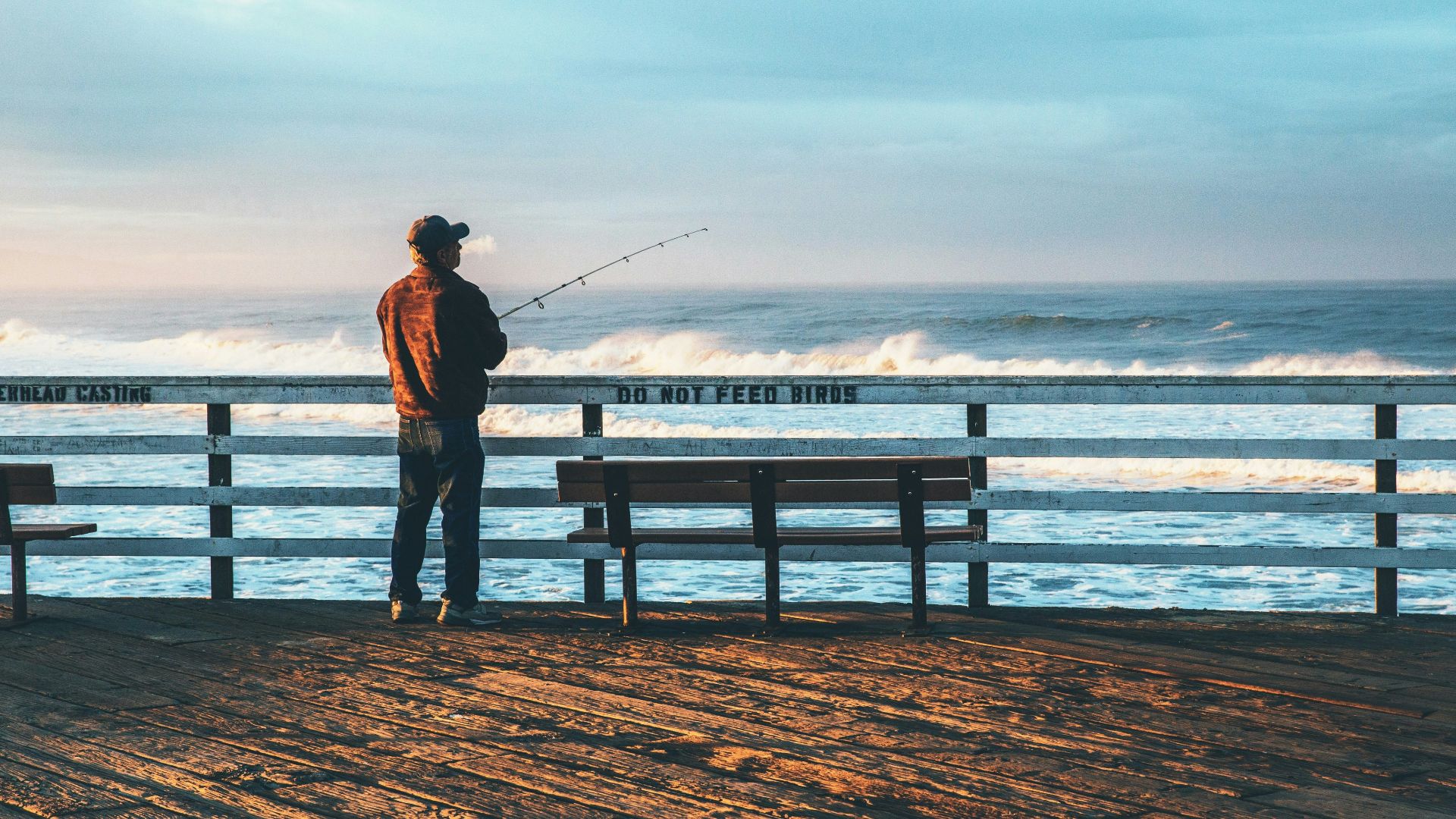
Across the United States, many coastal rules are shaped by the public trust doctrine. The National Oceanic and Atmospheric Administration says states generally hold navigable waters and submerged lands in trust for the public, though the details vary by state. That often protects public uses like navigation, fishing, and recreation, but it does not automatically make every stretch of dry sand open to everyone at all hours.
Wet Sand And Dry Sand Are Often Different
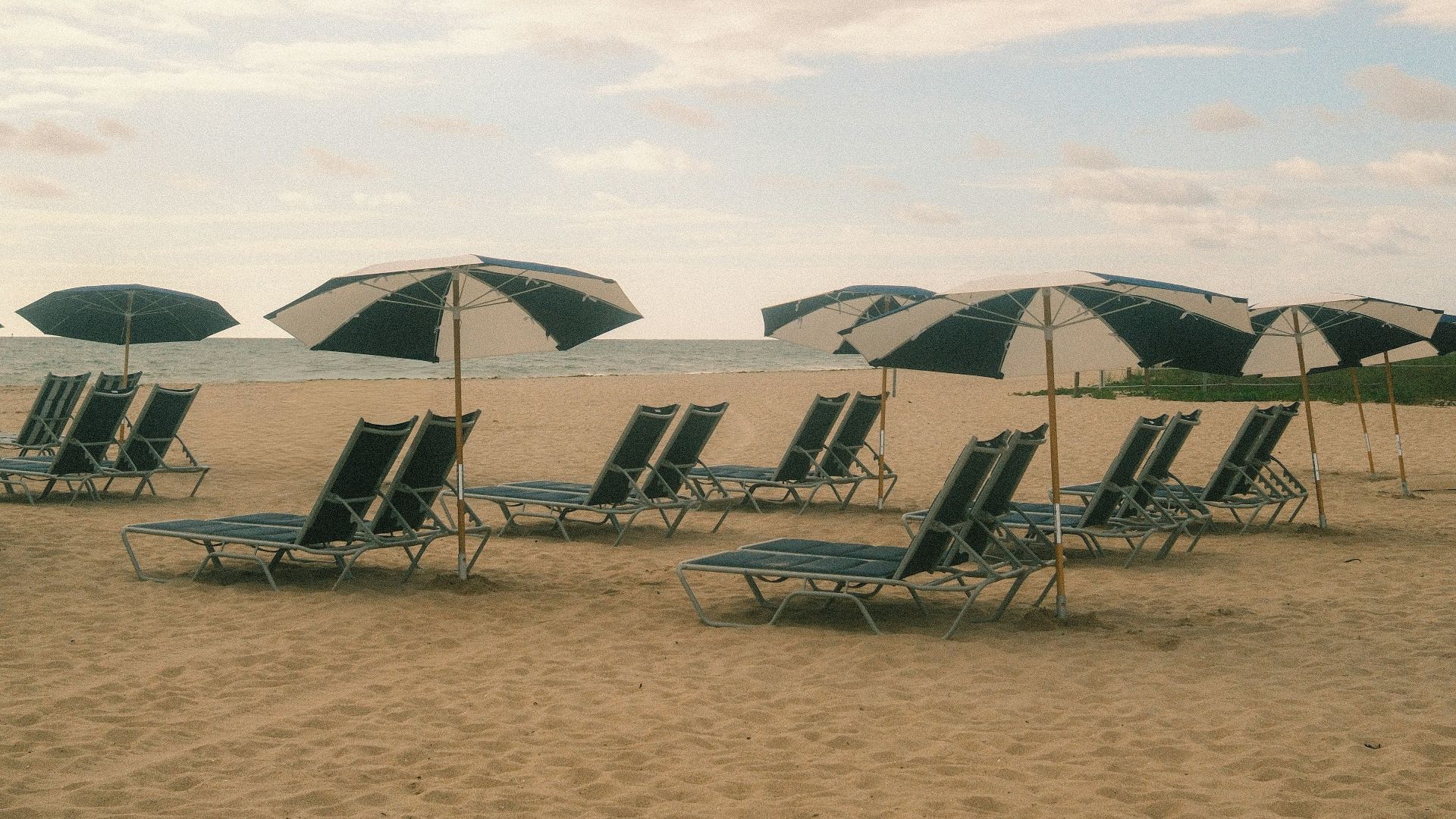
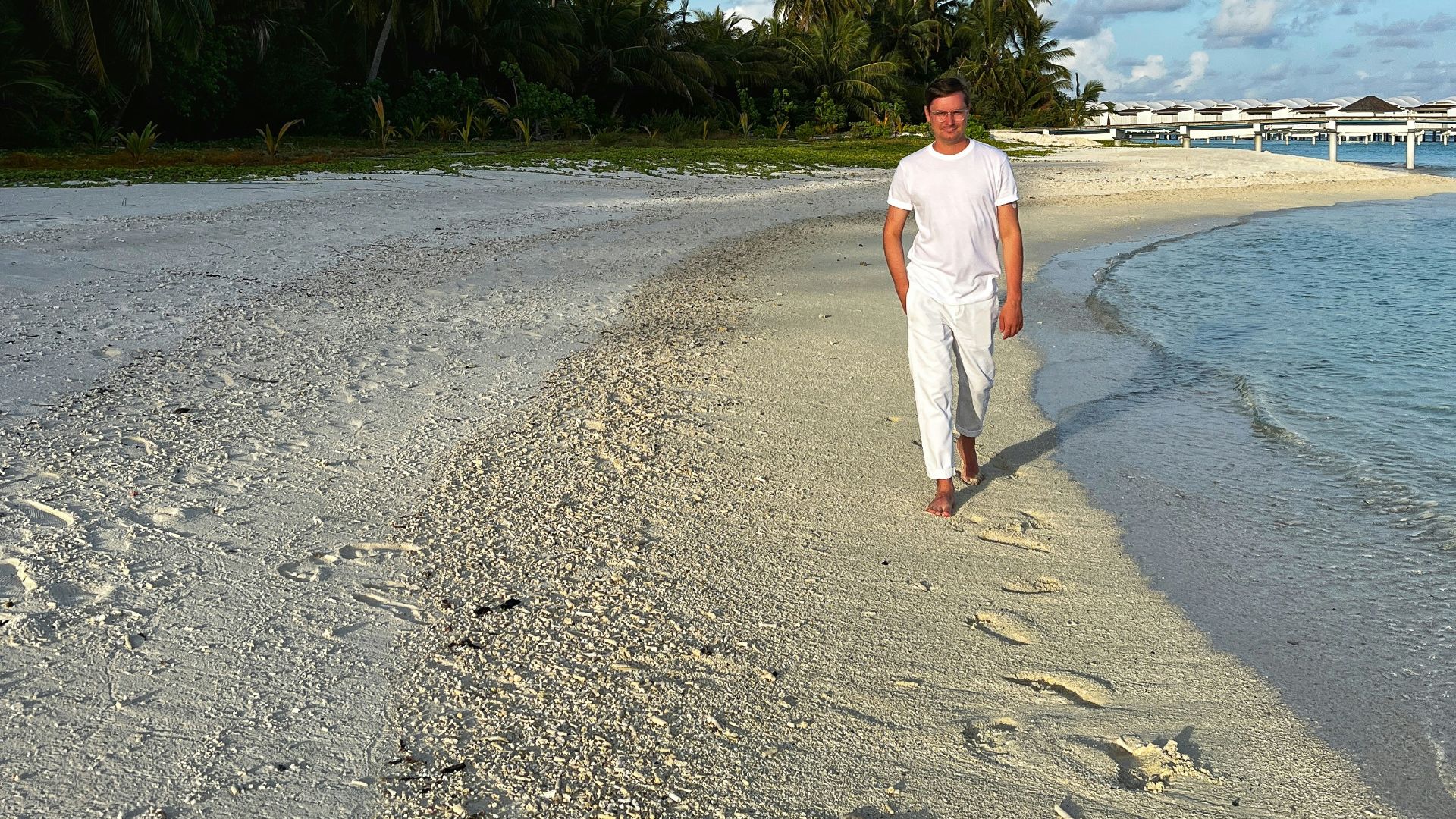
This is one of the biggest things travelers miss. In many beach states, the wet sand below a certain legal boundary is public, while dry sand farther inland may be private or follow different access rules. So if your resort shuts down loungers on the dry sand at sunset, that can be very different from trying to push people off public shoreline or out of the water.
Florida Is A Classic Example
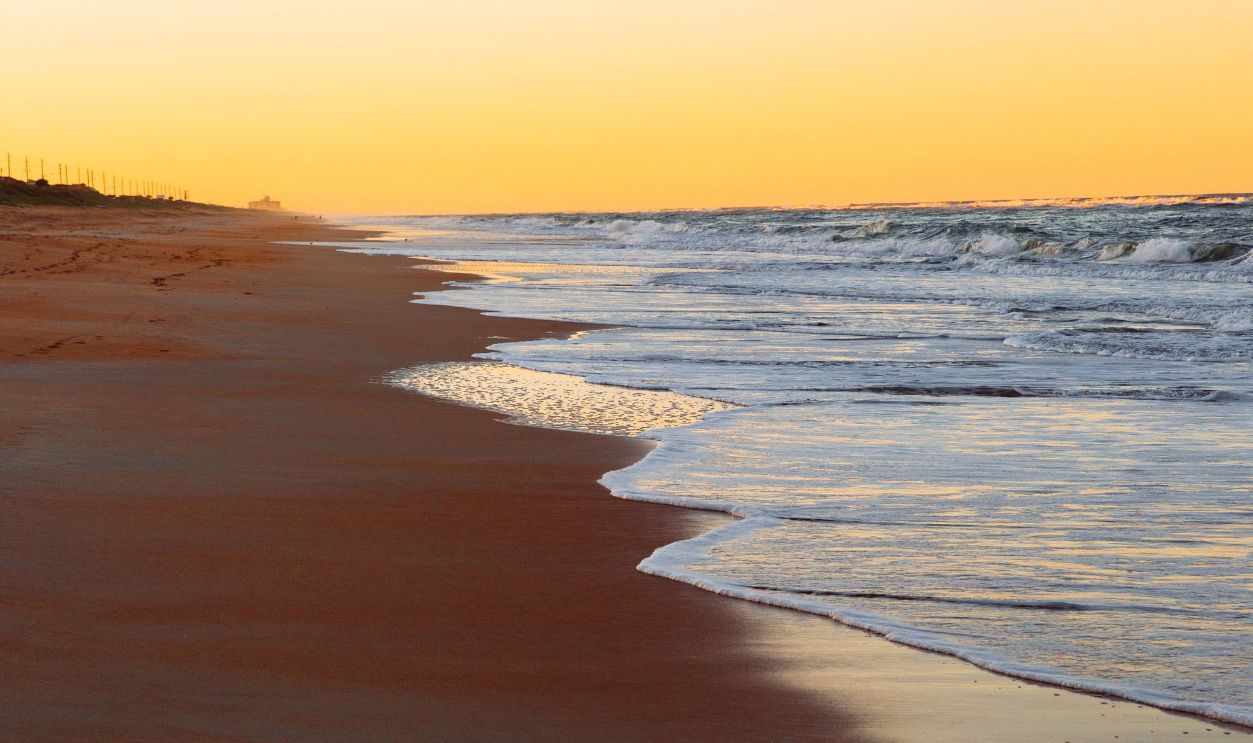
Florida’s beach law is famously tricky, which helps explain why so many resort guests get confused there. The Florida Department of Environmental Protection says the public often has rights seaward of the mean high-water line, while upland ownership can extend to that boundary. In plain English, the wet beach and the dry beach may not be treated the same way.
That Mean High-Water Line Matters
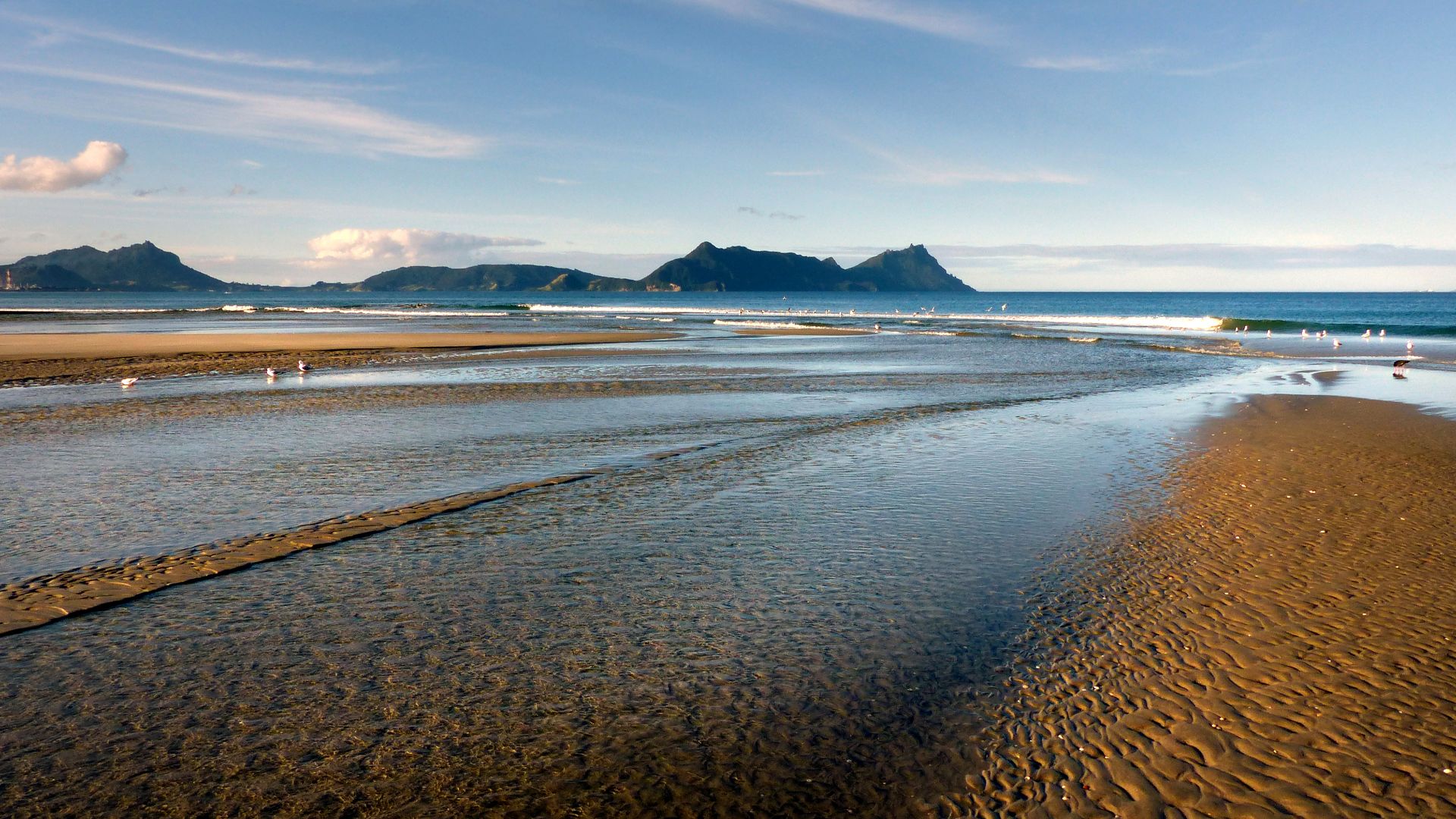
The mean high-water line is a legal boundary that comes up in many coastal disputes. It is not just wherever the last wave reached during your vacation photo. Agencies use tidal data and legal definitions, so the line can be technical and not something a guest can figure out at a glance.
 Bernard Spragg. NZ from Christchurch, New Zealand, Wikimedia Commons
Texas Gives The Public Broad Beach Protections
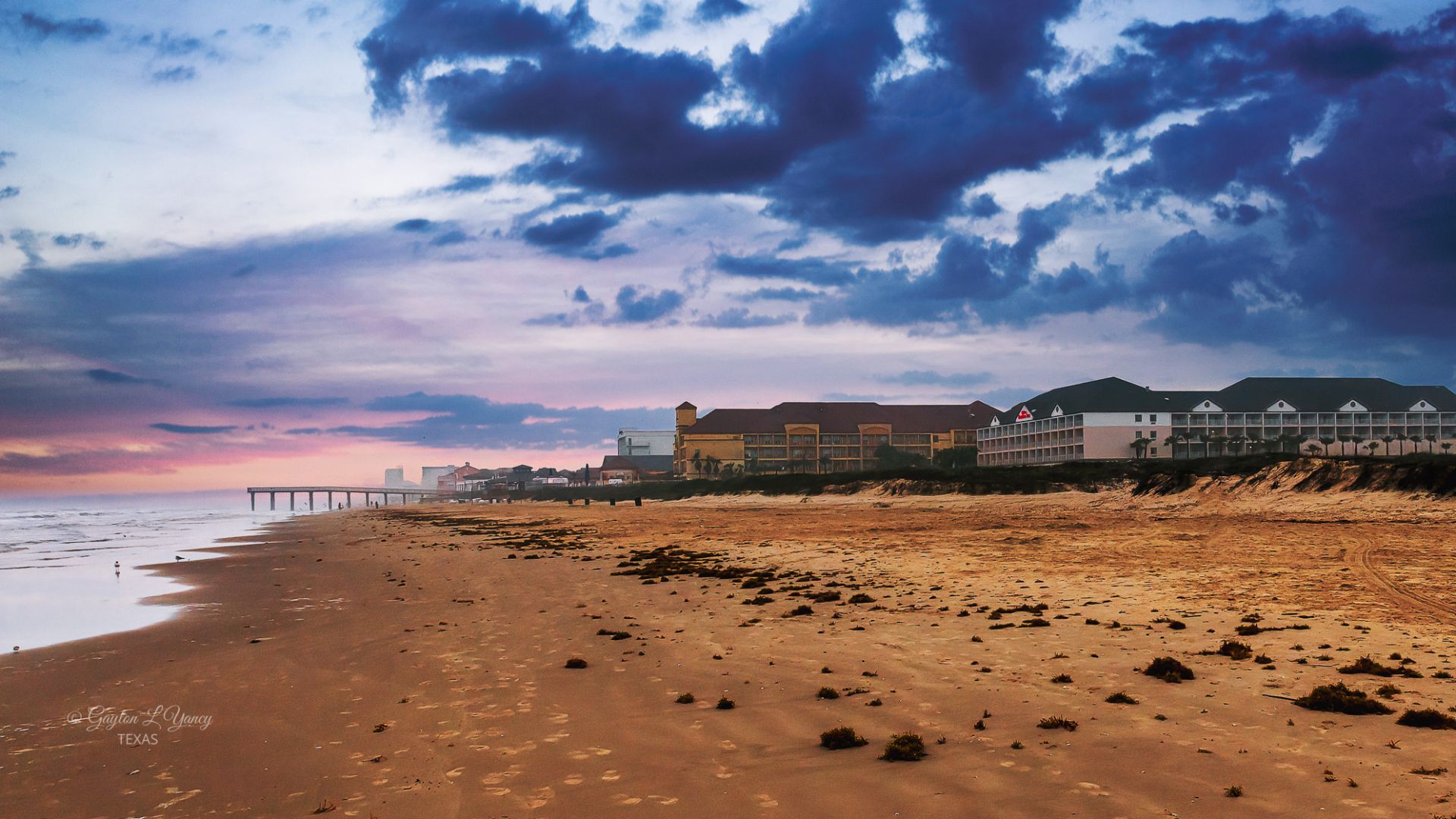
Texas is one of the clearest examples of a state with strong public beach protections. The Texas Open Beaches Act protects public access to Gulf beaches and has long been central to shoreline disputes there. For travelers, that means a beachfront hotel in Texas may have less power to shut the public out of certain beach areas than a resort in a state with narrower access rights.
Hawaii Also Limits Oceanfront Control
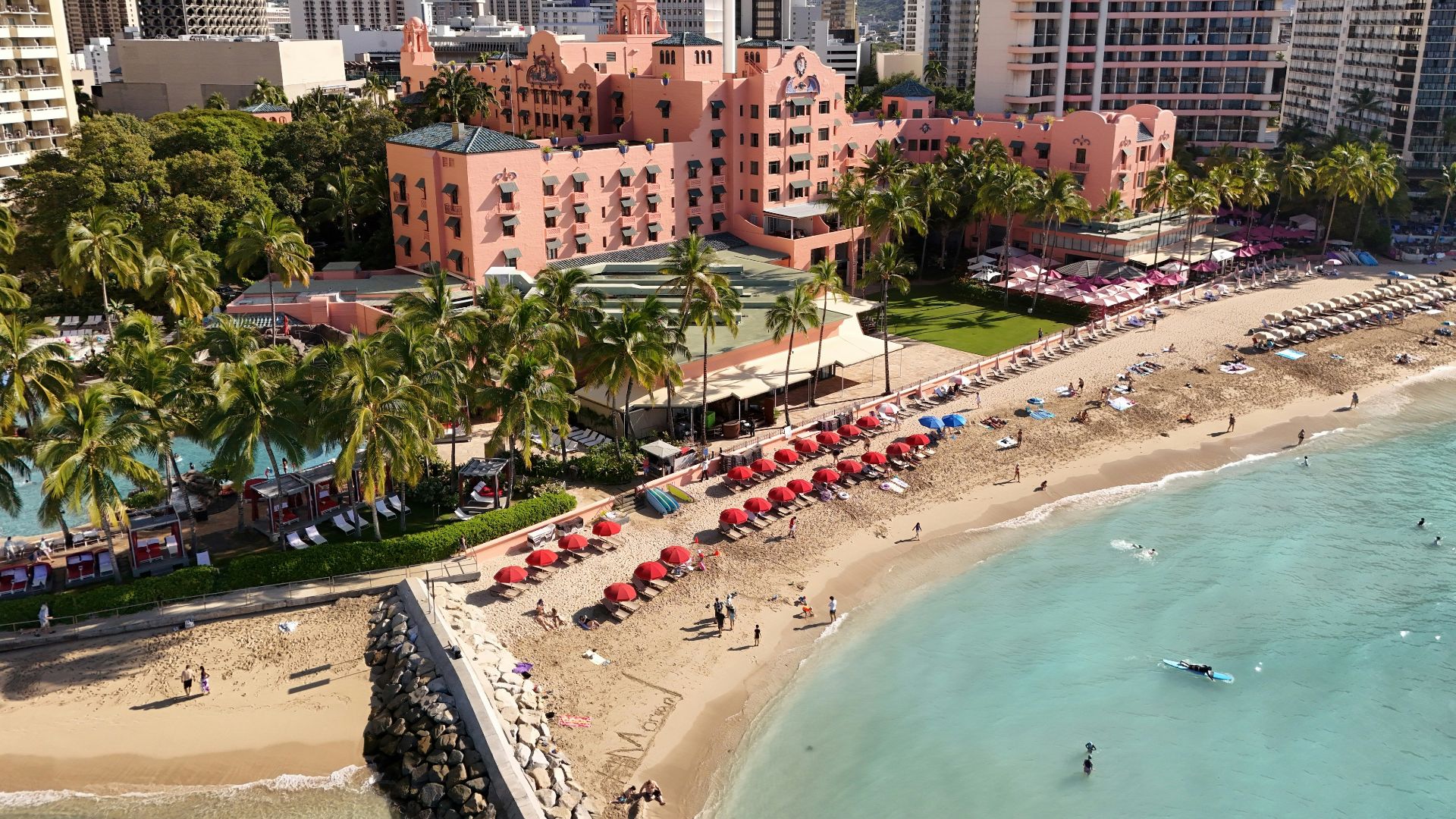
Hawaii is another place where beachfront rights are often more public than visitors expect. The Hawaiʻi Department of Land and Natural Resources says beaches below the vegetation line are generally public. That does not mean a resort has to let you cross its private grounds however you want, but it does mean the beach itself is not simply the hotel’s backyard.
California Has Strong Coastal Access Rules Too
California has some of the best-known public access protections in the country. The California Coastal Commission says all beaches up to the mean high tide line are public, and in many places there is public access across or around private development. A resort may control guest services, event spaces, and private patios, but it cannot turn a public beach into a private zone just because guests paid premium rates.

One Florida Fight Put This In The Spotlight
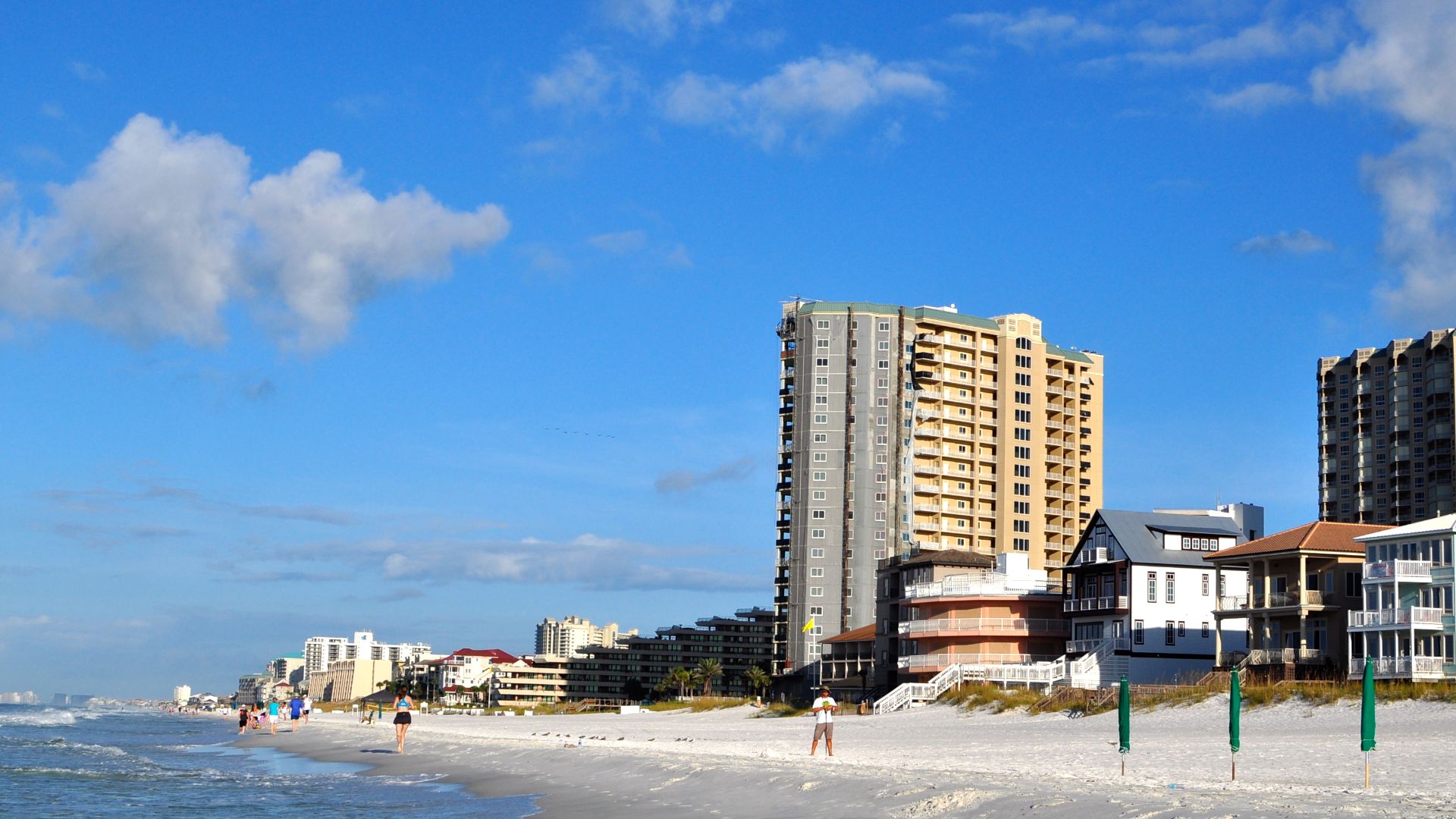
Walton County, Florida, became a flashpoint in the private beach debate several years ago. In 2018, then-Governor Rick Scott signed HB 631, which changed the process local governments must use to recognize customary use of dry sand beaches. The law drew national attention because it made it harder for local governments to quickly formalize public recreational use on privately claimed dry sand beaches.
 State of Florida, Meredyth Hope Hall, Wikimedia Commons
What Happened In Walton County
Walton County had long been known for stretches of beach used by locals and visitors alike. After HB 631 took effect in July 2018, disputes heated up over whether people could sit, walk, or spread out towels on dry sand in front of private property. The county later kept pursuing legal efforts tied to customary use, showing how a postcard beach can turn into a courtroom battle.
 Skye Marthaler, Wikimedia Commons
Hotels Can Restrict Access Routes
This is where many guest complaints hit a hard legal wall. Even if the beach or water is public, the path through the hotel may not be. A resort can often say, “You may not use our private walkways, gates, elevators, or grounds unless you are an authorized guest,” and that is not the same thing as owning the shoreline.
Hotels Can Also Set Amenity Hours
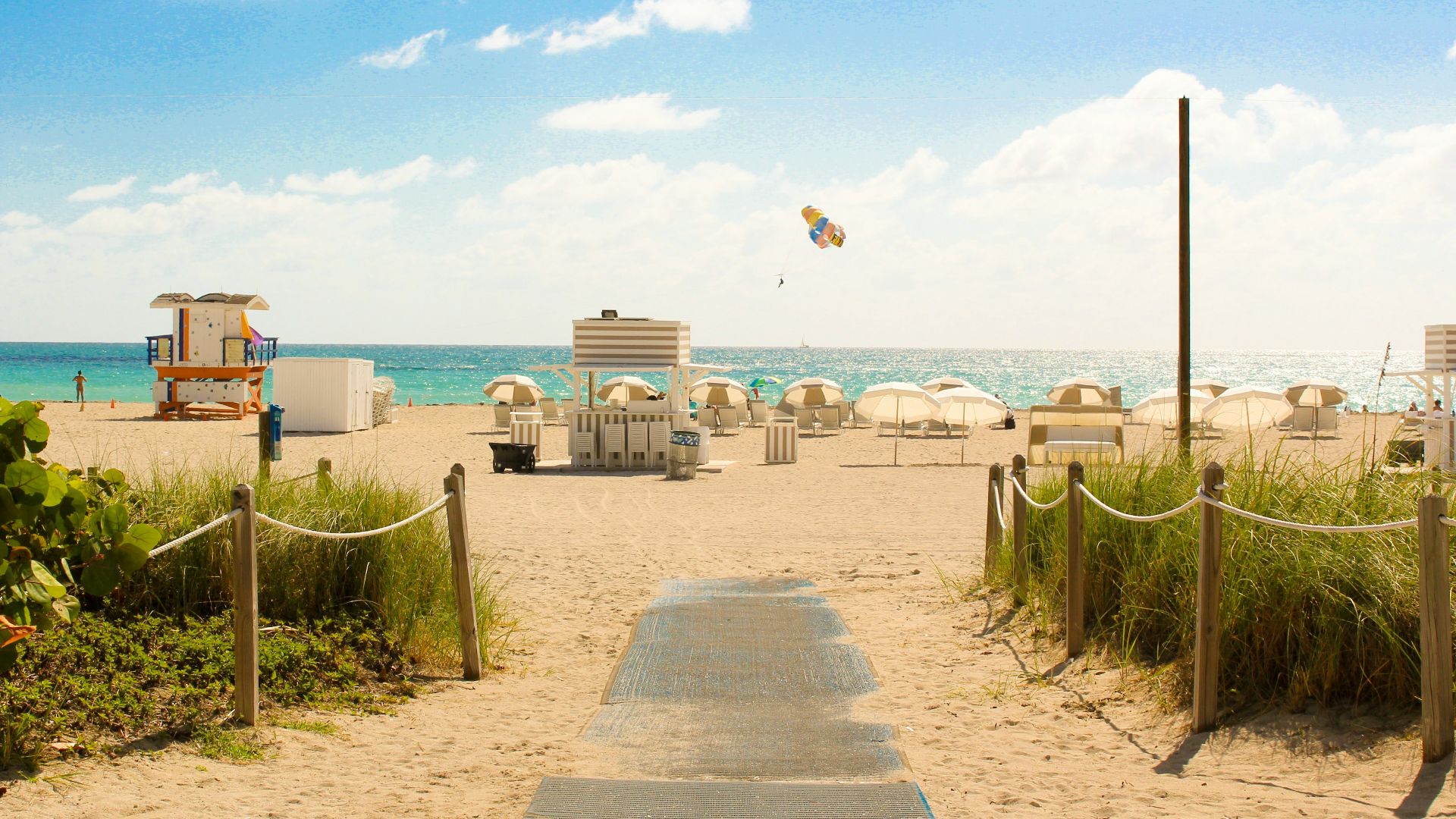
Paying for “beach access” often means access to resort-run amenities, not a promise of unlimited beach use at every hour. Chairs, umbrellas, towel stations, beach attendants, food service, lighting, and water sports gear usually run on posted schedules. If staff stop service at sunset, they may be shutting down the hotel’s setup rather than the beach itself.

Safety Is A Common Reason For Sunset Closures
Resorts often point to guest safety after dark, and sometimes that reason is valid. Beaches can be risky at night because of tides, rip currents, poor lighting, wildlife, or the lack of lifeguards. Some closures also tie back to local turtle-nesting rules, alcohol policies, or city curfews rather than a hotel making up its own rules.
Sea Turtle Rules Can Change The Nighttime Picture
In places like Florida, beachfront lighting rules are taken seriously during sea turtle nesting season. The Florida Fish and Wildlife Conservation Commission warns that artificial light can confuse nesting turtles and hatchlings. A resort that goes dark or limits nighttime beach activity may be following wildlife rules, even if the policy frustrates guests.
 Claudio Giovenzana, Wikimedia Commons
Curfews May Come From The City, Not The Resort
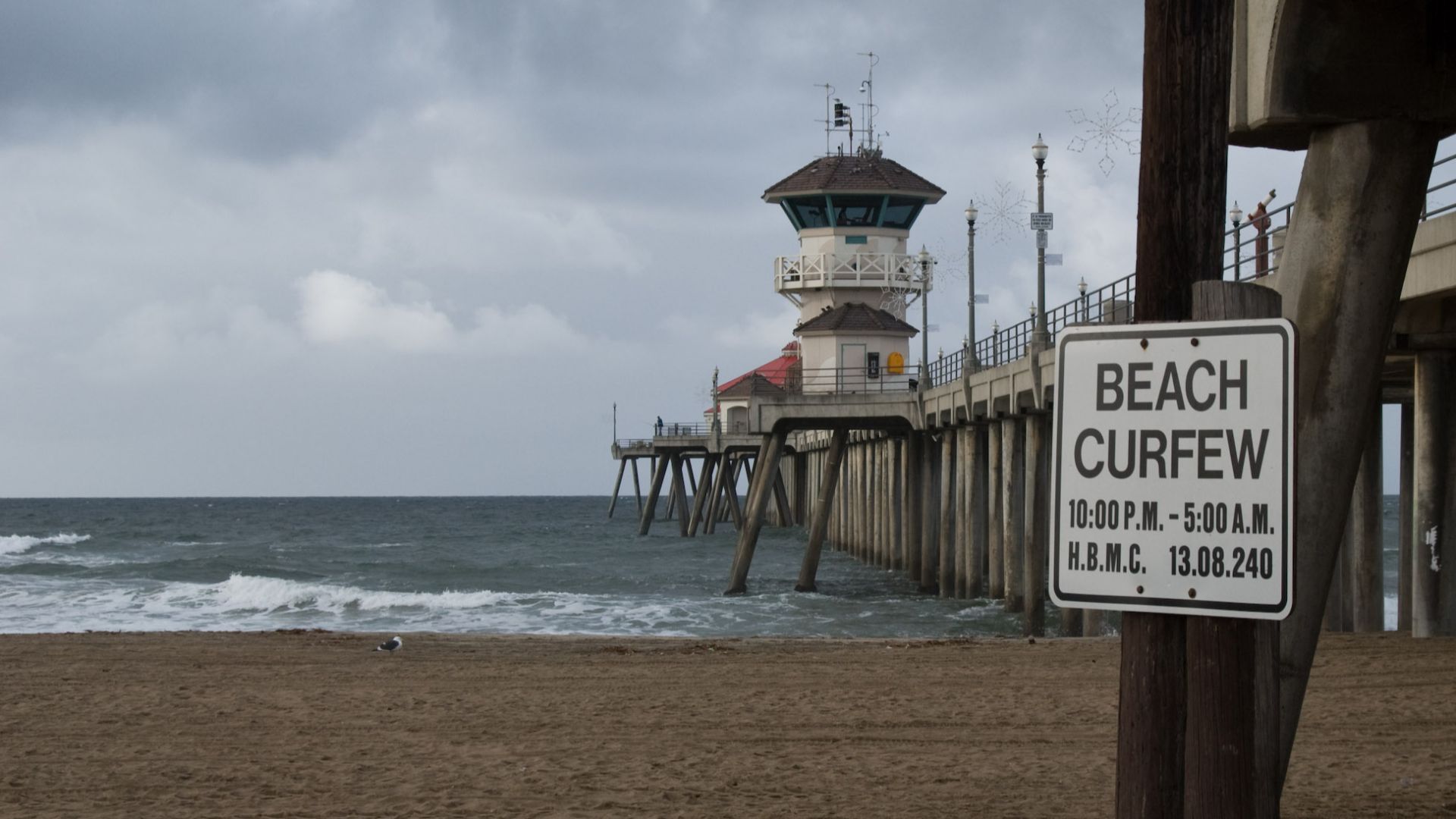
Some beach towns set nighttime curfews or restrict alcohol, amplified music, fires, or commercial activity after certain hours. In that case, the hotel may simply be enforcing local law on the stretch in front of it. If staff say the beach “closes,” ask whether they mean the city beach, the hotel setup area, or only the route through the property.
 another sergio from Berkeley, USA, Wikimedia Commons
The Contract You Clicked Matters
Your reservation terms, confirmation email, and resort policy pages may spell out what “beach access” really includes. Some hotels promise access to a private beach club, some promise access to a nearby public entrance, and some use broad marketing language that sounds bigger than the legal reality. If the listing suggested 24-hour beachfront access but delivered something much more limited, that is worth documenting.

Words Like Private Beach Can Mislead
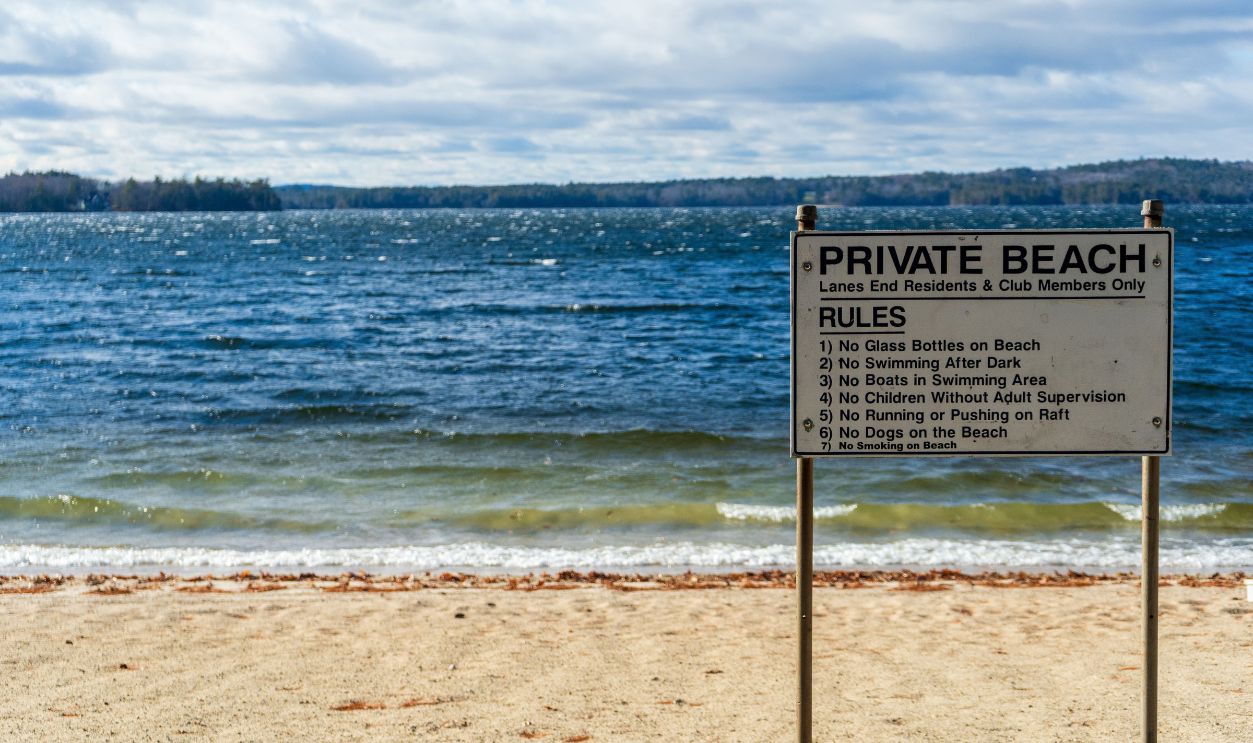
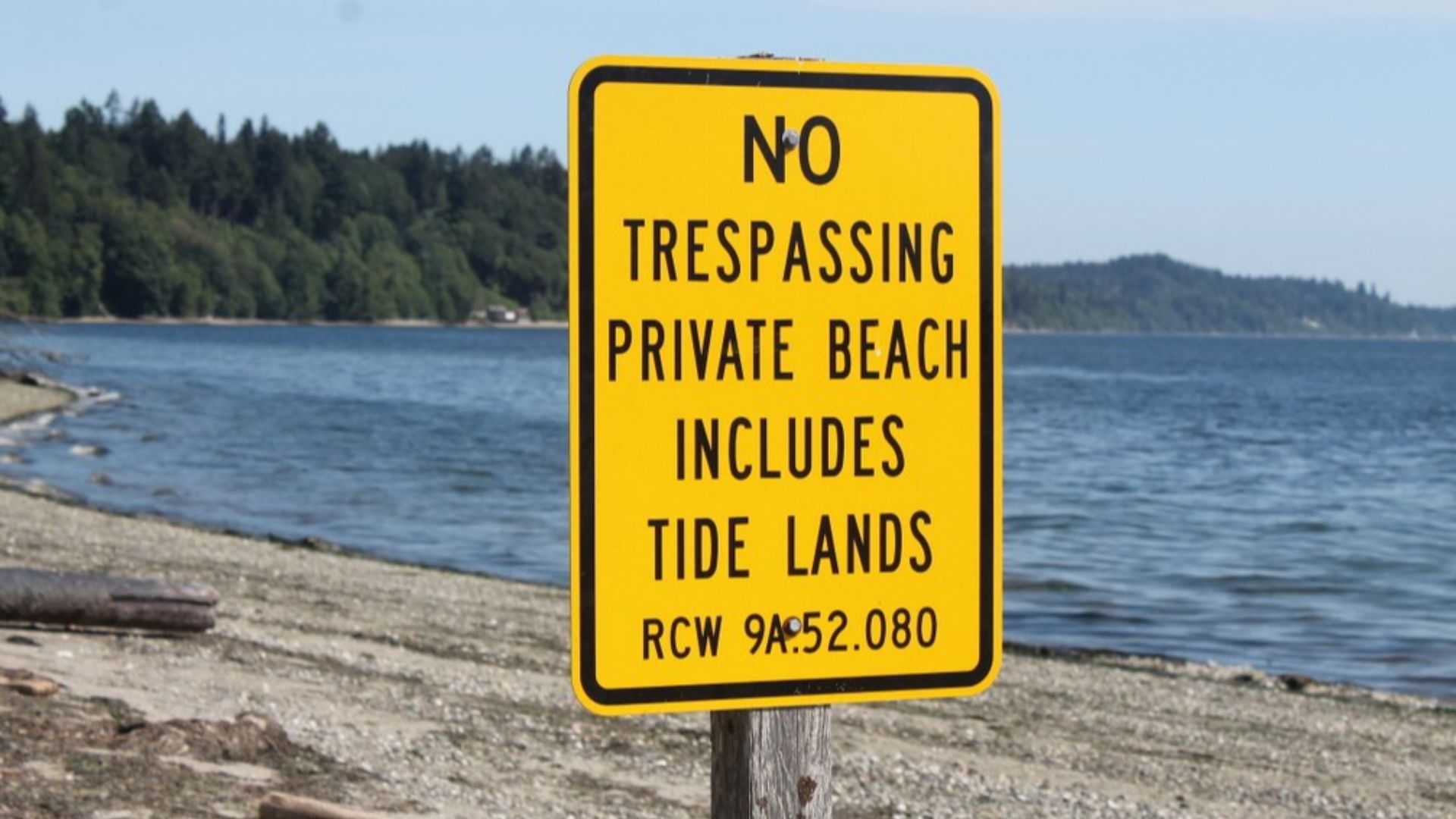
Travel marketing often uses phrases like “private beach,” even in places where the shoreline itself is not legally private. Sometimes that only means the hotel controls a groomed section with reserved loungers and service, not the sand and water in a strict legal sense. It is a phrase that sells rooms, but it can leave guests stunned when staff start drawing lines at dusk.
What To Ask At The Front Desk
Start with calm, direct questions. Ask whether the closure applies to the beach itself, only to hotel equipment, or to the access path through the resort grounds. Also ask whether the rule comes from hotel policy, a local ordinance, wildlife regulations, or a safety order from authorities.

What To Look For On Signs
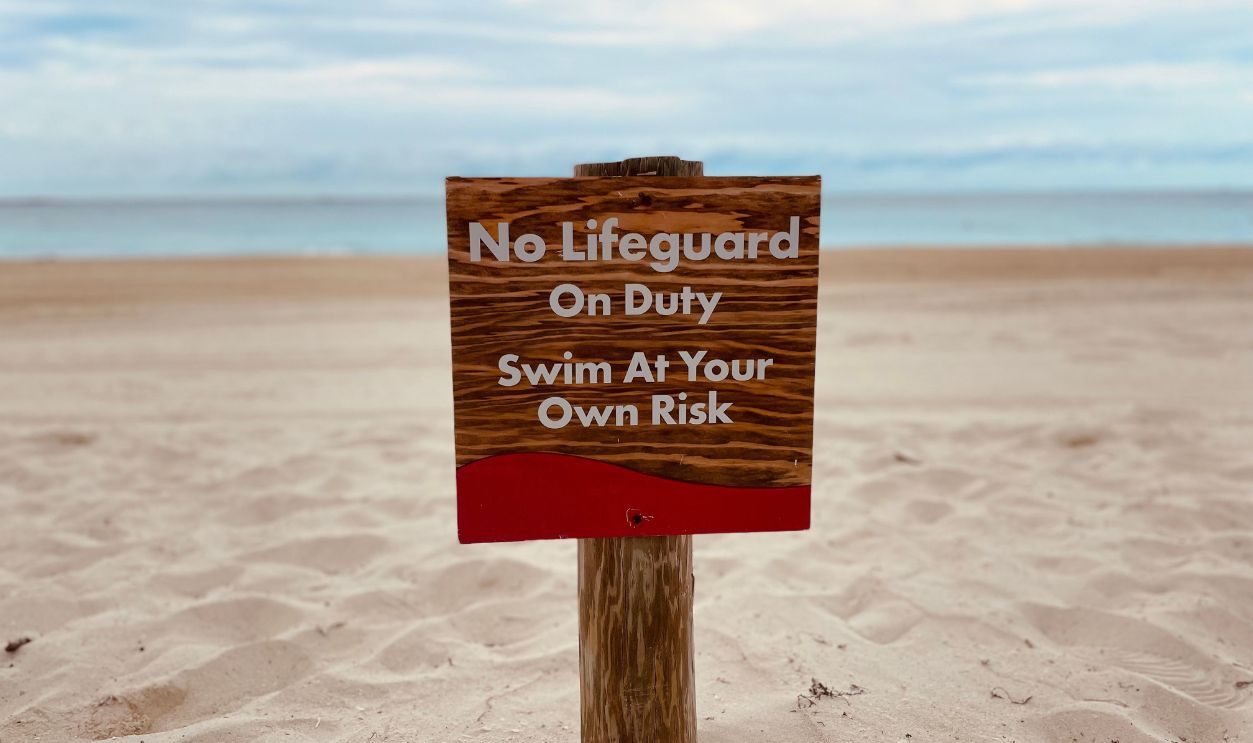
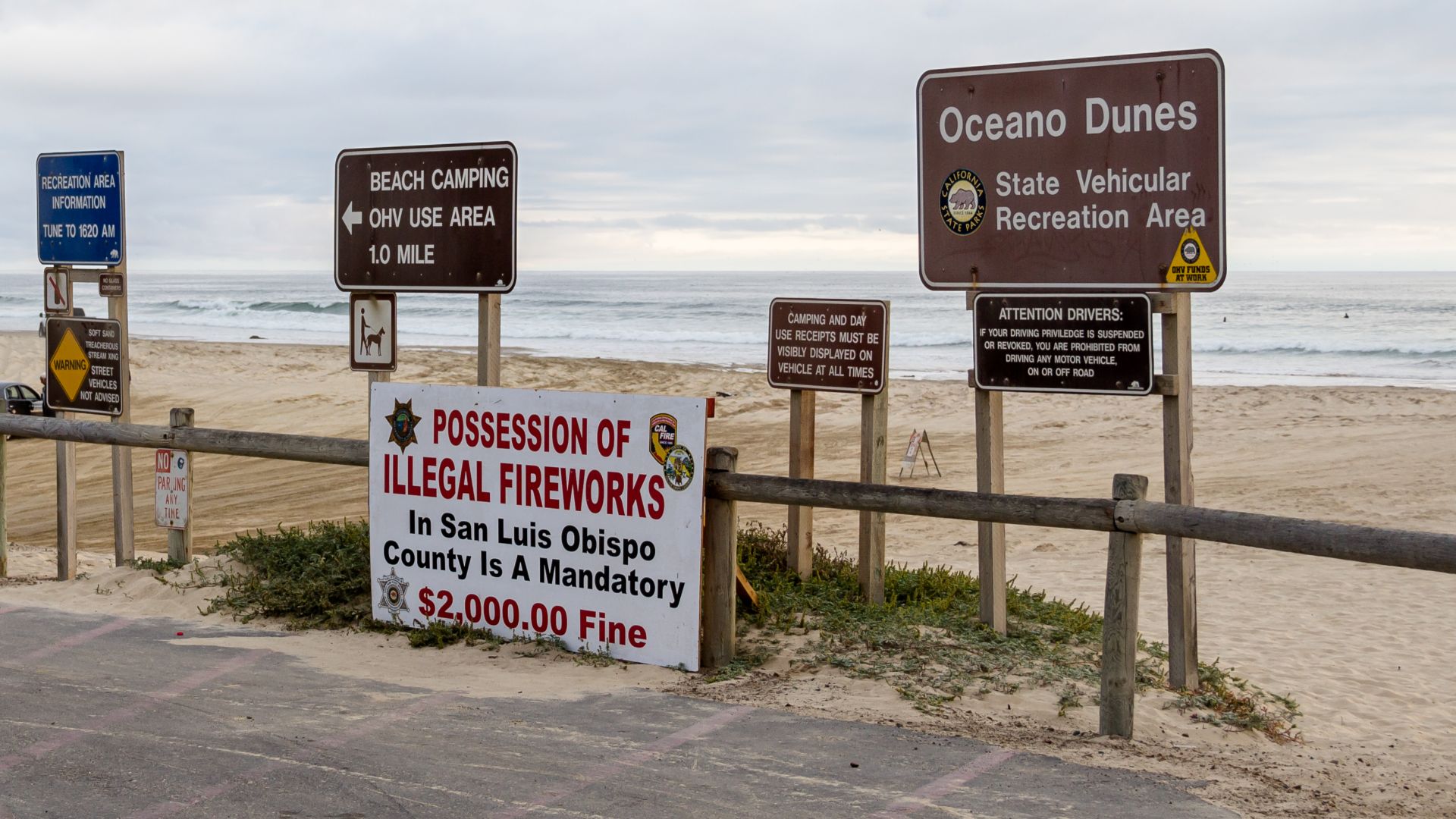
Good signs usually tell you what is actually restricted. Look for references to curfews, dune protection, sea turtle lighting rules, private property boundaries, or notices saying no lifeguard is on duty. A vague “beach closed” sign with no legal basis or explanation is a good reason to ask more questions.
 Dietmar Rabich, Wikimedia Commons
How To Tell If The Hotel Is Pushing Too Far
If staff claim the ocean itself is private, that is a red flag in many destinations. If they stop guests from using public wet sand and cannot point to any legal reason, that may also be questionable depending on local law. The biggest clue is whether they can cite a specific rule, boundary, or public authority behind the restriction.
What To Do If You Think The Policy Was Misrepresented
Take screenshots of the booking page, amenity descriptions, and any “private beach” claims before they vanish. Photograph posted signs and save any chat or email messages from the resort describing access hours. Then raise the issue with management in writing and ask for a partial refund or fee adjustment if what was promised does not match what you got.

When A Credit Card Dispute Might Help
If the resort marketed beach access in a seriously misleading way and refuses to fix it, a credit card dispute may be worth a look. Your chances depend on documentation, especially if a resort fee or premium room charge was tied to beach access claims. This argument is stronger when the problem is false advertising or hidden restrictions, not when the hotel clearly posted limited hours ahead of time.

Vacation Abroad Adds Another Layer
Outside the United States, beach law can look very different, though many countries still treat shores and tidal zones as public or heavily regulated. In parts of the Caribbean and Mediterranean, resorts may control nearby land and guest services while public access to the shore stays protected by law. If you are traveling internationally, check national tourism guidance or local municipal rules.

The Practical Rule For Travelers
Assume the hotel may control amenities and access routes, but not necessarily the beach or water itself. Check whether the shoreline is public, where the legal boundary sits, and whether local nighttime limits apply. A little homework can save you from a sunset argument in flip-flops.

How To Avoid This Surprise Before You Book
Search the resort website for “beach hours,” “turtle season,” “curfew,” “private beach,” and “resort fee inclusions.” Read recent reviews that mention security staff, beach closures, or after-dark access. If beach time is the whole point of the trip, email the property and ask for written confirmation of exactly what access is available after sunset.

The Bottom Line On Whether A Hotel Can Restrict The Ocean
A hotel usually cannot restrict the ocean in the sweeping way angry guests often fear. It can, however, restrict its own property, its beach setup, and sometimes your practical route to the shore, especially after dark. So if your resort closes the beach at sunset, the real issue is not whether it controls the sea. It is what exactly you paid for and what the law says about that stretch of coast.






.jpg)