A Rental Surprise No Driver Wants
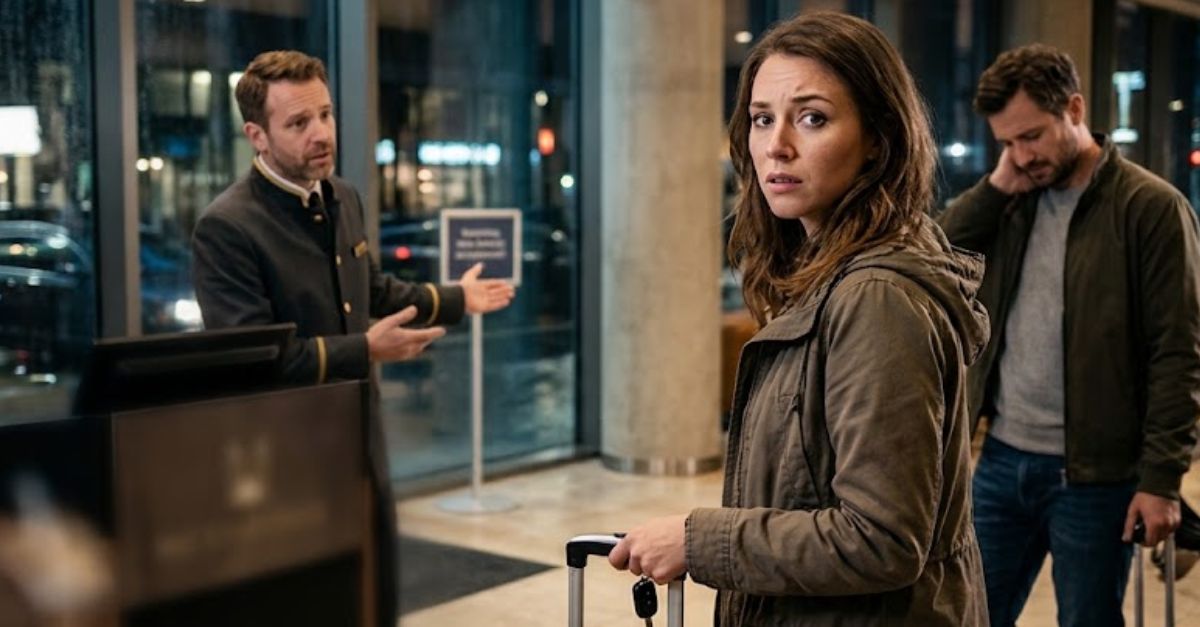
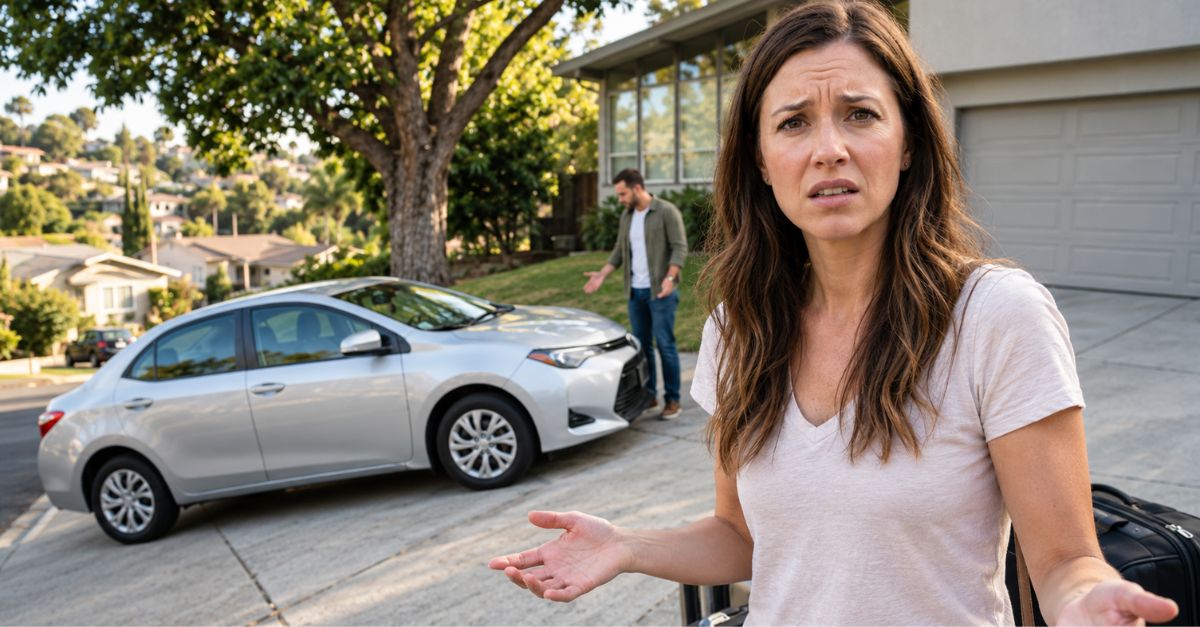
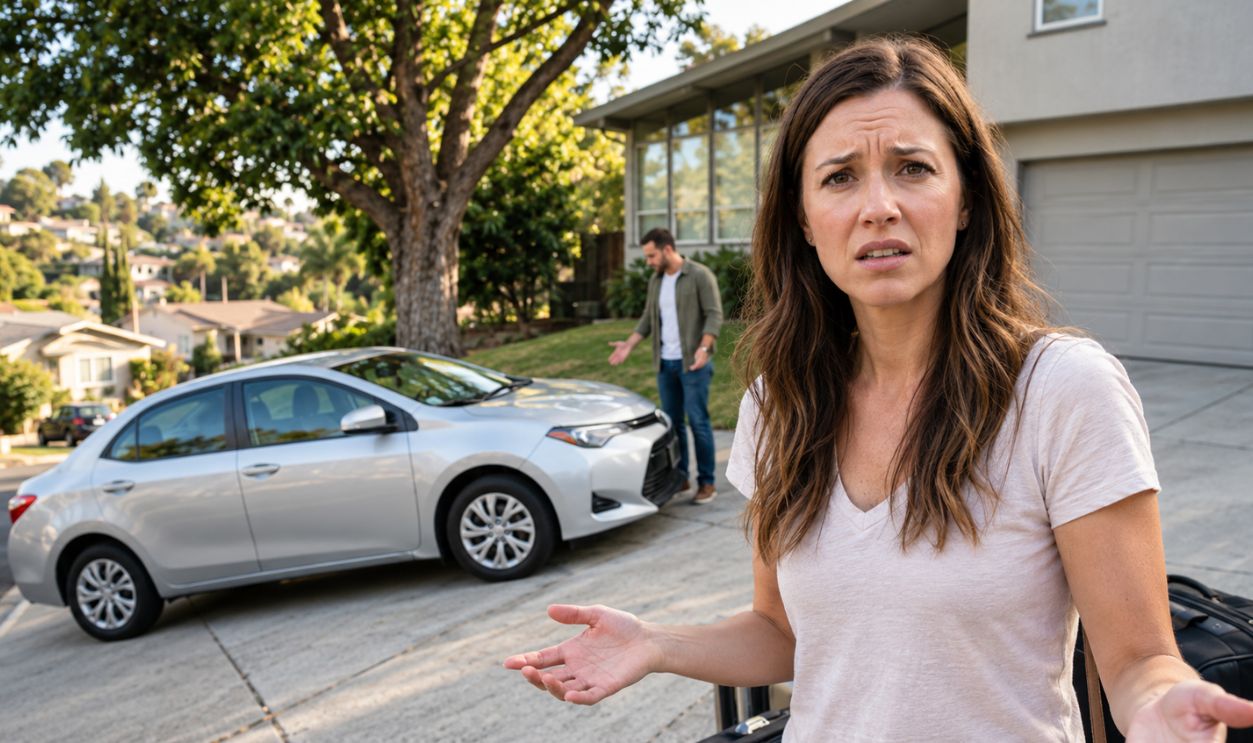
There's a steep difference between an Airbnb with parking for the rental car and one where you fend for yourself on the street. So if you were forced to scramble for street parking permits because your Airbnb's advertised driveway was too steep for your car, do you think Airbnb should have to do something about it?
Parking Has Become A Serious Commodity
Parking is not some small extra for a lot of travelers. It can make the difference between an easy arrival and a stressful one, especially for families, older guests, or anyone pulling in late at night with a packed car. Not to mention the increasing cost of parking permits.
When a listing says parking is available, most people assume a standard car can actually use it in normal conditions.
What Airbnb Says Hosts Need To Do
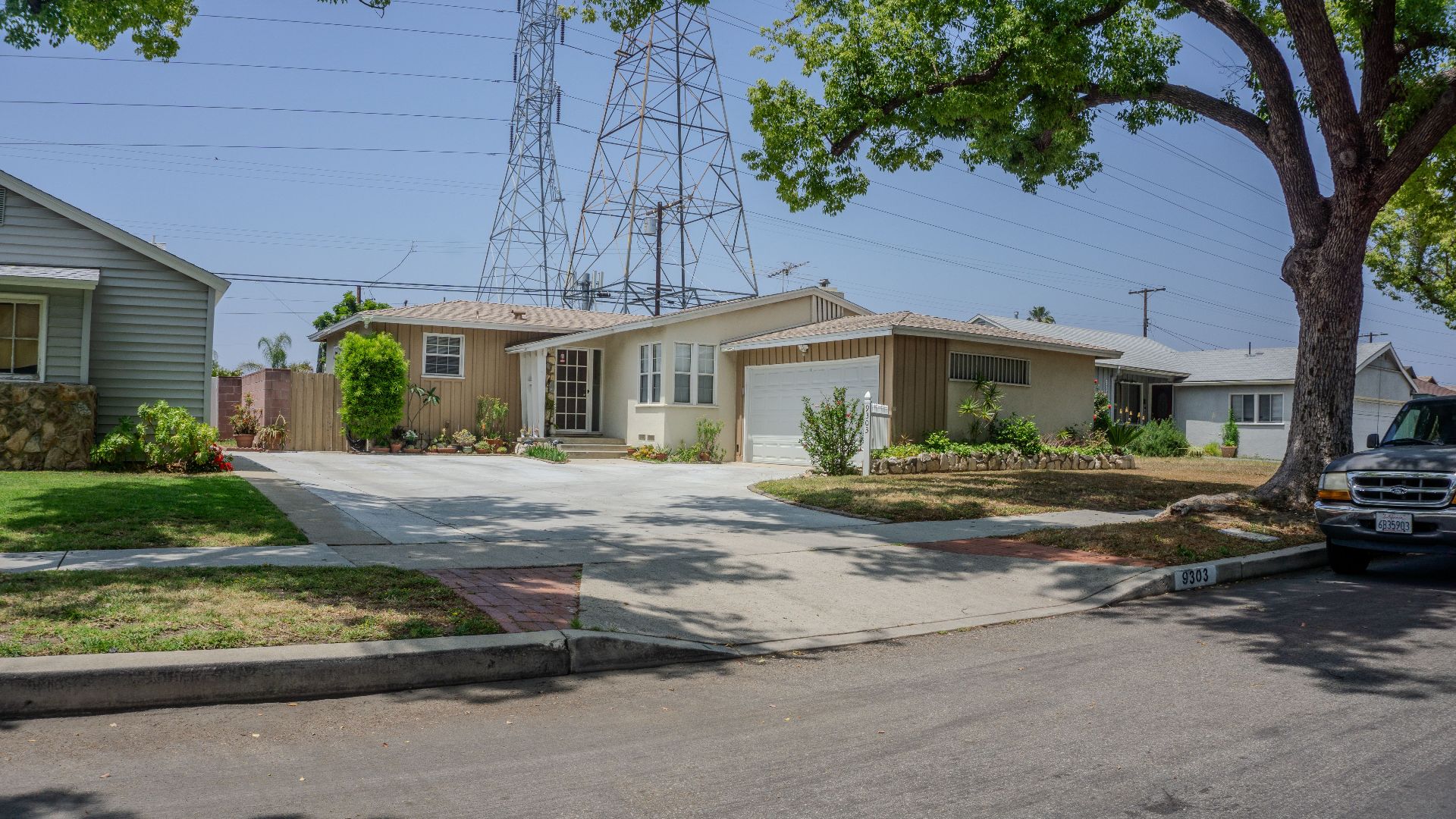
Airbnb’s listing rules say hosts must give complete and accurate information about their property, including details that could affect a guest’s stay. The platform also says listings should not mislead guests or leave out important limits. There is no driveway-specific rule, but the message is pretty clear. If access or parking comes with a serious catch, it should be mentioned.

Accuracy Is Part Of The Deal
Under Airbnb’s rules, hosts are expected to describe their spaces clearly and truthfully. If parking only works for certain vehicles, or if the driveway is unusually steep, narrow, or hard to use, that can be important information. For many guests, those details matter just as much as the number of beds or bathrooms.
Vrbo Takes Much The Same View
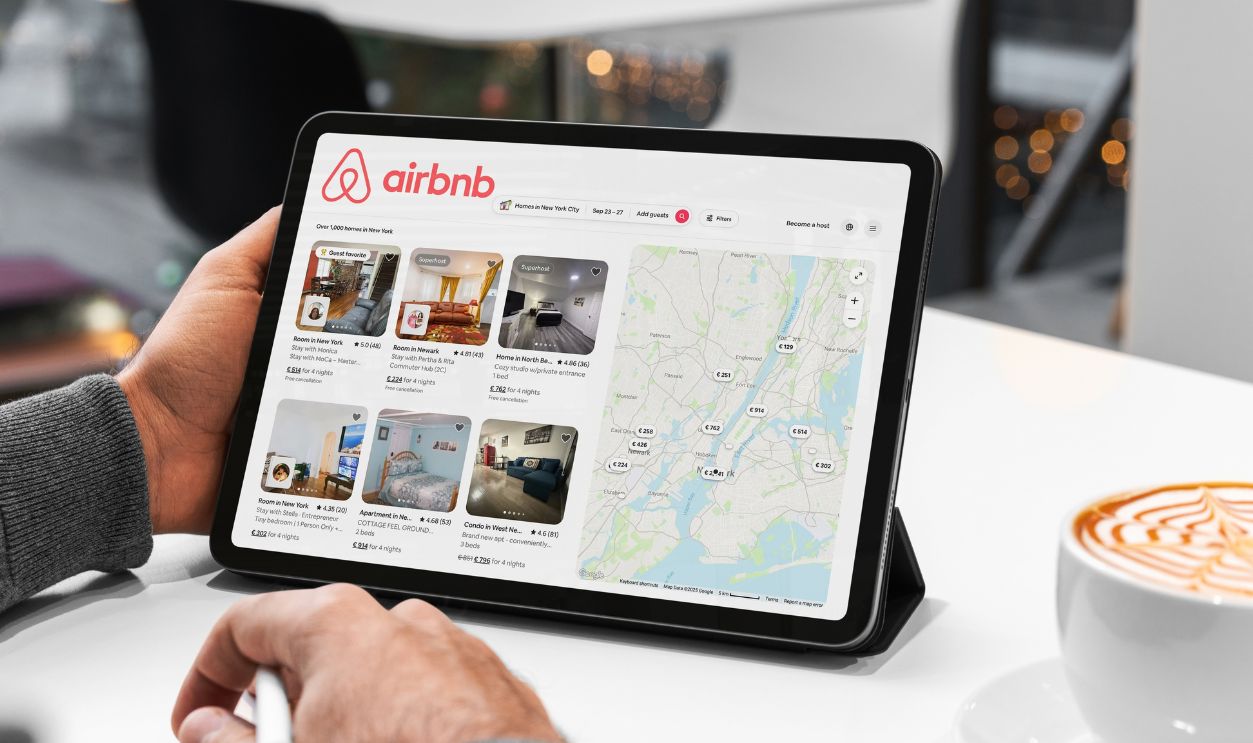
Vrbo also says property listings need to be accurate and not misleading. Its marketplace standards focus on giving travelers clear descriptions so they can make informed choices. If a place technically has on-site parking but many cars cannot really use it, that mismatch can quickly turn into a customer-service problem.
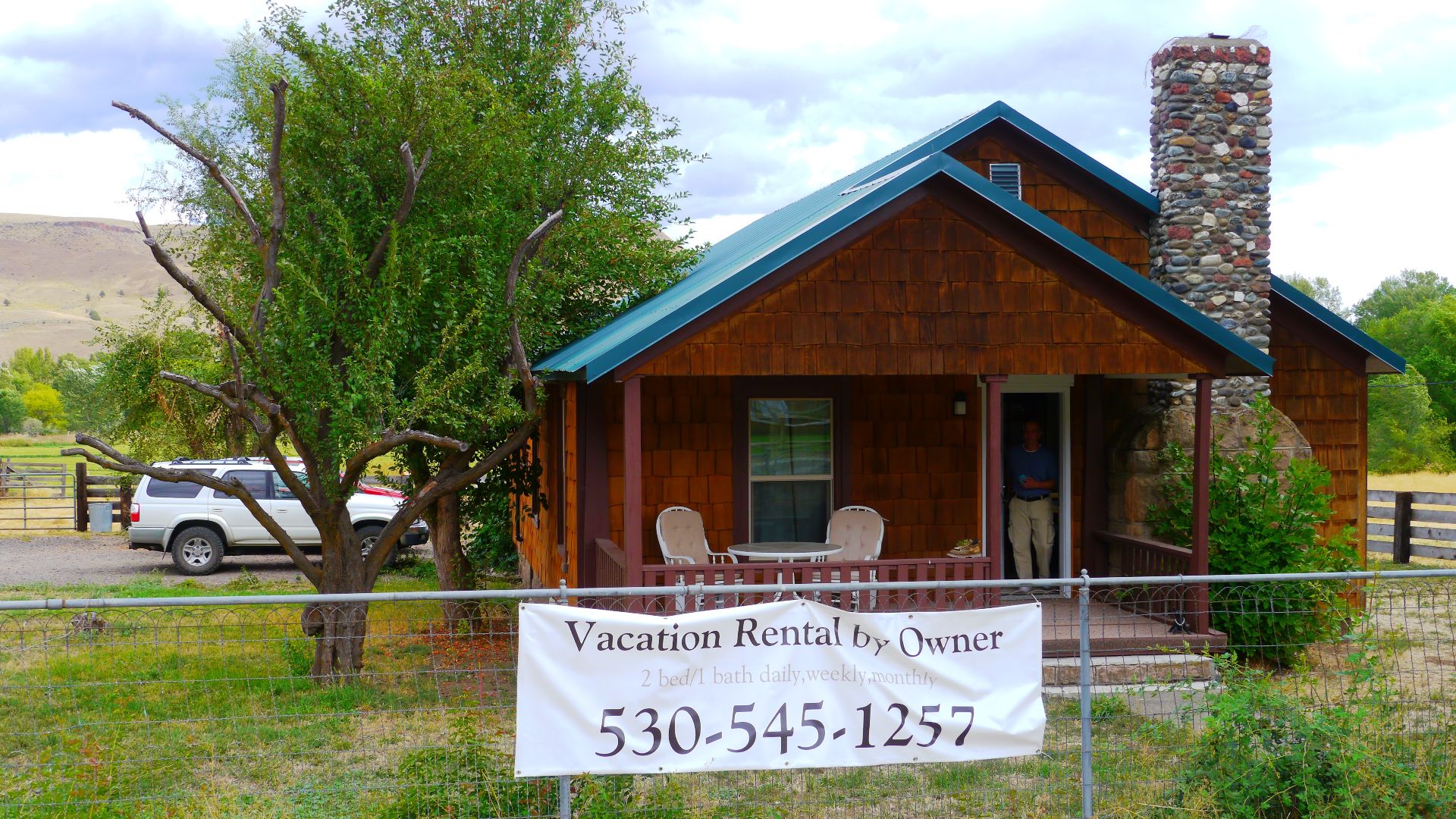 Rick Obst from Eugene, United States, Wikimedia Commons
Why A Steep Driveway Can Be A Serious Limitation
A steep driveway is more than an annoyance. It can scrape a bumper, leave a low car bottoming out, or turn slick and dangerous in rain or ice. For travelers driving sedans, hybrids, EVs with low clearance, or rental cars they do not want to damage, that is a real risk with real costs.
Car Experts Say The Risk Is Real
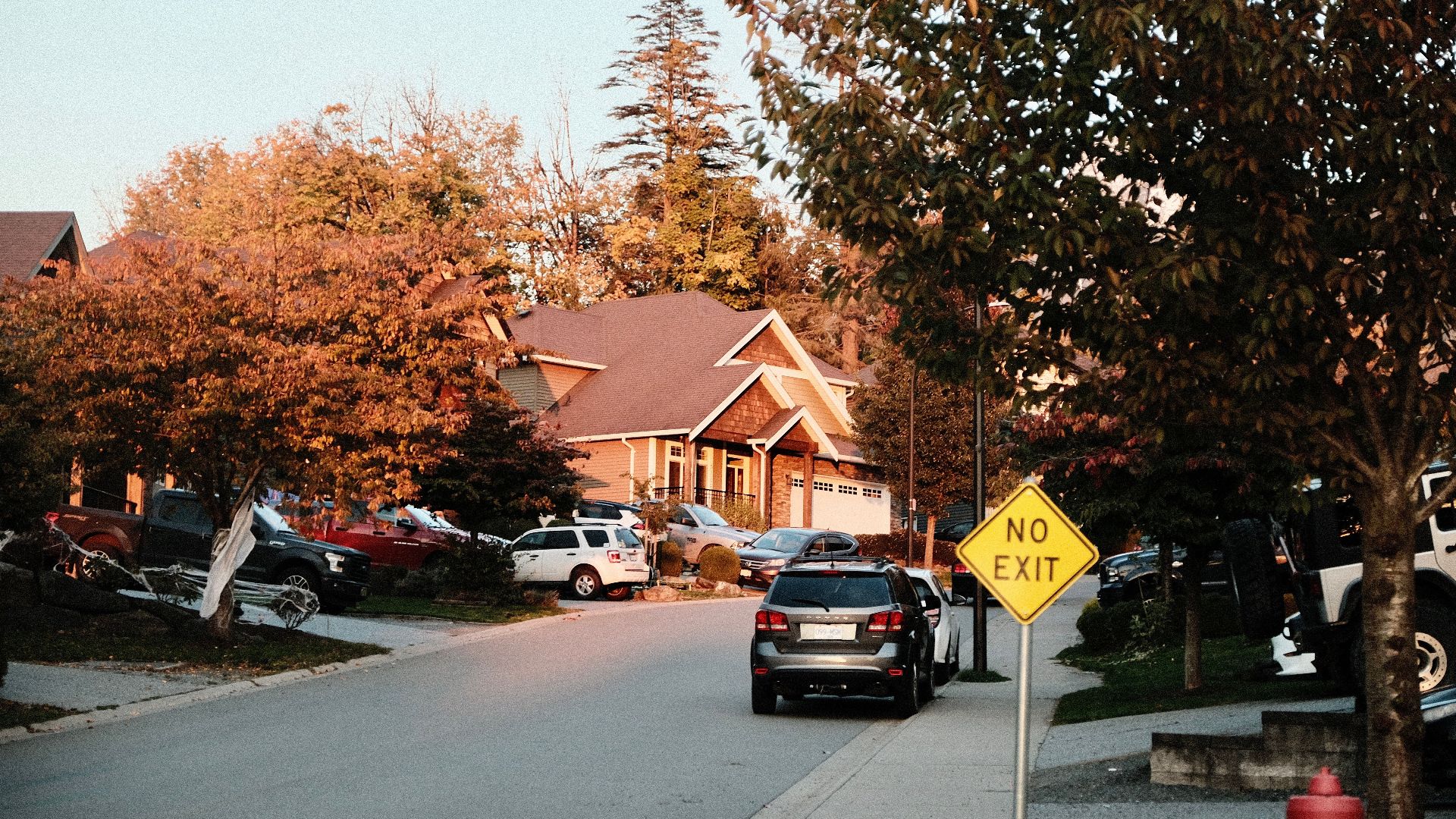
AAA has noted that driveway and road angles can create problems for low-clearance vehicles, especially when the slope changes sharply. Car-focused publications have also long pointed out that approach angle and ground clearance can decide whether a car can safely handle a steep entrance. A host who has seen cars scrape may know something a guest cannot pick up from one photo.
Photos Can Be Misleading
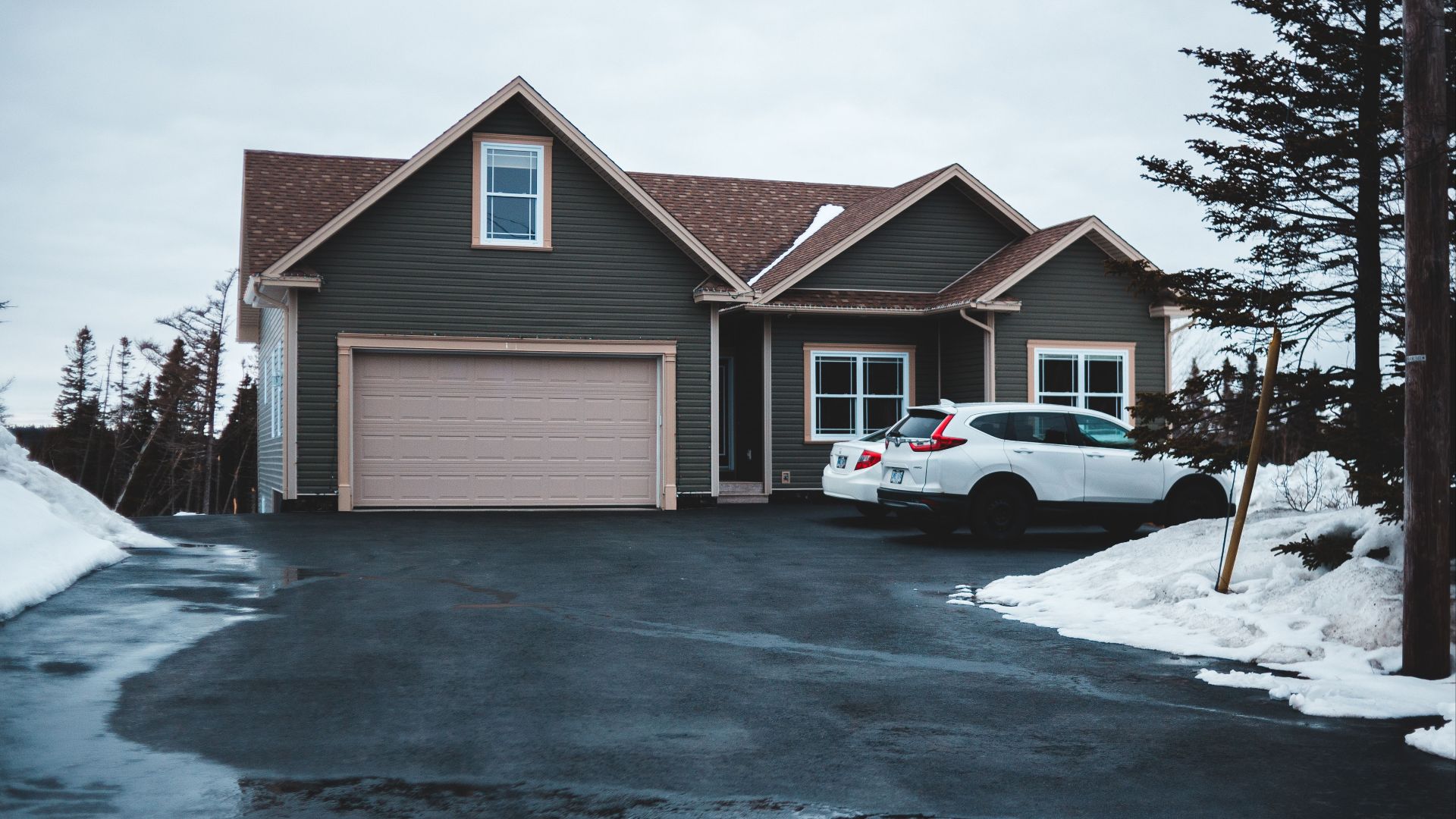
A driveway can look manageable in a listing photo and be a problem in real life. Wide-angle shots can flatten the slope, and pictures usually do not show scraping risk, turning room, or how hard it is to back out into the road. That is why one short written note can be more useful than a polished exterior photo.

Consumer Law Matters Too
Platform rules are only part of the picture. In many places, consumer protection laws also go after misleading omissions. In the United States, the Federal Trade Commission says advertising must be truthful and not misleading, and important information should not be hidden. A parking issue that could affect whether someone books may fall under that basic rule.
What Makes Information Material
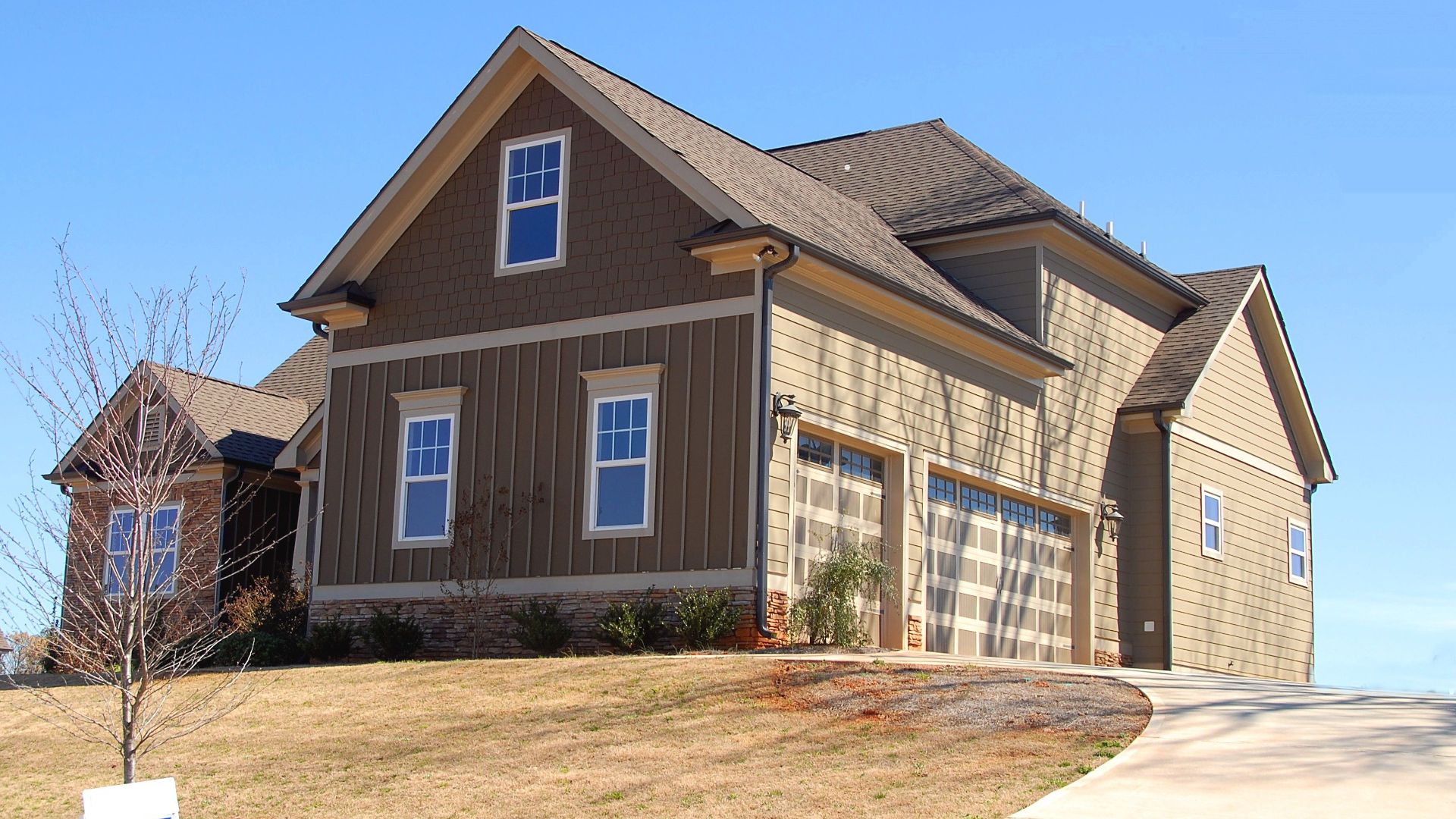
Material information is any detail that could affect whether someone chooses to buy or book. In a vacation rental, that often means access, safety, major restrictions, and whether promised amenities work the way guests expect. If someone driving a normal passenger car cannot use the driveway without risking damage, many people would see that as material.

How These Problems Usually Blow Up
This kind of dispute often starts right after check-in. Guests realize they cannot safely use the driveway, then have to search for street parking or pay for a garage somewhere else. That quickly leads to bad reviews, refund demands, and arguments over whether the listing was accurate. One simple disclosure ahead of time could stop most of that.
Hosts Often Already Know
In many cases, the host has seen the problem before. They may know SUVs are fine but sedans scrape, or that the driveway gets much worse after rain. Once a host knows there is a pattern, leaving it out starts to look less like an innocent miss and more like withheld information.
What A Good Disclosure Sounds Like
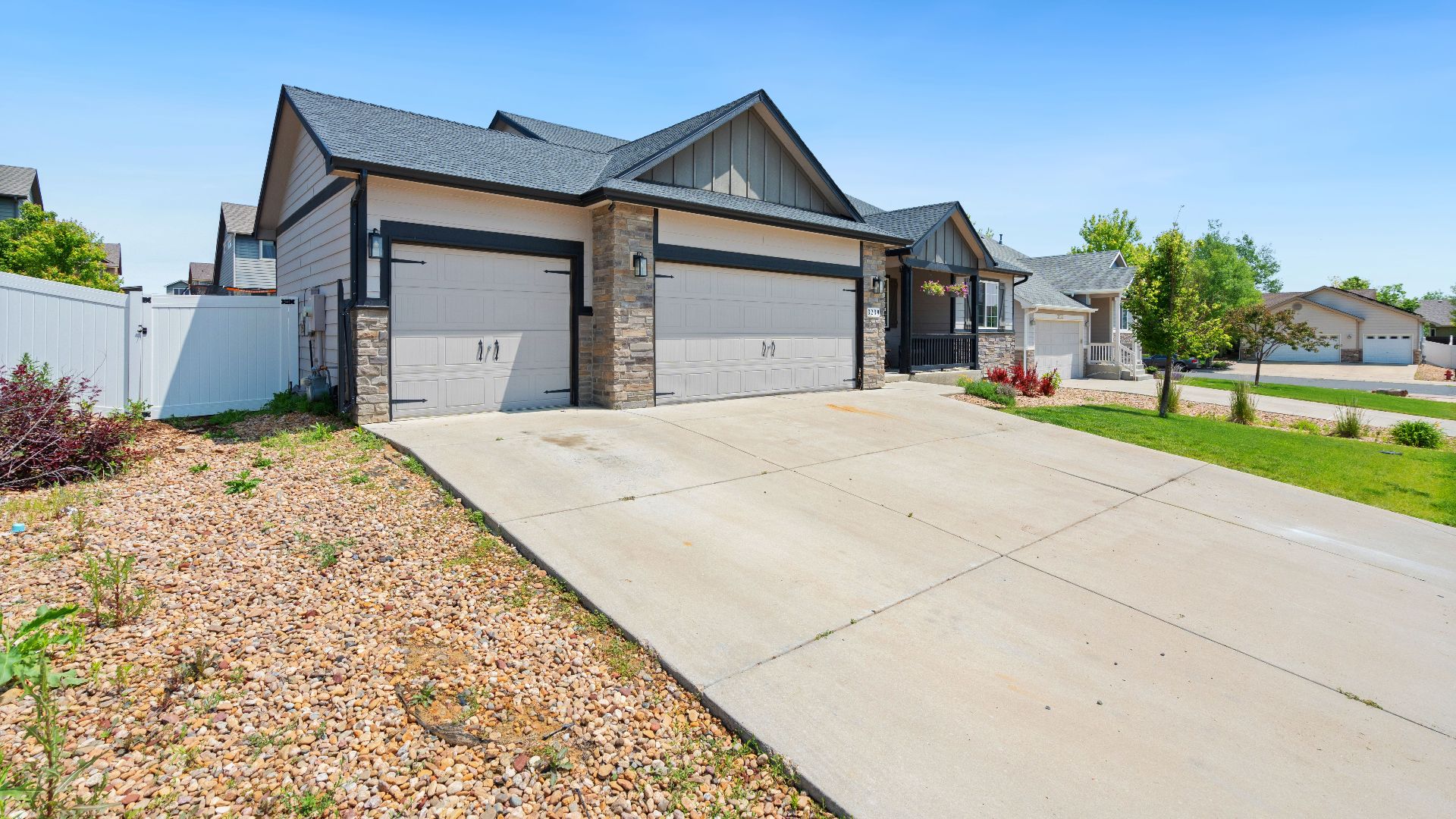
A useful disclosure does not have to sound alarming. It just needs to be clear. Something like, “Driveway is steep and may not suit low-clearance vehicles. Street parking is available nearby,” gives guests a fair shot at judging the risk before they book.
 San Francisco Chronicle/Hearst Newspapers, Getty Images
Specific Beats Vague Every Time
“Parking available” tells guests very little. “One parking space on a steep incline, best for SUVs or higher-clearance vehicles” tells them much more. Not everyone drives the same kind of car, and details about slope, clearance, and backup options help people know what they are walking into.
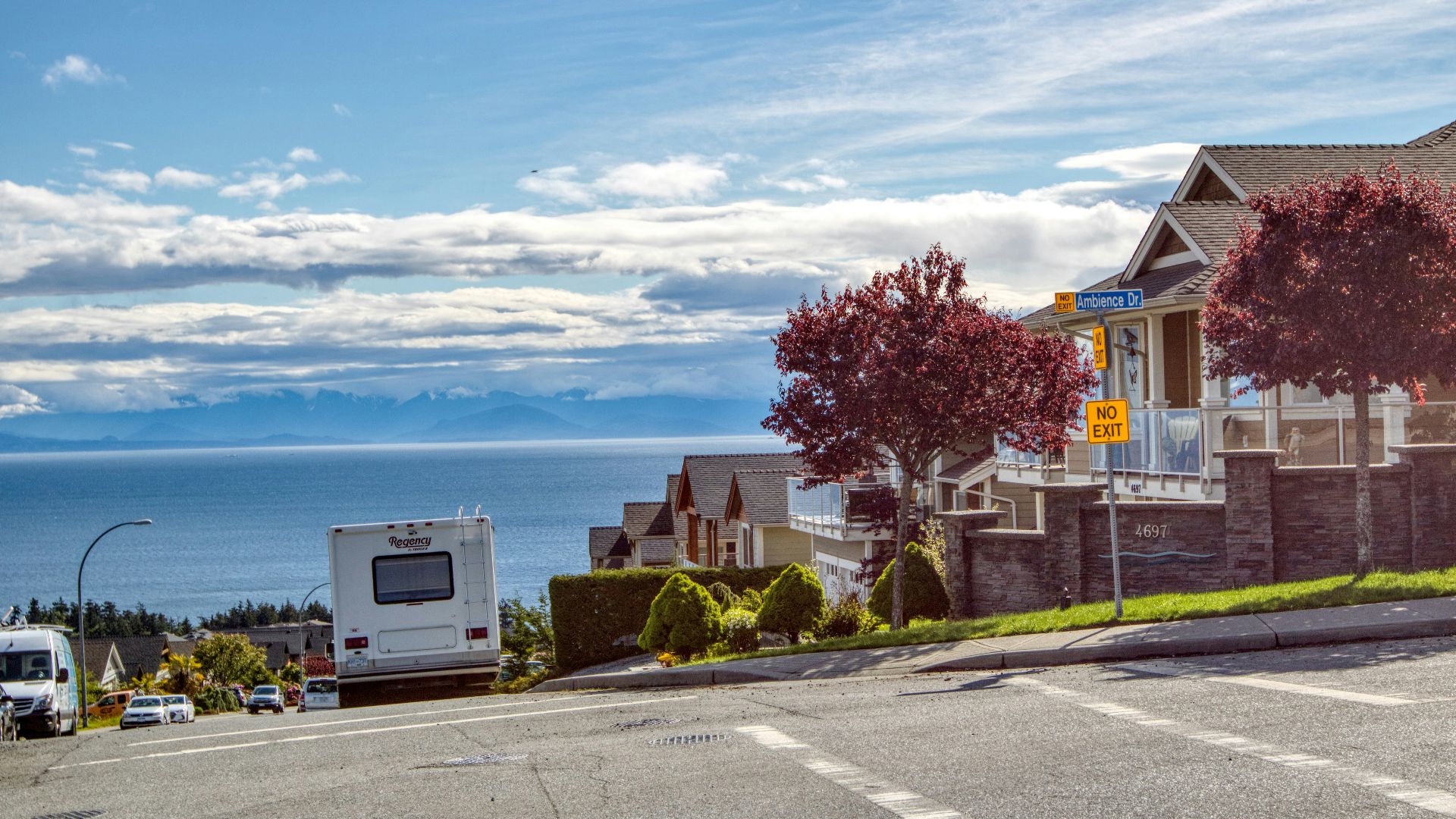
Sometimes Street Parking Is The Better Answer
In some cases, the easiest fix is to tell guests not to use the driveway at all. If street parking nearby is legal, easy to find, and safer for regular cars, that should be made clear in the listing and check-in notes. Most guests can handle a limitation if the workaround is honest and simple.
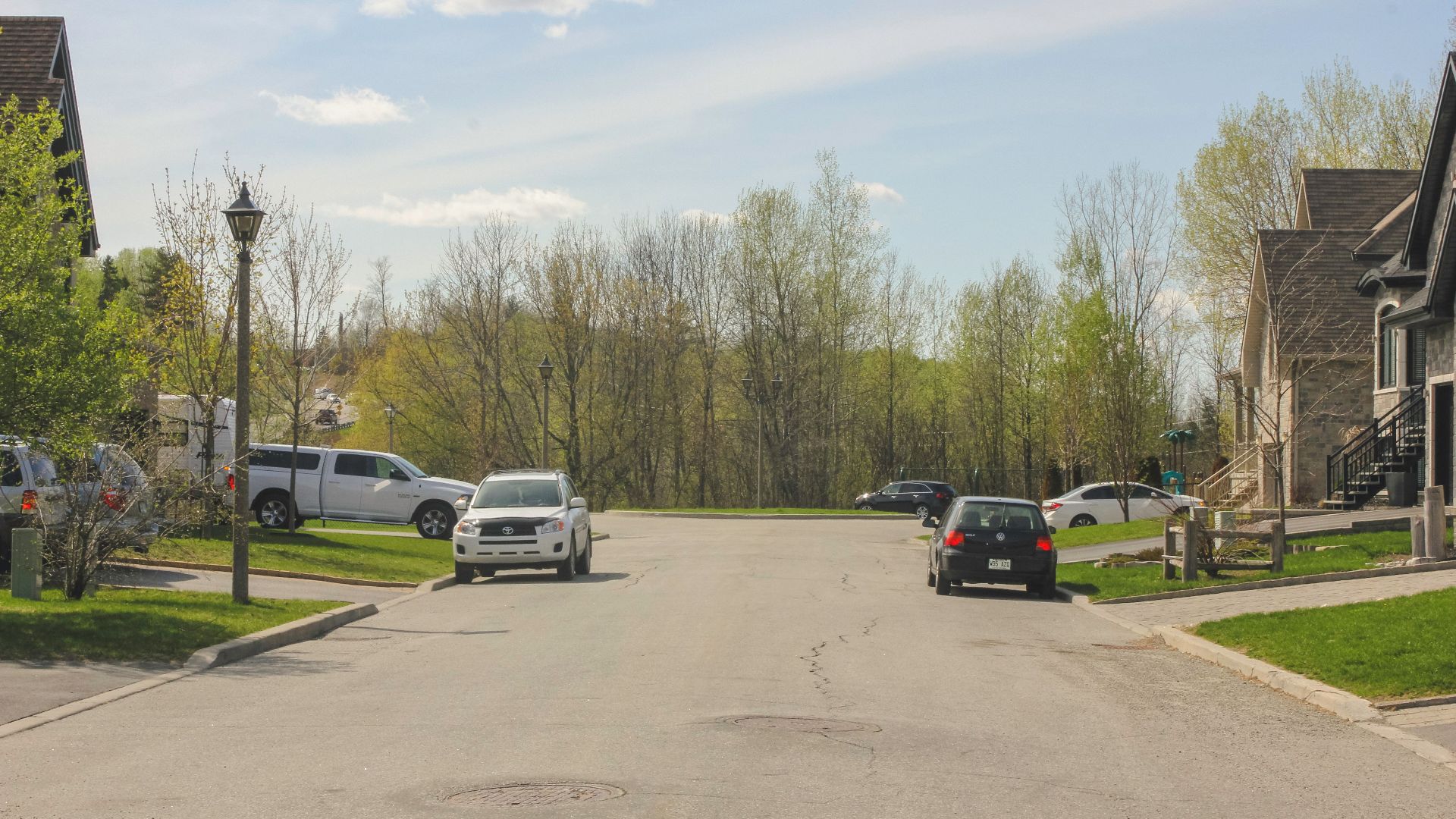
It Is Not Just About Cars
A steep driveway can create more than a vehicle problem. It can make things harder for guests with mobility issues, families unloading strollers, or older travelers carrying luggage uphill. If the parking setup also makes the path to the entrance harder, that is one more reason to warn guests before they book.
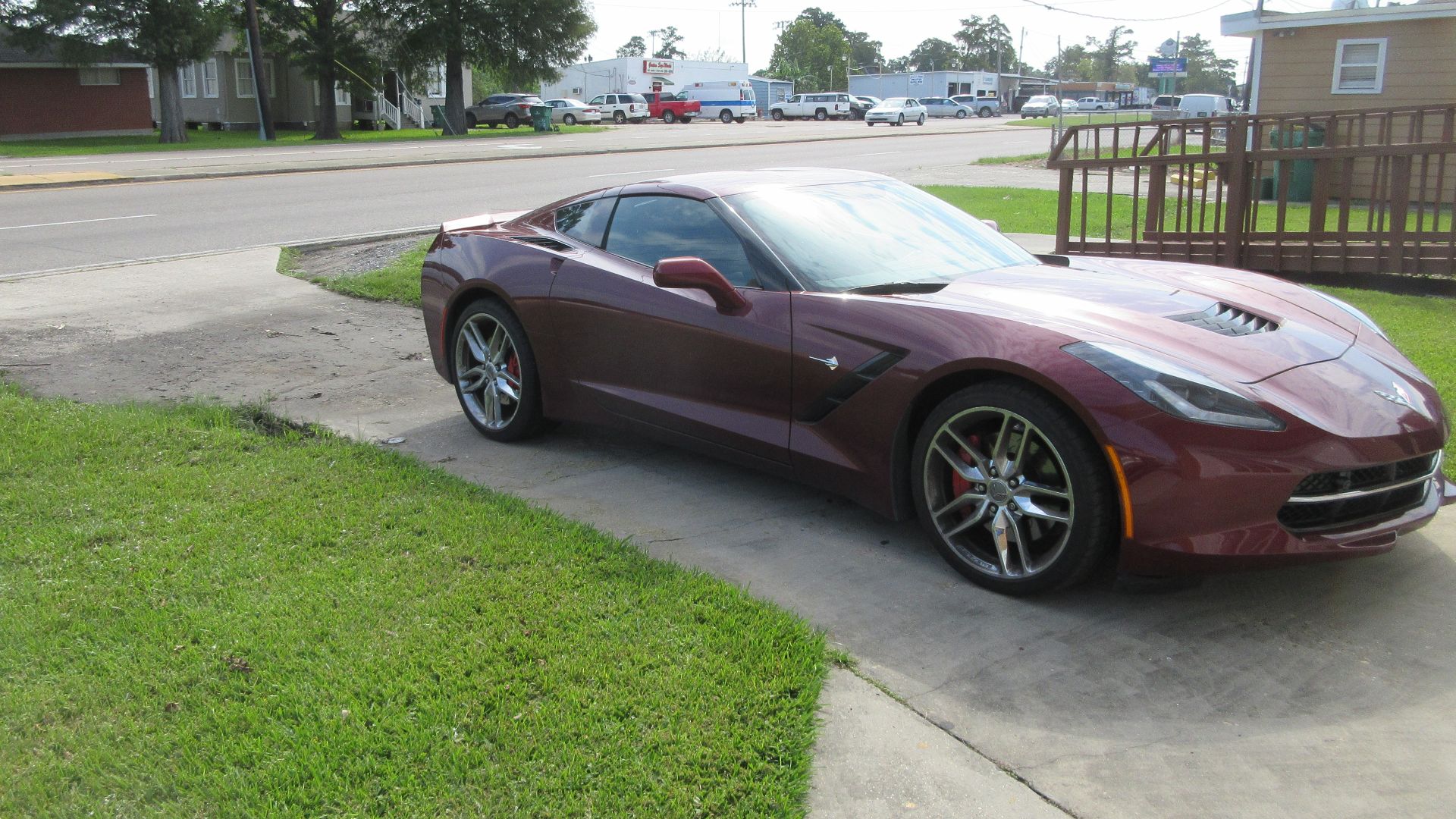 Infrogmation of New Orleans, Wikimedia Commons
Weather Can Make It Worse Fast
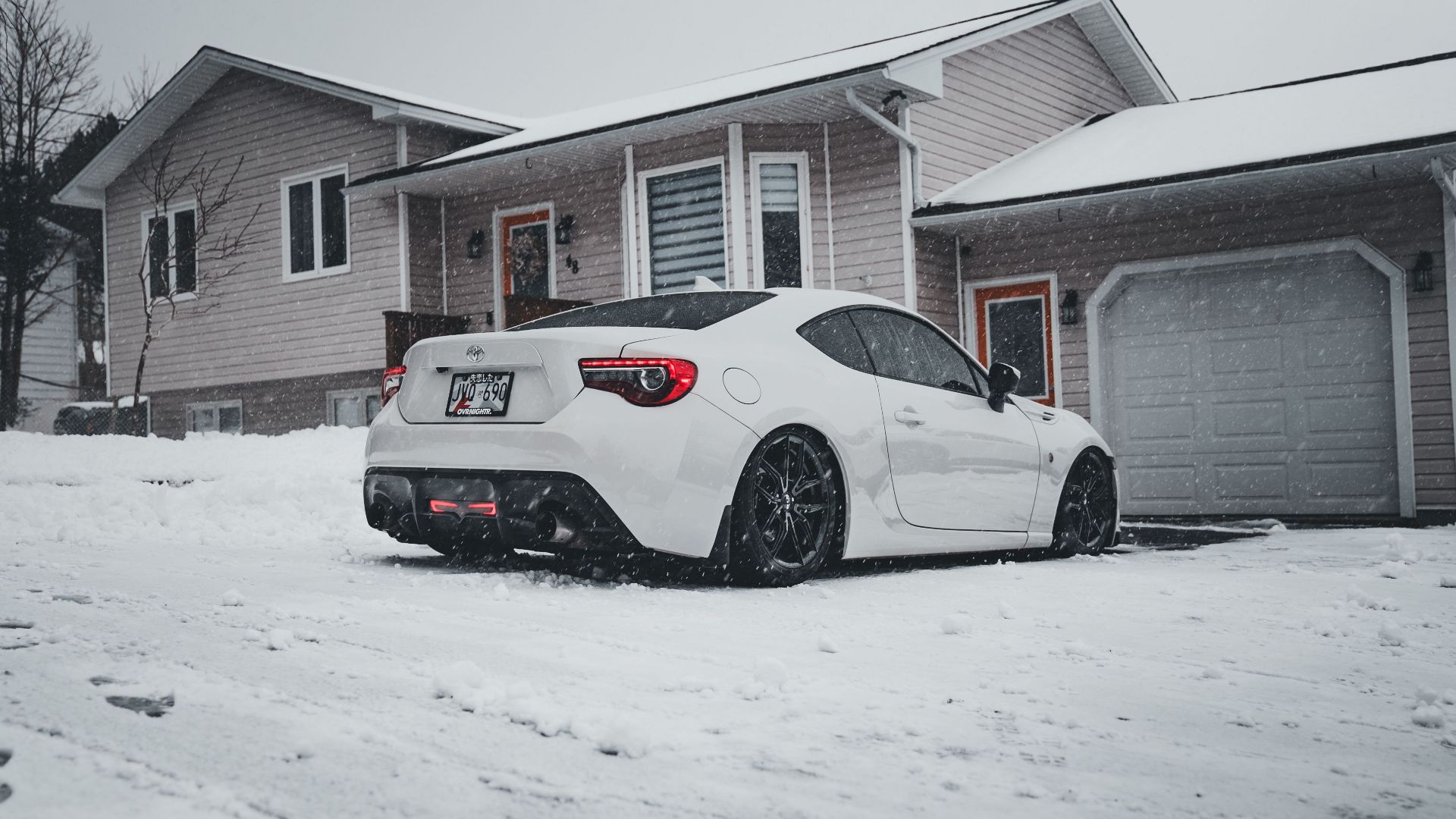
A driveway that seems fine on a dry afternoon can become a hazard in snow, ice, or heavy rain. Hosts in hilly areas or cold-weather destinations should be especially careful about seasonal warnings. Guests are often much more understanding when they know the conditions ahead of time.
What Guests Should Check Before Booking
If parking matters, do not rely only on the amenity list. Read the full description, look closely at exterior photos, and scan reviews for words like “parking,” “driveway,” “steep,” or “scraped.” If anything feels unclear, message the host and ask what types of vehicles can safely use the space.

Questions Worth Asking
A few direct questions can save a lot of hassle. Ask whether a standard sedan can use the driveway comfortably, whether low-clearance vehicles have had trouble, and whether there is a flat alternative nearby. Getting those answers in writing through the platform can also help if there is a dispute later.
Why Written Messages Matter
Platform messages create a record. If a host says your type of car will be fine and that turns out to be wrong, those messages can help support a complaint or refund request. A phone call is much harder to prove.

If You Arrive And Cannot Park Safely
Do not try to force it and risk damaging the car. Take clear photos and video of the driveway angle and any places where scraping could happen, then contact the host right away through the platform. If the issue is not fixed quickly, contact customer support and explain that the parking amenity was not usable as advertised.

What Platforms Usually Want In A Dispute
Support teams usually want proof. That can include screenshots of the listing, messages from the host, photos of the driveway, and receipts for any alternate parking you had to pay for. The better your documentation, the easier it is to argue that an important limitation was not disclosed.
Refunds Are Never Guaranteed
Even when a guest feels misled, compensation is not automatic. The outcome can depend on the wording in the listing, what the host said in messages, how quickly the guest reported the issue, and the platform’s current protection rules. That is why it is much better to spot the problem before check-in than to fight over it later.

One Honest Sentence Can Save A Host A Lot Of Trouble
For hosts, disclosure is usually the smarter move. A single line about a steep driveway can cut down on complaints, bad reviews, and support cases. It can also attract the right guests, which is better than getting a booking from someone whose car never had a chance on that slope.
Travel Is Moving Toward More Transparency
Across the travel industry, the trend is toward clearer disclosure, not less. Fees, resort charges, accessibility details, and house rules are all expected to be visible before someone pays. Parking limits fit naturally into that same push for transparency.

So Should Parking Limitations Be Disclosed?
Yes, especially when the problem is serious enough that many ordinary cars may not be able to use the advertised parking safely. Platform rules about accuracy and the basic idea of fair dealing both point the same way. If a driveway is steep enough to change someone’s booking decision, that person should know before hitting reserve.

The Bottom Line For Travelers
Do not assume anything when a listing simply says parking is available. Ask questions, get the answers in writing, and treat driveway access as part of the property, not some minor extra. A great rental can still start badly if the first thing waiting for you is a hill your car cannot handle.