
The Gas Gauge Surprise At The Rental Counter
You pick up a rental car, look at the fuel gauge, and spot a problem right away. The tank is nearly empty, but the contract still says the car has to come back full. It's a common headache for travelers, and it often leaves people feeling pushed into paying for gas on the rental company’s terms, but the full story is a little more complicated.

Why This Keeps Turning Into A Fight
Fuel rules are one of the least exciting parts of renting a car, but they can get expensive fast. Big rental companies usually offer a few options: prepay for a full tank, return the car at the same level, or let the company refill it later. Trouble starts when the fuel level at pickup does not match what the contract says or what the company expects when you return the car.

What The Big Rental Companies Say
Hertz says in its U.S. rental terms that customers can choose a fuel option and may be charged service fees if the car is returned with less fuel than required. Enterprise says renters who do not choose a prepaid option generally have to return the vehicle with the same amount of fuel it had at pickup. Avis also explains its refueling options and warns that company refill rates can be higher than local gas prices.
 AutoRentals, Wikimedia Commons
Why A Nearly Empty Tank Is More Than Annoying
A low tank can put stress on a trip before it even starts. It can also be risky if you leave the airport or rental lot without finding a gas station right away. If you land late at night or you are in a city you do not know, the hassle can quickly turn into a safety problem.
The Fine Print Usually Helps The Company
Rental agreements are often written to give companies a lot of control over fuel charges. If the paperwork says the car left the lot at a certain fuel level, that note can become the starting point for any dispute. That is why it is so important to check the gauge before leaving and make sure the real fuel level is recorded.

What Consumer Agencies Say To Do First
The Federal Trade Commission has long told consumers to read rental terms carefully and inspect the vehicle before driving away. That means checking for damage, but also looking at basic details like the fuel level. If something is wrong, the best time to fix it is before you leave the lot.

Your Best Evidence Starts With A Photo
A smartphone photo of the dashboard can go a long way. Try to capture the fuel gauge, odometer, date, and time if you can. If the tank is close to empty, that photo can help you push back later if the company says the car had to be returned full.

Why Gas Receipts Matter
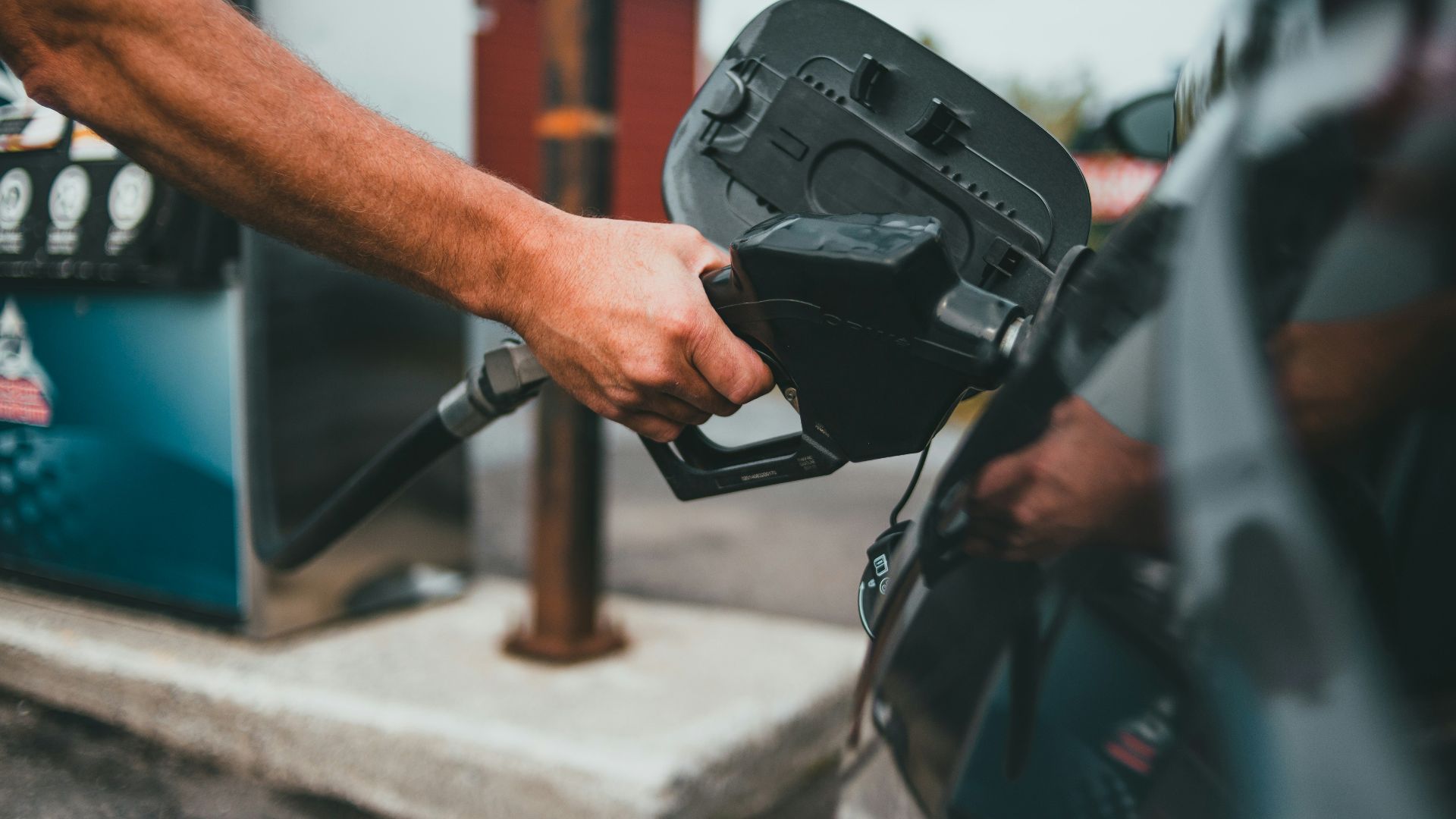
If you have to buy gas right after pickup, keep the receipt. It helps show how little fuel was in the car when you got it and how quickly you had to refill. A timestamped gas purchase near the rental location can back up your side of the story if there is a dispute.
 https://kaboompics.com/, Pexels
Do Not Assume The Contract Is Right
Rental counters are busy, and mistakes happen. An employee might mark the car as full out of habit even when it is not. If you sign without checking, you may be agreeing to a fuel condition that does not match reality.

The Fairest Rule Is Usually Simple
In most normal cases, the fair standard is straightforward. You return the car with the same amount of fuel it had when you picked it up. If it left the lot at a quarter tank, then a quarter tank should be enough when you bring it back, unless you clearly agreed to something else.

Why Companies Push Prepaid Fuel
Prepaid fuel can sound easy, especially after a long flight. But rental companies and travel experts often note that it only really makes sense if you expect to return the car nearly empty. If you bring it back with gas still in the tank, you usually do not get money back for what you did not use.

Consumer Reports Has Warned About The Math
Consumer Reports has advised travelers to be careful with prepaid gas offers because many drivers return cars with fuel left in the tank. That means they paid for more than they used. Its advice matches a common travel rule: filling up yourself is usually cheaper.

Refueling Service Charges Add Up Fast
If you skip the gas station and let the rental company refill the tank, the final bill can jump quickly. Companies often charge not just for the fuel, but also for the service of refilling it. Avis, Hertz, and other major brands say these rates may be higher than local pump prices.

So Should You Buy Their Gas
In many cases, no. If the company handed you a car with less than a full tank, the most reasonable approach is to return it at that same level unless your signed agreement clearly says otherwise. Paying for the company’s fuel option just to fix a problem they created is rarely the best deal.

Speak Up Right Away
The time to raise the issue is at pickup, not after the trip. Ask an employee to correct the rental record so the fuel level matches the gauge. If no one is available or nobody will update the paperwork, document everything and contact customer service right away.

Get Names, Times, And Screenshots
Good records can make or break a fuel dispute. Write down the employee’s name, the time you reported the problem, and what you were told. If you use chat, email, or the rental company’s app, save screenshots so you have a clear paper trail.

Airport Rentals Can Make It Worse
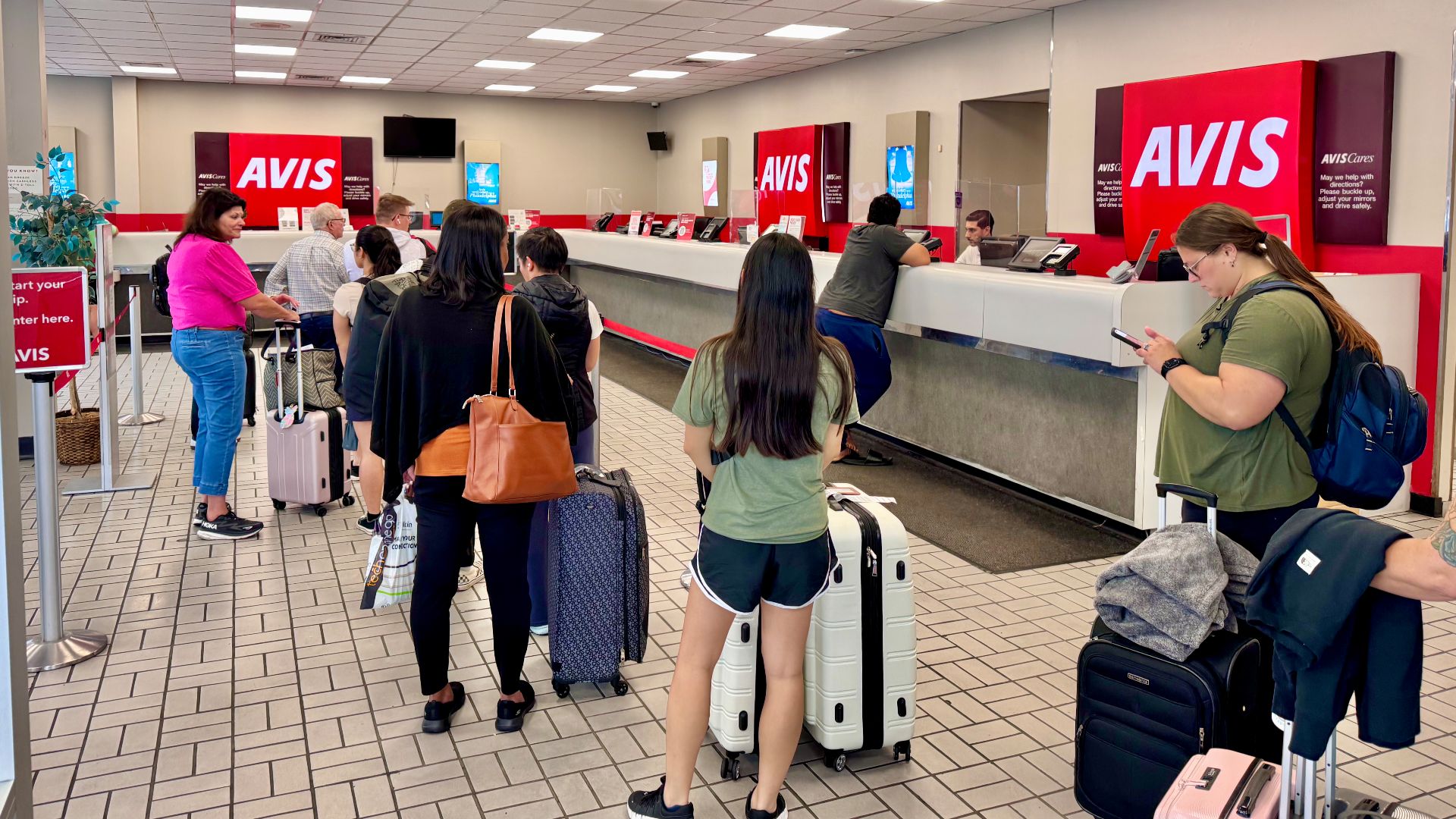
Airport rental locations are often crowded, rushed, and expensive. Nearby gas stations may charge more, and some are not easy to reach right after pickup. That can leave renters stuck between risking a breakdown and paying inflated prices.
 Harrison Keely, Wikimedia Commons
What To Do Before You Return The Car
Check your contract again before heading back to the lot. If the agreement was fixed to show a partial tank at pickup, aim to return the car at about that same level and keep your final gas receipt. Take another dashboard photo when you park in case a billing dispute shows up later.

If The Company Charges You Anyway
Start with customer service and lay out your evidence clearly. Include pickup and return photos, gas receipts, and any written messages about the wrong fuel level. A short timeline usually works better than a long angry complaint.

Your Credit Card May Help
If the company will not reverse a fuel charge you think is wrong, you may be able to dispute it with your card issuer. The Consumer Financial Protection Bureau says consumers have billing dispute rights for certain credit card charges. As usual, documents matter.

State Attorneys General Track Complaints Too
Many state attorneys general tell consumers to file complaints when they believe a business used unfair or misleading practices. Those offices may not fix every single case, but complaints can help regulators spot patterns. If one rental location keeps sending out low-fuel cars and billing renters unfairly, that can matter.

The Better Business Bureau Is Not A Regulator, But It Can Help
The Better Business Bureau does not enforce the law, but some companies respond quickly to complaints filed there. It can be a useful extra step if normal customer service goes nowhere. Travelers do sometimes get refunds after presenting organized evidence through that channel.

Travel Experts Keep Coming Back To One Rule
Inspect the car before you drive off. It sounds basic, but it is still the best defense against fuel surprises, damage disputes, and mileage mistakes. A two-minute check in the lot can save you a long argument later.

The Most Important Question To Ask At Pickup
Ask this before you leave: Do I need to return it full, or at the same level it has right now? Getting the answer in writing, even on the rental form, can turn a fuzzy policy into something you can actually point to later.

How To Avoid Paying For Gas You Never Agreed To
Skip prepaid fuel unless you know it fits your trip. Make sure the fuel level on the contract matches the gauge. Keep photos and receipts from the start and end of the rental.

The Bottom Line For Frustrated Renters
If your rental car came with an empty or nearly empty tank, you are not wrong to ask why you should pay for the company’s gas. The facts, the contracts, and basic fairness all point the same way. You should usually pay only for the fuel you actually use, and the best protection is simple: document everything before you leave the lot.