The Dog Problem Starts Before You Even Leave
If your parents are determined to bring their dog to a park with strict pet rules, should you just throw out your plans and go somewhere more pet-friendly?
Many national parks sharply limit where dogs can go, and some of the best trails and backcountry areas are off-limits. But the upside is that changing the plan doesn't have to mean giving up the vacation.
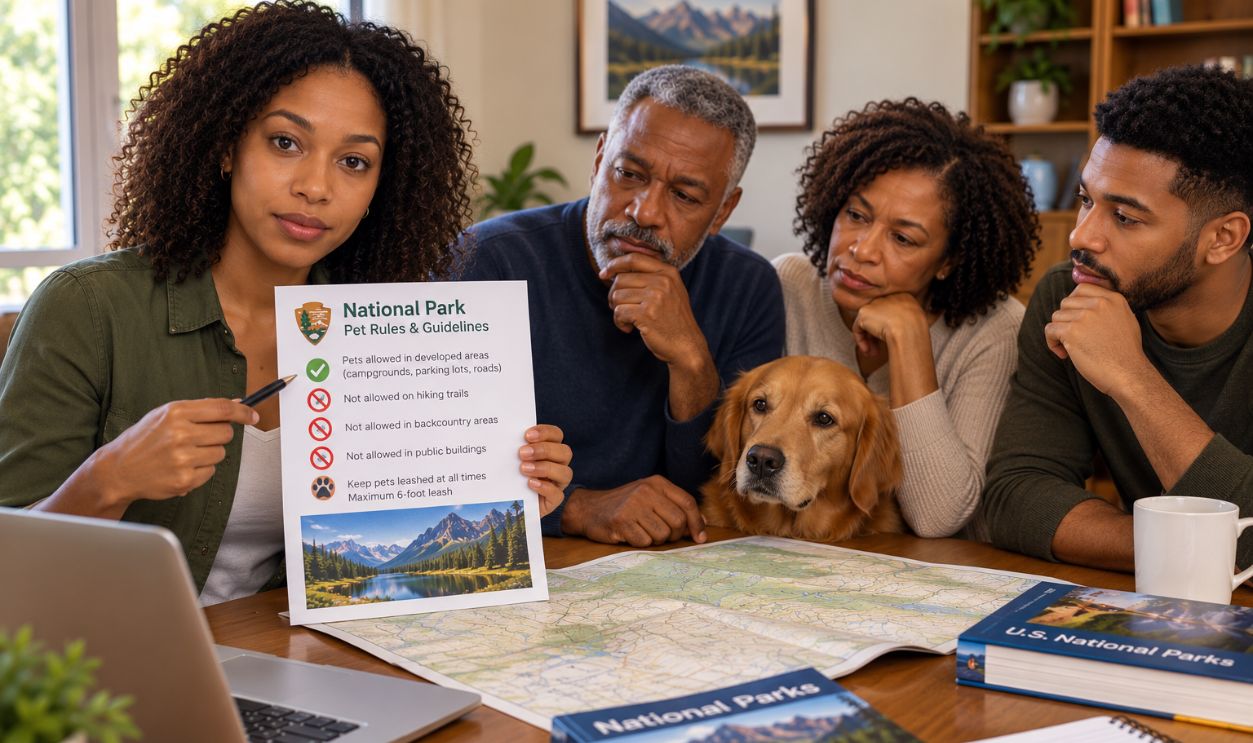
Dogs Change Your Experience Of Many Parks
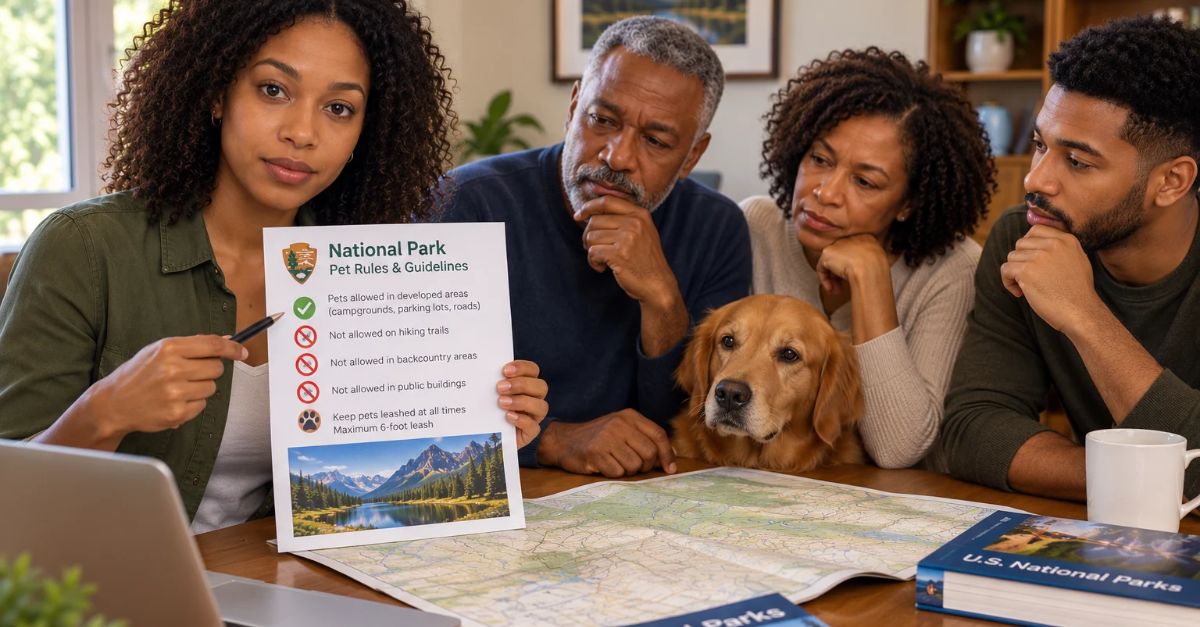
A lot of people assume that if a park allows leashed dogs anywhere, then dogs are welcome more or less everywhere. That is usually not how it works. National Park Service rules often limit pets to developed areas like campgrounds, parking lots, and roads open to vehicles. That mismatch between what people expect and what the rules actually say is what turns a family trip into an argument at the gate.
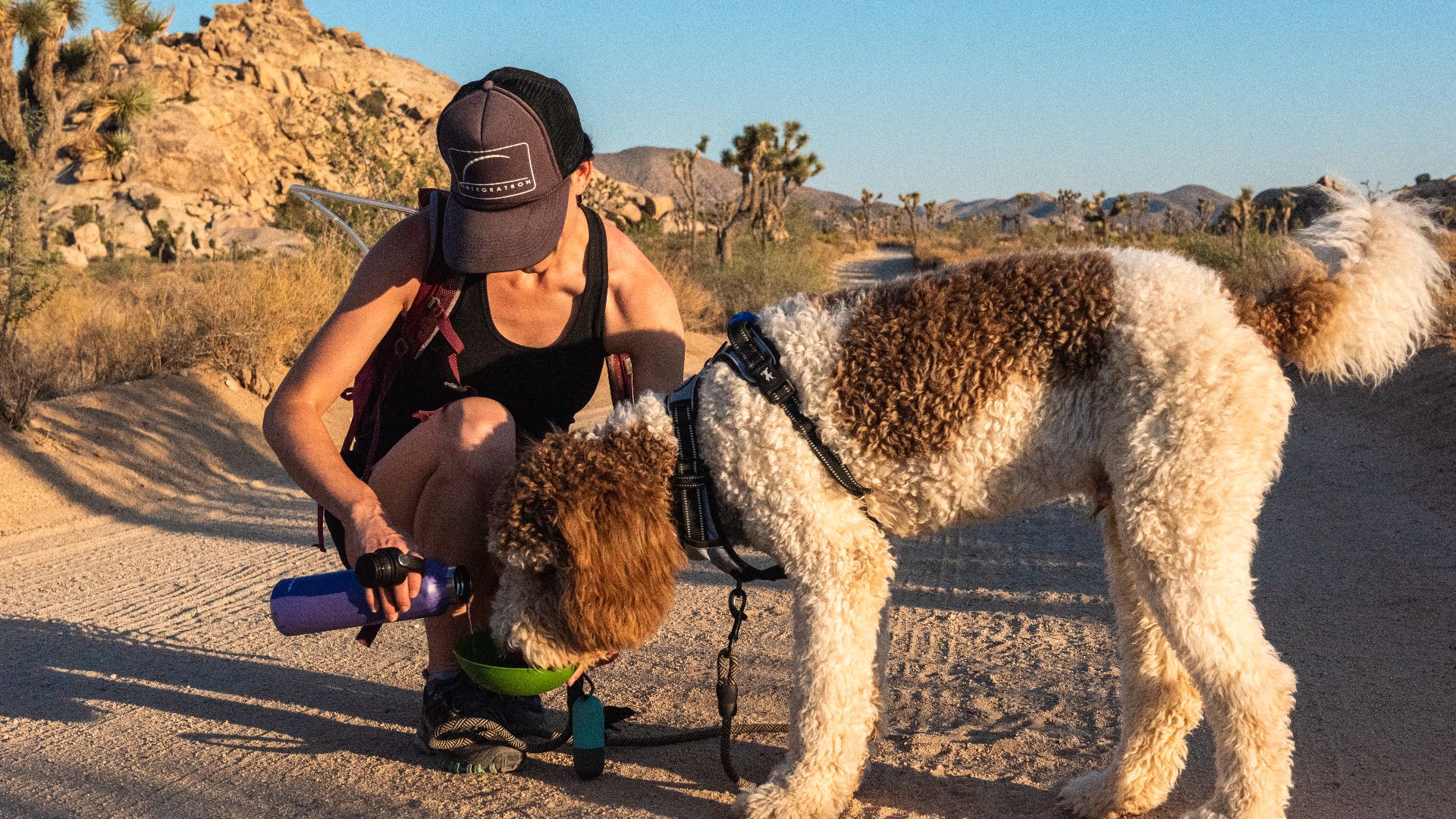 Joshua Tree National Park, Wikimedia Commons
The National Park Service Is Pretty Clear
The National Park Service says pet policies vary by park, but restrictions are common across the system. Pets may be banned from trails, public buildings, and protected natural areas. The point is to protect wildlife, fragile habitat, and other visitors, not to make travel harder.
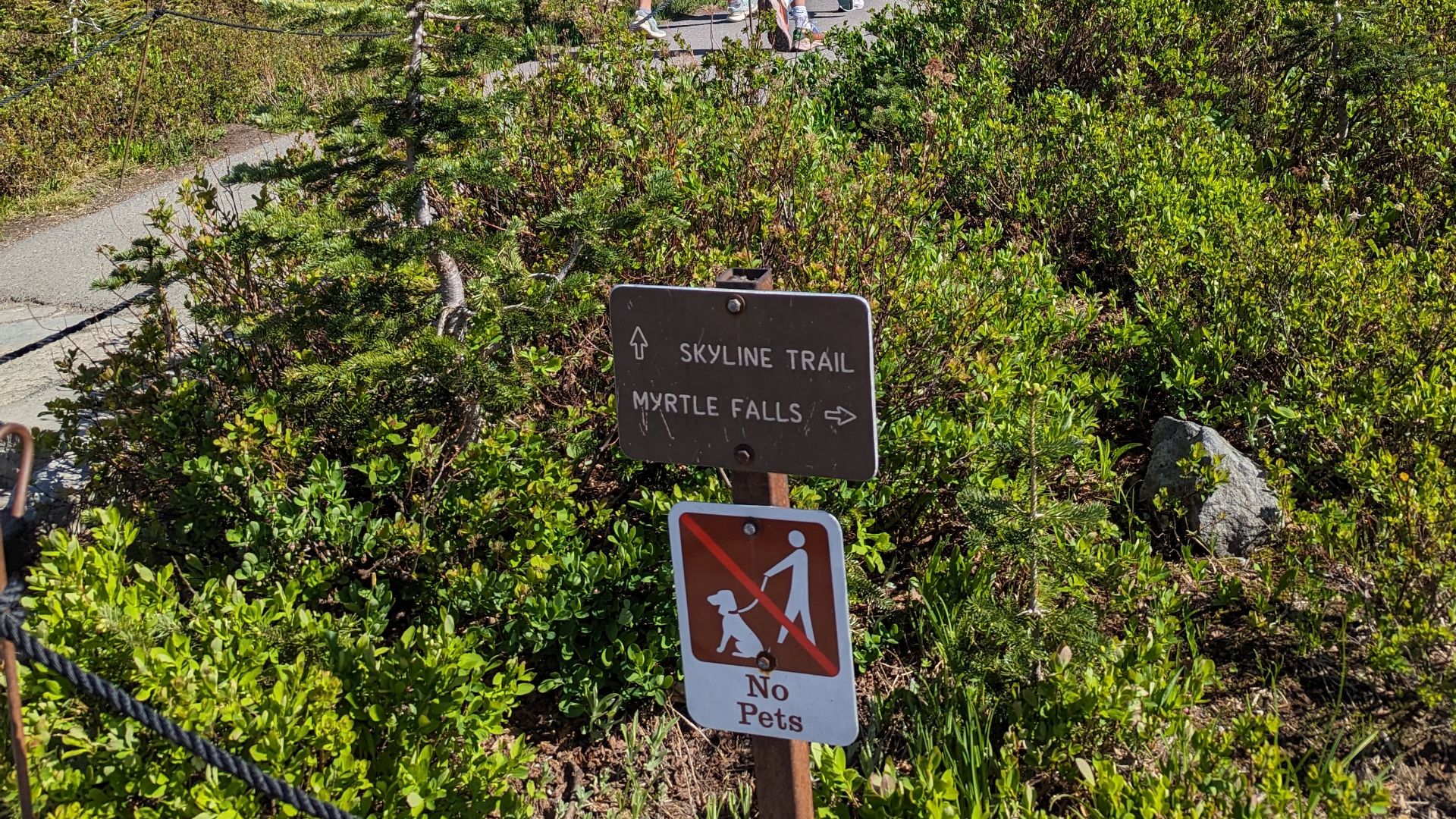 Roller Coaster Philosophy, Wikimedia Commons
Yellowstone Is A Quick Reality Check
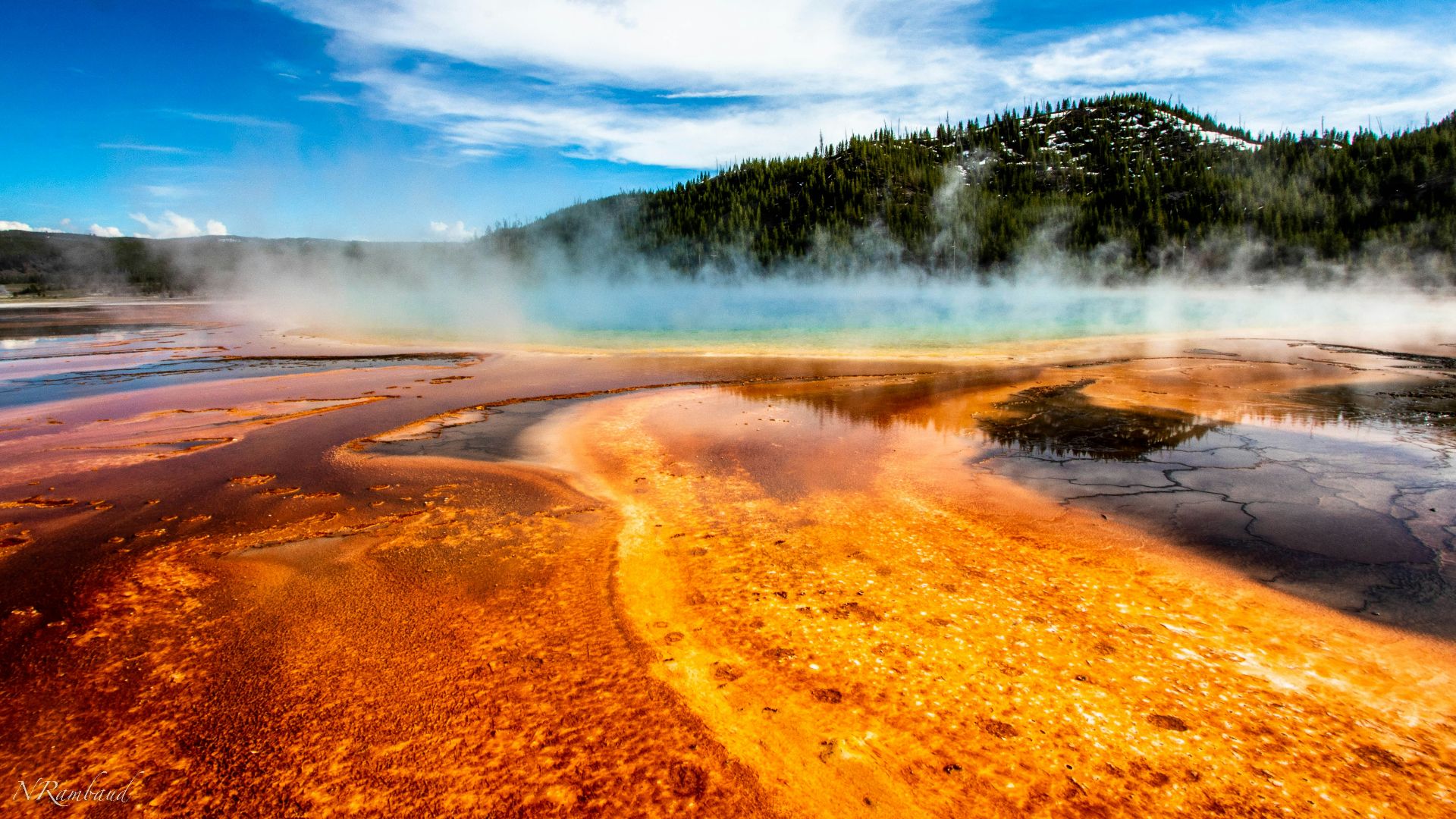
Yellowstone National Park allows pets only in developed areas, parking lots, and within 100 feet of roads. They are not allowed on boardwalks, hiking trails, in the backcountry, or in thermal areas. If your family wants to spend the day exploring famous geothermal spots on foot, that is a huge limitation.
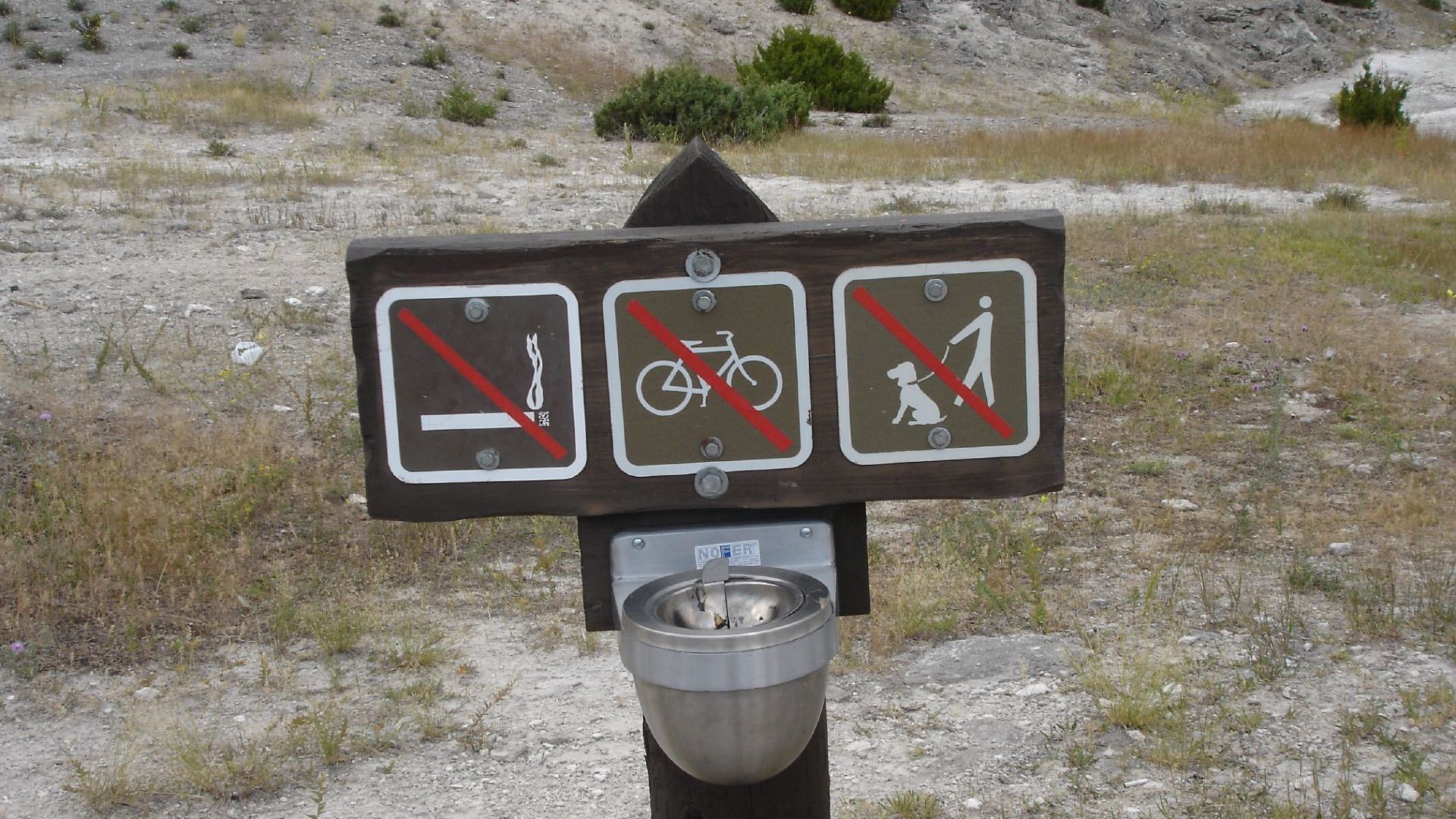
Yosemite Has Similar Limits
At Yosemite National Park, pets are allowed in developed areas, on fully paved roads, sidewalks, and bicycle paths unless posted otherwise. They are not allowed on most trails, in public buildings, on shuttle buses, or in wilderness areas. So yes, a dog can come for parts of the trip, but not for many of the park’s biggest highlights.
Grand Canyon Changes Fast Once A Dog Comes Along
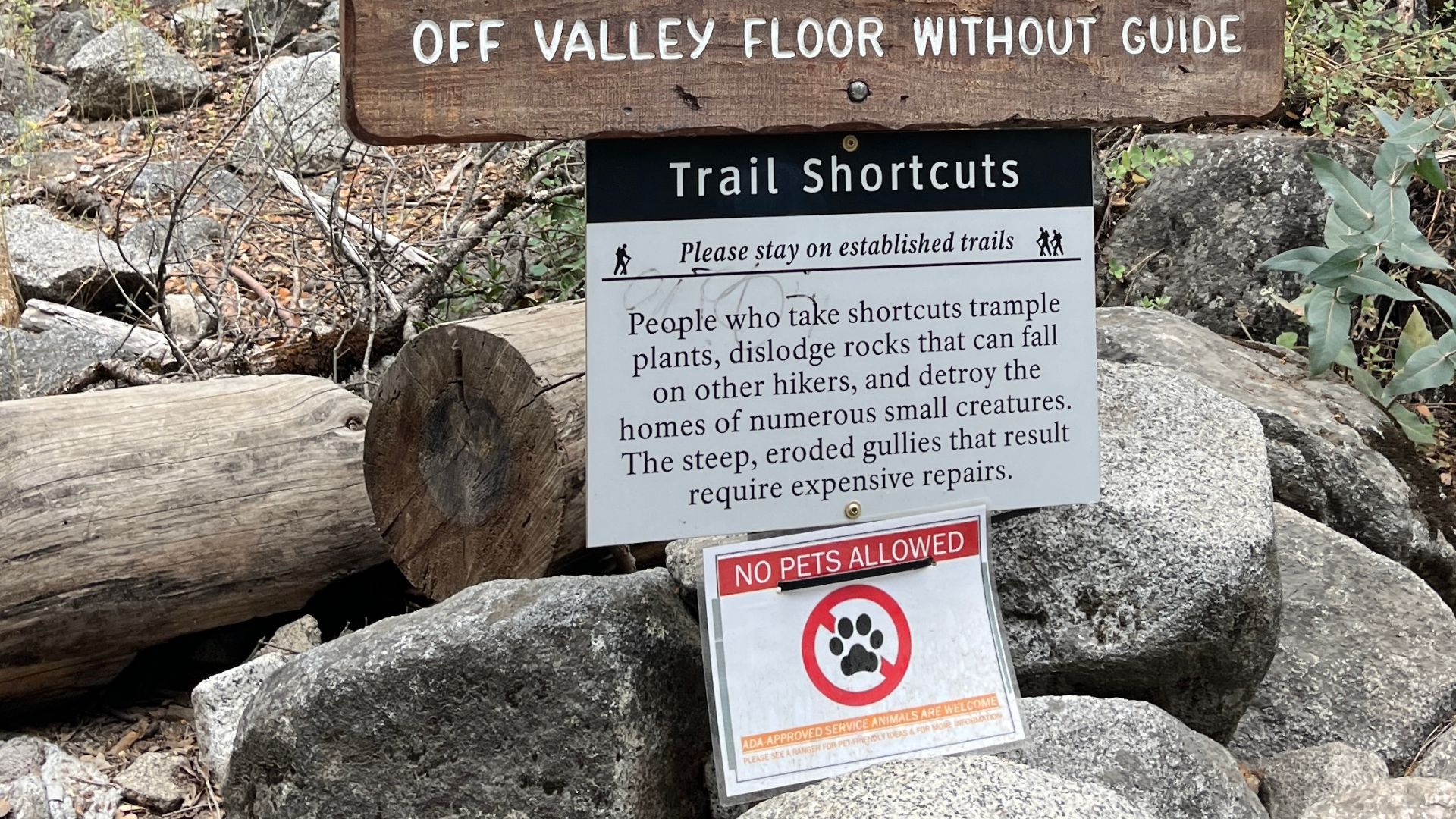
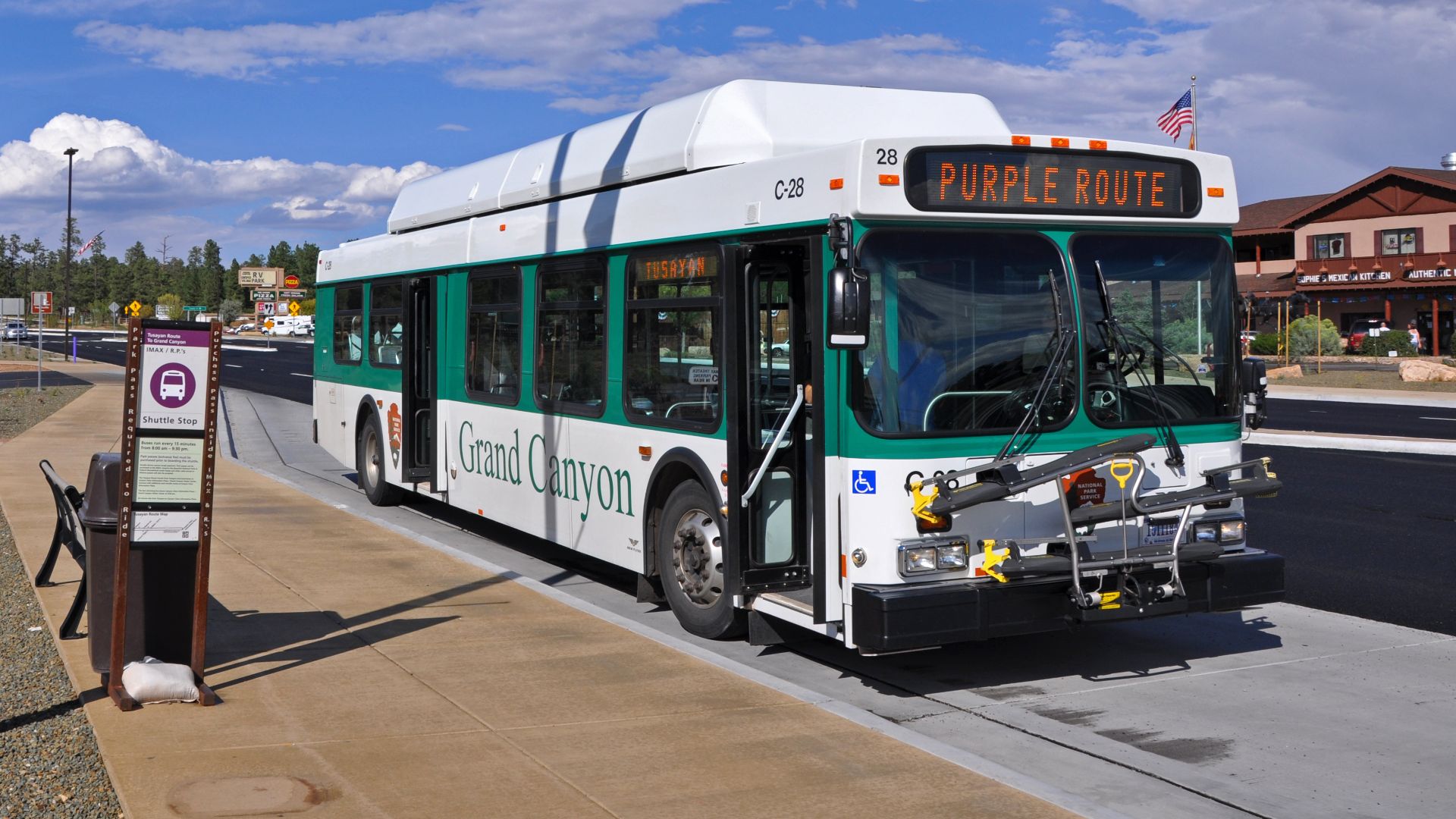
Grand Canyon National Park allows pets above the rim on developed trails and in campground areas, but not below the rim, inside park buildings, or on shuttle buses. The park also says unattended pets are not allowed if they create a danger to themselves or others. If your family is picturing a classic canyon hike, bringing the dog changes the whole plan.
Acadia Is More Flexible, But It Still Has Rules
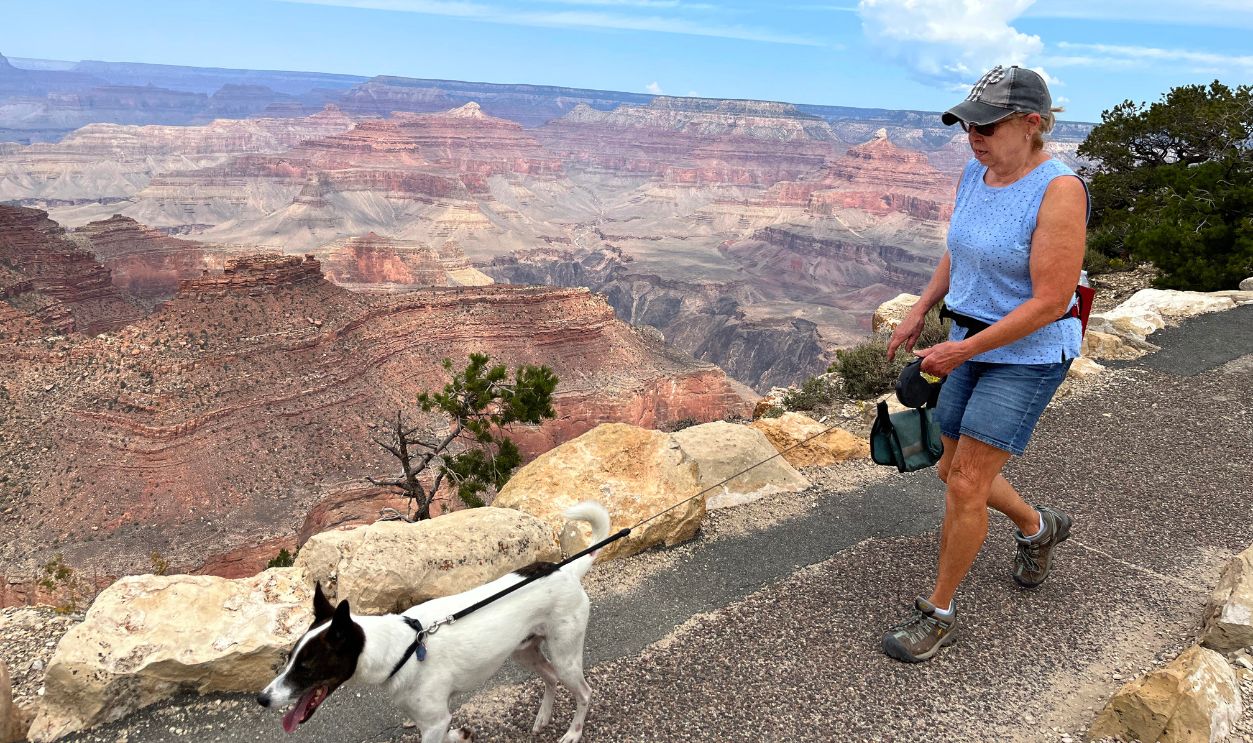
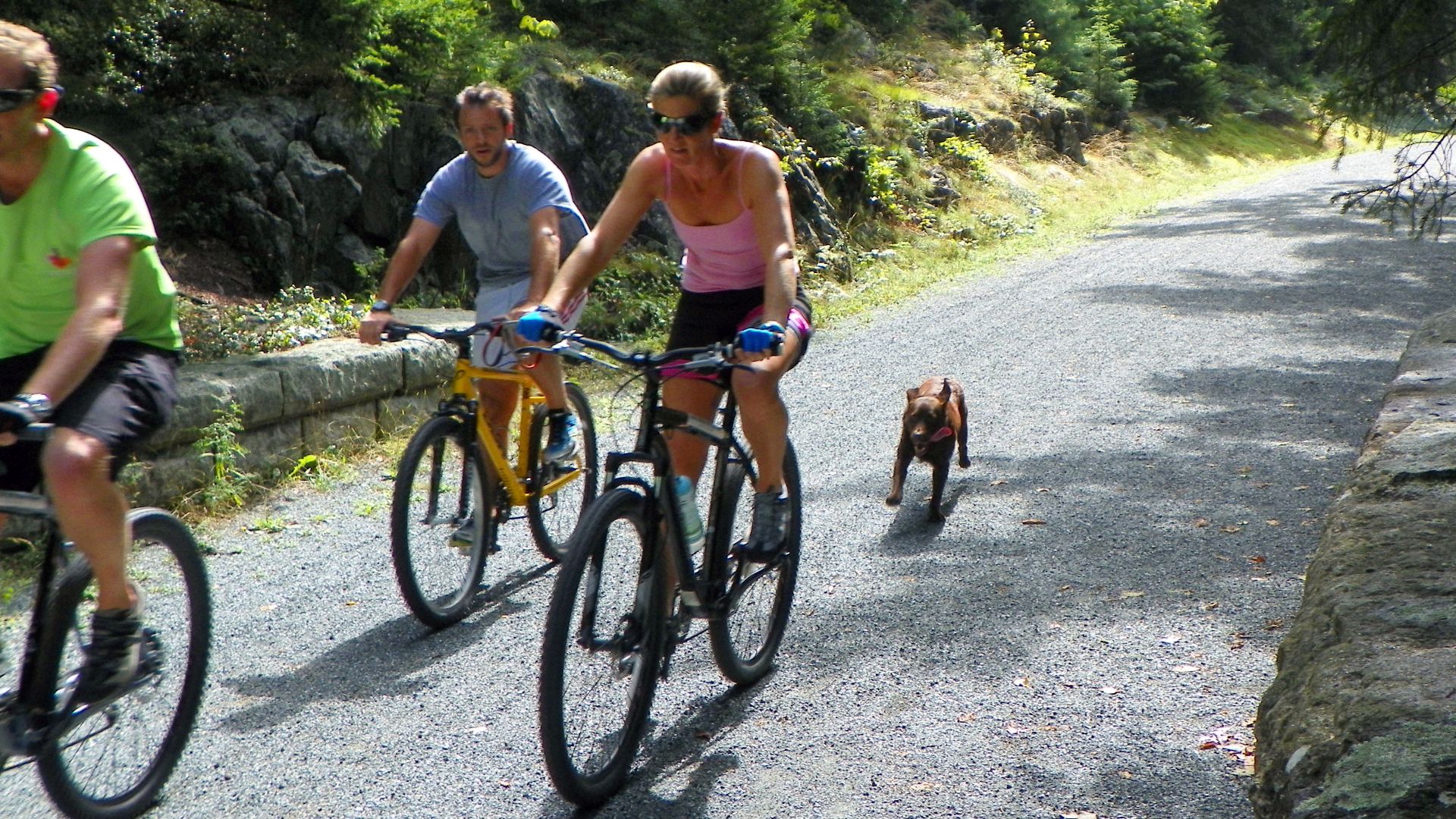
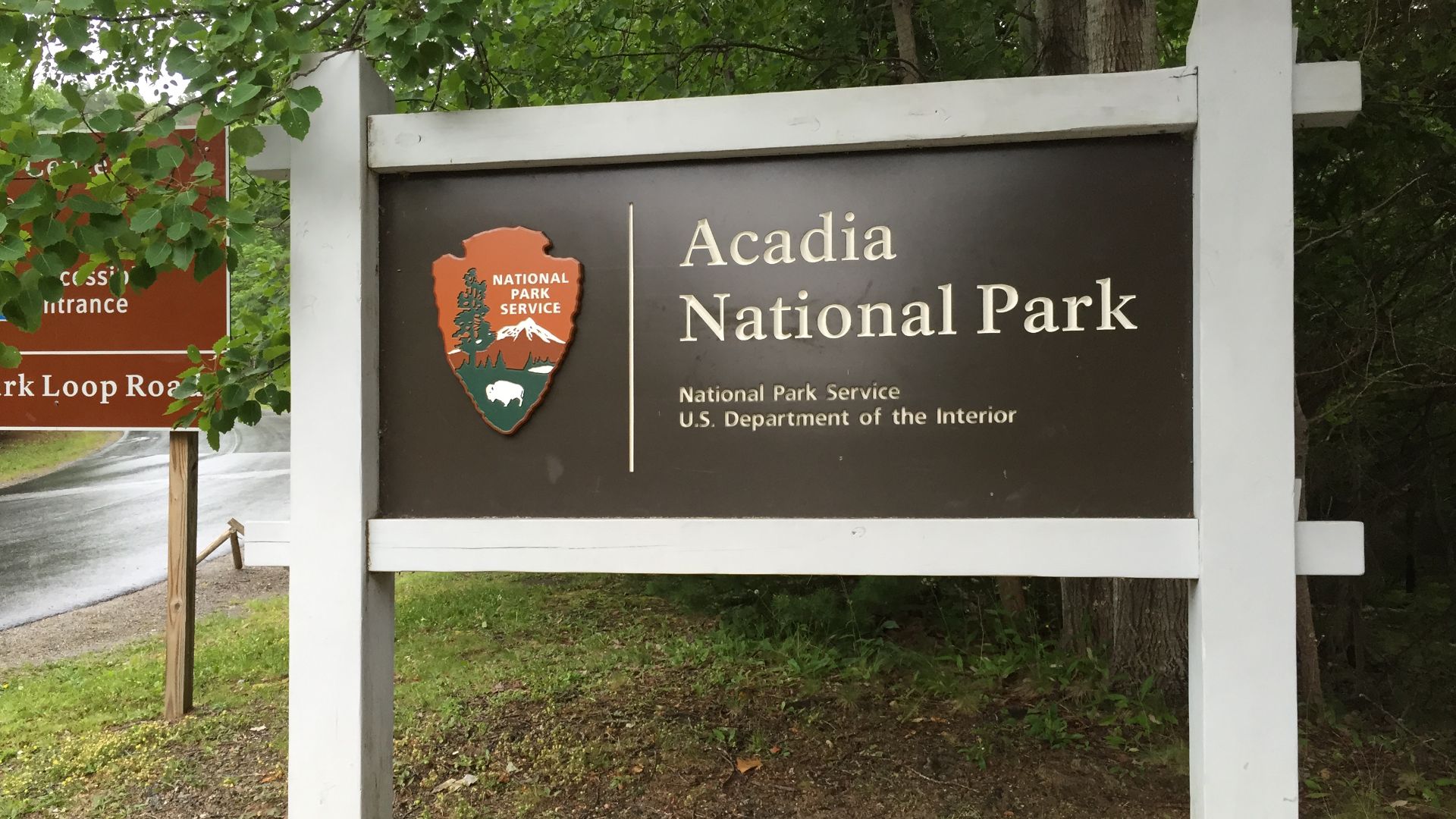
Acadia National Park is often called one of the more dog-friendly national parks, and compared with many others, that is true. Pets are allowed on most carriage roads and many trails, with some closures and ladder trail limits. Even there, you still need to check the rules for the exact route before you go.
 Kevin A. Trostle, Wikimedia Commons
Why Parks Draw The Line
These rules are not random. The National Park Service says pets can disturb wildlife through scent, noise, and chasing behavior. They can also run into hazards like cliffs, thermal features, and extreme heat. In some parks, even a calm dog can lead to a dangerous situation or harm a fragile ecosystem.
Wildlife Stress Is A Big Part Of It
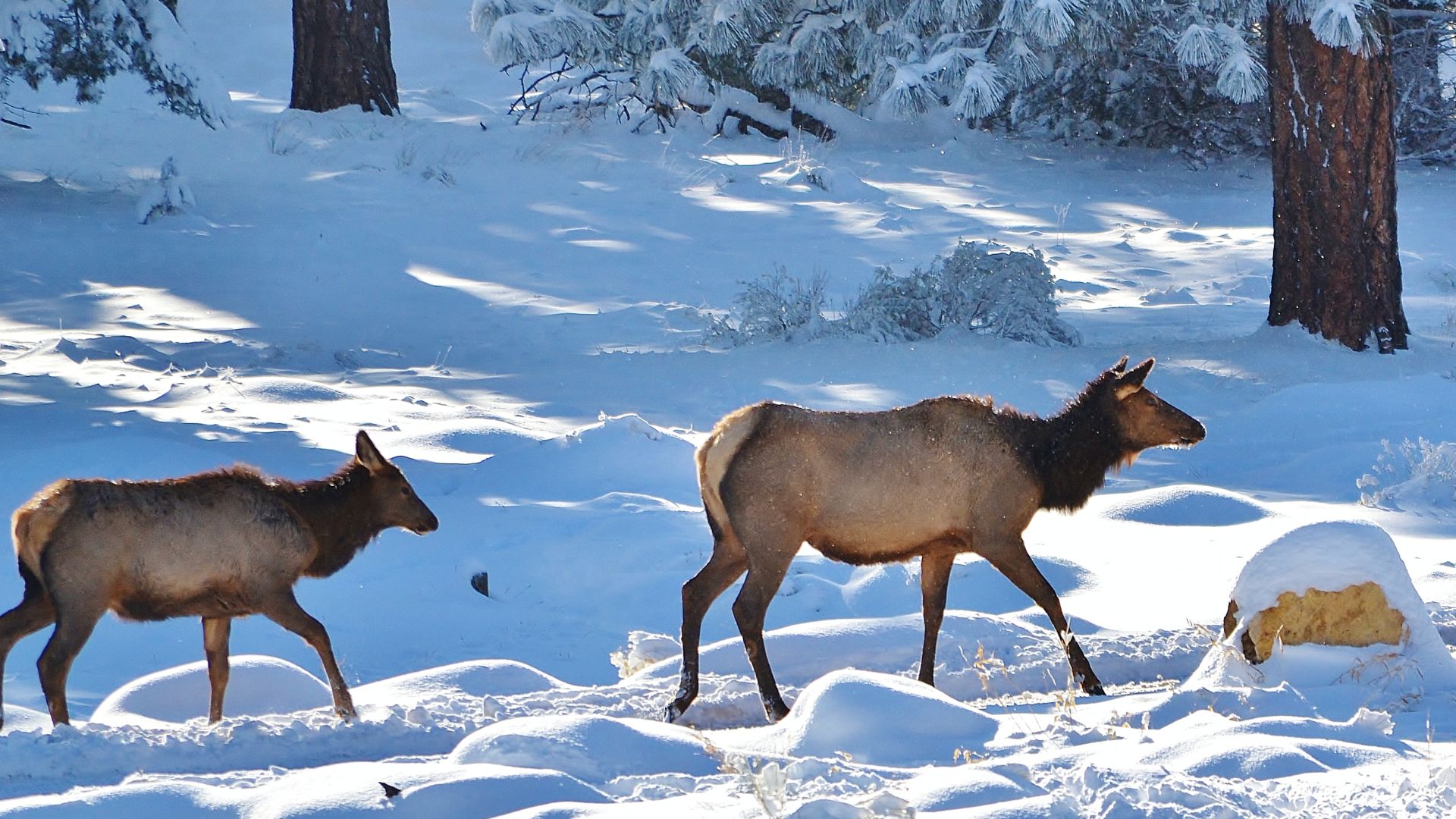
The NPS warns that wild animals may see dogs as either predators or prey, and that can change their behavior fast. Nesting birds, small mammals, and larger animals can all be affected. It also raises the risk of conflict if a protective animal reacts to a pet on a trail or near a roadside stop.
There Is A Disease Risk Too
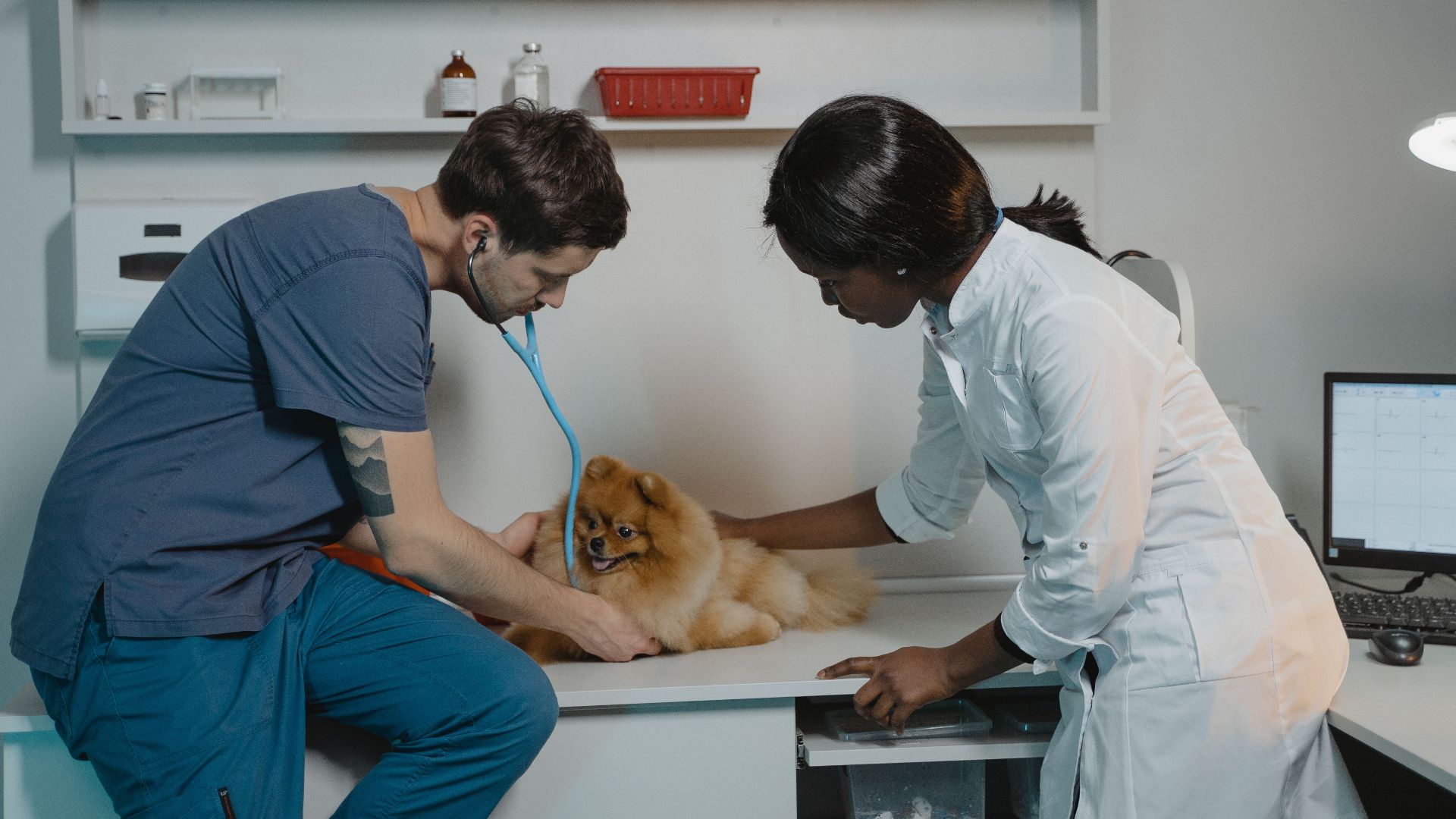
Pets can spread disease to wildlife, and they can also catch disease from wild animals. The Park Service points to this as another reason for pet restrictions in sensitive places. A national park is not the same as a walk around the block.
Strict Rules Can Make The Trip Worse For Everyone
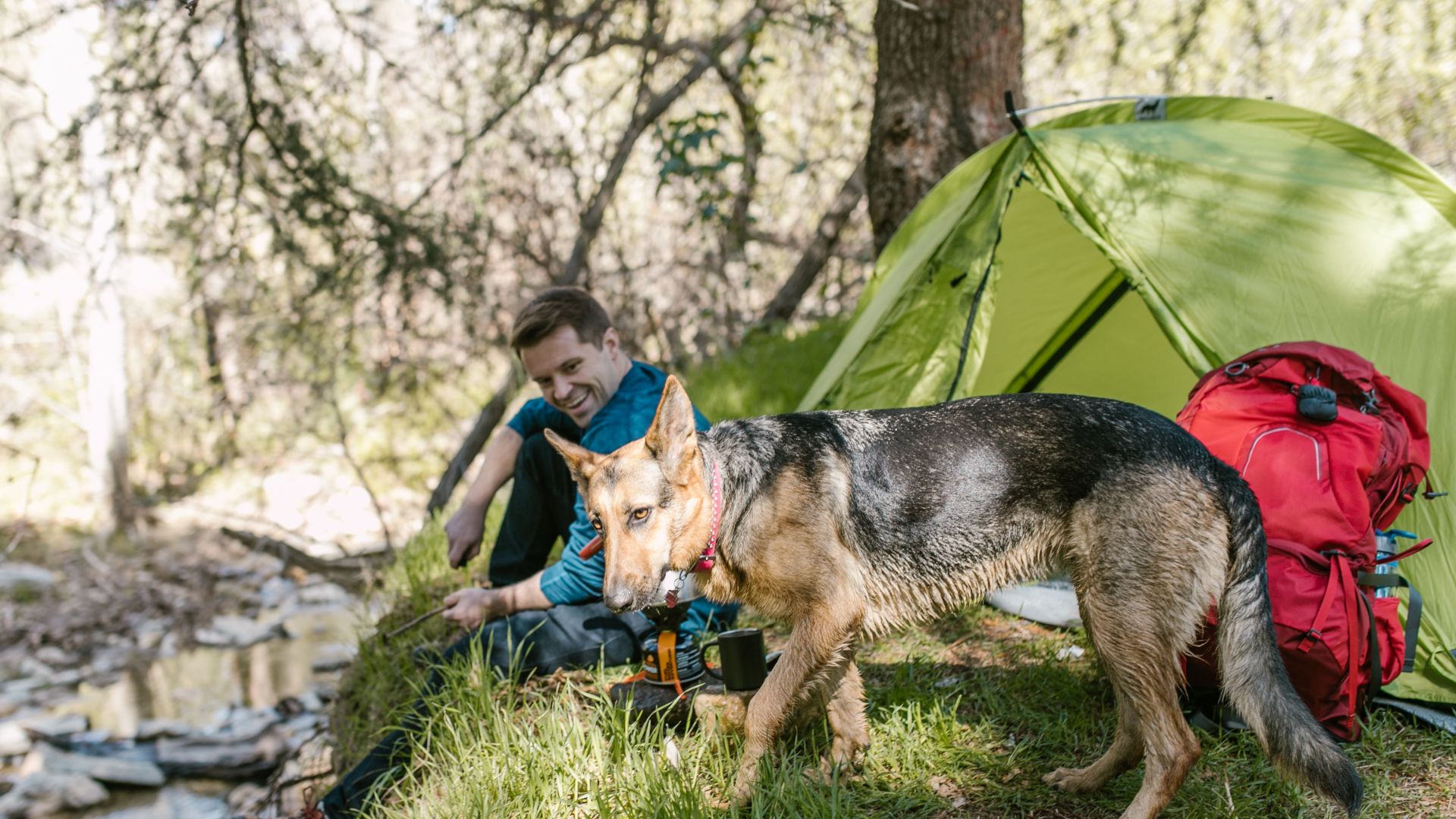
If your parents insist on bringing the dog into a park with heavy pet restrictions, the day can start revolving around who has to stay behind. Someone ends up waiting in a campground or another developed area while everybody else goes hiking. That gets old fast, especially on a trip that is supposed to be shared.
Leaving The Dog In The Car Is Not A Fix
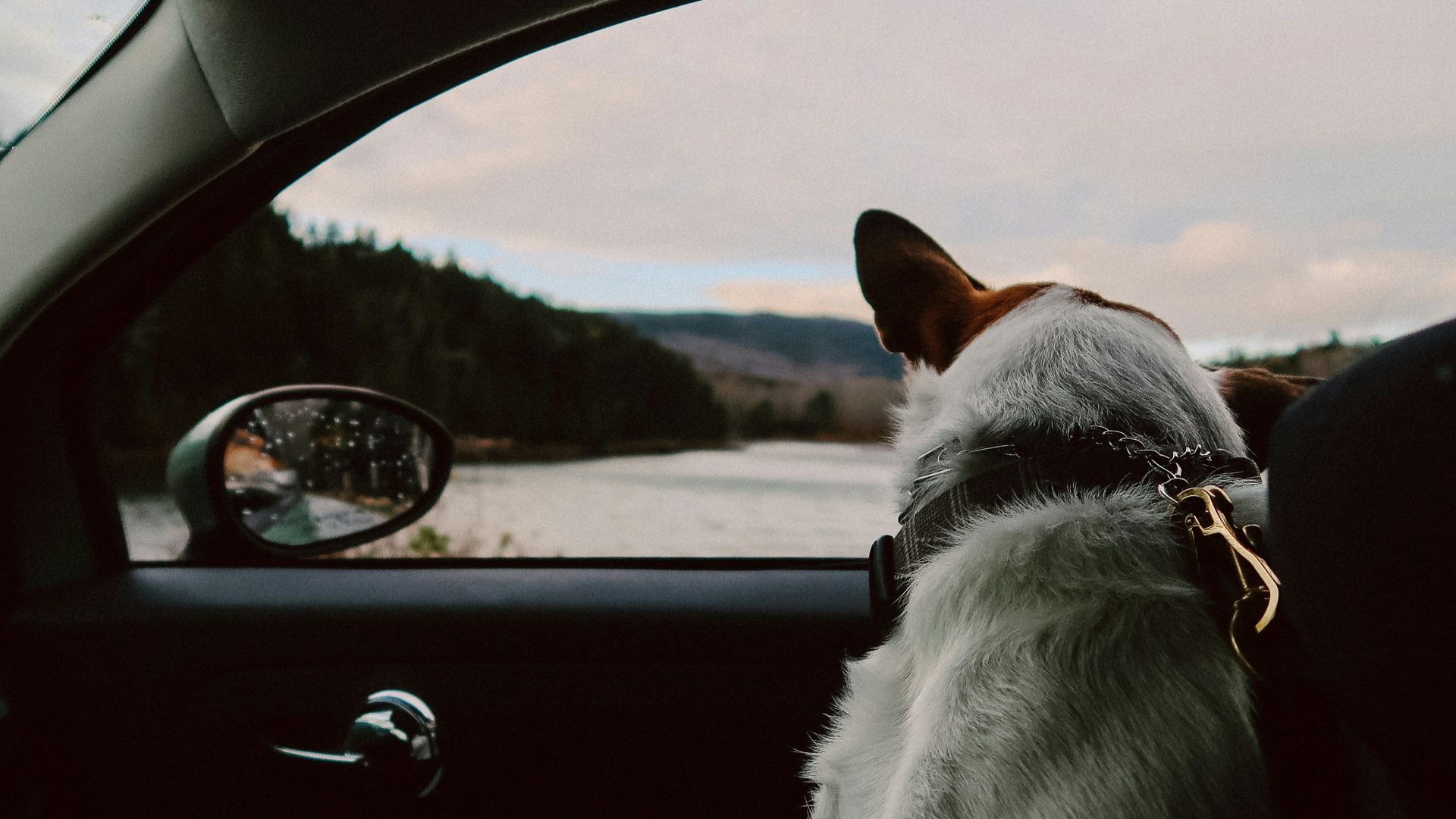
National parks and animal welfare groups consistently warn against leaving pets in vehicles, especially in warm weather. Car temperatures can spike quickly, even when the weather outside does not seem that bad. If the plan only works because the dog will be left parked for a while, the plan does not work.
Boarding Near The Park Is Rare, But It Exists
Some parks or nearby gateway towns have kennel or boarding options, but they are not common and often need to be booked ahead. Grand Canyon National Park is one of the better-known examples where the park provides kennel information. If your parents are open to it, that can save a trip to a place they really want to see.
A Different Park May Simply Make More Sense
Sometimes the easiest answer is not a bunch of workarounds. It is a better destination. If the dog absolutely has to come, picking a place where pets can actually be part of the experience usually leads to a better trip. Acadia is often a stronger fit than parks with strict trail limits.
State Parks And National Forests Can Be Easier
National parks get most of the attention, but they are not always the best choice for people traveling with dogs. Many state parks and national forests have more flexible pet rules, though each place still has its own setup. Swapping one famous destination for a more dog-friendly one can mean more hiking and a lot less family stress.
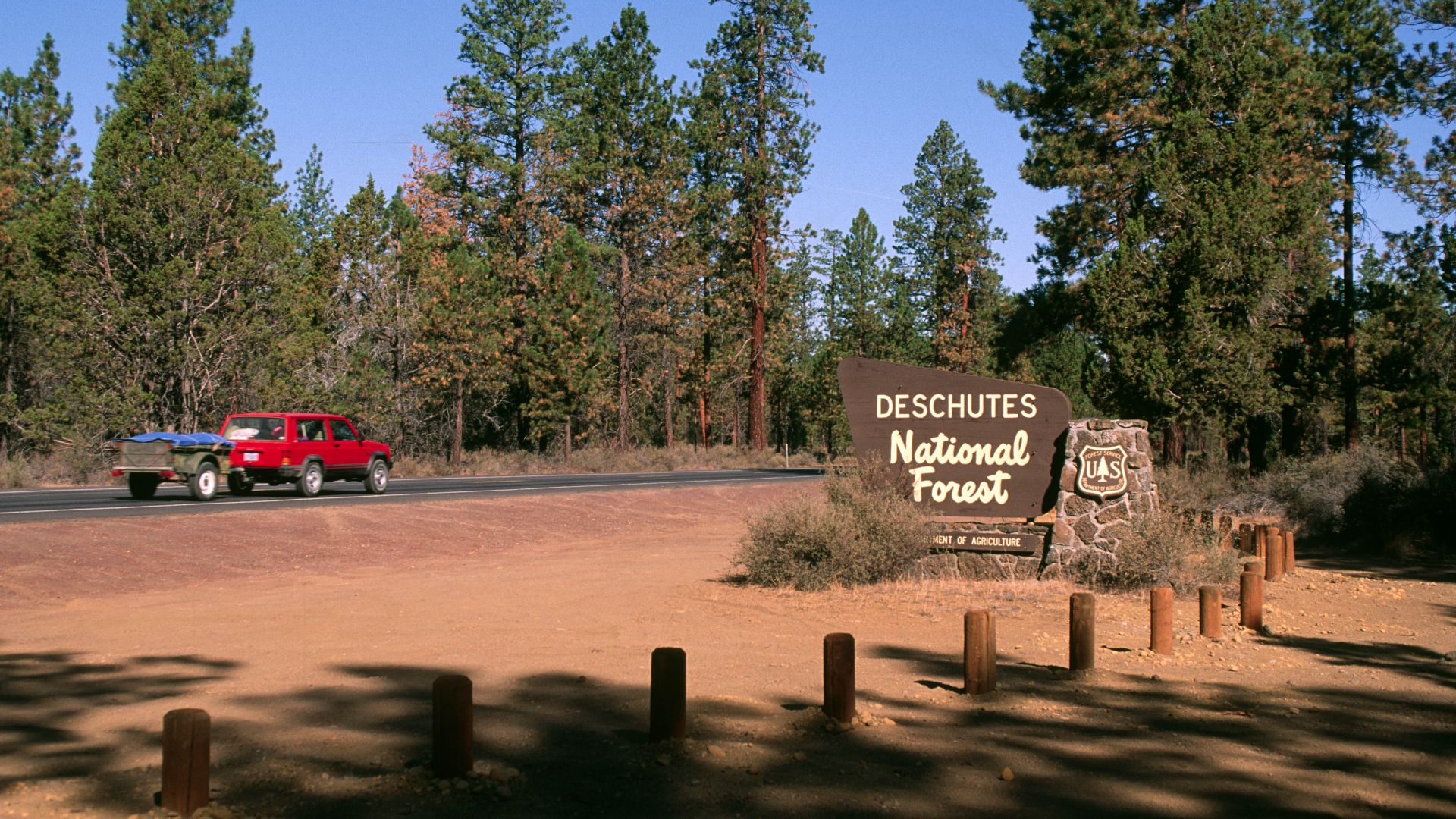 U.S. Forest Service- Pacific Northwest Region, Wikimedia Commons
First Figure Out What Kind Of Trip They Want
This is the key question. If your parents mainly want scenic drives, picnic stops, and short walks in developed areas, some stricter parks may still work. If they want big hikes to major landmarks, bringing the dog will probably undercut the whole reason for going.

Leash Rules Matter More Than People Think
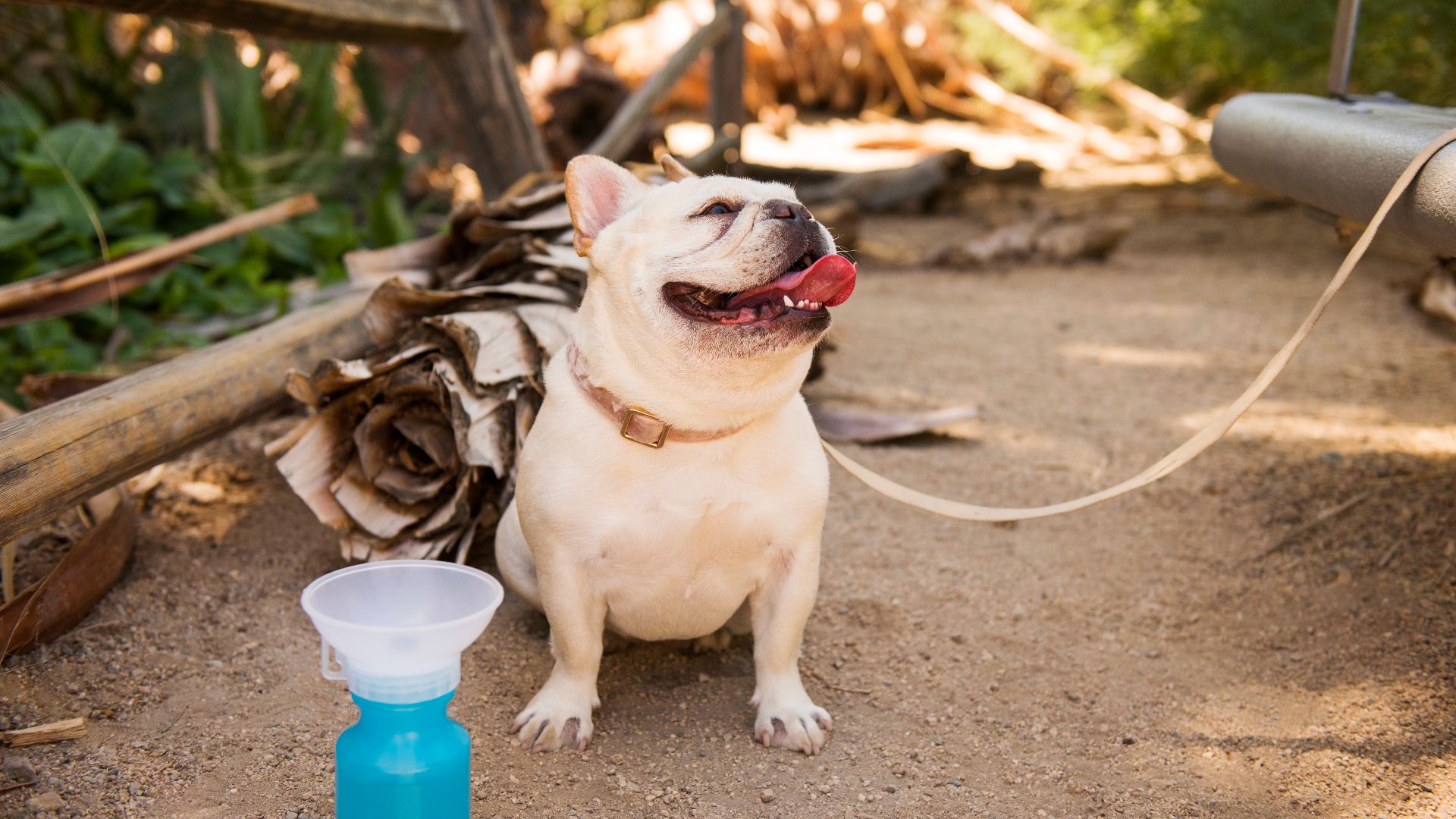
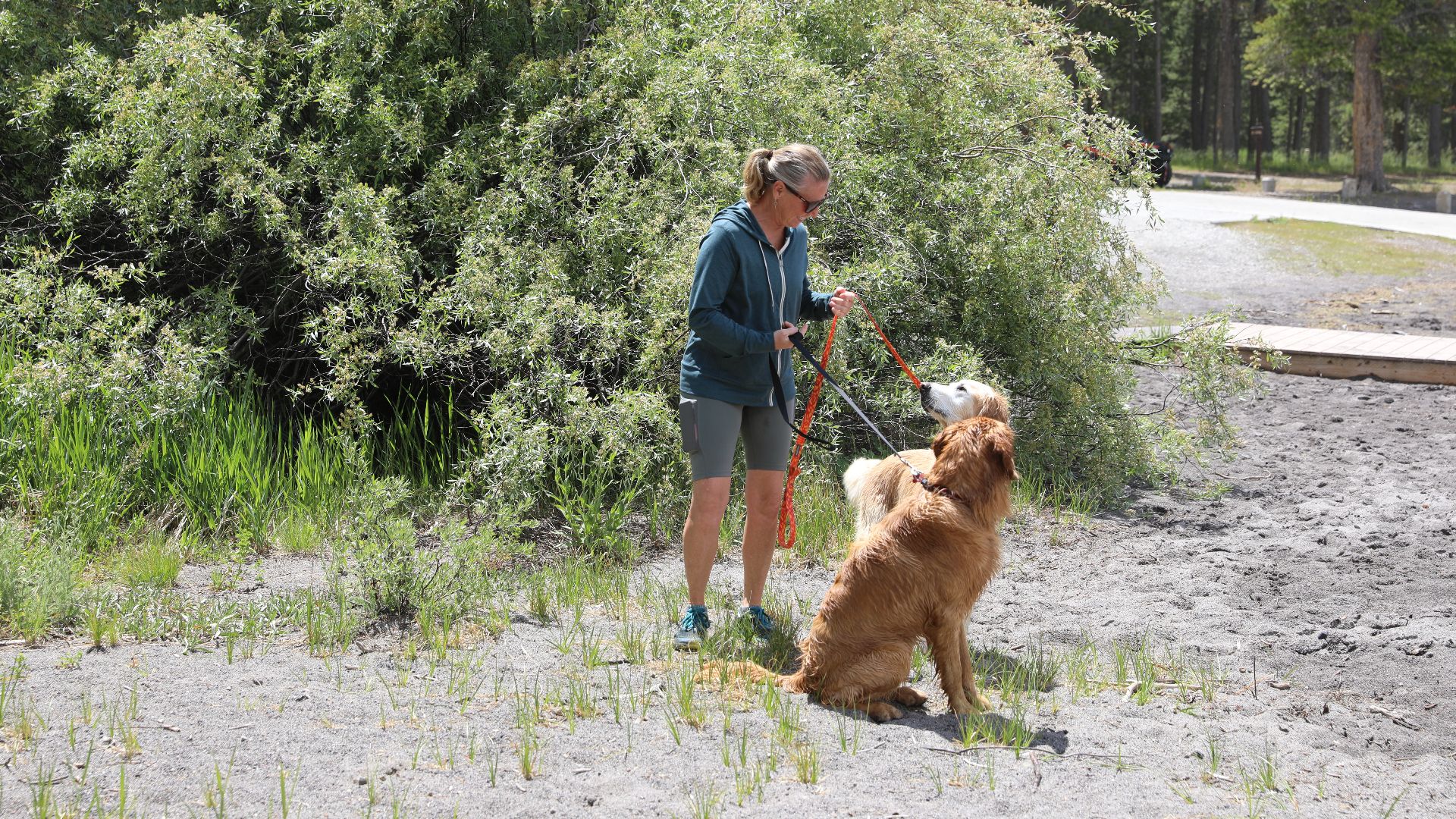
Where dogs are allowed, leash rules are usually strict. Yellowstone requires pets to be physically controlled and leashed at all times, and many other parks use a six-foot leash rule. Retractable leashes and casual off-leash moments are a quick way to run into trouble.
 Joshua Tree National Park, Wikimedia Commons
Service Animals Are Not The Same As Pets
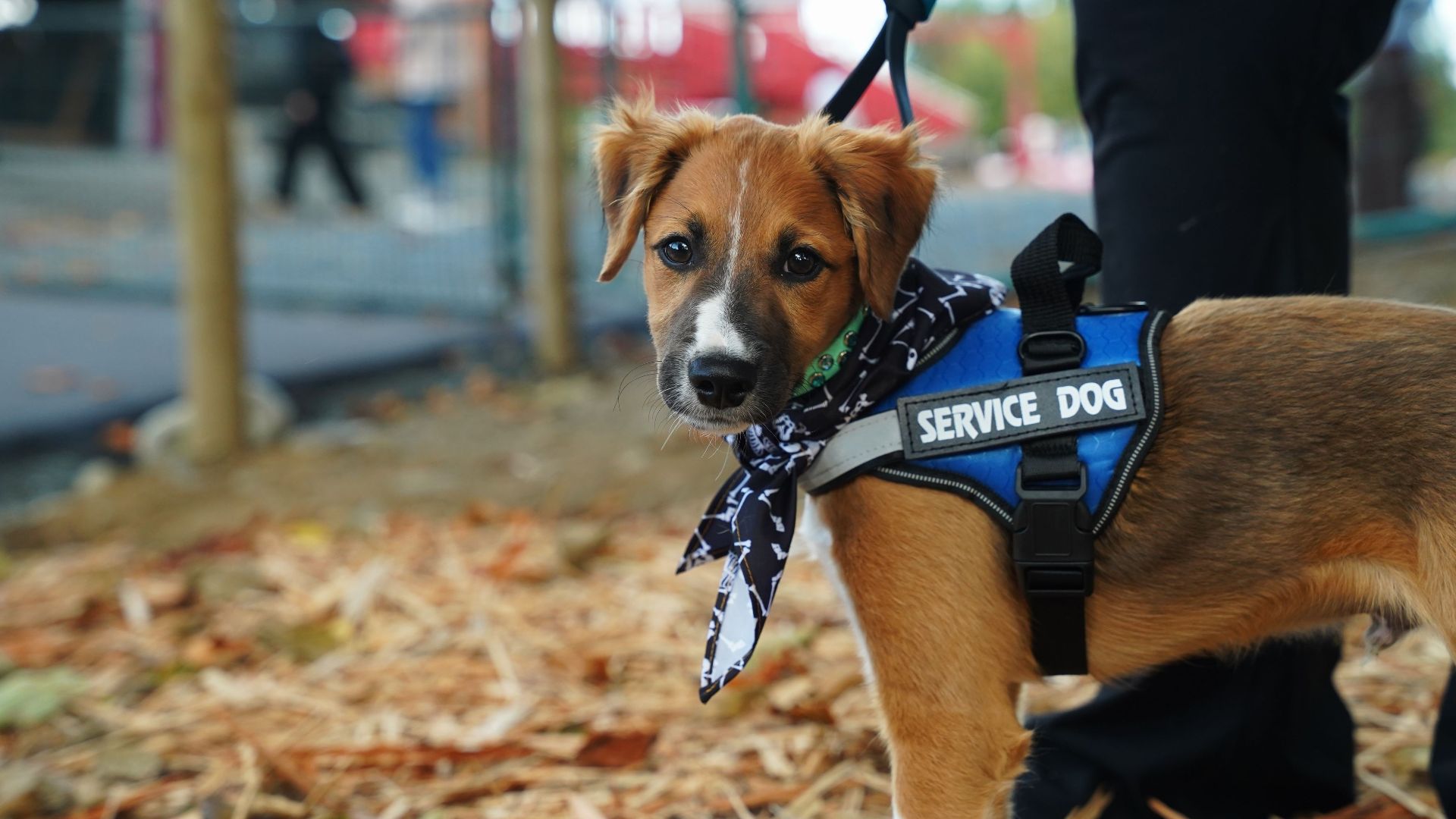
It is important not to mix up pets and trained service animals. The National Park Service says service animals are generally allowed where visitors can go, though safety restrictions that apply to everyone still apply. Emotional support animals do not automatically have the same access under park rules.
Do Not Trust Old Blog Posts
Pet policies change, trails close, and a lot of travel sites repeat outdated information. The safest move is to check the official park website right before the trip and again close to departure. That matters even at parks known for being relatively dog-friendly.

Season And Weather Can Settle The Question Fast
If the destination is hot, crowded, or short on shade, bringing a dog gets much harder. Summer at a busy park can turn pet management into a full-day job. In that kind of situation, changing the destination is often better for the dog and for the people.
Think Past The Entrance Gate
Pet restrictions do not just affect trails. They also shape shuttle use, lodging, and meal stops. A dog that cannot ride the shuttle or go into buildings limits your options all day. That ripple effect is easy to miss when you are planning at home.
 Grand Canyon National Park, Wikimedia Commons
If The Dog Has To Come, Build The Trip Around That
Instead of trying to squeeze a dog into a park that barely allows pets, build an itinerary around places that actually welcome one. Look for parks, forest lands, and nearby towns with dog-friendly trails, patios, and lodging. That way, the dog becomes part of the trip instead of the problem.
 Forest Service - Northern Region, Wikimedia Commons
If The Park Is The Main Event, Leave The Dog At Home
If this is a once-in-a-lifetime trip to a major national park, the cleanest option may be pet sitting or boarding at home. That gives everyone freedom to hike, ride shuttles, and spend full days in the park without constant limits. It can also be safer and less stressful for the dog.

How To Bring It Up Without Starting A Fight
Lead with the facts, not your frustration. Show your parents the official park rules and walk through exactly what the dog would and would not be able to do. Once the limits are clear, the conversation usually becomes a lot more practical.

The Best Question To Ask Before Deciding
Ask this: are we choosing the park first, or the dog first? If the answer is the park, then pet sitting or boarding probably makes more sense. If the answer is the dog, then a more pet-friendly destination is likely the better trip.

So, Should You Change The Trip
In a lot of cases, yes. If the park has strict pet rules and your family wants to do more than short walks in developed areas, changing the destination or changing the pet plan is the practical move. The best vacations are built around reality, and official park pet rules are one reality you do not want to discover too late.