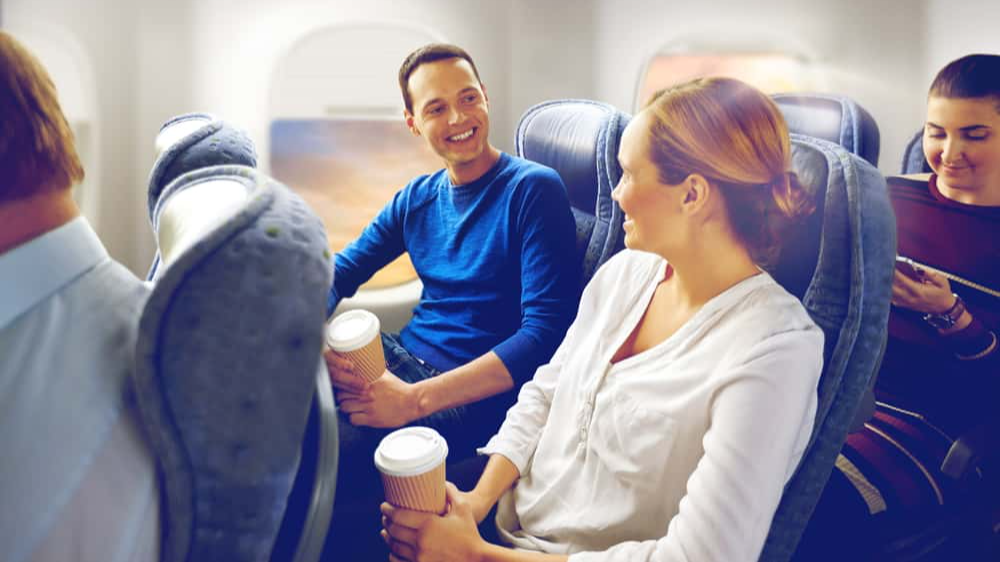
The Upgrade That Started A Family Fight
Imagine your parents used a family's points to book a big vacation for everyone, then they upgraded themselves to first class and left the rest of you back in economy. Is it their right? Is that rude and selfish? One commenter lived it, and it's right at the intersection of loyalty-program rules, family expectations, and plain travel etiquette.
Are they allowed to do it? Yes. But the whole story, from the legal regulations around points to your personal relationship to your parents, is a lot more complicated.

Why This Bothers People So Much
Airline points do not feel like cash. They feel like a shared vacation fund. Families save them for holidays, long flights, and the rare chance to travel a little more comfortably. That is why an upgrade decision can get personal fast, especially when one group ends up stretched out in first class while everyone else is squeezed into the back.

What The Rules Usually Say
In most cases, loyalty points belong to the account holder unless an airline specifically allows pooling or transfer. That matters because the legal right to redeem points is often much clearer than the moral right to use them without talking it through. If the points were pooled under a family account, the parents may have had the authority to redeem them, but that does not automatically make the choice feel fair.

British Airways Makes The Distinction Clear
British Airways Executive Club says members of a Household Account can pool Avios, which can then be redeemed by the Head of Household or nominated members. In other words, the system is built so one person can control a shared balance. That means a family upgrade like this is often allowed under the rules, even if it looks bad.

JetBlue’s Pooling Setup Works The Same Way
JetBlue’s Points Pooling feature also gives real control to one person. The airline says a Pool Leader manages the pool, which means one person can decide how shared points are used. If a parent is that leader, using the balance for their own premium cabin seat may be allowed, but it can still feel lopsided if the pool was built by the whole family.

United Lets Families Pool Too
United MileagePlus introduced family pooling that lets several people contribute miles into one shared balance. The airline explains that a designated pool leader runs the pool and can redeem the miles. That shows the same pattern seen across major programs: one person often has the final say, not the family as a group.

Air Canada Has A Similar System
Air Canada Aeroplan’s Family Sharing feature was created to combine points balances among family members. Aeroplan says designated members can redeem from the shared balance, depending on account permissions. The setup is useful for family travel, but it also leaves room for hard feelings when expectations are never made clear.

Virgin Atlantic Adds Another Example
Virgin Atlantic Flying Club allows points pooling through a household account setup. Like other programs, it makes it easier for families to book one bigger trip together. It also reinforces the same lesson: just because a redemption is allowed does not mean everyone involved will think it was fair.

The Etiquette Problem Goes Beyond The Rules
Travel etiquette experts have long noted that seat upgrades create awkward social dynamics. The reason is simple. Flying is one of the few situations where comfort is split very publicly, and everyone can see exactly who got the perk and who did not.
What Travel Advisors Usually Recommend
Many travel advisors say families should decide ahead of time how points will be used, especially if more than one person helped earn them. The advice is not glamorous, but it works. A five-minute conversation before booking can prevent a five-hour grudge at 35,000 feet.

When It Feels Like Their Right
There are cases where many people would shrug and say the parents earned it. If they paid for most of the trip, earned most of the points through their own spending, and simply chose to use them as they wished, plenty of travelers would call that their right. Loyalty programs are built around individual account ownership, and adults are usually free to spend their rewards how they want.
 Monkey Business Images, Shutterstock
When It Starts To Look Selfish
The situation shifts if the points were treated as family points, or if children or other relatives contributed spending and expected the rewards to help the group. It can also look selfish if the upgrade happened without warning, especially on a long-haul flight where comfort matters more. The issue is not just the front cabin. It is the surprise and the imbalance.

Long Flights Change The Math
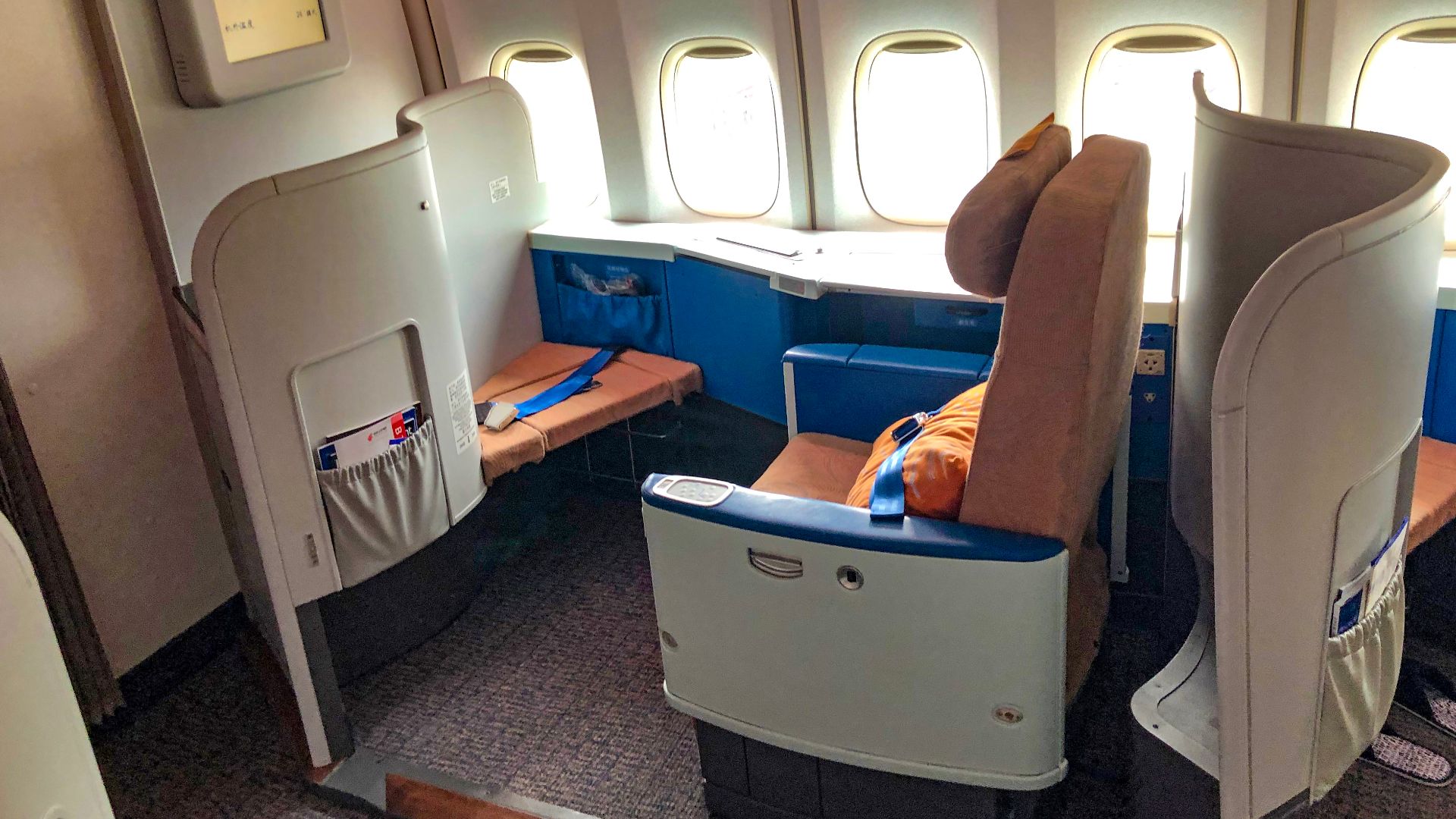
On a short domestic hop, this might barely register. On an overnight transatlantic or transpacific flight, the gap between first class and economy becomes much sharper. Lie-flat beds, lounge access, better food, and priority service can make the split feel like a very public statement about who matters most on the trip.

Airlines Sell That Gap For A Reason
Premium cabins are marketed as a much better experience, not just a slightly wider seat. Airlines promote extra privacy, upgraded dining, lounge access, larger baggage allowances, and more attentive service. When parents take all of that for themselves using a shared resource, it is easy to see why relatives left in economy might feel burned.
The Family Pool Trap
Pooling programs are great for reaching an award faster, but they can also blur ownership. People contribute points little by little and start thinking of them as communal. Then one redemption makes it clear that the official rules and the emotional reality were never quite the same thing.
 Jacob Wackerhausen, Getty Images
What A Fairer Approach Might Look Like
If there are not enough points for everyone to move up, many families choose rotation. On one trip, the parents upgrade. On another, someone else gets the better seat, or the points are saved until more people can benefit together. That does not solve scarcity, but it spreads both the comfort and the goodwill.

Another Practical Option Is Premium Economy
Instead of two people jumping all the way to first class, some families use points or cash to move more people into premium economy. That can be a much better compromise on long flights. Everyone gets a more comfortable trip, and no one has to stare at the curtain knowing exactly where the family points went.

Transparency Matters More Than Luxury
What often makes people angry is not the upgrade itself but the lack of discussion. If parents say in advance, “We are using our points for two first class seats because we paid for this trip,” some relatives may still be disappointed, but at least expectations are clear. Surprise decisions usually create the strongest sense of betrayal.

Adult Children See This Differently Than Minors
Age matters here. If the people left in economy are independent adults, some readers will say they are old enough to buy their own upgrade if they want one. If they are younger children or dependents who helped earn points through family spending and had no voice in the booking, the fairness argument becomes much tougher for the parents.

There Is Also A Safety And Logistics Angle
Families with young children usually need to think beyond comfort. Parents seated away from minors can create practical problems, and airlines generally expect caregivers to sit near children. In those cases, a self-upgrade that separates parents from dependents is not just awkward. It may be unrealistic or irresponsible.
What Consumer Guidance Suggests
Consumer travel advice usually comes back to two things: clear communication and understanding the account rules before pooling rewards. That means checking who controls redemption power, who contributed points, and whether everyone agrees on the purpose of the pool. Families rarely fight over terms they actually discussed in advance.

The Emotional Value Of Points Is Real
Points are not just numbers on a screen. They represent spending choices, loyalty, fees paid, and often months or years of anticipation. When one person cashes in the shared comfort dividend for themselves, the rest of the group may feel like their contributions were quietly downgraded.

So Is It Selfish Or Their Right
The most honest answer is that it can be both. It may absolutely be their right under airline rules if they control the account or the family pool. But if the points were understood to be a shared family resource and the upgrade happened without buy-in from everyone else, many people would reasonably see the move as selfish.

The Best Rule For Families Using Points
Treat points the way you would treat shared vacation money. Decide who owns them, who can spend them, and what the priorities are before anyone starts browsing seat maps. That conversation may be less exciting than a first class suite, but it is far more likely to get the whole family to the destination in one piece emotionally.

If You Are Starting A Family Pool, Read This First
Before combining rewards, check the airline’s official rules for pooling, redemption authority, and nominee restrictions. British Airways, JetBlue, United, Air Canada, and Virgin Atlantic all allow some form of shared or household redemption, but the control systems vary. Knowing exactly who can press the redeem button is the best way to avoid finding out at the gate.

The Verdict For Travelers Watching From Economy
If your parents used family points to upgrade only themselves, your frustration is understandable. Whether they were wrong depends on who truly owned the points, who contributed, and whether anyone talked about it first. In travel, the fine print may settle the rules, but family peace usually depends on the conversation that happens before boarding.