The Cash-Only Tax Question That Makes Travelers Pause
You check in, hand over your card, and everything seems normal until the front desk says the city tax has to be paid in cash. It's especially strange when the hotel is happy to put the room, minibar, and breakfast on your card. Sometimes, this could is completely standard—but sometimes it's a sign to slow down and ask a few questions.

What A City Tax Usually Is
A city tax, tourist tax, or occupancy tax is a local fee charged to overnight guests. In Europe, these fees are often set by cities or regions, and the amount can change based on the hotel type, the season, or how long you stay. The main thing to know is that the tax itself is often real, even if the payment method varies.

Why Cash Requests Raise Eyebrows
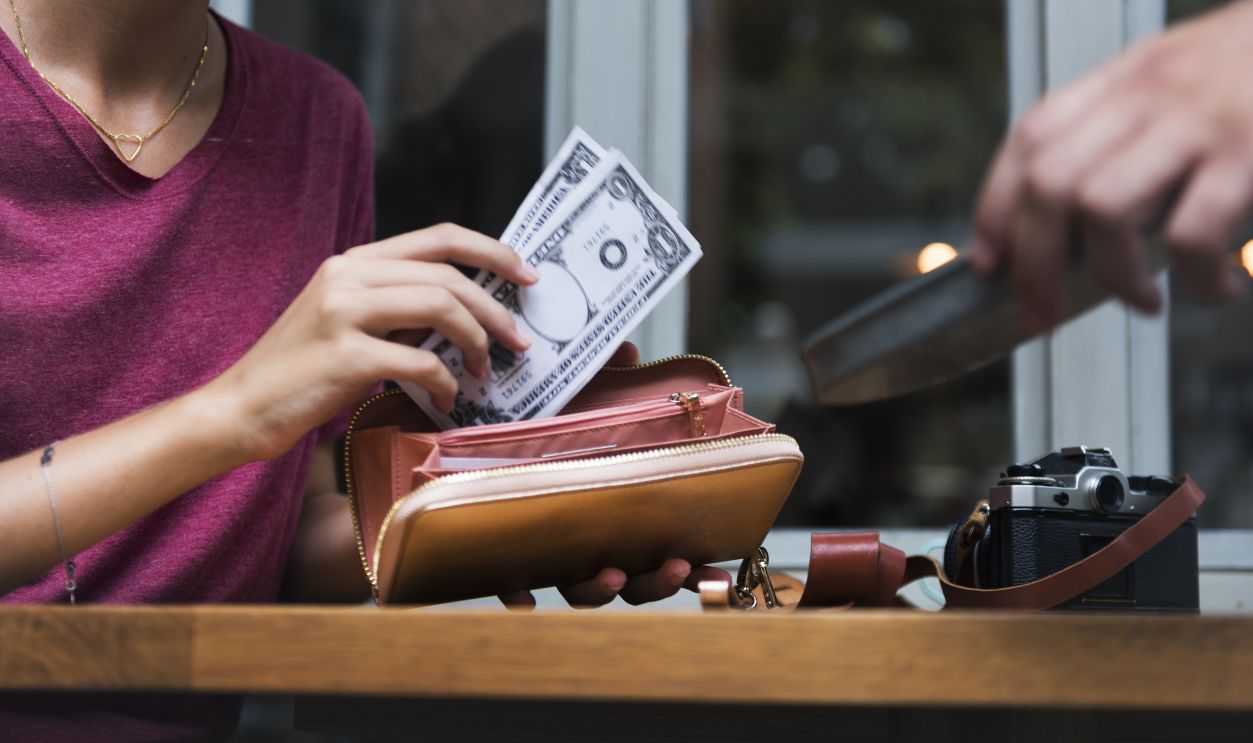
Cash is harder to trace than a card payment, so travelers naturally get wary when a hotel insists on it. A legitimate hotel may still ask for cash if local rules or old billing systems make it easier to handle the tax separately from the room bill. But if the charge shows up nowhere in your booking terms or receipt, suspicion is fair.
Start With The Booking Fine Print
Before assuming the worst, check your reservation confirmation on the hotel website or booking platform. Many listings clearly say that city tax is not included in the advertised rate and must be paid at the property. Booking.com, for example, notes in its help pages that some extra charges, including city or tourist tax, may be collected at the property instead of being included in the booking price.

What Major Booking Sites Say
Expedia says local government taxes or fees may be charged at check-in or check-out, depending on the property and destination. Hotels.com also says mandatory fees can include city or local taxes payable at the property. So the idea of paying a local tax separately is not unusual, even if it catches people off guard.

Real City Taxes Do Exist In Big Destinations
Take Amsterdam, where the city openly applies a tourist tax and publishes the rules. The City of Amsterdam explains that overnight visitors pay tourist tax and lays out how it is calculated. When the city itself publishes the charge, that is a strong sign the fee is legitimate, even if a guest missed it when booking.

Italy Is Another Common Example
Rome has long charged a contributo di soggiorno, or stay tax, for overnight visitors in accommodations across the city. Roma Capitale publishes the rates and exemptions, including different amounts depending on the type of accommodation. If your hotel in Rome asks for a tourist tax, it is easy to confirm that the tax itself is real.

Paris Makes The Same Point
In Paris, the taxe de séjour is also a standard part of many stays. The Paris tourist office explains that the amount depends on the type of accommodation and may include an added regional surcharge. So the tax itself is not the red flag. The real question is whether the hotel is charging the correct amount and recording it properly.

Cash-Only Does Not Always Mean Scam
Some smaller hotels, guesthouses, and family-run properties still collect minor local taxes in cash because their systems are old or because they pass the charge directly to the municipality. In some places, that has simply been normal for years. Annoying does not automatically mean dishonest.
But The Lack Of Transparency Is A Problem
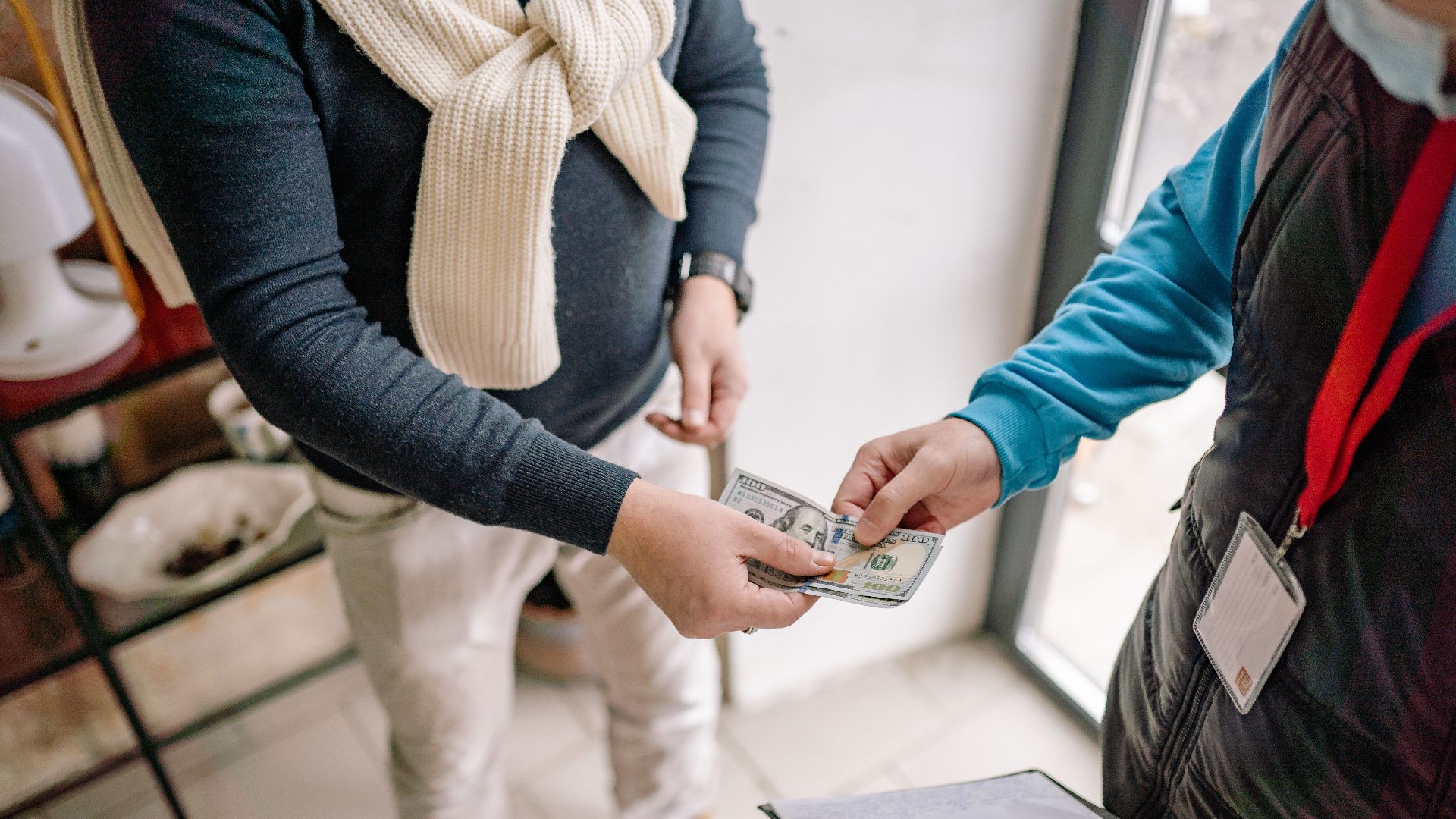
The more troubling case is when the hotel drops the charge on you without warning. Consumer protection guidance in many countries stresses that mandatory charges should be disclosed before booking. If the property hid the fee until arrival, you may be dealing with sloppy compliance at best and something shadier at worst.

Ask The Front Desk Two Simple Questions
First, ask which authority imposes the tax and what the current rate is. Second, ask for an itemized receipt showing the tax separately from the room charge. A legitimate property should be able to answer both quickly and clearly.

The Receipt Is Your Best Friend
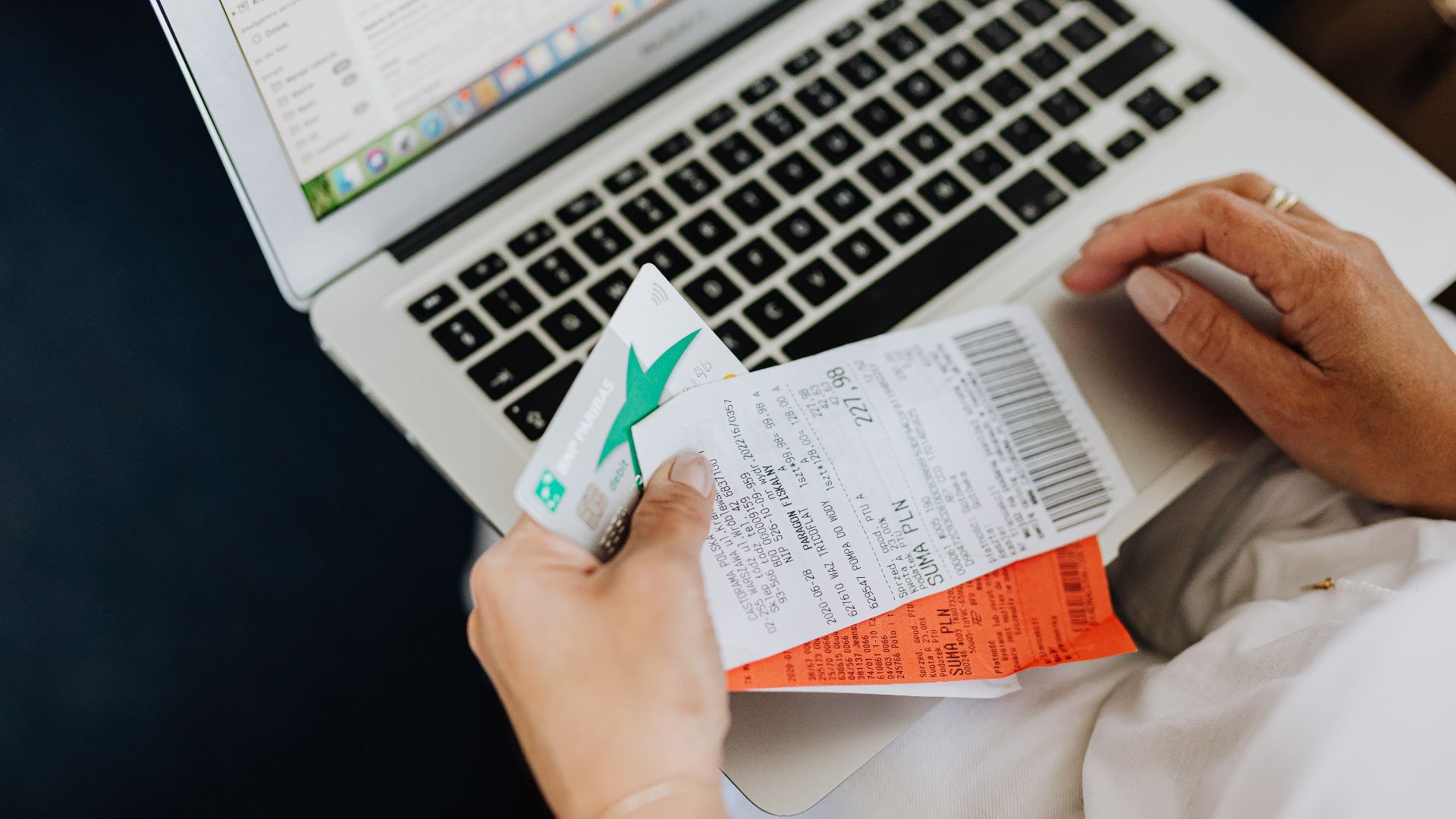
If the hotel says the tax is real but cannot give you a receipt, that is a warning sign. A proper receipt helps you verify the amount later and gives you proof if you need to dispute the charge with the booking platform. It also makes it much harder for a dishonest staff member to pocket the cash.
 https://kaboompics.com/, Pexels
Compare The Amount With Official City Rules
This is where a quick phone search can save you money. Many city halls and tourism boards publish current tourist tax rates online, often down to the exact amount per person per night. If the hotel's number is much higher than the official rate, push back politely before paying.

Check Whether Your Booking Already Included It
Some prepaid reservations include taxes and fees, while others leave out local tourist taxes. That difference matters. Look for phrases like “excluded from the price,” “payable at the property,” or “local tax not included” in your confirmation email.

When A Card Should Be Possible
If the hotel accepts cards for almost everything else, it is fair to ask why the city tax cannot go on the card too. Sometimes the answer is just a technical or accounting quirk. But if the explanation is vague, defensive, or keeps changing, trust your instincts and ask for a manager.

Red Flags That Deserve Extra Caution
Be careful if the amount is oddly rounded, if staff refuse to name the tax, or if they say it will not appear on any receipt. Another warning sign is pressure to pay right away without giving you time to review your booking terms. Those details matter more than the simple fact that cash was requested.

What If The Hotel Says It Is A Government Rule
That claim is easy to check because real government-imposed city taxes are usually published by the city, region, or tourism authority. If staff say it is required by law, ask which law or municipality set it. Honest operators usually have no problem answering that because they get the question all the time.

Small Properties Can Be Messier Than Big Chains
Large hotel chains often build taxes into standard billing systems, while independent properties may use more manual processes. That can make a cash request more common at a small inn than at a global brand. Still, even a small property should tell you about mandatory fees before arrival and give you proof of payment.

What Consumer Agencies Want You To Watch For
Consumer advice from agencies like the UK Competition and Markets Authority has pushed the travel industry toward clearer upfront pricing. The basic idea is simple: mandatory fees should not appear as a surprise once you have effectively committed to the booking.

If You Feel Pressured, Slow The Conversation Down
There is no prize for paying fastest at the front desk. Pull up your booking confirmation, ask for the total in writing, and compare it with the city's published rate if you can. A short pause can tell you whether you are facing a normal local charge or a weak explanation.

How To Protect Yourself Before You Travel
Look up the destination's tourist tax before you arrive, especially in European cities where these charges are common. Check the hotel's own website and your booking platform listing for any mention of local taxes. Two minutes of prep can make the check-in desk much less stressful.

What To Do If You Already Paid And Regret It
Keep any receipt, note the date and amount, and take a photo of any sign at the desk mentioning the tax. Then contact the booking platform or your card issuer if other charges were misleading, and report the issue to local consumer authorities if needed. Even if the tax was real, you may still have grounds to complain if it was poorly disclosed.
 Centre for Ageing Better, Unsplash
How To Tell The Difference Between Unusual And Unlawful
Unusual means the tax is real, the amount matches official rules, and the hotel documents the payment even if it insists on cash. Unlawful or suspicious means the amount cannot be verified, the staff avoid paperwork, or the fee clashes with your confirmed booking terms. That is the key distinction.

Why This Happens So Often In Europe
Tourist taxes are common across Europe and are often managed locally, which creates a patchwork of rules. One city may charge per person per night, another may base the rate on hotel class, and another may add regional surcharges. That inconsistency is a big reason travelers get confused.

The Safest Response At The Desk
Stay calm, ask for the legal basis or city authority behind the tax, and request a receipt before handing over cash. If the staff can show the posted rate and your booking says the fee is excluded, the request is probably legitimate. If they cannot, you have a good reason to challenge it.
So, Is It Suspicious?
Not automatically. A cash-only city tax can be perfectly legitimate, especially in places where local tourist taxes are common and collected separately. It becomes suspicious when the fee was not disclosed, the amount does not match official rates, or the hotel refuses to provide documentation.

The Bottom Line For Travelers
The real issue is not that a hotel asked for city tax in cash. It is whether the details hold up when you ask basic questions. Verify the charge, compare it with official city rules, and insist on a receipt, and you will usually figure out very quickly whether this is standard travel admin or something worth reporting.