The Fine Print Can Shape The Whole Stay
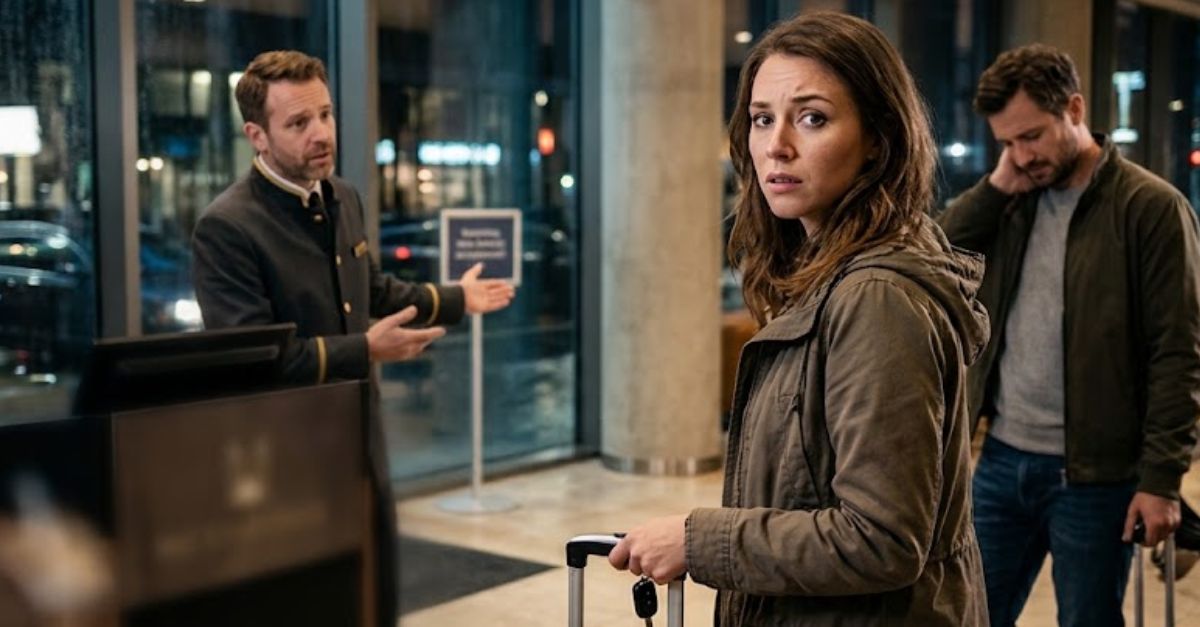
If you book a hotel with “free parking,” you're right to assume you're going to be able to park there for free. Then you show up late and find out the ten free parking spots filled up hours ago. The steep last-minute parking fee is exactly why clear disclosure from hotels matters in these situations.
Why This Question Comes Up So Often
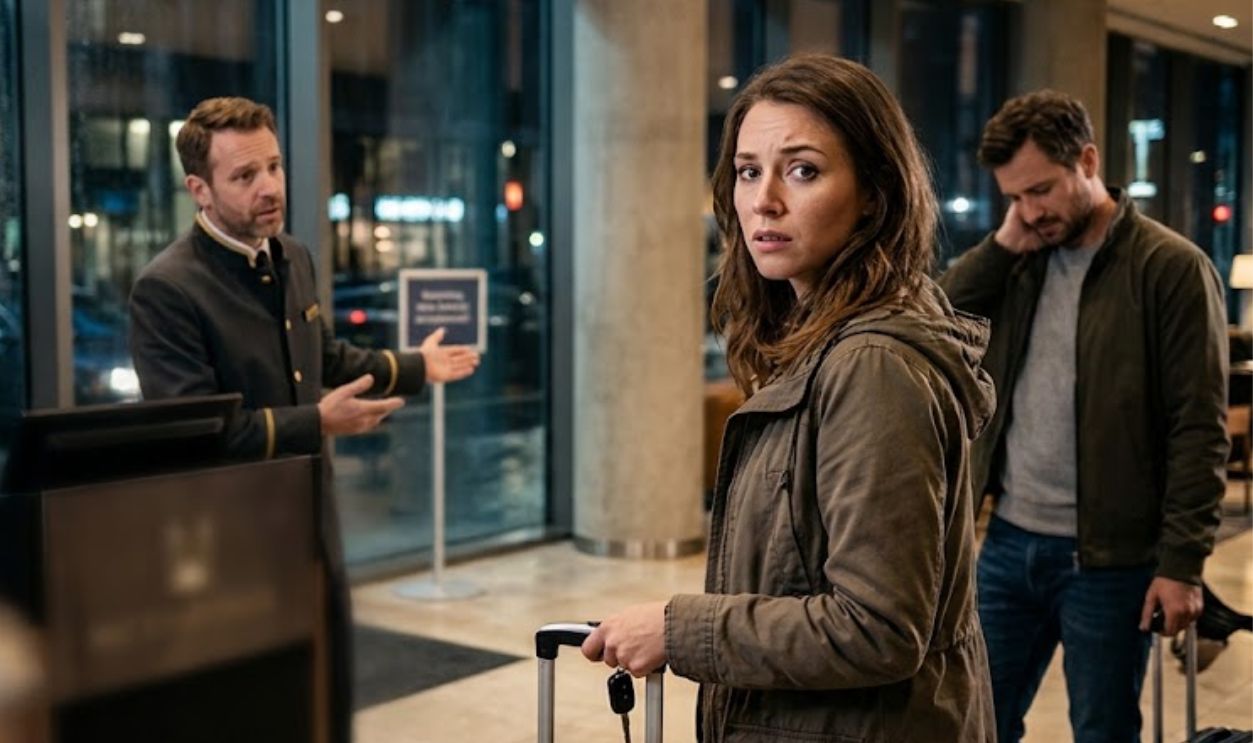
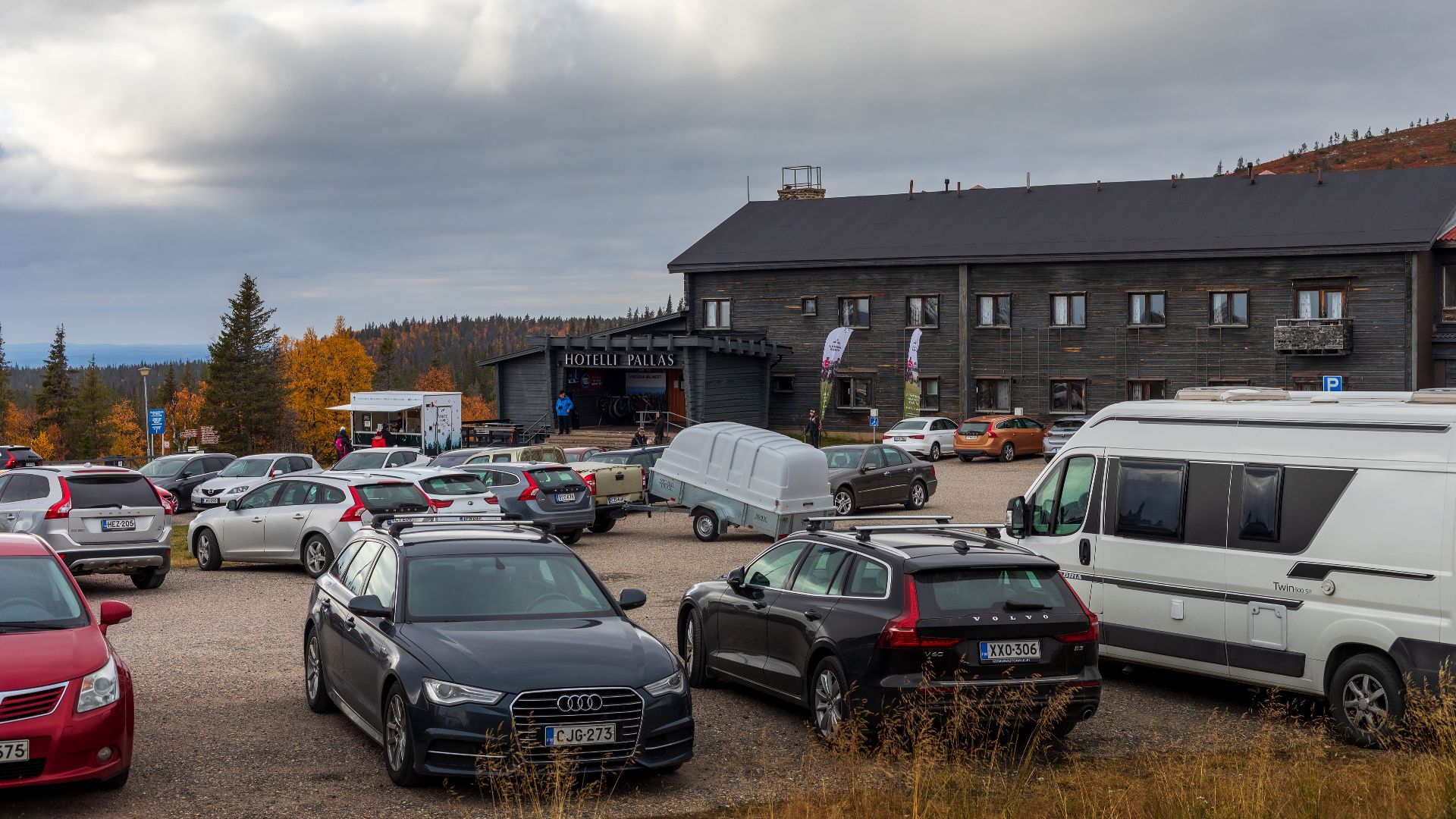
Parking is one of the hotel amenities people search for most, especially road trippers, families, and travelers staying near airports or in the suburbs. When a listing says “free parking,” most guests take that to mean parking will be available during their stay, not that it is a tiny first-come, first-served perk with a hard cap. If that limit is not clearly disclosed before booking, frustration is almost built in.

What Federal Guidance Says About Hotel Pricing
In December 2024, the U.S. Federal Trade Commission announced a final Rule on Unfair or Deceptive Fees. The rule targets misleading pricing in live-event ticketing and short-term lodging, including hotels and vacation rentals. The FTC said businesses must clearly and plainly disclose the total price and cannot misrepresent fees or charges.
 Ximonic (Simo Räsänen), Wikimedia Commons
Why Parking Disclosures Fit The Bigger Consumer Issue
The FTC’s 2024 rule mainly focuses on mandatory charges, but the core idea reaches further. Consumers should not be misled about important terms that affect what they will pay or what they will get. If parking is advertised in a way that suggests broad availability, a hidden ten-car limit could be a meaningful omission.
Material Information Matters
The FTC explains that a claim can be deceptive if key qualifying information is left out. For many travelers, parking is not some small side issue. If a hotel knows only ten vehicles can use the free spaces, that may be important enough that a guest would want to know it before booking.

The First-Come Problem
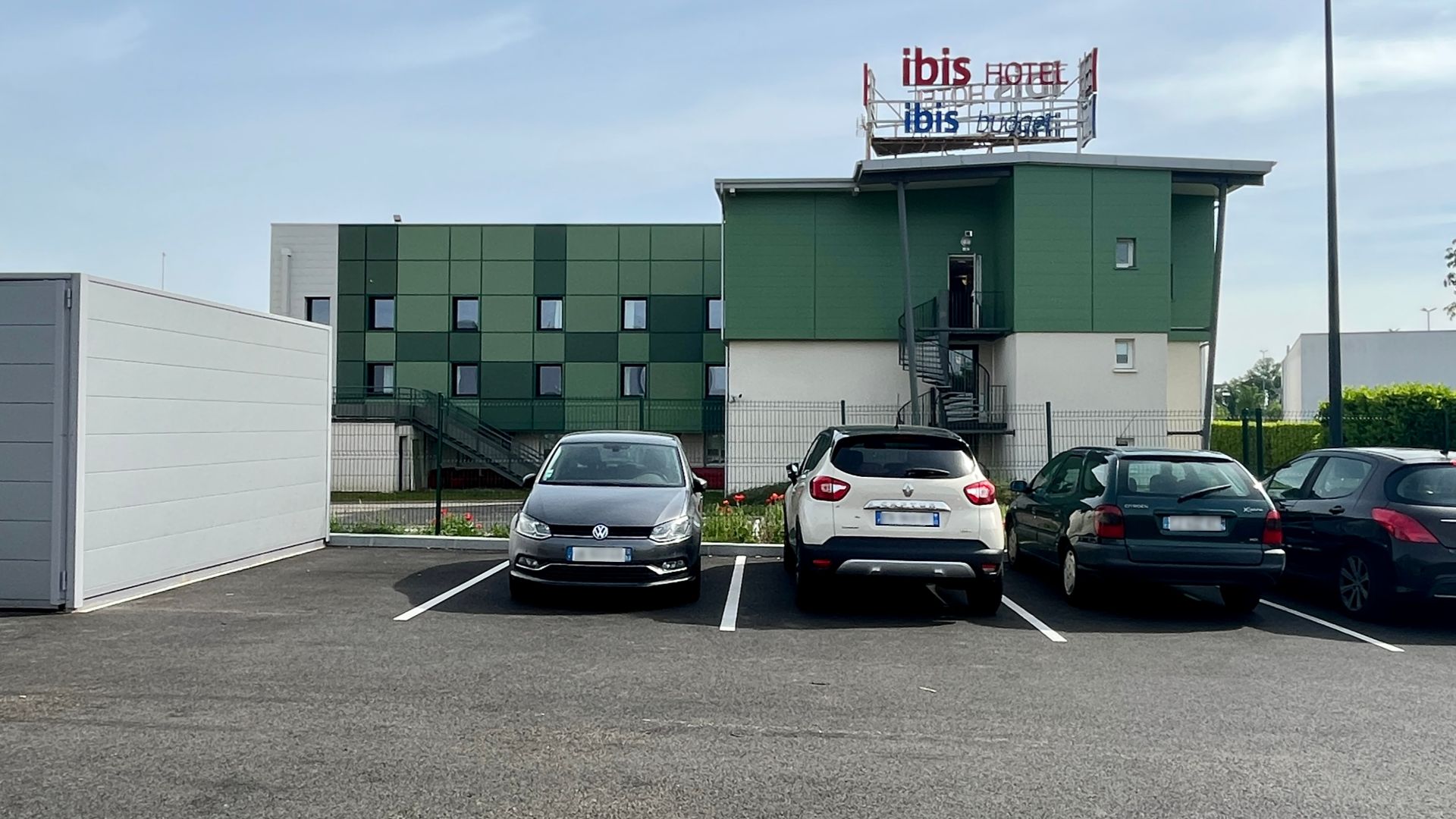
Hotels often use first-come, first-served systems for parking, breakfast seating, shuttle service, and early check-in. That by itself is not unusual or automatically unfair. The problem starts when a listing highlights the perk but hides, softens, or leaves out a major limit.
 Benoît Prieur, Wikimedia Commons
What Booking Sites Tell Hotels To Disclose
Major travel platforms already make it clear that parking details should be specific. Booking.com’s partner guidance tells properties to say whether parking is available, whether it is free, whether a reservation is needed, and whether it is private, public, or on site. That setup exists for a reason. Guests need clear expectations before they commit.

Expedia Also Pushes Specific Parking Details
Expedia Group’s property content guidance also pushes hotels to provide accurate amenity details, including parking availability and restrictions. That does not create a law by itself, but it does show the industry knows parking terms are important booking information. A strict ten-car limit is exactly the kind of restriction travelers would expect to see disclosed.
 l i g h t p o e t, Shutterstock
Why Free Parking Is Not Always Truly Free
Sometimes parking is “free” only in a very narrow way. It may be free off site, free only overnight, free for one vehicle, or free only until spaces run out. If the real-world result is that many guests will need to pay elsewhere, the headline claim can feel a lot less generous than it first sounds.
 Srdjan Randjelovic, Shutterstock
How State Consumer Laws Can Come Into Play
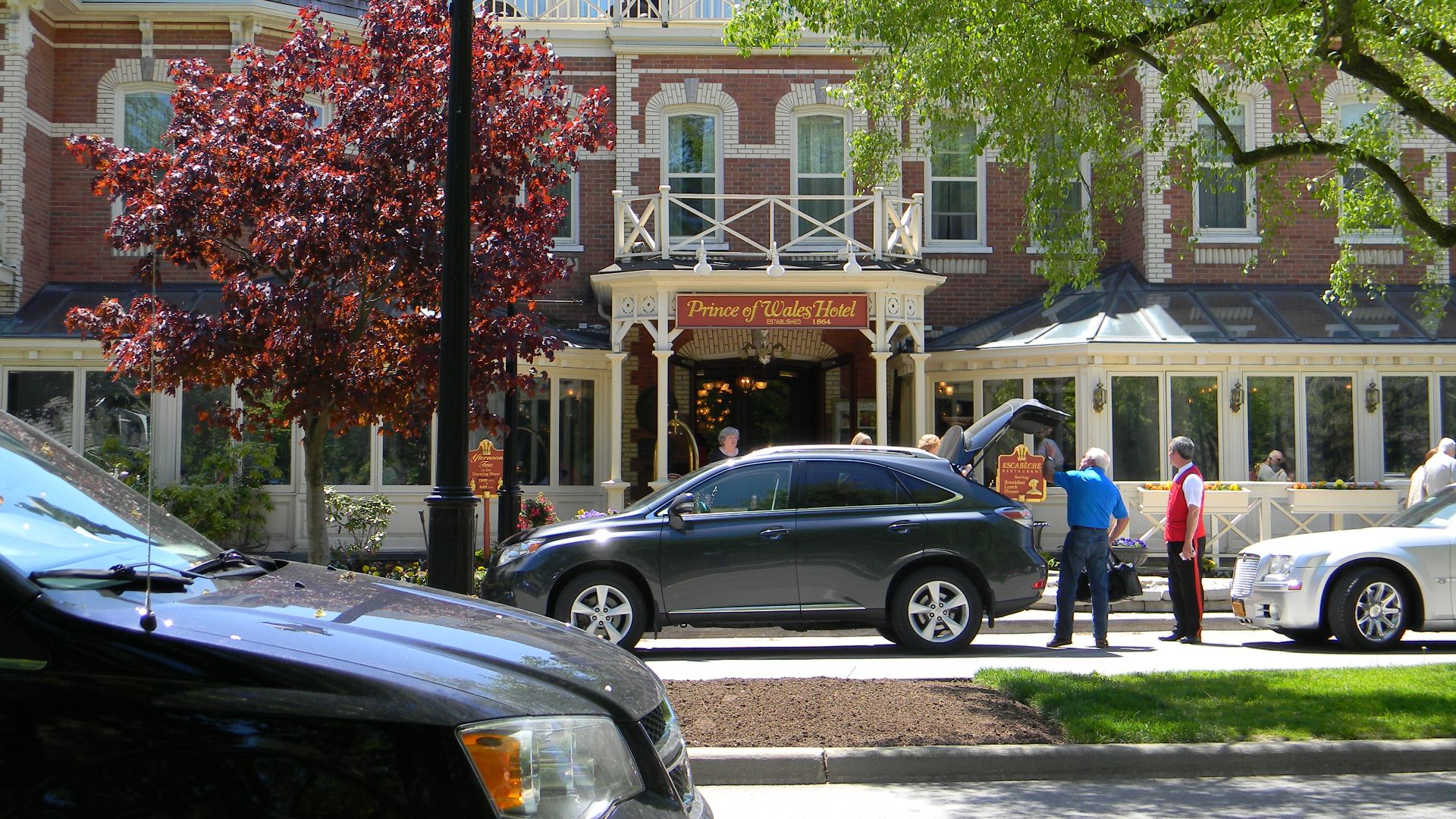
Beyond federal rules, every state has consumer protection laws that generally ban unfair or deceptive business practices. These laws often turn on what a reasonable consumer would understand from an ad. If “free parking” creates one impression but the real situation is much narrower, that gap can become a legal issue.
California Offers A Useful Example
California’s Unfair Competition Law and Consumers Legal Remedies Act are often cited in disputes over misleading advertising. The legal test usually comes down to whether a reasonable consumer is likely to be misled. A hotel would be in a much stronger position if it said “free parking for up to 10 cars, first come first served” instead of simply “free parking.”
 Harrison Keely, Wikimedia Commons
So Should The Hotel Disclose It
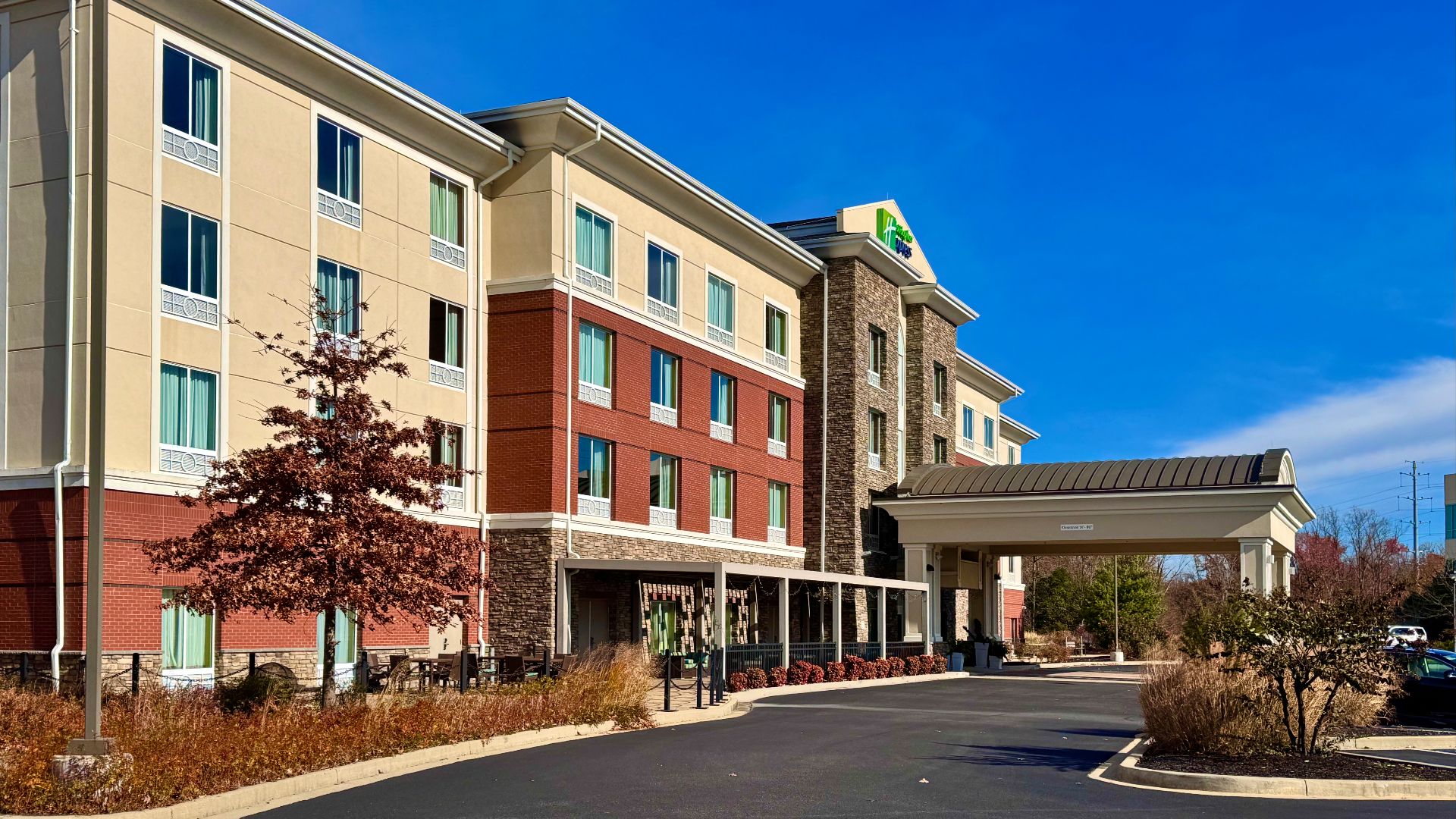
In practical terms, yes. A cap of ten cars is not some tiny technical detail if the property has far more rooms than parking spots. That limit directly affects the value of the amenity and could easily change whether someone books.

What Clear Disclosure Looks Like
The best version is simple and direct. A hotel could say: “Complimentary on-site parking is available for the first 10 vehicles only, first come first served. Additional parking may be available nearby for a fee.” That is hard to misunderstand and gives guests a fair chance to plan ahead.
Where The Disclosure Should Appear
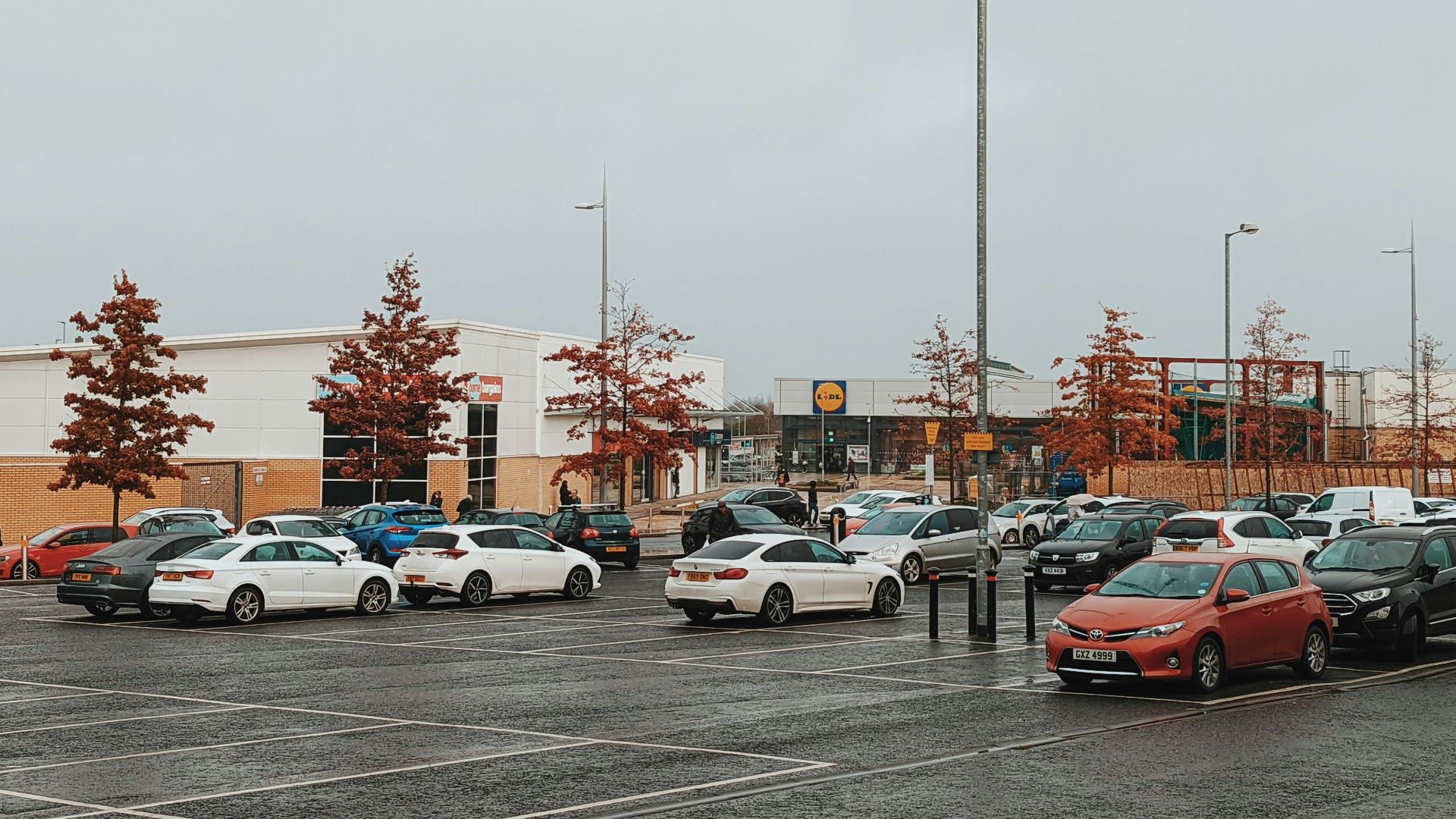
It should not be buried in house rules or tucked into a post-booking email. The limit should appear on the booking page, in the parking amenity description, and ideally again in confirmation materials. If a restriction is important enough to affect the booking decision, it should be visible before payment.

Timing Is Everything For Drivers
For travelers arriving after dark, after a long drive, or with kids in the car, parking is not some abstract issue. It becomes a problem fast if the promised space is not there. A disclosure that shows up only at check-in is often too late to help.
Why This Matters More At Certain Hotels
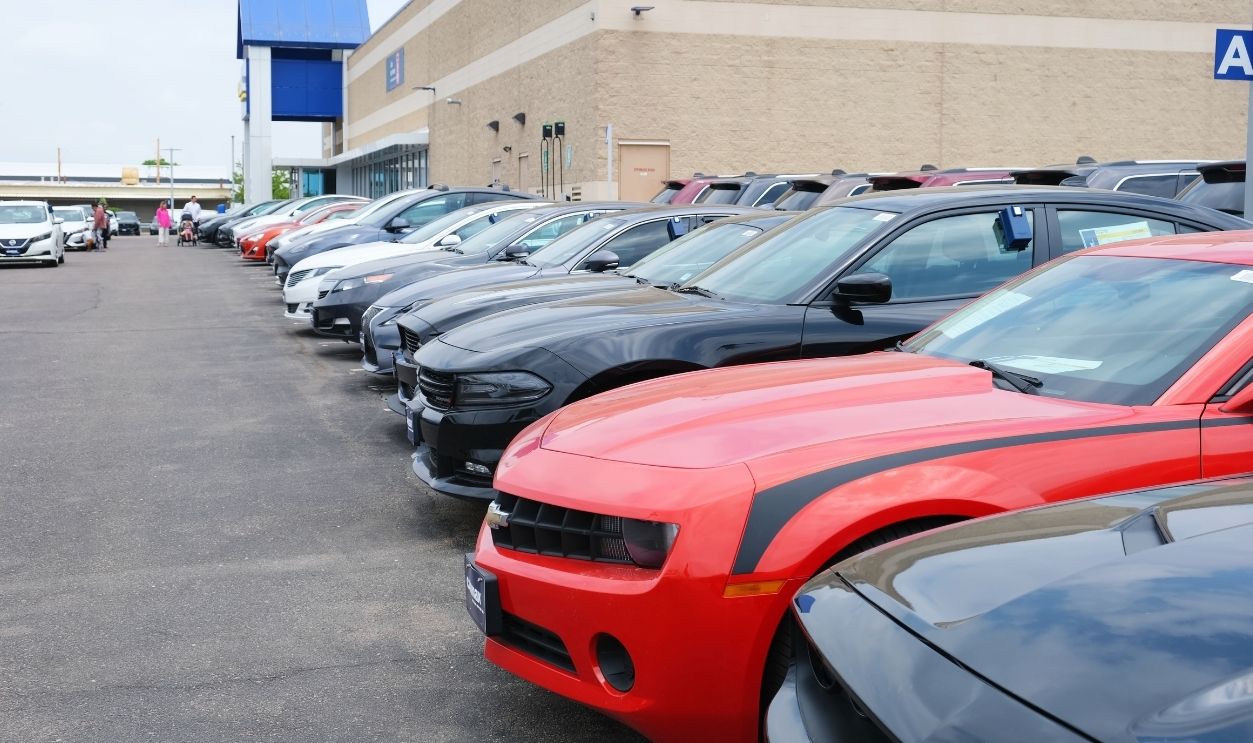
Urban hotels, beach properties, small inns, and places in busy event areas often have limited parking by nature. That makes transparency even more important. If demand regularly beats supply, a hotel should not present parking in a way that suggests wide-open availability.

What Travelers Should Look For Before Booking
Read the amenity section closely and watch for terms like “first come,” “limited,” “reservation required,” and “off-site.” If the listing is vague, message the property directly and ask how many spaces there are and what happens if they fill up. One quick question can save you from an expensive surprise later.

Questions Worth Asking The Hotel
Ask whether parking is on site, whether it is guaranteed, whether oversized vehicles are excluded, and whether there is overflow parking nearby. If a hotel says parking is first come, ask how often it fills up and what the backup cost usually is. Those answers often tell you more than the word “free” ever could.

Save The Listing Before You Travel
Take screenshots of the booking page, amenity list, and confirmation email. If a dispute comes up, your records matter. They can be especially useful if the parking restriction was missing from the version you saw when you booked.

What To Do If You Arrive And The Spaces Are Gone
Start by calmly showing the hotel’s listing and asking whether it has arranged overflow parking or can reimburse the difference. Sometimes front desk staff can offer a courtesy adjustment, especially if the amenity description was unclear. If the answer is no, document the conversation and keep your receipts.

When It Makes Sense To Escalate
If the listing clearly suggested parking would be available and the hotel left out a major cap, you can raise the issue with the booking platform first. Platforms often have customer service channels for inaccurate property descriptions. If that goes nowhere, you can consider filing a complaint with your state attorney general’s consumer office or the FTC.

How Chargebacks Fit In
A chargeback is not the first move, but it can matter if the hotel materially misrepresented the booking terms and refuses to fix the issue. Your chances are better if you have screenshots, receipts for replacement parking, and written communication. Card issuers usually want clear evidence, not just a bad experience.

The Industry Knows Amenity Accuracy Is A Big Deal
Hotel and booking-platform guidance keeps stressing accurate amenity descriptions because bad information leads straight to disputes. Parking, Wi-Fi, breakfast, pet fees, and resort fees are some of the most sensitive topics. When a property knows an amenity is severely limited, accuracy is not optional if it wants to avoid unhappy guests.

There Is A Difference Between Limited And Misleading
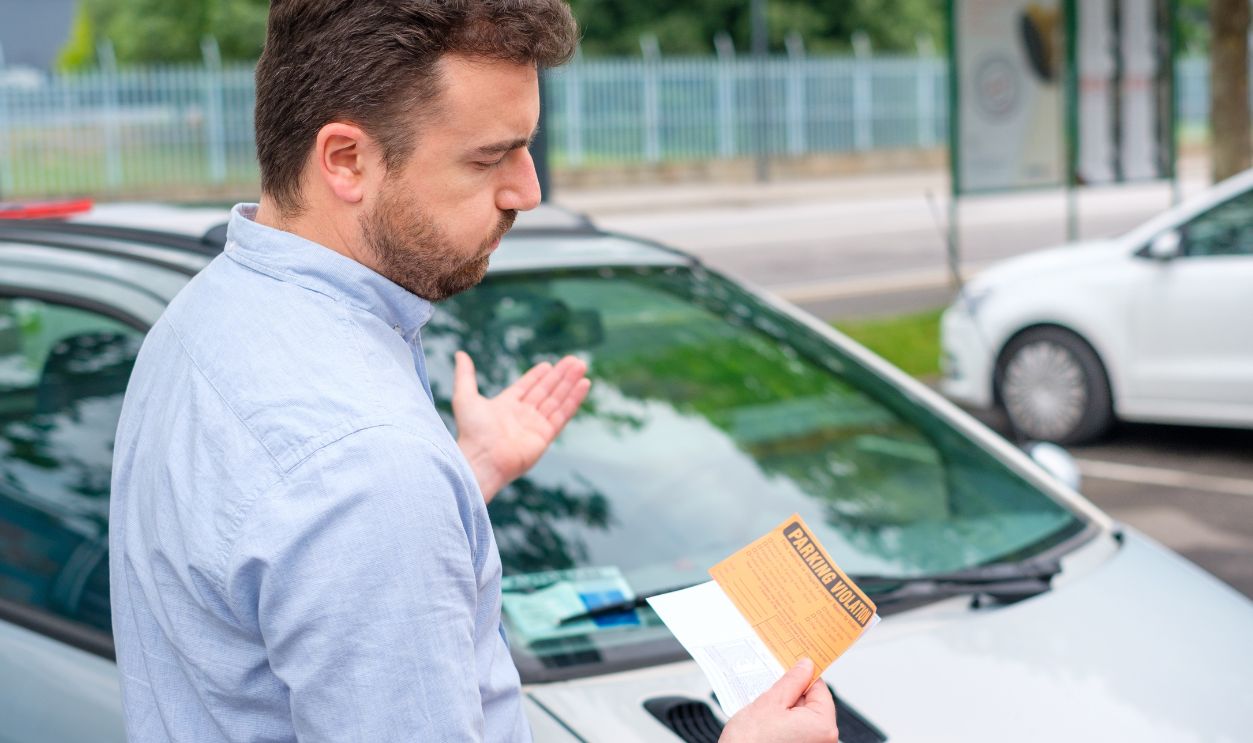
Not every parking shortage means a hotel did something wrong. A truly clear first-come disclosure can be enough, even if some guests still miss out. But when a hotel advertises “free parking” without plainly saying that only ten cars qualify, the message can slip from limited into misleading.
The Best Rule Of Thumb For Hotels
If a restriction would matter to a reasonable guest, disclose it before booking. That is the simplest and safest approach. It helps travelers avoid ugly surprises and helps hotels avoid complaints, refund requests, and damage to trust.
The Best Rule Of Thumb For Travelers
Treat parking the same way you treat room type or cancellation policy. Check it, screenshot it, and ask follow-up questions if the wording is fuzzy. “Free” sounds good, but “guaranteed” is usually what you actually need.
The Bottom Line
If free parking is available only to the first ten cars, that limit should be disclosed clearly and early. It is an important detail for many travelers, and leaving it out risks misleading people about both convenience and total trip cost. In travel, a few missing words can be the difference between a smooth check-in and a rough start to the stay.