
The Breakfast Surprise at Check-In
You book a room for two, head down for the free breakfast, and then the front desk tells you the voucher covers only one person. That feels almost impossibly cheap, even for 2026. But it's true: This kind of limit is more common than ever, and it's often made clear in the rate, package, or loyalty benefit beforehand for people who take the time to read the small print.
 Andrea Piacquadio, Pexels, Modified
Not Every Complimentary Breakfast Is The Same
Hotels use “complimentary breakfast” in a few different ways. Sometimes it covers everyone on the reservation. Other times it is tied to one elite member, one package, or a set number of adults. That is where the confusion starts, especially when the ad sounds broad but the fine print is much narrower.

The First Thing to Check
Start with your confirmation email and the exact rate you booked. If breakfast came with a package, the confirmation often says whether it covers one person, two adults, or all registered guests. When the wording is vague, that is when people get stuck dealing with hotel policy at the desk.

There Is No One Rule for Every Hotel
There is no industry-wide rule saying a complimentary breakfast has to cover every person in a room booked for two. Policies change from chain to chain, brand to brand, and even rate to rate. A breakfast perk might come from elite status, a promo, or the basic room price, and each one can work differently.
 Anastasia Ilina-Makarova, Pexels
Hilton Shows How Specific the Rules Can Get
Hilton Honors says on its member benefits page that Gold members get a daily food and beverage credit at U.S. hotels, or continental breakfast outside the United States, for the member and up to one additional guest registered to the same room at many brands. That matters because the benefit is tied to the member plus one guest, not just anyone staying in the room. So if one guest is the member and the room is booked for two, Hilton’s published terms generally point to coverage for both, but only within that specific benefit structure.

Marriott Uses Different Language
Marriott Bonvoy shows how messy breakfast rules can get. Depending on the brand, Platinum Elite, Titanium Elite, and Ambassador Elite members may get breakfast as a welcome gift, lounge access with breakfast, or no breakfast benefit at all. Marriott’s own terms also change by brand and region, so travelers cannot assume one “free breakfast” promise means the same thing across every Marriott property.

Hyatt Has Limits Too
World of Hyatt says qualifying members at participating brands can get club lounge access or breakfast benefits, but the terms often refer to the member and certain registered guests in the room. That wording matters because it spells out exactly who is covered. If your reservation includes two adults, Hyatt-style language often clears things up fast.
 Daniel Silva Gaxiola, Unsplash
IHG Is Another Good Example
IHG One Rewards benefits vary a lot by brand, and not every IHG property includes breakfast. At many Holiday Inn Express hotels, breakfast is built into the stay. At more upscale brands, breakfast may be part of a room rate or offered as an elite perk instead. That is one reason one guest might be covered while another is not.

Accor Makes the Fine Print Matter Too
Accor also leans heavily on the details of the booked rate and the loyalty benefit. Some packages clearly say breakfast included. Others say breakfast for one person or tie it to room occupancy rules. People who skim the headline and skip the terms are the ones most likely to get a bad surprise in the morning.

Packages Are Often the Catch
If you booked a bed-and-breakfast package, the package terms usually decide the issue. Many hotels sell one breakfast package for a single guest and a different rate for double occupancy. The room may sleep two, but the breakfast part may still be sold per person.

Online Travel Agencies Can Make It Worse
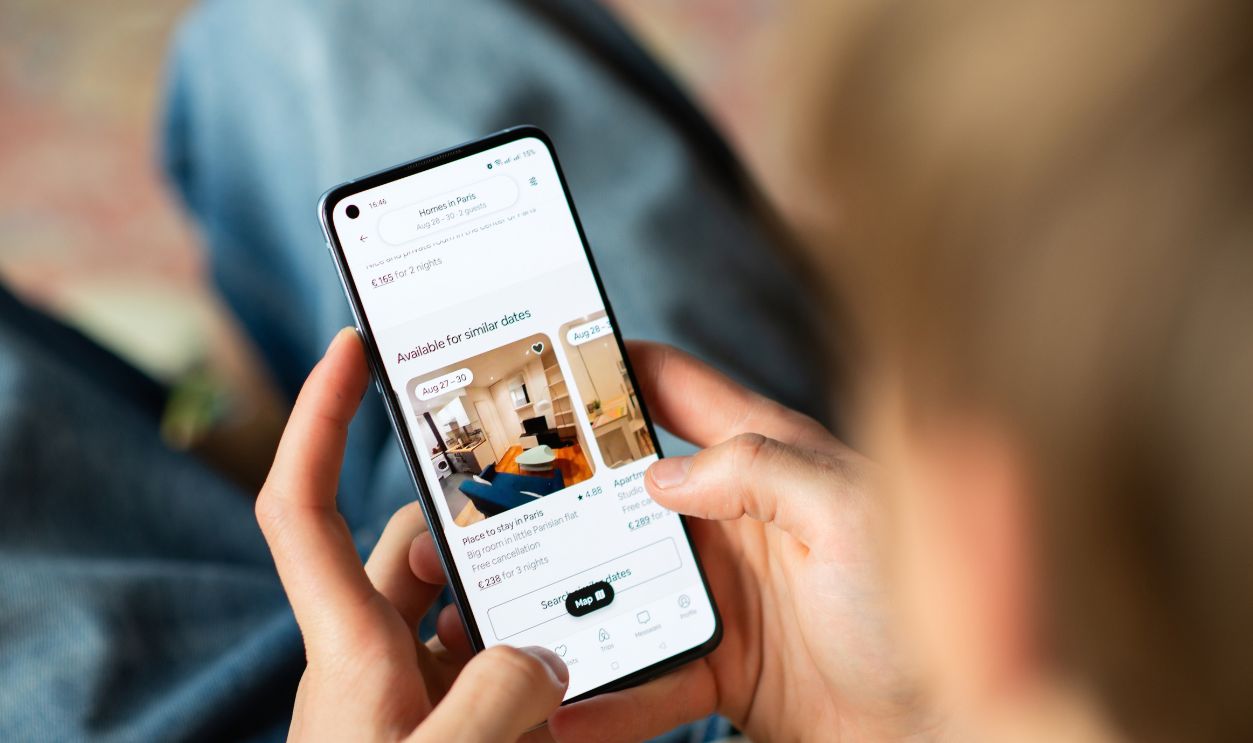
Third-party sites sometimes show a breakfast icon or a short note that leaves out the limits. Booking.com, Expedia, and other agencies may use hotel descriptions that are shorter than the official rate terms. That can leave guests thinking breakfast is included for everyone when the hotel sees the booking as breakfast for only one adult.
Consumer Rules Still Matter
The Federal Trade Commission says advertising has to be truthful and not misleading, even though it does not write hotel breakfast rules. If a hotel sells a room as including breakfast without clearly disclosing a one-person limit, that could raise a fairness issue. In real life, though, the fastest fix is usually getting the hotel to explain what the written confirmation actually covers.

Why Europe and Resorts Often Work Differently
In some markets, especially in Europe and at resorts, room rates and breakfast are often priced per person instead of just per room. That makes one-person breakfast inclusions more common than many U.S. travelers expect. It may feel petty, but sometimes it is just how that market prices rooms.

Budget Brands Usually Mean Fewer Fights
At brands where breakfast is a standard feature for all guests, there is usually less room for debate. If the hotel’s normal setup is that all registered guests eat, the issue rarely comes up. Trouble is more common at full-service hotels, where breakfast may be a restaurant credit, a voucher, or a package add-on.
Elite Status Benefits Are Meant to Be Personal
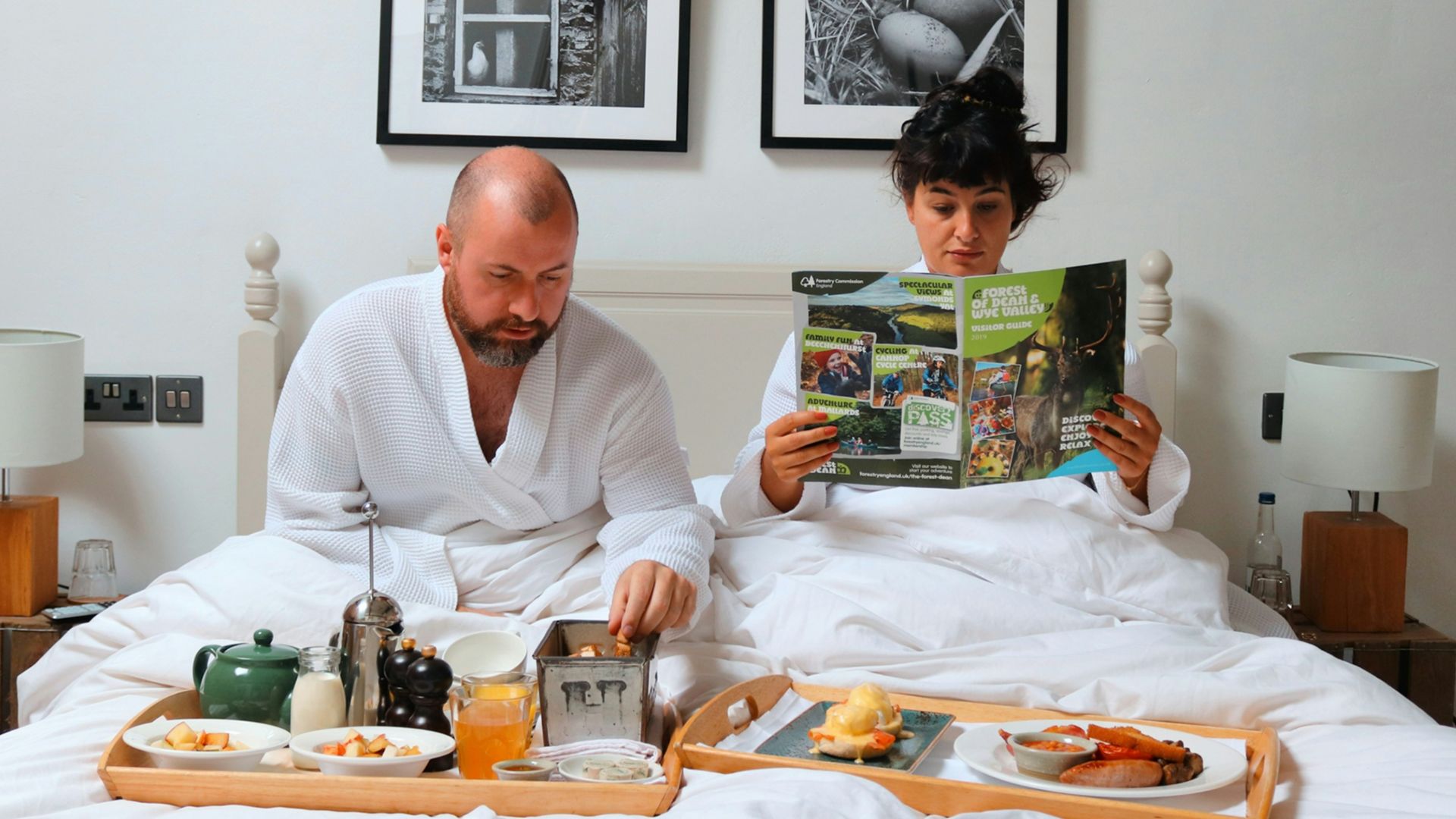
One big source of confusion is the gap between a room perk and a loyalty perk. A room perk follows the terms of the booking. An elite perk usually follows the member. So “free breakfast” from status may legally stop with the member or the member plus a limited number of guests named in the program rules.

What “Registered Guest” Really Means
Hotels use the phrase “registered guest” for a reason. If the second traveler is not officially added to the reservation, the hotel may deny breakfast even if the room fits two people. That detail matters even more when the benefit is capped by the number of named occupants.

Children Can Complicate Things
Breakfast rules for kids are often separate from adult occupancy rules. Some hotels let children eat free with a paying adult. Others charge based on age or buffet policy. So a room booked for two adults and one child may end up with an answer based on loyalty terms, restaurant policy, and local rules all at once.

Vacation Club and Timeshare Stays Are Different Again
At residence-style, vacation club, or apartment-style properties, travelers should not assume breakfast is included at all. Many of these brands do not offer a standard free breakfast, even when a hotel under the same company does. If breakfast appears in the booking, it is usually because of a package or promotion with very specific guest limits.

How to Push Back Politely
If the hotel says breakfast covers only one guest, ask the staff to show you where that appears in the reservation notes or published terms. Stay calm and keep it practical. A lot of front desk disputes get solved when a guest can point to a confirmation that says “2 adults, breakfast included” with no one-person limit.

What Evidence Helps Most
Screenshots help a lot. Save the room description, the rate details, and the final booking page before you pay, especially if breakfast was one of the reasons you booked. If the wording was unclear or conflicting, those images can help a manager decide in your favor.

When the Hotel Is Probably Right
If your confirmation clearly says breakfast for one adult, or if the loyalty terms limit the perk to the member or the member plus one registered guest, the restriction is probably normal. It may still be annoying, but that does not make it improper. In that case, the best move is often to ask whether the second breakfast can be added at a lower price.
 Ikonoklast Fotografie, Shutterstock
When the Hotel May Need to Fix It
If the listing said breakfast included for the room, or if the property sold a package for double occupancy without disclosing a one-person cap, you have a stronger case. The same goes if the chain’s published elite benefits clearly cover the member and one additional registered guest, but the hotel tries to limit the benefit to one person total. That is when it makes sense to ask for a manager or contact the brand’s customer service team.
 Dmitry Kalinovsky, Shutterstock
Why Front Desk Agents Often Get Stuck
Many of these arguments start at the front desk, but the real problem is often buried in the reservation coding or the rate setup. The agent may be reading exactly what the system shows. That is why asking for a supervisor or revenue manager often works better than arguing about fairness with someone who cannot override the package.

The Smartest Question to Ask Before You Book
Before you hit purchase, ask one simple question in writing: “Is breakfast included for both adults on this reservation?” This works especially well when booking direct through email, chat, or a brand app. A short written answer can save a lot of hassle the next morning.

Booking Direct Can Make Disputes Easier
When you book directly with the hotel or chain, staff can usually see the full rate code and the official terms more clearly. That does not guarantee breakfast for two, but it often makes the answer clearer. With third-party reservations, both guests and hotel staff can end up trying to decode vague wording after check-in.

So, Is It Normal?
Yes. It can be normal for complimentary breakfast to cover only one guest, even in a room booked for two, if the offer is a one-person package, a limited elite benefit, or a rate with clear occupancy limits. But no, that does not mean travelers should just accept it without checking. Many bookings and loyalty benefits do cover a second registered guest. What matters is not what feels fair in the moment, but what the written rate terms and program rules actually say.

The Bottom Line for Travelers
If breakfast matters to you, treat it the same way you treat bag fees on a flight: check the details before you book. Hotels are not all following the same script, and “complimentary breakfast” can hide a lot of fine print. A two-minute check before booking can be the difference between an easy morning and a strangely expensive croissant.