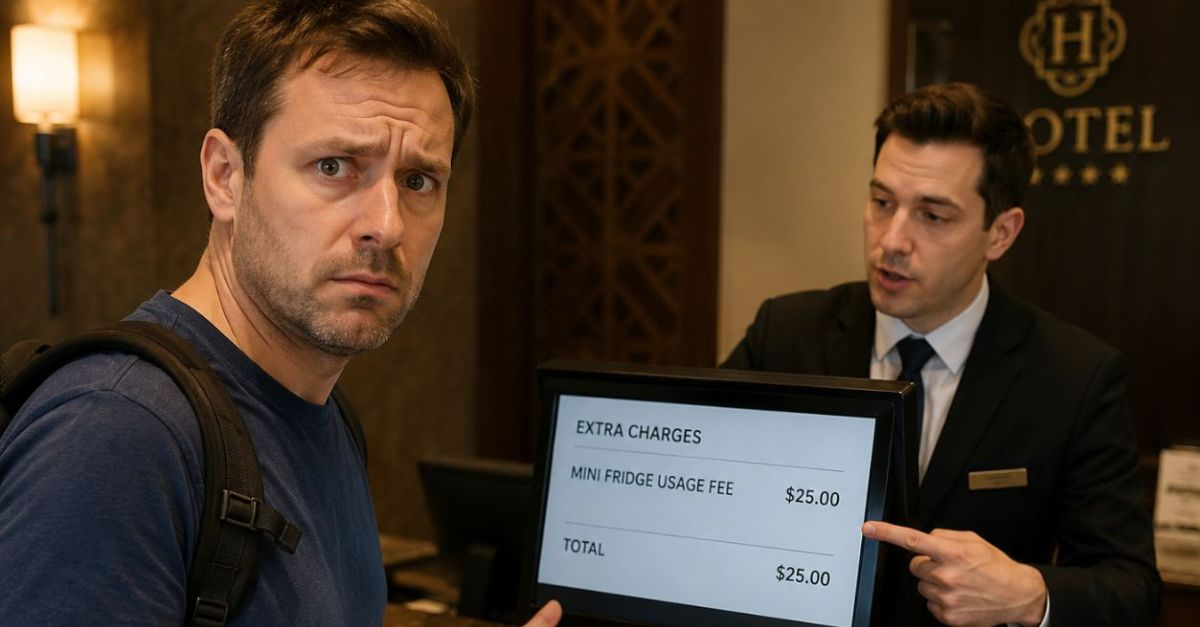
The Tiny Fridge With The Big Bill
You check your bill before checkout and there it is: A minibar charge for something you know you did not eat or drink. It seems like it shouldn't happen with modern minibars, and yet it happens all the time. Hotels now have several ways to track minibar activity, and some of them are a lot touchier than most guests realize.
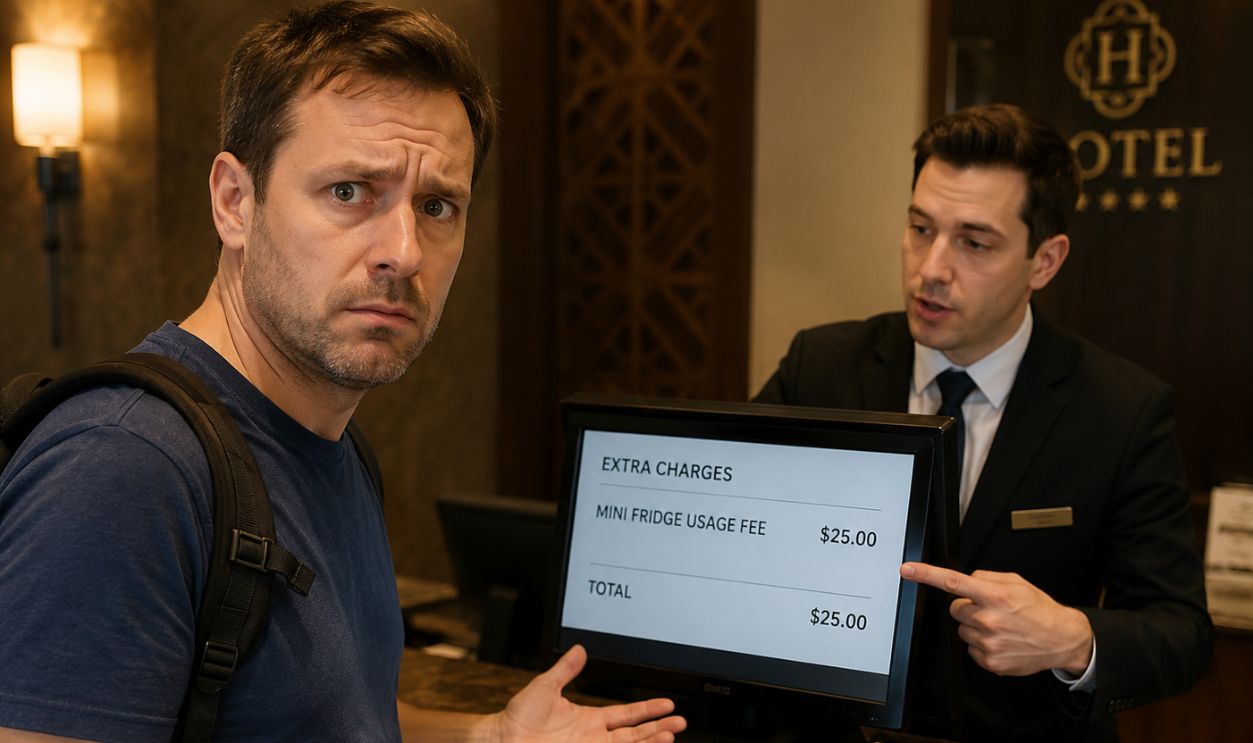
Why These Charges Happen
Years ago, many hotels depended on housekeeping to check the minibar by hand. Then a lot of properties switched to automated systems that can detect when an item is moved, lifted, or taken out. That change matters, because sometimes a guest can be charged even when nothing was actually consumed.

Sometimes Just Moving An Item Is Enough
Modern minibar systems often use sensors that track movement, weight shifts, or whether an item has been displaced. Hospitality tech company Bartech says its systems can automate charges and send activity straight into hotel management software. In plain terms, even picking up a bottle to read the label can catch the system’s attention.

Some Fridges Use Weight Sensors
One common setup uses sensor trays that measure how much each item weighs. If the weight changes past a certain point, the system may mark the item as removed. Depending on how the hotel sets it up, that can trigger a charge right away or send the room for staff review.

Other Systems Track Lift And Return Behavior
Not every automated minibar works only by measuring weight. Some are built to notice when an item is lifted from the tray and then either put back quickly or left out too long. Supplier Minibar Systems has described technology that can tell the difference between a quick lift and what it treats as actual use based on timing and item status.

The Timer Can Matter More Than You Think
Some hotels build in a short grace period so guests can handle an item without being billed. If the item stays out longer than that window, the software may post a charge. That is why two guests can do almost the same thing and only one gets billed.

Manual Checks Still Happen
Not every minibar charge comes from a smart sensor. Plenty of hotels, especially smaller ones, still rely on staff to inspect the minibar during housekeeping or after checkout. In those cases, all it may take is an attendant noting that something appears to be missing, which leaves more room for simple human error.

Hotels Also Tie Charges Into Billing Software
Hotels increasingly connect minibar records to property management systems so charges move straight onto a guest folio. Oracle Hospitality has described integrations that let hotel charges sync directly with the guest account. It is efficient for the hotel, but it also means a mistake can look official almost instantly.

Can A Hotel Really Prove You Used It
Usually, a hotel can prove only what its system recorded, not what you meant to do. A sensor log might show that an item was moved at a certain time. A staff log might show that an attendant found something missing. That is evidence that something happened, but it is not always proof that the guest actually ate or drank the product.
This Is Where The Argument Starts
A guest might say, “I never used the minibar,” meaning they never consumed anything. The hotel might answer, “Our system shows the item was removed,” meaning it detected movement that matched its billing rules. Both can be technically true, which is exactly why these disputes get messy so fast.

Travelers Have Complained About This For Years
Guests have been warning each other for a long time that just touching minibar items can trigger charges. Major travel outlets including Condé Nast Traveler and Frommer’s have reported that some hotel minibars rely on sensors and timers, not just whether you actually used something. Those warnings reflect a real shift in how the industry works.

Hotels Usually Do Not Need Ironclad Proof
In everyday practice, a hotel does not need courtroom-level evidence to add a minibar charge. It usually just needs enough confidence under its own policies to post the fee to your folio. If you push back, the fight starts as a customer service issue, not a legal one.

Your First Move Should Be Fast
If you notice the charge at checkout, bring it up before leaving the front desk. Ask what item was charged, what time the system says it happened, and whether the charge came from an automated sensor or a staff inspection. The sooner you ask, the better your chances of getting it reversed quickly.

Ask For The Exact Item And Time Stamp
Vague answers do not help. A useful explanation should name the item, the date, and the time tied to the charge. If the hotel cannot give you those basics, that is a strong reason to keep pushing for the fee to be removed.

Ask For A Manager If You Need To
Front-desk staff can sometimes remove a small disputed charge, but not always. If the first employee just reprints the folio and repeats the fee, ask for a supervisor or manager. A manager is more likely to know whether the minibar system is automated, manually checked, or acting up.

If It Was Automated, Ask About The Grace Period
Some systems allow brief handling without a charge. Others are much stricter. Asking whether the minibar has a grace period can help reveal whether an item may have been moved and returned in a way that still set off billing.

If It Was Manual, Ask Who Checked It
When a hotel says housekeeping found something missing, ask when the inspection happened and whether staff entered the room before the count. Manual systems are especially vulnerable to mix-ups on busy turnover days. Calm, specific questions can expose weak recordkeeping pretty quickly.
Photos Can Help More Than You Think
If you know minibar charges are common at a property, take a quick photo of the fridge when you arrive and again when you leave. That will not settle every dispute, but it can help if the hotel later claims something was missing. Time-stamped photos are especially useful after checkout, when details start to blur.

Check The Hotel’s Terms Ahead Of Time
Some hotels spell out minibar sensor rules in room directories or guest terms. Others warn that moving items may create charges. If you see language like that, treat the minibar carefully and leave the contents alone.

The Consumer Financial Protection Bureau Offers Another Route
If the hotel will not remove a clearly wrong charge and it shows up on your credit card, you can dispute it with your card issuer under the Fair Credit Billing Act. The Consumer Financial Protection Bureau explains that billing error rights generally apply to incorrect charges on credit accounts. It is slower than fixing the problem at the desk, but it can work.

Keep Every Bit Of Documentation
Save your folio, receipt, screenshots, and any emails with the hotel. If a staff member says the charge will be reversed, ask for that in writing before you leave. One short confirmation email can save a lot of trouble later.

Do Not Wait To Escalate
If the charge is still there after checkout, contact the hotel in writing as soon as you can. Include the date of your stay, your room number, the item charged, and exactly why you dispute it. A short, factual message usually works better than an angry one.

Big Hotel Brands May Give You Another Option
If the property belongs to a major chain, you can also contact the brand’s customer care team. Large brands often track complaint patterns and may step in when one hotel keeps generating the same billing problems. That does not guarantee a refund, but it can put pressure on the property to take a closer look.

What Hotels Usually Have On Their Side
Hotels control the room, the inventory system, and the first billing record. They may also have logs showing when the room was serviced or when the minibar system flagged movement. In a dispute, that internal data usually gives them the early advantage.

What Guests Usually Have On Their Side
Guests have a stronger case when the hotel’s explanation is vague, inconsistent, or missing key details. If the property cannot clearly say whether the fee came from a sensor, a timer rule, or a staff check, its position looks weaker. Credit card issuers and customer care teams also tend to respond better when the guest has a clear timeline and solid records.

The Best Way To Avoid The Problem
If you need cold storage for your own food or medicine, ask whether the room has an empty guest fridge or whether the minibar can be cleared. Many hotels can provide a medical refrigerator or another option if you ask. That is much safer than moving paid minibar items around and hoping the system ignores it.

Yes, A Hotel Can “Prove” A Charge, But Not Always Actual Use
The bottom line is that hotels can often prove their system detected movement or that staff believed an item was missing. That is usually enough for a charge to appear on your bill. But it is not always enough to prove you actually consumed anything, which is why suspicious minibar fees should be challenged quickly, calmly, and with specifics.