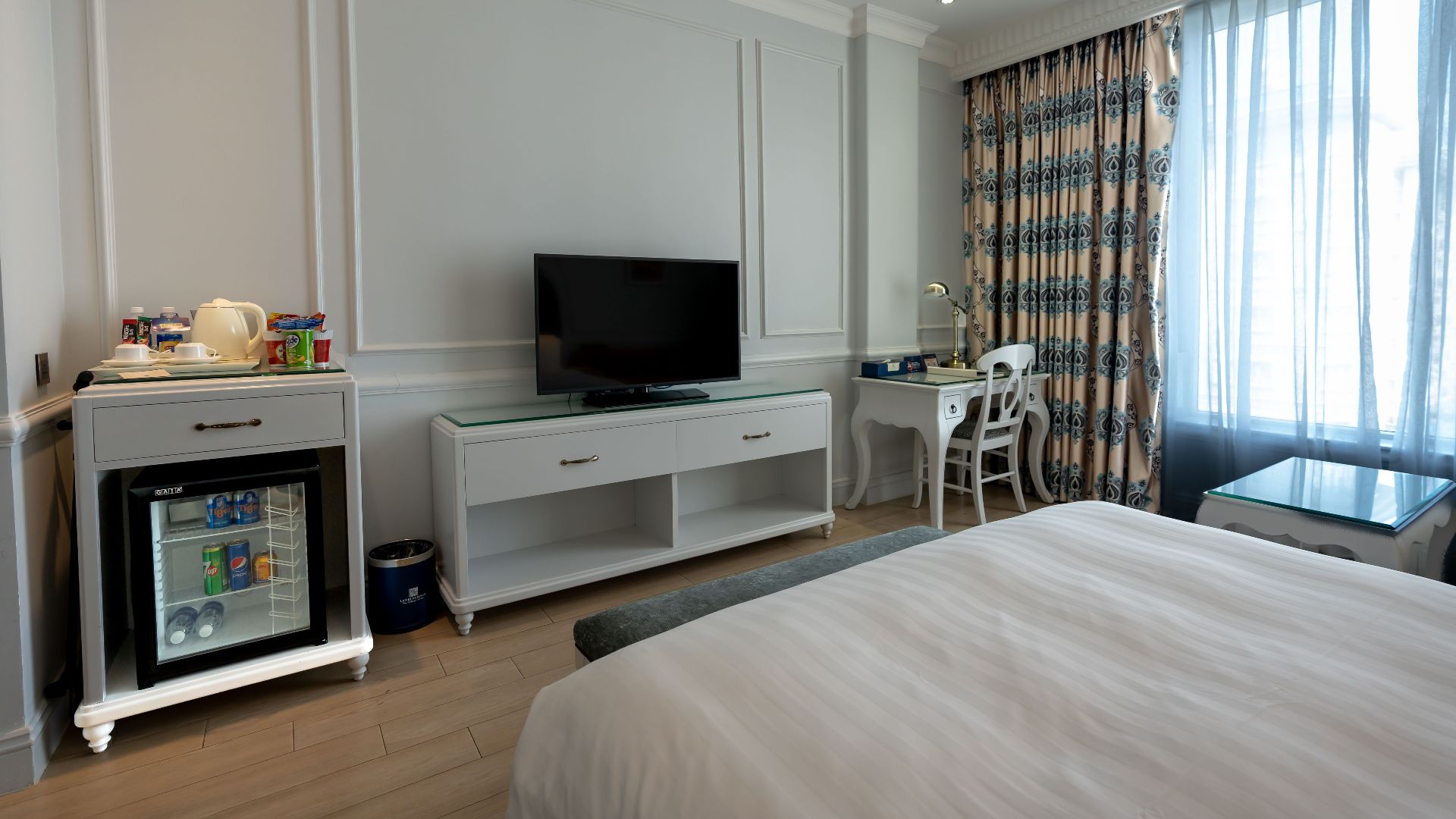
The Sensors Really Can Trigger A Bill
The short answer is yes. Many modern hotel minibars use automated systems that detect when an item is lifted, moved, or removed for more than a short grace period. Depending on the setup, that can automatically post a charge to your room even if you put the item back unopened.

How The Technology Works
Hotels have used a few kinds of minibar tracking systems over the years. Some use weight-sensitive shelves. Others rely on infrared or motion detection linked to inventory software. The idea is simple: cut down on manual checks and post charges faster and more accurately.
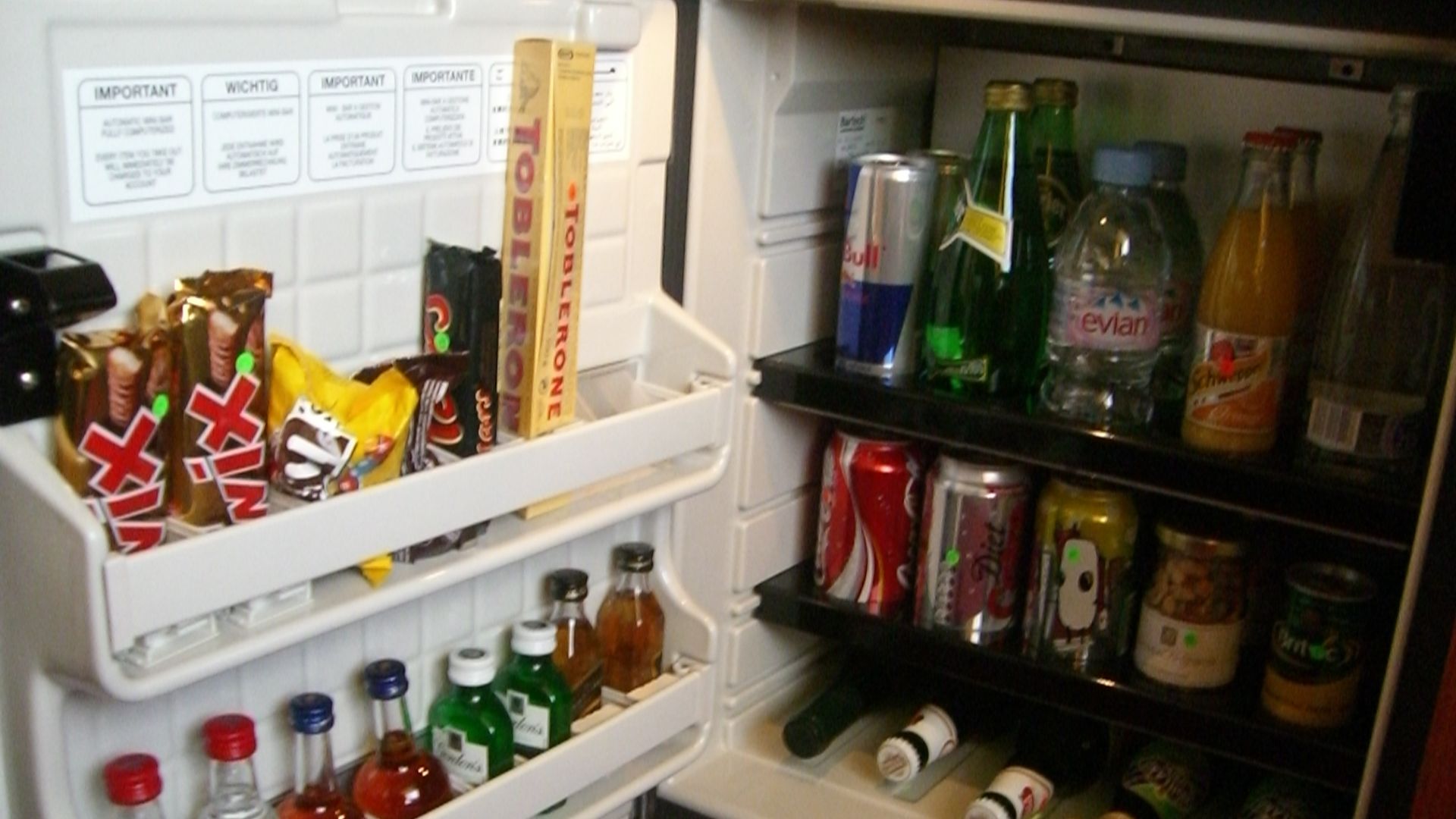 Sean MacEntee from Monaghan, Ireland, Wikimedia Commons
One Of The Best-Known Names Is Bartech
Bartech has long supplied automated minibar systems to hotels around the world. The company describes systems that can detect when a product is removed and send that data straight to hotel billing software. That means a charge can appear without any staff member ever seeing what happened. The process is quick, invisible, and not always forgiving.

The Fine Print Matters
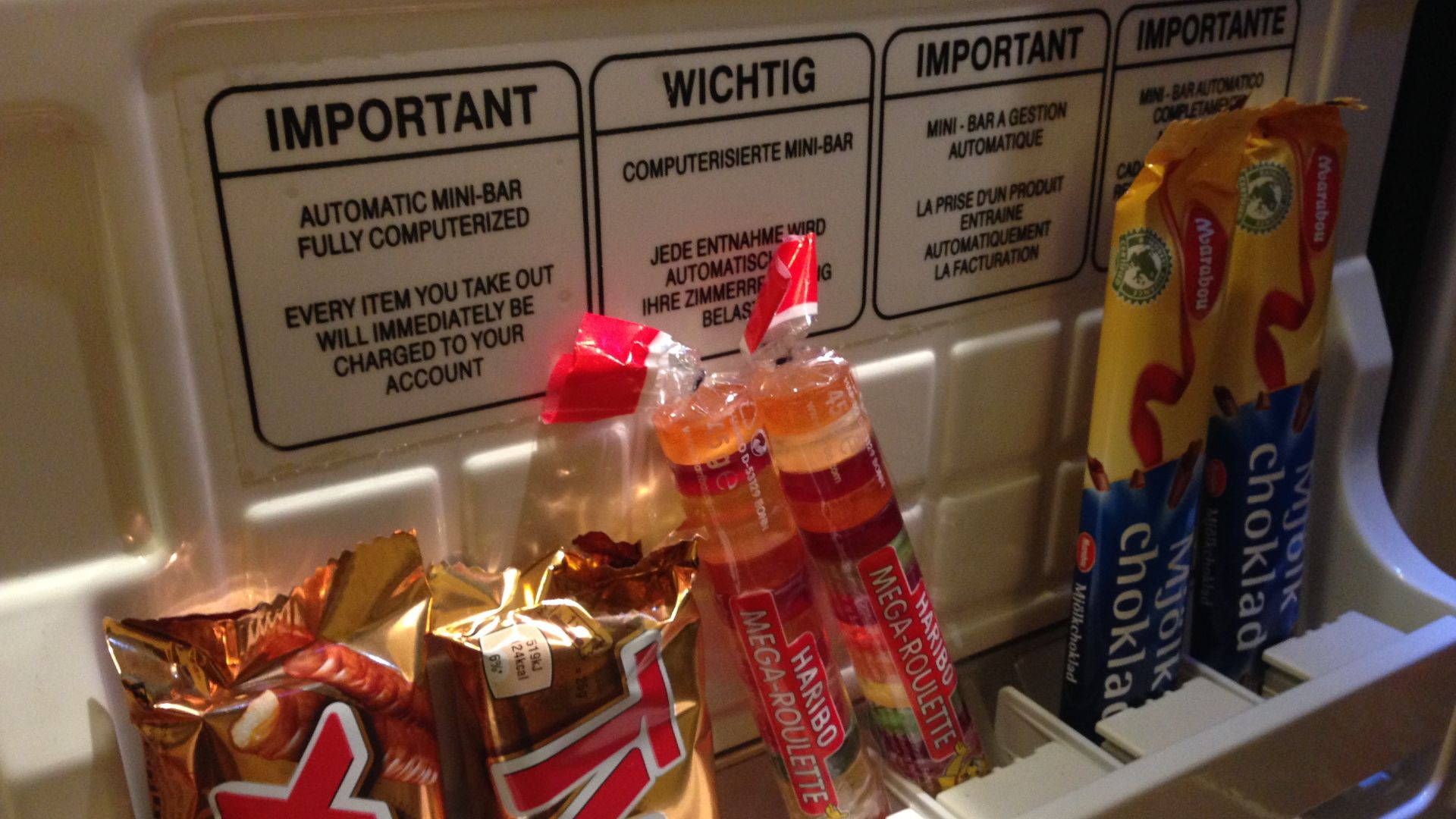
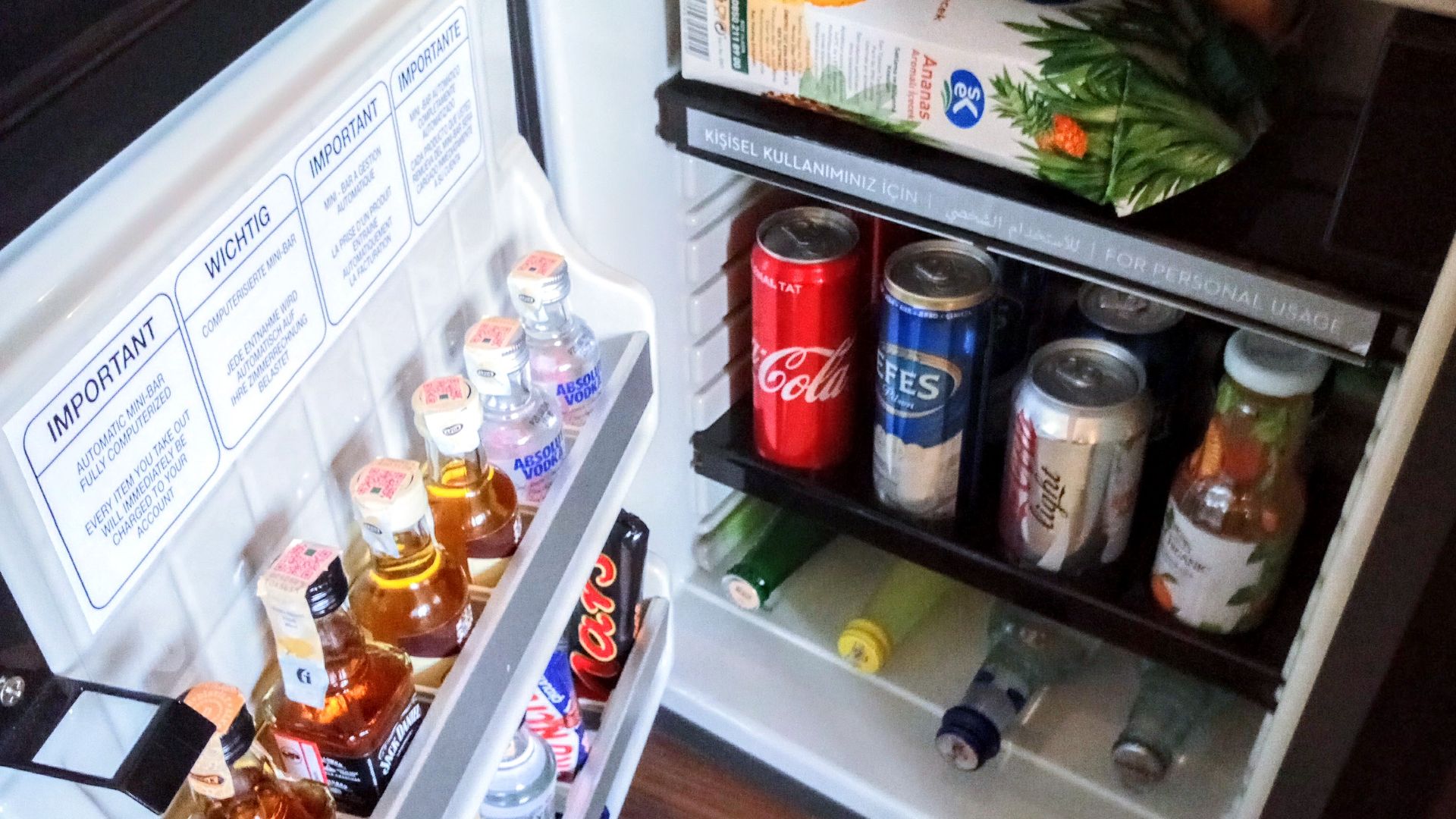
Some hotels explain this clearly on guest info cards or minibar notices. They may warn that moving an item can trigger a charge if it is not put back quickly enough. Others are less clear, and that is where the trouble starts. A guest may think they are just making space, while the hotel system treats it like a purchase.
There Is Usually A Grace Period
Some automated minibar systems allow a short window for guests who pick something up, look at it, and put it back. That matters if you are deciding whether to buy a drink or just shifting things around. But hotels do not always post that grace period clearly. If you do not know the rule, it is easy to trip it by accident.

Why Hotels Switched To Smart Minibars
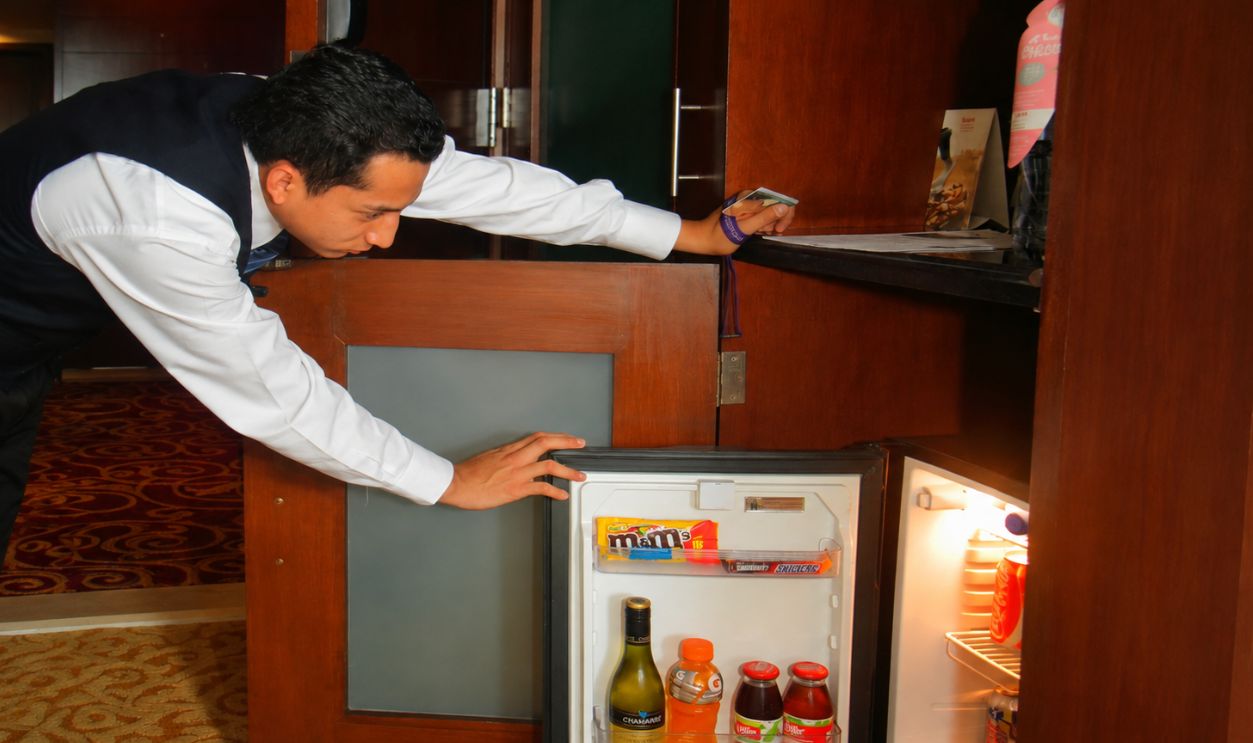
For hotels, this solves a basic problem. Traditional minibars had to be checked by staff by hand, room by room. That took time and could delay charges if a guest left early. Automated systems promised faster inventory updates, fewer missed charges, and lower labor costs. Hotels have been sold on that pitch for years.
 Jeff Greenberg, Getty Images, Modified
Travelers Have Been Complaining For Years
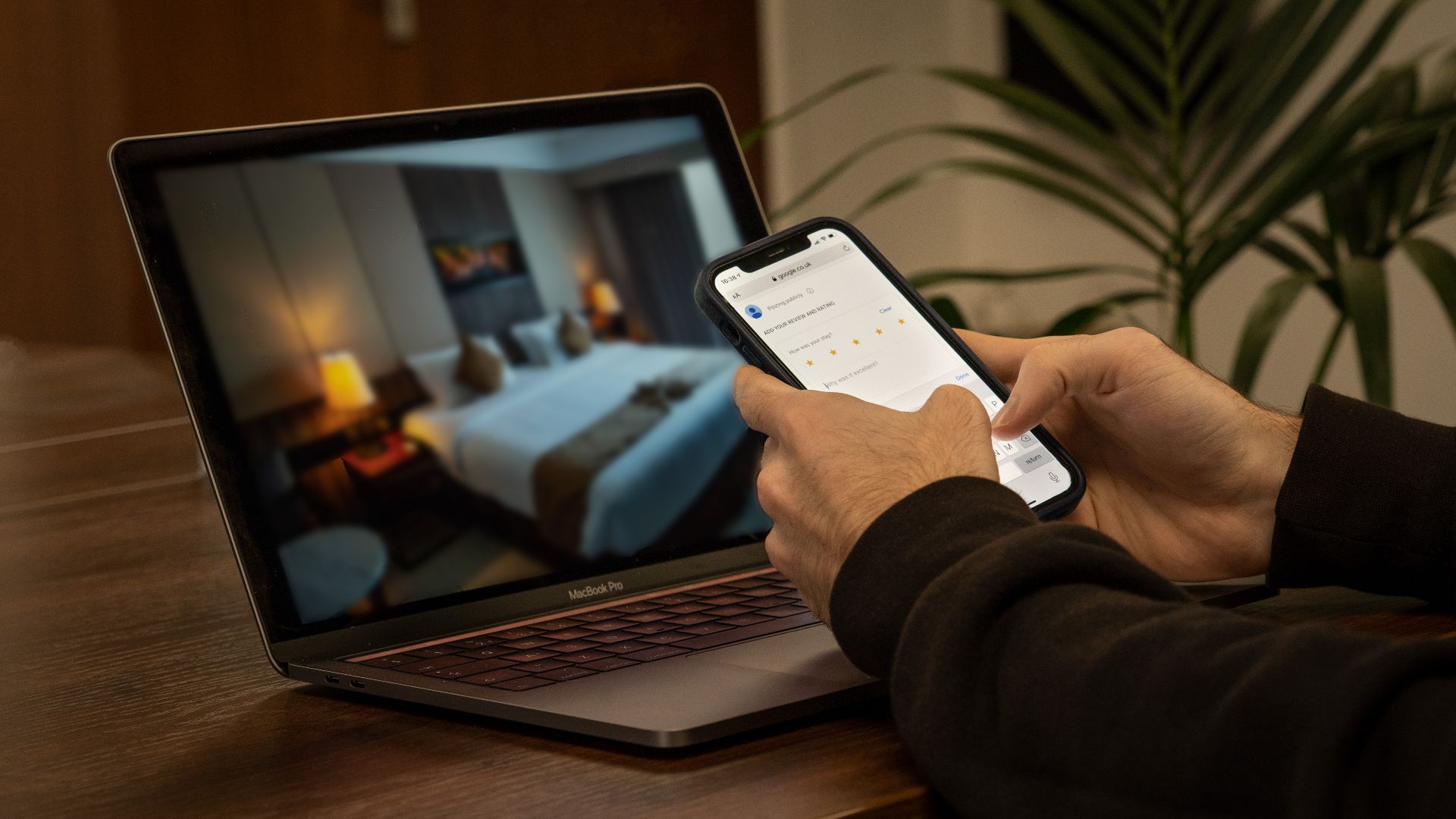
This is not some new app-era headache. Travel sites and hotel reviews have carried complaints for years from guests who say they were charged after touching or briefly moving minibar items. The pattern is common enough that some hotels now warn guests not to use the minibar for personal storage. That tells you plenty.
 Familydestinationsguide.com Images, Wikimedia Commons
Disputes Are Common
Consumer advocates and travel advice columns have dealt with minibar billing fights for a long time. The same issue comes up again and again: the system makes sense to the hotel, but not always to the guest. Someone may never open or consume a product and still trigger a charge. Even if that matches the technology, it can still feel unfair.

What Hotels Usually Mean By Removed
In normal conversation, removed sounds like you took something out and used it. In minibar systems, removed can simply mean lifted off its sensor spot or moved long enough to count as a sale. That gap between everyday language and system language is where a lot of mix-ups happen. If the hotel does not explain it well, guests are left guessing.

Medicine Storage Makes This Harder
Many travelers need refrigerator space for medication, baby formula, or medically necessary food. The American Diabetes Association says insulin should be protected from extreme temperatures, which is why guests often need a cool place to store it. A fully stocked minibar can put a real health need in direct conflict with a hotel's billing system. That is when a room amenity turns into a customer-service problem.
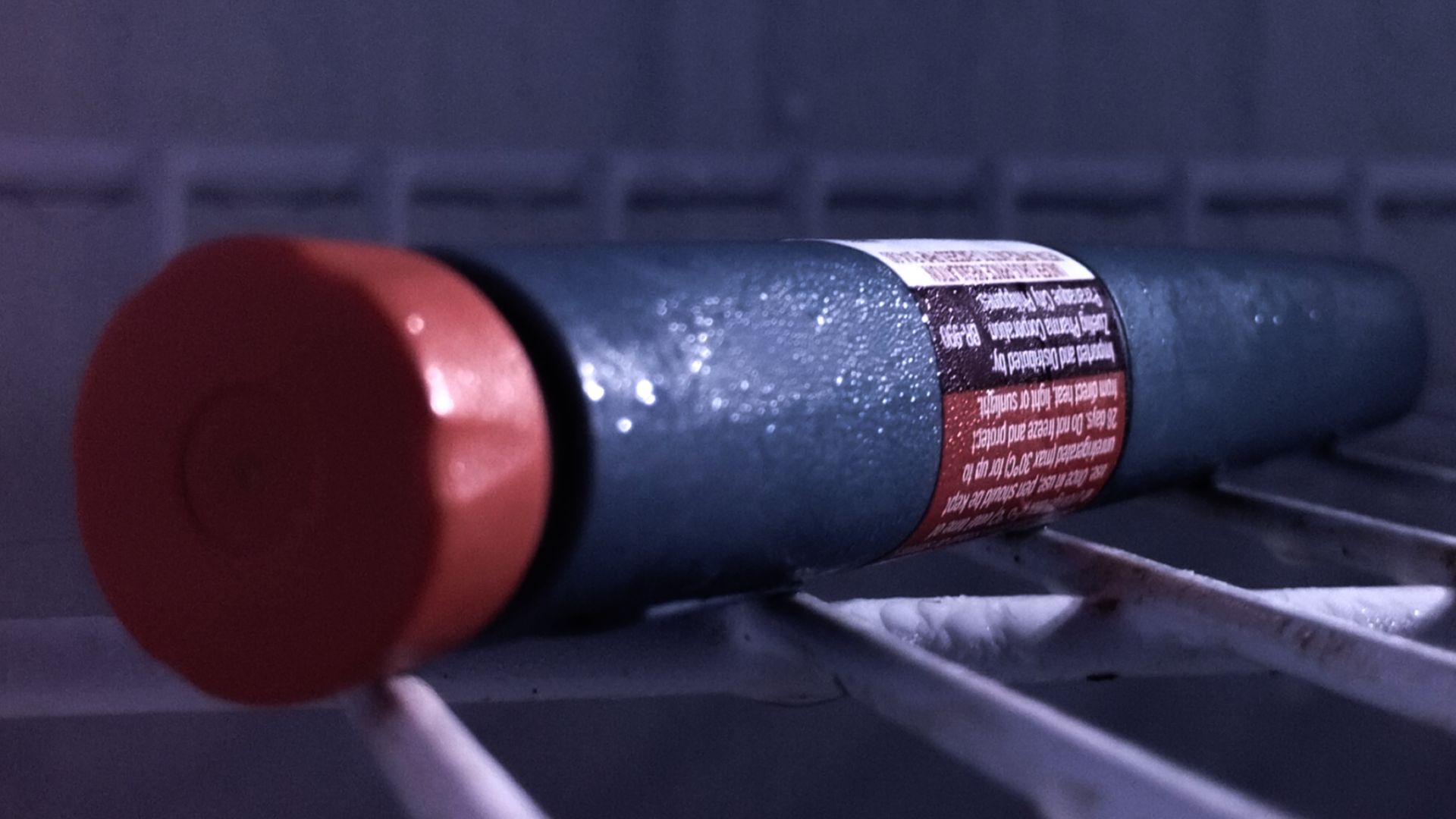
Not Every In-Room Fridge Is Meant For Guest Use
Some rooms have a minibar that looks like a normal refrigerator but is meant only for hotel products. Hotels may even label it to warn guests not to store personal items inside. At other properties, the fridge may be empty and safe to use. It is worth checking before you start moving tiny bottles and overpriced snacks around.
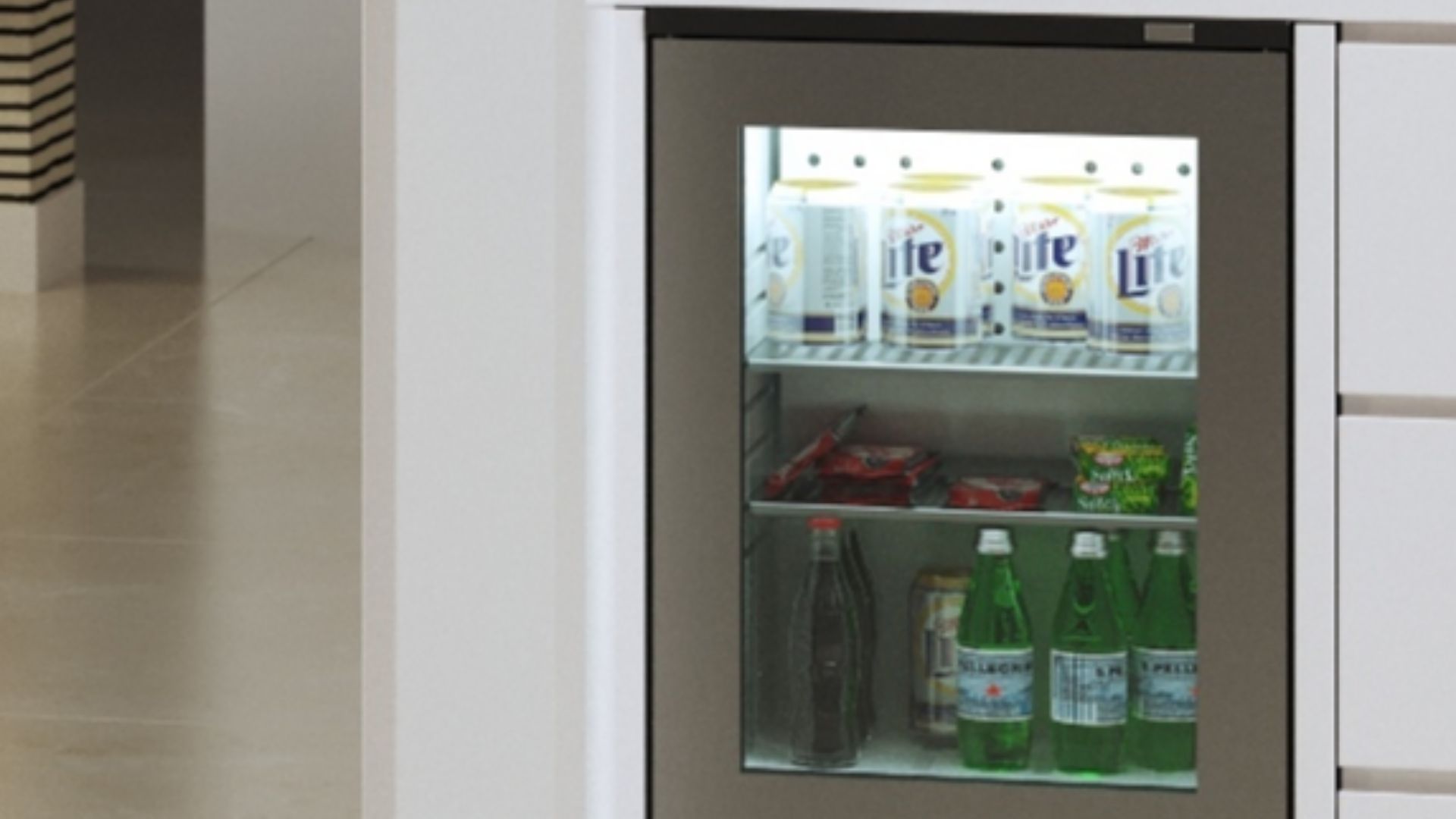
Ask Before You Touch Anything
If you need space for medicine, call the front desk first. Ask whether the room has a sensor-based minibar and whether staff can empty it or provide a medical refrigerator. Many hotels can do one or the other, especially when the need is health-related. A quick call can save you a billing fight later.

Medical Refrigeration Is Often Available
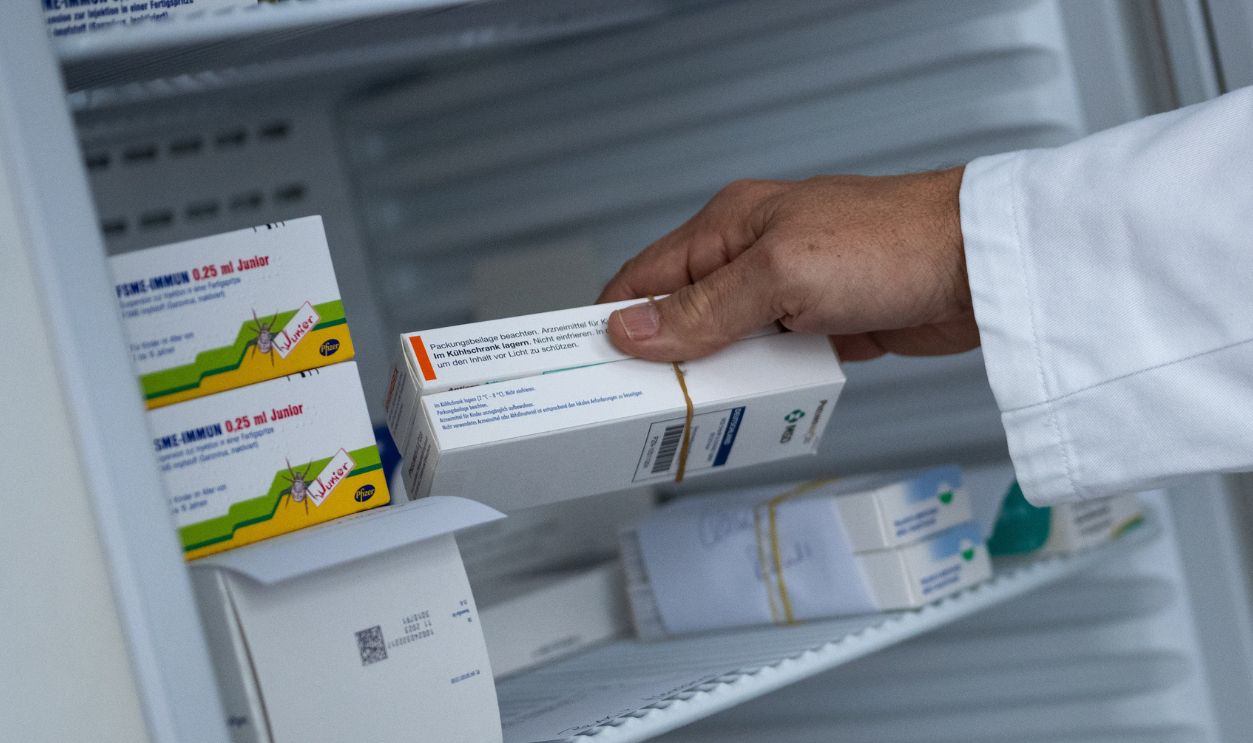
Hotels often keep small medical refrigerators for guests who need to store insulin or other temperature-sensitive medication. Some properties will remove minibar stock. Others will bring a separate unit. Policies vary by brand and location, so there is no single rule. That is why asking ahead is much safer than figuring it out after you arrive.
 picture alliance, Getty Images
Take Photos Before You Move Anything
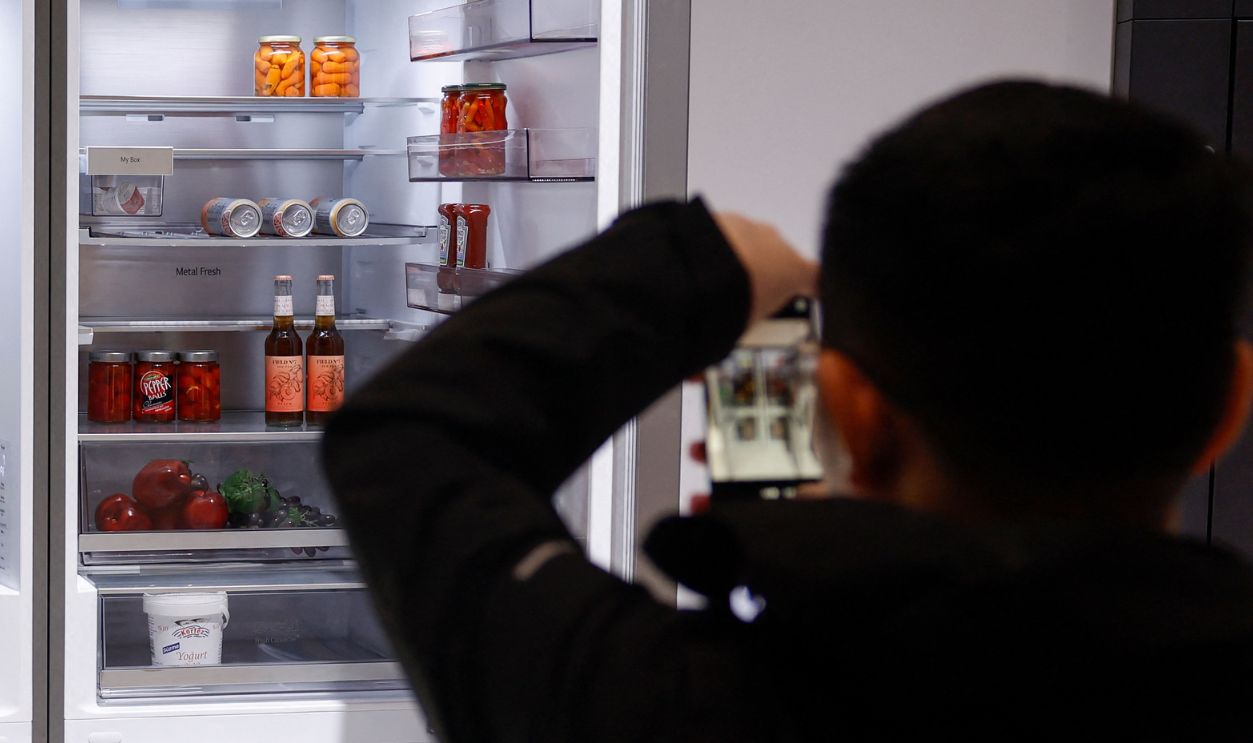
If you absolutely have to use the in-room fridge and cannot get another option right away, document the minibar first. Take a few photos showing the original setup and the condition of each item. If a charge shows up later, those pictures can help. They are not a perfect defense, but they give you a time-stamped record.
Check Your Folio Before You Leave
Minibar charges can show up fast, sometimes before checkout. Review your room folio on the TV, hotel app, or printed statement if that option is available. If you spot a charge while you are still at the property, you have a much better shot at getting it removed right there. That is usually easier than arguing about it from the airport.

If You Were Charged, Stay Calm And Be Specific
Go to the front desk and explain exactly what happened. Say that you moved the item only to make room for medication and did not consume it. Mention any photos, timestamps, or earlier calls to the hotel. Clear facts usually work better than general complaints, even if the minibar setup was ridiculous.
 Hryshchyshen Serhii, Shutterstock
Ask The Hotel To Check The Log
Automated minibar systems often create a record showing when an item was marked as removed. Ask staff to review that log and compare it with your account. If the system shows only brief movement, the hotel may waive the charge as a courtesy. Even when the system worked as designed, managers will sometimes reverse small fees to settle a reasonable complaint.

If The Front Desk Says No, Escalate
If the first answer is a flat no, ask politely for a supervisor or manager. Front desk staff may not always have the power to remove automated charges. A manager may be more willing to look at the full situation, especially when medication is involved. Keep it factual and polite.
 LightField Studios, Shutterstock
Credit Card Disputes Are A Last Resort
You can dispute the charge with your card issuer, but it is better to try the hotel first. A chargeback over a small minibar fee can take time and may not work if the hotel has system records and posted policy language. Save that option for cases where the hotel ignores you or refuses to review clear evidence. Most minibar disputes are easier to solve directly with the property.

Online Travel Agencies Usually Cannot Help
If you booked through a third-party site, that company usually cannot fix minibar charges. These fees are normally handled by the hotel because they are incidentals, not part of the prepaid room rate. In other words, your issue is with the property, not the booking platform. Knowing that can save time.
 Summit Art Creations, Shutterstock
This Is Also A Transparency Problem
The technology may be working exactly as intended, but guests still need clear notice. If moving a bottle for 30 seconds can cost money, that should be explained in plain language in the room and at check-in. Hidden rules are bad for trust, especially when the charge comes from normal behavior. Convenience for the hotel should not mean confusion for the guest.

Hotels Have An Easy Fix
The simplest fix is better communication. A visible card on or inside the minibar can explain whether sensors are in use, whether there is a grace period, and who to call for medical storage. Some hotels already do this, and it likely saves everyone time. A clear warning is a lot cheaper than a customer-service dispute.
One Question Can Save You Trouble
Before you settle in, ask, "Is this minibar sensor-based, and can I use any part of it for medication?" That one question gets right to the point. It also tells the hotel that your need is legitimate and time-sensitive. You are much less likely to get surprised later.
 Wanwajee Weeraphukdee, Shutterstock
The Bottom Line On Sensor Charges
Can sensors really trigger a bill when you only moved a minibar snack? Yes, they can. Whether the charge sticks depends on the hotel's technology, its posted policy, and its willingness to fix a reasonable mistake. If medication is involved, ask for help first, document what you did, and check your folio before you walk out.