
The room was sitting empty.
When I arrived before the official check-in time, the front desk said my cleaned room was ready but wanted an extra fee to hand over the key. Early check-in charges are real and can be legitimate, but whether one feels fair depends heavily on the hotel's disclosed policy, whether early access was genuinely optional, and what you were told before paying.
Yes, Early Check-In Fees Really Exist
Major hotel companies acknowledge that properties may charge guests for arriving before the standard check-in time. Hilton says early check-in is not guaranteed and warns that fees may apply, while individual Hyatt properties publish specific early-arrival prices. That means the charge itself is not something a front-desk employee necessarily invented on the spot.

Some Hotels Publish Exact Prices
The Hyatt Place Minneapolis/Downtown currently lists a $50 early check-in charge beginning at 9 a.m. and a reduced $25 fee beginning at noon. Standard check-in at that property begins at 3 p.m., and all early arrivals remain subject to availability. The policy demonstrates that hotels can treat time of access as a separately priced service.

Other Hotels May Let You In For Free
There is no universal hotel-industry rule requiring an early check-in fee. Marriott says early check-in is based on availability and tells guests to request it at the front desk, without imposing one chain-wide fee. Whether you pay can therefore depend on the particular property rather than the logo above the entrance.
 LightField Studios, Shutterstock
A Ready Room Does Not Automatically Mean Free Access
This is the part that frustrates travelers most. A hotel reservation generally promises use of the room beginning at the property's stated check-in time, not whenever housekeeping happens to finish preparing it. If a hotel clearly offers earlier access as an optional extra, the fact that the room is physically ready does not by itself eliminate the charge.

You Are Paying For Time, Not Another Cleaning
The hotel does not necessarily need to perform additional housekeeping to justify an early-arrival charge. What it is selling is access to the room earlier than the normal start of the reservation period. That distinction may still feel opportunistic, but it explains why arguing that “the room is already clean” does not automatically defeat the policy.

The Standard Check-In Time Matters
Before challenging the charge, confirm the hotel's published check-in time. Hilton and Marriott both tell travelers that check-in hours vary by property and can be found on individual hotel pages. If your confirmation said 3 p.m. and you arrived at noon, you were requesting something outside the standard reservation window.

Availability And Price Are Different Questions
A hotel can have a room available and still charge for allowing you into it early. “Subject to availability” answers whether early access is possible, while a fee policy answers what that access costs. Travelers sometimes hear “your room is ready” and understandably assume the rest of the transaction should be free.
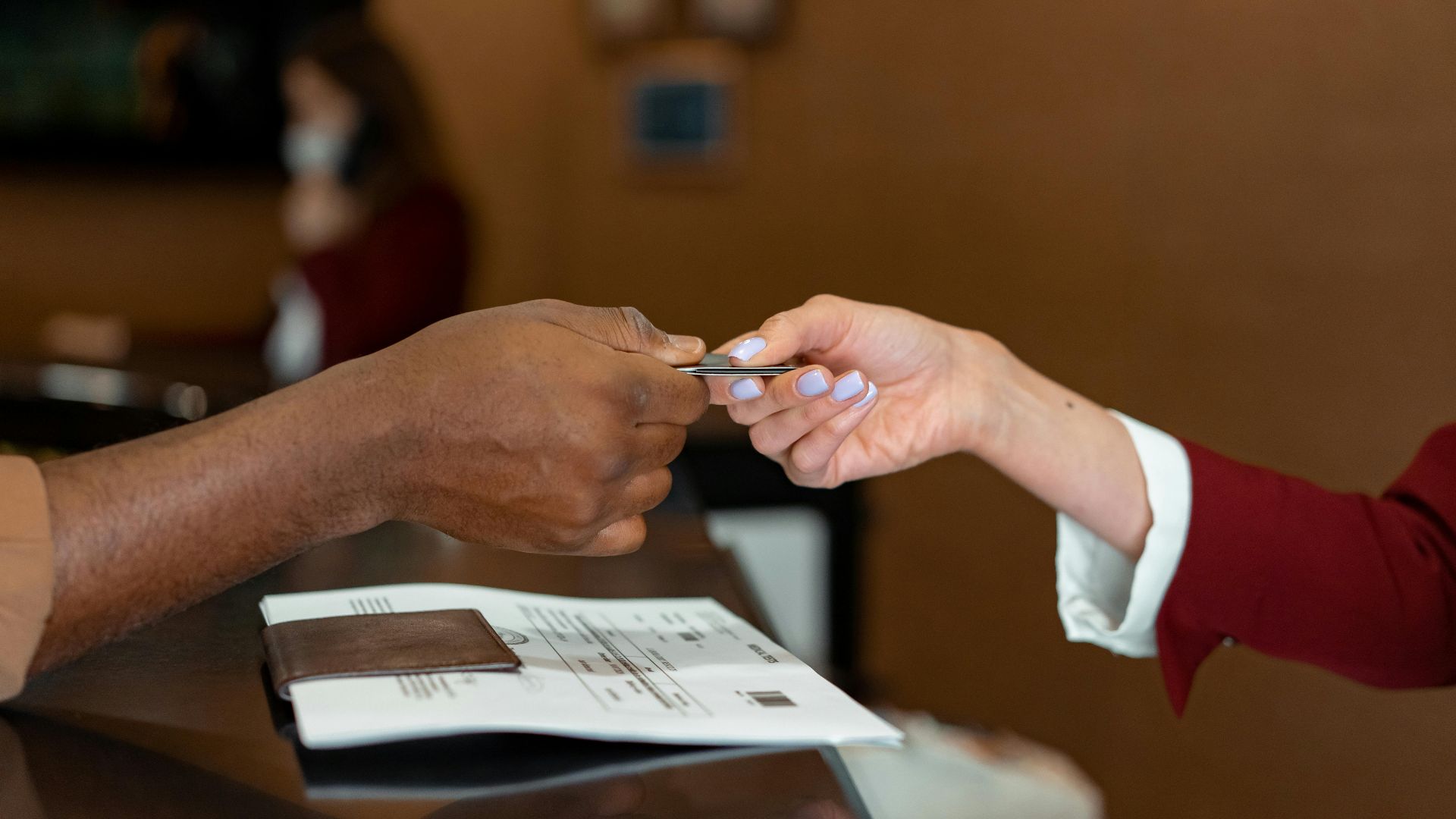
The Fee Should Not Be A Surprise At The Desk
Legality and disclosure are separate issues from whether a fee exists. Since May 12, 2025, the Federal Trade Commission's Rule on Unfair or Deceptive Fees has imposed new transparency requirements on businesses selling short-term lodging in the United States. Businesses must tell the truth about fees, including their nature, purpose, and amount.

The New Federal Rule Targets Hidden Pricing
The FTC rule was created to stop bait-and-switch pricing and hidden mandatory lodging charges. Hotels must prominently display the total price including most fees that every guest is required to pay. The rule does not ban fees themselves, which is an important distinction for anyone hoping the government simply outlawed hotel add-ons.

Optional Extras Work Differently
The FTC permits businesses to exclude genuinely optional goods or services from the initially advertised lodging price. Its guidance specifically says hotel features selected by a guest can increase the total after the original room rate is displayed. Early check-in can fit this model when a traveler voluntarily chooses extra access before the normal check-in time.

But Optional Has To Mean Optional
A hotel cannot simply call something optional when guests effectively have no reasonable way to avoid paying it. FTC guidance says charges that consumers cannot reasonably avoid can count as mandatory and may have to be included in the displayed total price. If you were free to wait until normal check-in without paying, an early-arrival fee looks much more like a genuine add-on.
 Hryshchyshen Serhii, Shutterstock
The Hotel Must Explain What You Are Buying
Even fees excluded from the initial advertised price have disclosure requirements. The FTC says businesses generally must clearly disclose the nature, purpose, and amount of allowable excluded charges before asking consumers to pay. “There is a $40 early check-in fee if you want the room now” is much clearer than quietly adding $40 to the folio.
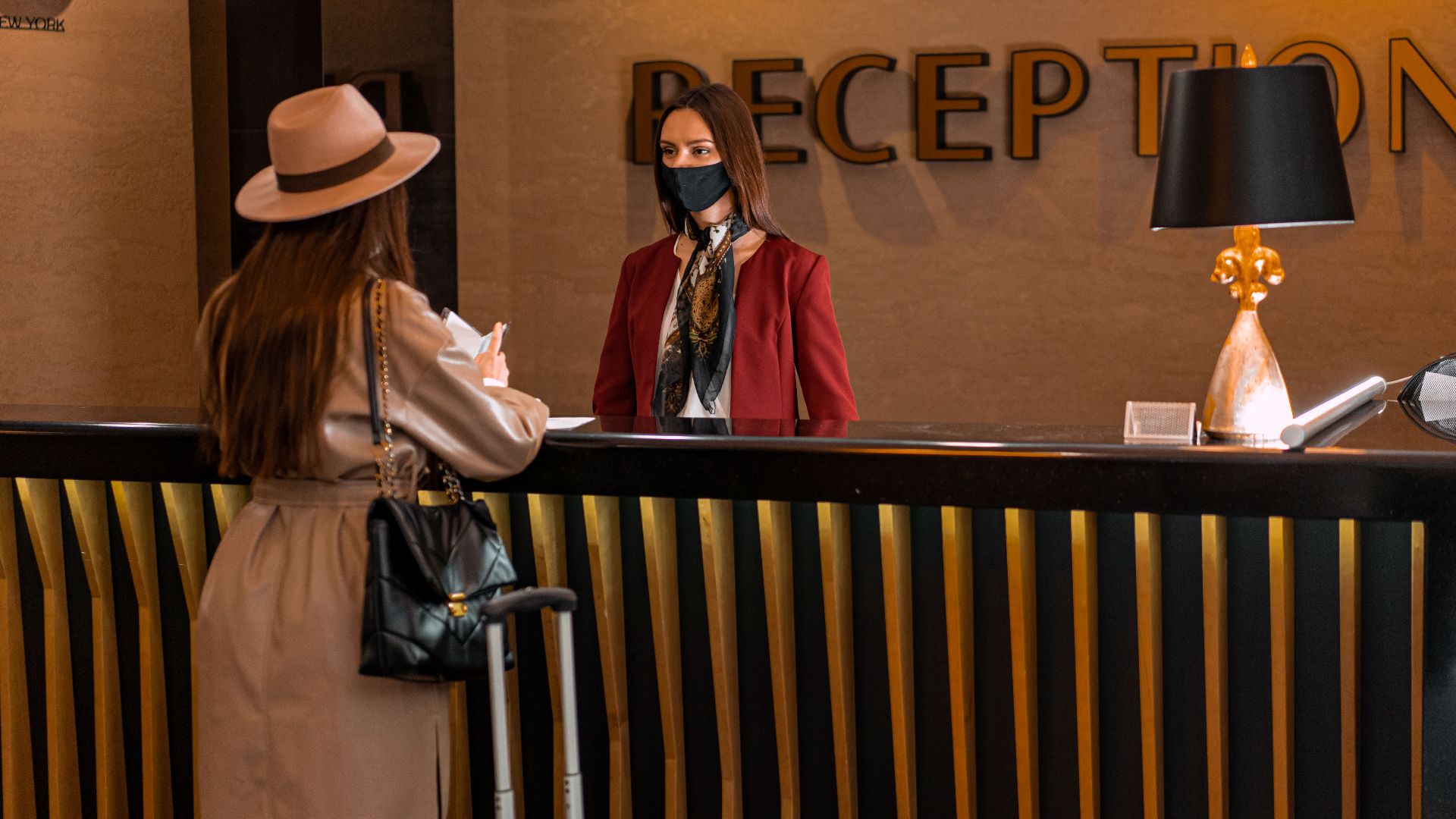
A Mysterious Charge Deserves Questions
If you noticed the fee only after looking at your receipt, ask the hotel exactly when you agreed to it. Request the property's written early check-in policy and an itemized bill. Consumer authorities routinely advise travelers to keep documentation and examine added lodging fees carefully.
 Ikonoklast Fotografie, Shutterstock
Do Not Confuse Early Check-In With A Resort Fee
An early-arrival fee normally depends on a choice made by one guest. A mandatory resort or destination fee applies regardless of whether the traveler wants the services supposedly included. Under the FTC rule, unavoidable resort fees generally belong in the upfront total price rather than appearing as a surprise later.

California Has Similar Pricing Protections
California's hidden-fee law also generally requires businesses to include mandatory charges in advertised prices. The state attorney general explains that fees for optional services do not have to be included in the original advertised amount. That again makes the question of genuine consumer choice especially important.

Being Annoyed Is Still Reasonable
Something can be permitted and still irritate customers. A traveler staring at a vacant, cleaned room may understandably struggle to see what extra cost the hotel incurred by handing over the key two hours early. Hotels are free to price optional services in many circumstances, but guests are equally free to decide the policy feels stingy.

Why Hotels Like The Fee Is Pretty Obvious
An early check-in charge creates another source of revenue from a room the hotel already expects to sell that night. It also lets the property assign a price to a convenience that some travelers value significantly after an overnight flight or an early arrival. Whether you consider that clever pricing or nickel-and-diming is largely a matter of perspective.

Some Guests Will Happily Pay It
Arriving at 8 a.m. after a red-eye can make immediate access to a bed and shower genuinely valuable. Paying $30 or $50 may be preferable to spending six hours in a lobby or dragging luggage around town. The existence of willing buyers is one reason hotels can successfully sell early access separately.
 Anastasia Ilina-Makarova, Pexels
Two Hours Early Feels Different From Eight
The closer you are to normal check-in, the more arbitrary the fee may feel. A guest asking for a room at 8 a.m. is effectively requesting a substantial extension of the stay, while someone arriving 20 minutes early is asking for far less. Individual hotel policies sometimes recognize this by reducing fees as normal check-in approaches.

Ask Whether They Can Waive It
A published fee does not necessarily mean the front desk has zero discretion. Ask politely whether complimentary early access is possible given that the room is already ready. You may get a waiver, especially if the property has low occupancy, you have elite status, or the arrival is only slightly early, although none of those factors automatically creates a right to free access.
 Wanwajee Weeraphukdee, Shutterstock
Loyalty Status May Help
Hotel loyalty programs can offer arrival and departure benefits, although early check-in guarantees are uncommon. Marriott, for example, continues to describe early arrival generally as availability-based. Check your exact elite benefits instead of assuming status makes every timing request complimentary.

Luggage Storage Is The Obvious Backup
If you do not want to pay, ask the hotel to hold your bags until the official check-in time. Marriott explicitly recommends luggage storage as an alternative when early check-in cannot be accommodated. You can then eat, sightsee, work, or relax somewhere else without rewarding a fee you dislike.

A Day-Use Room Is Another Option
Travelers arriving extremely early may need more than luggage storage. Marriott offers day-use rates at participating hotels for guests who need rooms during daytime hours, although availability varies. Comparing that price with an early check-in fee can reveal which option actually offers better value.

Guaranteed Early Access Costs More
If getting into a room early is absolutely essential, requesting it on arrival is risky because availability is never guaranteed. Marriott says the only reliable way to guarantee very early access is to reserve the previous night as well. That can be expensive, but it gives the hotel a contractual reason to keep the room available before normal check-in.

Check The Policy Before You Fly
Travelers with morning arrivals should look up both check-in time and early-arrival rules before departure. California's attorney general recommends reading travel terms and conditions carefully, including fees and restrictions, before paying. A two-minute policy check can prevent an unpleasant surprise after a long flight.

Third-Party Bookings Need Extra Attention
Online travel agencies may display hotel policies separately from the room-selection screen. Confirm the property's own rules when early access matters to your plans. Consumer authorities also recommend verifying travel arrangements directly with the hotel when reservations were made through another company.
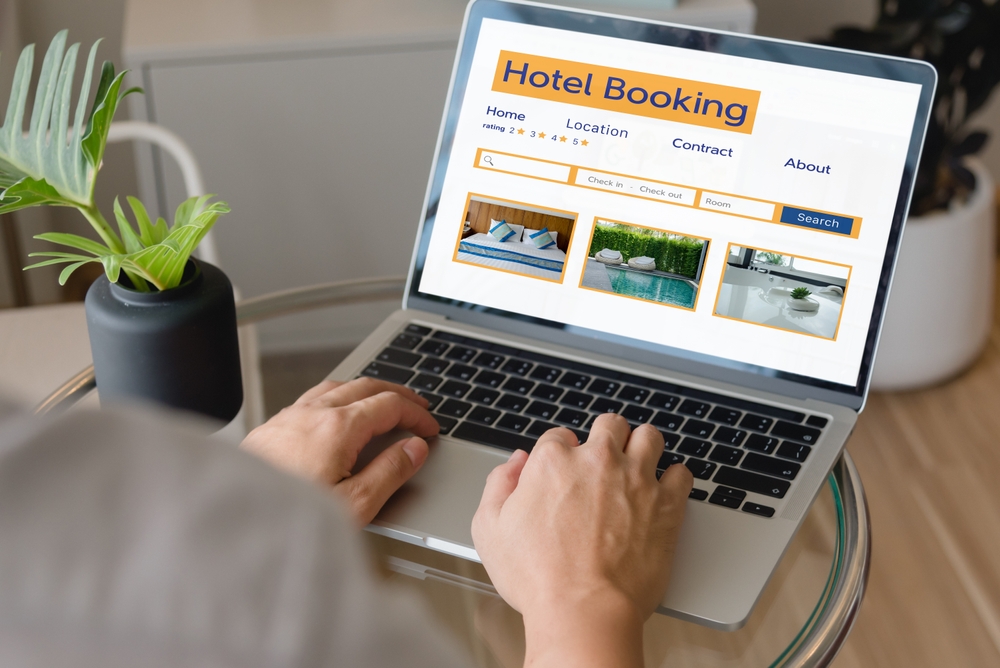
Keep Screenshots Of What You Were Shown
If the booking page promised complimentary early arrival or failed to disclose a fee that was supposed to appear before payment, evidence matters. Save the reservation confirmation, rate details, hotel policy, and final receipt. State consumer-protection agencies specifically recommend keeping screenshots and records when lodging fees become disputed.

Ask For The Manager Before Starting A Chargeback
If you believe the charge was misleading, try resolving it with the hotel first. Explain that the room was ready, describe what you were told about early access, and identify any policy language supporting your position. A manager can often investigate or reverse a small charge faster than a formal dispute process.

Report Truly Hidden Fees
Travelers who believe a U.S. lodging business is violating the FTC fee rule can report the issue to the Federal Trade Commission. State attorneys general may also accept complaints involving deceptive hotel pricing or undisclosed fees. A fee you simply dislike is different from one that was falsely described, mandatory but hidden, or charged without meaningful consent.

So Is It A Cash Grab?
In the ordinary sense, an early check-in fee is certainly designed to generate revenue from a convenience. That does not automatically make it illegitimate, especially when normal check-in is clearly stated and early entry is a disclosed optional purchase. The stronger objection arises when the charge is hidden, inaccurately described, or imposed after you were led to believe early access was complimentary.
 Tongpool Piasupun, Shutterstock
The Smart Move Is To Make Them Say It Upfront
Before arriving early, call the property and ask three questions: whether a clean room can be released early, whether doing so costs anything, and exactly when that fee stops applying. If the answer is too expensive, store your luggage and return at the official check-in time. A hotel can put a price on convenience, but you do not have to buy it.
You May Also Like:
10 Hidden Gems for a Safe and Affordable Family Vacation
The 50 Most Walkable Cities In North America