That “Private Terrace” May Not Be Private
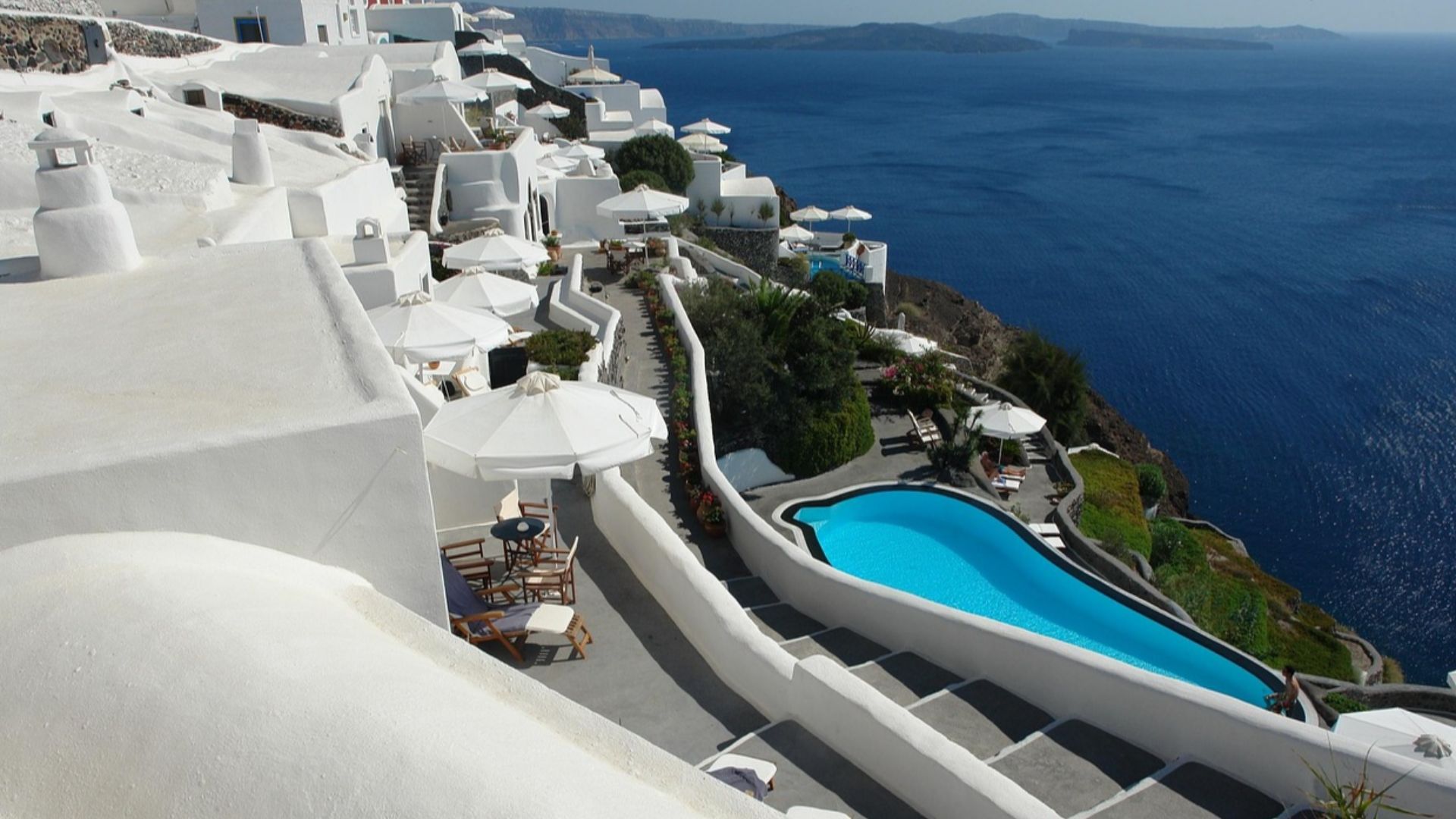
You book a room, pay extra for a “private terrace,” and picture a quiet patch of sun where nobody strolls past your lounger. Then you arrive and find the terrace sits next to a walkway, pool path, or shared access route. At that point, the question is pretty straightforward: is the hotel misleading you, or just using slippery marketing language?

Why This Happens So Often
Hotels love words like “private,” “exclusive,” and “secluded” because they sell more than a room. They sell a picture in your head. The problem is that, in travel, those words do not always mean what guests think they mean. That gap between expectation and reality is where complaints, refund demands, and legal arguments usually start.
What Guests Usually Think “Private” Means
Most travelers hear “private terrace” and assume the space is for their room only and not part of the general flow of foot traffic. It does not have to mean total silence or zero chance that someone from another building can see it. But most people would reasonably expect strangers not to be walking directly past it all day.

What Hotels May Mean Instead
Some hotels use “private terrace” in a much narrower way. They mean the terrace belongs to your room and cannot be booked by anyone else. That can still leave it wide open to passing guests. If the terrace is technically attached only to your room but sits on a common route, that distinction matters.

The Consumer Law Side Of It
In many places, the legal question is not simply whether the wording was disappointing. It is whether it was likely to mislead an average consumer. In the UK, the Consumer Protection from Unfair Trading Regulations 2008 ban misleading actions and misleading omissions in business-to-consumer marketing. So if an ad gives the average traveler the wrong idea about a key feature of the stay, that can be a real problem.
 https://kaboompics.com/, Pexels
What The UK Rules Actually Focus On
The UK rules ask whether a commercial practice deceives, or is likely to deceive, the average consumer and causes, or is likely to cause, a booking decision they otherwise would not have made. Put simply, if the words “private terrace” helped persuade you to book and the reality was meaningfully different, the claim may be open to challenge. The Competition and Markets Authority has also said businesses must not leave out important information or present it in a vague or unclear way.

US Travelers Have Similar Protection
In the United States, the Federal Trade Commission says advertising must be truthful, not misleading, and supported when needed. Its basic test is whether a claim is likely to mislead consumers acting reasonably in the circumstances and whether the claim is material. A room feature that could sway a booking decision can easily count as material.

Why Fine Print Matters
If the hotel clearly said somewhere that the terrace faced a shared path or was exposed to a communal walkway, that can weaken a false advertising claim. If it said nothing like that, and the main listing strongly suggested seclusion, your complaint looks much stronger. Screenshots from the time of booking can be crucial.

Photos Can Make Or Break The Case
Pictures often shape expectations even more than the written description. If the hotel used tight shots that hid the walkway next to the terrace, that omission can help your argument. If the photos clearly showed the layout or people passing by, the hotel has a better defense.

The Contract Is More Than The Room Rate
Your booking confirmation, the listing description, room photos, and any direct messages from the hotel may all matter in a dispute. These cases usually turn on the overall impression created before payment. In other words, a single word like “private” is rarely judged on its own.

Package Holidays Add Another Layer
If you booked through a package holiday company in the UK, you may have added protection under the Package Travel and Linked Travel Arrangements Regulations 2018. Those rules say travel services generally have to match what was promised in the contract. If a key room feature was described badly, you may be able to go after the organiser as well as the hotel.

Booking Platforms Have Their Own Rules Too
Big platforms like Booking.com and Expedia have their own listing standards and complaint systems, even if those are not the same as a court judgment. If a listing was misleading, the platform may help with mediation, a partial refund, or a record of repeat complaints. That can be much faster than taking legal action, especially while you are still on the trip.

When It Starts To Look Like Misleading Marketing
Your case gets stronger if strangers can freely walk past your chairs, see into the room, or use the edge of the terrace as a through-route. A terrace may be attached to your room, but if it sits on a busy shared corridor, many people would not call that private. If the setup makes normal use of the space awkward or pointless, that is a strong sign the description may have crossed the line.
 Download a pic Donate a buck! ^, Pexels
When It May Be Irritating But Not Misleading
Not every disappointing terrace will amount to false advertising. If the space was for your sole use, set apart from the public, and only visible from a distance or neighboring balconies, the word “private” may still be arguable. Privacy and exclusivity overlap, but they are not exactly the same thing in travel marketing.
What To Do As Soon As You Spot The Problem
Take photos and short videos right away, ideally showing people walking past and how the terrace connects to the shared area. Save the listing, room description, and promo photos before they can be changed. Then report the issue to reception in writing, or follow up any face-to-face conversation with a message or email.

Ask For A Fix Before A Fight
Hotels are often more willing to move you than to argue about wording at the front desk. Ask for a room change, an upgrade, or a partial refund while you are still there. If they refuse, ask them to confirm that in writing or send the response through the booking platform so there is a clear record.

Why Timing Matters
Consumer rights groups often tell travelers to complain as soon as a problem appears, not after the trip is over. The reason is simple: the business should get a fair chance to put things right. You can still complain later if you stayed quiet, but complaints backed by immediate evidence usually carry more weight.

Advertising Standards Can Matter Too
In the UK, the Advertising Standards Authority says marketing must not materially mislead or be likely to do so. The CAP Code also says advertisers should hold evidence for objective claims before publishing them. If “private terrace” created a false impression, an ASA complaint may be worth considering, especially if the wording appears in wider marketing and not just in a one-off booking dispute.

Small Claims Could Be An Option
If the amount of money is fairly modest and the hotel or travel company refuses compensation, small claims court may be a practical route, depending on where you booked and who took payment. Cases like this usually come down to evidence, screenshots, and how an ordinary consumer would read the listing. The legal label matters less than the gap between the promise and the reality.
What Compensation Might Look Like
Disputes over room descriptions do not usually end with a full refund. More often, travelers get a partial refund, a goodwill payment, loyalty points, or the difference between what was sold and what was actually delivered. The more clearly privacy was a key selling point, the stronger your case for meaningful compensation.

Words Worth Reading Carefully
Before you book, treat phrases like “private,” “partial sea view,” “adults-only area,” and “garden access” with a bit of caution. They can be technically true while still painting a much nicer picture than the real layout supports. A quick message to the property can save you a lot of hassle later.

Smart Questions To Ask Before Booking
Ask whether anyone can walk directly past the terrace, whether it borders a public path, and whether there are screens or barriers. Ask if the terrace is overlooked by shared spaces and whether the photos show the exact room category. If privacy really matters to you, getting the answer in writing is worth the extra minute.

Screenshots Matter More Than You Think
Listings change all the time, especially after complaints. A screenshot of the exact wording, room photos, and amenity details from the day you booked can be some of your best evidence. If the hotel later changes “private terrace” to something softer like “terrace area,” that may say a lot.

Travel Insurance Probably Will Not Fix This
Standard travel insurance usually covers things like cancellations, medical emergencies, and lost luggage, not disappointing room descriptions. Unless the issue is tied to some bigger covered disruption, this is usually one for the hotel, booking platform, card issuer, or travel company. That makes good documentation even more important.

Chargebacks Can Sometimes Help
If the hotel or intermediary refuses to deal with the issue, a chargeback or Section 75 claim may be worth looking into, depending on how you paid and where you are based. These routes are not guaranteed, and card providers will want evidence of misrepresentation and proof that you tried to sort it out first. Still, they can be useful leverage when a dispute goes nowhere.

So, Is It False Advertising?
It can be, but not automatically. If the average traveler would read “private terrace” as a truly secluded space and the reality was a walkway with strangers passing by all day, the description may well be misleading. If the terrace was simply for your exclusive use but obviously exposed in a way the listing disclosed, the hotel has a stronger argument.

The Practical Bottom Line
If your “private terrace” felt more like a public footpath, do not just write it off as bad luck. Document it, complain quickly, and push for a fix while you are still there. In travel, one loaded word can sell the dream, but when it comes time to ask for your money back, the real-world setup is what counts.