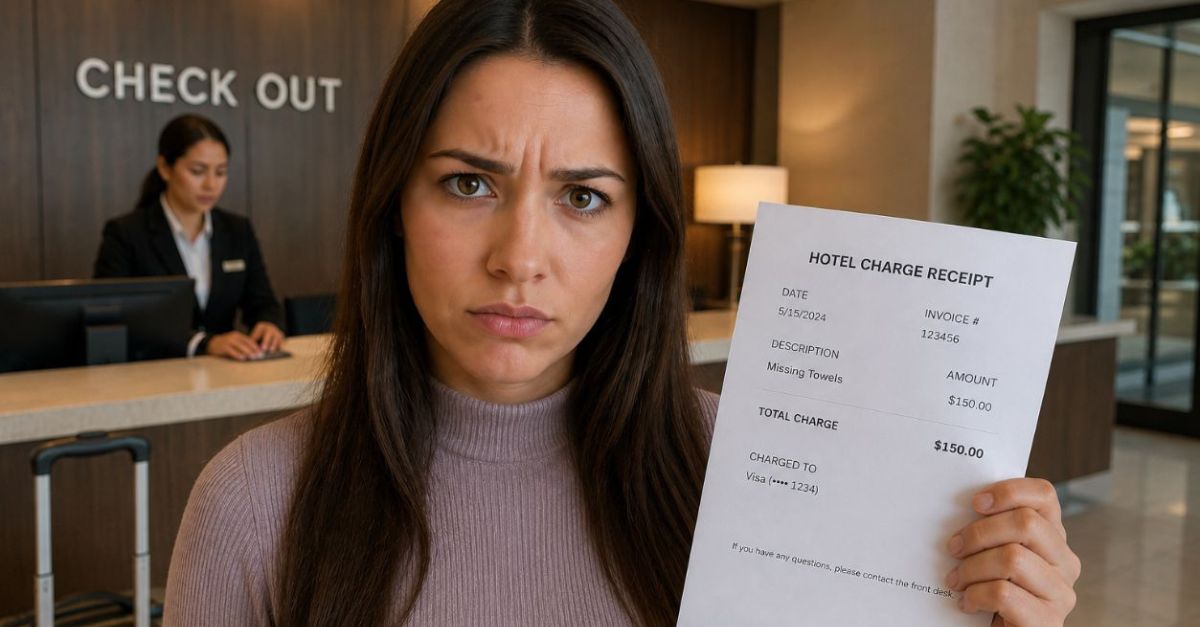
The Checkout Charge Nobody Sees Coming
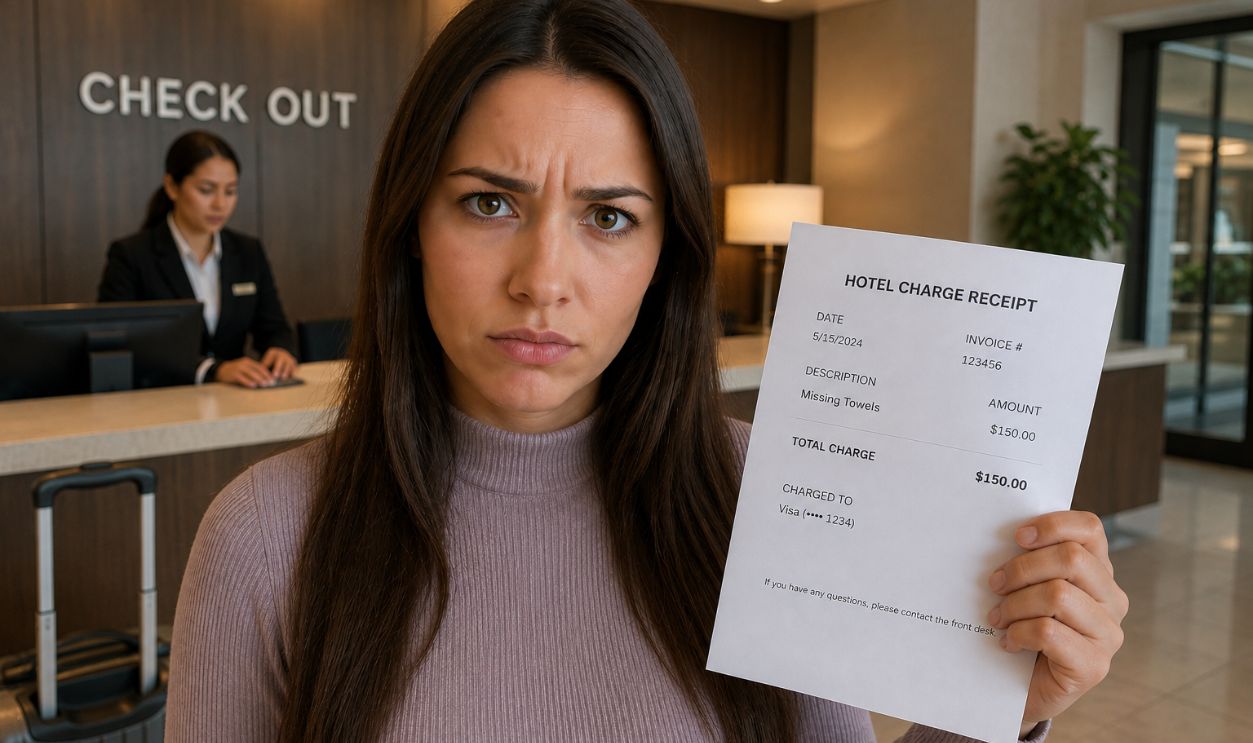
You check out, head home, and then your card gets hit with a charge for “missing towels.” It sounds ridiculous, but hotels often can bill a card after you leave if they believe there was damage, theft, or some other unpaid charge. The real issue is not whether they can try. It's whether the charge is valid—and how you can fight back if they made a mistake.
Hotels Usually Keep Your Card On File
When you check in, most hotels place a hold on your credit or debit card for room charges and incidentals. That is standard practice across the hotel industry. If a hotel says towels, robes, minibar items, or something else went missing after checkout, the card on file is usually where it starts.

Where A Missing Towel Charge Fits In
Hotels usually treat missing items as incidental charges, separate from the room rate. That category can include minibar purchases, parking, smoking fees, damage, and hotel property the hotel says was taken. If the hotel claims towels were not returned, it may handle them the same way.

The Check-In Agreement Matters
The answer often comes down to the paperwork you agreed to at check-in. Many hotels say in their registration forms or terms that they may charge your card for damage, missing items, or unpaid balances found after you leave. If that language was clearly disclosed and you authorized the card, the hotel has a stronger case for running the charge.

That Does Not Mean The Charge Is Automatically Right
Even if the hotel has your card on file, that does not make every post-checkout charge untouchable. Card network rules and consumer protections still matter, especially if the charge is wrong, unsupported, or was never clearly disclosed. A hotel can submit the charge, but you can still challenge it with the hotel and then with your card issuer.

Credit Cards Usually Offer Better Protection
The Fair Credit Billing Act gives consumers the right to dispute certain billing errors on credit card accounts. The Consumer Financial Protection Bureau says consumers generally have 60 days from the date the first bill with the error was sent to submit a dispute in writing. That does not guarantee the outcome, but it does trigger a formal investigation process.

Debit Cards Can Be A Bigger Headache
If the hotel charged your debit card, the situation can be tougher because the money may leave your account right away. The CFPB warns that debit card disputes follow different rules and can be more painful because your own cash may be tied up while the issue gets sorted out. That is one reason many travel experts suggest using a credit card for hotel stays.

The Hotel May Need Proof
Visa’s public dispute guidance makes clear that cardholders can dispute charges they do not recognize or believe are wrong. In real disputes, merchants are often expected to produce documents if a charge is challenged, such as signed registration forms, receipts, or records tied to the stay. If a hotel says you stole towels, photos, housekeeping logs, and written hotel policies can suddenly matter a lot.

What A Solid Hotel Claim Should Show
A believable hotel claim usually needs more than a vague accusation. The hotel should be able to explain what was missing, when it was discovered, what it cost to replace, and why your room was supposedly responsible. If the charge shows up days later with no notice and no proof, that can weaken the hotel’s position if you dispute it.
Housekeeping Errors Do Happen
This is where things get messy. Towels can be misplaced, mixed into laundry, moved between rooms, or counted wrong during a fast room turnover. That does not mean every hotel claim is false, but it does mean a “missing towel” is not automatic proof that a guest took anything.

Timing Matters
If a hotel says it found the missing item right after checkout, the claim may sound more believable. If it waits days to bring up missing towels, there are obvious questions about whether another guest, a staff member, or a simple inventory mistake played a role. Quick notice is not just polite. It can affect how convincing the charge looks.

Start By Asking For Details
If this happens, contact the hotel and ask for a written, itemized explanation. Ask when the missing items were discovered, how many were involved, what the replacement cost is, and what evidence ties the loss to your room. You are not being difficult. You are creating a paper trail.

Ask For The Signed Check-In Terms
One of the most useful documents is the registration or check-in agreement you accepted when you arrived. That paperwork may show whether the hotel disclosed post-checkout charges for missing items and whether any specific fees or policies were listed. If the hotel cannot produce clear terms, that can help your case.

Departure Photos Can Help
Most travelers do not think to photograph a hotel room before leaving, but it can be useful. A few quick photos of the bathroom, towel racks, minibar area, and general room condition can make a big difference if a dispute appears later. It is a simple habit that can save a lot of hassle.
 Anastasia Ilina-Makarova, Pexels
Keep Your Folio And Messages
Save the final folio, checkout confirmation, text messages, app alerts, and emails from the hotel. If your folio showed a zero balance or said nothing about missing items, that does not end the issue, but it can support your claim that the later charge came out of nowhere. Good records often make the difference in a dispute.

The Fee Should Match Reality
Hotels cannot just pull a huge number out of thin air because a towel allegedly disappeared. The charge should generally reflect a real replacement cost or a disclosed fee that matches hotel policy. If a basic bath towel somehow turns into a massive charge, that is a red flag worth pushing back on.

Consumer Protection Laws Still Matter
State consumer protection laws can come into play if a hotel uses unfair or deceptive billing practices. The Federal Trade Commission’s general guidance on billing disputes also stresses reviewing statements quickly and disputing unauthorized or incorrect charges. A hotel does not get a free pass just because it had your card on file.

Try The Hotel First, Then Move Fast
In many cases, the quickest fix is to contact the front desk manager or general manager and calmly ask for the charge to be reversed. If that goes nowhere, escalate to the brand’s customer service team if the hotel is part of a major chain. If it is an independent hotel, you may need to go straight to your card issuer.

How To Make A Strong Dispute
When you dispute the charge, stick to the facts. Say that you were charged after checkout for alleged missing towels, that you deny taking hotel property, and that you asked for evidence but did not receive enough to support the claim. Include copies of your folio, emails, photos, and any notes from calls with the hotel.

Written Complaints Carry More Weight
For credit cards, the CFPB says billing error disputes should be sent in writing to the address listed for billing inquiries, even if you also call. That matters because a phone complaint alone may not trigger all the protections of the Fair Credit Billing Act. It is an old-school move, but it can make a real difference.

Do Not Miss The Deadline
The time limit is not generous. The CFPB says your written dispute generally must reach the card issuer within 60 days after the first statement showing the charge was sent. Waiting around in hopes the hotel will eventually fix it can cost you leverage.

If You Booked Through A Travel Site
Booking platforms often explain that hotels may require a card for incidentals, but they usually are not the ones deciding post-checkout charges for damage or missing items. That means your dispute is usually with the hotel first and then your card issuer, not the site where you booked. Still, keep your booking confirmation because it helps show what charges were originally disclosed.

Big Chains And Small Hotels Still Follow Similar Card Rules
A luxury hotel and a roadside motel may look very different, but both usually operate within the same basic card payment system. If they want to defend a disputed incidental charge, they generally need to show that the card was properly authorized and that the fee was legitimate. Brand reputation may affect how a complaint gets handled, but it does not erase your dispute rights.
Could The Hotel Send The Bill To Collections
If a hotel cannot successfully charge your card and still thinks you owe money, it could try to pursue the debt like another unpaid bill. That said, a weak towel claim is not a great candidate for aggressive collections if the evidence is thin and the amount is small. Most of these fights are more likely to play out through the card dispute process than in court or collections.

The Bottom Line For Travelers
So can a hotel charge your card after checkout because it says towels are missing? In many cases, yes, at least at first. Can it legally keep the money if the claim is weak or unfair? Not always, and that is where your records, your card issuer, and the dispute process become your best tools.

The Best Way To Protect Yourself Next Time
Use a credit card, read the incidental policy at check-in, snap a few photos before you leave, and check your statement as soon as charges post. If something strange appears, ask for proof right away and dispute it in writing if the hotel cannot back up the claim. It is not the fun part of travel, but it can keep you from paying for towels you never took.