
The Balcony Problem Starts Small
Your friend has been bragging for weeks about the money they saved by booking the cheapest room instead of joining everyone in the suite. But then the trip starts, and the one frugal friend is spending the entire time in your suite anyway. It doesn't feel fair, but if you want to get over your resentment and salvage your trip, "fair" not be the way to do it.

Why This Gets Personal Fast
Hotels don't just sell a bed for the night. They sell access to specific space, privacy, and room features tied to what you booked. If you paid a lot more for a suite because it has more room, a private balcony, or a separate living area, it makes sense to be protective of it.

What You’re Really Paying For
Major hotel brands offer suites as upgraded rooms with larger layouts, separate living space, and extra features. Marriott, Hilton, and Hyatt all market suites as a step up from standard rooms. That matters here because those extras are part of what the higher price is buying.
Why Suites Cost More
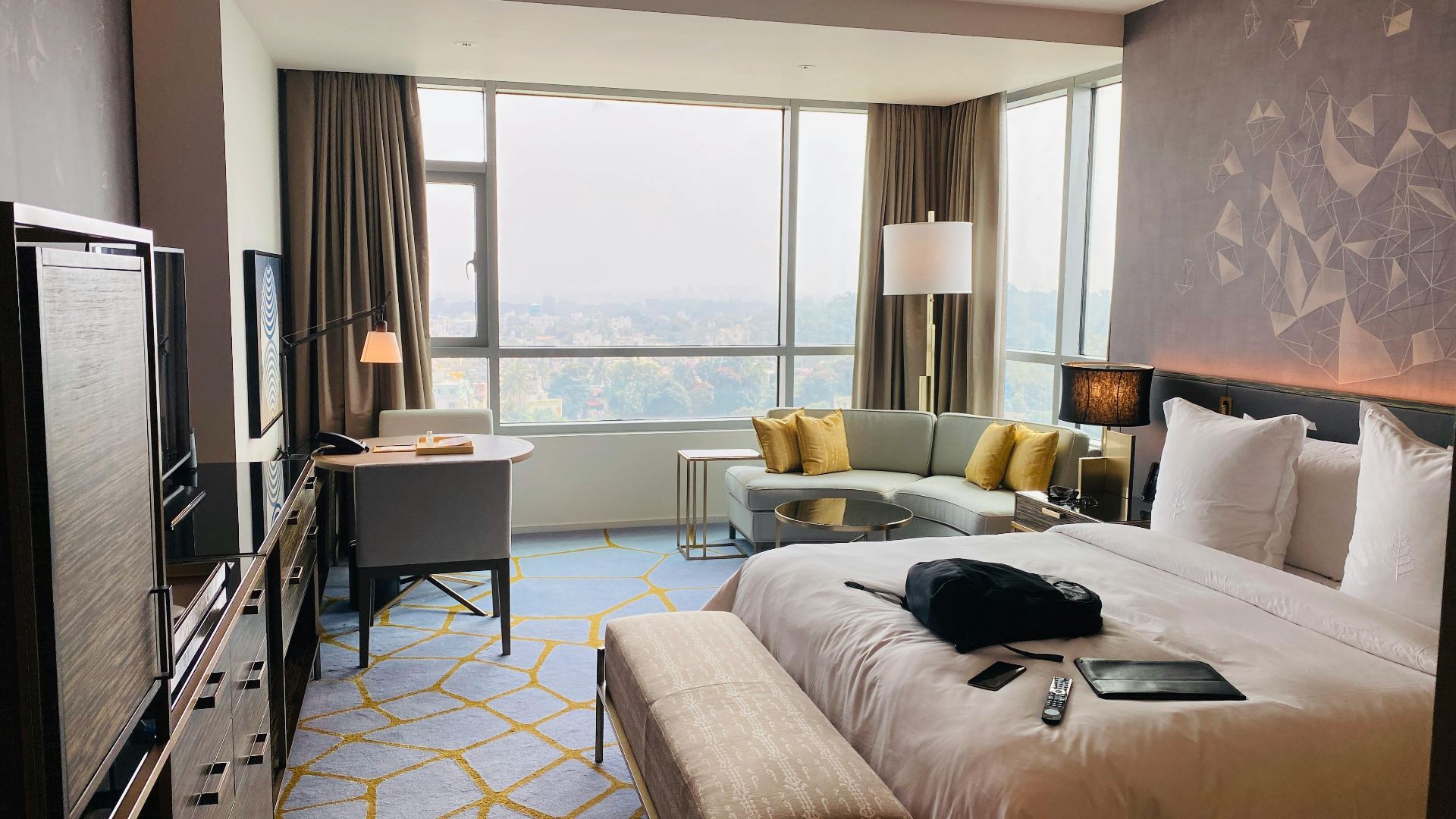
Suites cost more than standard rooms because of their size and amenities, as anyone who browses hotel listings and booking sites will know. A balcony, sitting area, and separate lounge are not random bonuses. They are often the whole reason someone pays more.
 Harrison Keely, Wikimedia Commons
Private Space Is Still Private
This is where a lot of friends get mixed up. A suite living room may look like the obvious place for everyone to gather, but it is still part of a private room, not a shared hotel space. The same goes for a balcony attached to one specific booking.

The Hotel Is Only Part Of It
Even if the hotel does not care whether a friend visits your room, fairness is a separate issue. Etiquette experts have long pointed out that money gaps can create tension on group trips. When one person pays more and another expects the same perks, resentment can build quickly.

Travel Etiquette Keeps Coming Back To One Thing
Guidance from Emily Post stresses that clear expectations matter when people travel together. Expenses, sleeping setups, and shared space should be talked through before the trip, not argued about after check-in. It may not be exciting advice, but it works.

So Is It Fair
Usually, no, not by default. It is fair for your friend to ask if they can spend some time in your suite. It is not fair to assume they can use it whenever they want all week. The person paying for the premium room gets more say over how that space is used.
 https://kaboompics.com/, Pexels
Visiting Is Not The Same As Moving In
A friend dropping by for a drink before dinner is one thing. Using your suite as their daytime hangout, morning coffee spot, sunset balcony, and late-night lounge is something else. The problem is not one visit. The problem is when your paid upgrade starts functioning like part of their cheaper booking.

Why The Balcony Matters
Balconies are one of those features travelers often search for on purpose. Hotel pages and travel sites regularly pitch them as premium selling points, especially at beach hotels and resorts. If that balcony helped justify the higher rate, it is reasonable not to want it treated like a shared deck.

Privacy Is Part Of The Deal
Privacy has value, even if it is not listed as a separate charge. A suite gives you quiet, breathing room, and a break from the crowd. If your friend is always in the living room or stepping out onto the balcony, a big part of that benefit disappears.

More People Means More Wear And Tear
More people in the room usually means more mess, more noise, and more interruptions. It can also mean less room for you to relax, nap, unpack, or enjoy room service. You paid for a better stay, not for the job of hosting an extra guest all day.
What Hotels Usually Allow
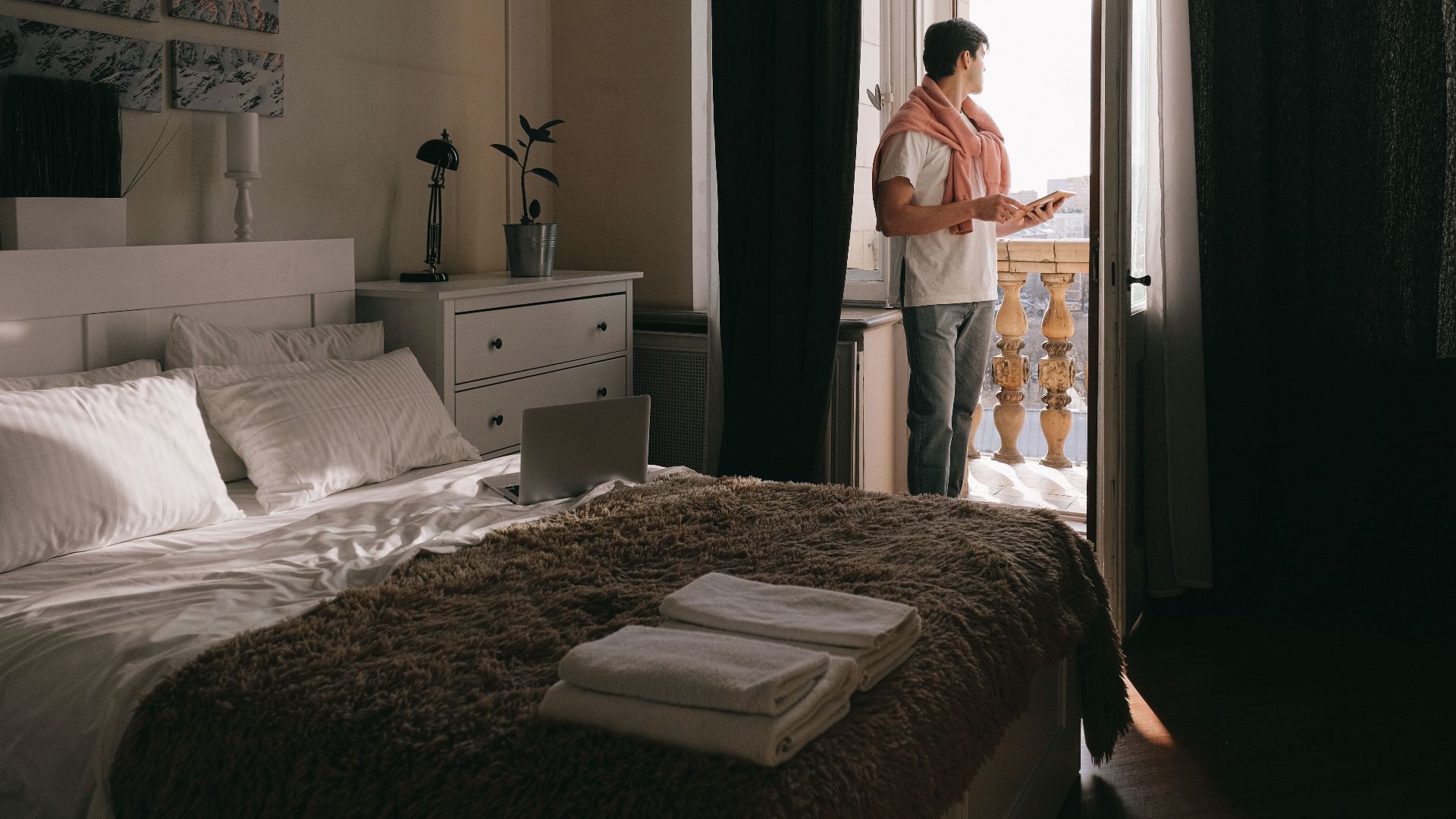
Policies vary, but hotels often draw a line between registered guests and visitors. Some allow visitors without much fuss, while others set limits, require registration, or enforce quiet-hour and occupancy rules. So your friend should not assume they have unlimited access just because they know you.

Occupancy Rules Can Matter
Hilton and Marriott both note that room occupancy may be subject to hotel rules and local laws. If too many people gather in one room, even casually, the hotel may step in. That matters even more at resorts, all-inclusive properties, or hotels with security, wristbands, or guest-access rules.

Resorts Can Make This Even Trickier
At some properties, room type affects more than the room itself. It can also affect perks tied to that booking, such as lounge access, club benefits, or premium floors. So while borrowing a balcony may seem harmless, using someone else’s room as a workaround for a cheaper booking can get awkward fast.
The Cheapest Room Does Not Buy Shared Perks
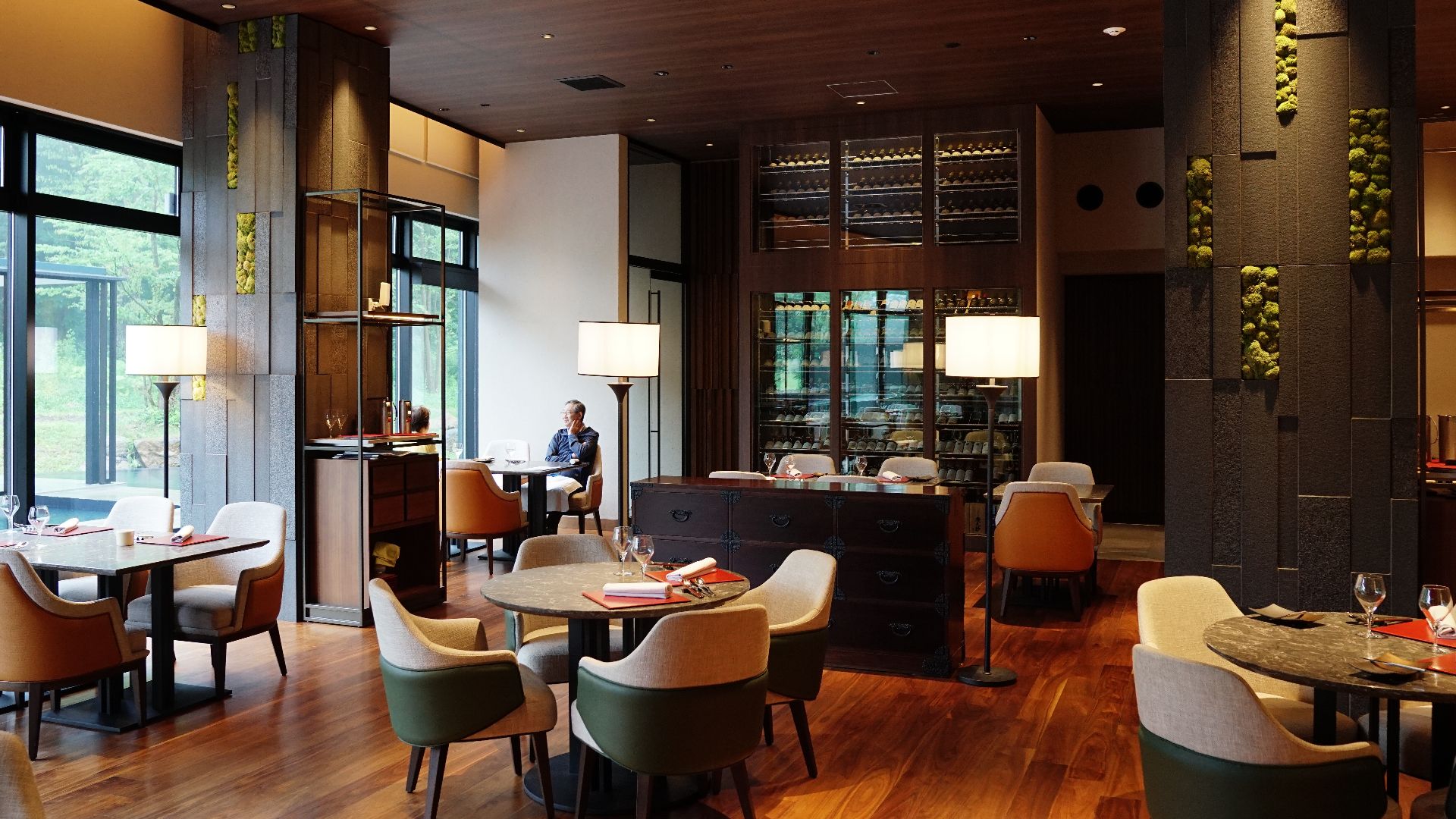
Booking the lowest-rate room is a totally fair budget move. It just does not give someone the right to enjoy another guest’s paid upgrade whenever they feel like it. The savings belong to the budget traveler, and the premium perks belong to the traveler who paid for them.

Why People Assume It’s Fine
Friends often think of vacations as shared experiences, and that can blur the lines. If everyone is traveling together, the best room can start to feel like the natural group hangout. That idea makes sense on some level, but it still requires permission.

The Best Middle Ground
The fairest compromise is usually limited, invited use. Maybe your friend comes by one evening for drinks on the balcony or hangs out before dinner. That keeps the suite social without turning it into shared property.
 YAKOBCHUK VIACHESLAV, Shutterstock
Set The Boundary Early
The best time to deal with this is before it becomes a daily habit. A calm line like, “We’re happy to have you over sometimes, but we booked this suite for private downtime too,” is clear without sounding harsh. Clear beats quietly stewing every time.

Don’t Wait Until You’re Fed Up
A lot of travel fights blow up because nobody wants to seem rude on day one. Then by day three, every knock at the door feels loaded. Bringing it up early keeps the conversation smaller, easier, and less emotional.

Money Matters, Even If You Say It Gently
You do not need to throw the price difference in anyone’s face, but it is fair to mention it. If the suite cost much more, that is part of the picture. A simple explanation that you paid extra for space and privacy can help your friend understand the line.

If They Want The Upgrade, There’s A Simple Fix
If your friend really wants balcony breakfasts and lounge space all week, they can upgrade their own room if the hotel has availability. Many hotels offer paid room-category upgrades before arrival or at check-in. That is a much cleaner solution than quietly borrowing someone else’s upgrade.

When It Starts To Feel Like Mooching
At some point, casual visiting turns into living off someone else’s spending. If your friend keeps using the suite as if they helped pay for it, most travelers would see that as unfair. It may sound small, but it is a classic vacation mooching move.

How To Say No Without Blowing Up The Trip
Keep it friendly, clear, and focused on a plan. You could say, “Let’s pick one or two times to hang out in the suite, but we don’t want the room to be the main hangout all week.” That sets the limit while still leaving the door open sometimes.

If The Group Wants To Gather, Go Somewhere Neutral
One of the easiest fixes is to move group time to public areas of the hotel. A lobby bar, beach chairs, pool deck, café, or actual shared lounge takes the pressure off your room. It also keeps one person or couple from becoming the default host.

Clear Room Rules Make Better Trips
This is about more than one balcony. It gets into privacy, different budgets, and the strange math of traveling with friends. The smoothest trips usually happen when everyone is honest about what is shared and what is not.

The Bottom Line
Your friend is not wrong to hope for an invitation. They are wrong if they expect open access all week just because you are traveling together. Paying for the suite does not mean you have to turn it into the group clubhouse.