
Missing One Port Can Change The Whole Vacation
A cruise can still operate almost exactly as scheduled while skipping the one destination that convinced you to book it. That can make an onboard credit feel surprisingly small compared with the disappointment. Unfortunately, a missed port does not automatically give passengers the same refund rights that apply when an entire cruise is canceled. Factinate Ltd
The Ticket Contract Matters More Than The Brochure
The itinerary displayed when you book may look firm, but the cruise ticket contract usually contains much broader language. Princess, Carnival, Norwegian, and Royal Caribbean contracts all contain provisions allowing itineraries or ports to be changed under various circumstances. That means the legal agreement you accepted can matter more than the destination list that originally caught your attention.
Cruise Lines Give Themselves Broad Flexibility
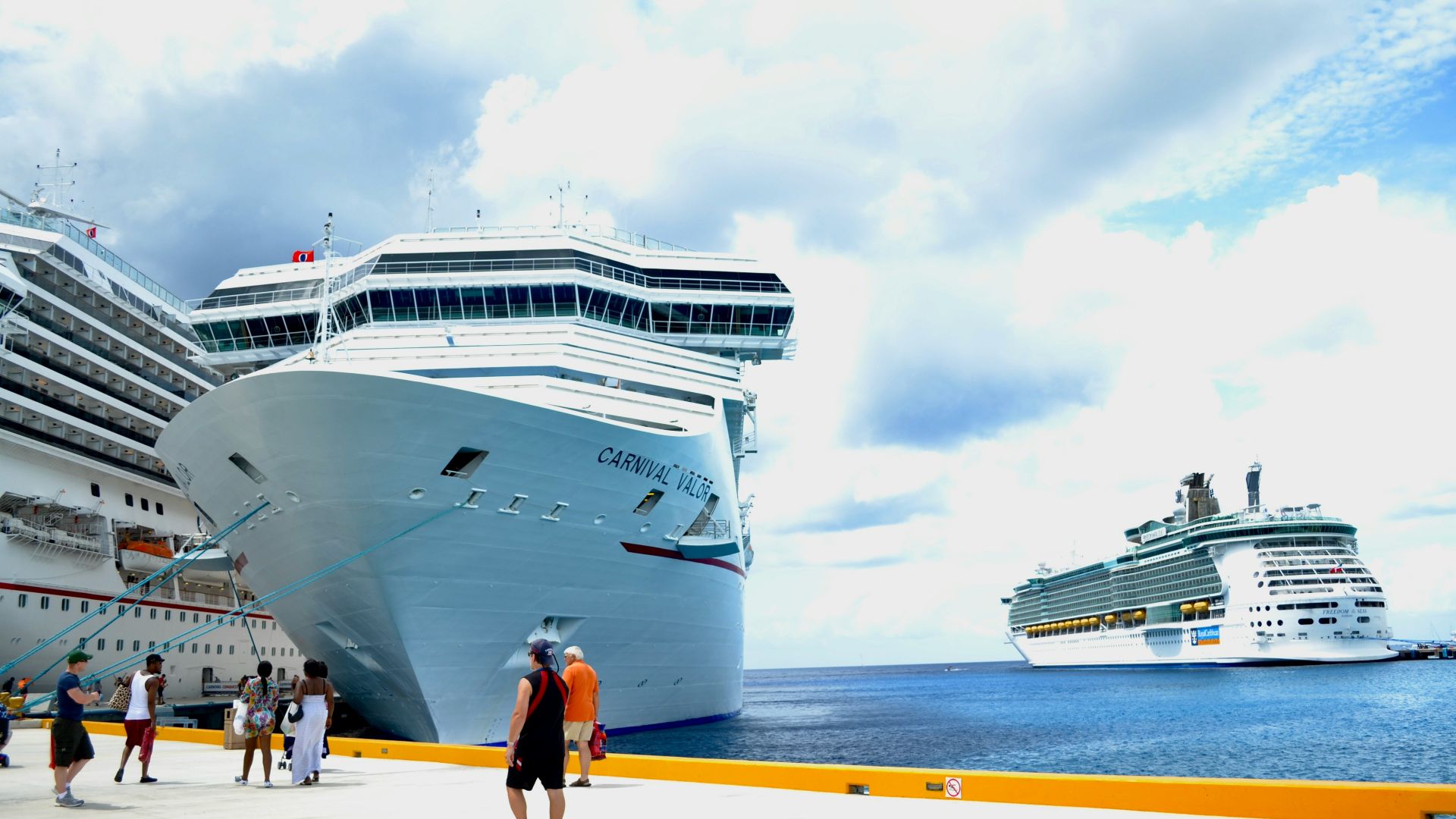
Princess states that it may deviate from scheduled ports, routes, and timetables and may omit a port under circumstances described in its passage contract. Carnival similarly reserves the ability to change the duration or itinerary and omit or change port calls for numerous reasons. These provisions make a straightforward refund claim for one missed stop difficult in many cases.
Safety Can Override The Original Schedule
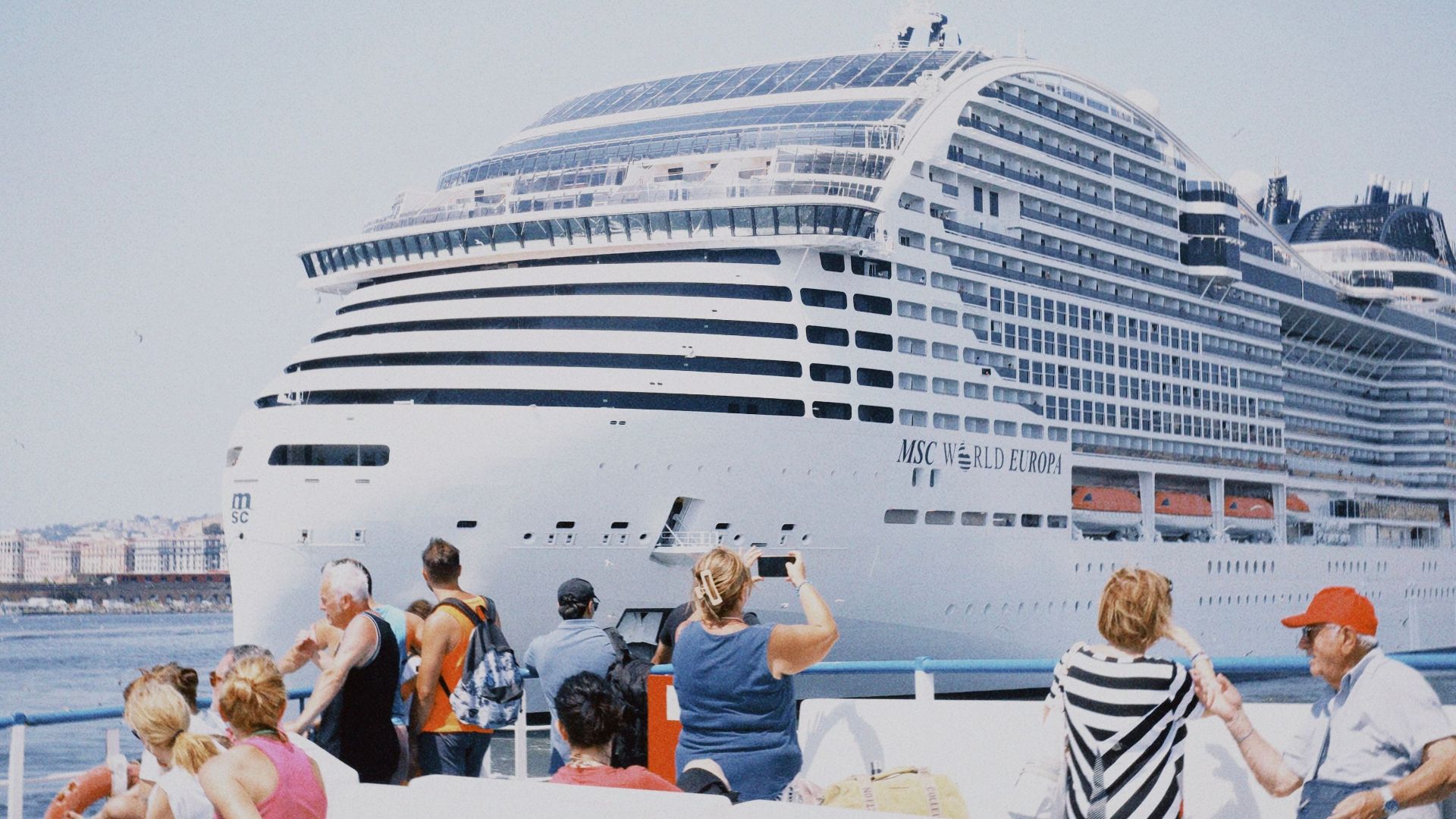
Cruise itineraries can change because of weather, port closures, security concerns, medical emergencies, government action, or other operational issues. Cruise contracts generally give captains substantial discretion when they believe changing course is necessary for safety or other operational reasons. In those situations, the passenger's disappointment does not necessarily translate into a right to cash compensation.
A Missed Port Is Not A Canceled Cruise
This distinction is important because stronger protections apply when a voyage itself is canceled. The Cruise Lines International Association's Passenger Bill of Rights says passengers are entitled to a full refund when a trip is canceled because of a mechanical failure and a partial refund when a voyage ends early for that reason. It does not establish a comparable automatic cash refund merely because a normal-length voyage skips one scheduled port.

Mechanical Problems Can Change The Equation
If a mechanical failure causes the entire voyage to be canceled or terminated early, passengers may have significantly stronger contractual protections. Princess, for example, provides for a full cruise-fare refund when a mechanical failure cancels a scheduled cruise and a partial refund when such a problem causes the cruise to end early. Carnival's contract also provides specific remedies for cruises canceled or terminated early because of mechanical failure.

Onboard Credit May Be A Voluntary Gesture
A cruise line can offer onboard credit even when its contract does not require compensation for a particular itinerary change. The amount may reflect a company policy, customer-service decision, or circumstances surrounding that specific sailing. Receiving an offer does not necessarily prove that the cruise line believes you are legally owed that amount or that you cannot request something different.
Start By Asking What The Credit Actually Is
Not every onboard credit works the same way, so passengers should find out whether the credit is refundable, nonrefundable, restricted to certain purchases, or subject to an expiration rule. Get the terms in writing rather than relying only on a conversation at the guest-services desk. That documentation becomes useful if you later challenge the resolution with customer service, an insurer, or another organization.
Ask Why The Port Was Skipped
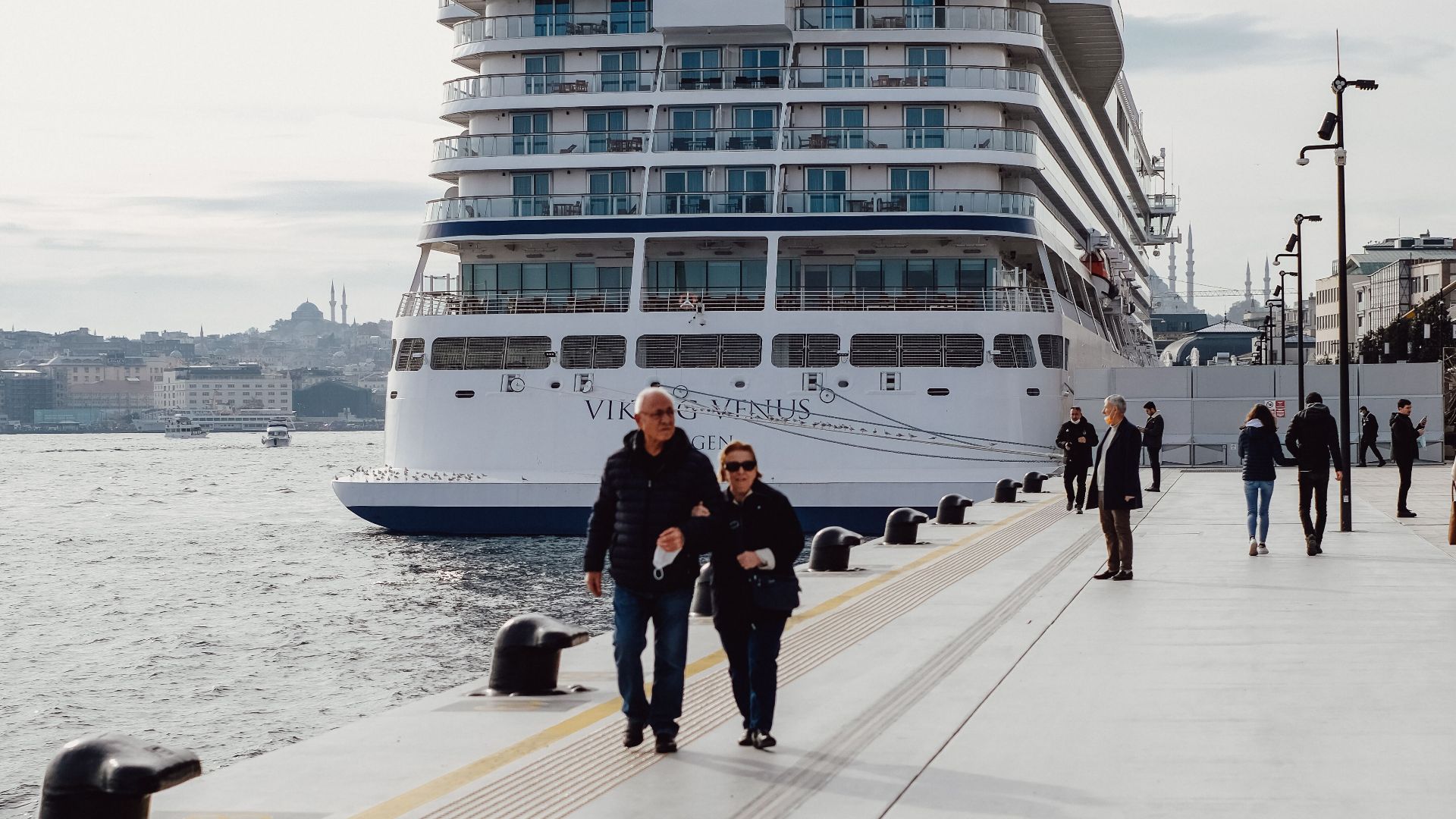
The reason for the itinerary change can affect which provisions of the ticket contract apply. Weather, port restrictions, safety concerns, and mechanical failures may be treated differently under the same agreement. Ask the cruise line to identify the reason in writing and keep any announcement, email, app notification, or letter explaining the change.
Your Shore Excursion Should Be Checked Separately
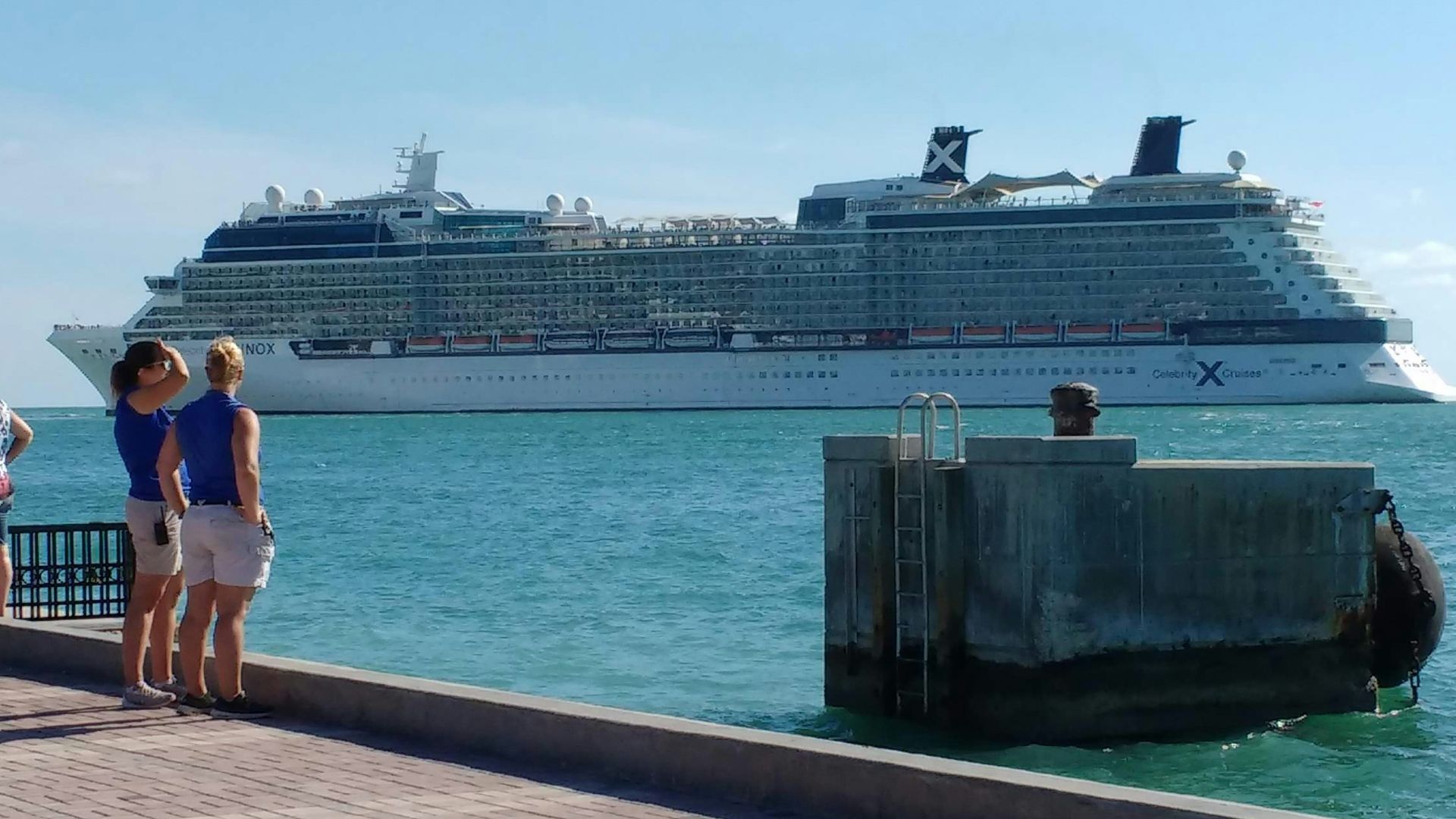
A canceled cruise-line excursion is often treated separately from the basic cruise fare. Carnival states that when Carnival or its tour operator cancels a shore excursion, guests who purchased it receive a full refund for that excursion. Other lines have their own excursion rules, so check the policy attached to the exact activity you purchased.
Private Tours Can Be More Complicated
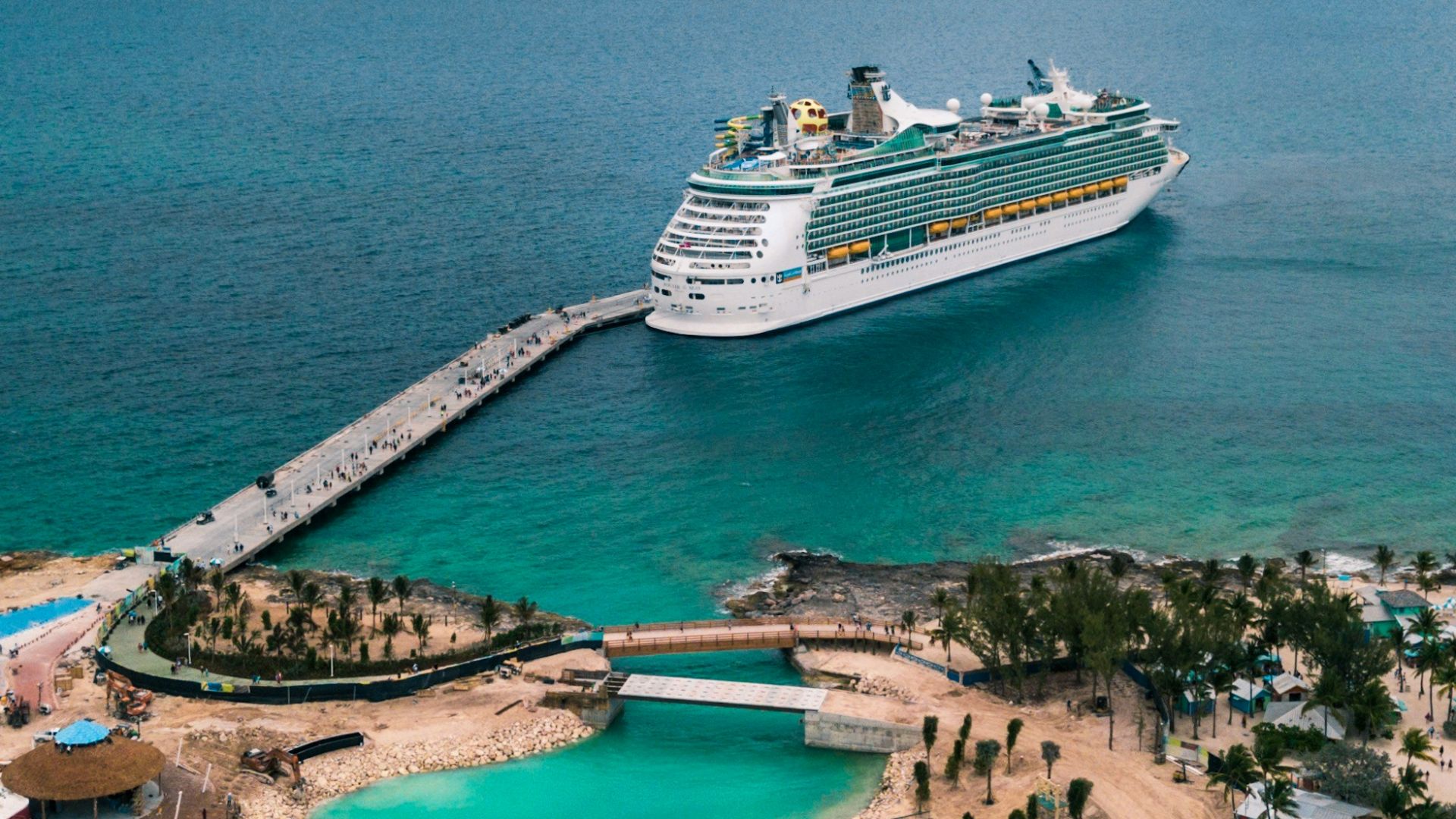
If you booked independently with a local tour operator, the cruise line's excursion-refund policy generally does not govern that separate purchase. Your refund rights depend on the tour company's cancellation terms and any insurance or payment protections attached to the transaction. This is one reason travelers should review a private operator's missed-port policy before paying for a nonrefundable excursion.
Check Every Charge Connected To The Port
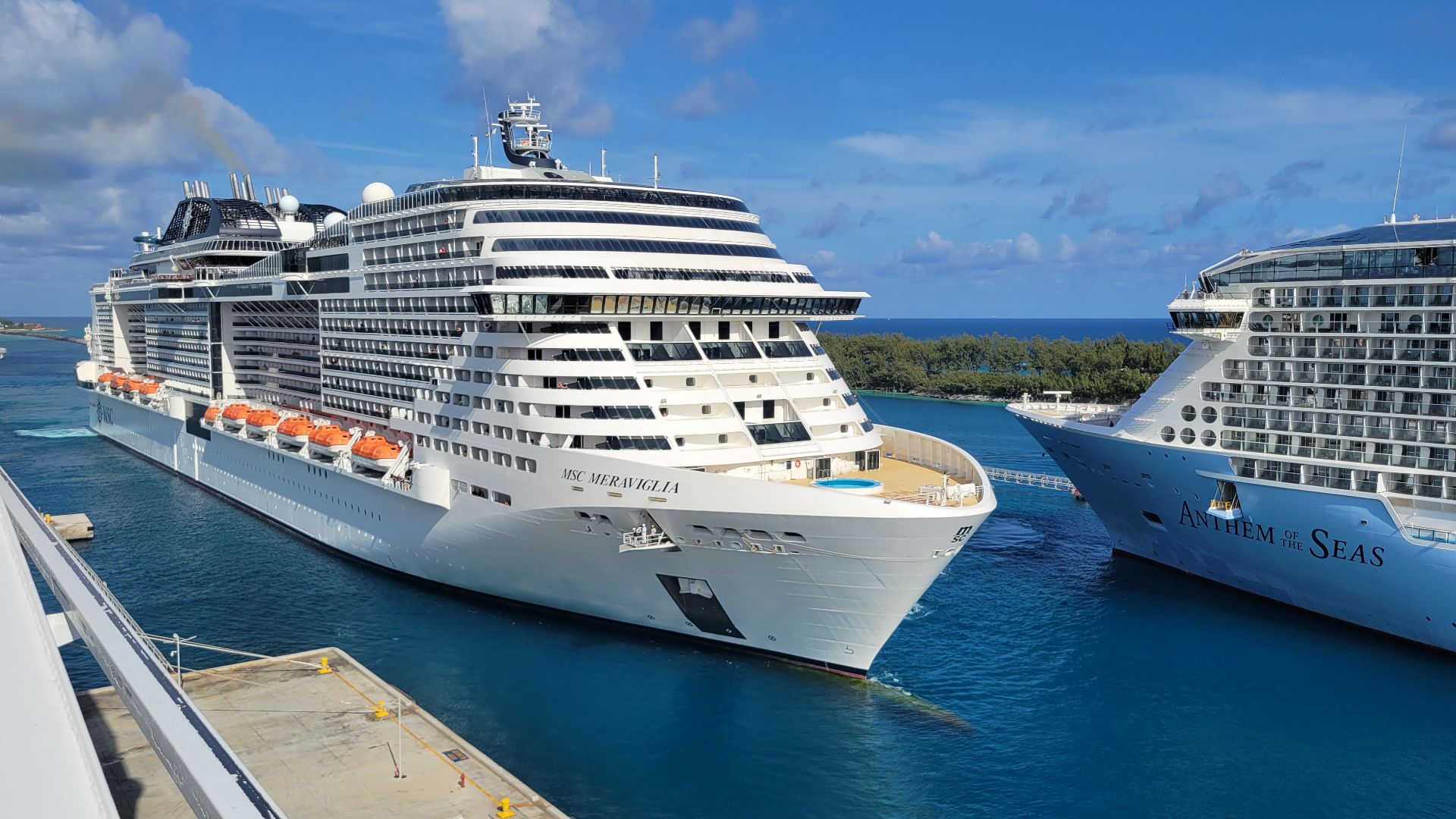
Do not focus exclusively on the cruise fare. Review prepaid excursions, transportation, specialty activities, and other purchases that became unusable because the ship never arrived. Some of those charges may have their own cancellation or refund rules even when the main cruise fare remains nonrefundable.

The Contract Can Contain Very Short Deadlines
Cruise contracts may impose strict notice requirements that passengers would never expect from an ordinary vacation purchase. Princess currently requires written notice within 15 days of the scheduled or actual end of the cruise for many claims other than injury, illness, or death. The lesson is simple: read the claims section immediately rather than waiting several months to complain.

Put Your Complaint In Writing Quickly
Your written complaint should identify the sailing, booking number, missed destination, stated reason for the change, compensation already offered, and the resolution you are requesting. Attach relevant receipts, itinerary documents, excursion confirmations, screenshots, and correspondence. USAGov recommends contacting the cruise line's customer-service department when a cruise complaint is not resolved onboard.
 Monkey Business Images, Shutterstock
Ask For A Specific Remedy
A vague complaint such as "this ruined my vacation" gives the company little indication of what would resolve the dispute. Ask specifically for a partial cash refund, refundable credit, future cruise credit, reimbursement of a particular expense, or another reasonable remedy supported by your documents. The cruise line may reject the request, but a precise demand creates a clearer record for any later escalation.

The Cruise Line's Explanation Matters
If the company says no, ask which section of the ticket contract or published policy supports that decision. Compare the explanation with the contract that applied when you booked instead of assuming that the customer-service response settles the issue. The Federal Maritime Commission specifically advises passengers to read their ticket contracts because those agreements describe cruise-line obligations for canceled cruises and itinerary changes.
The Federal Maritime Commission Has Limited Power
There is no federal agency that broadly regulates cruise customer-service disputes such as ordinary itinerary changes. The Federal Maritime Commission says its jurisdiction over these matters is limited, and it cannot simply order a cruise line to provide a particular remedy for every passenger complaint. This makes a missed-port dispute very different from some airline refund situations governed by more specific federal rules.

The FMC Can Still Help With Some Disputes
The Federal Maritime Commission's Consumer Affairs and Dispute Resolution Services office provides voluntary assistance with eligible cruise disputes. For covered cases, the agency can provide ombuds assistance and other alternative dispute-resolution services at no charge. The process is voluntary, however, and the FMC says it lacks statutory authority to compel a cruise line to take a particular action in these customer-service cases.

Keep The Documents The FMC Will Want
For cruise-assistance requests, the FMC asks passengers to provide materials including a description of the complaint, booking confirmation, ticket contract, insurance policy, correspondence with the cruise line, and contact information. Having those documents organized before escalating makes your case easier to understand. USAGov also directs unresolved cruise complaints toward the Federal Maritime Commission.
 Andrii Iemelianenko, Shutterstock
Financial Protection Covers A Different Problem
The FMC also requires certain passenger-vessel operators embarking passengers from U.S. ports to maintain financial responsibility for nonperformance of transportation. That protection is mainly aimed at situations where the cruise operator fails to perform the contracted transportation, rather than every ordinary itinerary adjustment. Passengers should therefore not assume the FMC's financial-security rules automatically create a refund whenever one scheduled port disappears.

Travel Insurance Is Worth Checking
Travel insurance may provide another route, but coverage depends entirely on the policy. The National Association of Insurance Commissioners says trip cancellation, interruption, and delay coverage can reimburse prepaid travel costs when a covered event disrupts a trip. Every policy has limitations and exclusions, so a missed port should never be assumed to qualify until the actual policy language has been checked.

A Cruise Disruption May Be Covered
The NAIC specifically notes that some trip cancellation, interruption, or delay policies cover disruptions caused by problems involving an airline, train, or cruise line. That does not mean every itinerary change qualifies because policies identify particular covered events and exclusions. Submit the cruise line's written explanation of the skipped port when making an insurance claim because the cause can be crucial.
Your Credit Card May Offer Another Avenue
Federal credit-card law allows consumers to dispute certain billing errors, including charges for goods or services that were not delivered as agreed. That does not make a chargeback an automatic solution for a cruise that operated but missed one port. A card issuer may determine that the cruise line substantially provided the purchased service, especially when the ticket contract explicitly allowed itinerary changes.

Do Not Treat A Chargeback Like A Guaranteed Refund
The Fair Credit Billing Act has specific procedures and deadlines rather than a general right to reverse any disappointing purchase. The FTC says written billing-error disputes generally need to reach the credit-card issuer within 60 days after the first bill containing the disputed charge was sent. If you believe part of the service truly was not delivered as agreed, provide the issuer with the advertising, contract, cruise-line correspondence, and your explanation rather than simply labeling the entire cruise fraudulent.

Debit Cards Have Different Protections
Passengers who paid with a debit card should not assume they have identical statutory protections. The FTC notes that consumer protections for debit-card disputes differ from those for credit cards, although some debit-card issuers voluntarily provide additional protections. Contact the bank promptly because the applicable procedures and deadlines can vary.
Your Country Of Residence Can Matter
Cruise terms are not necessarily identical around the world. Royal Caribbean, for example, publishes a separate ticket contract for guests whose primary country of residence is Canada, while other booking conditions apply to different markets. Passengers should therefore use the contract issued with their own reservation rather than relying on advice written for travelers in another country.

A Strong Complaint Focuses On Evidence
The best argument is usually not that the missed destination mattered emotionally, even if that is absolutely true. A stronger complaint identifies what was promised, what the contract says, why the port was omitted, what measurable expenses became unusable, and why the proposed remedy is inadequate. That same evidence can then support a cruise-line appeal, an insurance claim, an FMC request, or an appropriate payment dispute.
 Henri Mathieu-Saint-Laurent, Pexels
Onboard Credit Is Not Always Your Only Option
Passengers can ask for a different resolution, pursue refundable excursion charges, check travel insurance, use the cruise line's formal complaint process, and seek FMC assistance in eligible U.S. cases. A credit-card dispute may also be available in narrower circumstances where services truly were not delivered as agreed, although the cruise contract can make that argument harder. The realistic goal is not to assume a full refund is guaranteed, but to identify every remedy that actually applies to your booking and act before contractual or statutory deadlines expire.
You May Also Like: