That Dream Beach Day Can Disappear Fast
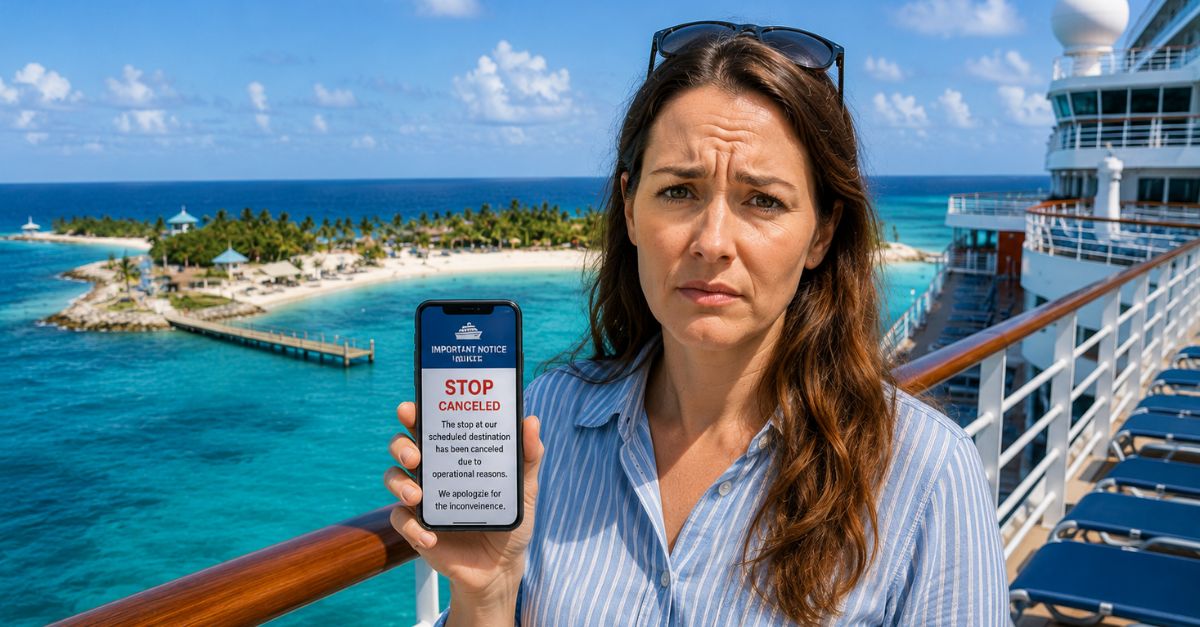
You book a cruise picturing white sand, a barbecue lunch, and a private island straight out of a postcard. Then a notice pops up in the app saying the stop has been canceled for “operational reasons.” It sounds vague because it is, but on cruises, that phrase usually points to real safety or logistics problems, not some mystery drama.
Private Islands Are Not Guaranteed Stops
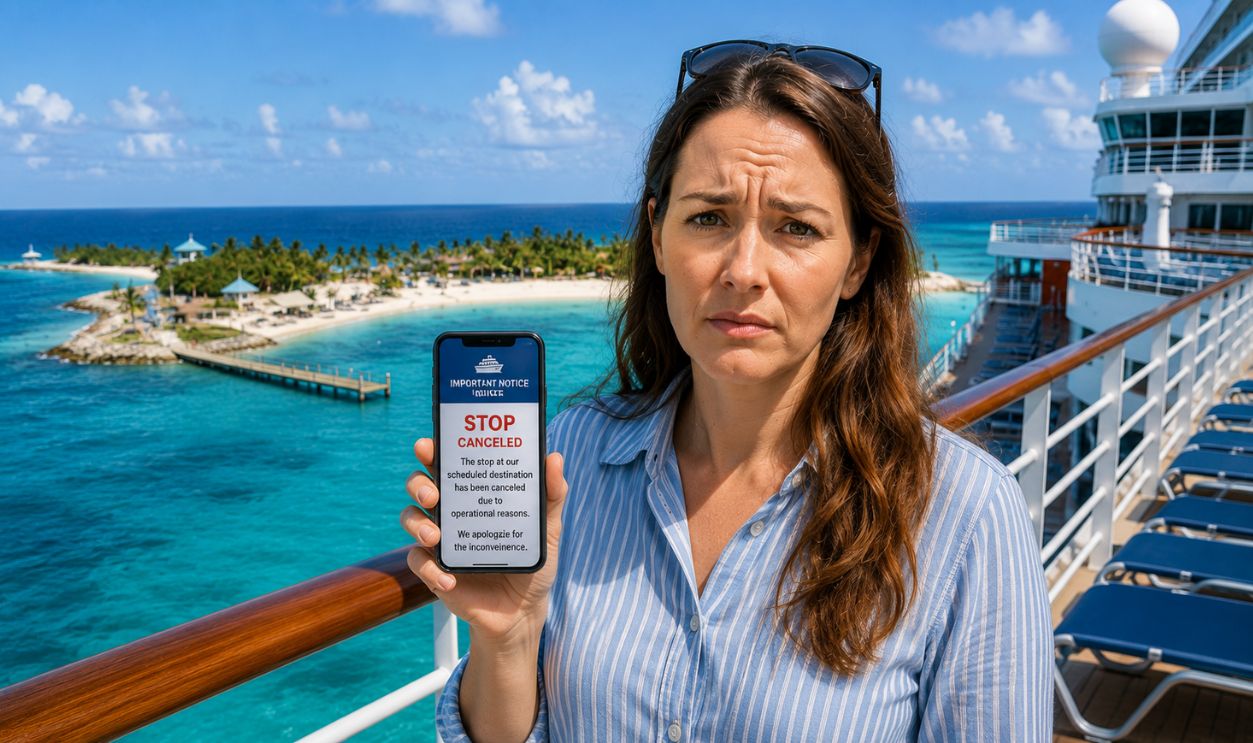
Cruise lines sell private islands and beach clubs as major highlights, but they are still ports of call, not locked-in promises. Cruise contracts give lines a lot of power to change routes, arrival times, and port stops. So even a heavily promoted day in paradise can be dropped if the company decides conditions are not safe or practical.
What Cruise Lines Usually Mean By Operational Reasons
In plain English, “operational reasons” often means the ship could not make that stop as planned. It can mean bad weather, rough seas, poor visibility, strong winds, pier traffic, tendering trouble, maintenance issues, or the need to keep the rest of the trip on schedule. Cruise lines often use broad wording because the real answer may involve more than one problem at once.
Start With The Biggest Reason
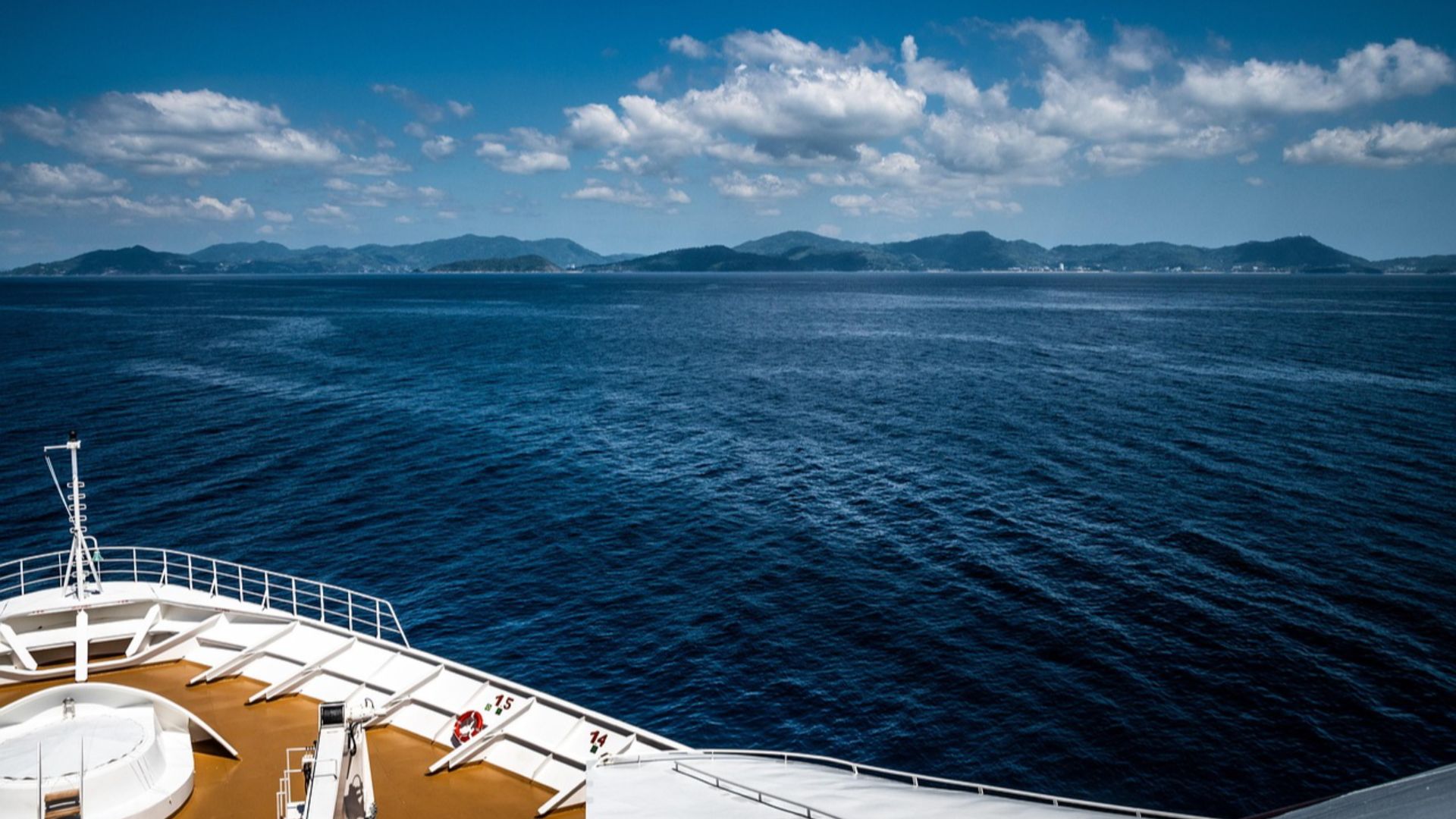
Weather is still the top reason private island stops get scrapped. Even if the sky looks fine from your balcony, sea conditions at the destination may make docking or tender operations unsafe. The U.S. Centers for Disease Control and Prevention also notes in its cruise guidance that itineraries and port calls can change because of shifting conditions and operational needs, which shows how quickly cruise plans can change.
Tender Ports Are More Fragile
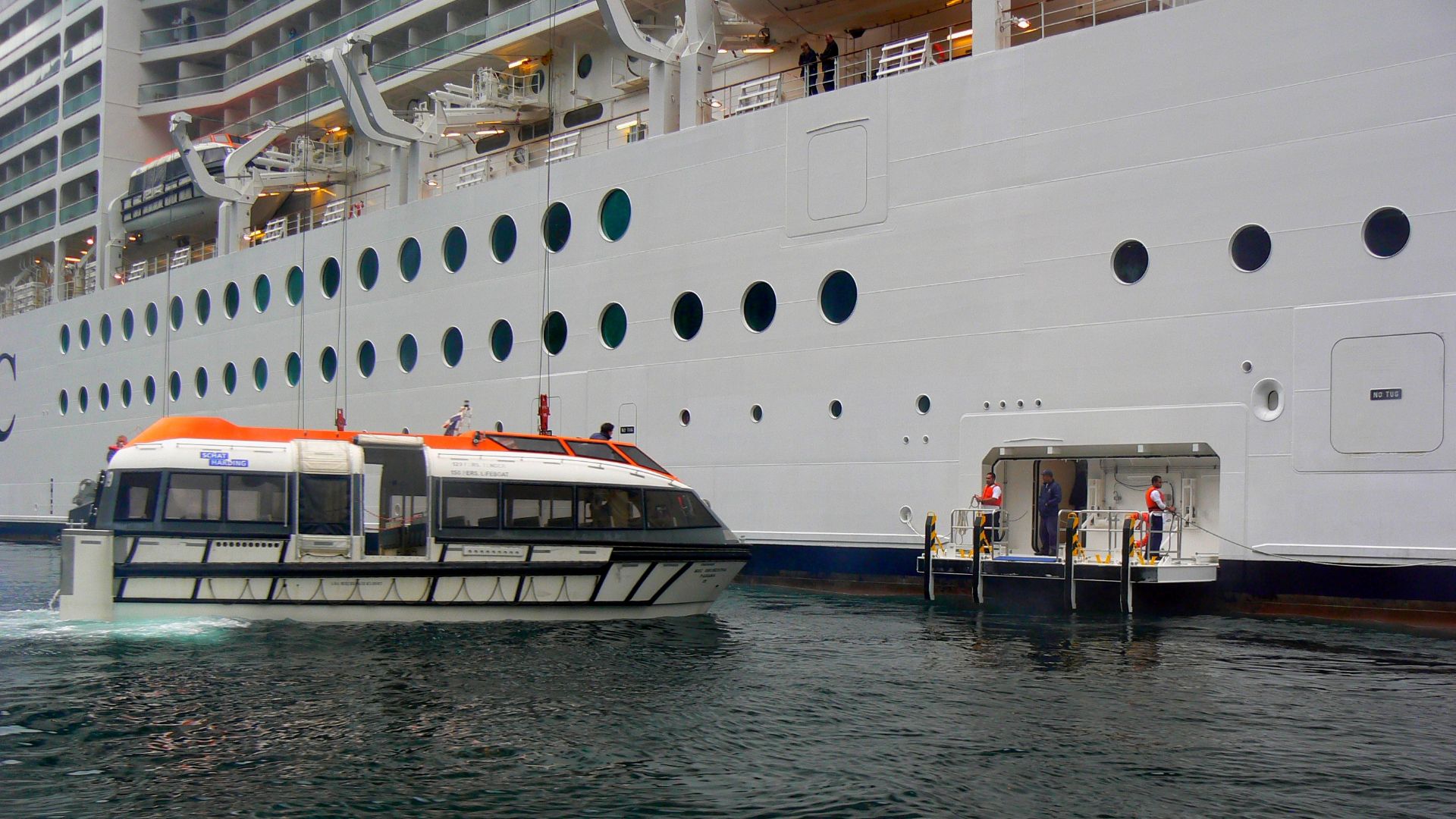
Many private island stops rely on smaller tender boats to take guests ashore instead of using a pier. If the water is too rough or the current is too strong, the cruise line may cancel the stop because the transfer itself becomes unsafe. That can be maddening when the island is right there in view, but seeing land is not the same as reaching it safely.
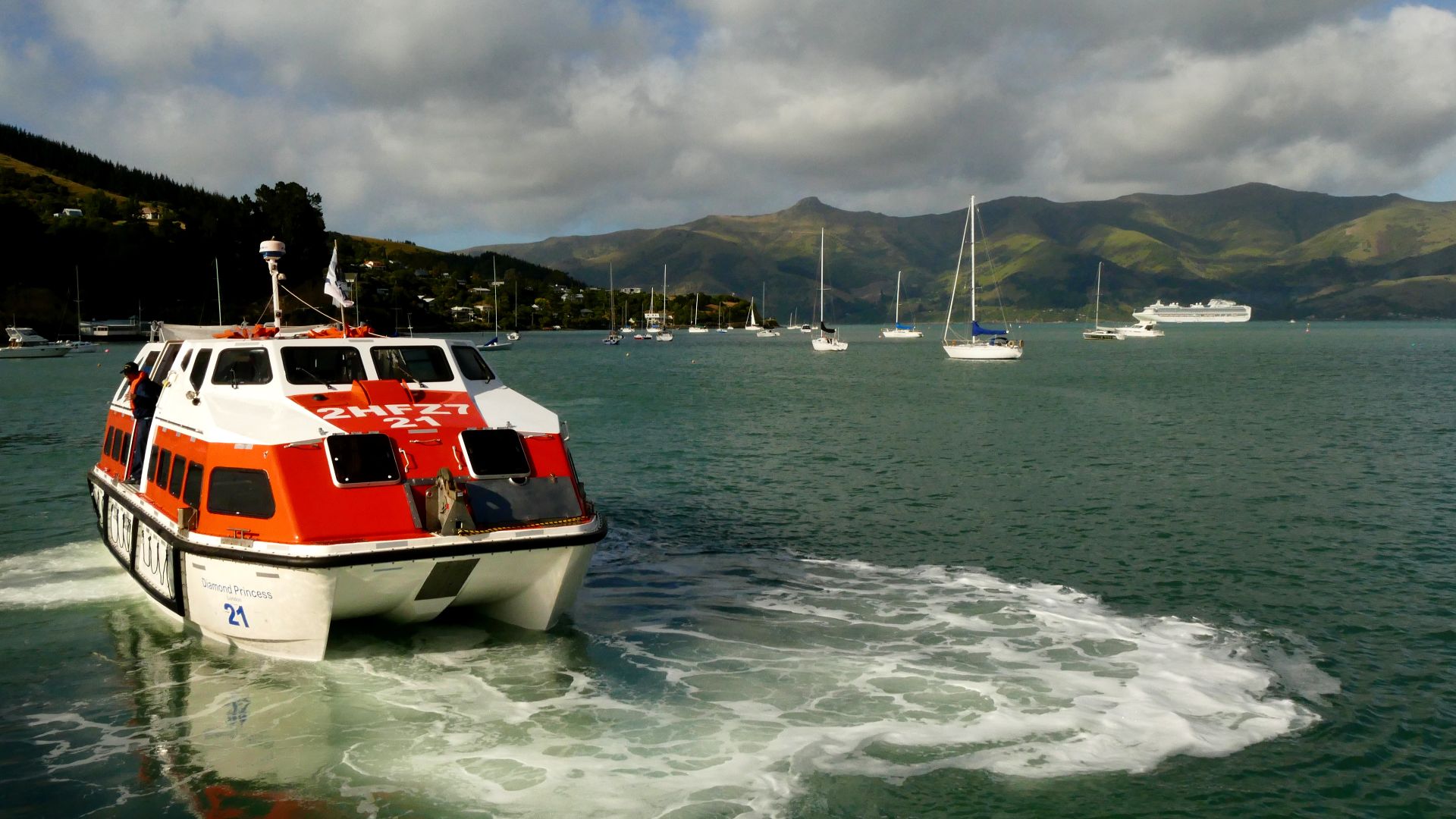 Bernard Spragg. NZ from Christchurch, New Zealand, Wikimedia Commons
Even Islands With Piers Can Be Missed
Some newer cruise destinations have piers, but that does not make them immune to problems. Strong winds can make docking tricky, and marine traffic, local rules, or technical trouble can still lead to a delay or a canceled call. A ship can also lose time earlier in the trip and decide that catching up matters more than forcing a rushed beach stop.
Royal Caribbean Says So In The Fine Print
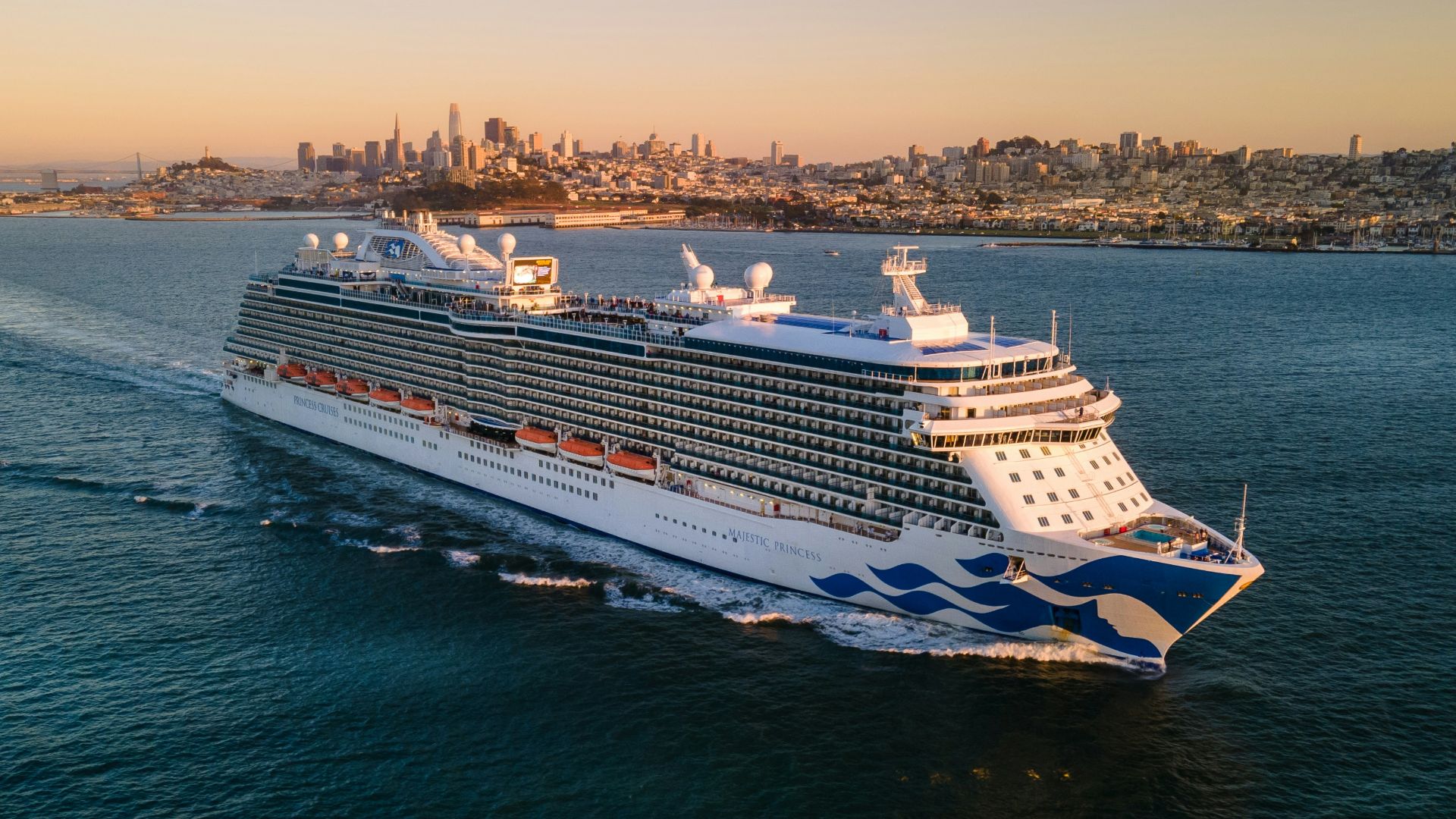
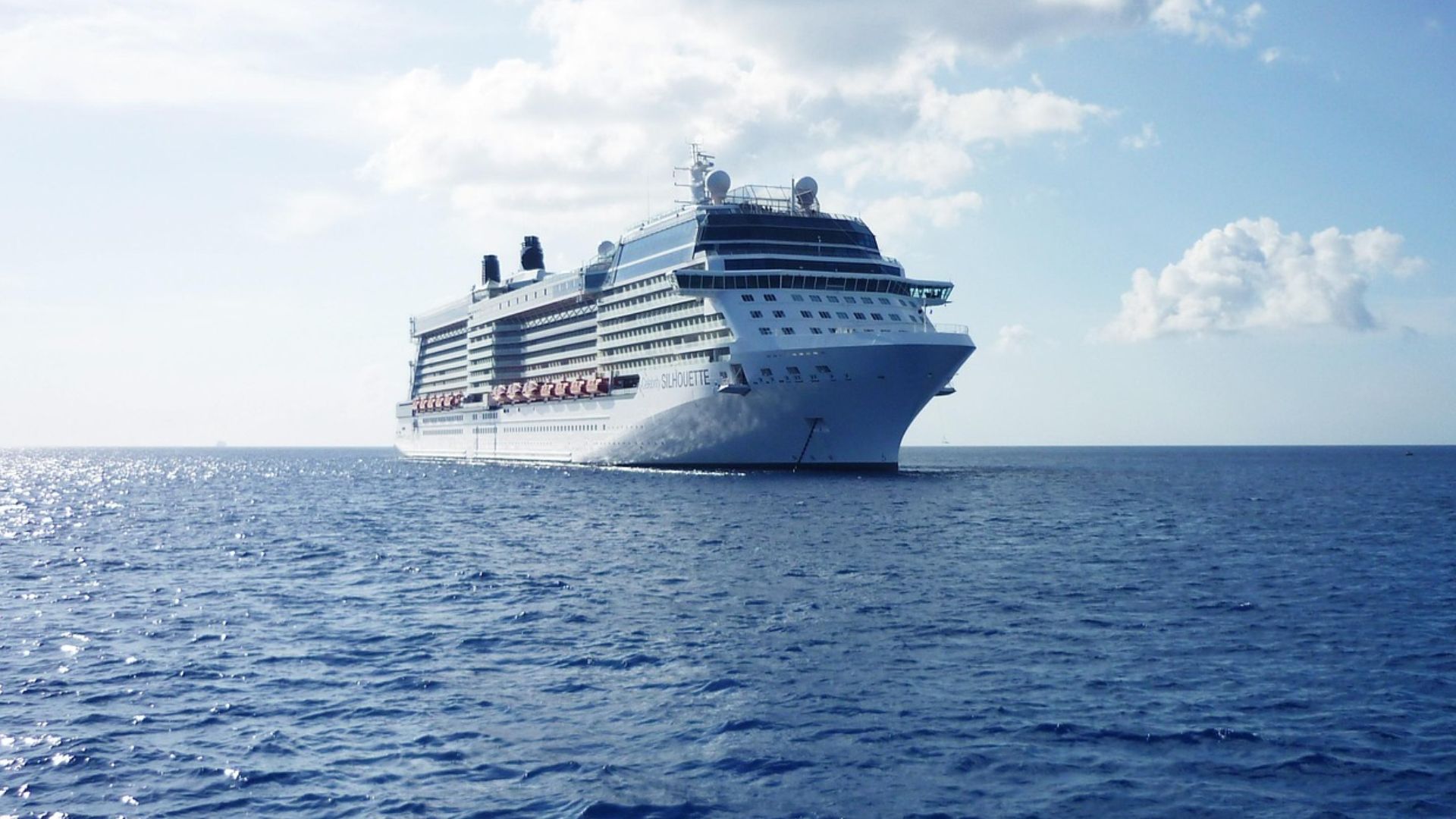
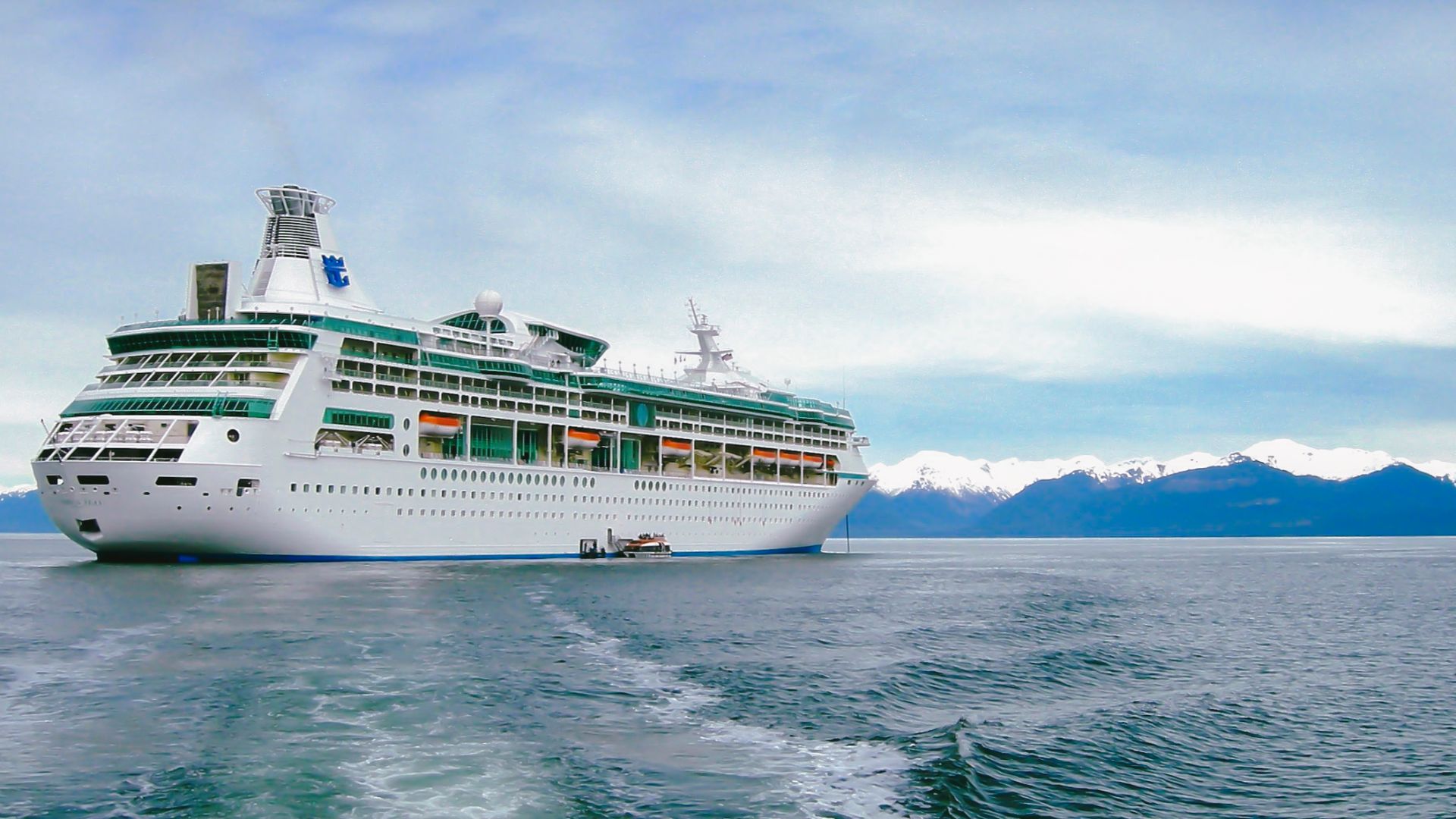
Royal Caribbean’s cruise ticket contract says schedules and itineraries can change without notice and that ports may be skipped for reasons including weather, safety, and other causes beyond the carrier’s control. That matters because private island stops like Perfect Day at CocoCay are still optional from a legal standpoint. If your stop vanishes, the contract usually gives the cruise line broad cover to make that call.
 Matthew T Rader, Wikimedia Commons
Carnival Uses Similar Language
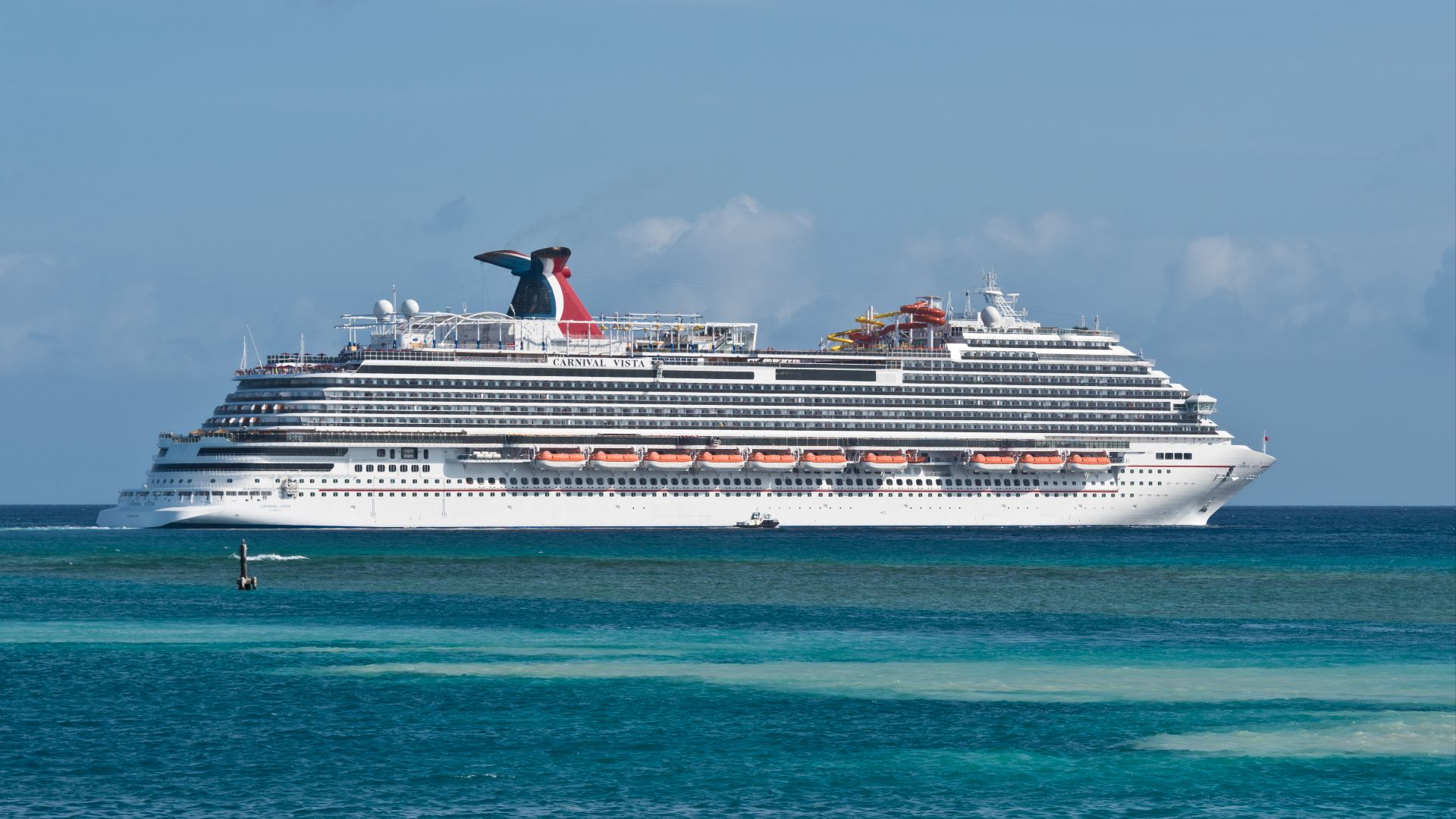
Carnival’s ticket contract also says it may change or replace ports, destinations, or schedules. The company gives itself that flexibility when navigation, safety, weather, or operational problems come up. So when passengers hear “operational reasons,” the wording may feel frustratingly vague, but it matches how the major cruise lines write their legal terms.
 Gordon Leggett, Wikimedia Commons
Norwegian Does Too
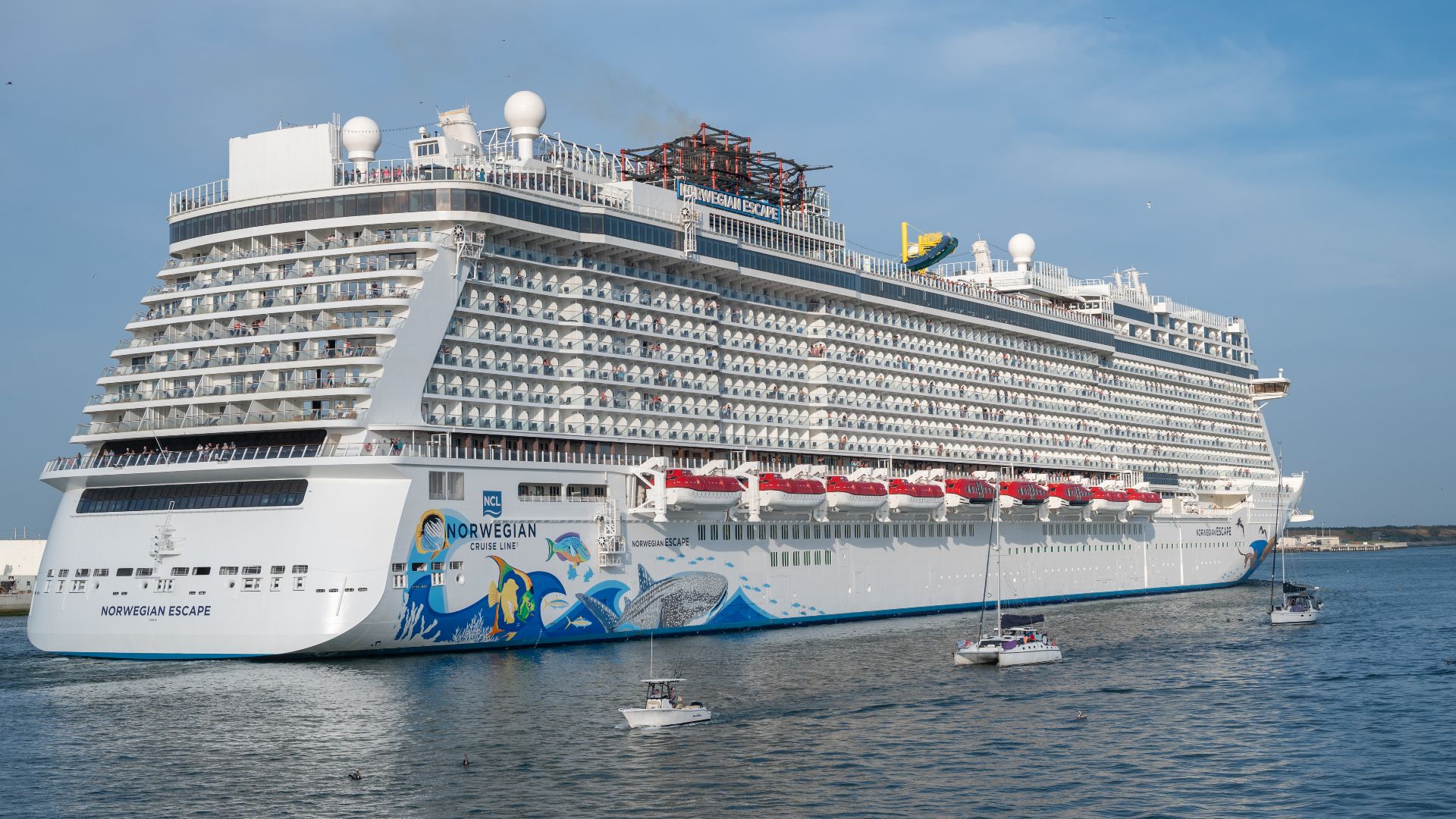
Norwegian Cruise Line’s guest ticket contract also reserves the right to change the itinerary. That matters because it shows this is not some odd loophole unique to one company. It is standard industry practice built around the fact that ships operate in changing conditions.
 Gordon Leggett, Wikimedia Commons
Sometimes The Problem Is The Ship
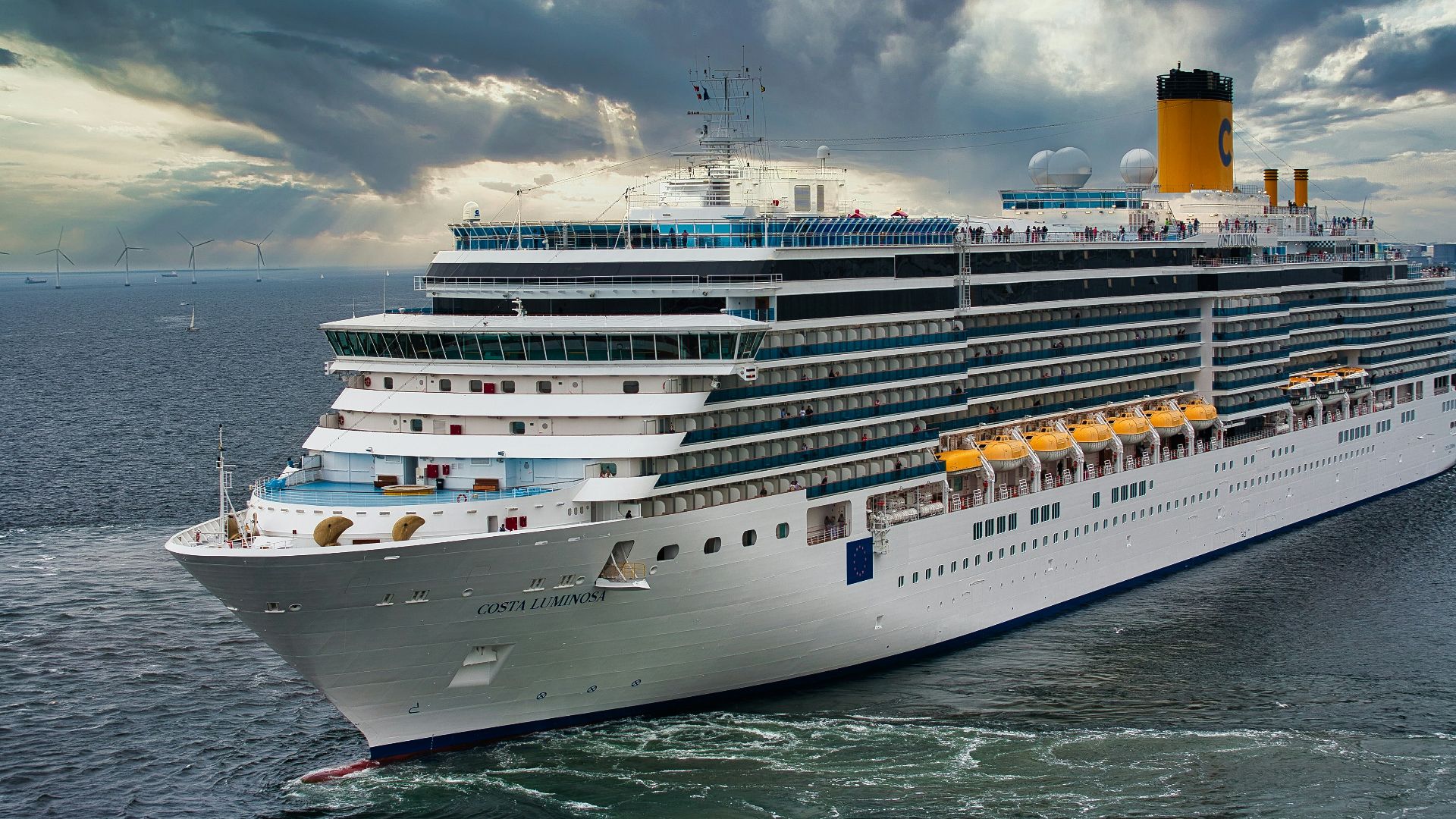
“Operational reasons” can also mean the issue is onboard, not at the island. A maintenance problem might reduce the ship’s speed, affect how it handles, or force the crew to change arrival plans. Cruise lines do not always share technical details right away, especially if the issue is minor or still being checked.
Crewing And Supply Issues Matter Too
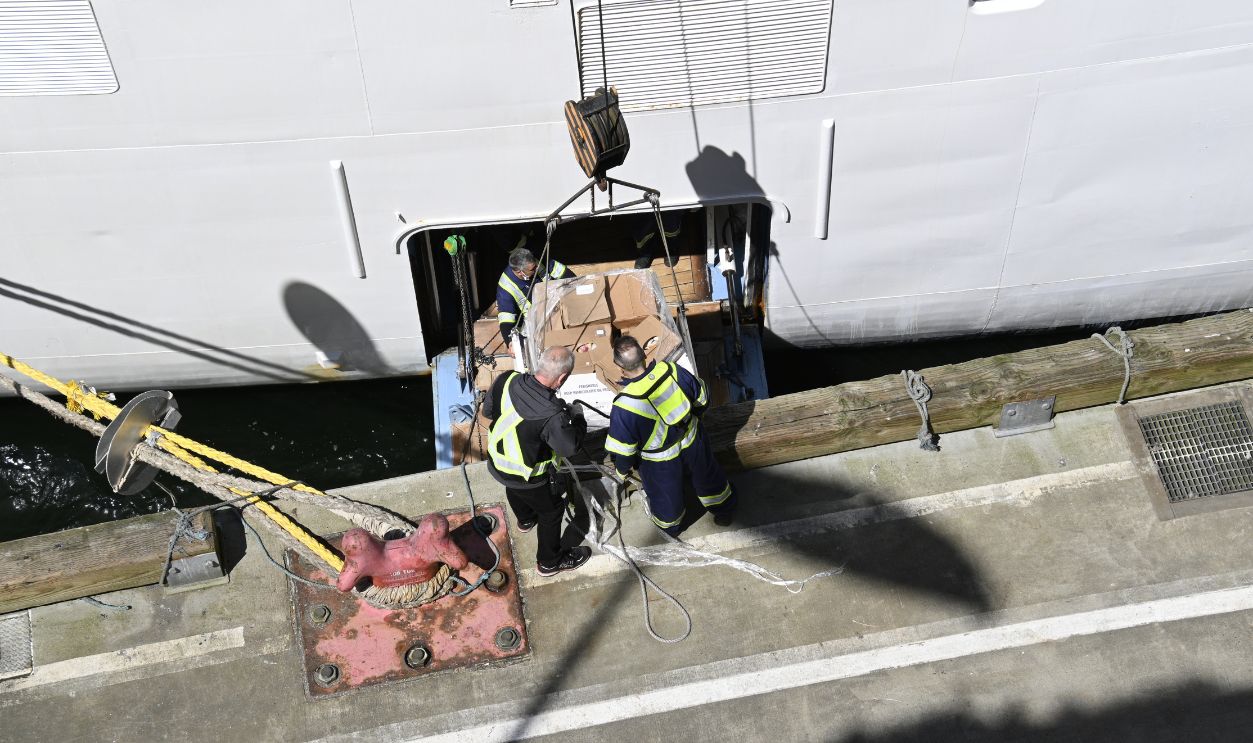
A missed stop is not always about wind and waves. Ships depend on tight logistics involving fuel, food, staffing, waste handling, and the schedule ahead. If one part slips badly enough, the line may decide it is better to protect the rest of the trip than fight to keep one beach day on the calendar.
Medical Emergencies Can Wreck The Schedule
If a ship has to divert for a medical evacuation or change course to help another vessel, the whole itinerary can start to unravel. Cruise lines may still sum up the final port change as operational. The wording can sound cold, but it often covers a chain of decisions that started with an emergency.
Private Islands Often Sit In Exposed Waters
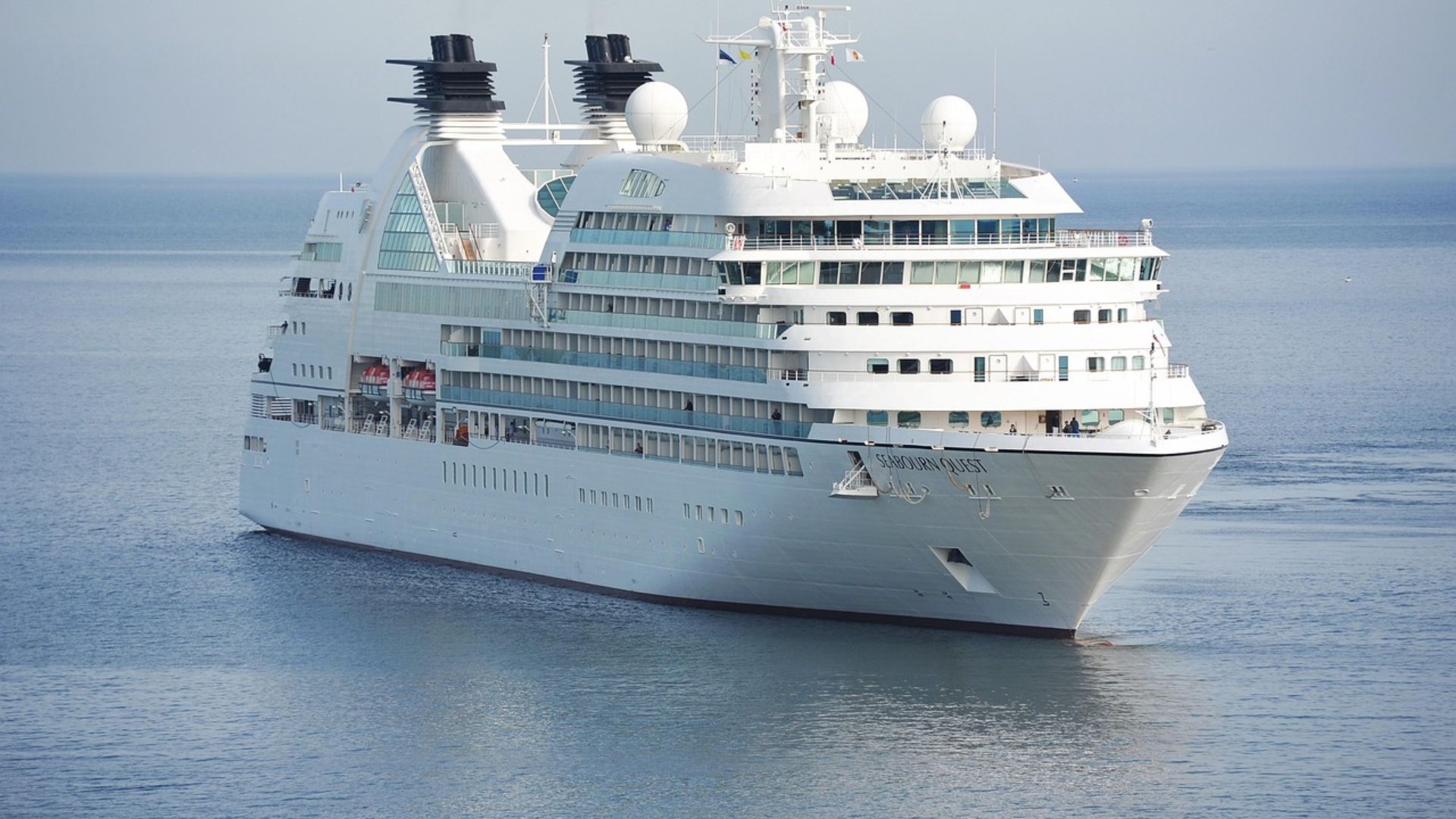
Many private cruise destinations in the Bahamas and Caribbean are exposed to shifting winds and changing sea conditions. Conditions can turn worse there faster than at a larger commercial port with more shelter and better infrastructure. That is one reason a ship may skip a private island but still make a different stop later in the cruise.

Passengers Usually Hear The News Late
Travelers often get the cancellation notice only hours before arrival because captains and operations teams wait for the latest marine forecasts and port updates. A stop that looks possible the night before may be ruled out by sunrise. It is frustrating, but it usually comes down to real-time safety decisions, not silence for the sake of silence.
Can The Cruise Line Be More Specific
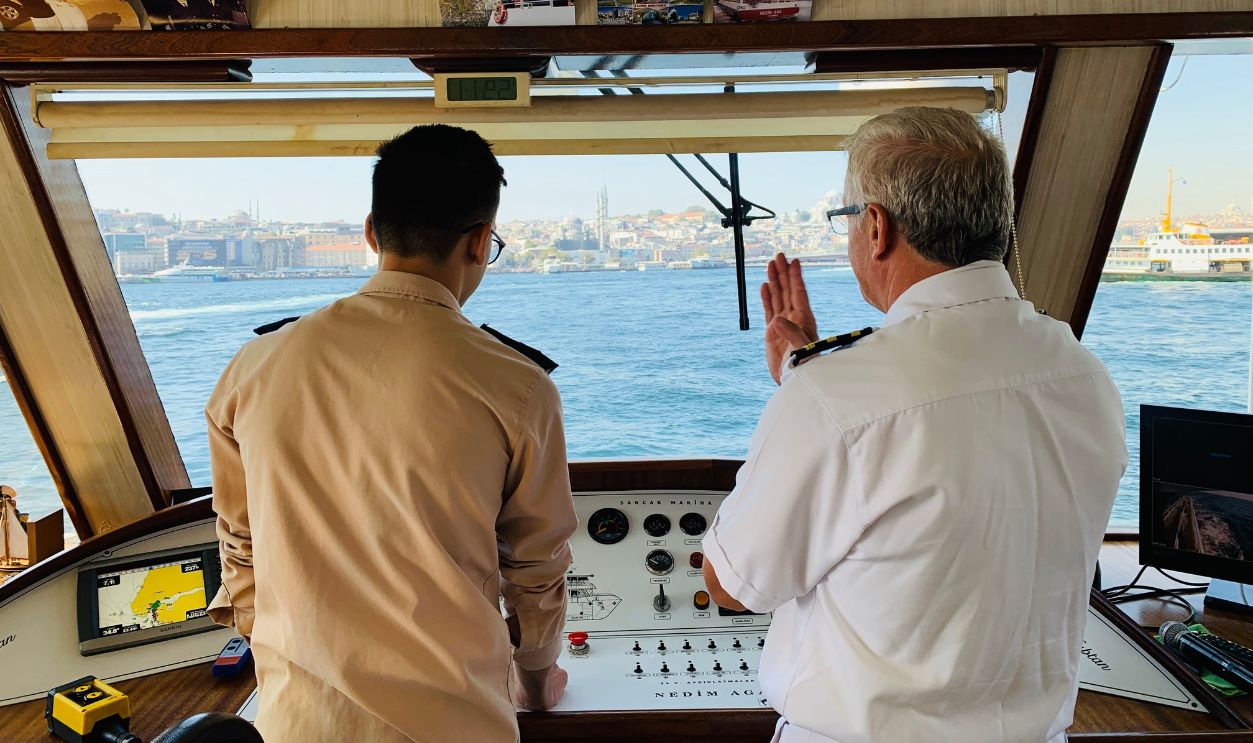
Sometimes, yes, but not always. A captain may mention wind speed, swells, or docking trouble in an announcement, while the app or official notice sticks with the broader “operational reasons” label. That mismatch happens because customer-facing systems often use simple categories instead of a detailed marine explanation.
What Compensation Can You Expect
This is where a lot of passengers get disappointed. In many cases, cruise lines do not owe full compensation for a missed port because itinerary changes are clearly allowed in the contract. Guests may get port fees and taxes back if those charges were tied to the skipped stop, but that does not mean an extra refund for the lost experience.

Port Fees And Taxes Are The Most Likely Refund
If your cruise skips a private island or another port, check your onboard account and final statement. Cruise lines often automatically refund port charges tied to the missed stop when that applies. The amount can be small, which is one reason people feel blindsided when a headline destination drops off the trip.

Sometimes There Is Goodwill Compensation
A cruise line may offer onboard credit, free drinks, or extra activities if the missed stop causes major frustration, but that is usually up to the company. There is no universal rule that says they must replace a lost beach day with something of equal value. If the ship adds more sea day entertainment, that is often the practical substitute.
Travel Insurance Usually Will Not Save The Day
Standard travel insurance often does not pay out just because a cruise line changed the itinerary. Coverage usually depends on trip interruption, delay, medical issues, or other specific reasons named in the policy. If private island access is the main reason you booked, read the policy carefully before assuming insurance will cover the loss.

Read The Ticket Contract Before You Need It
It is not exactly beach reading, but the ticket contract is where your rights and the cruise line’s flexibility are spelled out. Look for sections about itinerary changes, skipped ports, and refunds of fees or taxes. Knowing that in advance makes it easier to keep expectations realistic when paradise suddenly disappears from the plan.

Check Whether The Stop Uses Tenders Or A Pier
This is one of the most useful clues travelers can look up before booking. Tender ports are usually more likely to be canceled than ports with a pier, especially during breezy times of year. If that private island stop is the main reason you booked, it helps to know how guests usually get ashore.
Think About The Season Before You Book
Hurricane season and winter wind patterns can raise the odds of itinerary changes in the Caribbean and Bahamas. That does not mean you should rule out those months, but it does mean flexibility matters. A cheaper fare can come with a higher chance that the prettiest stop does not happen exactly as advertised.

Use Cruise Critic And Line Apps For Clues
Passenger forums and official cruise line apps can sometimes show a pattern before your own sailing. If recent voyages have repeatedly missed a certain private island because of wind or surf, that is useful context. It is not a guarantee your cruise will face the same problem, but it can help you set expectations.

Ask Guest Services Better Questions
If your stop gets canceled, ask whether the reason was weather, tendering, docking, maintenance, or schedule recovery. You may not get a technical breakdown, but a polite question can sometimes get you a clearer answer than the push notification did. Also ask whether port fees will be refunded and whether any goodwill credit is being offered.

Do Not Build The Whole Trip Around One Stop
This may be the hardest advice to hear because private island marketing is built to sell the fantasy. But cruises are moving vacations, and moving parts can change. If you book for the ship, the region, and the full onboard experience, a missed island feels like a letdown instead of a total vacation collapse.

Why Cruise Lines Keep Using That Phrase
The wording is broad because it is useful operationally and safe legally. It covers several possible causes without pinning the company to one explanation that may later turn out to be incomplete. To travelers, it can sound evasive, but in practice it usually means the cruise line is shortening a complicated decision into a simple label.
The Bottom Line On That Vague Alert
When your cruise skips its private island for “operational reasons,” it usually means safety, logistics, timing, or ship issues made the stop impractical. It is not satisfying language, but it is not empty language either. The smartest move is to know the contract, expect some flexibility at sea, and treat every private island stop as a highlight rather than a guarantee.