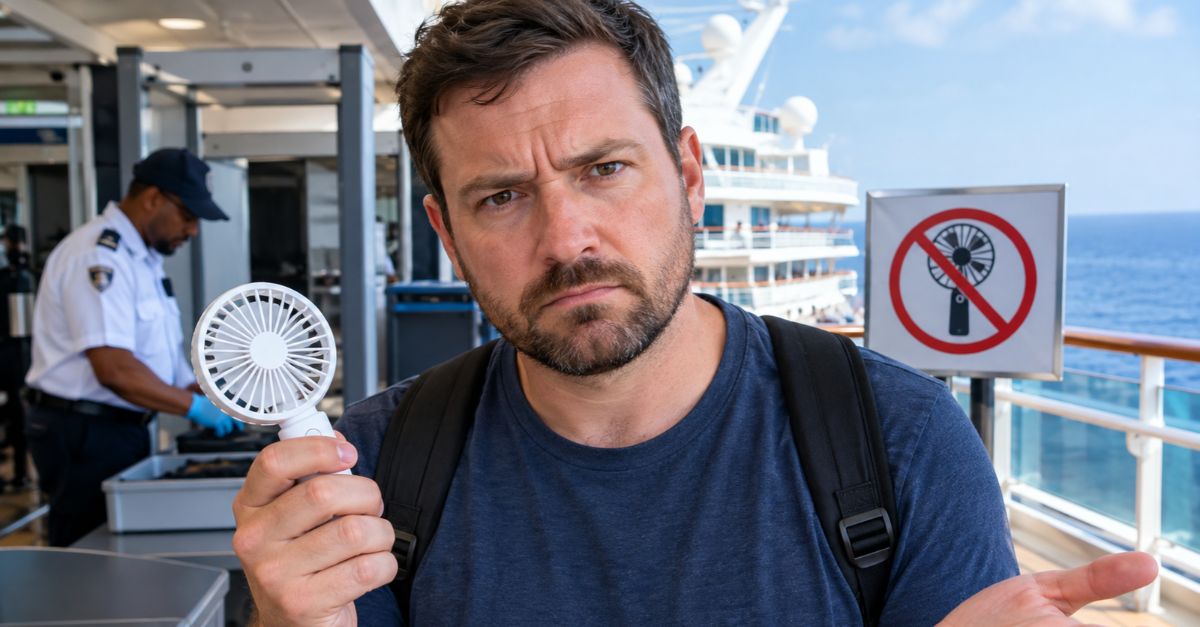
Your Portable Fan Is OK One Day, Banned The Next
Getting in trouble for a small portable fan partway through your cruise—after security already cleared it when you boarded—can put a sour turn on an expensive vacation. Your fan being allowed at first, then taken away, also raises an obvious question: Can the rules really change like that after the cruise is well underway?
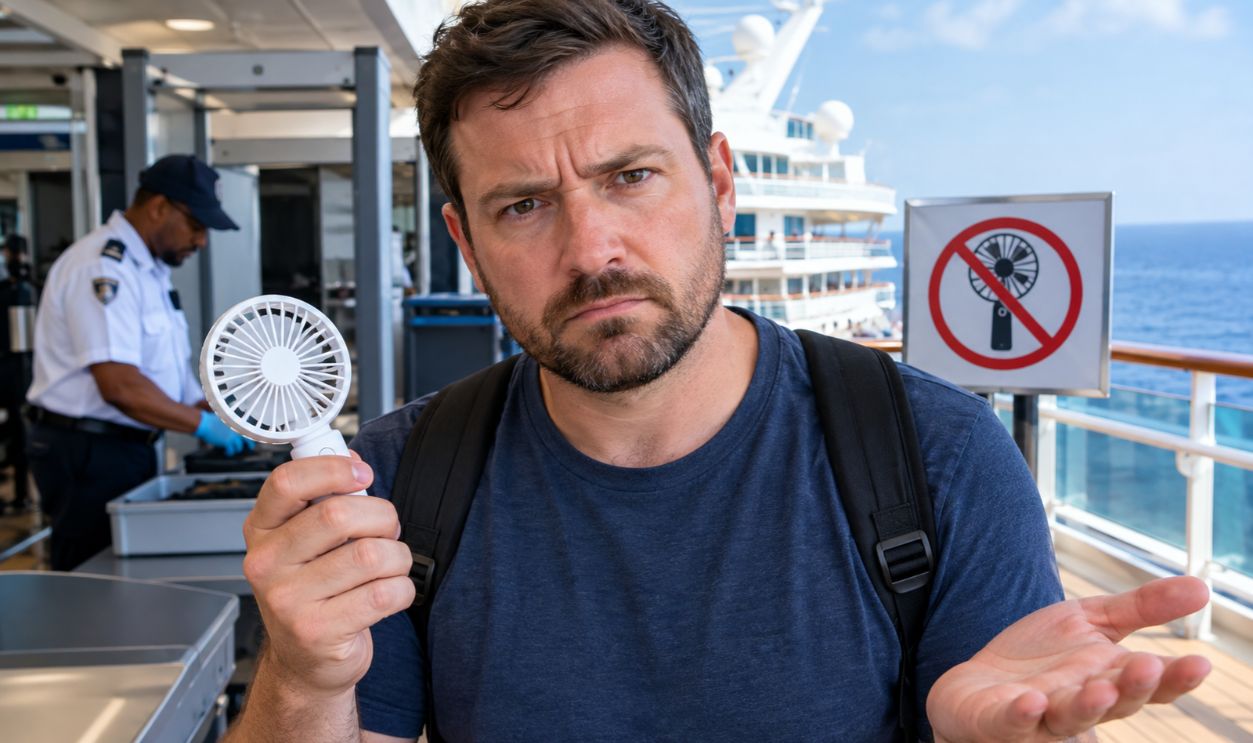
The Complaint That Set Off The Debate
In a Cruise Critic forum thread, a passenger described bringing a small portable fan onboard and later being told it was not allowed. The replies quickly proved this kind of thing happens a lot. Last-minute rule changes like are definitely common on cruises, even if most travelers never think of it until it happens to them.
 Monkey Business Images, Shutterstock
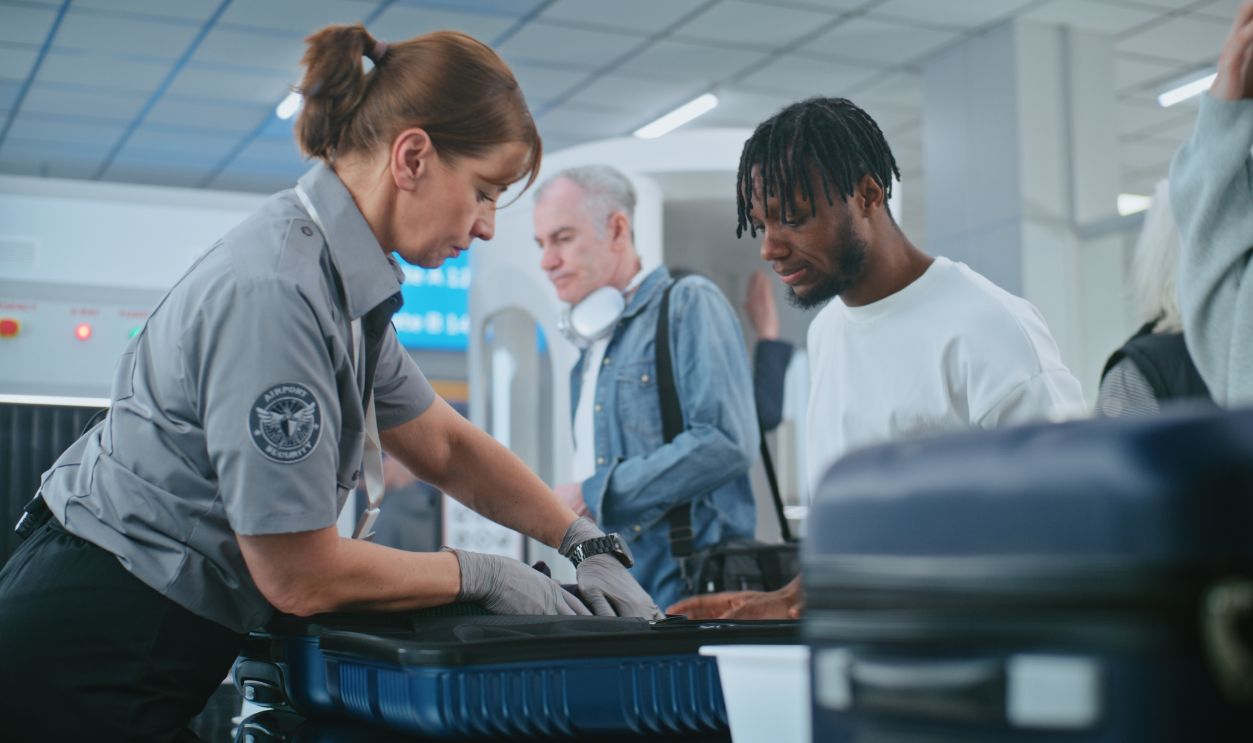
Getting Through Security Is Not Final Approval
Just because an item clears terminal security does not mean you are guaranteed to keep it for the whole cruise. Embarkation screening is meant to catch obvious banned items, but cruise lines also keep the right to inspect cabins and remove things that break onboard safety rules. So yes, an item can get through one checkpoint and still be banned later.
 Frame Stock Footage, Shutterstock
Cruise Contracts Give Lines A Lot Of Power
The legal basis for this is usually tucked into the cruise contract and guest conduct rules. Major cruise lines spell out that they can refuse, remove, or confiscate items they see as unsafe or prohibited. The language is broad on purpose, giving crew members room to act on fire risks, electrical hazards, or new safety concerns.
 Christian Velitchkov, Unsplash
Why A Fan Can Turn Into A Problem
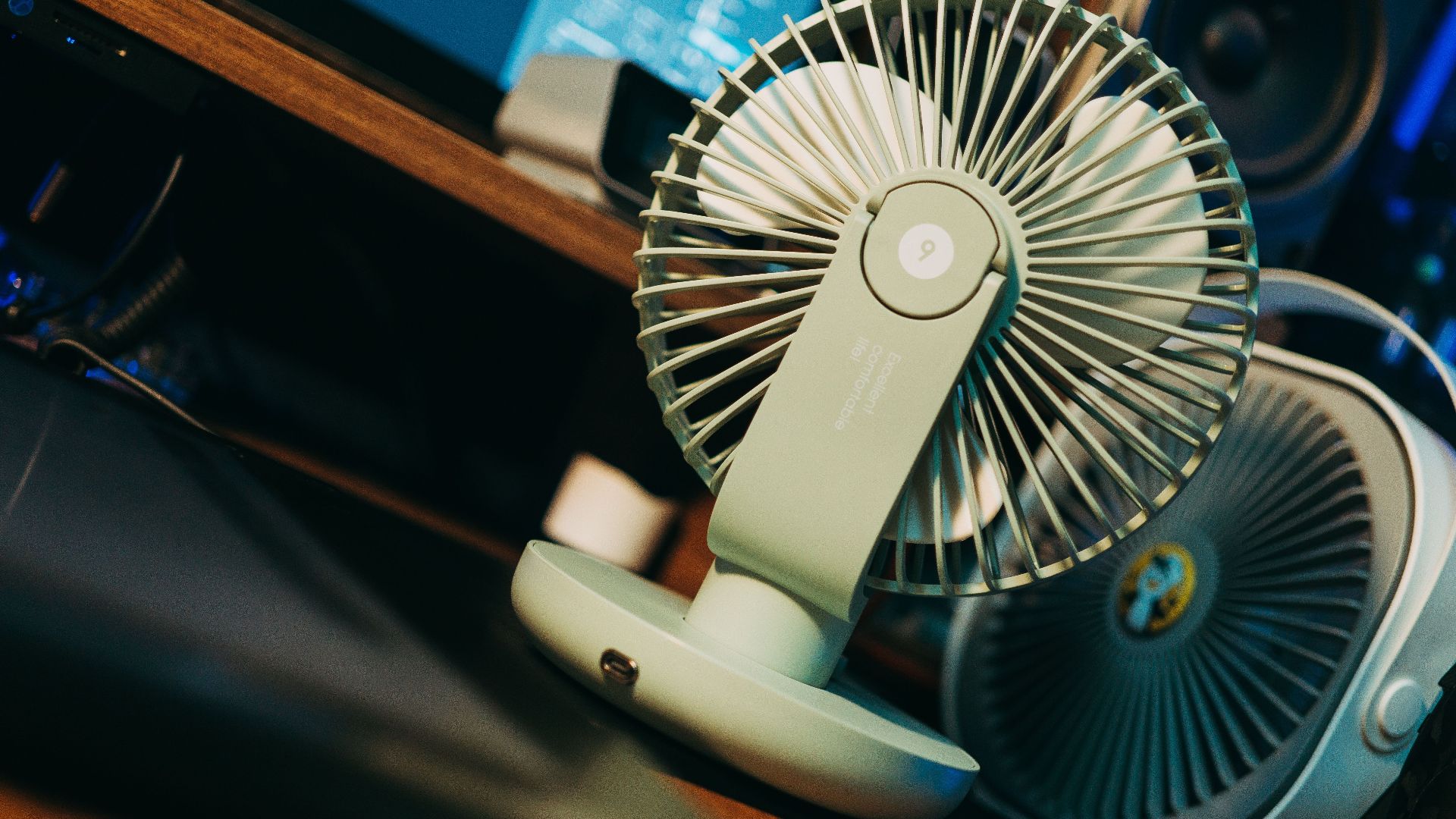
A small fan may seem harmless, but cruise lines look closely at how it is powered and how it is used. Heating parts, exposed wires, damaged batteries, or risky plug setups can all cause concern. Even devices that seem perfectly normal at home can be treated differently on a ship, where fire prevention is taken very seriously.
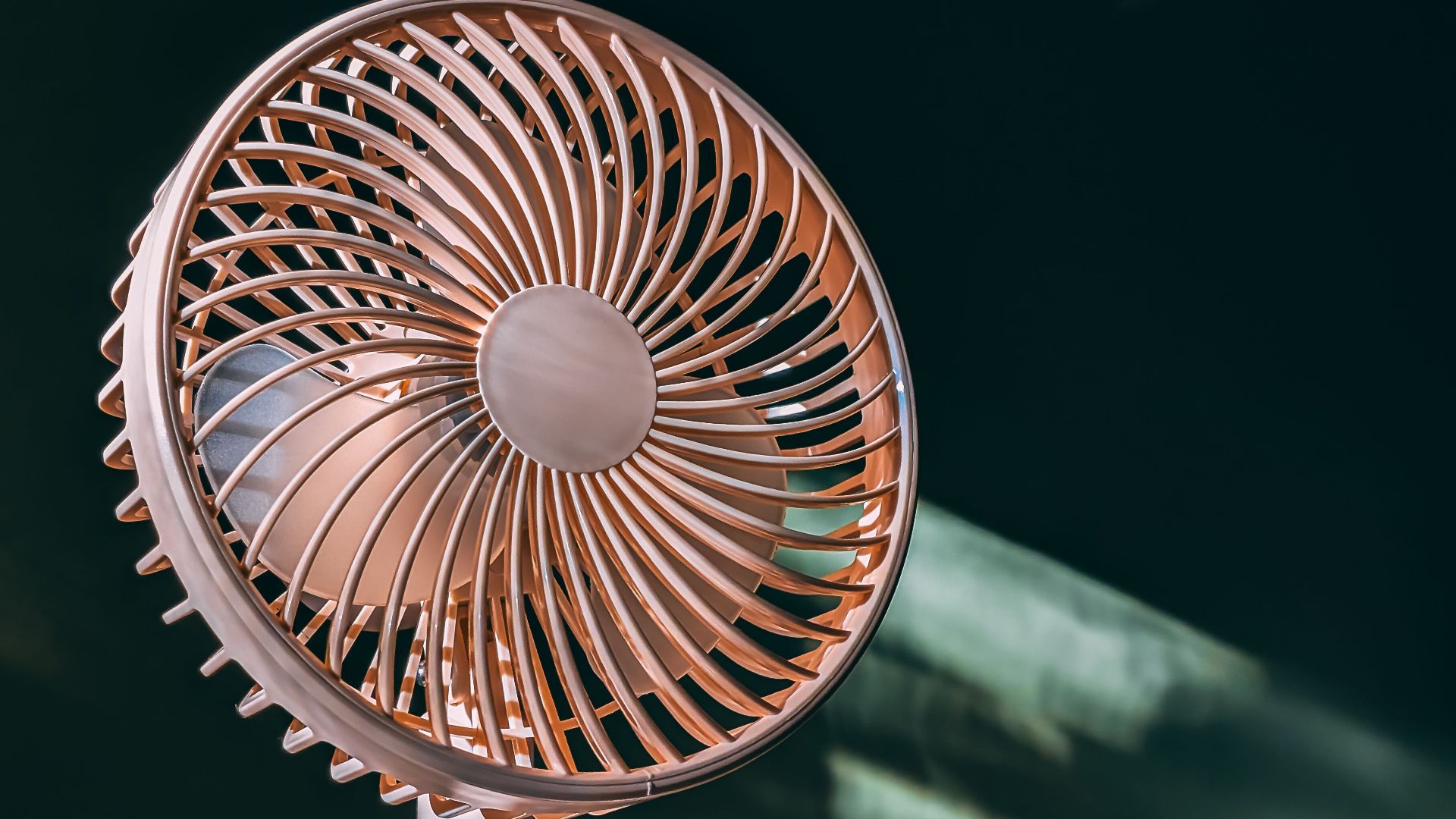
Battery Rules Matter More Than People Think
Portable devices with lithium-ion batteries face growing scrutiny across travel. Cruise lines and regulators are especially alert to overheating and charging risks. If a fan has a rechargeable battery, that alone can affect whether crew members decide it is okay onboard.
Carnival Has Tightened Some Device Rules
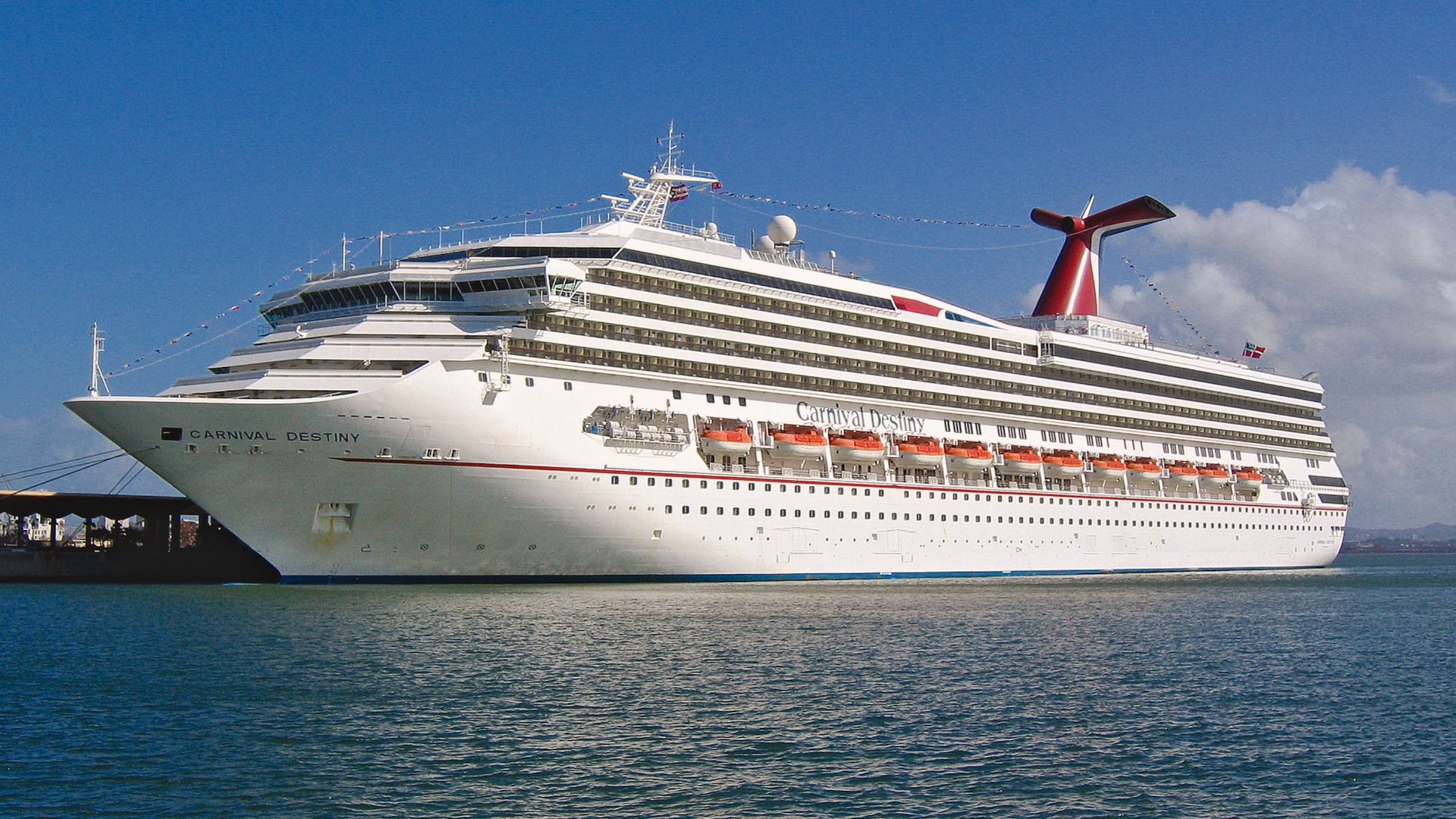
Carnival Cruise Line has updated and clarified its rules in recent years, especially around electrical devices and appliances. The line says some items may be confiscated if they are considered hazardous, even if they are found after embarkation. That makes the passenger complaint feel less like a fluke and more like part of a bigger safety push.
Royal Caribbean Can Remove Items Too
Royal Caribbean’s prohibited-items policy also makes clear that some devices may be confiscated and returned at the end of the cruise, if they are returned at all. The company puts a strong focus on anything that could create a fire hazard. In other words, enforcement is not limited to what happens at the pier.
 Matthew T Rader, Wikimedia Commons
Norwegian Says Much The Same
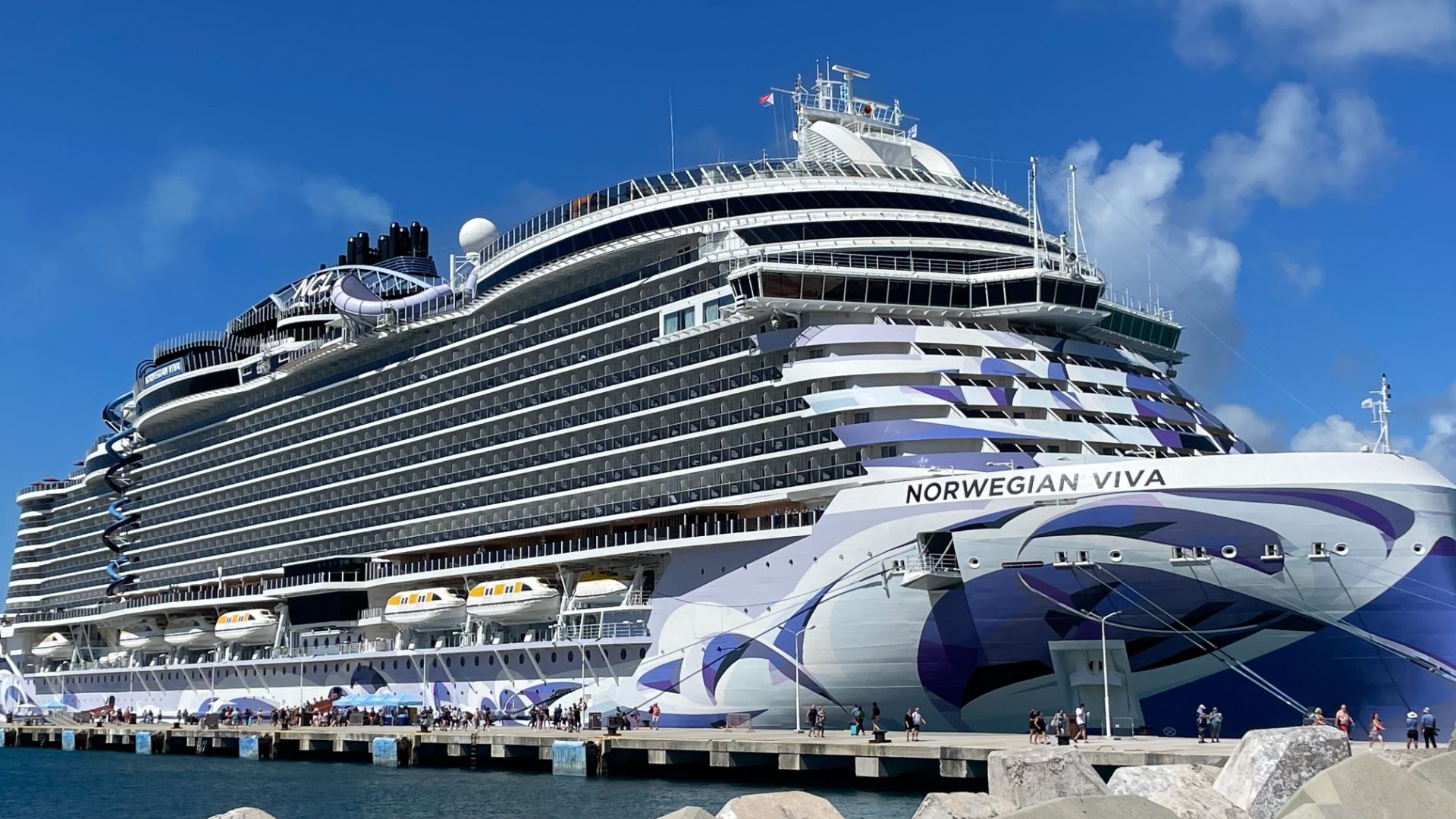
Norwegian Cruise Line also posts lists of restricted and prohibited items, with a heavy focus on electrical safety. The company says certain items may be held until the end of the voyage or destroyed if needed. The big theme across the industry is simple: onboard safety teams still have authority after boarding day.
 Master0Garfield, Wikimedia Commons
MSC And Princess Follow The Same Logic
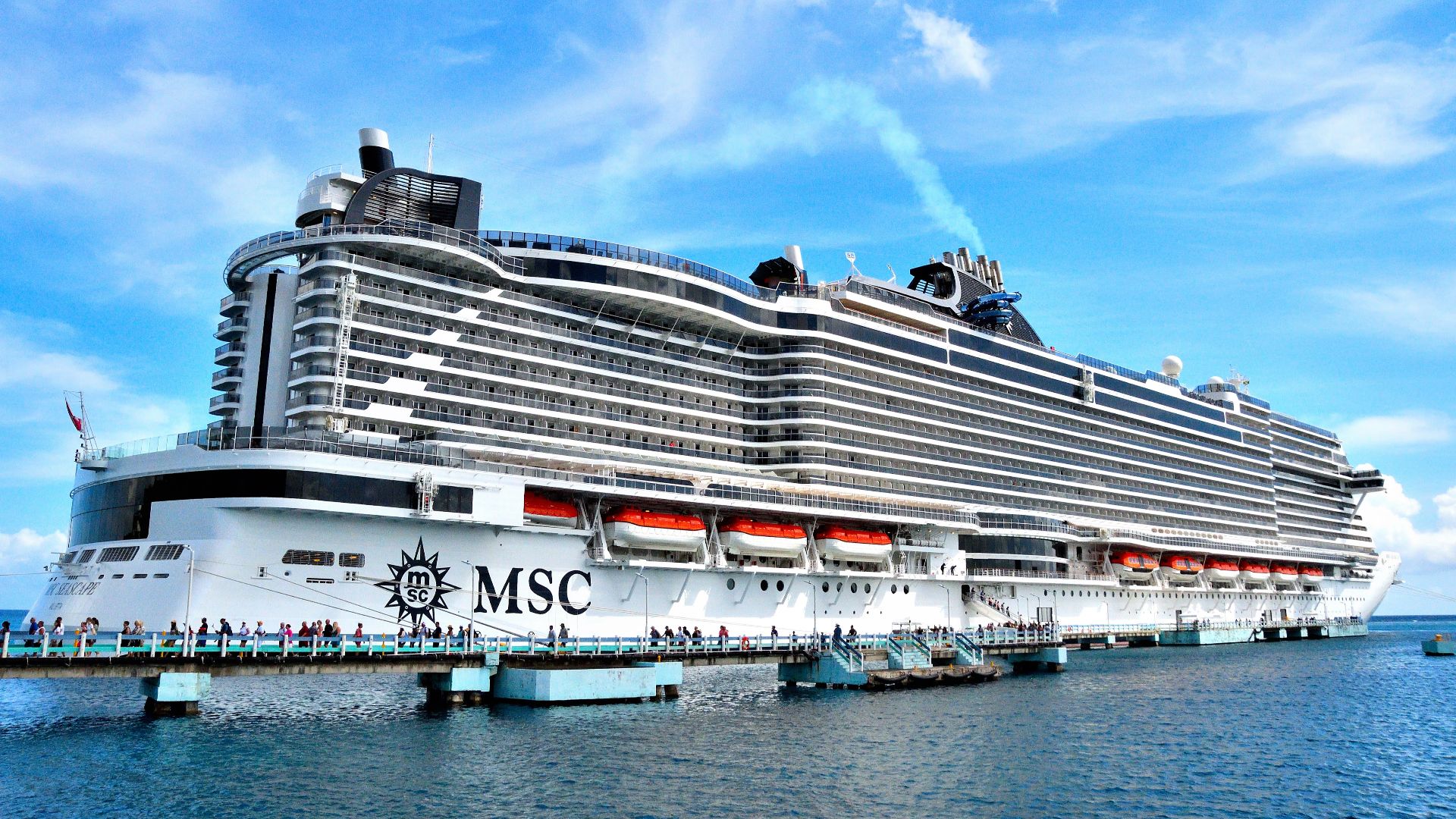
MSC Cruises and Princess Cruises both have prohibited-item pages warning guests not to bring unsafe appliances or devices. The exact wording changes from line to line, but the idea stays the same. If a crew member thinks an item is a risk, it can be taken out of use even if no one stopped it in the terminal.
 Rene Cortin, Wikimedia Commons
What Cruise Lines Mean By Unsafe Appliances
This is where things get tricky. Not every rule names every single device. Instead, cruise lines often use broad terms like “items that generate heat,” “electrical extension devices,” or “appliances deemed unsafe.” A portable fan may not always be listed by name, but it can still fall into one of those categories depending on how it is made and what shape it is in.

The Crew Can Act On Something They Learn Mid-Cruise
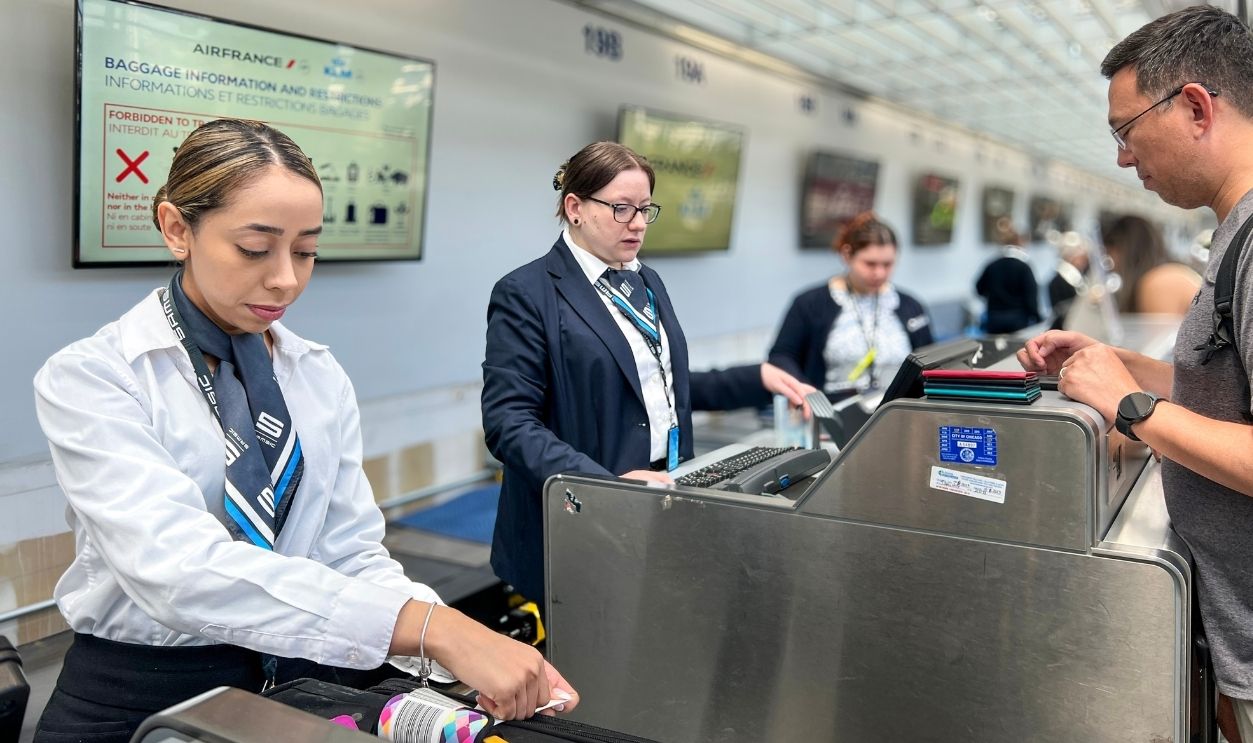
Yes, rules can seem to change once you are onboard, but often it is really the enforcement that changes. If the crew notices a detail that security missed, they can step in. They can also act on a new company directive, a shipwide safety reminder, or a risk that only became clear later.
That Does Not Always Mean The Written Policy Changed
To passengers, it can feel like the rules suddenly shifted. But in many cases, the cruise line’s position is that the item was never allowed under the existing policy, even if it slipped through screening. That explains why guests feel caught off guard while the cruise line insists it is just enforcing the rules already on the books.
 Frame Stock Footage, Shutterstock
Terminal Security And Onboard Teams Do Different Jobs
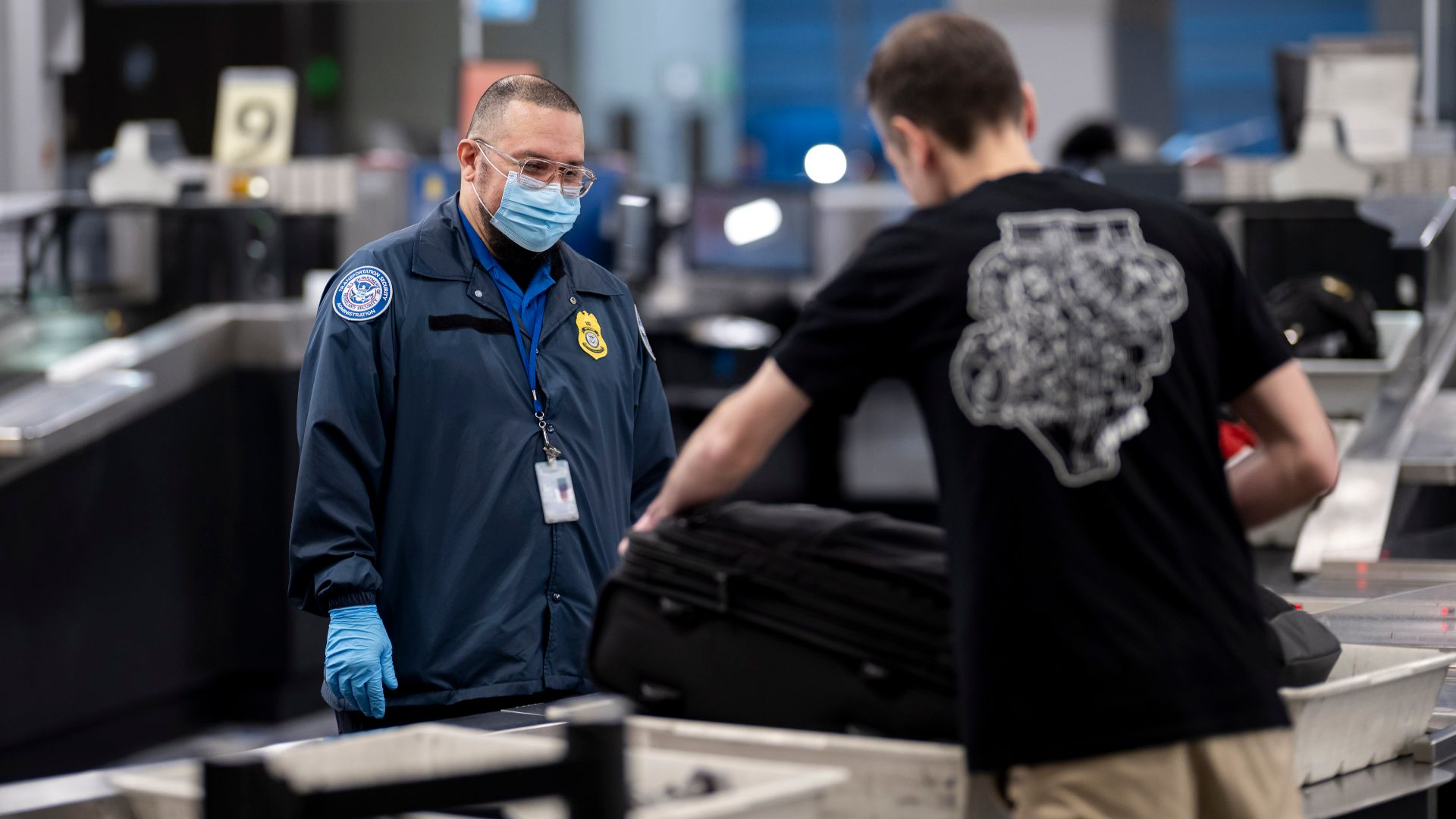
Embarkation security is usually focused on moving thousands of people quickly while screening for weapons, alcohol issues, and major safety threats. Onboard housekeeping, maintenance, and security teams have more time to spot questionable devices in cabins. That second layer often catches what the first one missed.
A Housekeeper Might Be The One Who Finds It
Many cabin confiscations happen after a room attendant or supervisor sees an item plugged in or sitting out in plain sight. They may report it to security or ask a manager to check it. From the guest’s point of view, that can be a shock, especially when the same item sailed through in a suitcase just a few hours earlier.

Fire Safety Is Behind A Lot Of These Calls
Cruise ships are tightly controlled when it comes to fire prevention. Cruise Lines International Association and major operators regularly stress the need to cut ignition risks and limit electrical hazards. So even a small comfort item can draw attention if it plugs in, charges in a risky way, or does not have clear safety markings.
 Grandmaster Huon, Wikimedia Commons
Outlets, Adaptors, And Wattage Can Make Things Worse
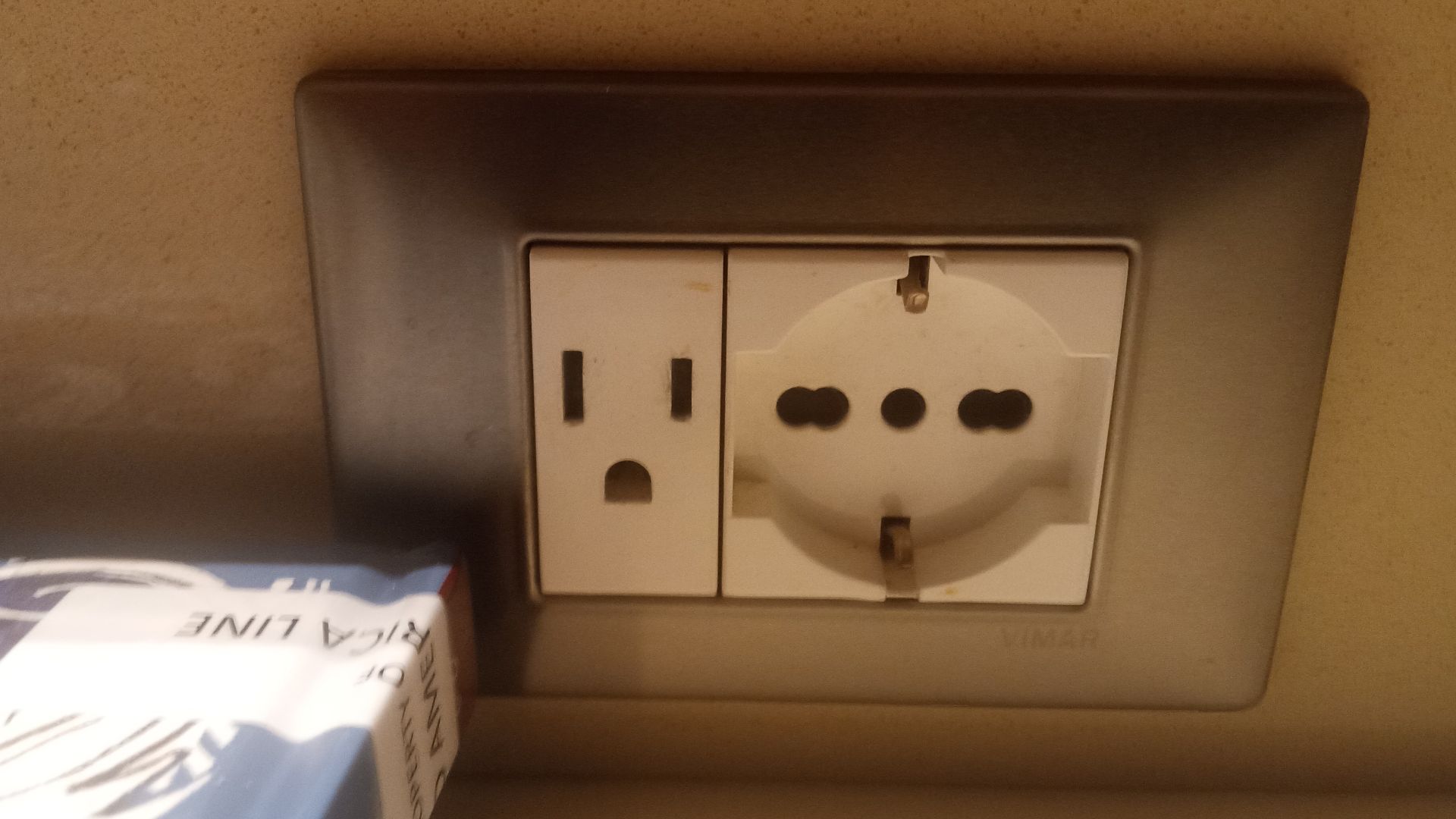
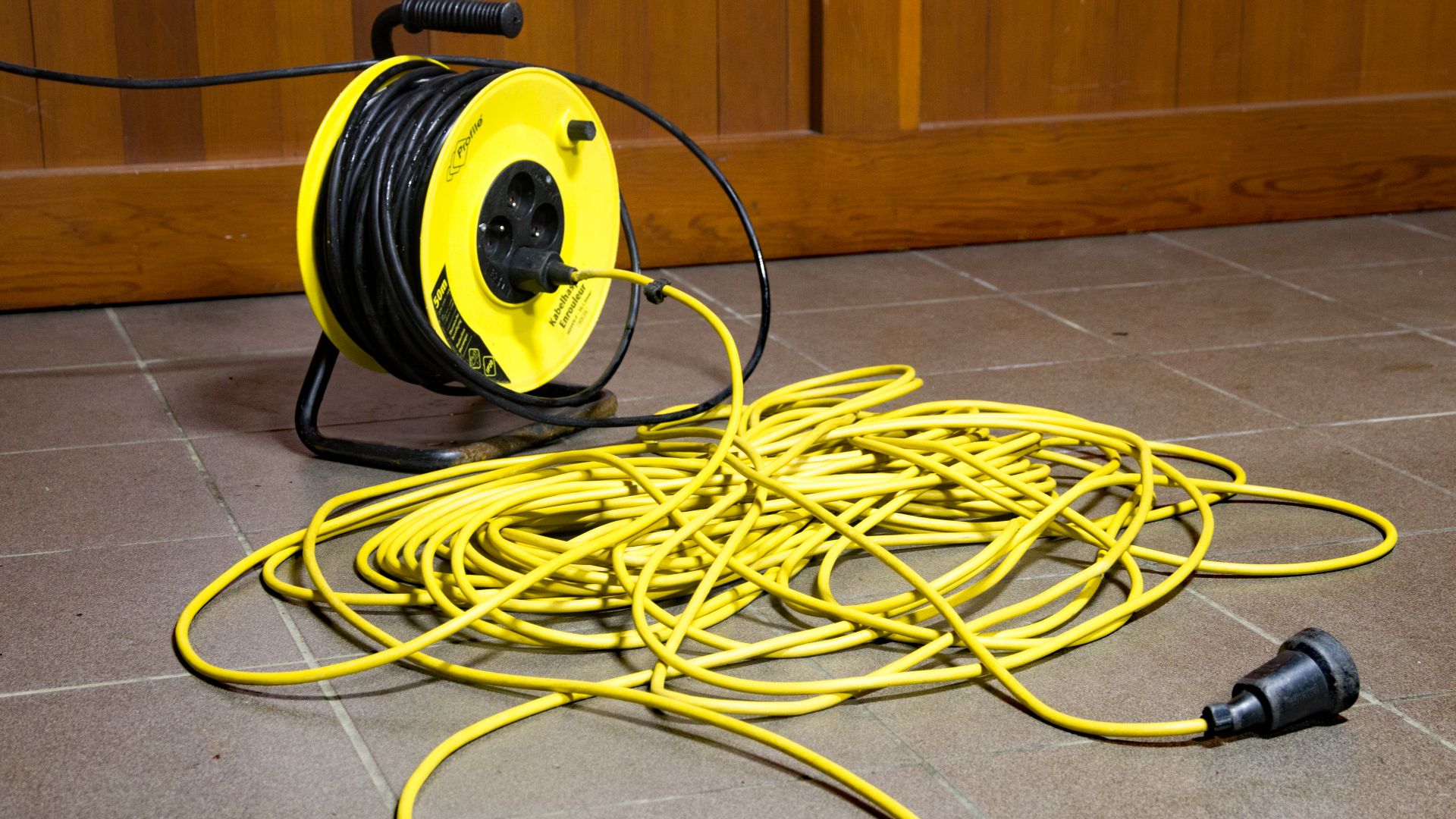
Sometimes the fan is only part of the problem. The real issue may be the adaptor, extension cord, multi-plug cube, or charging setup connected to it. Cruise lines often ban surge protectors and frequently limit extension cords, so a simple-looking setup can cross the line fast.
Medical Devices Are Usually Handled Separately
Guests who need powered equipment for medical reasons are usually covered by separate procedures. Cruise lines often ask passengers to let them know in advance about CPAP machines or other necessary devices. A comfort fan for sleeping usually does not get the same treatment unless the line has specifically approved it.
If It Happens To You, Ask For The Exact Rule
If your item is flagged, the best first move is to stay calm and ask which rule it violates. Ask for the exact device category instead of accepting a vague statement that it is banned. That can help you figure out whether the problem is the fan itself, the battery, the plug, or the way it was being used.

Try To Get The Decision In Writing
If the item is confiscated, politely ask for written notice or a receipt. Some cruise lines tag and store restricted items so they can be returned at the end of the trip. That paperwork matters if you later want to file a customer service complaint or ask for reimbursement.

Do Not Count On Perfect Consistency
One of the most frustrating parts of cruising is that enforcement can vary by ship and even by sailing. A device that was allowed on one trip might get challenged on the next. That does not always mean the rule changed, but it does mean past experience is not a guarantee.
 Frame Stock Footage, Shutterstock
Check The Cruise Line Website Right Before You Travel
Policies can change between the day you book and the day you board. Cruise lines often update prohibited-item lists in response to safety trends, battery concerns, or onboard incidents. Checking the latest rules a day or two before departure is one of the easiest ways to avoid a nasty surprise.

Photos And Product Pages Can Help
If you are unsure about a device, keep the product listing on your phone. Being able to show the battery type, wattage, and safety certifications may help staff understand exactly what it is. It will not guarantee approval, but it can make the conversation more useful and less tense.

The Safest Bet Is A Simpler Backup
If airflow or white noise helps you sleep, it may be smarter to bring a lower-risk backup. A white noise app on your phone, a simple personal device that clearly fits the cruise line’s rules, or even asking for a cooler cabin can be easier than fighting over gear once you are at sea. The simpler the device, the lower the chance it gets taken away.

Refunds Usually Are Not Likely
Most cruise lines will not compensate passengers just because a restricted item was removed after embarkation. They usually point back to the contract and the prohibited-items policy. Your odds improve only if you can show the item clearly fit the published rules and crew members still got it wrong.

So, Can The Rules Change After You Board?
Yes, at least in practical terms. Cruise lines keep broad power to enforce safety policies throughout the voyage. Sometimes the written rule has not changed at all, but the item was missed at first and flagged later. The lesson is simple: getting an item onto the ship is not the same as getting final approval to keep it.

The Bottom Line On Portable Fans
If you plan to bring a portable fan, check your cruise line’s current prohibited-items page and pay close attention to battery, plug, and electrical-device rules. If anything is unclear, ask before you leave and have a backup plan. On a cruise, even a tiny fan can turn into a very annoying problem once the ship pulls away from port.