The Floor-Sleeping Plan Sounds Cheap Until It Gets Real
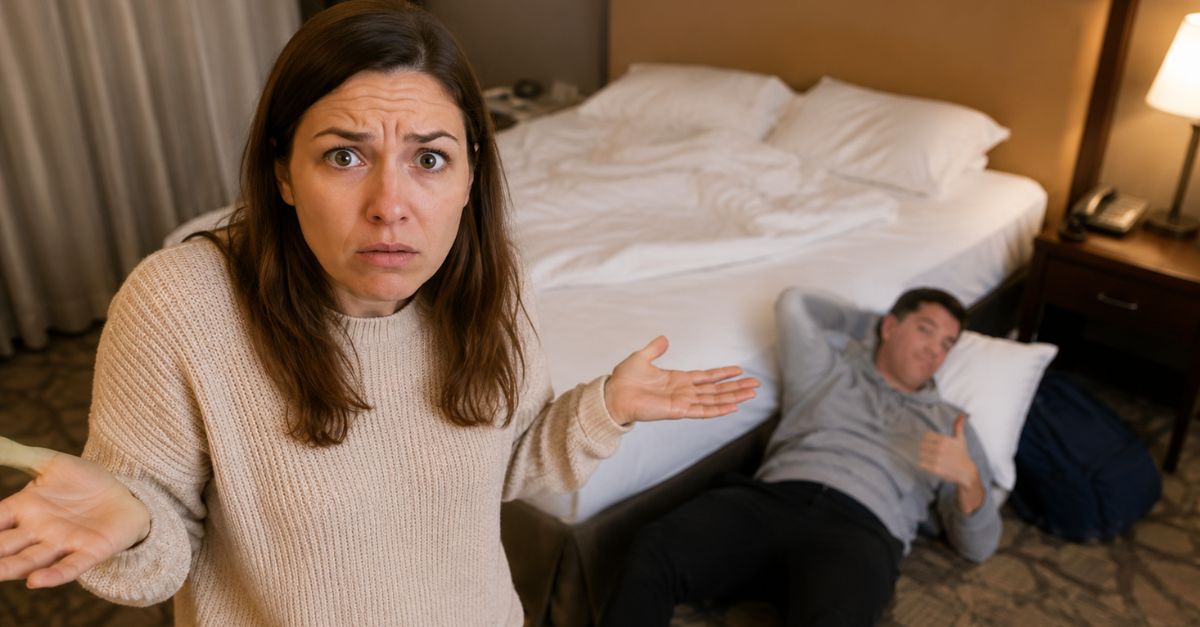
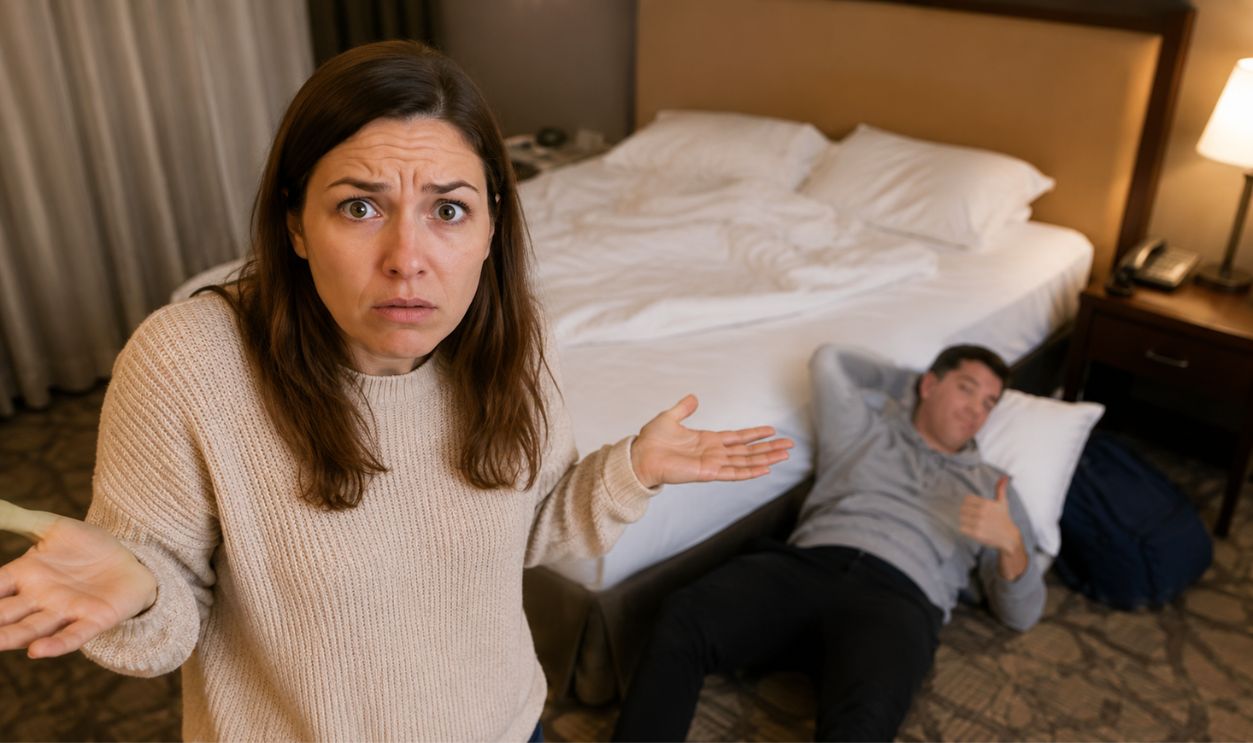
A sibling trip can get awkward fast when your younger brother decides the hotel room floor counts as a free bed. It may sound like a harmless way to save money, but it's not only overbearing, but your hotels is going to have an even bigger problem with it. If your brother refuses to pay because he plans to sleep on your floor, saying no is not harsh. It is sensible.
Hotels Price Rooms By Occupancy For A Reason
Most hotels are not just selling four walls. They are selling a room under specific occupancy rules, often with limits on how many guests can stay and what beds are included. Those limits matter for fire safety, insurance, and staffing. A person sleeping on the floor can quickly become an unregistered guest problem.
Unregistered Guests Can Break Hotel Rules
Major booking platforms make it clear that hotel policies can include limits on extra guests and rules requiring all guests to be registered. Expedia notes that properties may charge extra-person fees and set occupancy limits. Booking.com also says that children, extra beds, and cribs depend on each property's policy. So your brother's plan is not just a family disagreement. It can also violate the hotel's terms.

Extra Person Fees Are Common
A lot of travelers assume that if no extra bed is needed, no extra charge applies. Hotels often disagree. Marriott says room rates may be based on single or double occupancy and that extra-person charges can apply depending on the property. So even if your brother says he will sleep on the carpet, the hotel may still charge because he is staying there overnight.

Fire Codes Are Part Of The Story
Occupancy limits are not random. They are tied to safety rules that help decide how many people can legally sleep in a room. The National Fire Protection Association publishes life safety standards that hotels use along with local laws. Someone sleeping on the floor can also block the path out of the room during an emergency.

A Floor Sleeper Can Become A Liability Issue
This is the part many budget travelers miss. If someone is not listed on the reservation and gets hurt in the room, the hotel may have a serious problem on its hands. Insurance and liability concerns are one reason hotels want accurate guest counts. What looks like a money-saving move can turn into a headache for everyone involved.

Housekeeping And Room Setup Matter Too
Hotels staff and stock rooms based on expected occupancy. More guests mean more towels, more water use, more cleaning, and more wear on the space. When someone sneaks into the arrangement by sleeping on the floor, the hotel still takes on those costs. That is a big reason extra-person rules exist in the first place.
Not Every Room Is Meant For This
Some hotel rooms already feel cramped with the registered guests and their bags. Add one adult on the floor and suddenly there is no clear path to the bathroom or the door. That is annoying at best and unsafe at worst. If the room was not booked to sleep that many people, the setup can go from cheap to miserable in a hurry.
The Front Desk Can Say No
Even if you are fine sharing, the hotel gets the final call. Properties can refuse extra occupants who break policy or exceed room limits. They can also require you to upgrade to a larger room or book a second one. If your brother shows up expecting to sleep on the carpet for free, you may be the one stuck dealing with it at check-in.

Hotels Often Require Names For All Overnight Guests
This is not pointless paperwork. Guest registration helps hotels know who is on site in case of evacuation, emergency, or a security issue. It also helps prevent problems with room access and disputes later. If your brother plans to stay overnight, he should expect to be added to the reservation and to help cover the cost.

Sleeping On The Floor Is Not The Same As Sharing A Bed
Some travelers argue that if the room already exists, one more person should not matter. In reality, hotels care about room type, bedding, and occupancy. A king room may physically fit three adults, but that does not mean the booking allows it. The floor is not an official bed option.

There Is Also The Comfort Question
Travel is stressful enough without turning the room into a campsite. Adults sleeping on the floor usually get bad sleep, wake up sore, and make the room feel tighter for everyone else. By morning, the money saved may not feel worth it. If the point of the trip is to enjoy it, this kind of setup is a rough way to start.

One Person's Savings Can Become Another Person's Burden
If your brother refuses to pay, then this is no longer a shared travel compromise. It is one person expecting someone else to cover his stay. That changes the whole situation. Saying no is not selfish. It is drawing a fair line.

Travel Advice Usually Comes Down To Clarity Up Front
Most solid travel advice points to the same basic fix. Check the room's maximum occupancy, ask about extra-person fees, and get the policy in writing before you arrive. That cuts down on surprises and family arguments. It also stops one person from trying to invent a loophole at the last minute.

Short-Term Rental Rules Can Be Similar
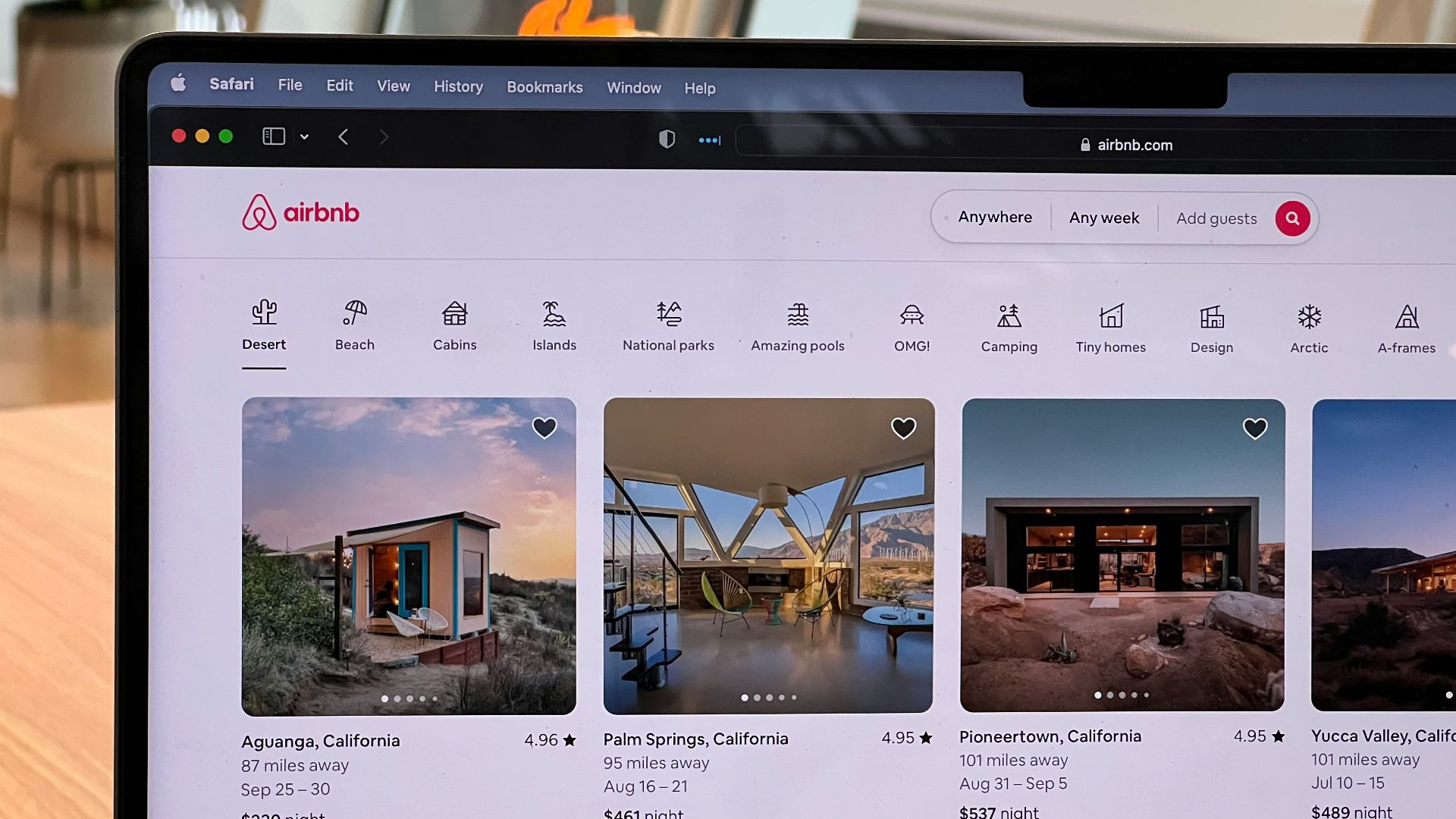
If this were an Airbnb or another vacation rental, the issue would not disappear. Airbnb's policies also require accurate guest counts and following house rules. Hosts often charge based on guest number and may ban unregistered overnight visitors. So the floor-sleeping workaround is not automatically easier outside a hotel.
 Oberon Copeland @veryinformed.com, Unsplash
Budget Travel Works Better With Honest Math
If money is tight, there are better options than trying to game the booking terms. Split a cheaper hotel, book a room with legal extra bedding, find a hostel, or shorten the trip. Straightforward budgeting is almost always less stressful than trying to sneak in another person. Cheap travel can still be smart without becoming messy.

The ADA Angle Deserves Respect Too
Accessible rooms and clear walking paths matter in every property, not just for disabled travelers using mobility devices. Cluttered floors create hazards and barriers. A sleeping bag by the bed can narrow the path out and make the room harder to move through safely. Those rules exist for a reason.

Families Often Confuse Hospitality With Obligation
Helping relatives when you can is generous. Being expected to absorb every cost-saving scheme they come up with is something else. If your brother wants to come on the trip, he needs a lodging plan that works for everyone, including the hotel. Family does not override booking rules.

There Is A Difference Between Frugal And Freeloading
Travelers who compare rates, use points, and book wisely are being frugal. Travelers who refuse to pay and still expect to use the room are edging into freeloading. That difference matters. One respects shared costs, and the other pushes them onto somebody else.

Check The Room Capacity Before You Even Argue
The easiest way to settle this is with the room details. Look up the maximum occupancy on the hotel's website or ask the property directly. If the room only allows two registered adults, that ends the debate. Facts are often more useful than family feelings in travel disputes.

Ask About Rollaway Beds If The Hotel Offers Them
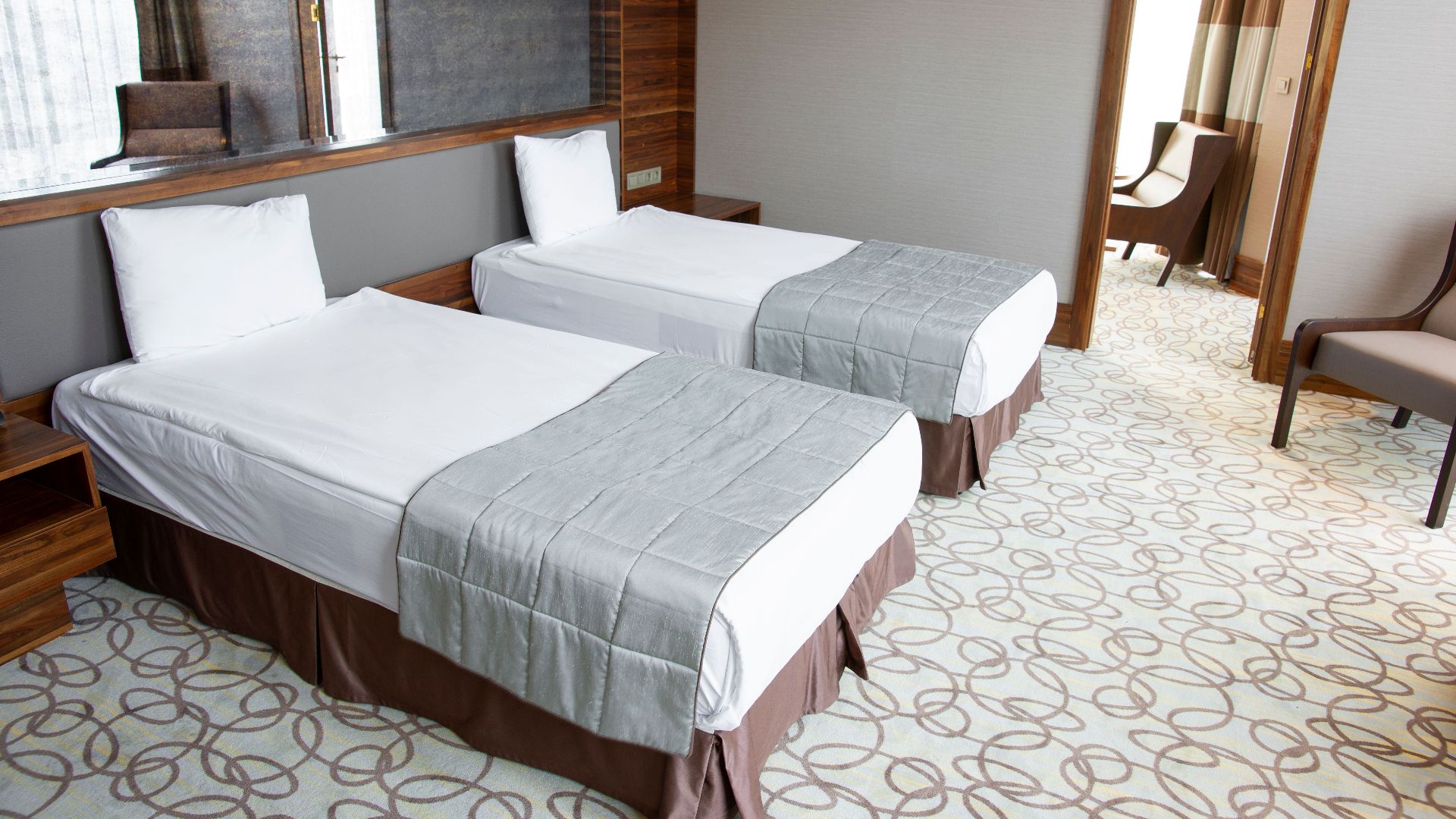
Some hotels allow rollaway beds for an extra fee, but not every room has space for one. It can be a valid option if the room's occupancy limit allows it. It still is not free, and it still needs the hotel's approval. If your brother wants flexibility, this is the adult version of the plan.
What If He Says He Will Only Stay One Night
That still counts. Hotel policies usually apply per night, not based on how brief or convenient someone thinks the stay will be. One unauthorized overnight stay can still break occupancy rules or trigger extra charges. A short stay is still a stay.

Could The Hotel Evict You Over This
Policies vary, but hotels can enforce their rules if they find unauthorized guests in the room. That might mean extra charges, a forced room change, or in some cases ending the stay altogether. No one wants that kind of scene in the lobby. Avoiding it is another good reason your no makes sense.

Your Peace And Privacy Count Too
Even if the hotel allowed it, you still get a say in who shares your room. A hotel room is small personal space, not public property. If you do not want your sibling sleeping on the floor next to your bed and luggage, that alone is reason enough to say no.

The Best Answer Is Simple And Boring
Sometimes the least exciting travel advice is the most useful. Every adult on the trip should either pay their share, book their own room, or skip the trip. That keeps expectations clear and cuts down on resentment later. Boring math beats vacation drama every time.

So Are You Wrong For Saying Absolutely Not
No. Hotel occupancy rules, extra-person fees, safety concerns, and plain fairness all support your position. Your brother's idea may sound thrifty on paper, but it pushes the cost and risk onto you and the hotel. A firm no is the practical call.

The Smart Way To End The Argument
Tell him you are happy to travel together if the booking is done properly. Ask the hotel about occupancy, fees, and any rollaway option, then let that answer decide the plan. If he still refuses to pay, then he is refusing the terms of the trip, not being unfairly shut out.