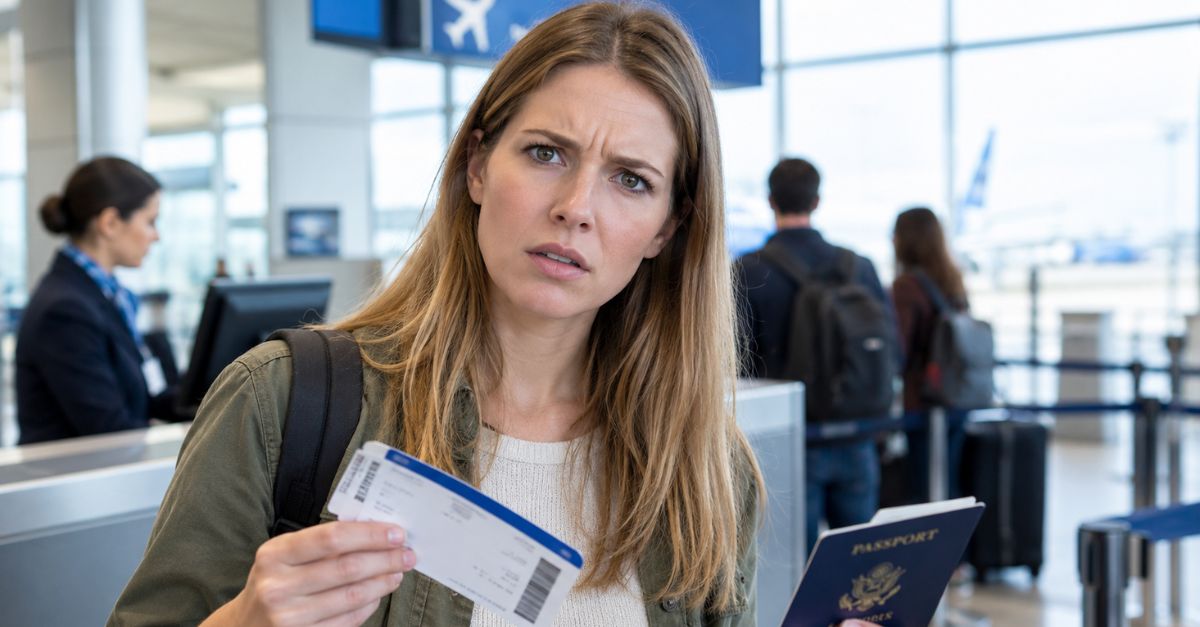
That Tiny Name Difference Can Ruin A Trip
It sounds petty, but a small difference between the name on your ticket and the name on your government ID can be enough to keep you off a flight. Airlines and security agencies expect the name on your reservation to closely match your ID. If your ticket says a nickname but your ID shows your legal first name, you can run into trouble at check-in, security, or the gate.
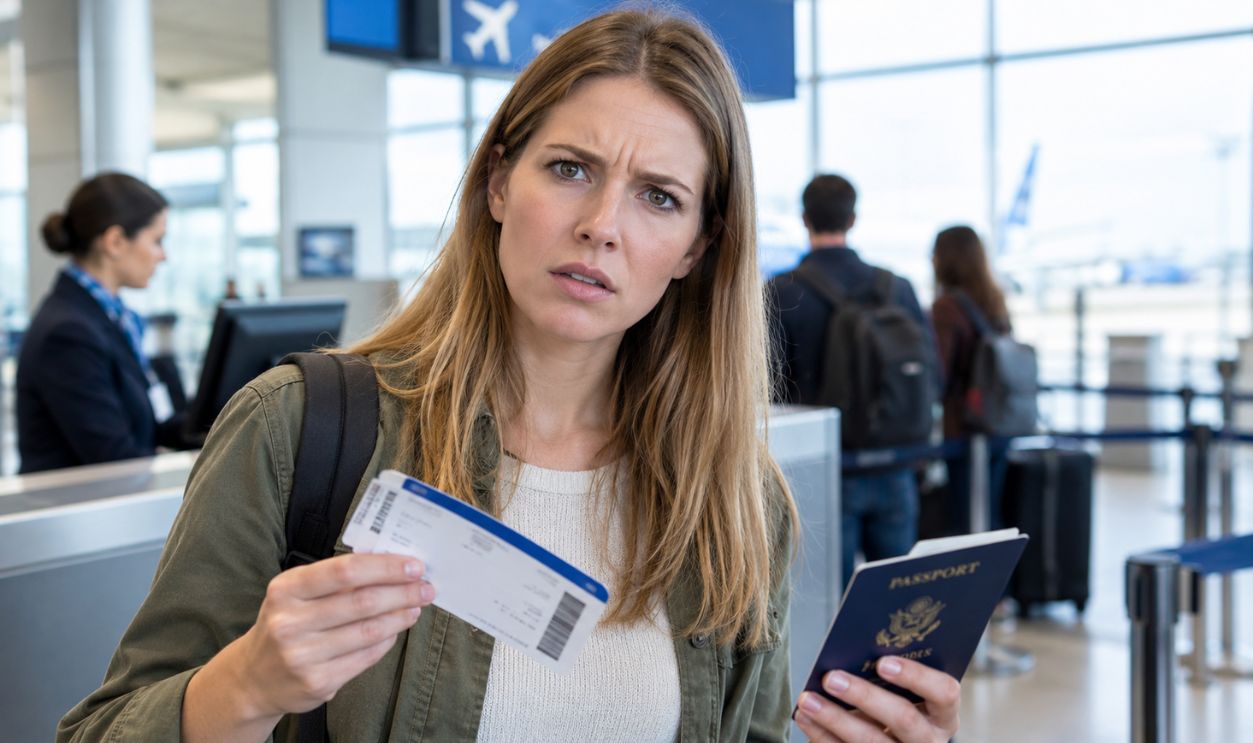
Why This Happens More Often Than People Think
A lot of people book flights using the name everyone calls them, not the name on their official documents. Robert becomes Bob. Katherine becomes Katie. The problem is that airline systems, TSA checks, and border controls are built around legal identity, not everyday names.
 Michael Ball, Wikimedia Commons
The Basic Rule Is Pretty Simple
If you are not sure what name to use on a ticket, use the exact name on the ID you plan to travel with. The Transportation Security Administration says the name on your boarding pass must match your government-issued ID. That is the clearest sign that even a harmless-looking nickname can cause a real problem.
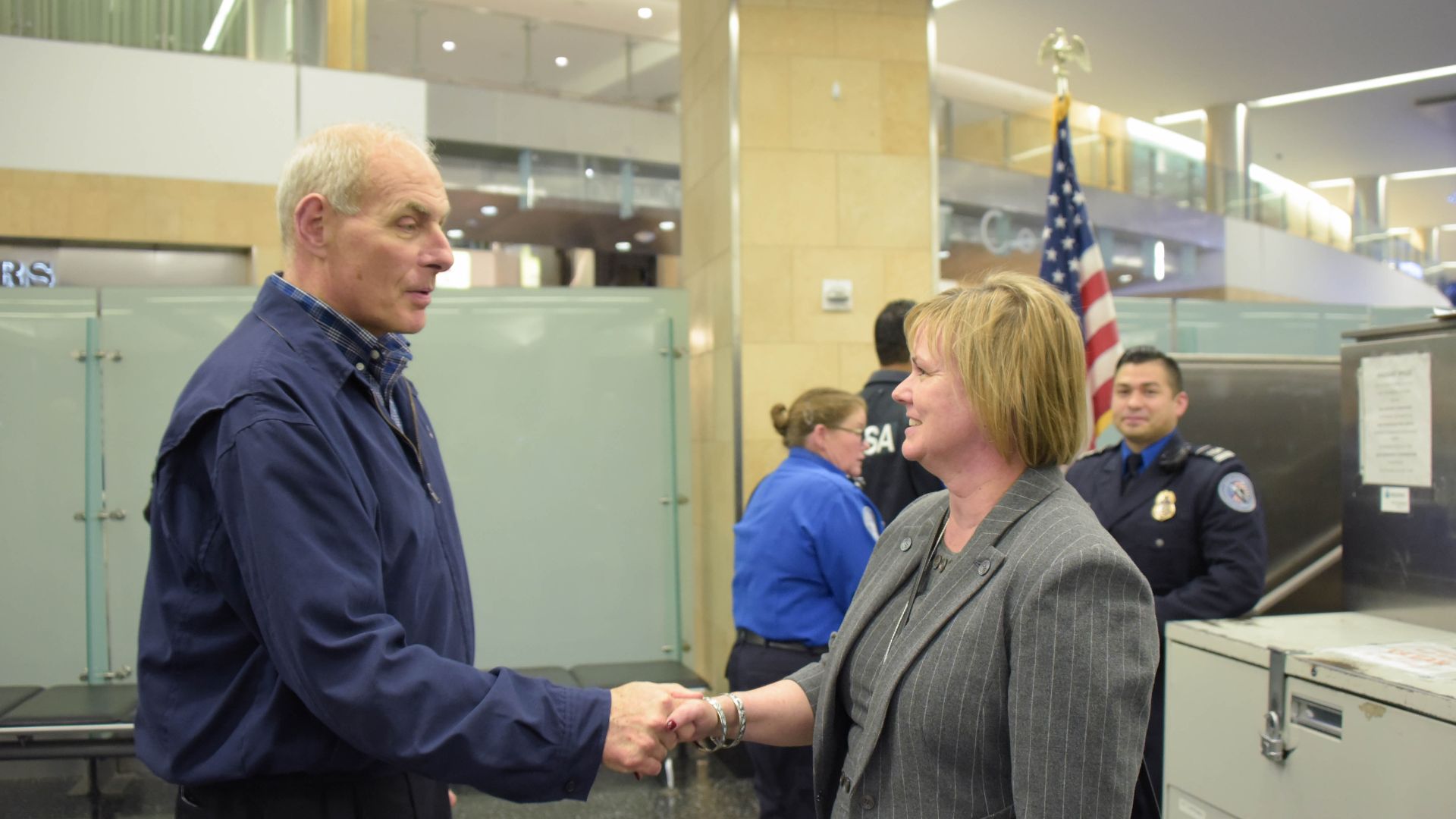 U.S. Department of Homeland Security (DHS), Wikimedia Commons
TSA Makes The Name Match A Big Deal
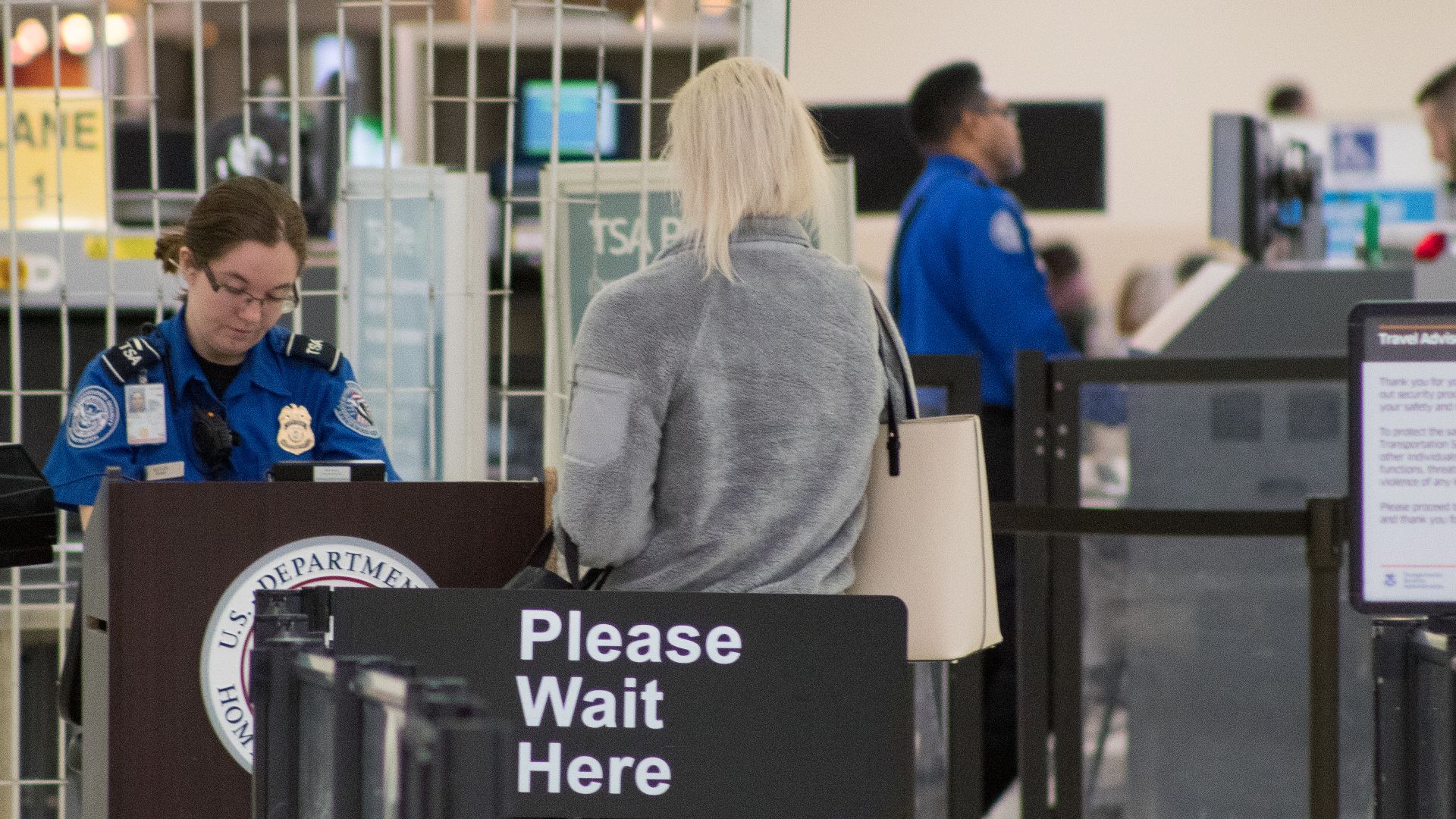
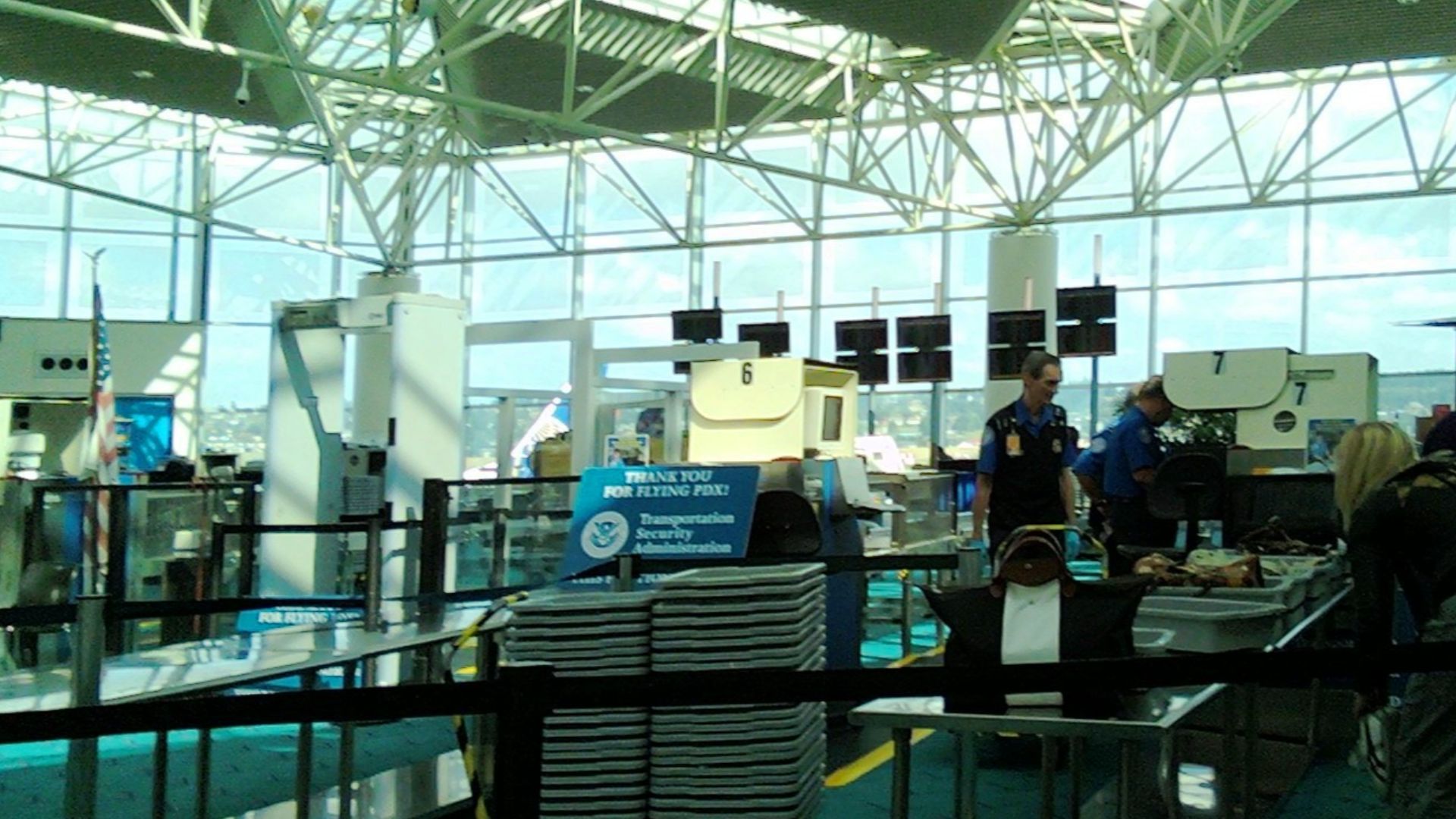
TSA guidance for domestic travel says the name you use when booking must match the government-issued photo ID you bring to the airport. That rule exists because TSA checks passenger information against Secure Flight watch list data. If the names do not line up, the process can get complicated fast.
 M.O. Stevens, Wikimedia Commons
Secure Flight Is A Big Reason Why
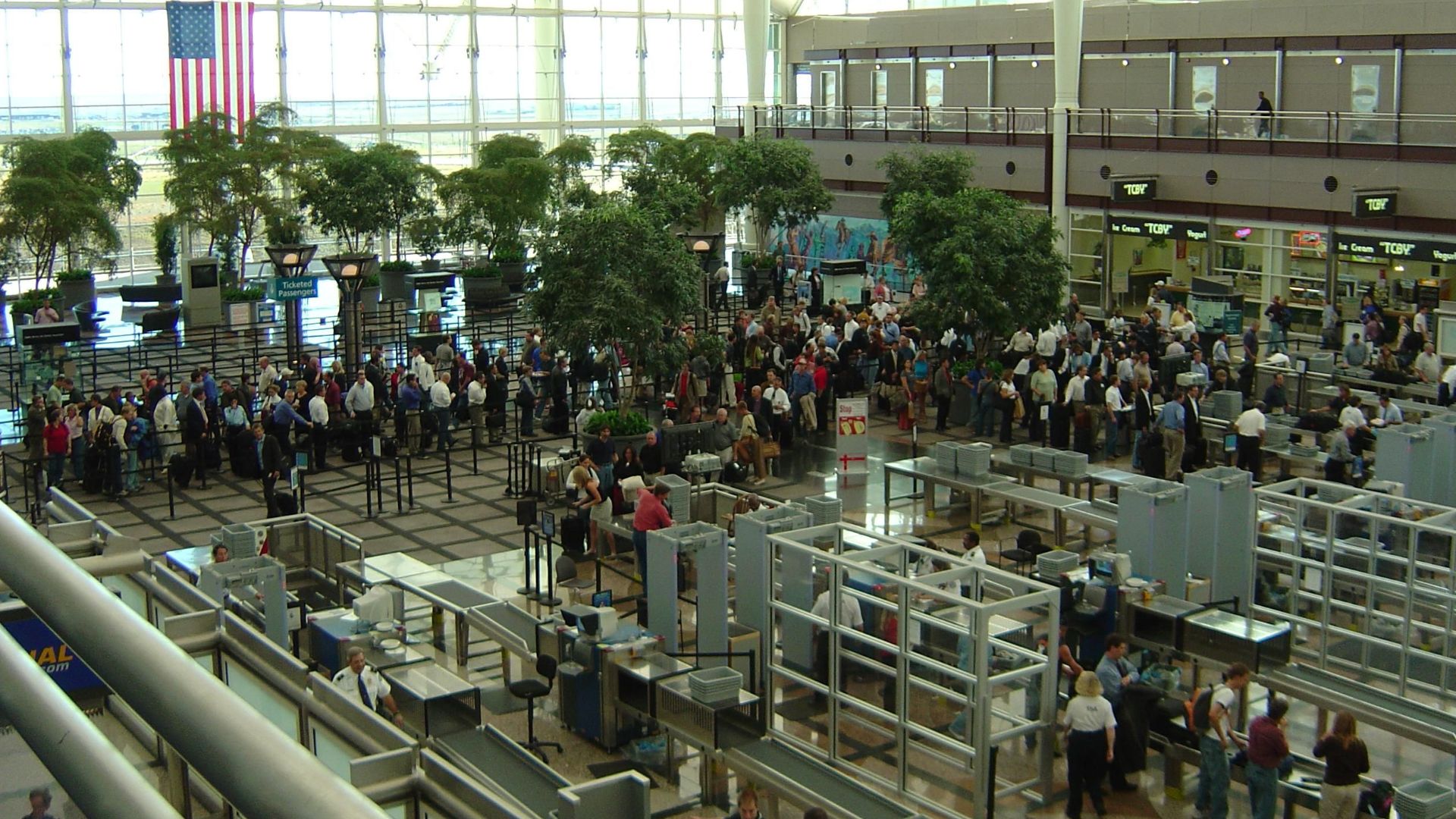
Secure Flight is the TSA program that screens passenger information before travelers even reach the checkpoint. Airlines have to collect identifying details and send them in for matching. A nickname may seem minor, but in a system built to verify identity, minor details can matter a lot.
 Kitt Hodsden http://ki.tt/, Wikimedia Commons
Airlines Usually Warn You Up Front
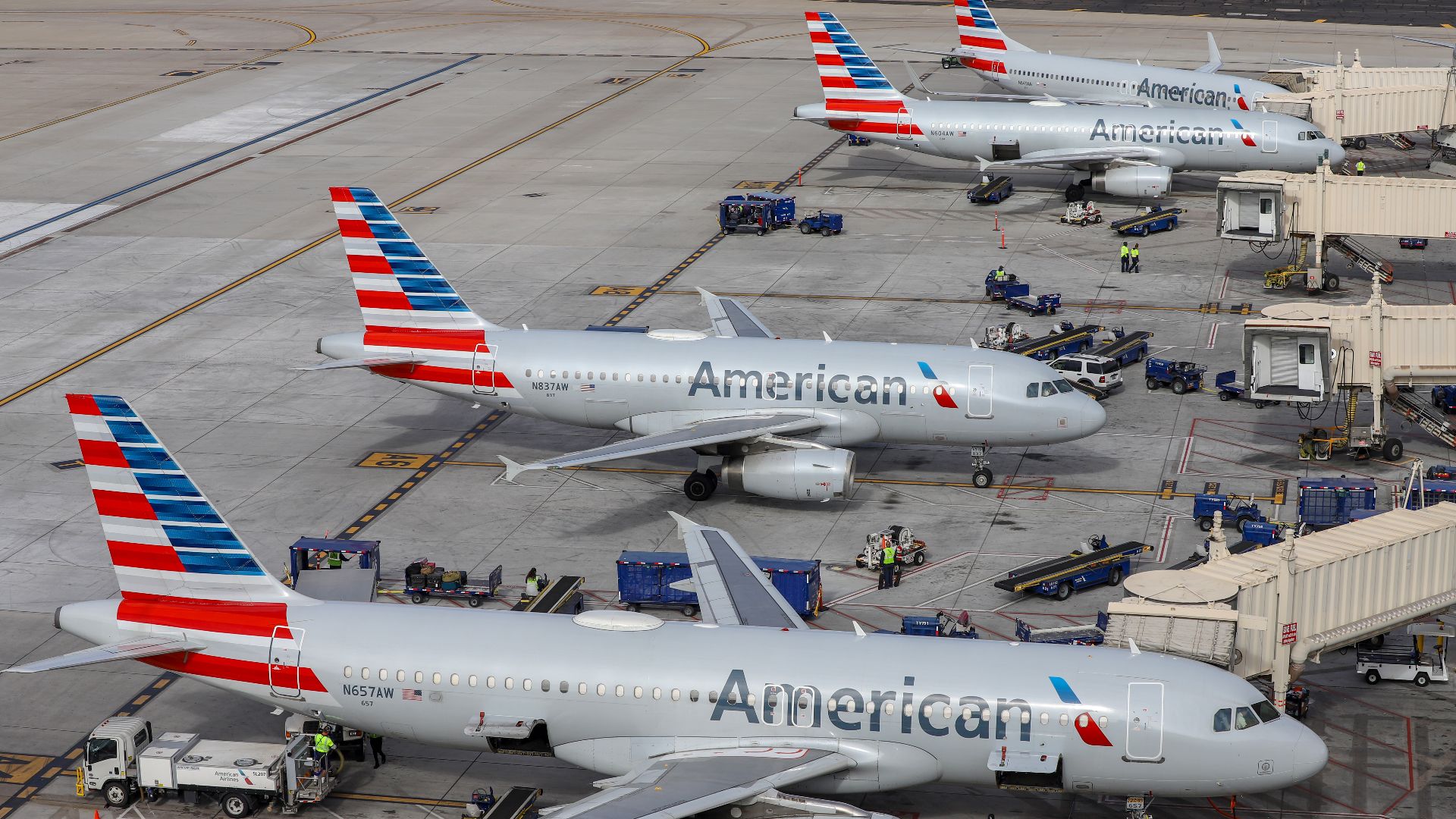
Major airlines regularly tell travelers to enter their names exactly as they appear on the ID or passport they will use. American Airlines, Delta Air Lines, and United Airlines all say some version of this in their travel guidance. That does not mean every tiny mistake ends in disaster, but it does mean the traveler is expected to get the name right.
 Quintin Soloviev, Wikimedia Commons
Domestic Flights Can Still Be Strict
Some people think this only matters for international travel, but domestic flights can be just as unforgiving. TSA checks names on trips within the United States, and airline staff may enforce their own matching rules at check-in. A nickname can become a problem long before customs or passport control is even part of the picture.
International Travel Raises The Stakes
On international trips, airlines also have to deal with passport details, destination entry rules, and advance passenger information requirements. If the ticket name does not match the passport, the issue can follow you all the way to immigration on arrival. That is why airlines are usually even stricter when a passport is involved.
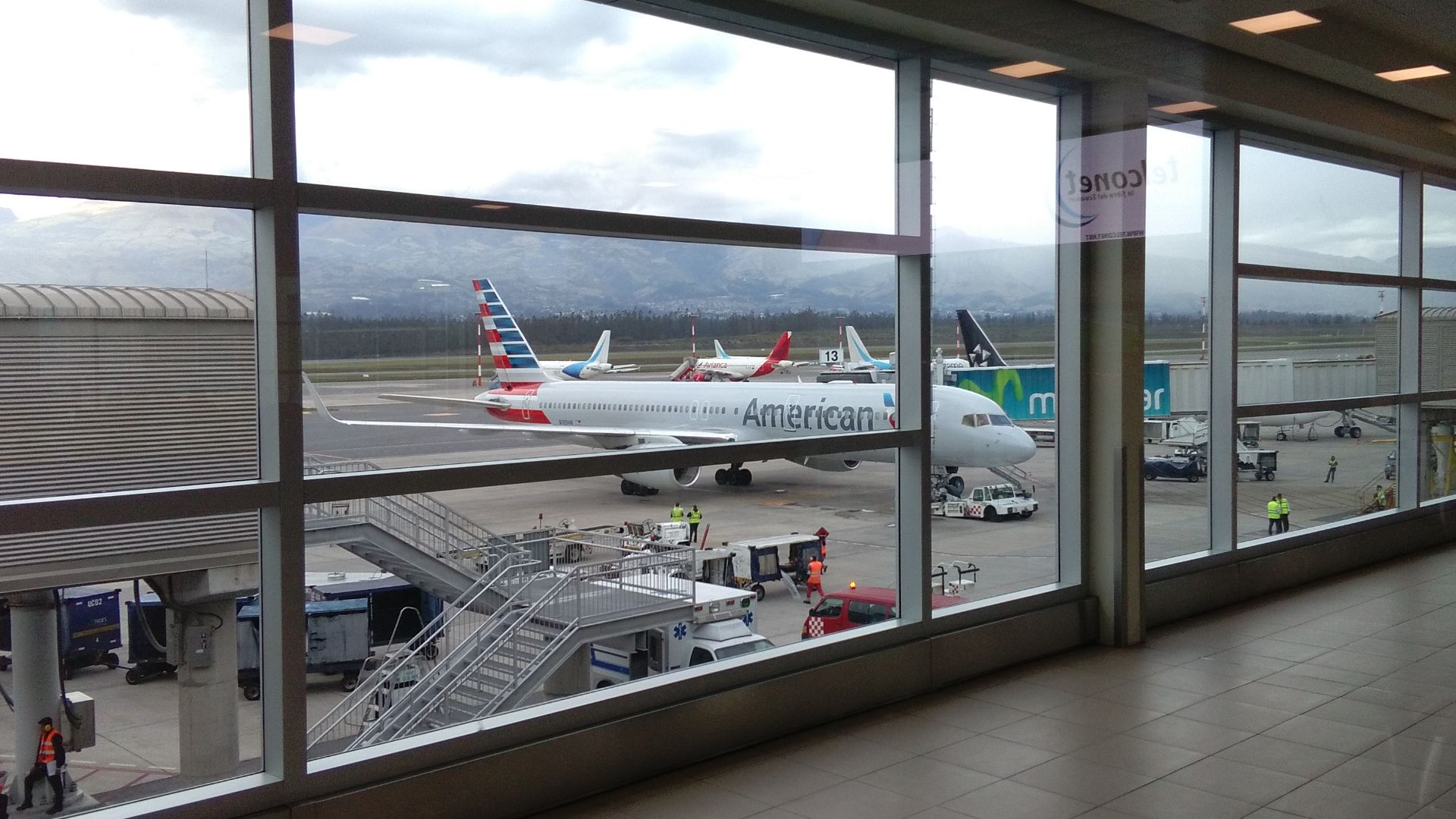 Supernova76, Wikimedia Commons
Nicknames Are Different From Small Typos
Airlines often treat a simple spelling fix differently from a different first name, even if that other name is a common nickname. Changing Jon to John or fixing one wrong letter may fit under a name-correction policy. Changing Bill to William or Katie to Katherine may be seen as a bigger change, depending on the airline.

What Usually Counts As A Small Error
Every airline has its own rules, but many draw a line between minor corrections and bigger changes. Small fixes can include one or two letters, swapped first and last names, or a middle name adjustment. A nickname is riskier because it can look less like a typo and more like a completely different name.
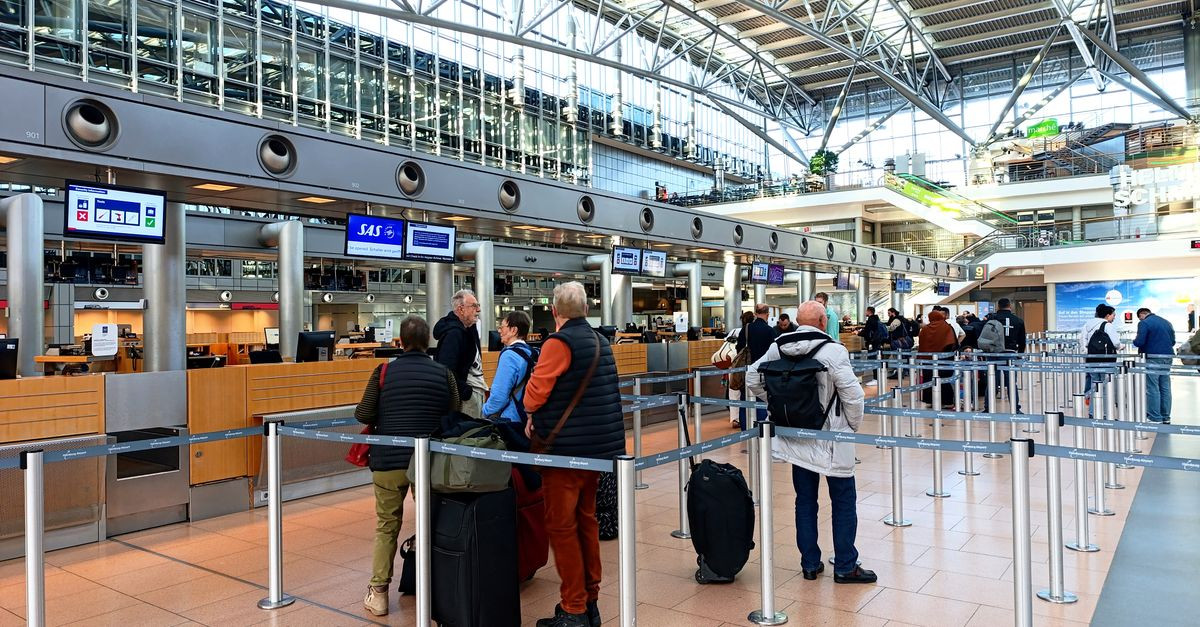
American Airlines Says It Clearly
American Airlines tells travelers to use the name shown on the government-issued photo ID they will use for travel. The airline also says secure passenger screening depends on accurate information. That leaves very little room for booking with a casual nickname if your ID says something else.
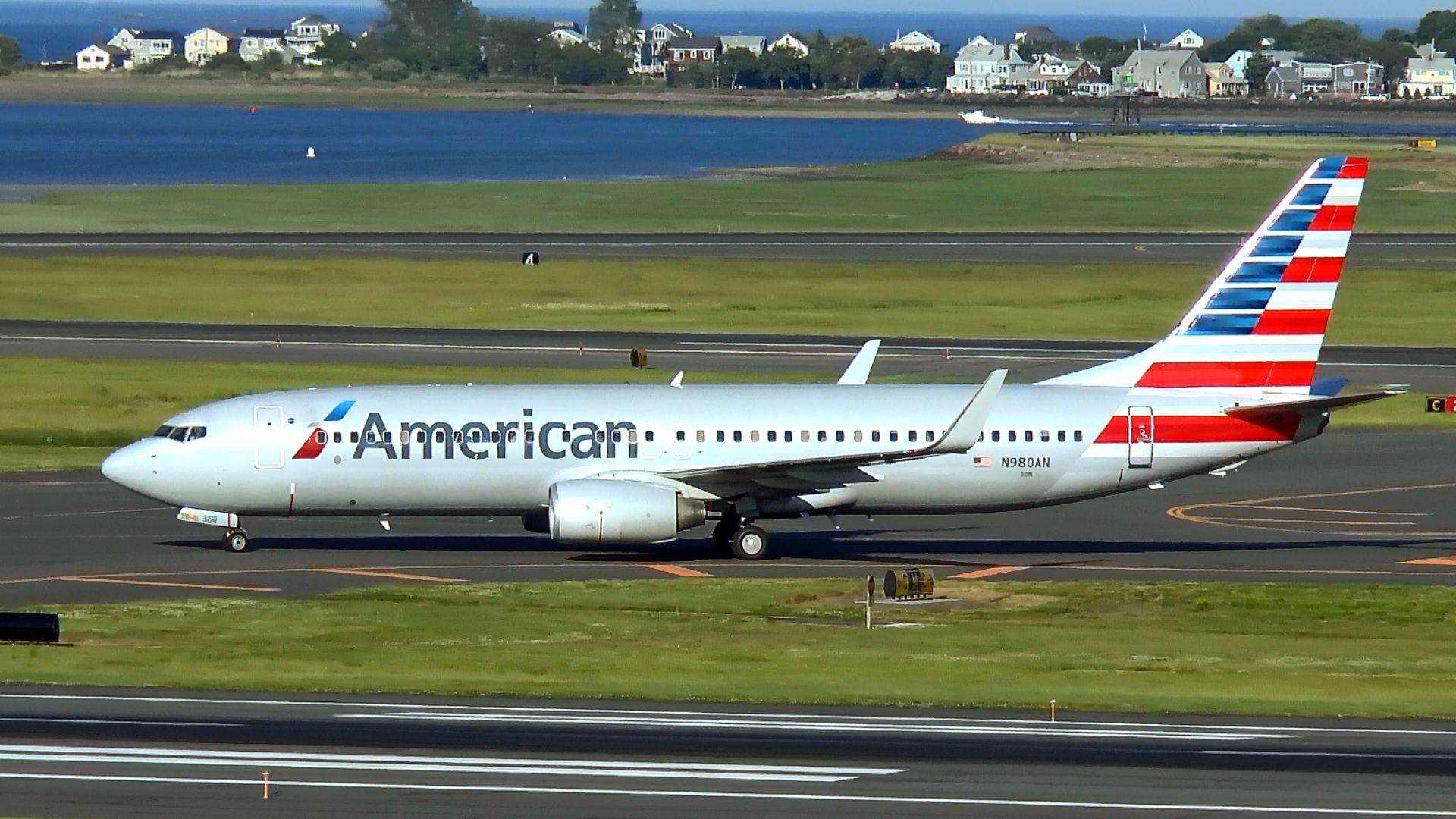 Anthony92931, Wikimedia Commons
Delta Gives The Same Warning
Delta Air Lines also tells customers to make sure the name on the ticket matches their government-issued ID exactly. Like other airlines, Delta may allow certain corrections, but travelers usually need to contact the airline instead of hoping the mismatch will be overlooked at the airport. That matters when the clock is ticking and the line is not moving.
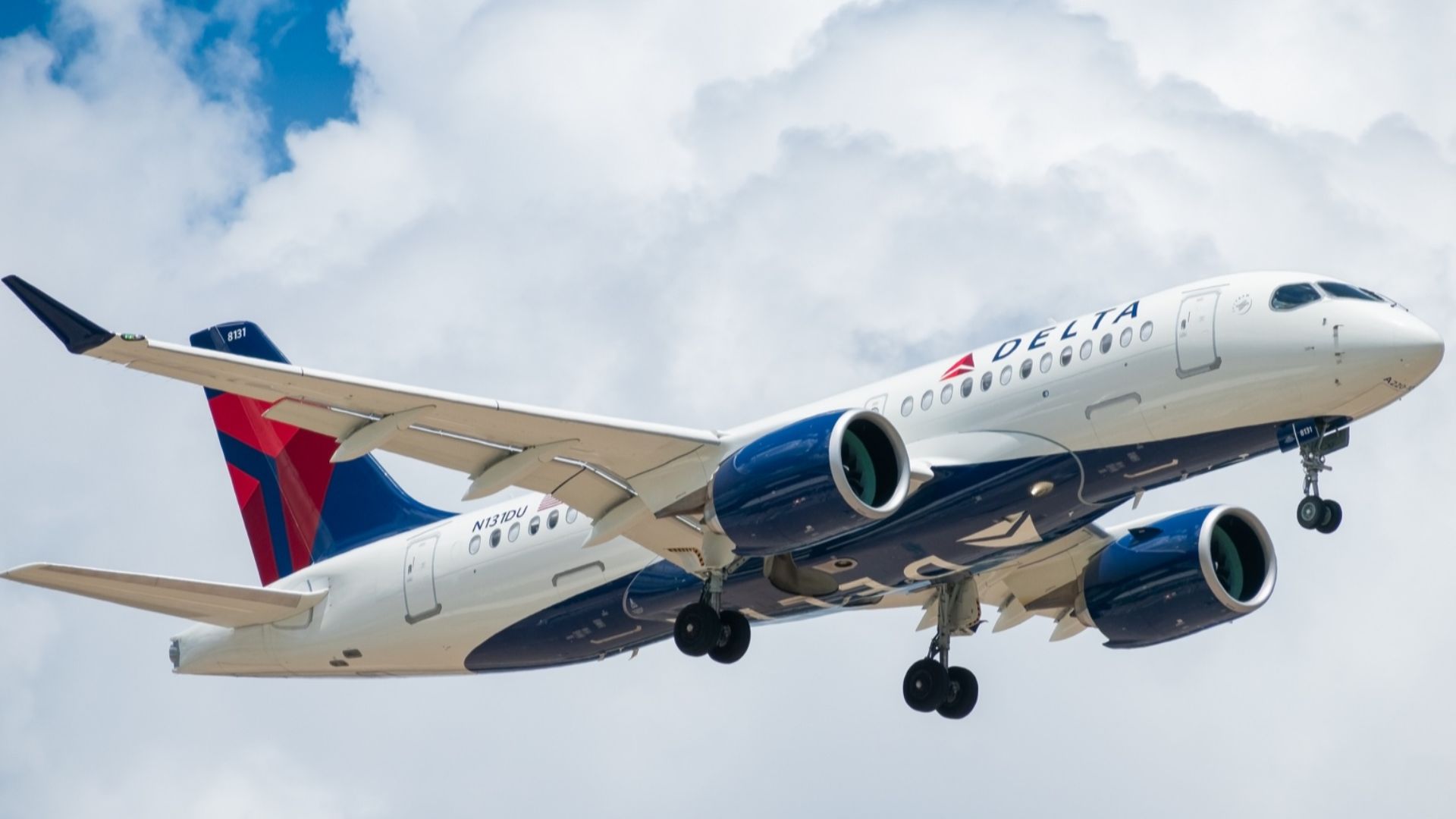 Andrey Babin, Wikimedia Commons
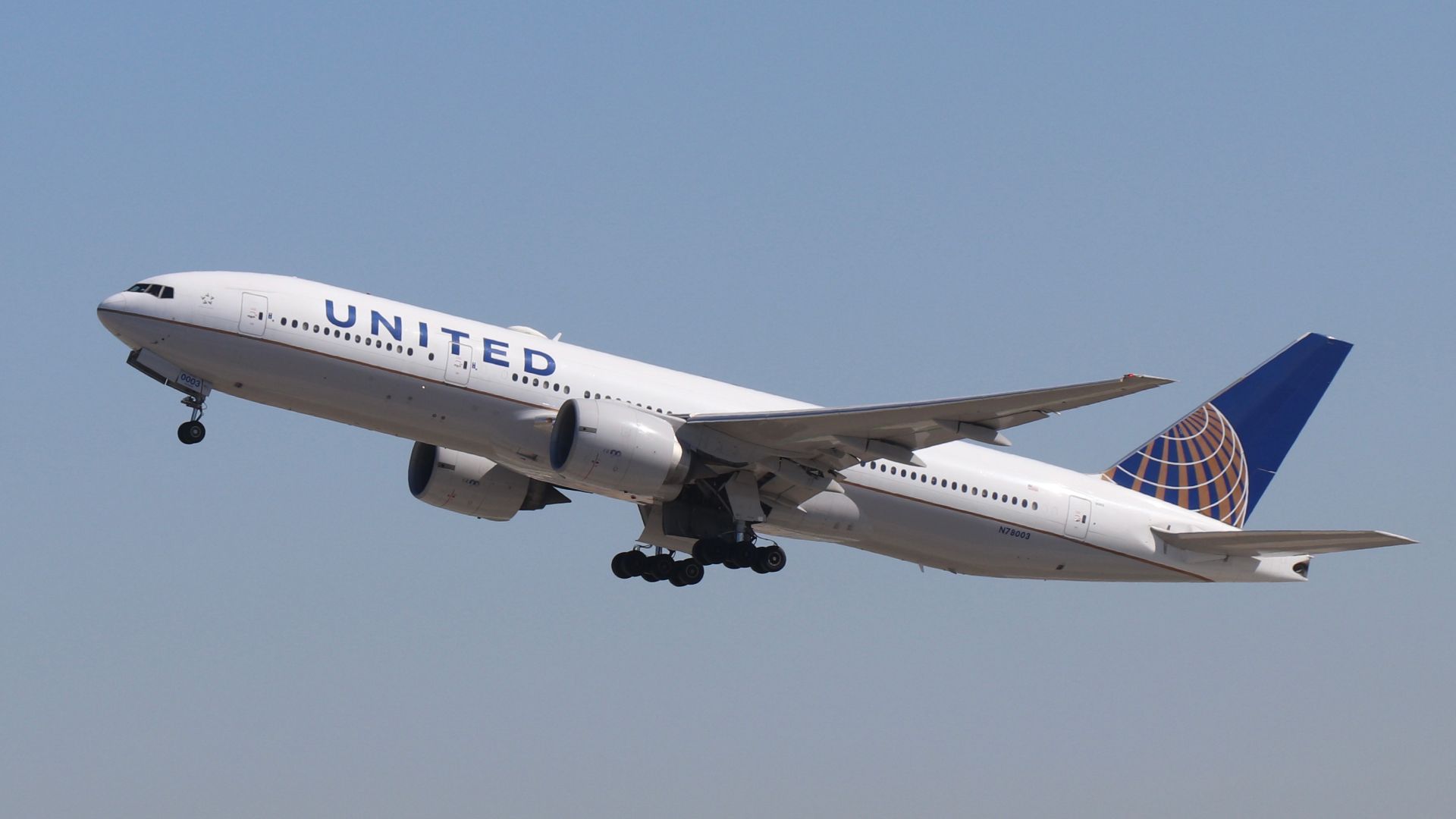
United Uses The Same Logic
United Airlines gives similar advice and tells customers to enter their names exactly as they appear on travel documents. This is not just a few picky airlines. It is a standard expectation across the industry, shaped by security screening and international reporting rules.
 Timothy Powaleny, Wikimedia Commons
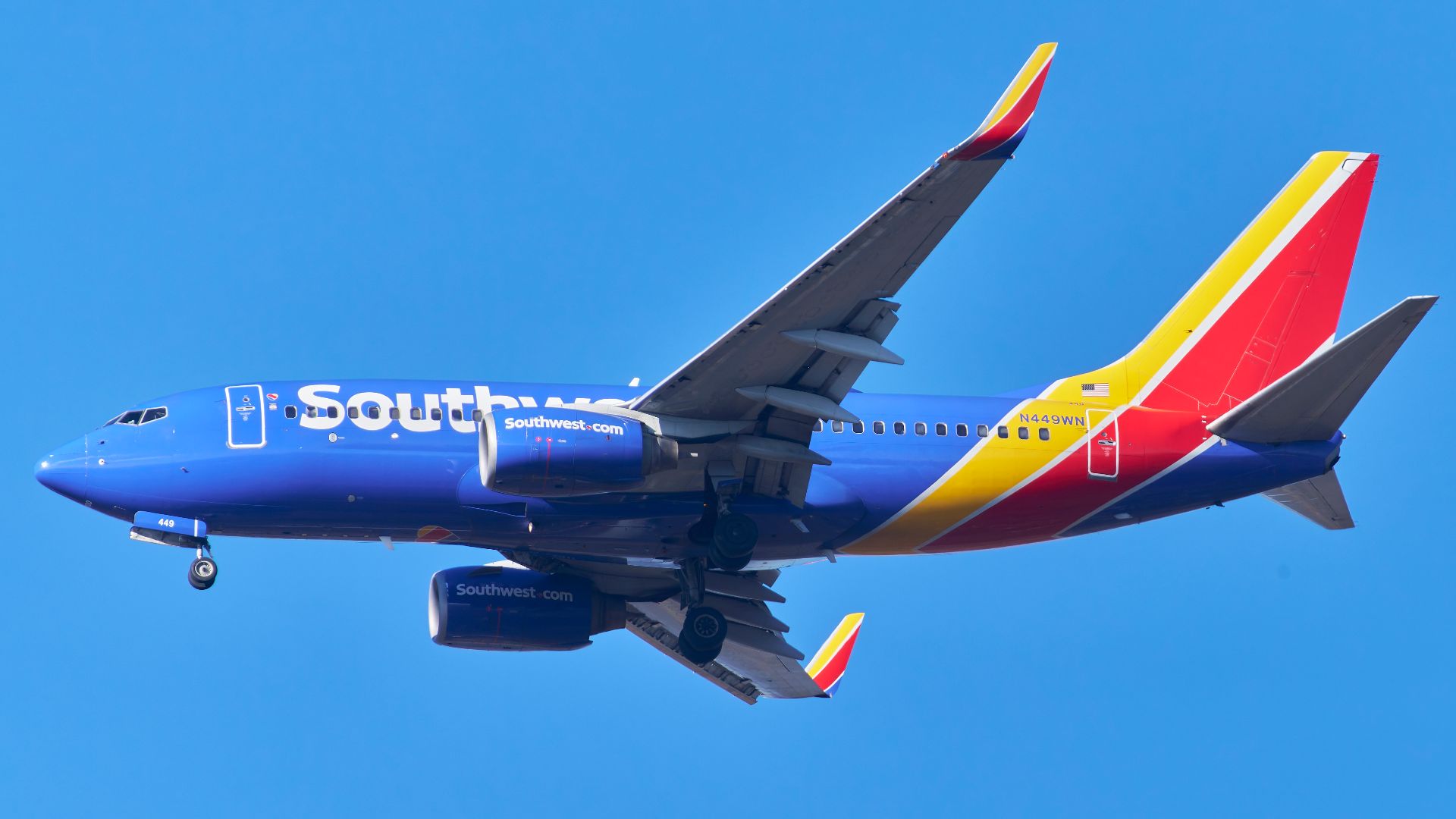
Southwest And Other Airlines Say The Same Thing
Southwest also says the name on a reservation should match the customer’s government-issued ID. Budget airlines and major carriers alike keep repeating this because they all work within similar identity-check systems. In other words, this is the rule almost everywhere, not some odd airline quirk.
 Paul Danese, Wikimedia Commons
REAL ID Makes Accuracy Matter Even More
Starting May 7, 2025, travelers in the United States need a REAL ID-compliant license or another acceptable form of identification for domestic air travel, according to DHS and TSA. REAL ID is about whether the document itself is accepted, but it also drives home the bigger point that identity details matter. As ID rules get tighter, name mismatches are even less likely to slide through.
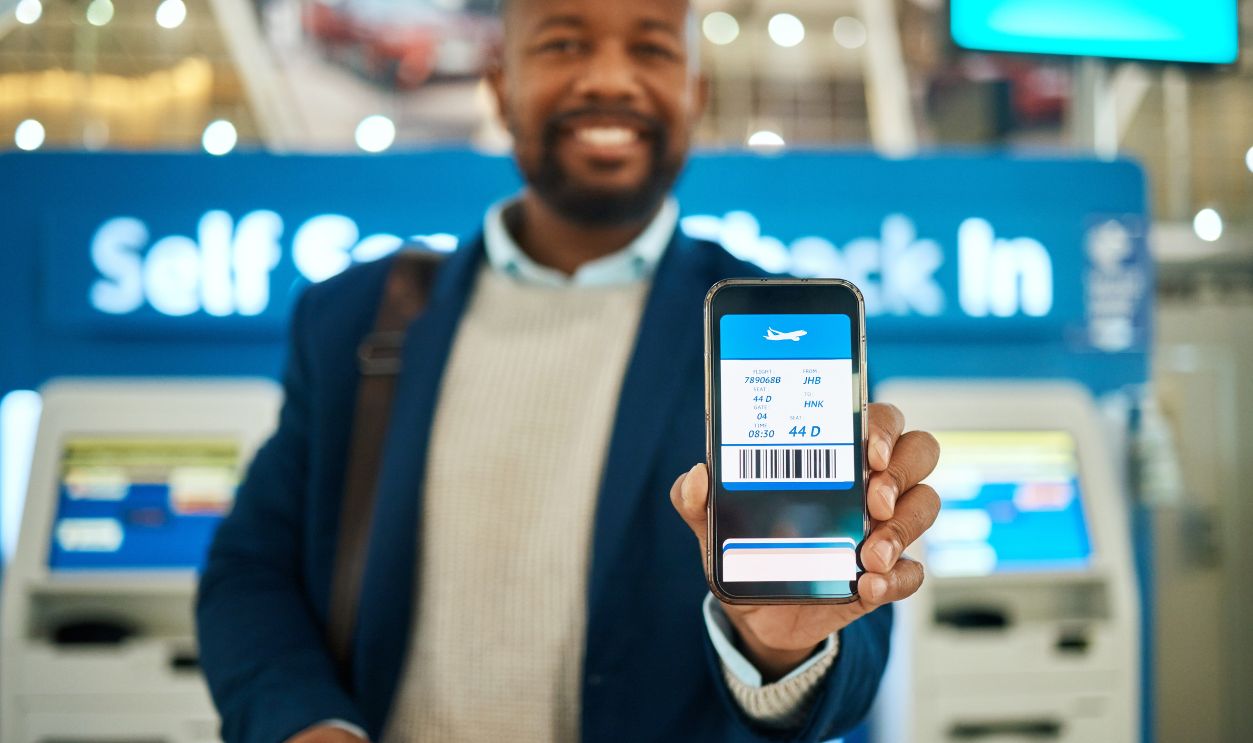
Middle Names Usually Matter Less
Many travelers worry about middle names, but those are not always the main issue. In a lot of cases, airlines are more flexible if a middle name is missing or slightly off, especially on domestic flights. First and last names are usually the bigger concern because they are central to matching identity.
 U.S. Department of State, Wikimedia Commons
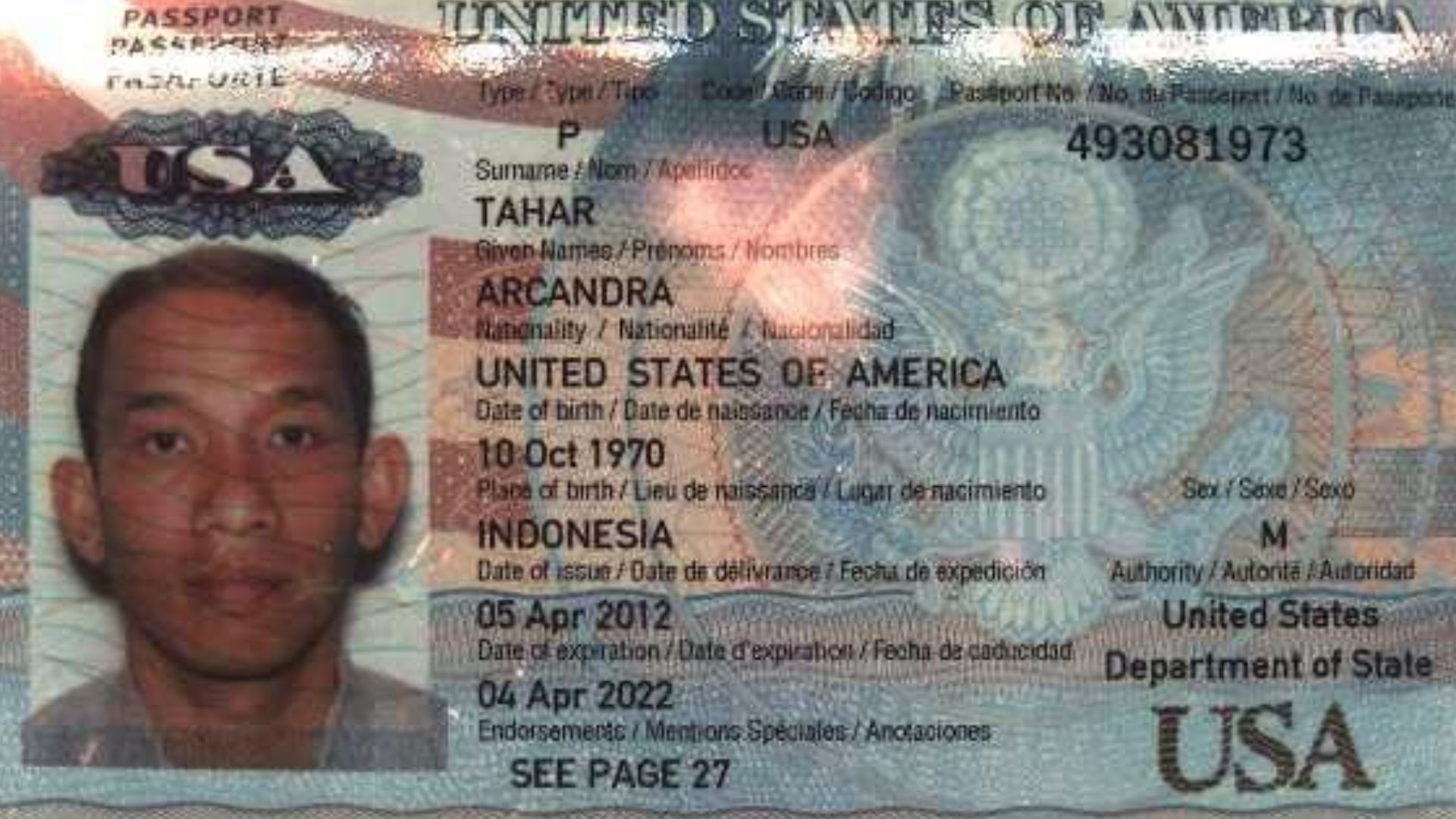
Suffixes And Hyphens Can Still Trip You Up
Small formatting differences like hyphens, apostrophes, or suffixes such as Jr. and Sr. can often be fixed, but they are not always ignored automatically. Reservation systems do not all handle names the same way, and some mismatches still need manual correction. It is much better to fix that before travel day than to find out at the counter.
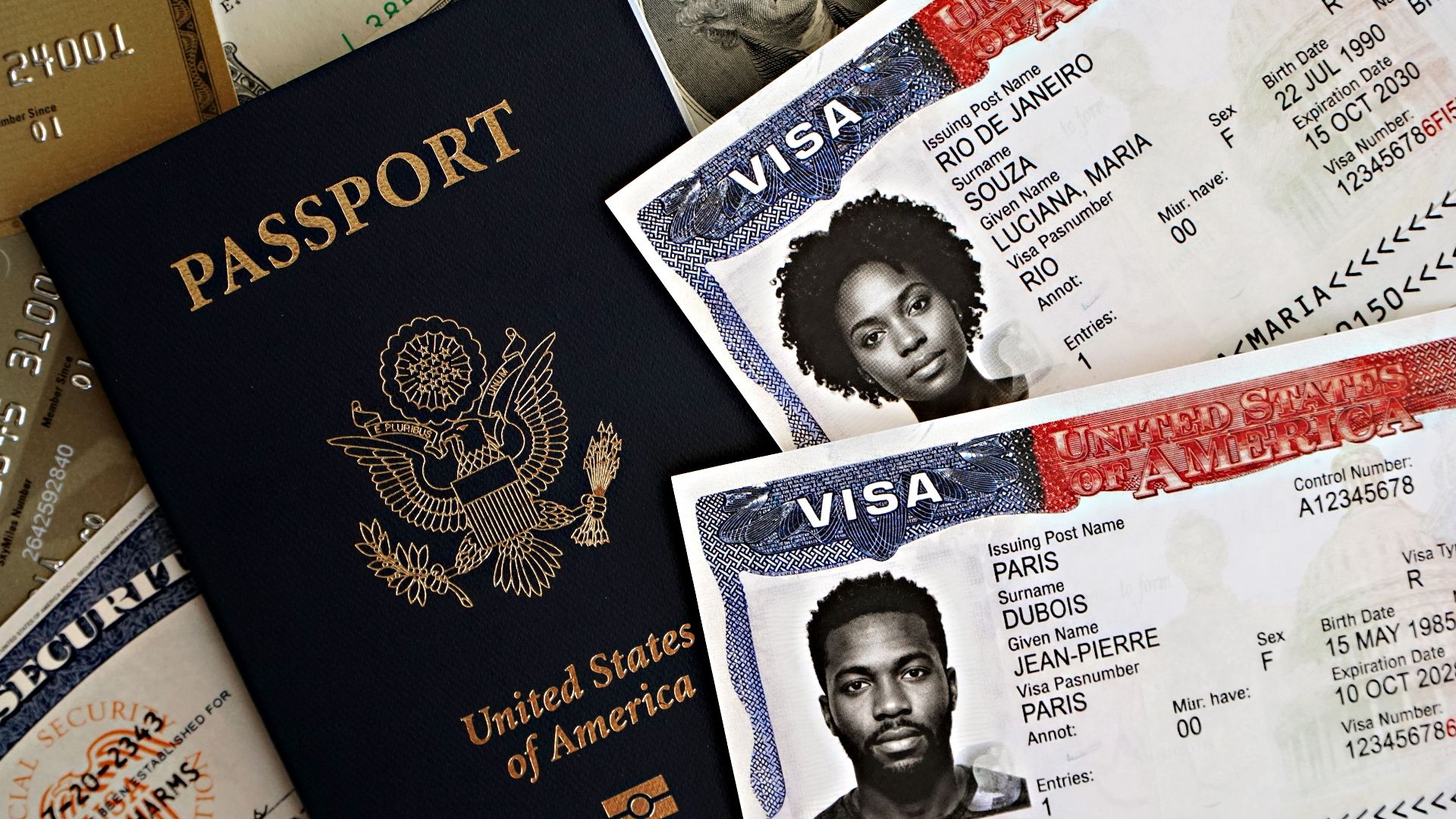
What To Do If You Already Booked The Wrong Name
The smartest move is to contact the airline as soon as you spot the mistake. Waiting until you get to the airport raises the odds of delays, fees, or being denied boarding. Some airlines will fix a minor error for free if you catch it early enough.
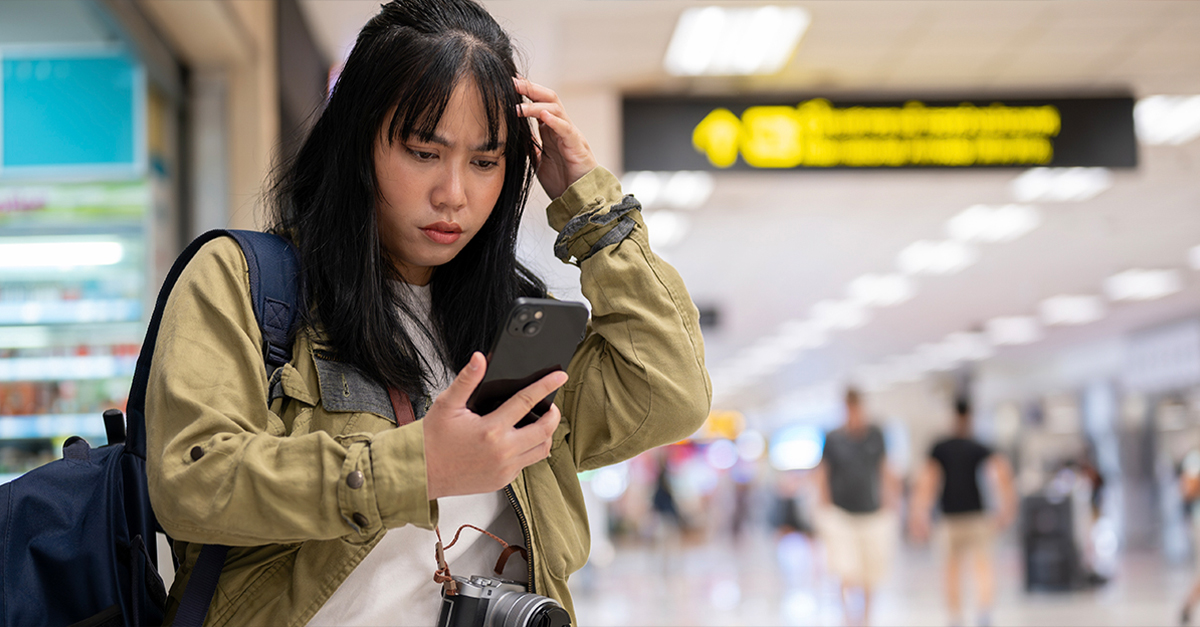
Do Not Let Online Check-In Fool You
Even if the app lets you check in, that does not mean the problem is gone. Your name can still be checked at bag drop, at the TSA checkpoint, or at the gate. It is easy to get a false sense of security when the reservation still does not match your ID.
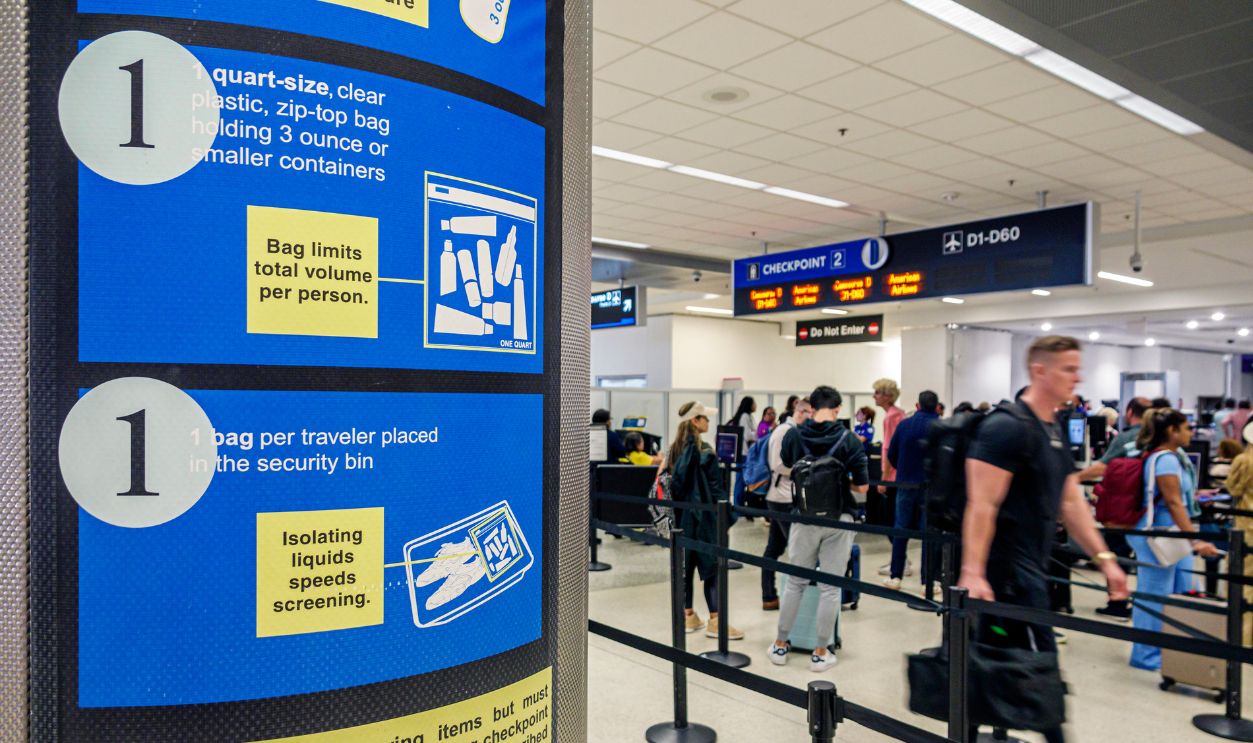
Bring Documents If Your Name Recently Changed
If the mismatch happened because of marriage, divorce, or another legal name change, bring the paperwork that connects the old name to the new one. TSA and airline staff may ask for proof. A marriage certificate or court order can help explain the difference, though it is still better to get the ticket corrected before the trip.

Third-Party Bookings Can Be Tougher To Fix
If you booked through an online travel agency, the process can get messier because the airline may send you back to the company that issued the ticket. That extra step can slow everything down, especially close to departure. If the name is wrong, start fixing it right away and keep a record of every call, chat, and confirmation number.

International Airlines Can Be Even Less Flexible
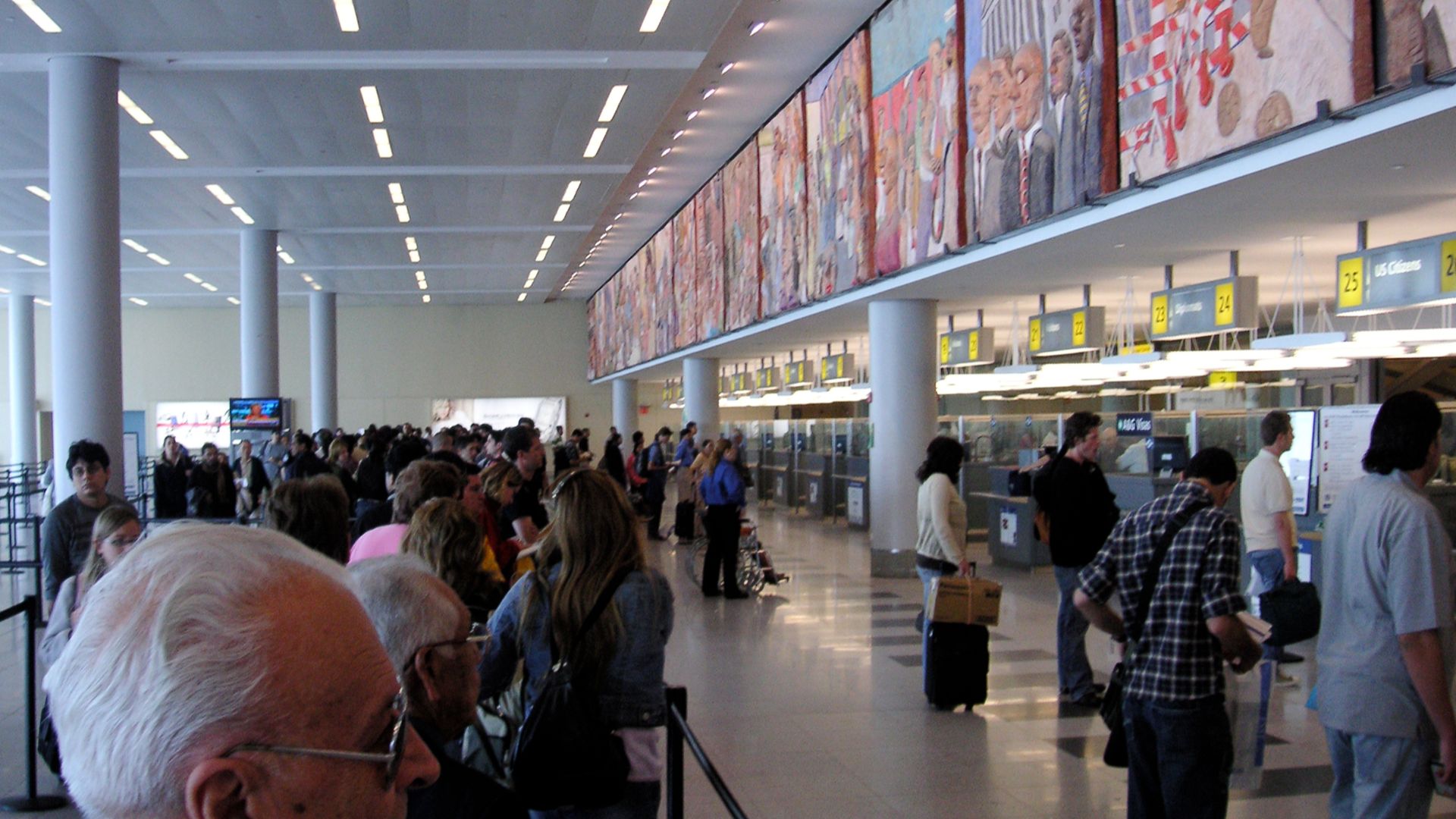
On international trips, a mismatch can clash with visa records, passport details, and the destination country’s entry systems. Some airlines will not take the risk because they can be fined for carrying passengers with bad or mismatched documents. That means even a familiar nickname can become a deal-breaker across borders.
 Beatrice Murch, Wikimedia Commons
What Airlines Usually Will Not Allow
Most airlines do not let travelers use a name correction as a backdoor way to transfer a ticket to someone else. If the airline thinks the change is too big, it may decide the ticket belongs to a different traveler, not the same one with a correction. That is why some changes that seem harmless still get rejected.
If You Are Already At The Airport
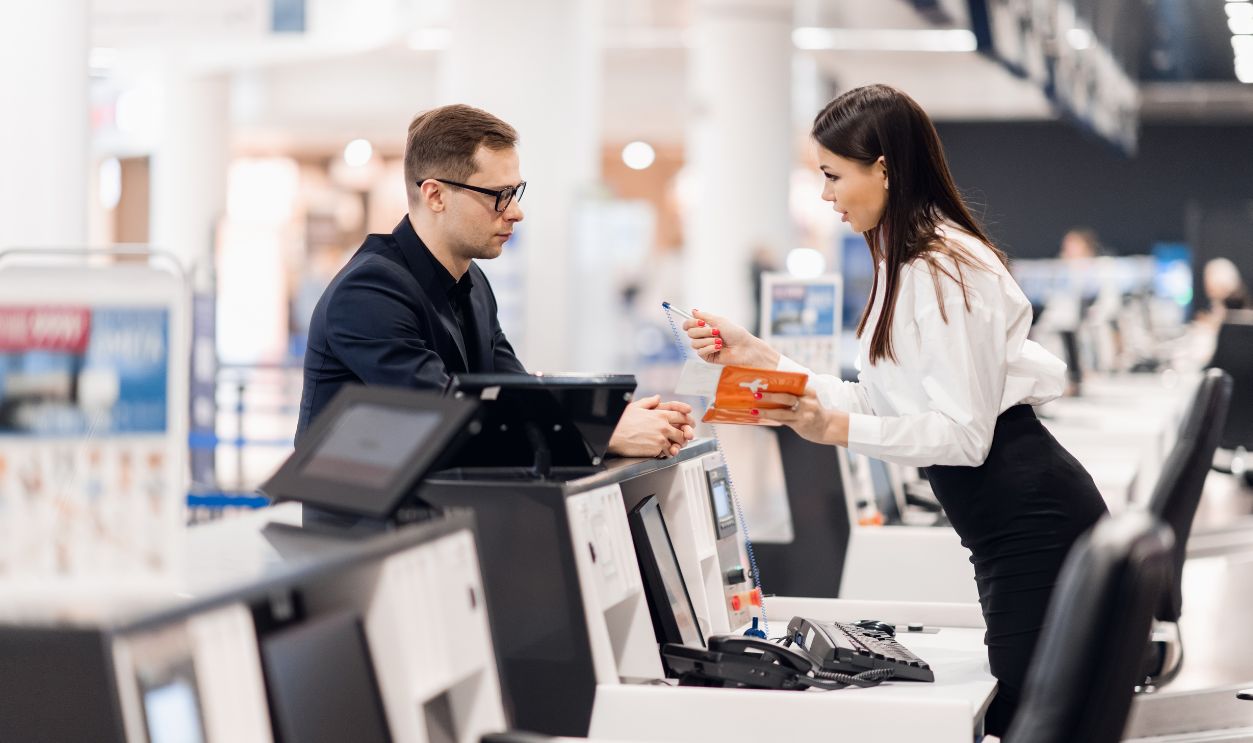
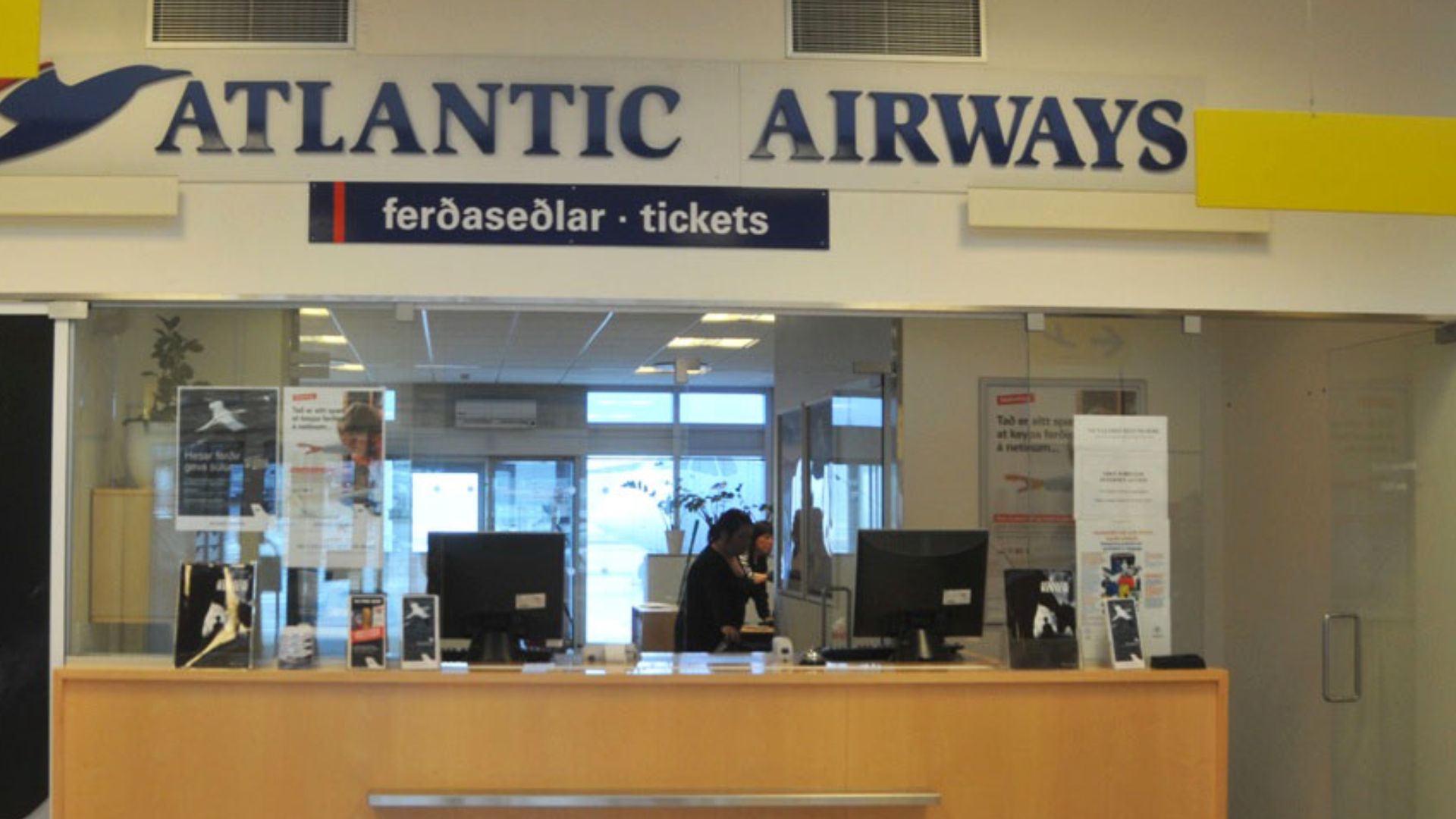
If you notice the problem on travel day, go straight to the airline’s ticket counter or service desk. Stay calm, explain that the booking used a nickname, and ask whether a same-day correction is possible. Whether it works often comes down to the airline’s policy, your fare rules, and how close you are to departure.
 anjci from London, UK, Wikimedia Commons
Refunds And Rebooking May Not Save You
If the airline will not fix the name, you may have to buy a new ticket, and that can get expensive fast. Whether you get a refund or travel credit depends on the fare and the airline’s rules. It is a small mistake that can turn into a very costly one.

The Safest Habit Before You Book
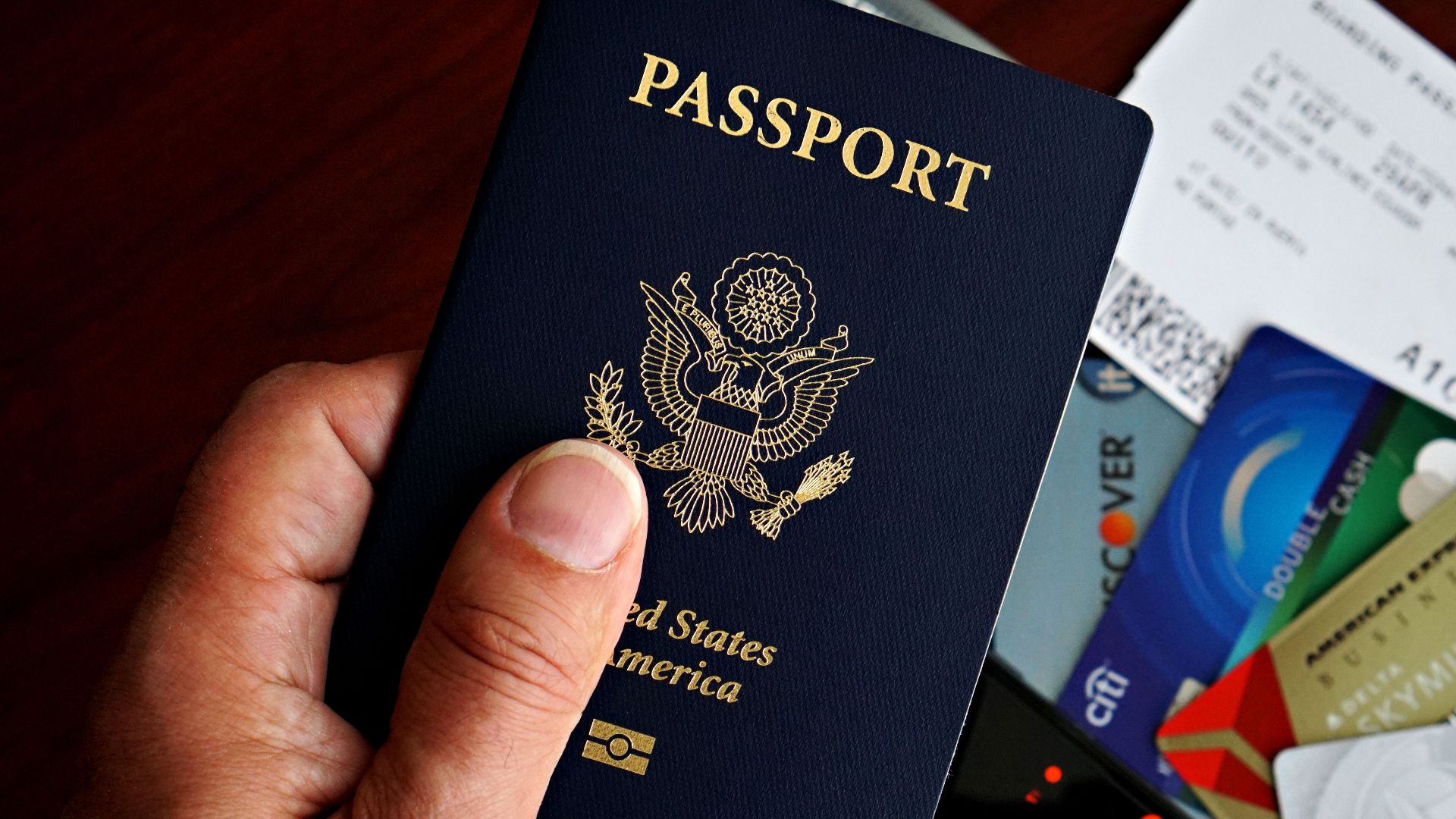
Before you hit purchase, compare the name on the reservation to the ID or passport in your hand, line by line. Do not trust memory, autofill, or the name people use for you in everyday life. A quick check can save a vacation, business trip, or urgent family flight from falling apart at the airport.
So Can A Small Name Difference Really Stop You
Yes, it can. Not every nickname mismatch will end with denied boarding, but airlines and TSA have clear reasons for insisting that tickets match ID documents. If your ticket uses your nickname instead of your legal first name, treat it like a real issue and fix it before you leave for the airport.