The “Preferred” Seat Surprise
You pay extra, board the plane, and then realize your knees feel more cramped than they would in a regular row. It sounds backward, but it happens because “preferred” usually does not mean “more legroom.” On many airline seat maps, that label is about location, not space.

What Travelers Think They Are Buying
A lot of passengers assume any paid seat upgrade comes with extra comfort. But airlines often sell several kinds of seat upgrades at once, including extra-legroom seats, preferred seats, and standard seats. The confusion starts when those labels sound similar but mean very different things.

What “Preferred” Usually Means
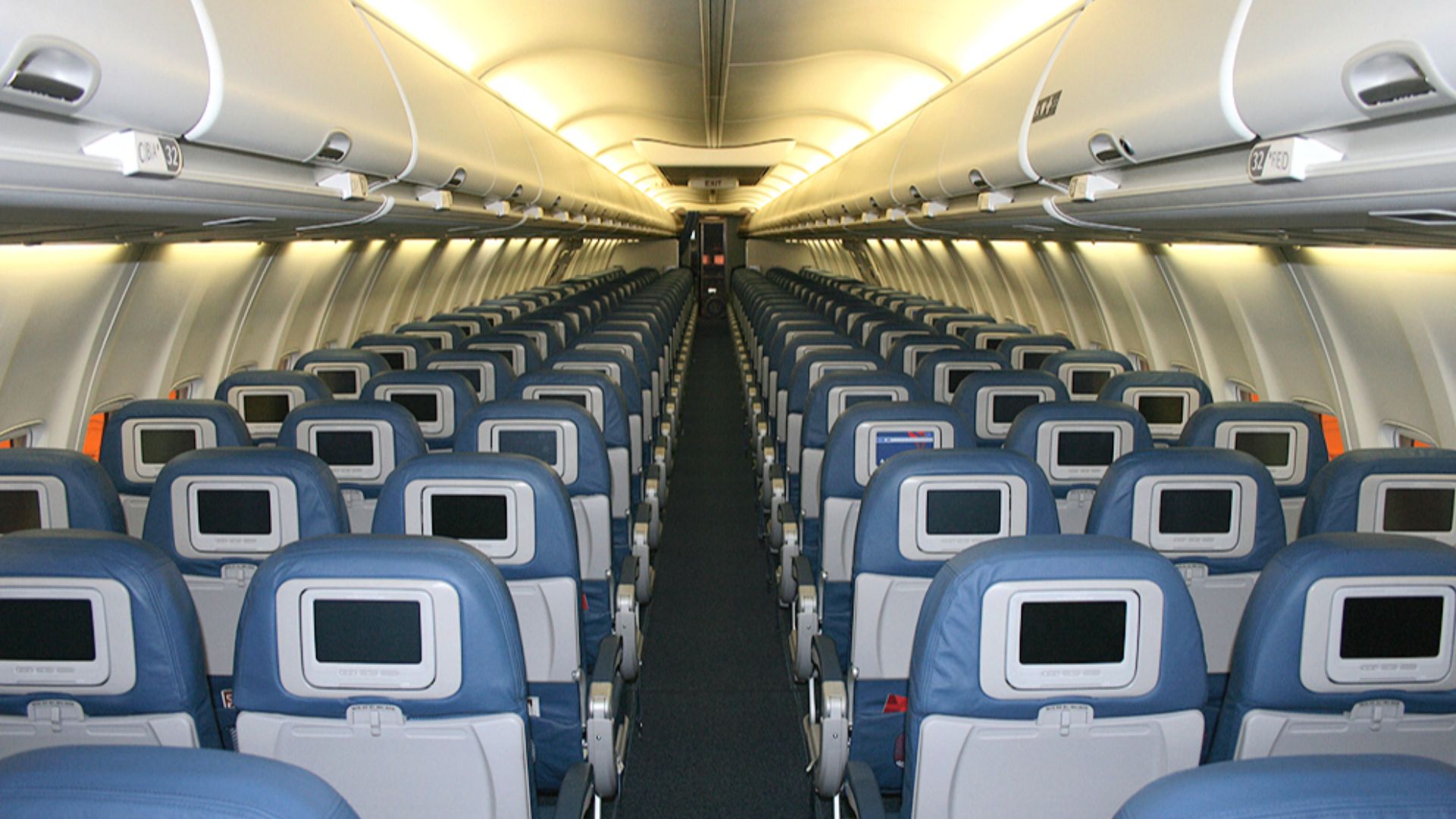
On many airlines, a preferred seat is just a standard economy seat in a better part of the cabin. That could mean closer to the front, nearer the exit after landing, or in a window or aisle spot people tend to grab first. The seat itself may be the same size as a regular one, and in some rows, it can even feel tighter.
The Fine Print Matters More Than the Label
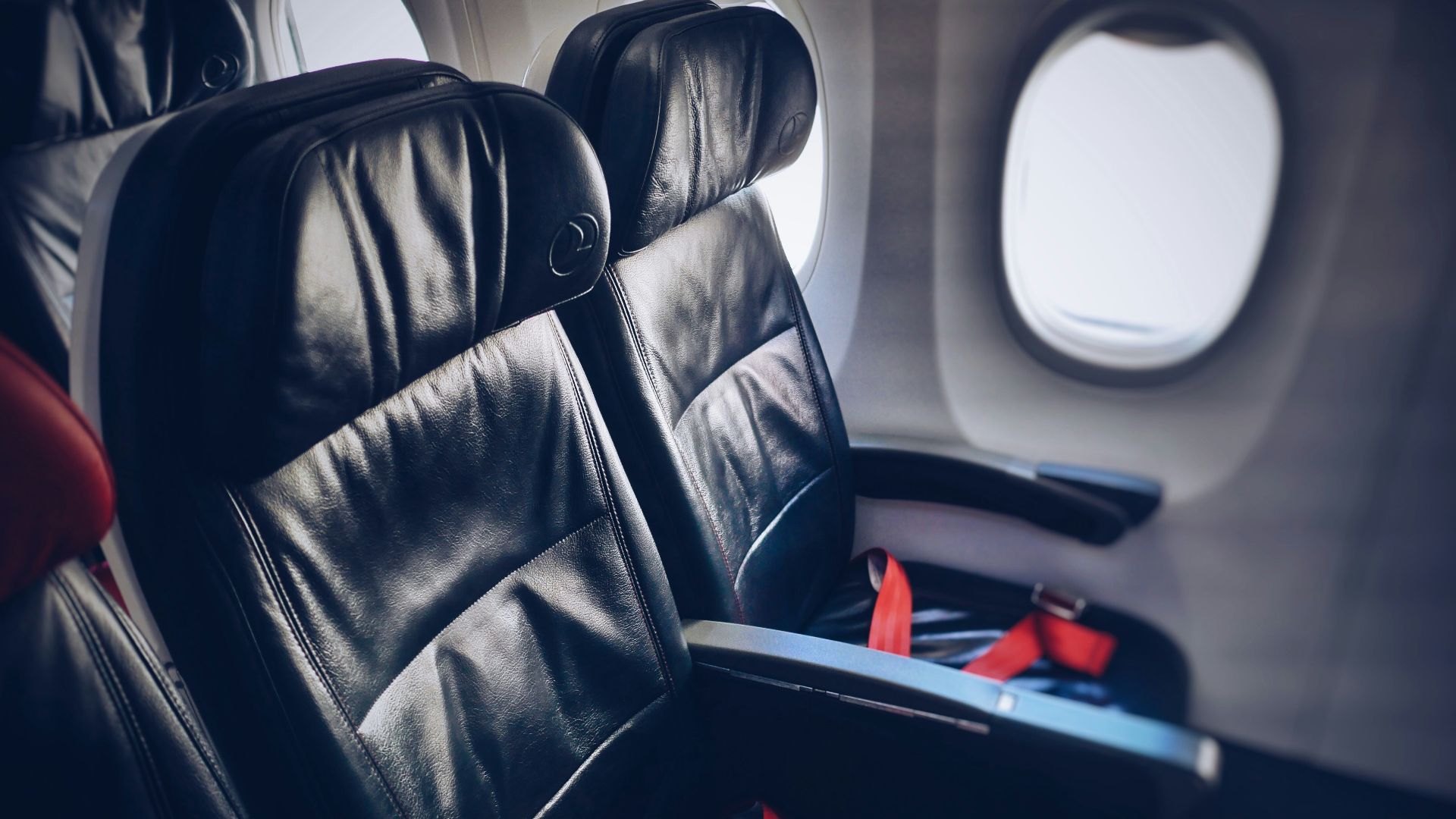
American Airlines says Preferred Seats are standard-legroom seats that are “more favorable” because of where they are. Delta describes Preferred Seats as standard seats in more favorable spots within the Main Cabin. United also separates Preferred Seating from Economy Plus, which is its extra-legroom option.
 Venkat Mangudi, Wikimedia Commons
American Airlines Is Clear About It
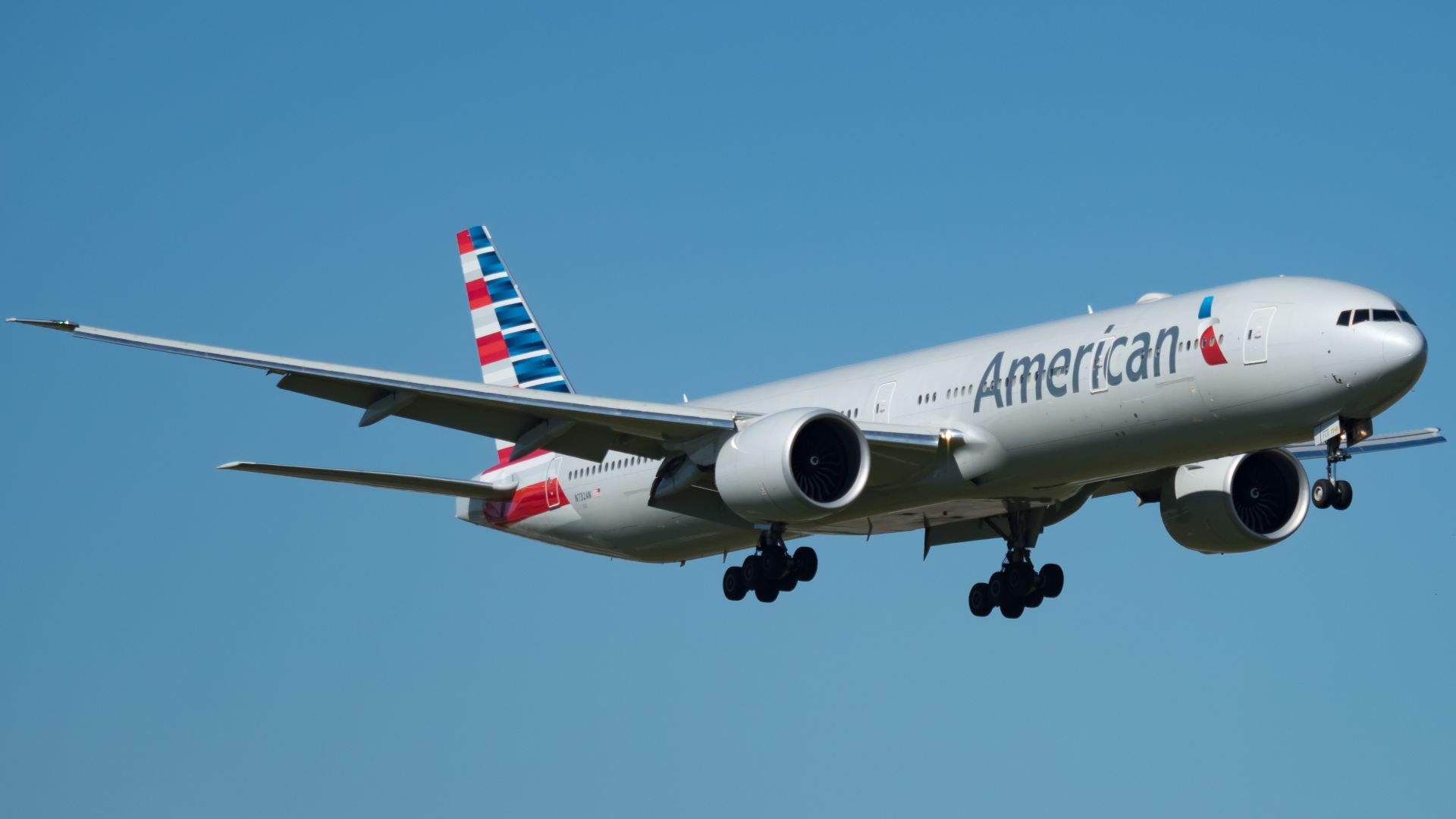
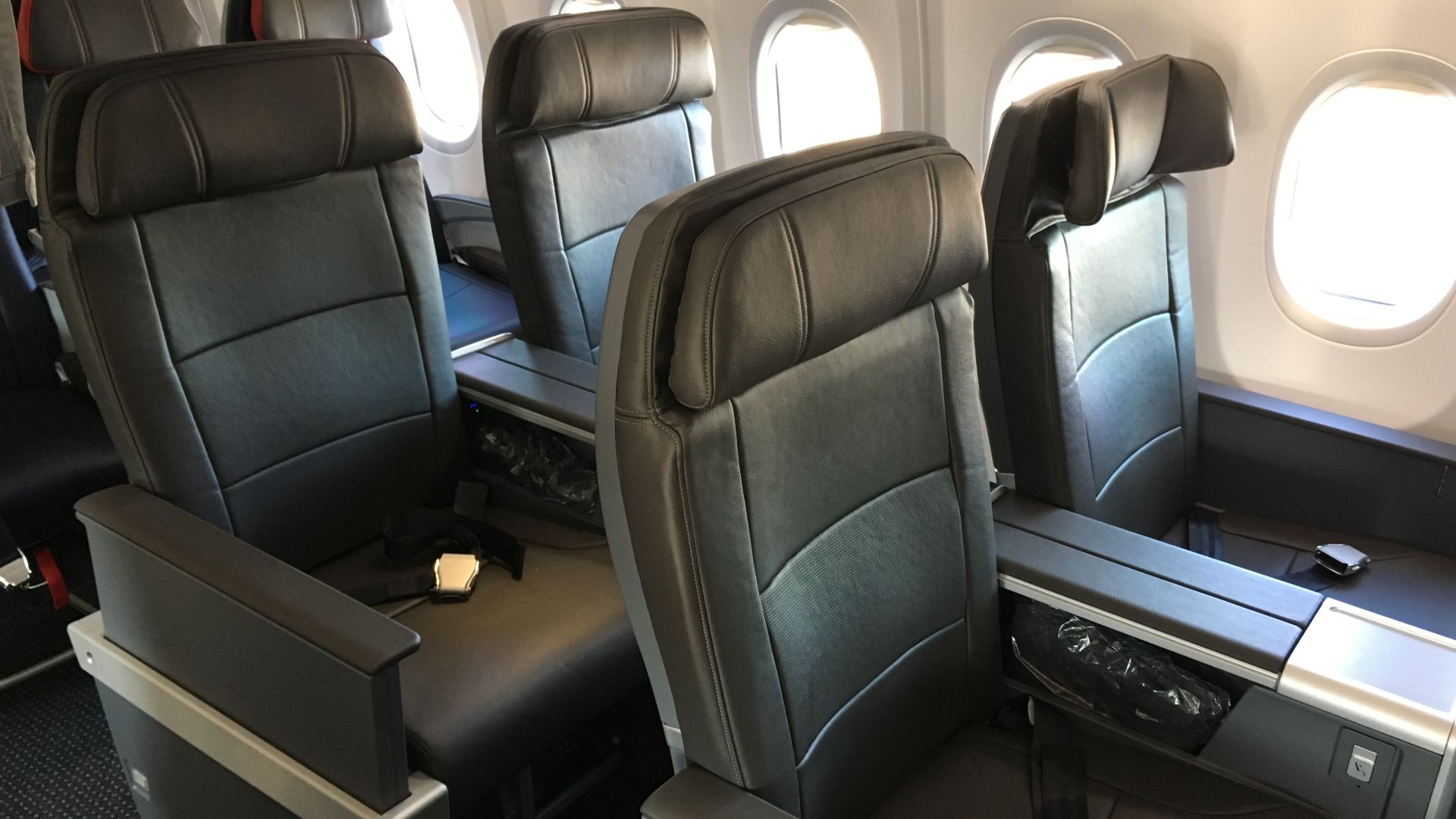
American’s website draws a sharp line between the two. It says Main Cabin Extra comes with additional legroom, while Preferred Seats are standard-legroom seats in better locations. So if you buy a Preferred Seat on American, you are paying for position, not extra pitch.
 Cory W. Watts from Madison, Wisconsin, United States of America, Wikimedia Commons
Delta Makes the Same Distinction
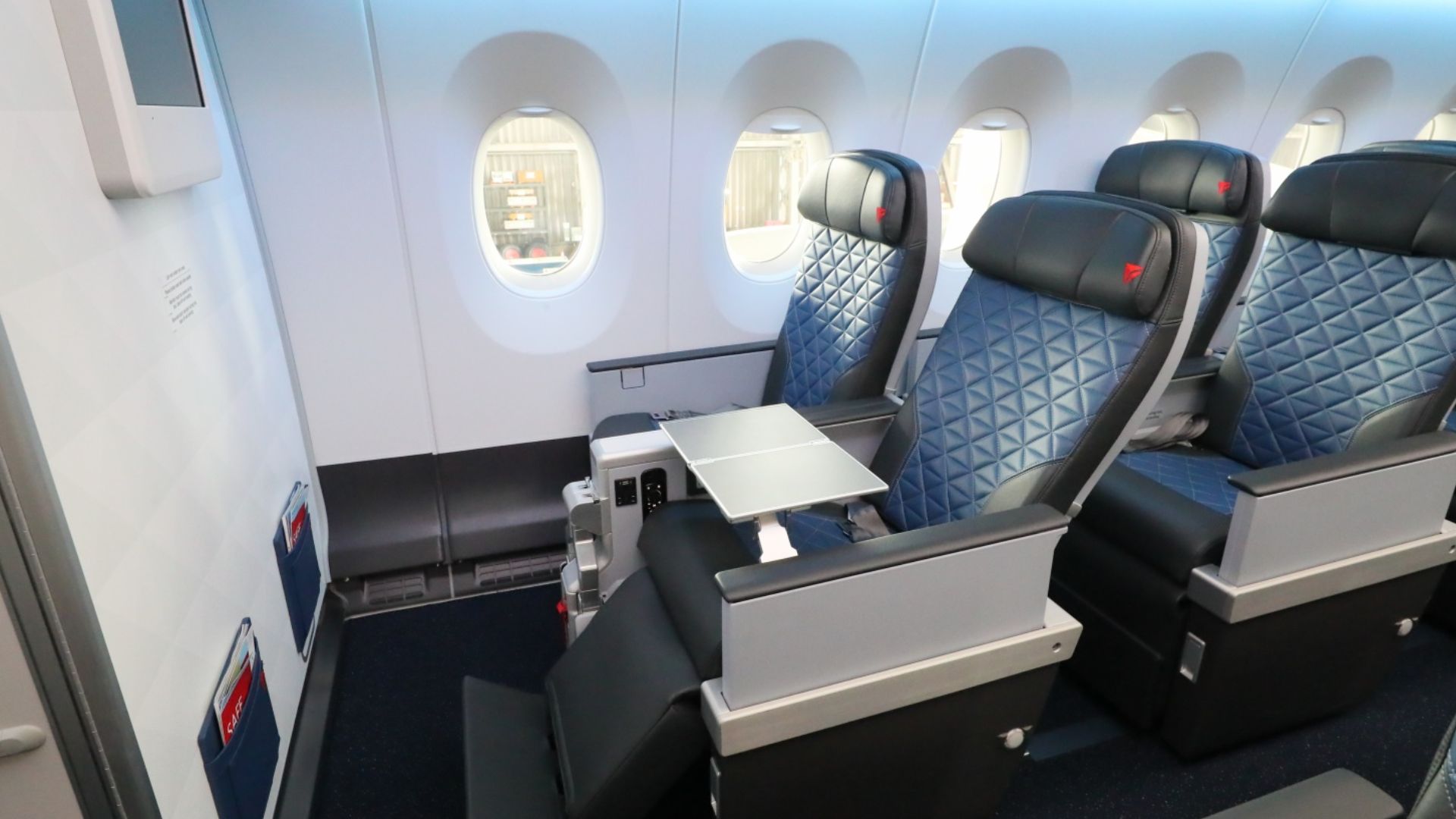
Delta’s seat selection page does the same thing. It separates Preferred Seats from Delta Comfort, its extra-legroom product. Delta says Preferred Seats are standard seats in more favorable parts of the cabin. That means the upgrade is about convenience, not more room.
United Uses Different Names for Different Perks
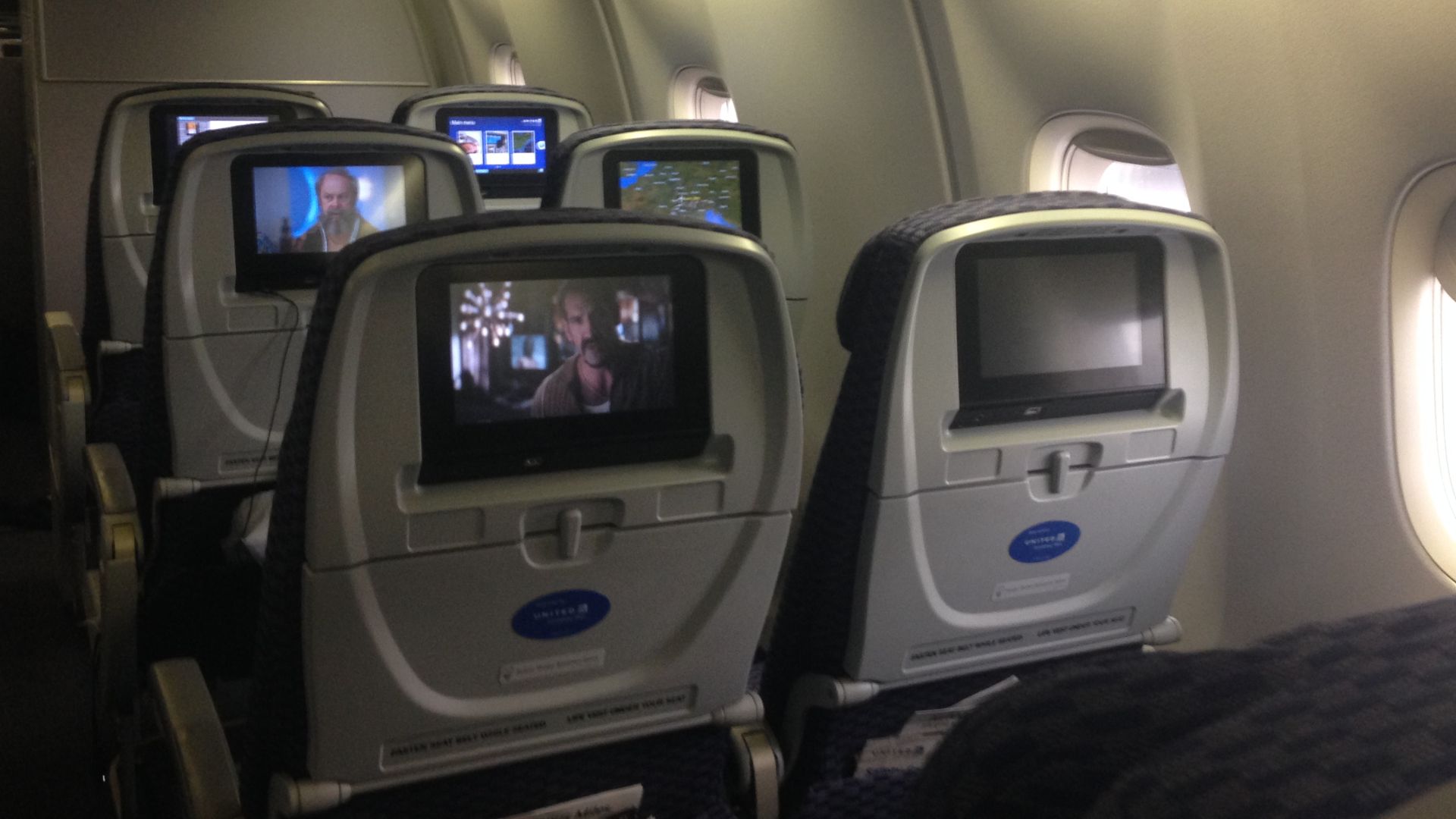
United sells Economy Plus for extra legroom and Preferred Seating for standard economy seats in certain parts of the plane. Its website says Preferred Seating includes standard-legroom seats in Economy that are closer to the front or otherwise more desirable. So if the seat felt tighter than expected, the issue may have been the name creating the wrong expectation, not the airline quietly swapping out extra space.
Why a “Better” Location Can Still Feel Worse
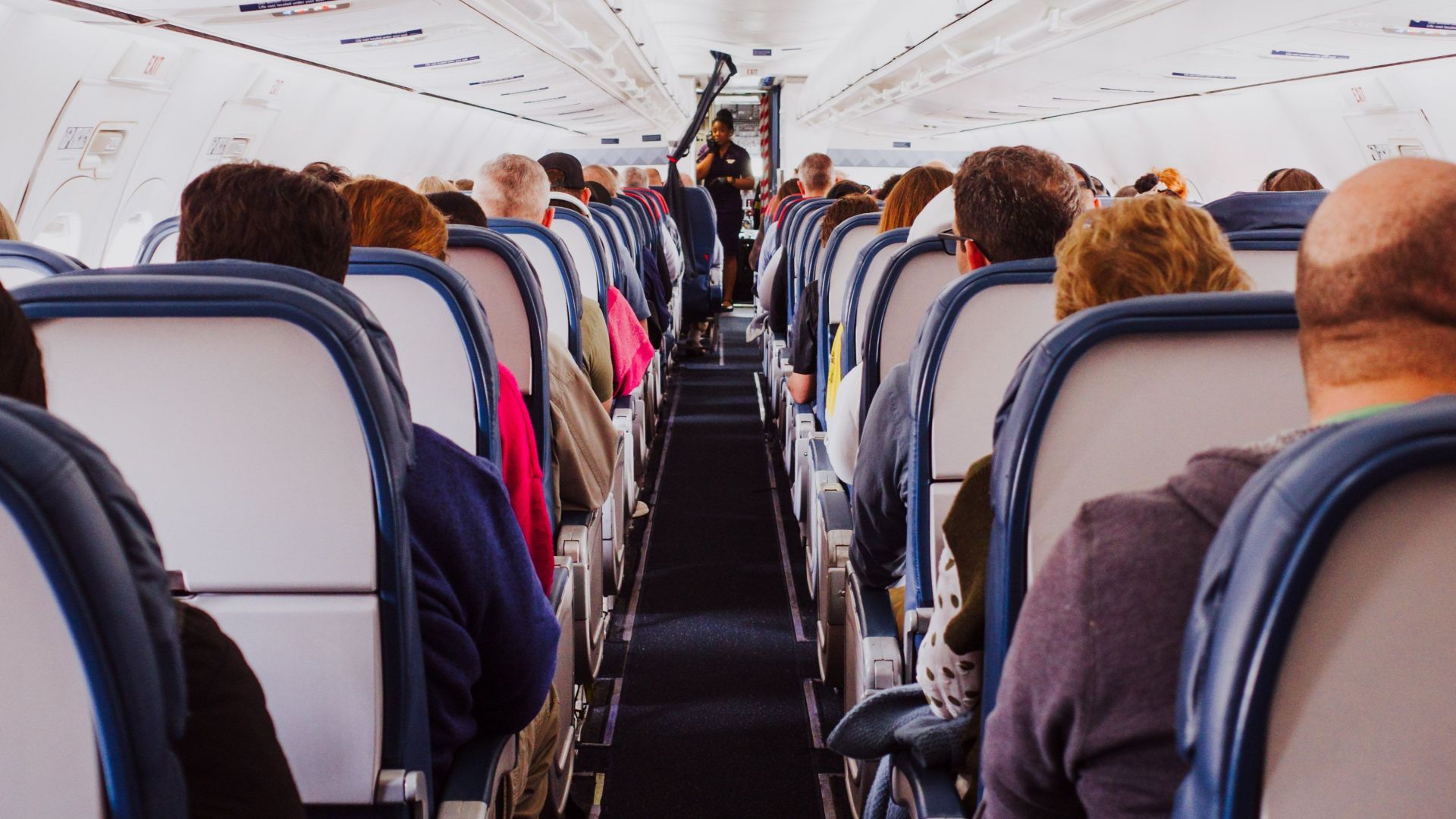
Some economy rows have quirks that make legroom feel tighter even if the official pitch is similar. Bulkhead rows can limit where you put your legs because of fixed walls or bassinet mounts. Seats near partitions, equipment boxes, or under-seat electronics can also cut into usable foot space.
 Delta News Hub, Wikimedia Commons
Seat Pitch Is Not the Whole Story
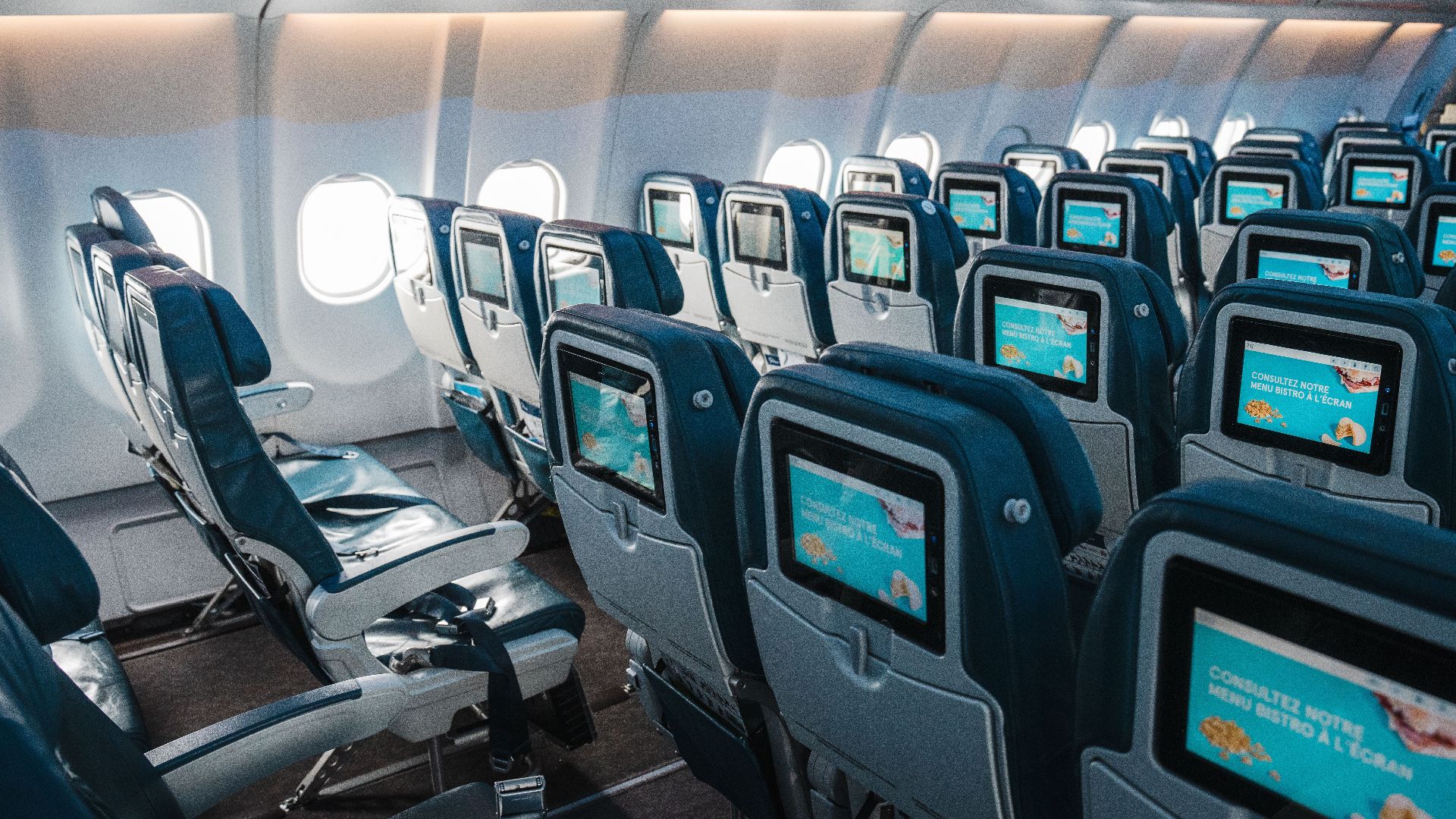
Airlines and seat databases usually describe legroom with seat pitch, which is the distance from one point on a seat to the same point on the seat in front. That number helps, but it does not tell the whole story. A seat with the same pitch can feel worse if the tray table, seat frame, or under-seat area takes away space from your shins or feet.
Seat Width and Recline Can Add to the Problem
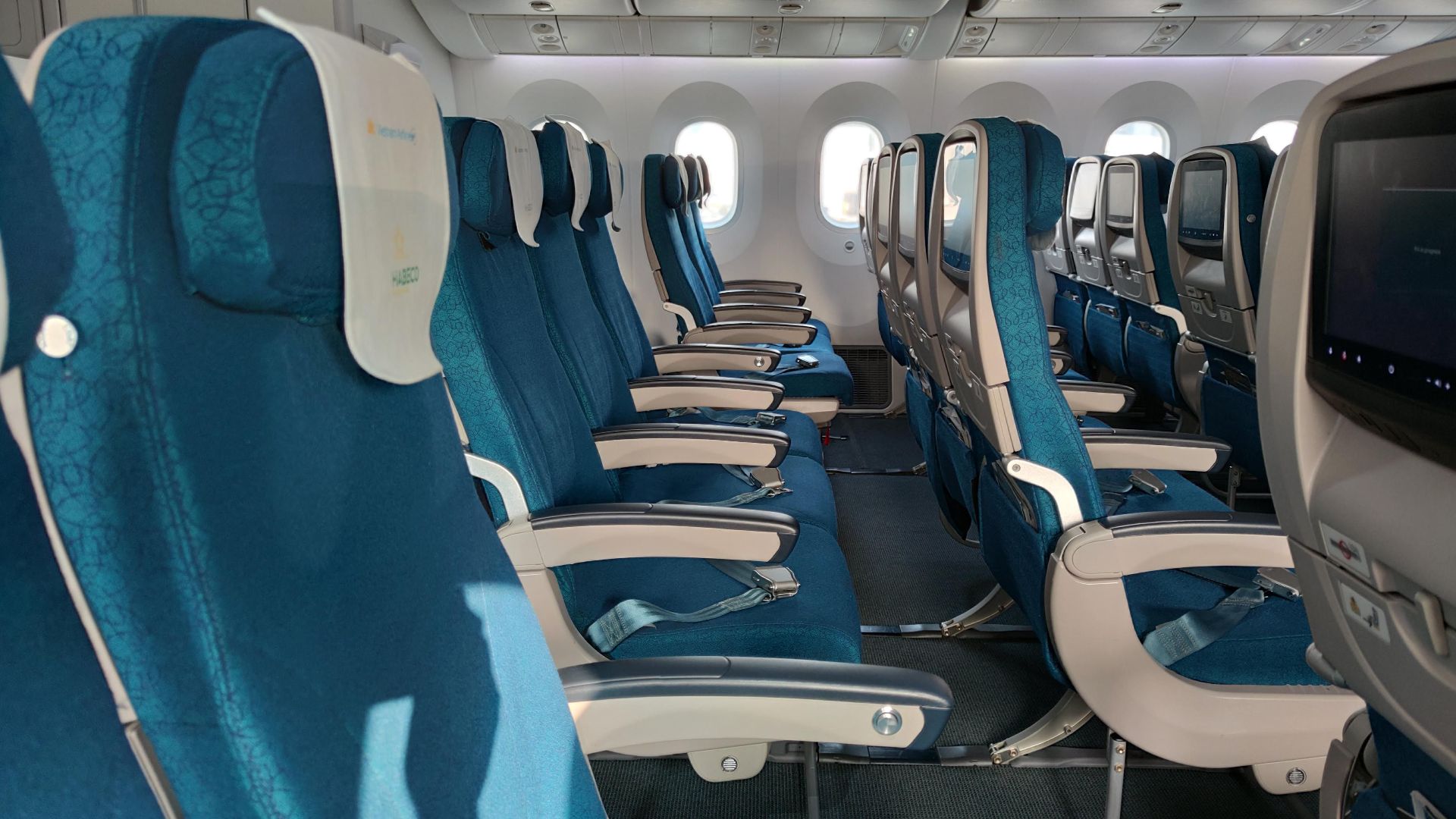
A preferred seat may be near the front, but it can still have fixed armrests, limited recline, or a narrower feel because of the cabin layout. Some rows have misaligned windows, entertainment boxes, or immovable armrests that make them less comfortable than ordinary rows behind them. In other words, a better location does not always mean a better seat.
The SeatGuru Problem and What Replaced It
For years, travelers leaned on SeatGuru to spot awkward rows, but the site stopped updating regularly and is no longer the go-to source it once was. That pushed more people toward newer crowd-sourced tools and airline disclosures. One of the best-known alternatives now is AeroLOPA, which maps cabins in close detail.
AeroLOPA Helps Explain the Weird Rows
AeroLOPA shows where bulkheads, closets, lavatories, bassinets, and missing windows are located across many aircraft types. It does not sell seats, which is part of the appeal. If your preferred seat sits in front of a wall or beside an equipment bump-out, AeroLOPA can help explain why it felt cramped.
How Seat Maps Create False Confidence
Airline booking screens often use color coding and upsell prompts that make premium-sounding seats look like obvious upgrades. But those maps usually do not show every drawback in a given row. A seat can show up as “preferred” while hiding a fixed bulkhead, tight floor space, or reduced recline.
The Department of Transportation Does Not Define “Preferred”
In the United States, there is no universal legal definition saying a preferred seat must come with more legroom. The DOT requires truthful advertising and certain disclosures, but airlines still have room to market seat-location products using their own wording. That is why one of the safest assumptions is that only seats clearly advertised as extra legroom will reliably give you more space.

The DOT Does Require Fee Transparency
The Department of Transportation has pushed airlines and ticket agents to make extra fees clearer, including fees for baggage and seat selection in some cases. That does not mean every seat fee is easy to understand, but it does support one simple idea. If the airline describes the product as standard legroom in a better location, that is likely the product regulators would say was sold.
 Don Ramey Logan, Wikimedia Commons
So What Exactly Did You Pay For
Most likely, you paid for seat location. That can mean being closer to the front, sitting with your travel companion, choosing an aisle or window after the best free seats are gone, or getting off the plane faster. Those perks can matter, but they are not the same as extra personal space.

Why Airlines Sell These Seats at All
Seat selection has become a major source of extra revenue for airlines. Instead of offering one simple economy product, carriers split the cabin into layers and charge separately for each benefit. From a business point of view, a preferred seat lets them make money from convenience without offering a physically bigger seat.
Basic Economy Made This More Common
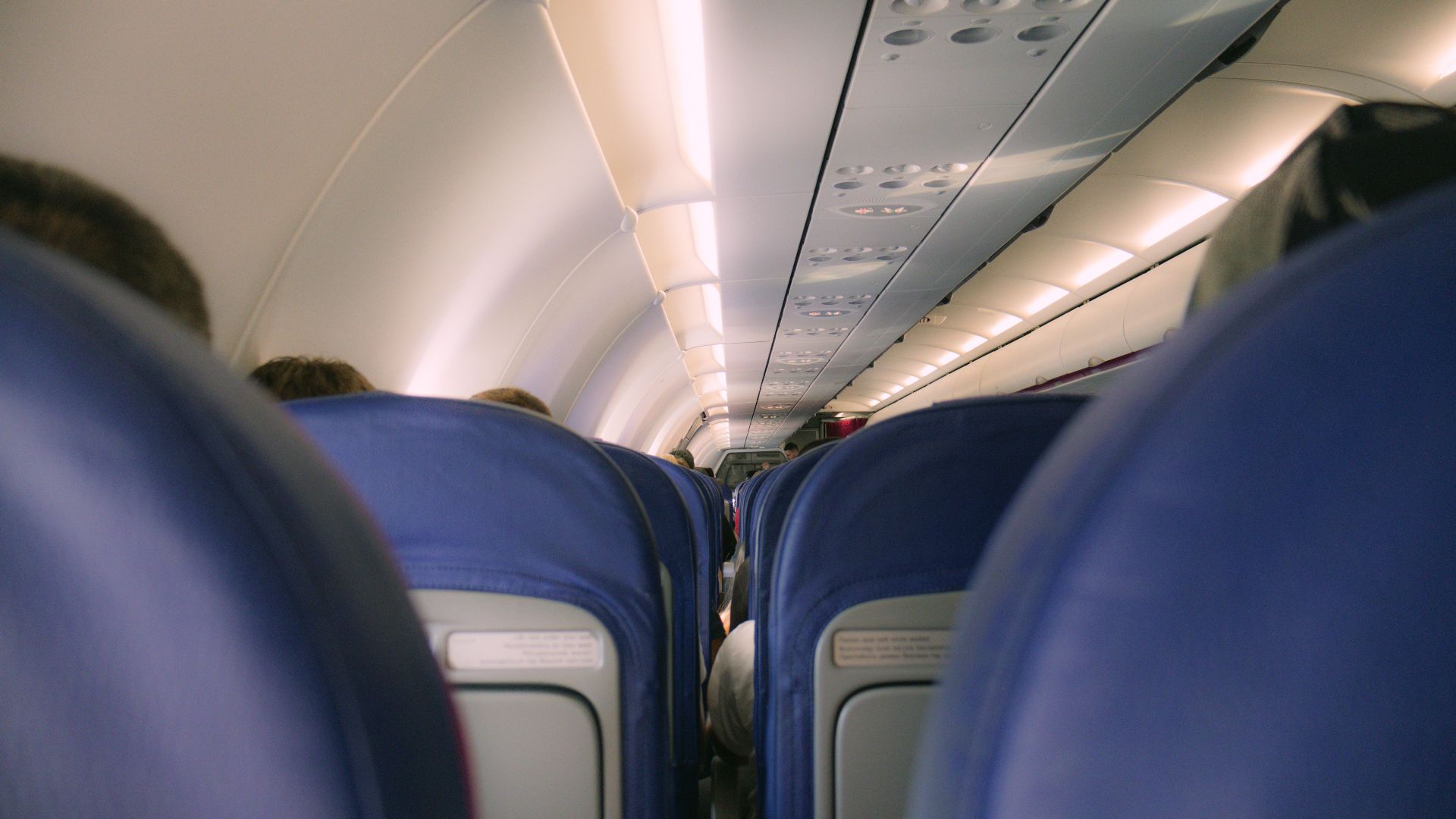
As basic economy spread across major airlines, free seat choice often became more limited. That made passengers more willing to pay for control over where they sit, even if the seat itself was ordinary. In that setup, preferred seating became easier to sell and more profitable.
Who Figured This Out First
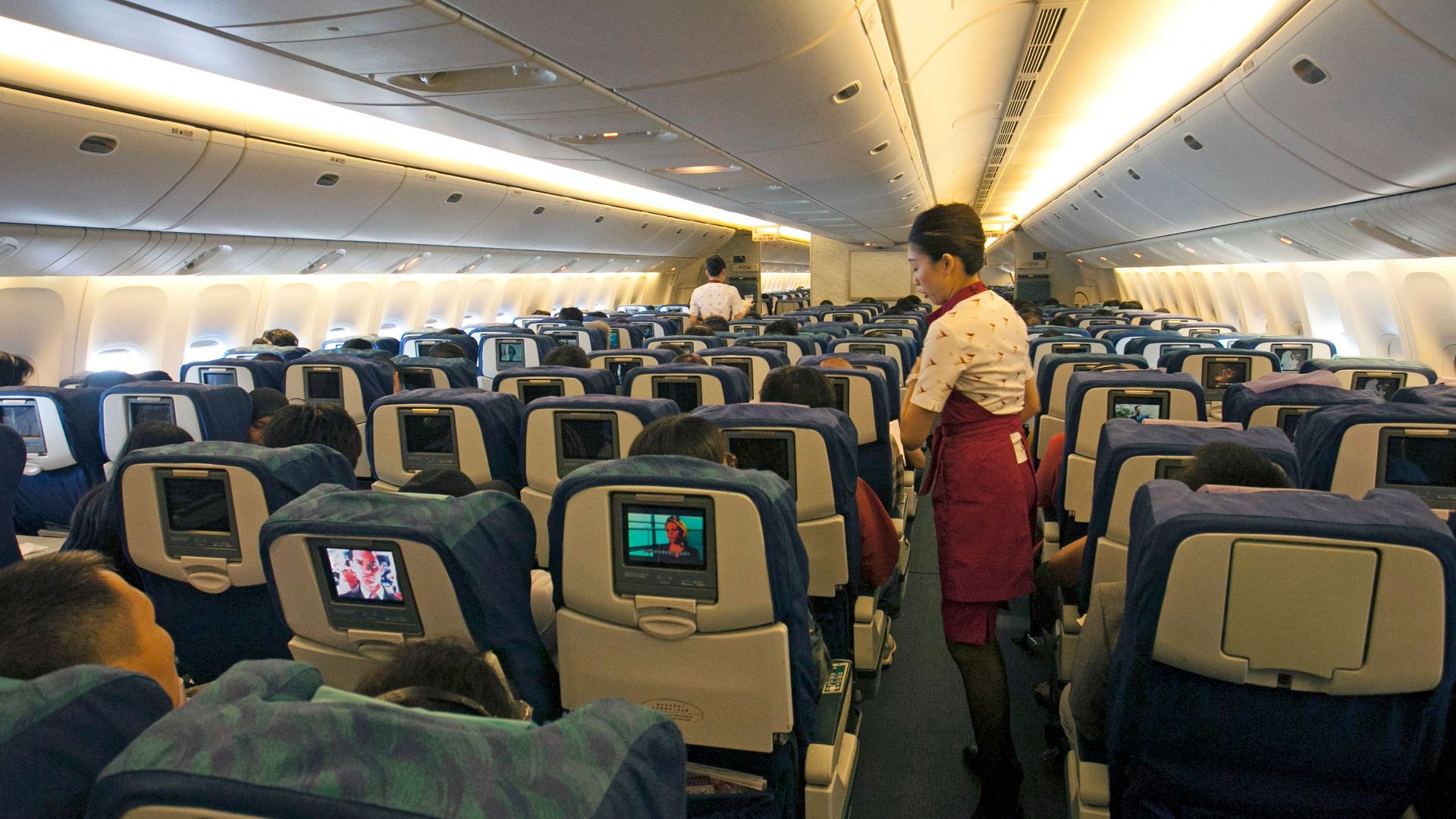
This was not one big reveal tied to a single date or whistleblower. It became clear over time as airlines formalized branded seat categories and travelers compared booking labels with actual seat specs. The clearest evidence comes from airlines’ own seat-selection pages, which spell out the difference in plain language.

When the Distinction Became Hard to Ignore
By the late 2010s and early 2020s, the split between standard seat-selection fees and real extra-legroom products was firmly built into major U.S. airlines. Travelers could see it in fare charts and during checkout. What changed was not the shape of every seat, but the precision of the upsell.
 airbus777 from Washington, DC, USA, Wikimedia Commons
Why Some Preferred Seats Can Feel Especially Tight
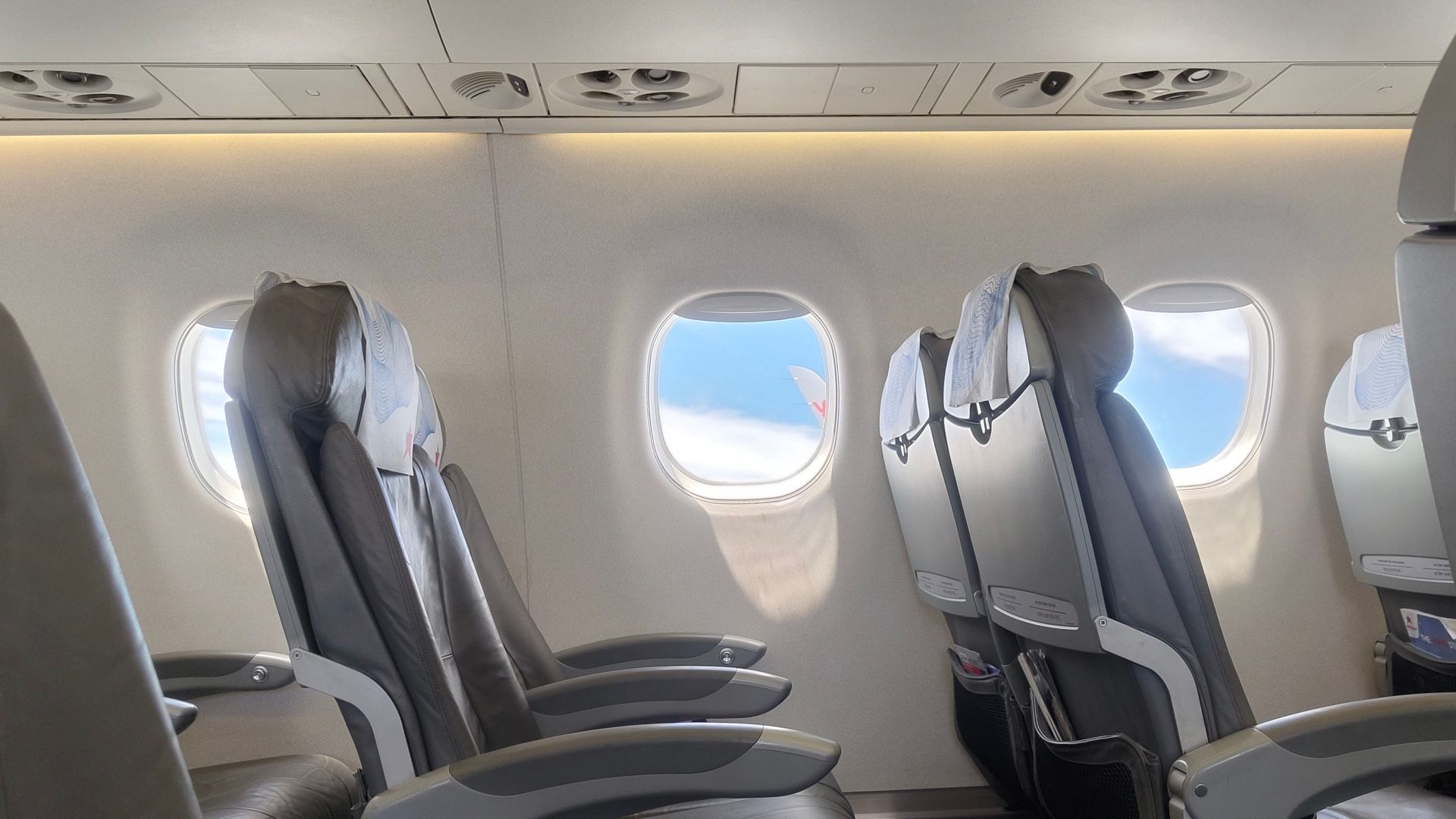
The worst letdowns tend to happen in bulkhead and exit-adjacent rows, or in rows where under-seat storage is limited. You may not have a bag under the seat in front of you because there is no seat there, but that does not guarantee more knee room or space to stretch. Sometimes the cabin wall ends up being the real problem.

How to Check Before You Buy
First, read the airline’s own description of the seat type being offered. If it says standard legroom, take that literally. Then check the row on a detailed seat map like AeroLOPA and look for notes about bulkheads, limited recline, missing windows, or equipment boxes.

Look for the Magic Words
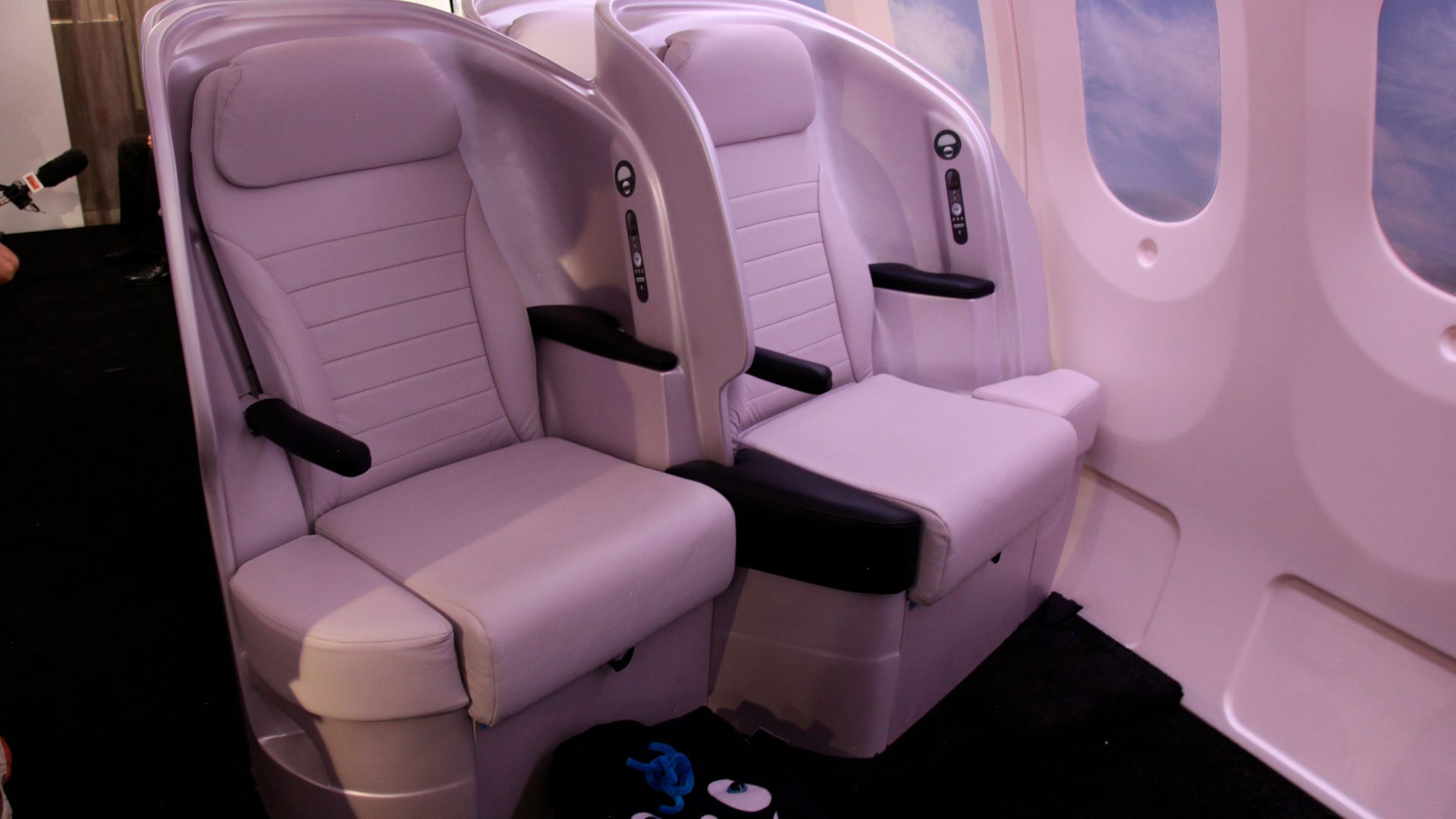
If you actually want more space, look for phrases like “extra legroom,” “more pitch,” “Economy Plus,” “Comfort,” or “Main Cabin Extra.” Those labels point to a measurable comfort feature. “Preferred” by itself usually means a location perk, not a roomier seat.
 Kent Wien from New Hampshire, United States, Wikimedia Commons
When a Refund Request Is Worth Trying
If the airline marketed the seat as standard legroom and gave you a standard-legroom seat, a refund may be a long shot. But if the seat was meaningfully different from what was described, such as being broken, blocked, or shown inaccurately on the map, it may be worth asking. Save screenshots of the booking page and seat description before you fly.
 Antoni Shkraba / AI25.studio, Pexels
What to Say to Customer Service
Keep it specific and factual. Include the flight date, seat number, the exact wording used during booking, and what was different once you got onboard. Airlines are more likely to respond to a clear mismatch than to a general complaint that the seat felt disappointing.

The Best Rule of Thumb
Assume “preferred” means preferred by location, not preferred by your knees. Unless the airline clearly promises more legroom, treat the fee as payment for convenience and seat choice. That mindset can save you from paying extra for a seat that somehow feels worse.
The Bottom Line for Travelers
The frustrating truth is that you may have paid extra for a seat that looked better on paper than it felt in real life. When airlines use the word “preferred,” they are usually selling a spot in the cabin, not a larger seat. If comfort is the goal, check the aircraft layout and buy the product that clearly promises extra legroom, not the one with the nicest-sounding name.