The Seat You Paid Extra For Disappears
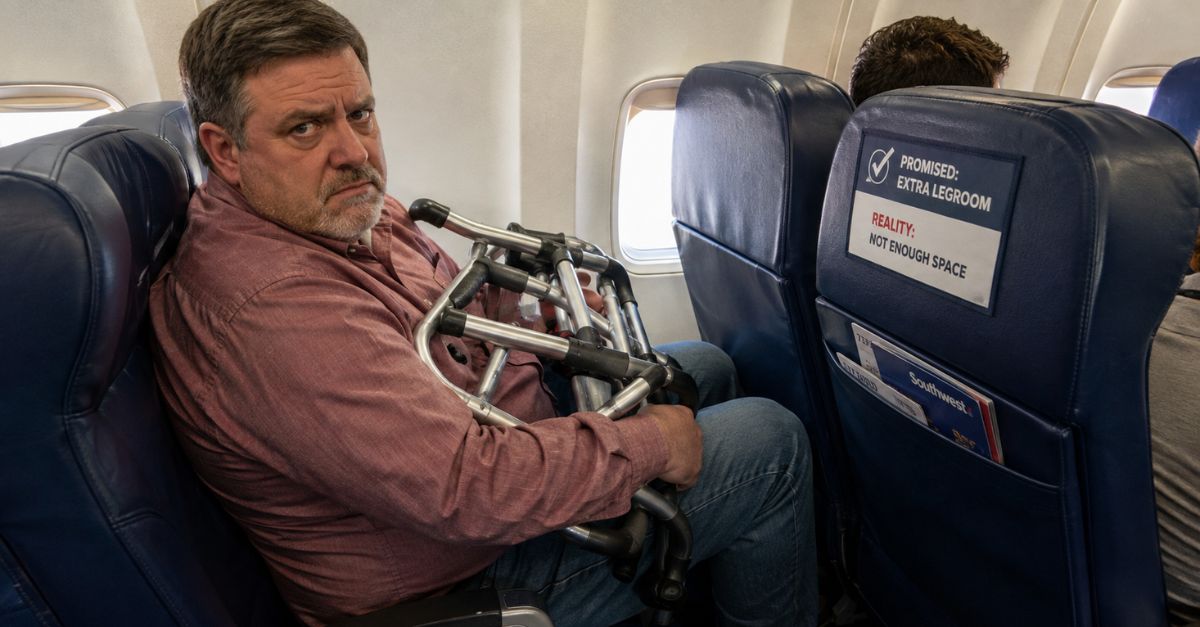
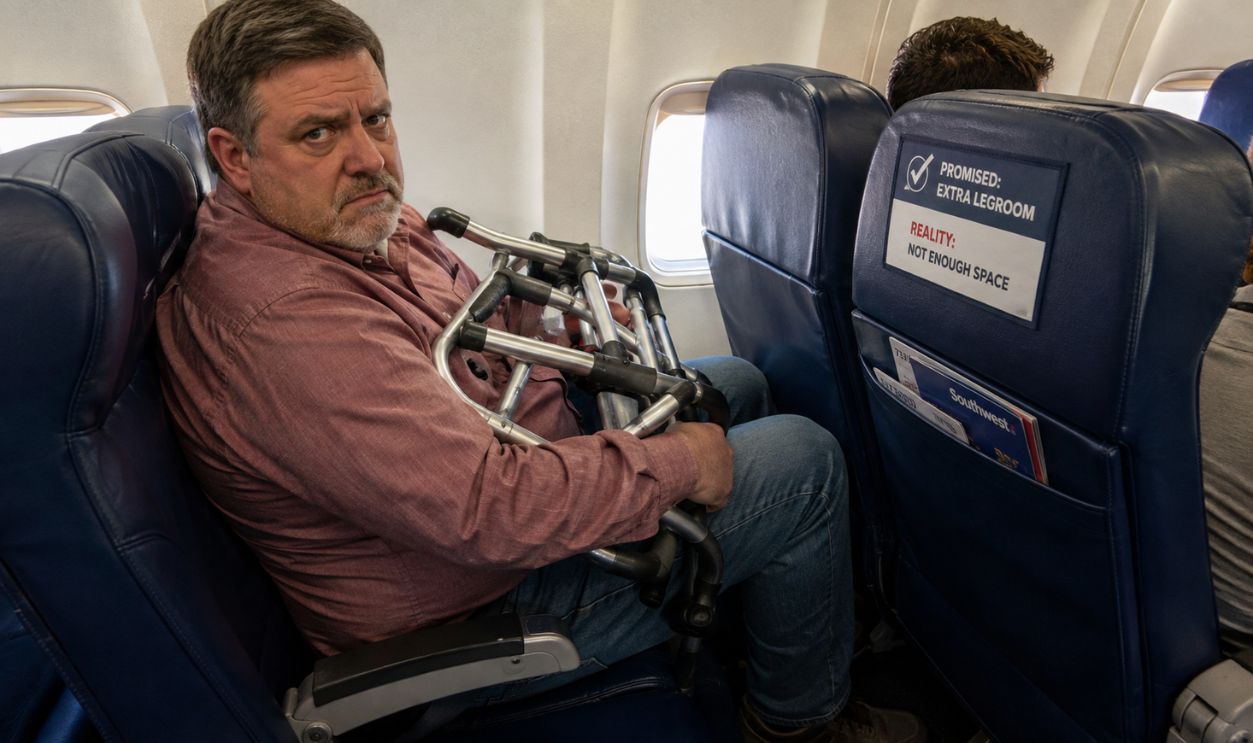
You've got chronic pain, and you paid extra for much-needed extra legroom. Then you get on board they have to move you because your walker has to be handled a certain way. Would the airline have to refund your fee, or perhaps even extra compensation on top? You might have to intervene, but the answer is yes.
DOT Guidance Will Back You Up
If you paid for a seat upgrade and did not get the seat-related service you bought, you have a strong case for a refund of that extra fee. It may not happen automatically, but U.S. airline rules and Department of Transportation guidance give travelers solid support. The key is showing that you paid for a specific seat upgrade and did not receive it.

Why This Happens In Real Life
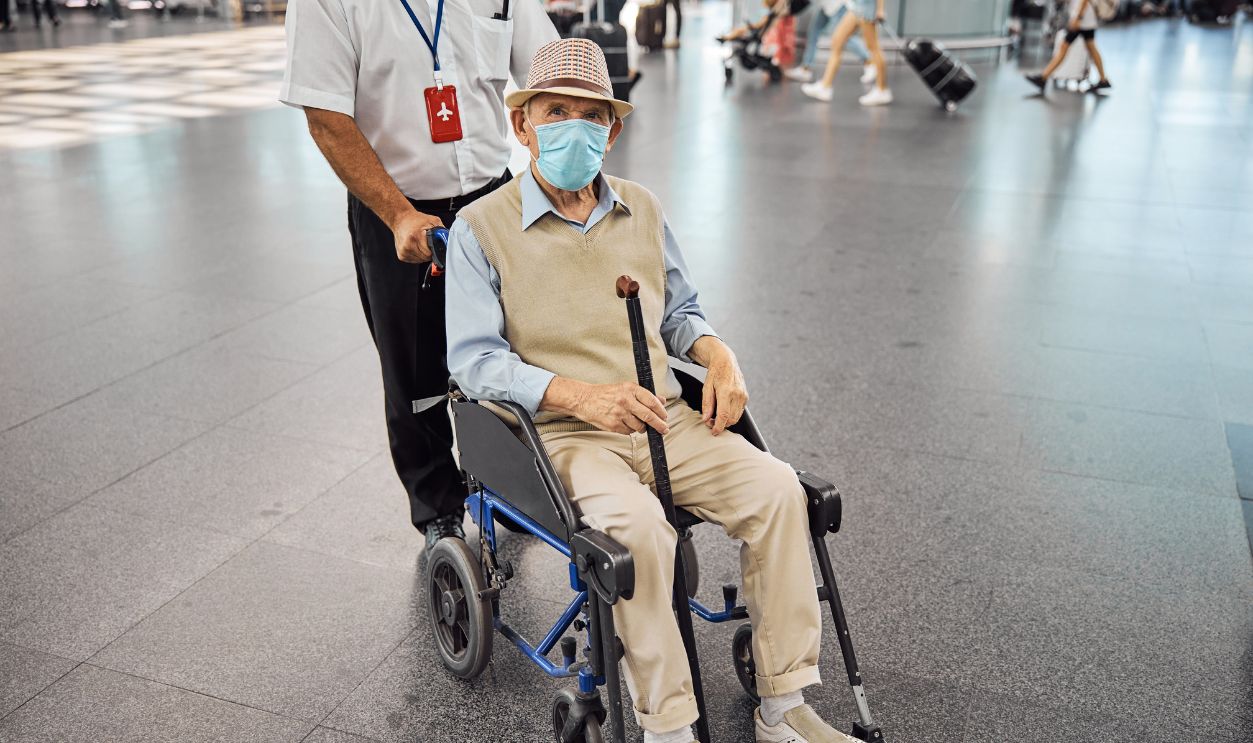
Passengers who use mobility aids are sometimes moved for operational or safety reasons. That can happen when a wheelchair must be gate-checked, when a transfer works better from a certain row, or when crew decide another seat is needed during boarding and stowage. The result can be the same either way: you paid for more space and ended up in a standard seat.

What Counts As An Extra-Legroom Purchase
Airlines use different names for these seats, but the idea is the same. You pay more for extra pitch, a better location, or both. If that upgraded product is not provided, the issue becomes whether the airline actually delivered what it sold you.
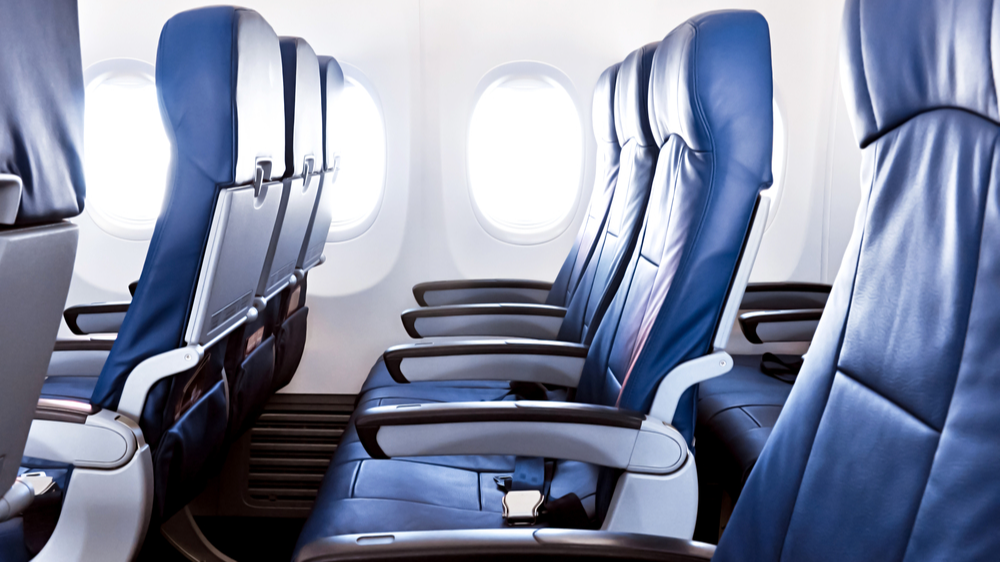 Atstock Productions, Shutterstock
The Transportation Department Has Been Clear
The U.S. Department of Transportation has said airlines must provide automatic refunds when they fail to deliver certain paid add-on services. That includes cases where a passenger paid to choose a specific seat, such as a window or aisle seat, and did not get it. DOT finalized a major refund rule in April 2024, and it took effect in October 2024.

Why The 2024 Refund Rule Matters
The 2024 DOT rule matters because it turned refund rights into something firmer than a customer-service promise. Under the rule, if an airline does not provide a paid ancillary service tied to air travel, the traveler is owed an automatic refund. DOT materials specifically discuss seat selection fees as part of these ancillary refund protections.
 Krakenimages.com, Shutterstock Images
Seat Selection And Extra-Legroom Are Closely Linked
Many extra-legroom purchases are really premium seat assignments with a built-in feature. If you paid for a specific row with more space and got moved somewhere else, the airline did not give you the exact product you bought. That makes your refund request much stronger than a complaint based only on inconvenience.
There Is Another Disability Rule In Play Too
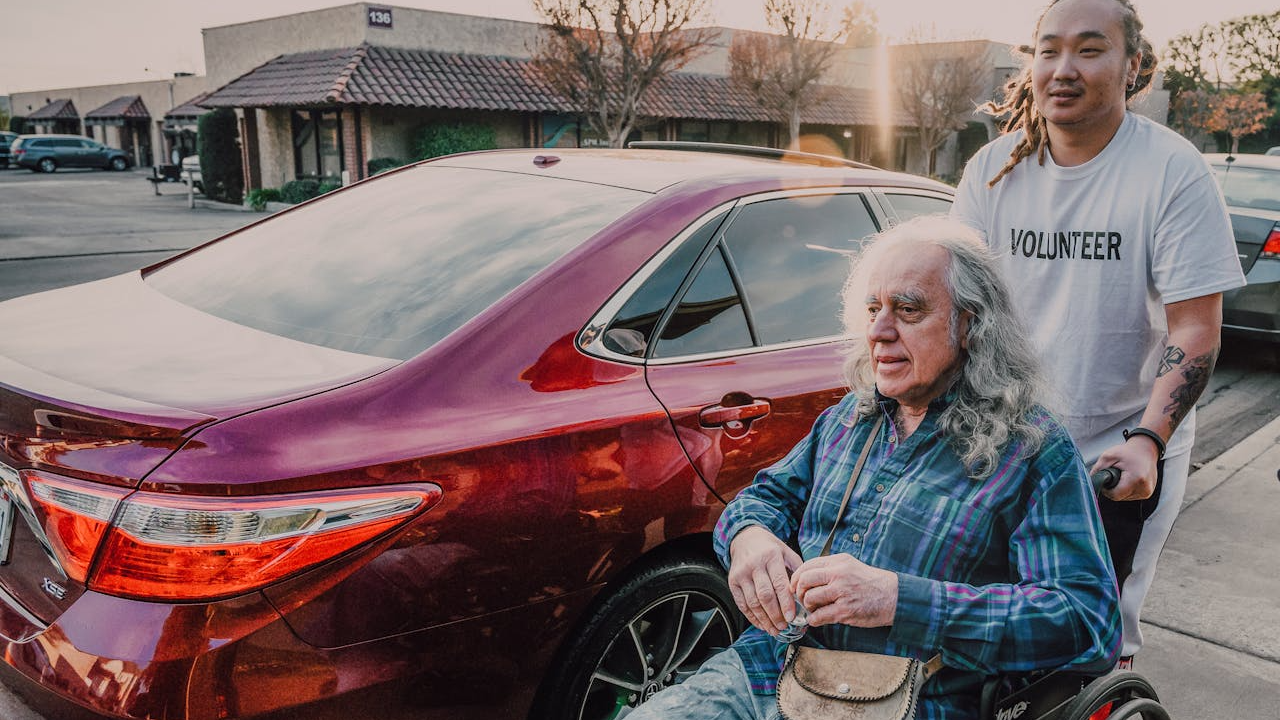
The Air Carrier Access Act bans disability discrimination in air travel. DOT’s disability rules, found in 14 C.F.R. Part 382, lay out what airlines must do when helping passengers with disabilities and handling wheelchairs and other mobility aids. Those rules do not cancel your right to ask for your seat-upgrade money back if the airline did not honor that separate purchase.

Handling Mobility Aids Is A Serious Airline Duty
Airlines must accept wheelchairs and assistive devices as priority items, subject to safety rules. The Department of Transportation has repeatedly made clear that mobility devices are not just regular baggage. They are often essential equipment, which is why damage and mishandling have become major enforcement issues.

Refunds And Accessibility Can Overlap
If you were moved because of a mobility aid issue, the airline may say the change was necessary. Maybe it was. But that does not mean the seat-upgrade fee should vanish too. These are two separate questions: how the airline handled accessibility, and whether it delivered the premium seat you paid for.

What DOT Says About Flights To, From, And Within The U.S.
DOT’s refund framework applies to flights to, from, and within the United States when U.S. rules cover the trip. If your itinerary involved a U.S. carrier or a flight segment covered by DOT regulations, your case is especially strong. International trips can be trickier, but the fee dispute still often comes down to one point: did the airline provide the paid service or not?
There Is A Practical Test You Can Use
Ask yourself one question: did I actually get the seat feature I paid for? If the answer is no because you were moved to a regular seat, that is the clearest refund case. If you were moved to another seat with equal or better legroom and similar value, the issue gets less clear.
 Monkey Business Images, Shuttestock
If You Got A Similar Seat, The Case Gets Messier
Some airlines may argue that moving you to another extra-legroom seat or a bulkhead seat fulfilled the purchase. In that situation, the exact seat number may matter less than whether the main benefit was still there. But if the new seat plainly had less legroom or fewer premium features, your claim is still strong.
The Airline Does Not Get To Keep Money For Nothing
That is the basic idea behind ancillary fee refunds. If an airline charged you for a premium seat and then did not provide it, the fee was not earned. That does not change just because the move happened during the handling of a mobility aid instead of a routine seat shuffle.
 mimagephotography, Shutterstock
Documentation Is Your Best Travel Weapon
Keep your booking confirmation, seat receipt, boarding passes, and any app screenshots showing your original seat. If a gate agent or flight attendant told you why you were moved, write it down as soon as possible. Dates, times, and names can make the difference between getting brushed off and getting refunded.

Ask For The Refund In Writing
Start with the airline’s customer relations channel, not just a phone call. Include the flight number, travel date, original seat, replacement seat, and amount paid. Be direct and say you are seeking a refund of an extra-legroom or seat-selection fee for a service that was not provided.

Use The Right Language
It helps to keep the request short, factual, and specific. You can say that you purchased a premium seat assignment, were involuntarily moved because your mobility aid had to be stored or handled elsewhere, and did not receive the seat product you bought. Ask for a refund of the ancillary seat fee, not a vague goodwill gesture.

Do Not Confuse The Seat Fee With The Airfare
In most cases, the dispute is about the upgrade or seat-selection fee, not the full ticket price. DOT rules on major schedule changes and cancellations can lead to broader refunds, but that is a different issue. Here, the focus is usually the extra money paid for more legroom or a better seat location.

What If The Airline Refuses
If the airline says no, you can file a complaint with the U.S. Department of Transportation. DOT accepts aviation consumer complaints online, including complaints about refunds and disability-related travel problems. That does not guarantee fast payment, but it creates a formal record and puts more pressure on the airline.

There Is A Second Complaint Path For Disability Concerns
If the seating change also involved poor disability assistance or mishandling of a mobility device, say so clearly in your complaint. DOT tracks disability-related issues separately and has been paying closer attention to them. In recent years, the department has announced major enforcement actions and proposed stronger protections involving wheelchairs and passenger treatment.
Why Airlines Are Under More Scrutiny Now
In 2023 and 2024, the Biden administration and DOT repeatedly focused on junk fees, refund problems, and the treatment of passengers with disabilities. DOT announced new rules and proposals meant to make refund rights more automatic and easier to enforce. That wider policy shift matters because airlines know regulators are paying attention.

One Important Date To Remember
On April 24, 2024, DOT announced its final rule on automatic refunds and surprise airline fees. The rule requires prompt automatic refunds when airlines do not provide paid ancillary services. For travelers fighting over seat fees, that was a big turning point.
Another Important Development Came In Disability Rules
In July 2023, DOT announced a proposed rule aimed at making air travel safer, more dignified, and more reliable for travelers who use wheelchairs. The proposal came after years of concern over damaged chairs, poor assistance, and uneven treatment. It was not a seat-refund rule, but it showed how important mobility-aid handling had become in federal oversight.

What To Do At The Airport In The Moment
If you are being moved, politely ask whether another comparable extra-legroom seat is available. If not, ask the agent to note in the record that you were involuntarily reseated and did not receive the premium seat you purchased. That small step can help a lot later if you need to pursue a refund.
 LightField Studios, Shutterstock
Keep Expectations Realistic
You may be entitled to get the fee back, but not necessarily extra compensation unless something else also went wrong. Airlines usually treat refunds, vouchers, miles, and goodwill gestures as separate things. The clearest request is repayment of the specific premium seat charge.

If You Paid Through A Third Party
You can still ask the airline for the refund if the airline was the one that failed to provide the seat service. Keep the third-party booking receipt because it shows what you paid. If the airline points to the online travel agency, ask both sides in writing to say who is responsible for refunding the ancillary charge.

The Bottom Line For Travelers
If an airline moved you out of a pricey extra-legroom seat because your mobility aid had to be stored or handled elsewhere, you likely have a strong case for getting that upgrade fee back if you did not get an equivalent seat. The reason for the move does not erase the fact that a paid add-on service was never delivered. Put simply, if the airline did not give you the premium seat you paid for, ask for your money back.