When a Delay Turns Into a Blame Game
You miss a connection, rush to the desk, and hear the line no traveler wants: Your next flight is on a separate ticket, which means you are on your own. If you're tired and disoriented, it might sound final, and airline staff may sometimes present it that way.
But can they suddenly leave you in the lurch like that? The answer depends on where you're flying, how you booked, and what the airline actually promised.
Separate Tickets Usually Mean Separate Contracts
Most of the time, two separate tickets mean two separate contracts of carriage. If your first flight is late and makes you miss the second, the second airline often does not have to rebook you for free. That is the basic rule behind the risk of self-connecting.
Why Airlines Put It So Plainly
Airlines use ticket numbers and booking records to decide who is responsible for what. If both flights are not on the same ticket, the delay on the first flight may be treated as unrelated to the second. That is why agents often say they cannot protect your connection the way they would on a single through-ticket trip.

But That Is Not Always the Whole Story
Separate-ticket does not always mean you have no rights at all. Consumer rules, airline policies, and the way you booked can still matter. In some cases, you may be able to get rebooked, refunded, or compensated, depending on the route and the reason for the delay.

Start With the Key Question
Find out whether your flights were issued on one ticket or two. A single itinerary on one website does not always mean one ticket, especially if an online travel agency stitched flights together for you. Check your confirmation emails and look for ticket numbers, because that detail can shape everything that happens next.
One Ticket Changes the Outcome
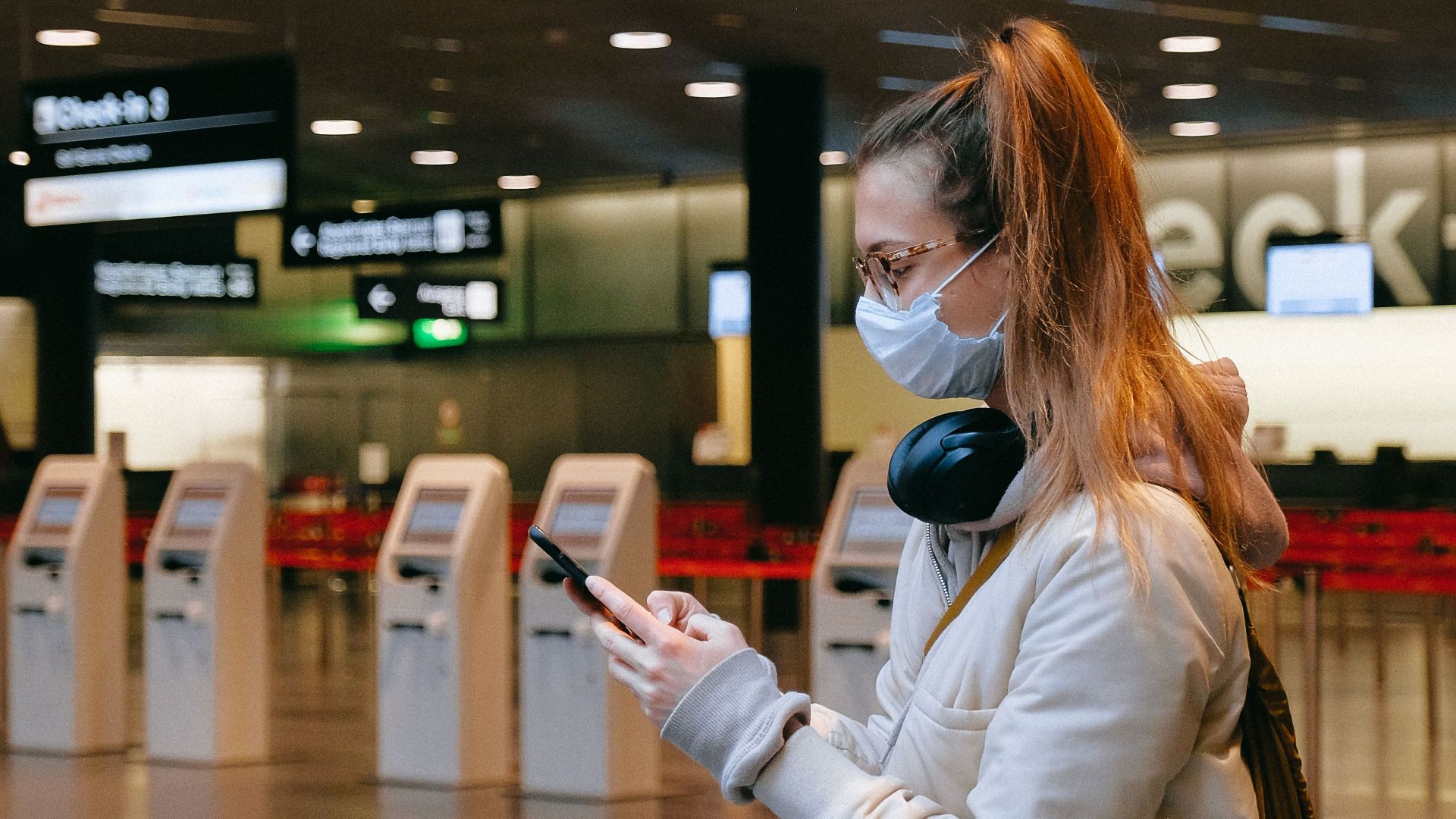
If the flights are on one ticket, the airline that sold the trip generally has to get you to your final ticketed destination if a delay makes you miss a connection. In most cases, that means rebooking you on a later flight at no extra cost. That is standard because the whole journey is one booking obligation.
Two Tickets Raise the Risk
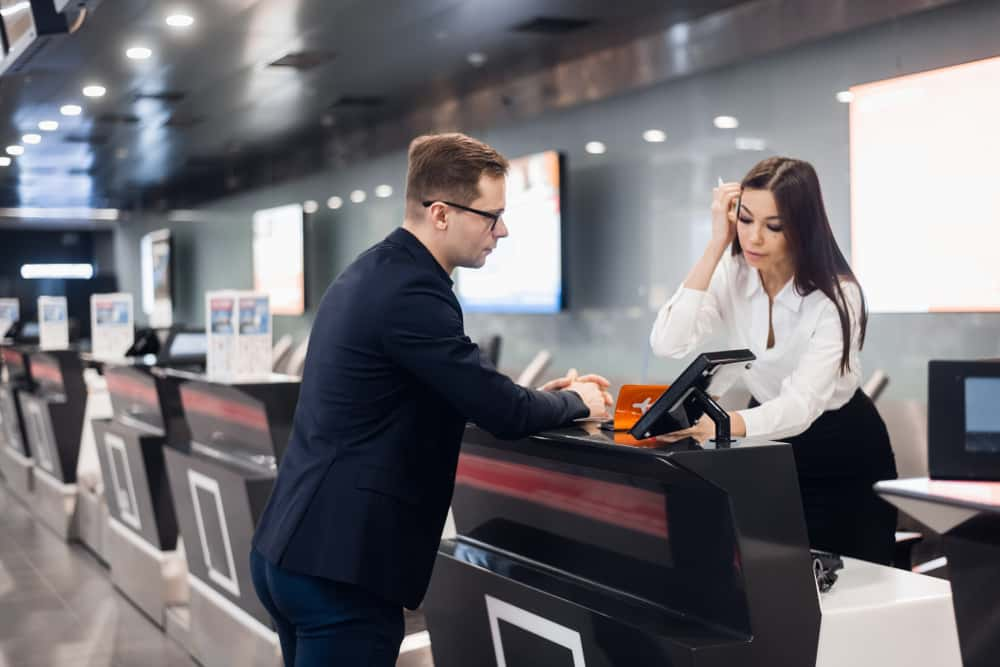
If you built the trip yourself with separate tickets, you may have to buy a new flight if the first one is late. That is the tradeoff with self-connecting. It can save money at first, but it puts much more of the risk on you.
Europe Has a Big Exception Travelers Should Know
In Europe, Regulation EC 261 can still matter even when you are self-connecting on separate tickets, depending on the flights involved. The European Commission says passengers may be entitled to compensation for a delay on the first flight that causes them to miss the second, if both flights depart from an EU airport and are operated by a Community carrier. That is a major point many travelers, and even some airline staff, do not fully explain.

What the European Commission Actually Says
The European Commission’s interpretive guidelines discuss a passenger traveling under two separate transport contracts on two flights leaving from an EU airport. If a delay on the first flight causes the passenger to miss the second, compensation may still be due for the delayed first flight when both flights are operated by an EU carrier. The missed second flight is not automatically covered for care and rerouting the same way it would be on a single through-ticket, but compensation rights may still exist.

The Court Case That Made This Clearer
On July 6, 2023, the Court of Justice of the European Union issued a judgment in case C-510/21. The court said compensation under EU air passenger rules can be based on the delay of the first flight alone, even when the missed connection was booked separately, in the situation before the court. That gave real legal force to an issue that often catches travelers off guard.
Who Was Involved in That 2023 Case
The case involved a passenger whose first flight from Düsseldorf to Palma de Mallorca was delayed, causing a missed onward flight from Palma to Mahón booked under a separate contract. According to the court, both flights departed from an EU airport and were operated by the same EU carrier, Air Nostrum. The court found that the passenger could seek compensation for the first delayed flight under Regulation 261.
What This Does Not Mean in Europe
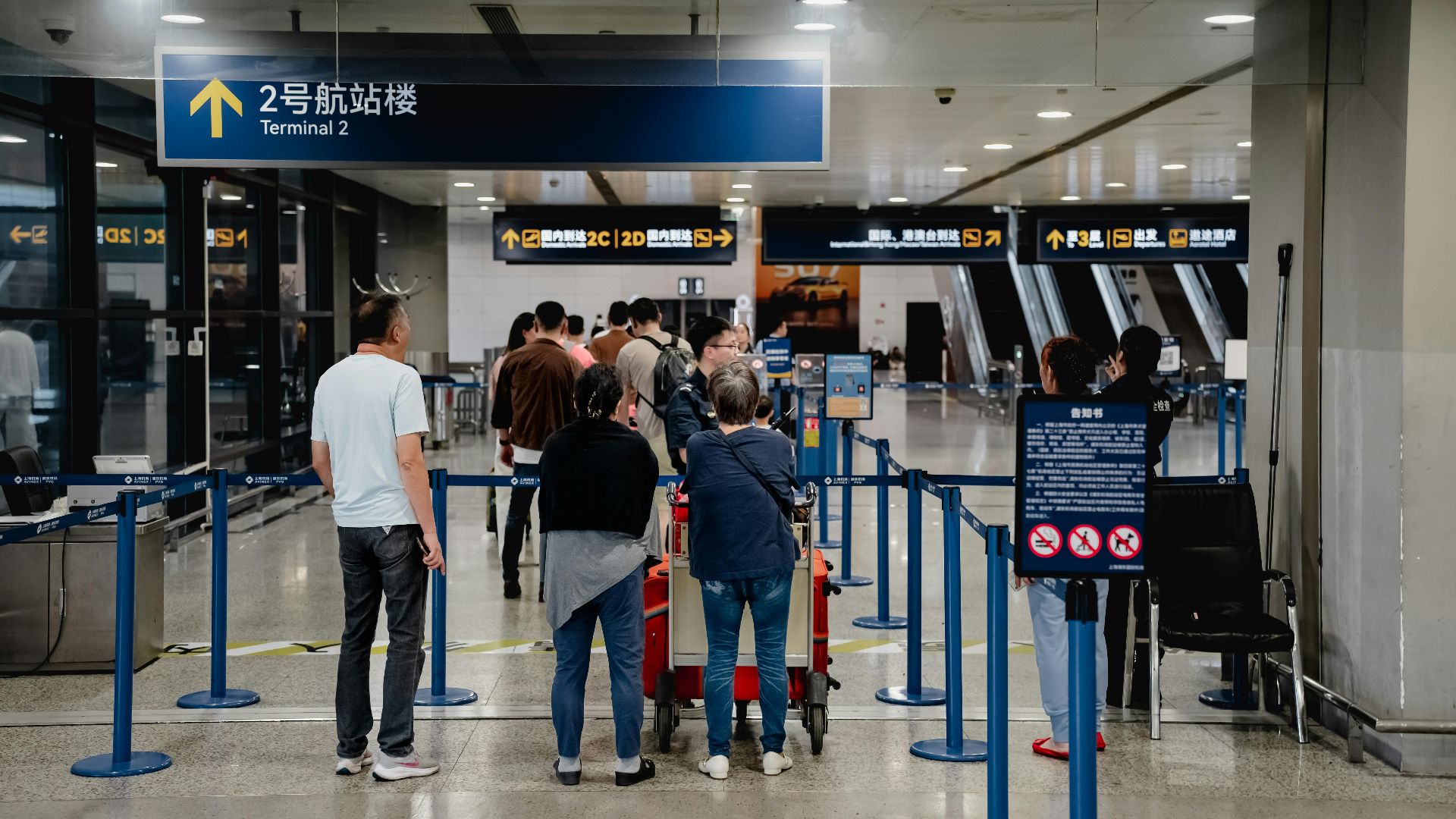
It does not mean every separate-ticket mess in Europe leads to a free rescue. Compensation under EU rules is different from rerouting duties for a whole self-connected trip. You may still need to arrange your own replacement for the missed second flight, then try to recover compensation or reimbursement later if the law or policy allows it.
 Frame Stock Footage, Shutterstock
The UK Has Similar but Separate Rules
After Brexit, the UK kept its own version of these passenger rights, known as UK261. The UK Civil Aviation Authority explains that compensation and care rights can apply for qualifying delayed or cancelled flights. But whether an airline has to protect an onward self-connection still usually depends on whether the flights are on one ticket or on separate bookings.
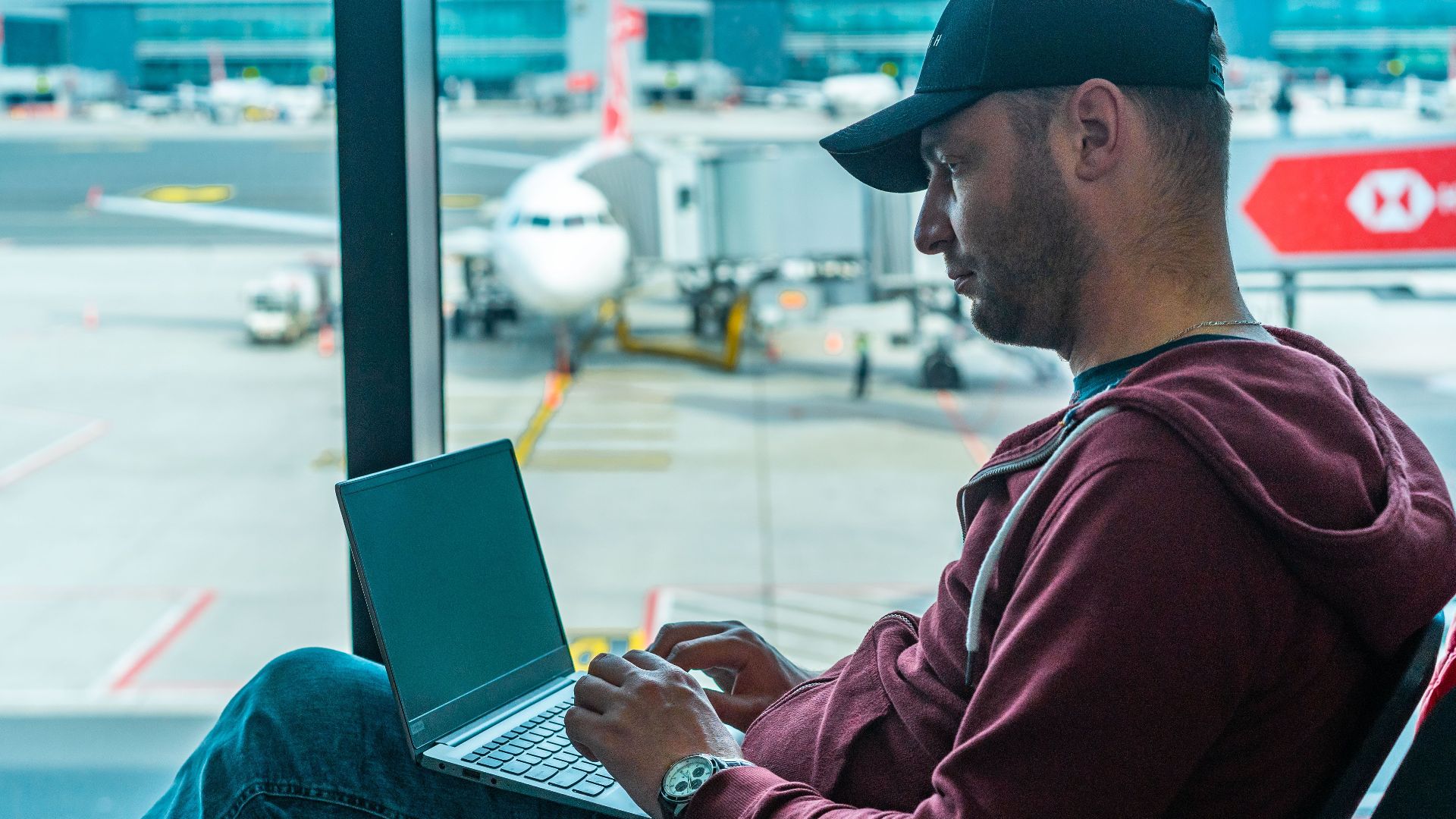
In the United States, There Is Less Automatic Protection
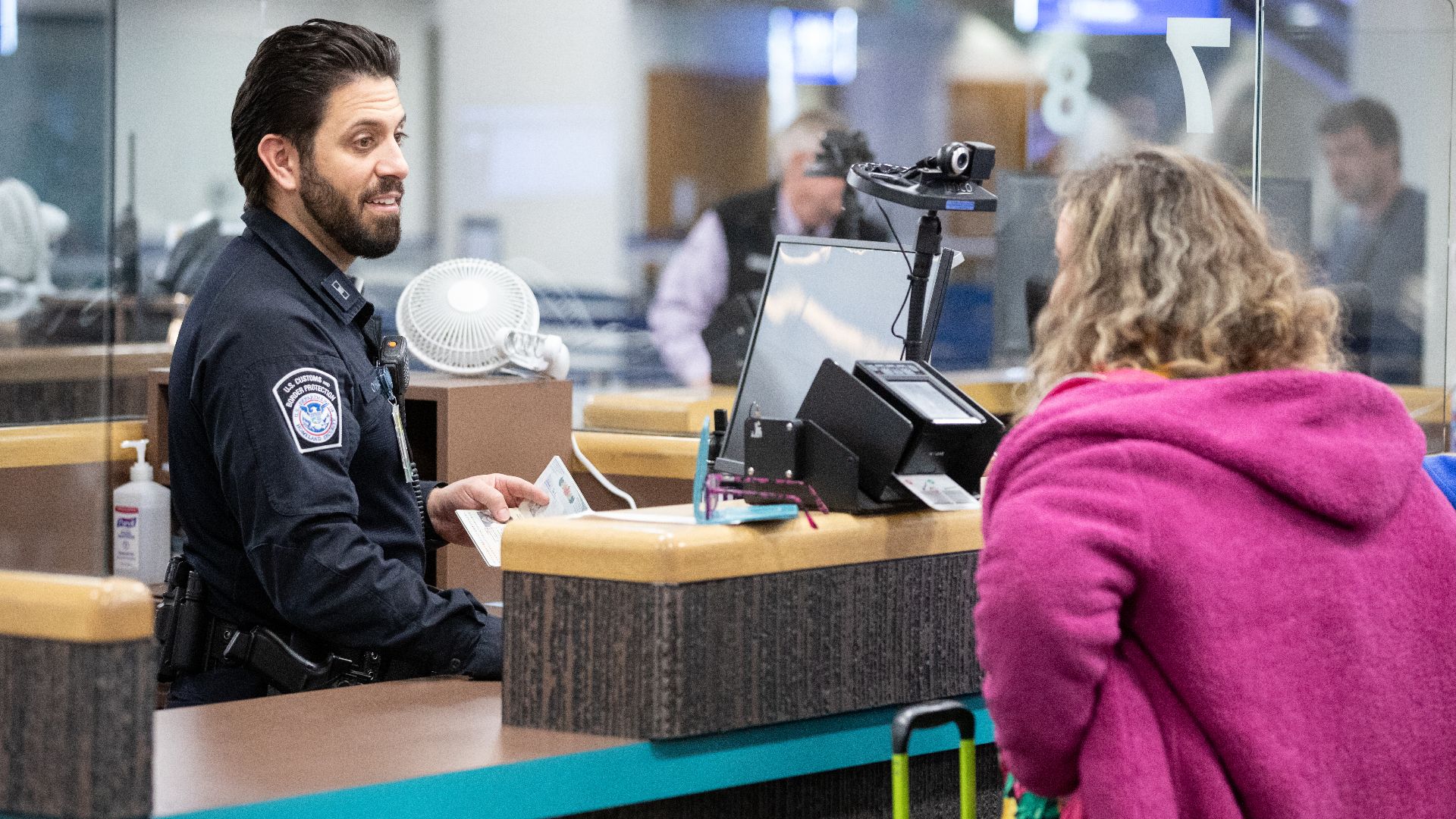
The U.S. Department of Transportation requires airlines to provide refunds in certain situations, especially when the airline cancels or significantly changes a flight and the passenger does not accept the alternative. But there is no broad federal rule requiring airlines to cover onward flights missed on separate tickets. In practical terms, the U.S. system is usually much tougher on self-connectors.
 CBP Photography, Wikimedia Commons
Refunds Are Not the Same as Rebooking
A refund right can help if your original disrupted flight no longer works for you and you choose not to travel. That is very different from making an airline pay for a new ticket on another booking you missed. Travelers often mix up those two ideas in the middle of a delay, and airlines know the difference well.
 Monkey Business Images, Shuttestock
Booking Through One Website Can Be Misleading
Some online travel agencies sell what are often called self-transfer or virtual interline itineraries. They can look like one trip on your screen, but the flights may still be issued as separate tickets. If that happens, your protection may come from the agency’s own guarantee rather than from the airline.

Look for a Self-Transfer Guarantee Before You Pay
Kiwi.com, for example, offers a Kiwi.com Guarantee for many self-transfer bookings, though the terms and limits matter. Other booking platforms have similar programs. These are business promises, not universal passenger-rights laws, so read the conditions before you rely on them.

Airlines Sometimes Help Anyway
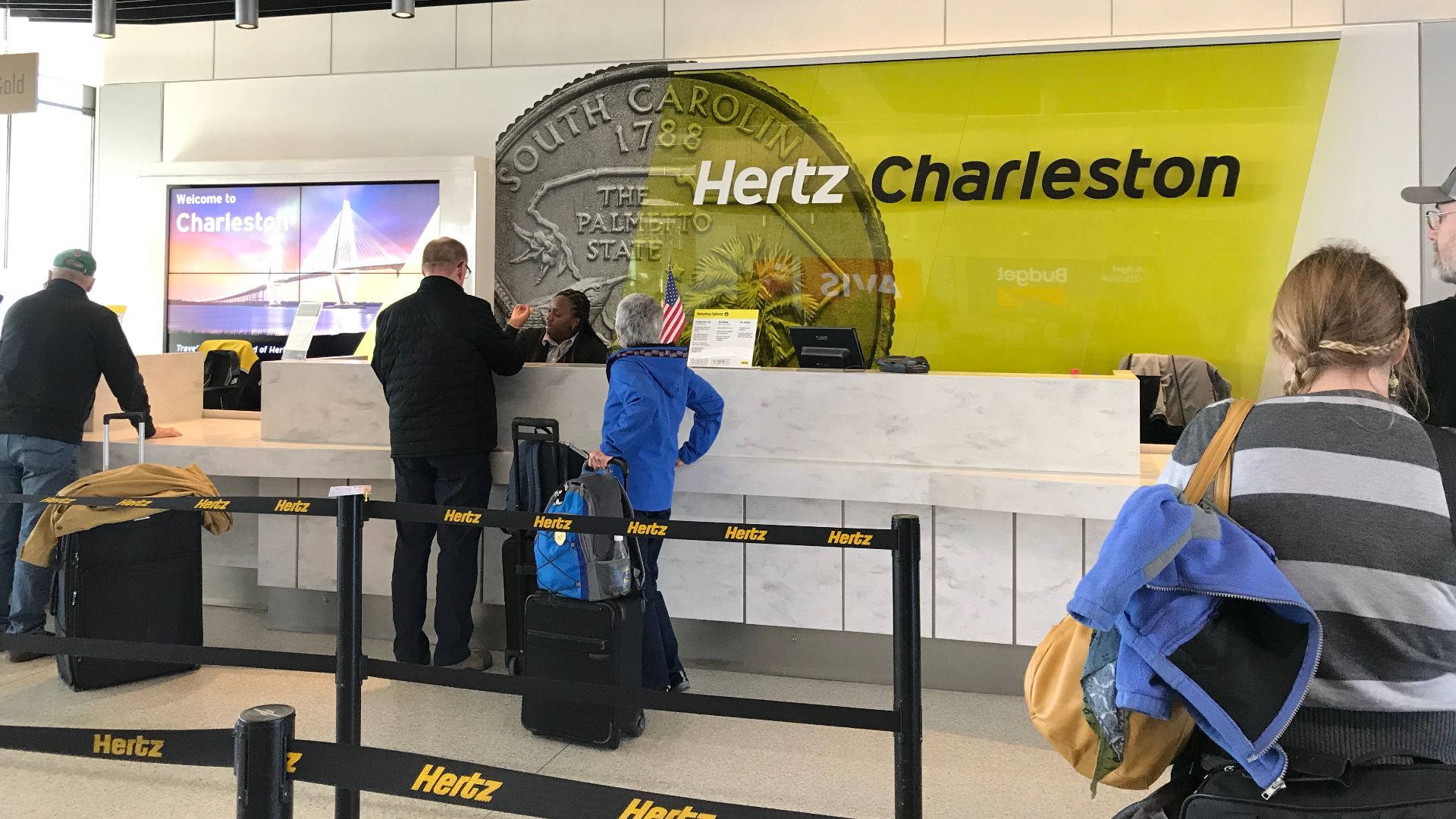
Even when they do not have to, airlines sometimes rebook stranded passengers as a goodwill gesture. This is more likely when both flights are on the same airline or within the same alliance, when the delay is not too severe, or when there is open space on later flights. At the airport, calm persistence can sometimes get a better result than the first no.
 AutoRentals, Wikimedia Commons
Your Contract of Carriage Matters More Than You Think
Every airline publishes a contract of carriage or conditions of transport. These documents spell out what the airline promises during delays, missed connections, refunds, and schedule changes. If you want the most fact-based answer for your ticket, this is one of the first places to check.

Travel Insurance Can Be the Backup Plan
Missed connection and travel delay coverage can be a huge help when separate tickets are involved. Policies vary a lot, and some require a minimum connection time or exclude self-connect trips unless they were booked through certain providers. The key is to read the wording before the trip, not after the delay.

Credit Card Protections May Help Too
Some travel credit cards include trip delay, interruption, or missed connection benefits when you pay with the card. Coverage limits and trigger rules vary, and not every card covers self-booked separate flights. Still, it is worth checking your benefits guide before paying out of pocket for a replacement ticket.

How to Tell If You Really Have Separate Tickets
Check whether you have one passenger name record or several, and whether there is one e-ticket number for the full journey or separate e-ticket numbers. Ask the seller directly if the trip is ticketed through to your final destination. If your bags are not checked through and you have to collect and recheck them, that is often another warning sign.

What to Do the Moment a Delay Starts
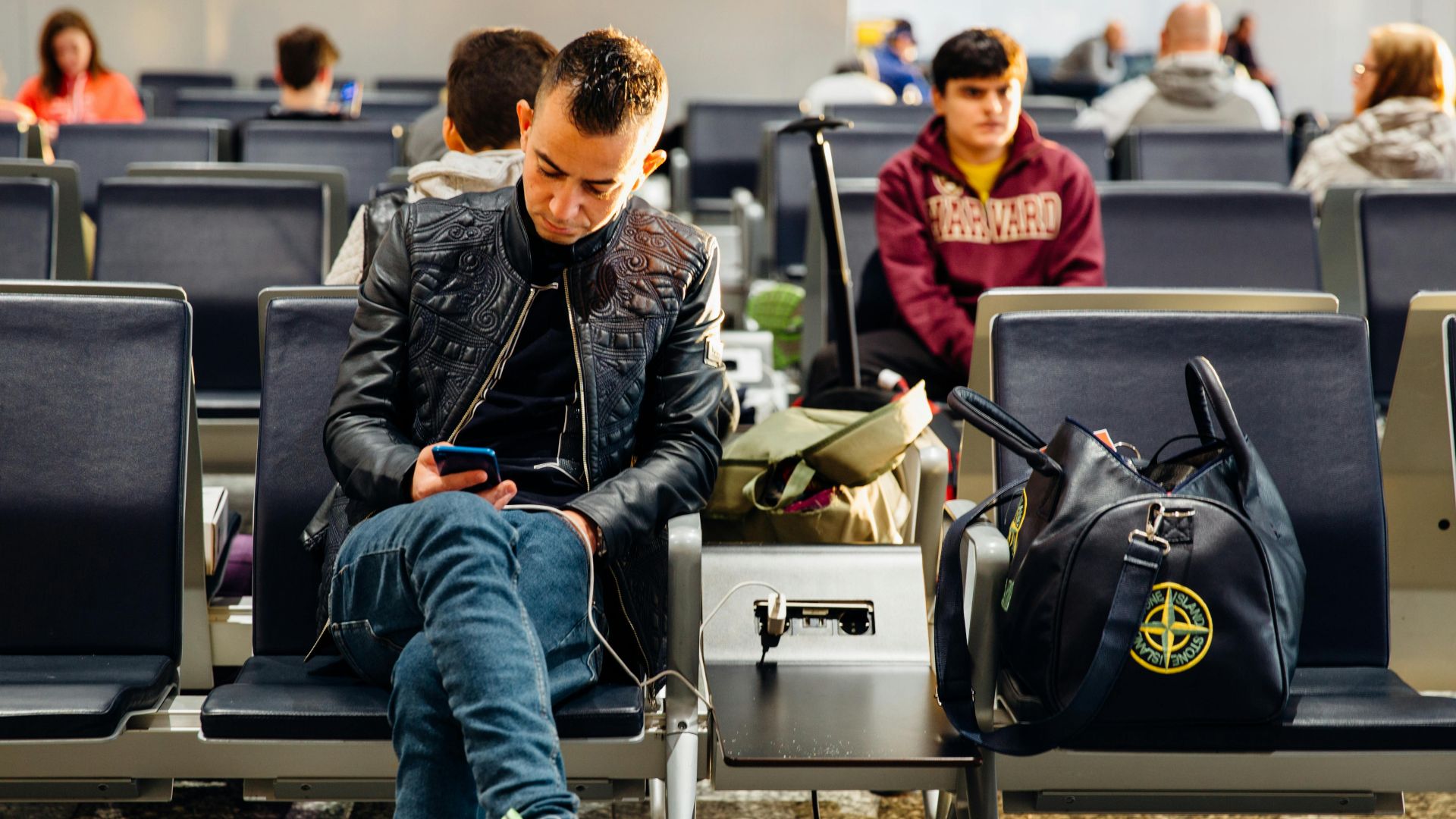
Do not wait until you land. As soon as the first flight starts to look shaky, contact both the operating airline and whoever sold the second ticket. Acting early can give you access to more seats and better backup options than waiting until the onward flight is gone.
What to Ask at the Airport Desk
Ask whether the airline can endorse or rebook you as a courtesy despite the separate ticket. Ask for the reason for the delay in writing if possible, because that can matter for insurance or compensation claims. If you are in the EU or UK, ask directly whether compensation rights apply to the delayed first flight.

Save Every Receipt and Screenshot
Keep your boarding passes, booking confirmations, delay notices, baggage receipts, and receipts for meals, hotels, and replacement flights. Paperwork can make or break a later claim. If an agent says the airline will not help because the connection was on a separate ticket, note the time, place, and what was said.

When the Airline’s Answer Is True but Incomplete
Saying you are on your own can be partly true in a practical sense, especially when it comes to rerouting after a missed separate-ticket connection. But it can also leave out important details if laws like EU261 or UK261 still create compensation rights for the delayed flight itself. It may also ignore help available through a travel agency guarantee, insurance policy, or airline goodwill.
The Safest Way to Avoid the Problem
If you want the most certainty, book the whole trip on one ticket. If you choose separate tickets to save money, leave a generous buffer and avoid the last flight of the day. A cheap fare can get expensive fast when one delay knocks everything else out of place.

So, Is the Airline Right?
Sometimes yes, but not always in the full legal or practical sense. A separate ticket usually means the airline does not have the same duty to protect your onward connection, but that does not automatically wipe out compensation, refund, insurance, or agency-guarantee options. The smartest approach is to treat separate tickets as higher risk and know exactly which protections still travel with you.