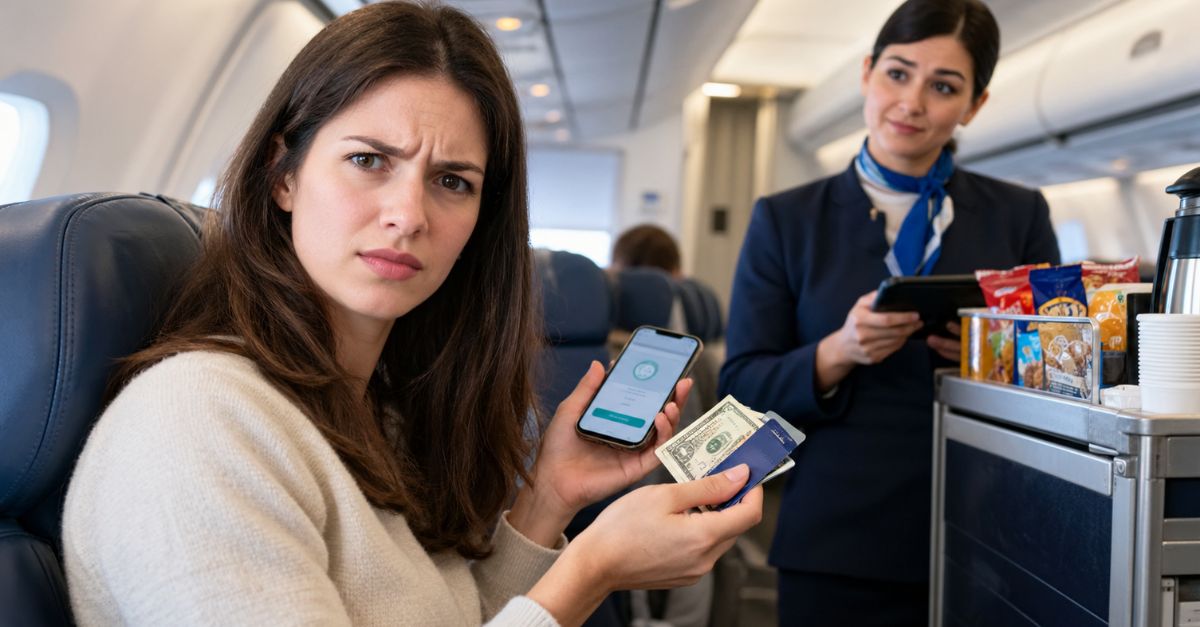
That Surprise From The Snack Cart
You board, get settled, and decide to buy a coffee or a snack. Then comes the curveball: the airline will not take cash, and it will not swipe your card either. On some flights, the only way to pay onboard is through the airline’s app.
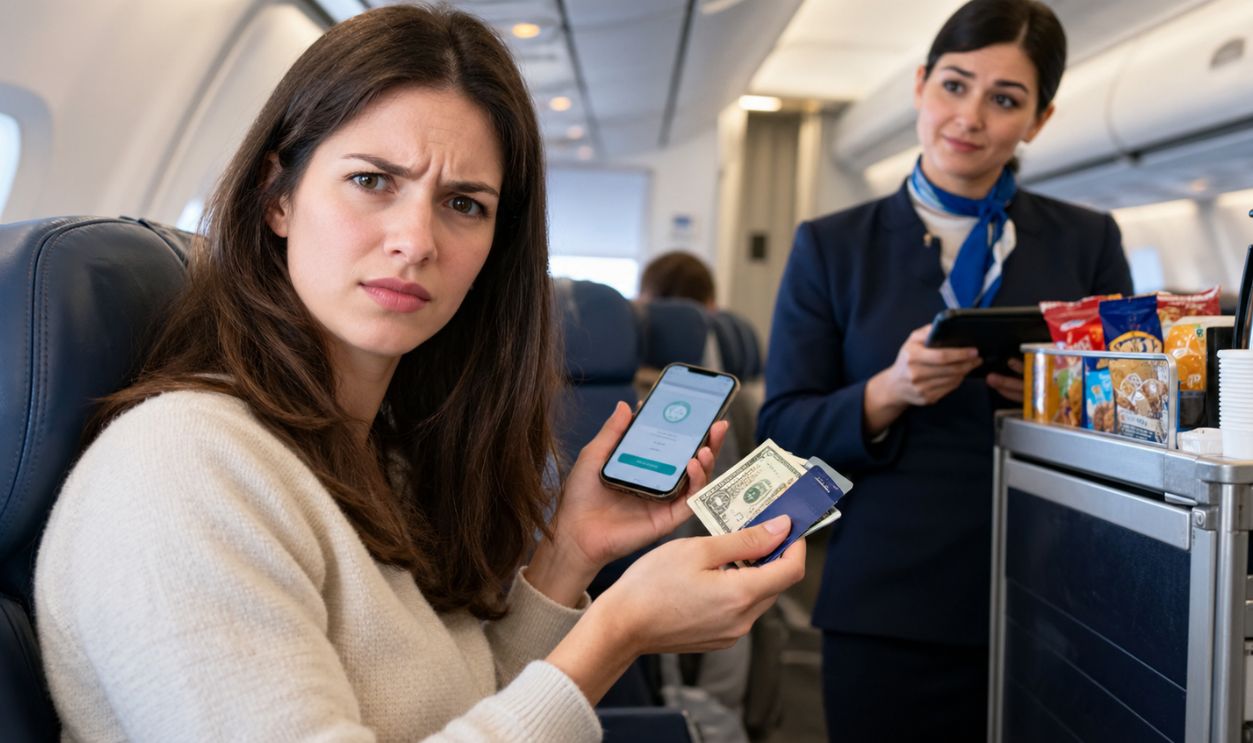
App-Only Flying Is Real
This is not a travel-forum myth. Several airlines have moved parts of onboard shopping into their apps, and some have gone cashless for years. The real question is not whether an airline can do this. It is whether passengers were clearly told ahead of time.
How This Became An Issue
The problem has come up more and more as airlines push digital ordering and contactless payments. Budget carriers in Europe were early to ditch cash in the cabin, and some airlines later added app-based ordering that changed how people pay in the air. That is where things get annoying for travelers: the card in your wallet may still be useless if the airline only processes orders through its own system.
Ryanair Helped Make Cashless Cabins Normal
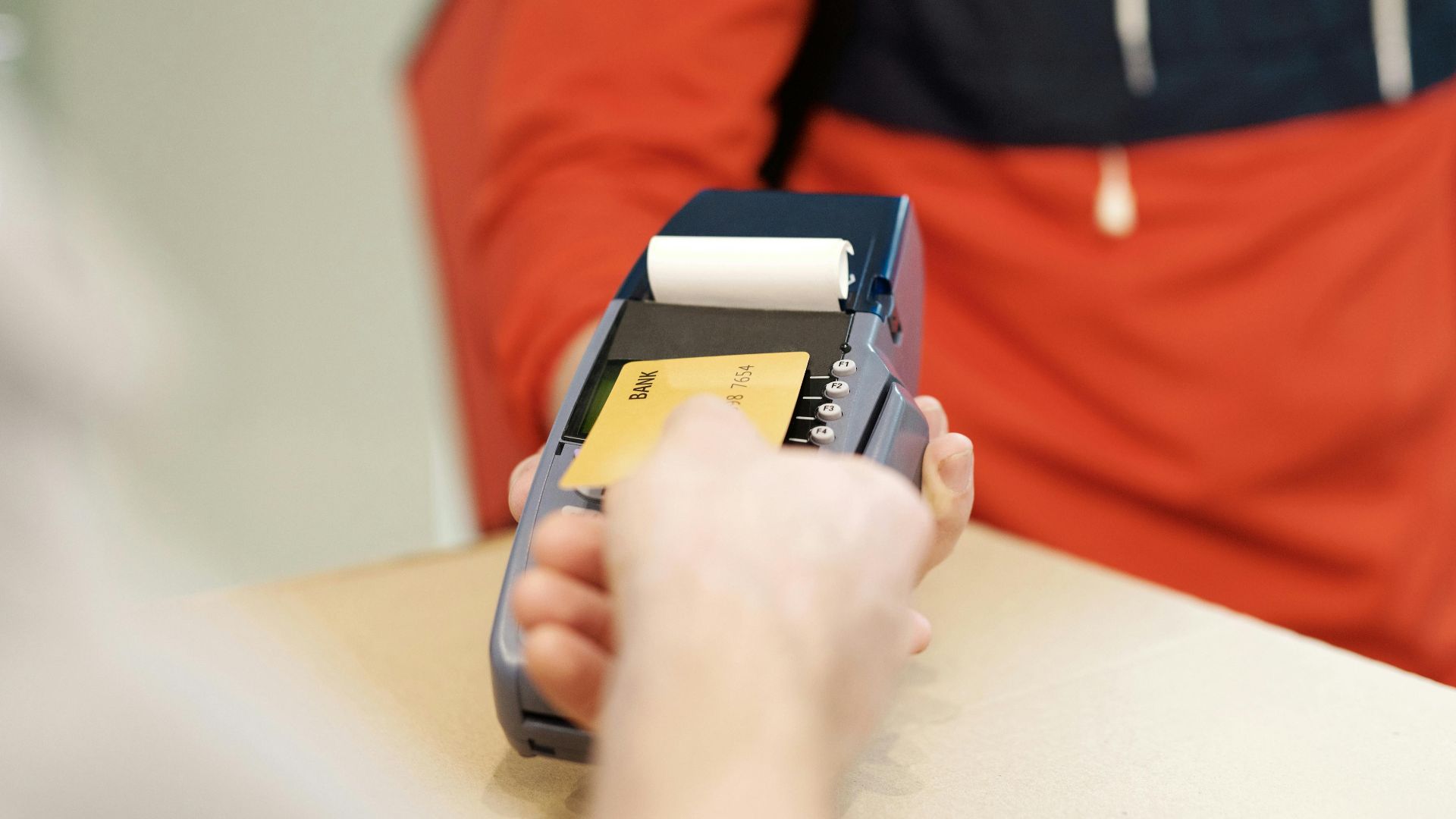
Ryanair is one of the clearest examples of the shift away from onboard cash. On its website, the airline says all inflight purchases are cashless and that it accepts card and contactless payments, with some limits and exceptions. That matters because it shows airlines have been warning passengers for a while that normal payment habits may not apply once the cabin door closes.
EasyJet Did The Same
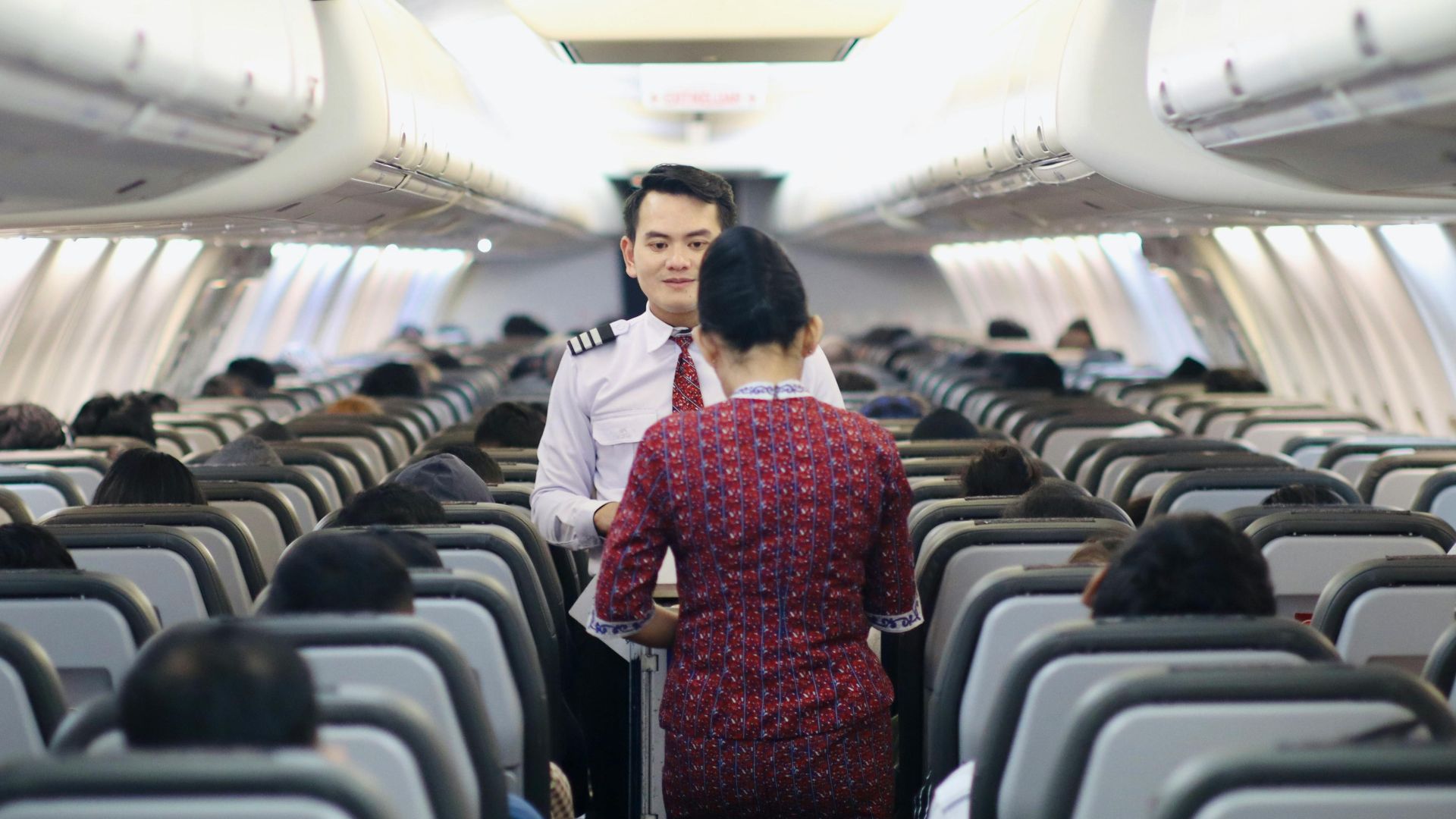
EasyJet also says it does not accept cash onboard. On its official food and drink page, the airline says passengers can pay with credit or debit cards, Apple Pay, and Google Pay. It is another sign that airlines can choose which payment methods they accept for inflight sales, as long as they spell it out.
Then The App Took Over
Going cashless is one thing. Going app-only is another. The change became more obvious when airlines started letting passengers order food, drinks, and duty-free items on their phones instead of through crew members carrying card readers.

AirAsia Built A Digital Retail Setup
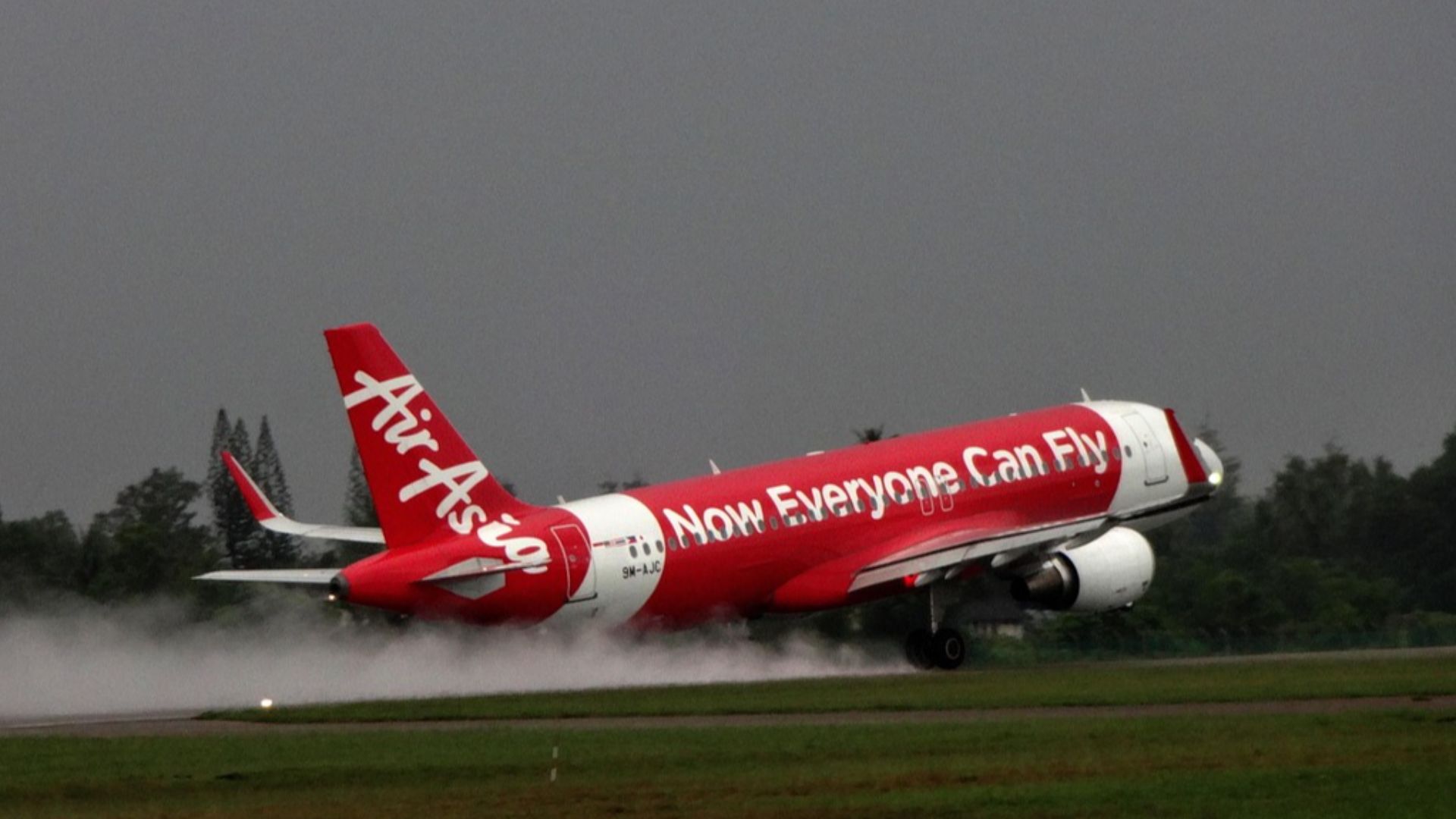
AirAsia has been especially open about this trend. In 2024, the airline promoted its airasia pocket superapp as a way for guests to pre-book meals and duty-free items before departure. Once ordering moves into an app, payment usually moves there too.
Preordering Changes When You Pay
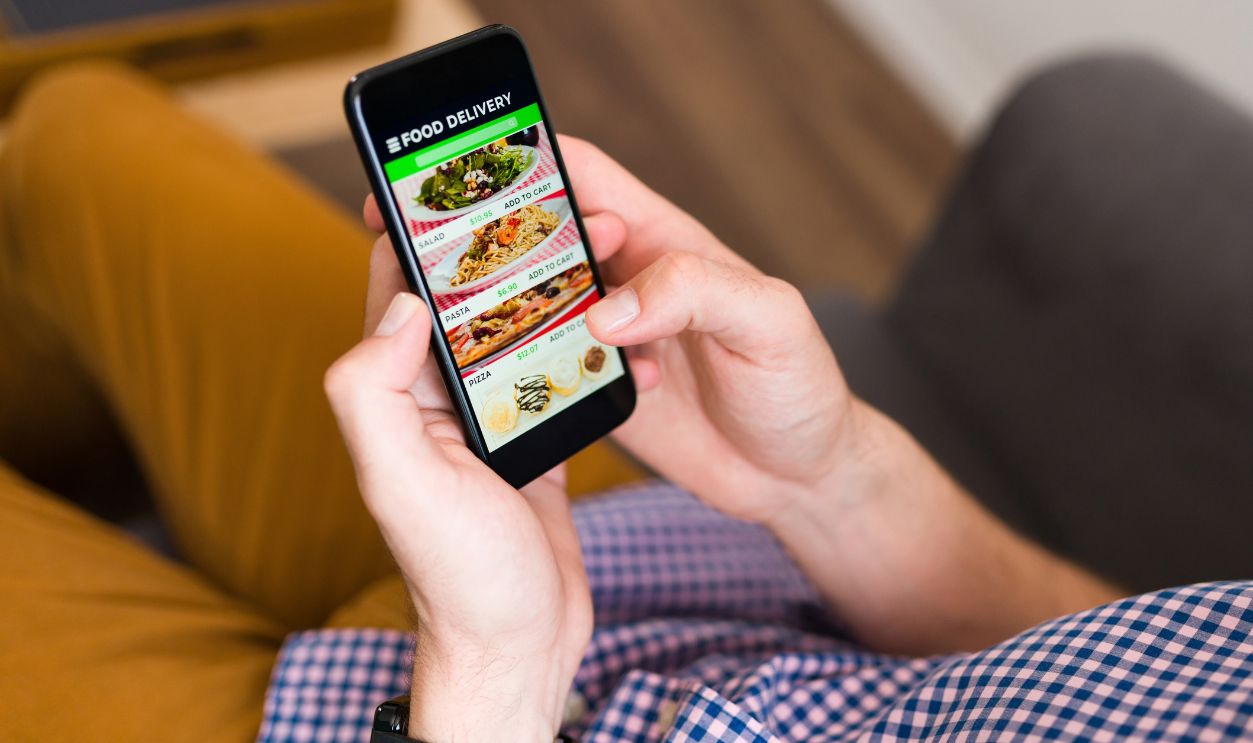
When you preorder through an app, you often pay before you even get to the airport. That can be handy if you want to lock in a hot meal or a specific item. But it can also throw off passengers who still expect to browse the cart and pay with a physical card in the aisle.
Sometimes It Is A Seatback Or Wi-Fi Portal Instead
Not every digital purchase needs a downloaded app, but the basic idea is the same. Some airlines use seatback screens or Wi-Fi portals for onboard ordering. In those setups, the airline still controls the payment channel, which can limit what kinds of payment work at 35,000 feet.
Can An Airline Legally Make It App-Only
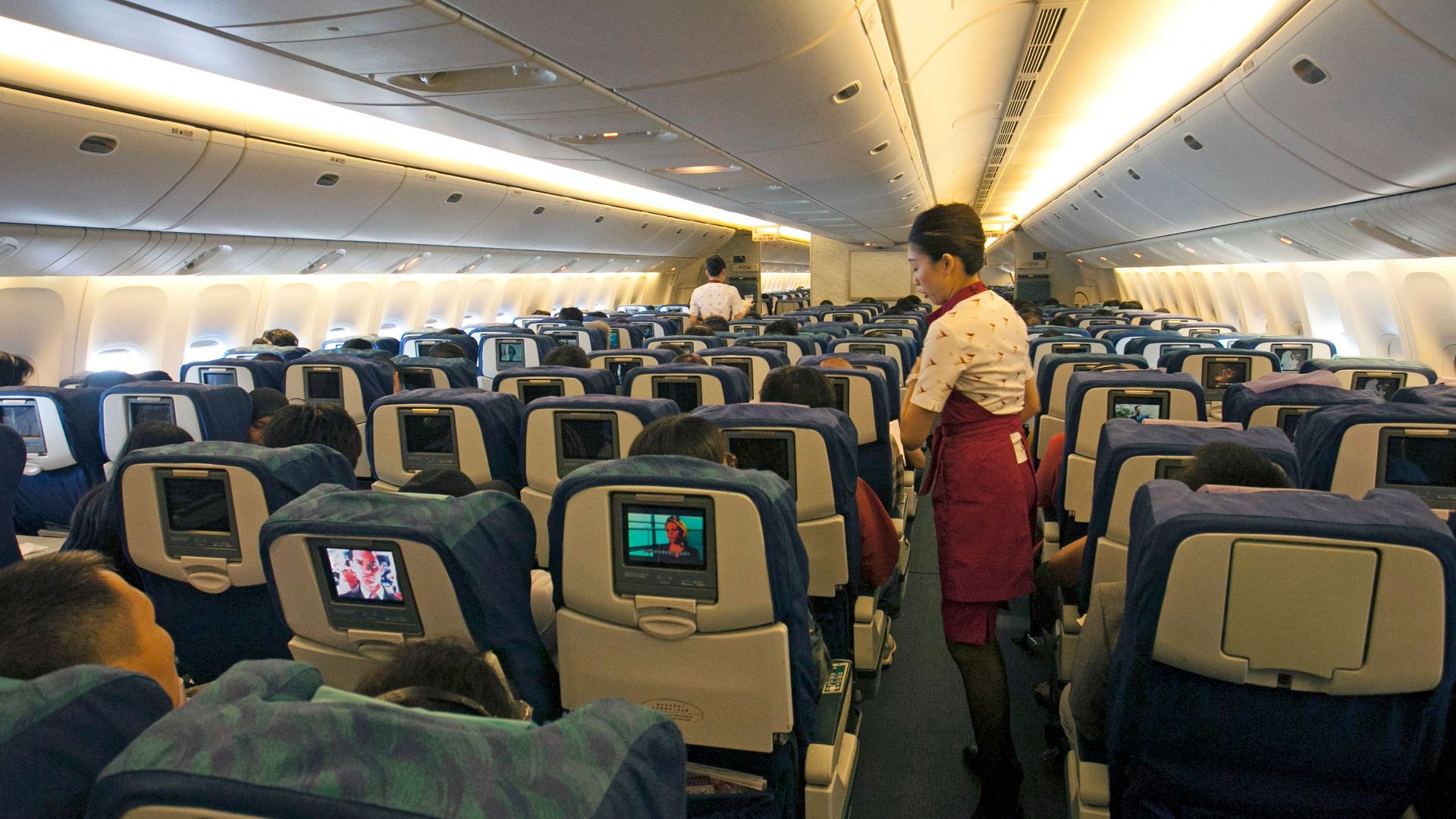
In general, yes. Airlines are private companies, and they can set onboard retail rules, including refusing cash and limiting payment methods, unless local consumer law says otherwise. Usually, the bigger legal issue is not the policy itself. It is whether the airline disclosed it properly and used it fairly.

No Broad Rule Says Airlines Must Take Cash In The Cabin
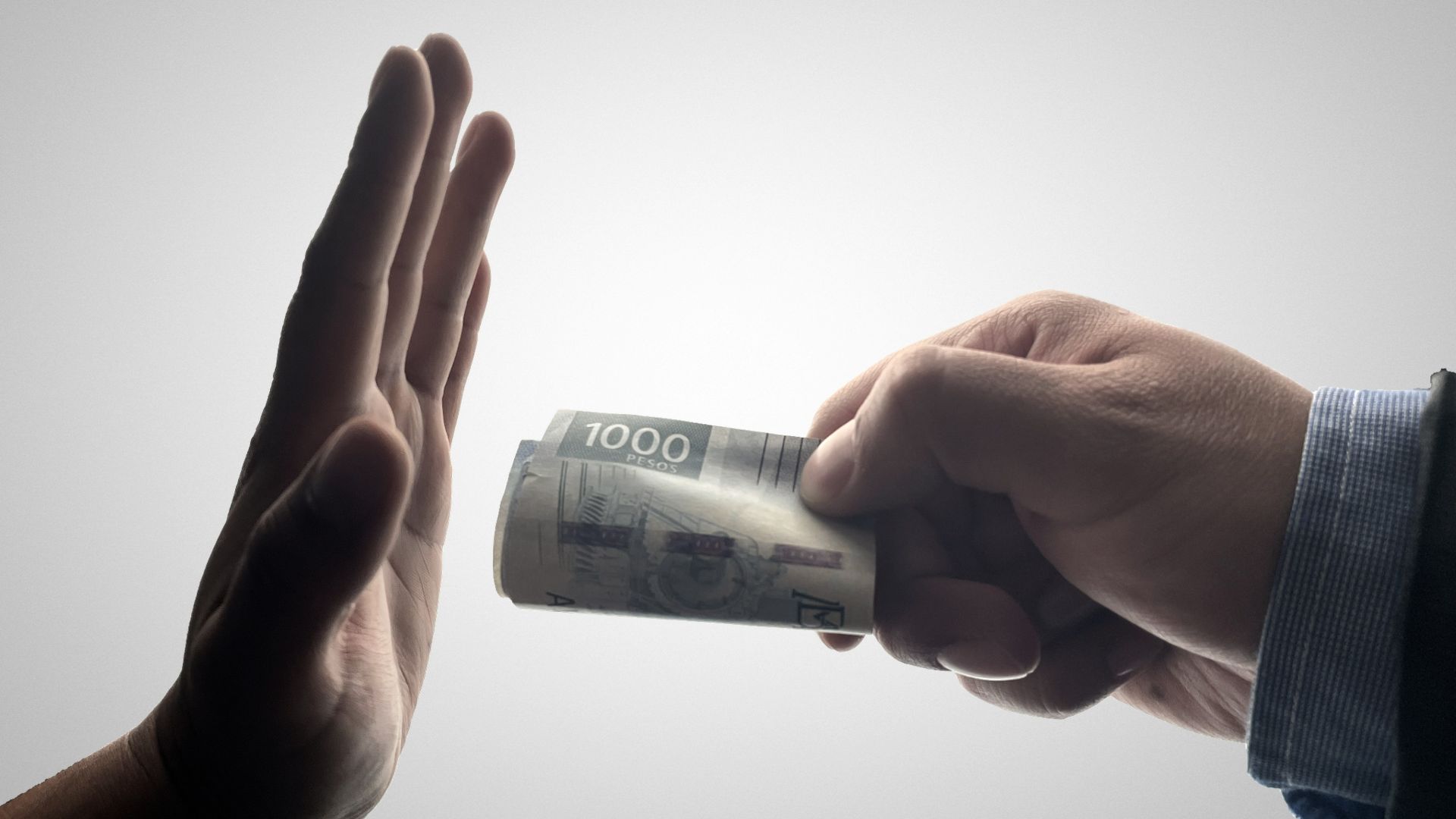
Many travelers assume cash must always be accepted because it is legal tender. That is usually not how private retail works. The U.S. Federal Reserve says there is no federal statute requiring a private business, person, or organization to accept cash for goods or services.
 Jesus Monroy Lazcano, Unsplash
Legal Tender Does Not Mean Every Business Has To Take It
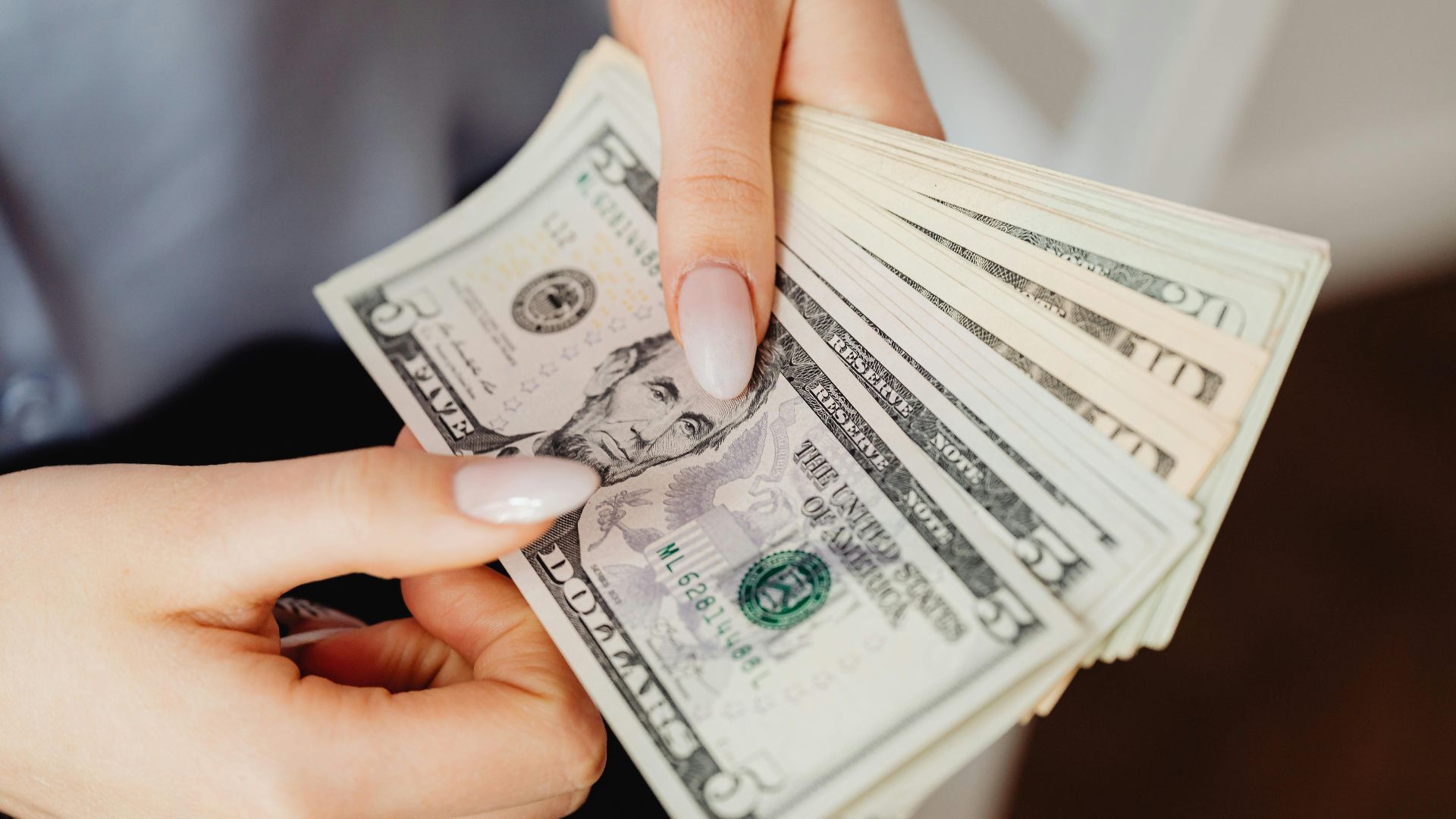
The term “legal tender” sounds more sweeping than it is. It means U.S. coins and currency are valid for debts, public charges, taxes, and dues, but businesses can set their own payment policies unless state law says otherwise. That catches a lot of people off guard.
State And Local Rules Can Muddy The Picture
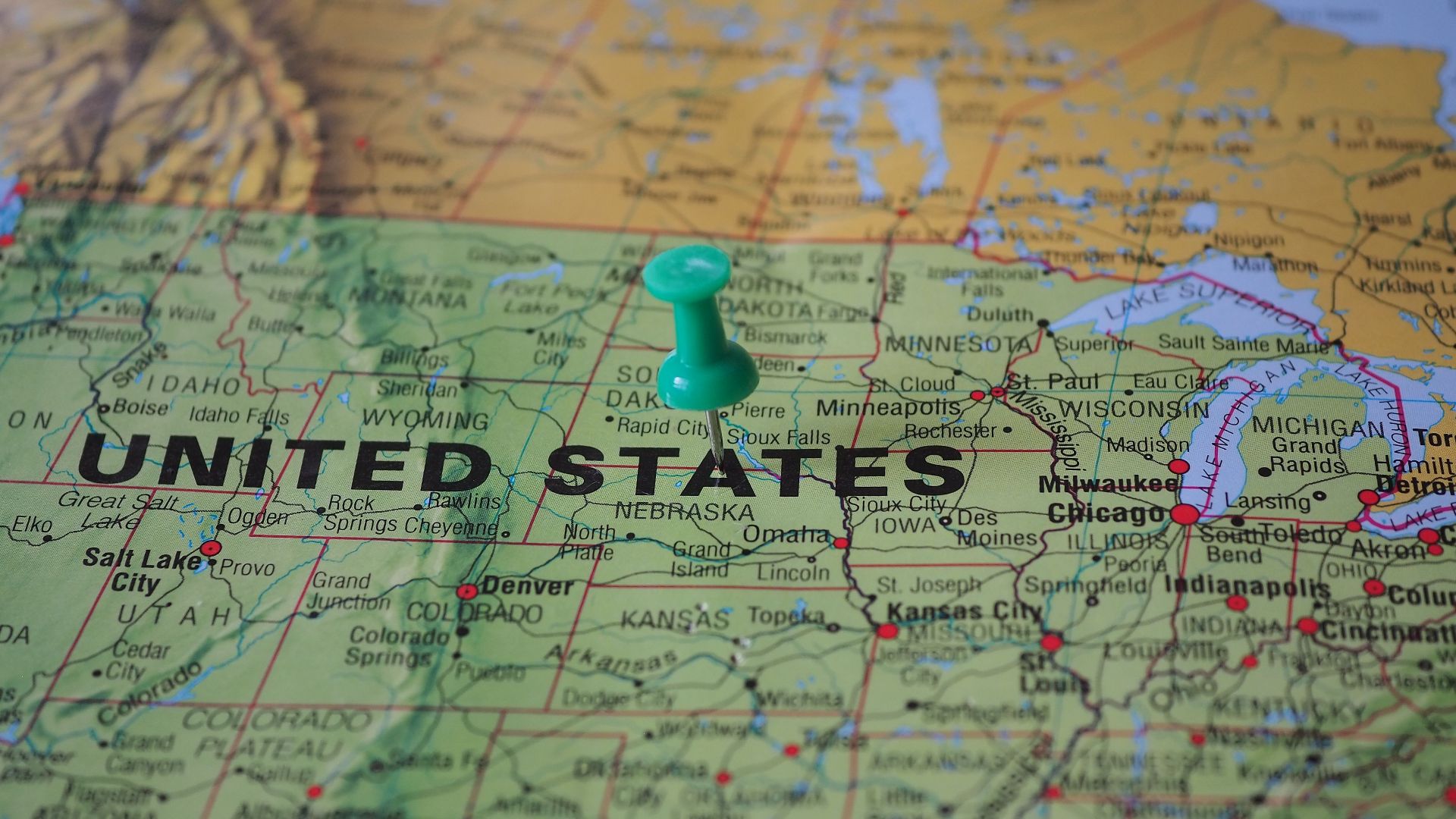
Some U.S. states and cities have put limits on cashless retail, though those laws are aimed mostly at businesses on the ground. Massachusetts has long had a law requiring retailers to accept cash, and places like New York City, San Francisco, and New Jersey have adopted anti-cashless rules in some situations. Even so, there is still no simple nationwide rule for airline sales onboard.
Flights Create A Jurisdiction Headache
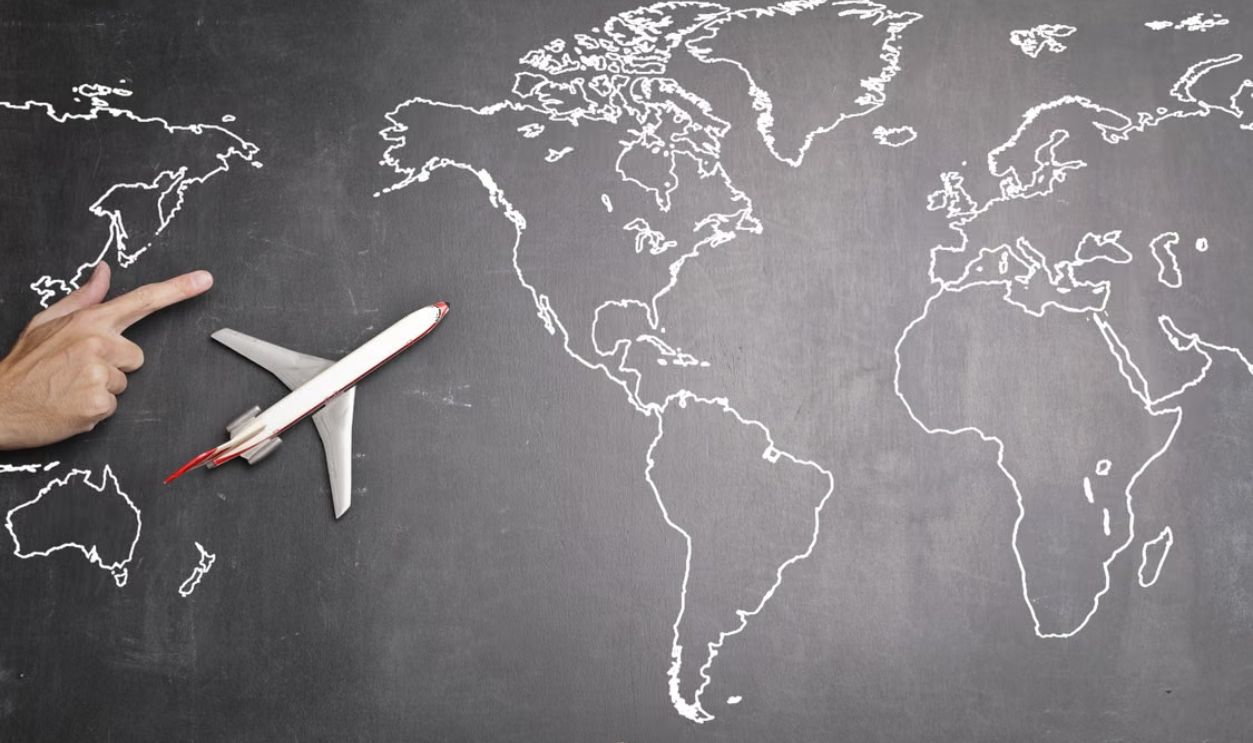
An airline can be based in one country, leave from another, and pass through several legal systems in a single day. That makes onboard sales a lot less straightforward than buying lunch in a store. In practice, the airline’s terms and the law tied to the ticket contract often matter more than what a passenger expects.
Disclosure Is Where The Fight Usually Is
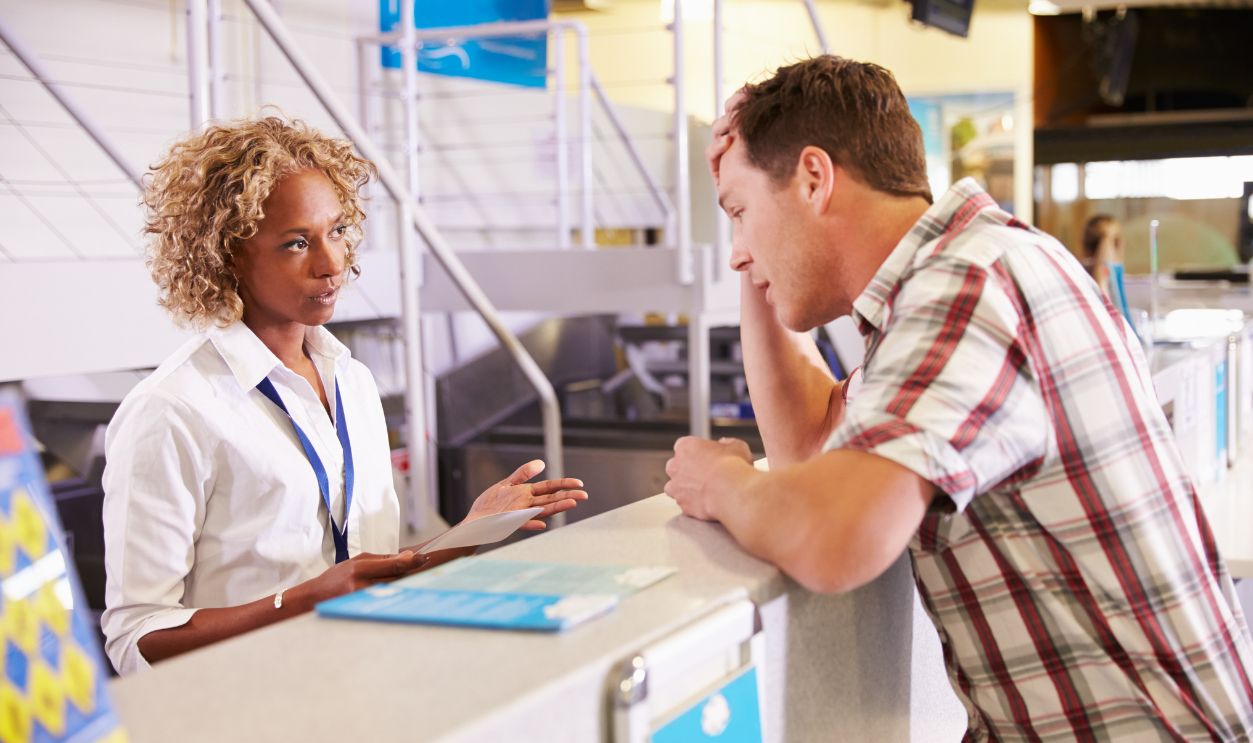
If a flight is app-only for certain purchases, passengers should know before they are stuck in seat 27B with no options. If the policy is buried where no normal traveler would ever see it, complaints are not hard to imagine. The fairest way to handle digital-only sales is clear notice during booking, check-in, or preflight emails.
Accessibility Is A Real Concern
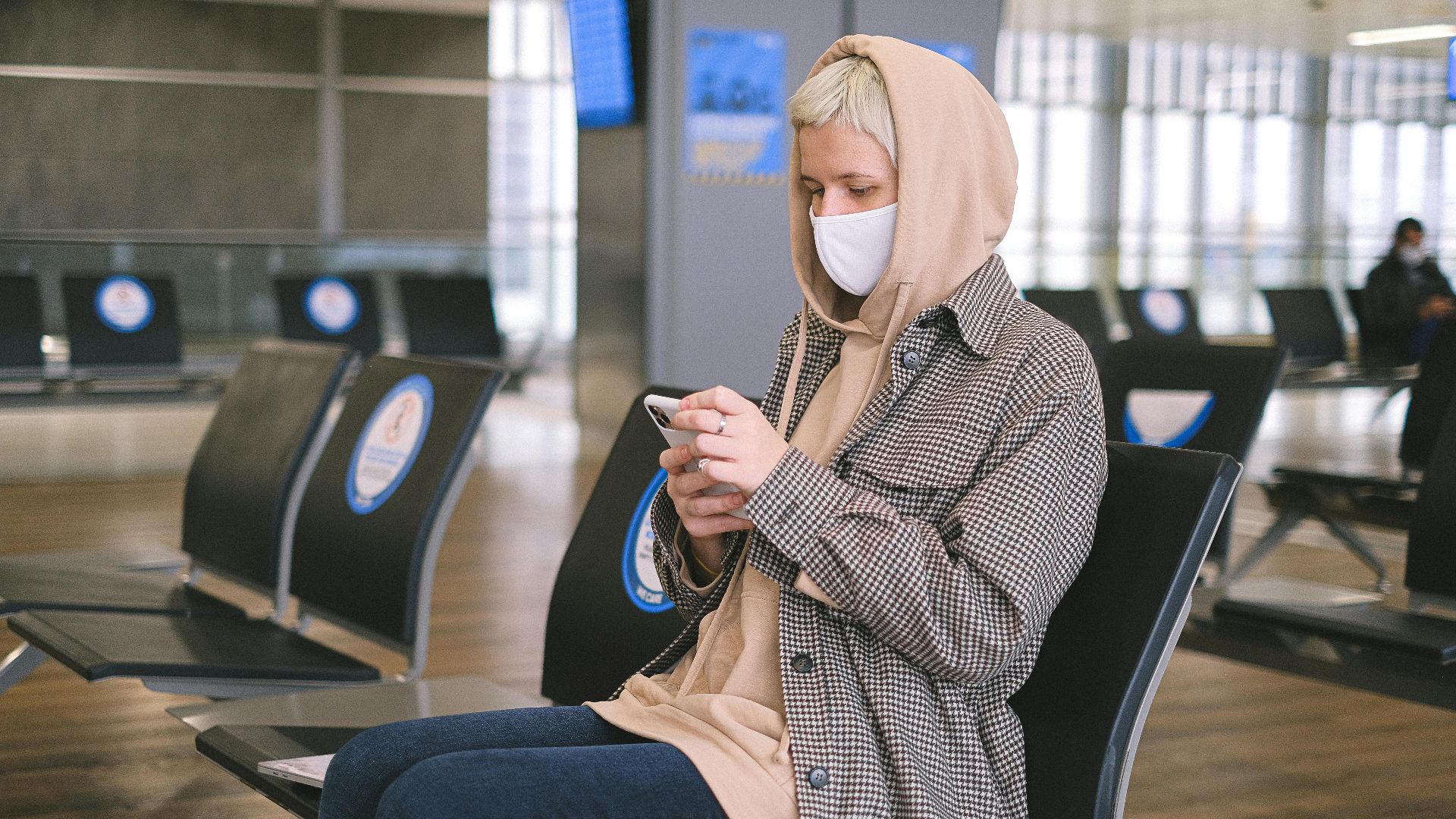
An app-only policy can hit some passengers harder than others. Not everyone has a compatible smartphone, a charged battery, mobile data before boarding, or the eyesight and hand control needed to use a small screen easily. That does not automatically make the policy illegal, but it raises obvious customer-service and accessibility problems.
International Travelers Can Get Caught Out Fast
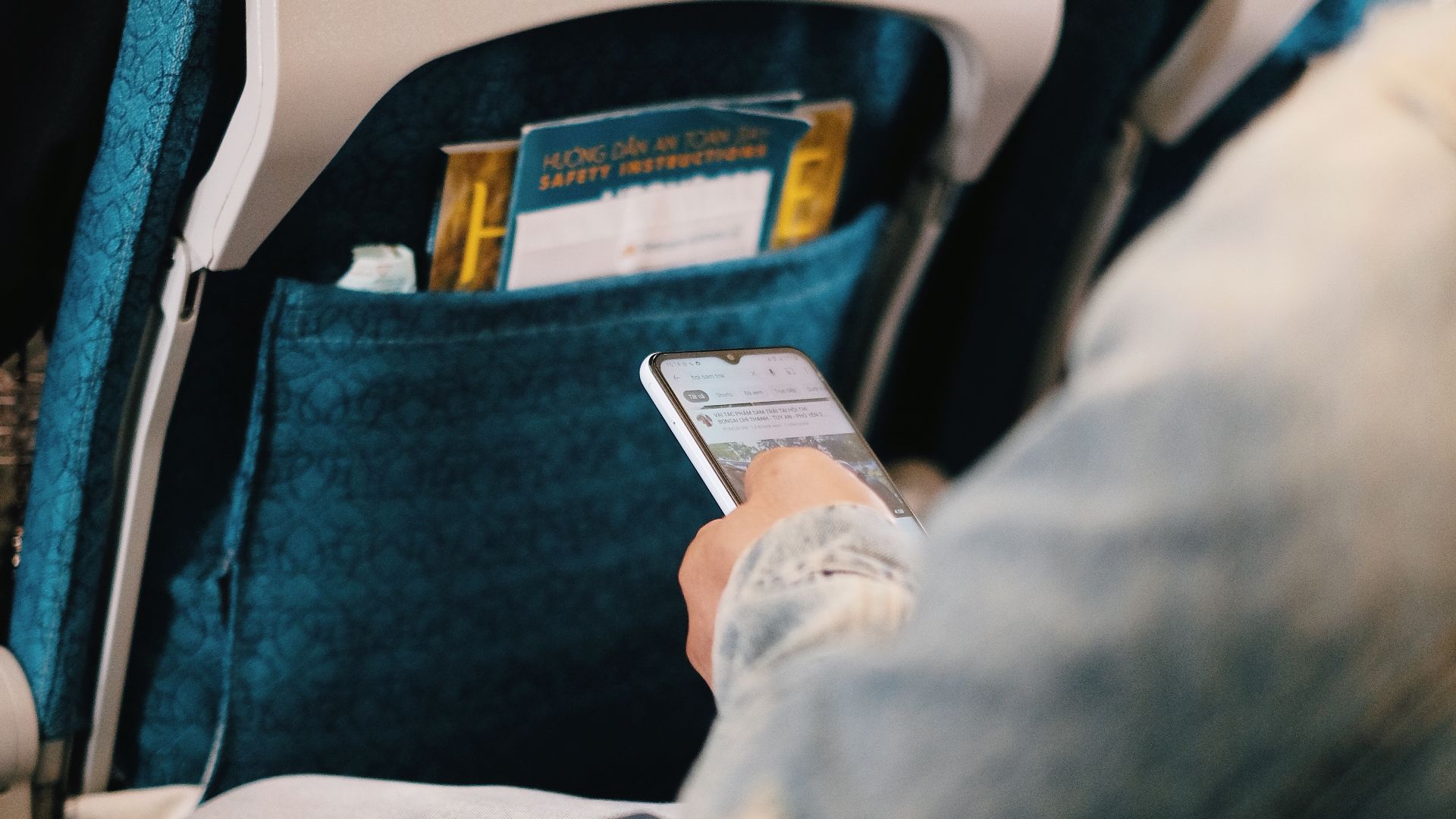
App-based payment can be especially awkward for international travelers. They may not have roaming service, may run into app-store limits tied to their home country, or may use cards that trigger extra verification steps. A system that feels smooth in the airline’s home market can get messy quickly for visitors.
 Monkey Business Images, Shutterstock
Dead Phone, No Purchase
The downside of app-only shopping is simple. If your phone dies, you may be locked out of the airline’s system even if you have cash and several cards in your bag. That is one reason many travelers still want at least one non-app backup.
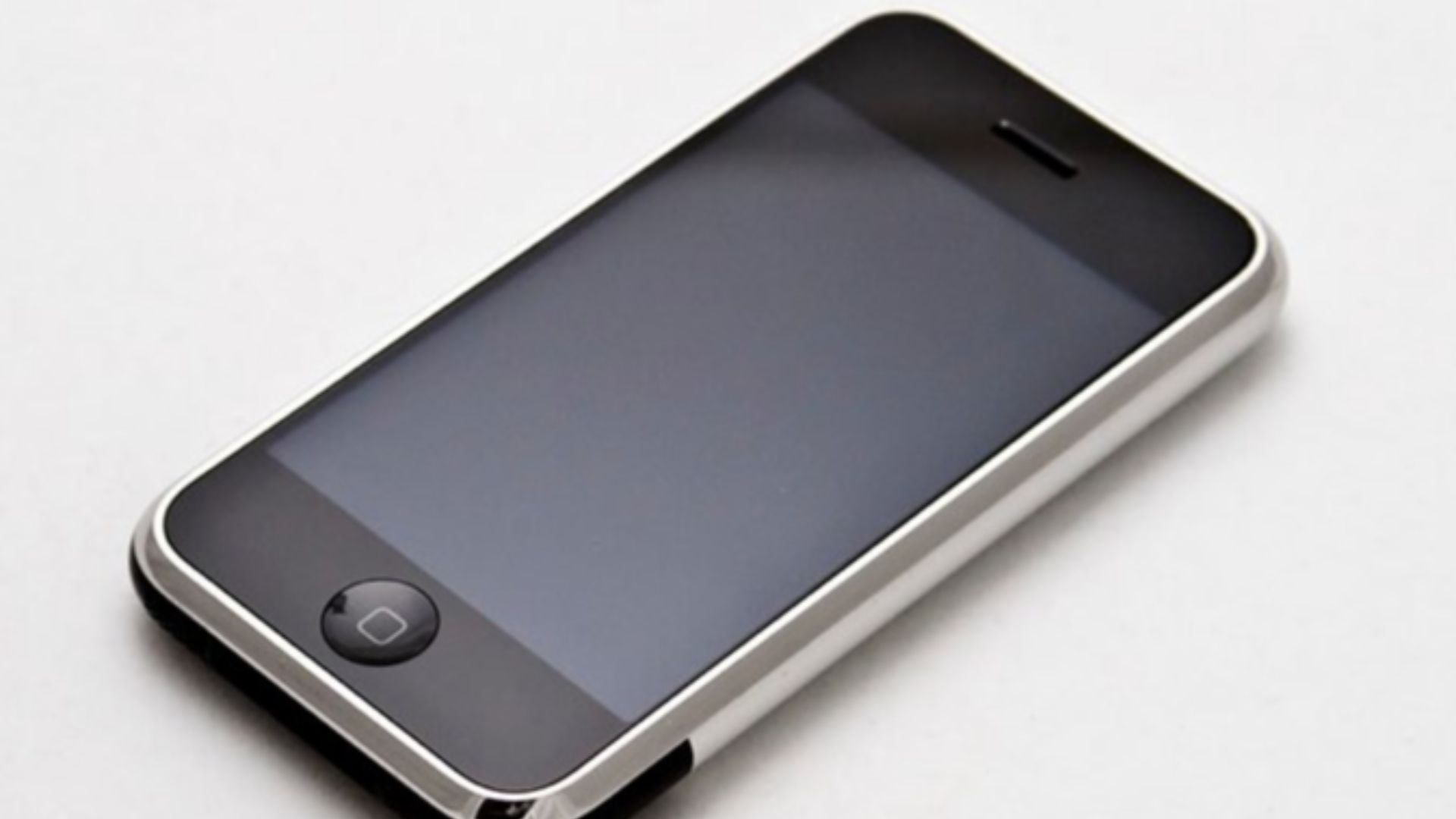 Carl Berkeley from Riverside California, Wikimedia Commons
Airlines Like The Speed
From the airline’s side, digital ordering can make service faster and cut down on cash handling. It can also reduce fraud risk, improve inventory tracking, and push more preorders, which are easier to manage than guessing what people will buy from the cart.
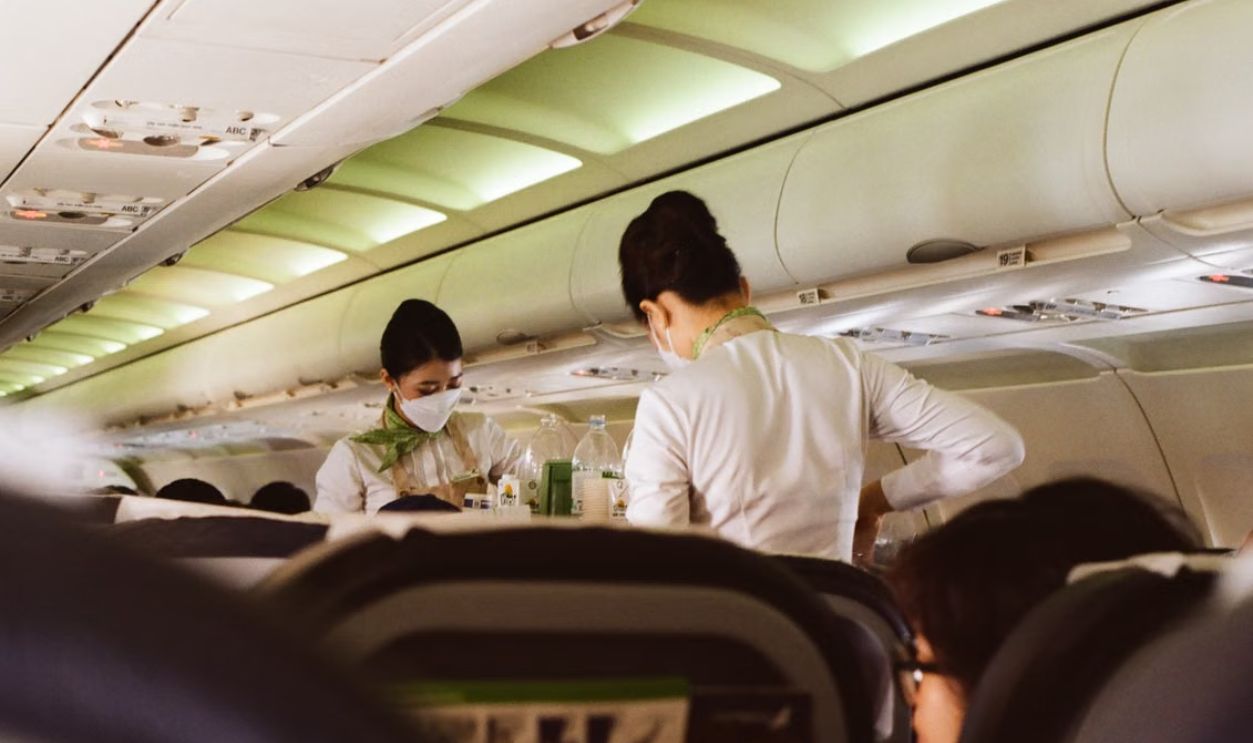
There Is A Sales Angle Too
Airline apps are not just payment tools. They are also marketing channels for meal deals, duty-free offers, and upgrades before and during the trip. The more passengers use the app, the more chances the airline has to sell extras, and that matters a lot in modern air travel.
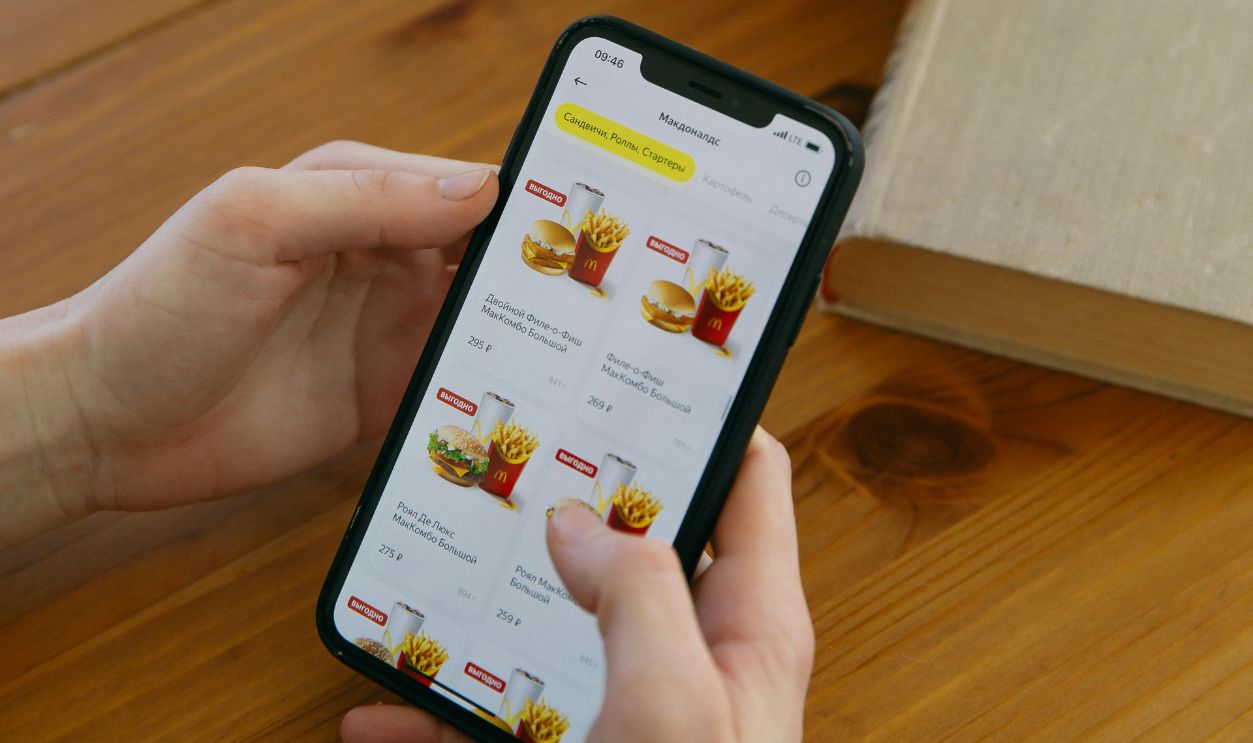
Consumer Watchdogs Usually Care Most About Notice
When people complain, the strongest argument is often not “you should have taken cash.” It is “you never really told me.” Regulators and consumer advocates tend to focus on transparency, especially when passengers cannot simply walk away and buy somewhere else.

What To Check Before You Fly
Look at the airline’s official food, drink, and onboard shopping pages before your trip. Search for terms like “cashless,” “contactless,” “preorder,” and “app.” If the policy still is not clear, open the airline’s app before you leave home and see whether ordering and payment happen there.
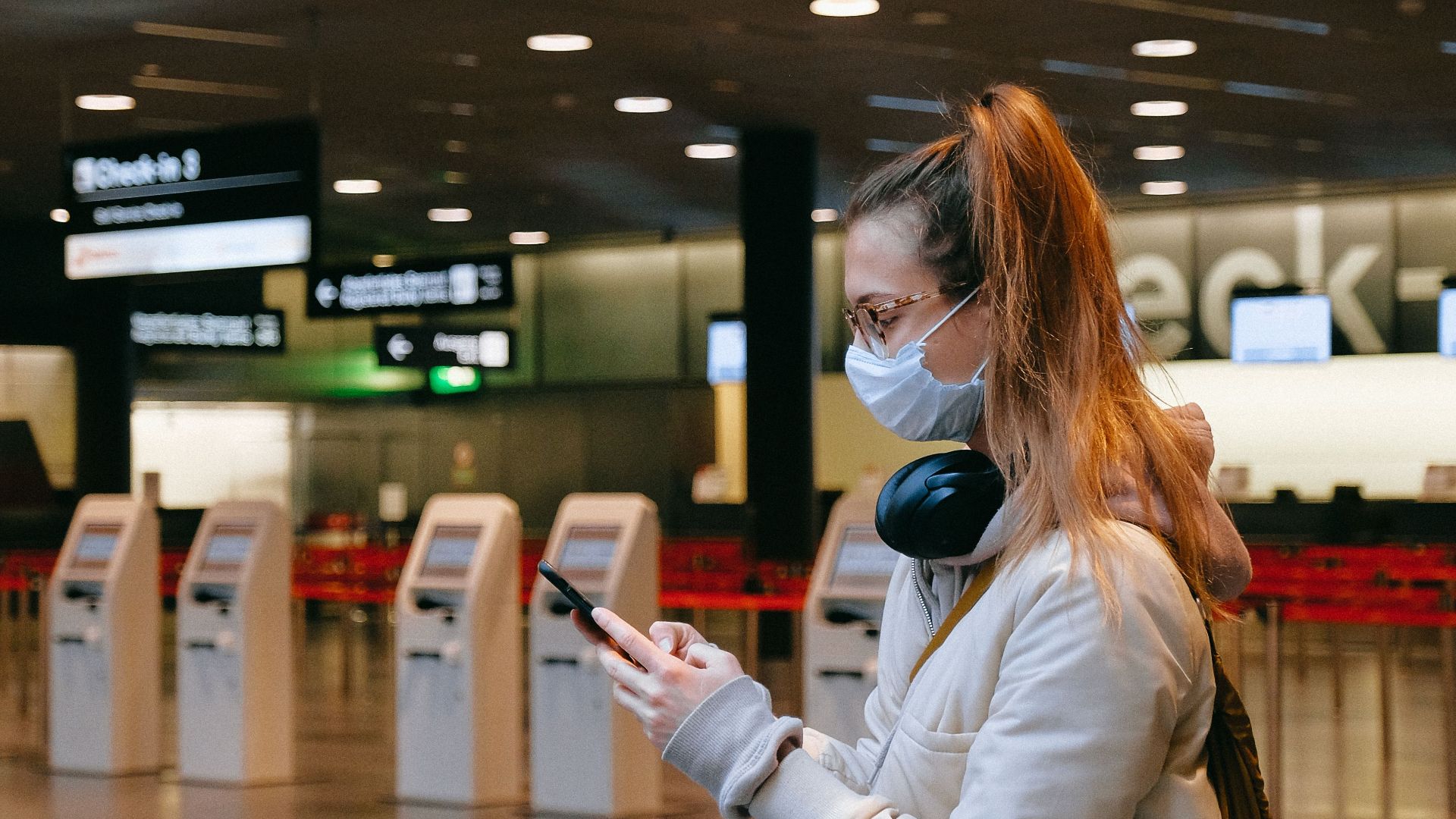
Download The App Before You Get To The Gate
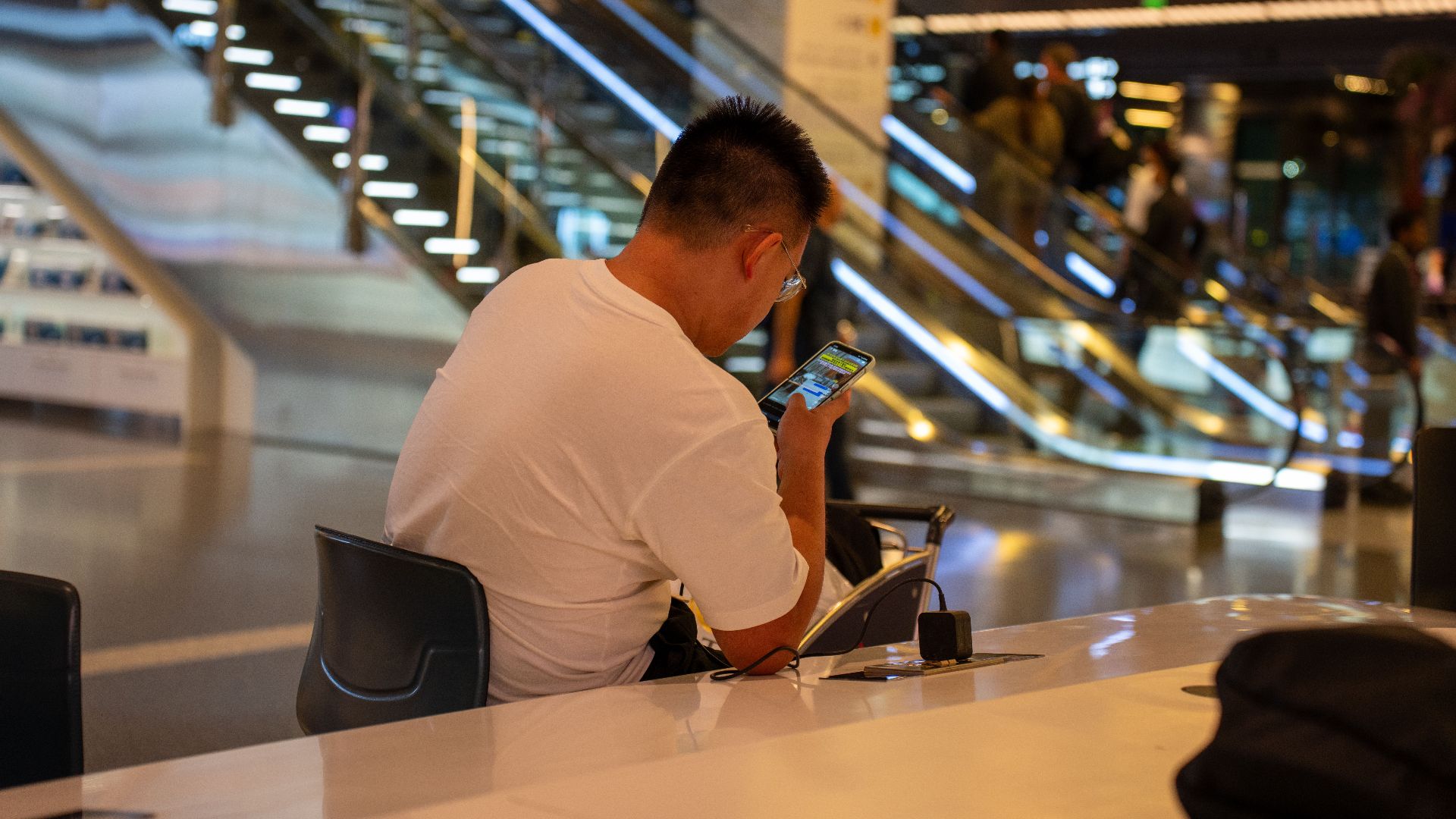
If your airline uses app-based purchases, do not wait until boarding to figure it out. Download the app while you still have solid internet, sign in, and save a payment method ahead of time. A few minutes of prep can save a very frustrating surprise in the air.
Have A Backup Plan
Even when an airline says cards are accepted onboard, systems can fail. Bring a snack, and buy water after security if airport rules allow. On a longer trip, a portable charger may be just as useful as anything else in your carry-on.

If You Were Not Told, Make A Clear Complaint
If an airline refused your cash and your cards because everything had to go through its app, document it. Take screenshots of the airline’s policy pages and your booking emails, then file a complaint with customer service explaining exactly what was not disclosed. If the flight involved the United States, you can also file a complaint with the U.S. Department of Transportation.
The Bottom Line For Travelers
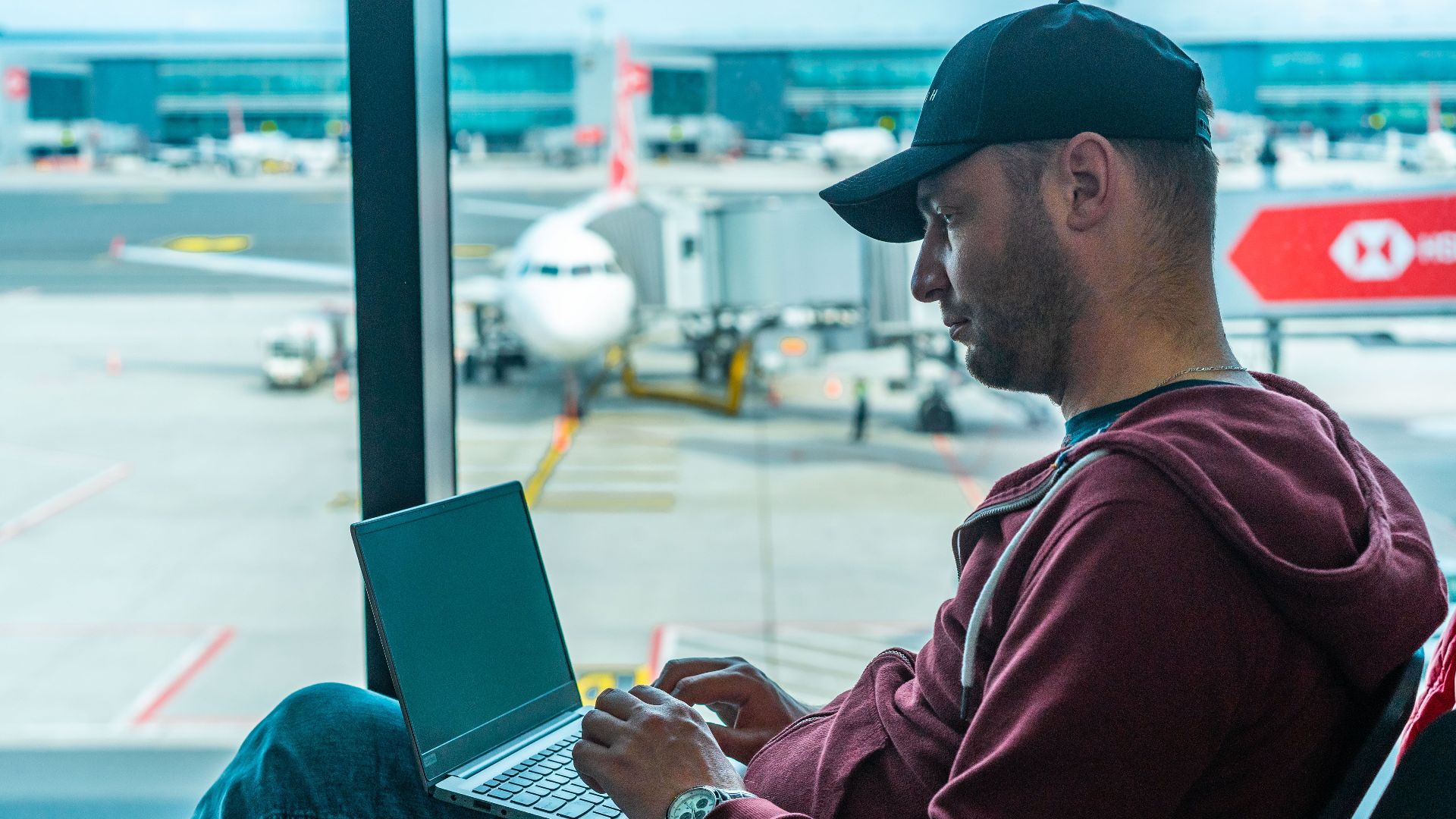
Yes, a flight really can be app-only for onboard purchases, or at least app-dependent for some products and services. There is no blanket rule forcing airlines to take cash, and private businesses usually have wide leeway to choose payment methods. The big issue is whether the airline gave passengers fair warning and a real chance to prepare.
Why This Matters More Than It Sounds
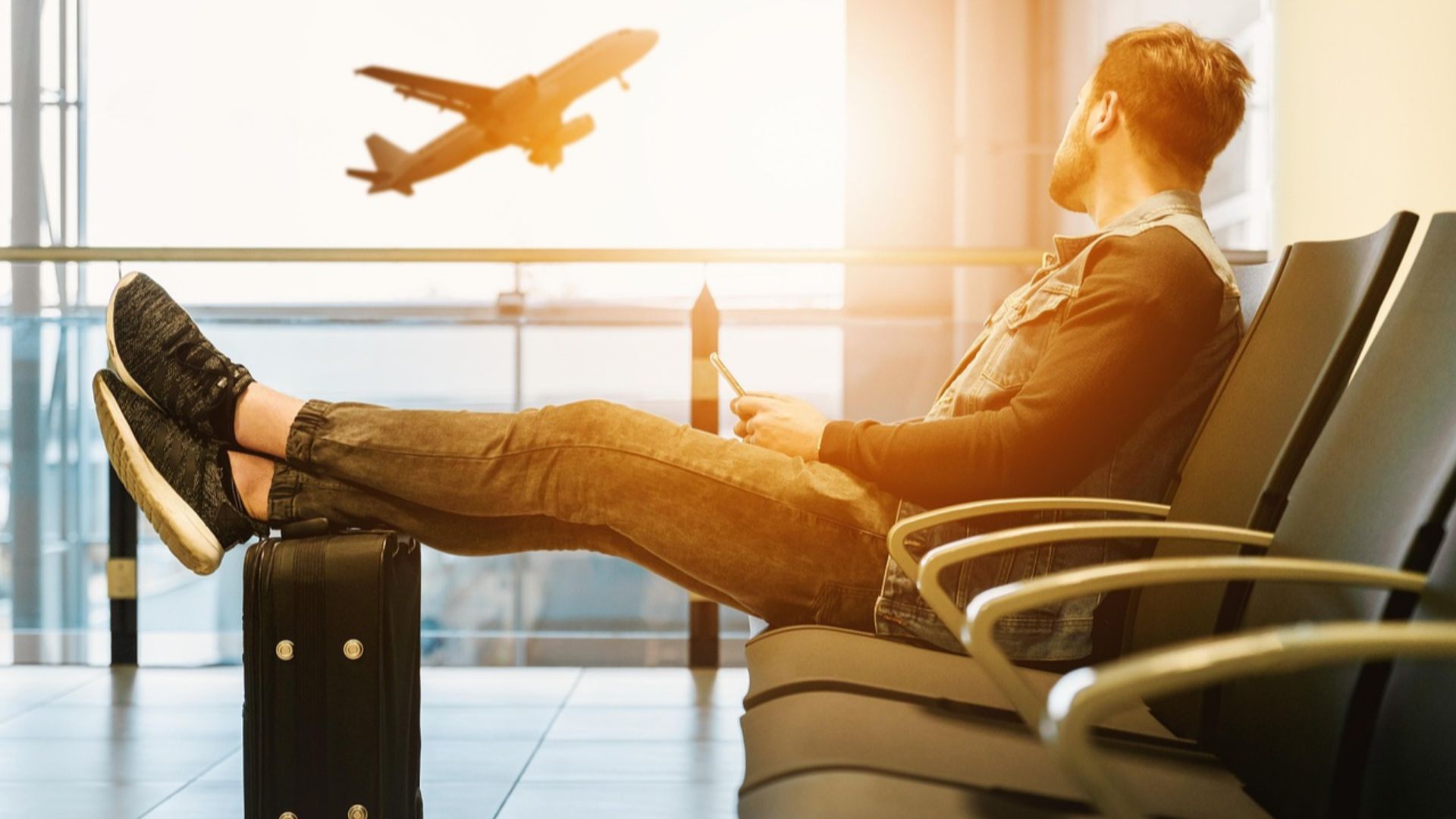
Getting turned down for a coffee at cruising altitude is a small problem. But the same digital-only approach is spreading across travel, from bag fees to lounge access to airport food orders. Travelers who handle it best are the ones who treat the airline app as part of the trip, not just an extra.