The Airport Offer That Sounds Too Good To Miss
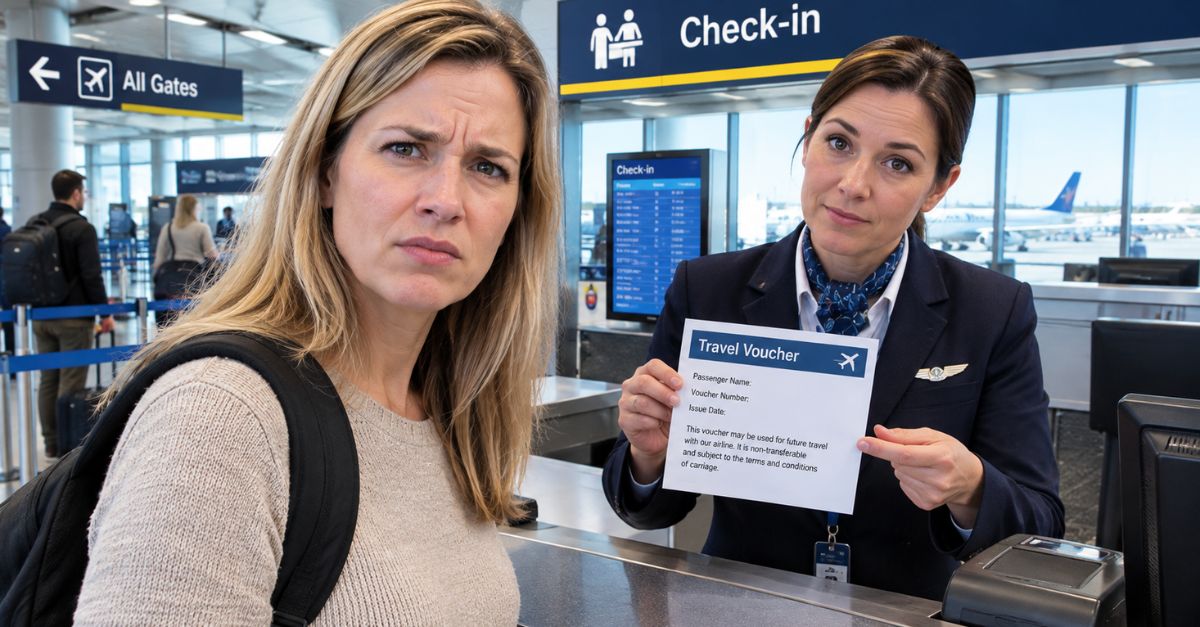
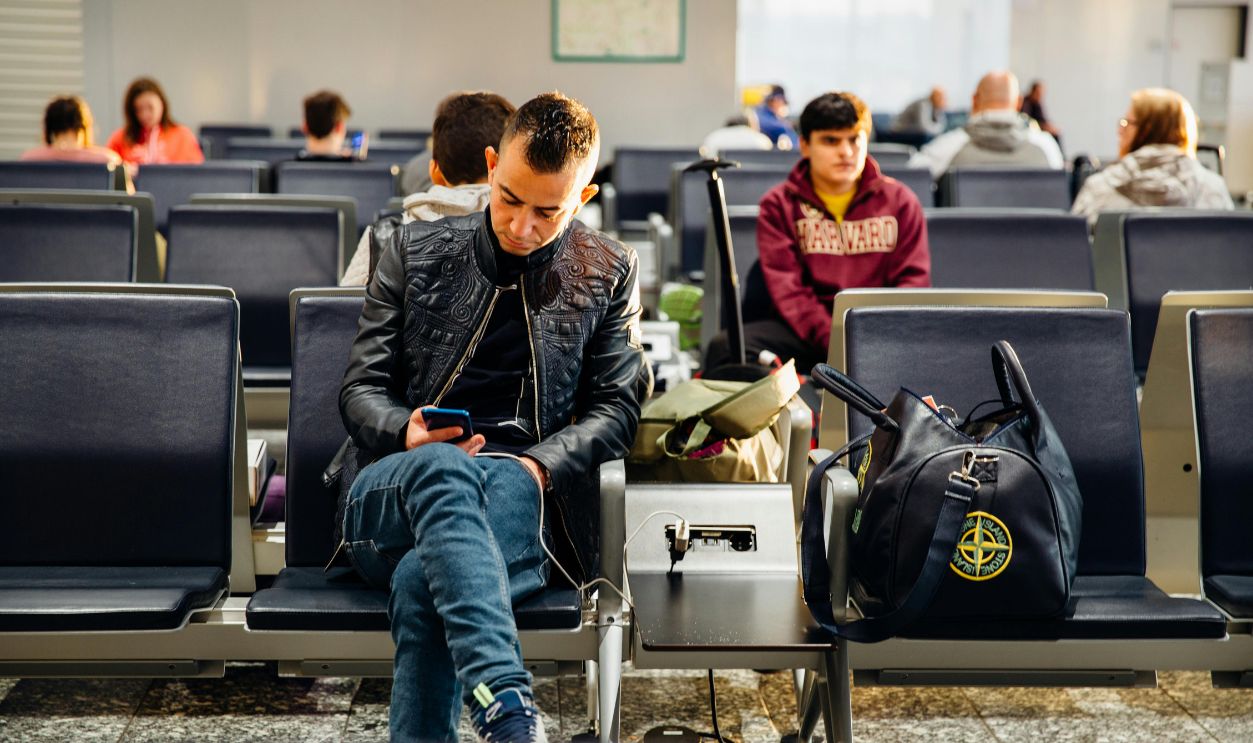
You are at the gate, your flight is delayed, and the airline offers $1,200 if someone will take a later flight. It sounds easy enough. Give up your seat, take the money, and move on. But some travelers later find out the amount changed, or that the payment is a voucher instead of cash. That is when the trouble starts.
Why This Happens So Often
In the United States, airlines can legally oversell flights. Before they deny boarding to anyone against their will, they usually ask for volunteers. The U.S. Department of Transportation says airlines first look for passengers willing to give up their seats in exchange for compensation the airline chooses to offer. These deals often happen fast, at a crowded gate, with people making snap decisions.
The One Question That Changes Everything
The key issue is simple. Did you volunteer, or were you involuntarily denied boarding. If you volunteered, your rights mostly depend on the deal you agreed to. If you were bumped against your will, federal compensation rules are much clearer.
 ShotPrime Studio, Shutterstock
What Federal Rules Say About Volunteers
The Department of Transportation says airlines can negotiate compensation with volunteers at the gate. That compensation can be a free ticket, a travel voucher, or some other credit instead of cash or a check. DOT also warns travelers to ask about restrictions before agreeing, because the value of those offers can be very different from what they first seem.
What Airlines Have To Tell You Before You Agree
Federal rules say airlines must tell passengers about any important limits on free tickets, travel credits, vouchers, or checks offered instead of cash. That matters when a big dollar amount is advertised without mentioning blackout dates, expiration dates, or route limits. If those terms were left out when you agreed, that could be the center of your complaint.
 Frame Stock Footage, Shutterstock
If You Were Involuntarily Bumped, The Rules Change
For passengers who are involuntarily denied boarding, DOT rules are much more specific. Compensation usually depends on the price of your ticket and how long your arrival is delayed at your final destination. DOT also sets a maximum payout, and eligible passengers generally must be paid promptly.
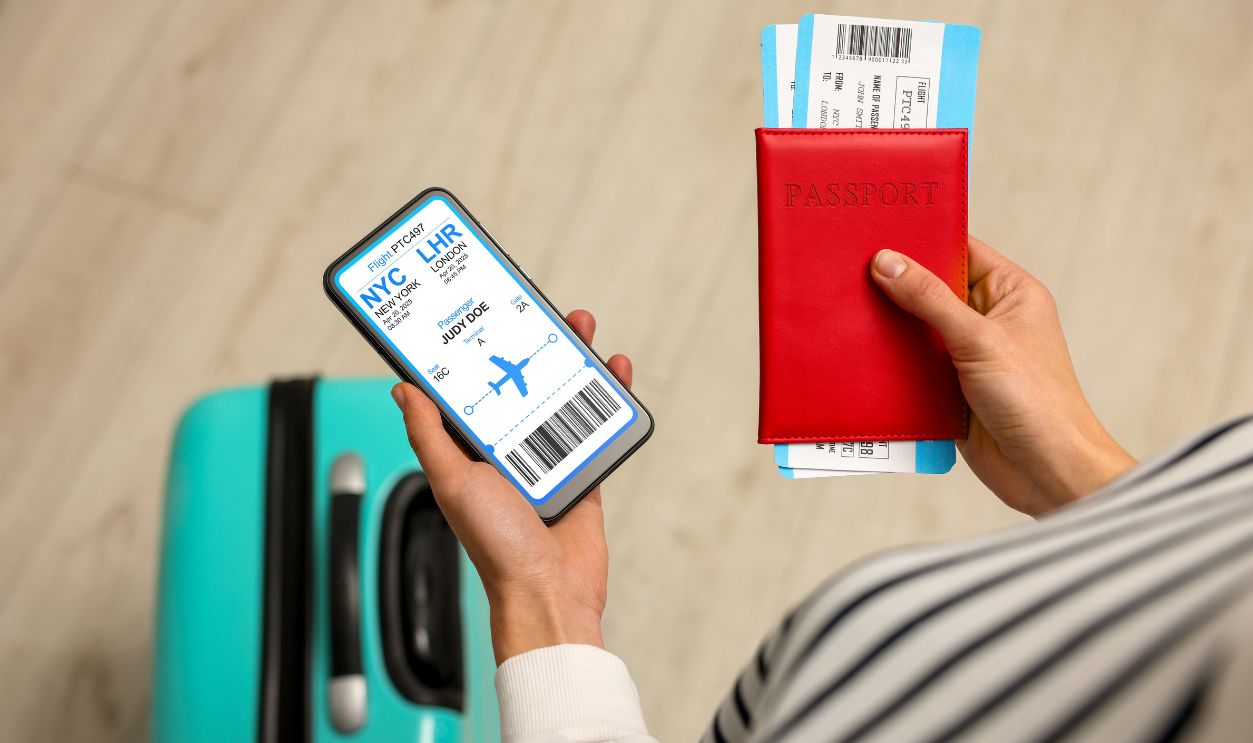
A $1,200 Gate Offer Is Not Always The Final Deal
That is the hard part. A verbal offer at the gate may not tell the whole story, especially if it was made quickly or subject to later processing. If the written terms you accepted ended up being for a smaller voucher, the airline may argue that was the real agreement.

But Airlines Cannot Just Change The Terms At Will
If an airline clearly offered $1,200 in a specific form and you agreed on that basis, cutting the amount later raises a real consumer issue. At the very least, it may support a complaint to the airline and to DOT. Depending on the facts and state law, it could also become a contract or deceptive practices dispute.

Why Proof Matters So Much
Your best protection is evidence from the moment the offer is made. A photo of the gate screen, a screenshot from the airline app, or a written volunteer form can make all the difference. If all you have is your memory of a rushed announcement, the airline has more room to dispute what was promised.

What DOT Says You Should Ask Before Giving Up Your Seat
DOT advises travelers to ask whether the airline will also provide meals, a hotel, or ground transportation. It also says you should ask when the next available flight leaves. A big voucher can lose its appeal fast if you end up stuck overnight and paying your own way.

The Voucher Catch Many Travelers Miss
A $1,200 travel voucher is not the same as $1,200 in cash. Vouchers may expire, be nontransferable, apply only to base fare, or exclude certain flights or partner airlines. DOT specifically warns passengers to ask about restrictions before accepting any free ticket or voucher.
One Important DOT Protection
DOT says an airline cannot force a passenger who was involuntarily bumped to accept a free ticket or voucher instead of the cash compensation required by law. That protection does not apply the same way to volunteers, because volunteers agree to negotiated compensation. So if you were denied boarding against your will, your position is usually stronger.

How To Tell If You Really Volunteered
Sometimes the line is not so clear. If you felt pressured at the gate, were handed a new itinerary, and did not really have a choice, the situation may not look like a true volunteer deal. What matters is what happened, what paperwork you got, and whether you knowingly agreed to specific compensation.

What To Do At The Gate Before Saying Yes
Ask the gate agent to put the exact compensation in writing before you give up your seat. Ask whether the payment is cash, a prepaid card, a check, miles, or a travel credit. Then ask for any restrictions, expiration dates, and confirmation that your replacement flight is actually booked.
 Frame Stock Footage, Shutterstock
If The Airline Changes The Deal Right After
Push back right away and stay calm. Show any screenshot, gate display photo, text message, or written note that reflects the original offer, and ask for a supervisor. The sooner you challenge the change, the better your chances of getting the original terms honored.

When A Smaller Voucher Might Still Control
If you signed or accepted a form that clearly listed the lower amount, the airline may argue that document controls. That does not always end the dispute, especially if the bigger offer was what got you to agree in the first place and the lower number appeared later. But it does make the case more fact-specific.
 everythingforall, Shutterstock
Why Written Terms Usually Win
In most travel disputes, written records matter more than quick conversations at the gate. Airlines keep internal logs, volunteer lists, and compensation records, and those documents often shape the outcome. That is why getting a receipt or written confirmation before you walk away is so important.
 Frame Stock Footage, Shutterstock
How To Escalate The Problem With The Airline
Start with customer service, then file a written complaint through the airline's normal complaint channel. Include your confirmation number, flight number, date, airport, employee names if you have them, and copies of all your evidence. Be clear about what was offered, when you accepted, what you received instead, and what you want the airline to do.

When To File A DOT Complaint
If the airline will not fix the problem, file a complaint with the U.S. Department of Transportation. DOT accepts aviation consumer complaints online and forwards them to the airline for a response. That does not guarantee payment, but it creates a formal record and often gets more attention than a basic customer service message.
What DOT Can And Cannot Do
DOT enforces federal aviation consumer protections, but it does not act as your personal lawyer in a private contract dispute. If your case is about a volunteer agreement that changed after you accepted it, DOT may look at whether the airline acted unfairly or deceptively. But if you are fighting over damages, the answer may still depend on small claims court, arbitration rules, or state consumer law.

Why Small Claims Court Can Come Up
If the amount at stake is large enough and your proof is strong, small claims court may be an option, depending on the airline's terms and your state's rules. Travelers sometimes use it when a promised amount was clear and the airline later paid less. Whether it is worth the effort depends on your evidence, filing costs, and any dispute terms in the contract.

Do Airline Contracts Cover This Clearly
Airlines publish contracts of carriage, but those documents usually focus more on involuntary denied boarding and general travel rules. Volunteer compensation is often left to case-by-case negotiation. That is one more reason you need the exact deal documented when it is offered.

The Consumer Law Side Of It
If an airline announces one benefit to get passengers to volunteer and then quietly switches to something worth less, some lawyers would look at possible deceptive practice claims. How strong that argument is depends on the facts, what was said, and what was documented. It is not automatic, but it is also not a minor complaint.
Why You Should Act Fast
Do not wait weeks to complain. Send your written complaint as soon as you spot the problem, while records are easier to find and the details are still fresh in your mind. Include every piece of proof you have from the start, because detailed and organized complaints often get better results.

The Best Way To Protect Yourself Next Time
If an offer sounds generous, slow things down just enough to check the details. Ask for the compensation in writing, confirm whether it is cash or a voucher, and read any form before you tap accept. A quick check at the gate can save you a much bigger fight later.
 Monkey Business Images, Shuttestock
So Can The Airline Change The Deal Afterward
Sometimes yes, if the final agreement you accepted really allowed for a smaller amount or a different type of compensation. But if the airline clearly promised $1,200 and then cut it after you agreed, you may have a strong basis to challenge it. In the end, your rights depend on whether you volunteered, what exactly was promised, and what proof you have.
 Nicoleta Ionescu, Shutterstock
The Bottom Line For Travelers
These airport offers can be real, but they move fast and the fine print matters. A big volunteer payout may be worth it, but only if you know exactly what you are getting. If you want the best shot at holding the airline to the original deal, get it in writing before you give up your seat.