A Delay With A Sales Pitch Feels Personal
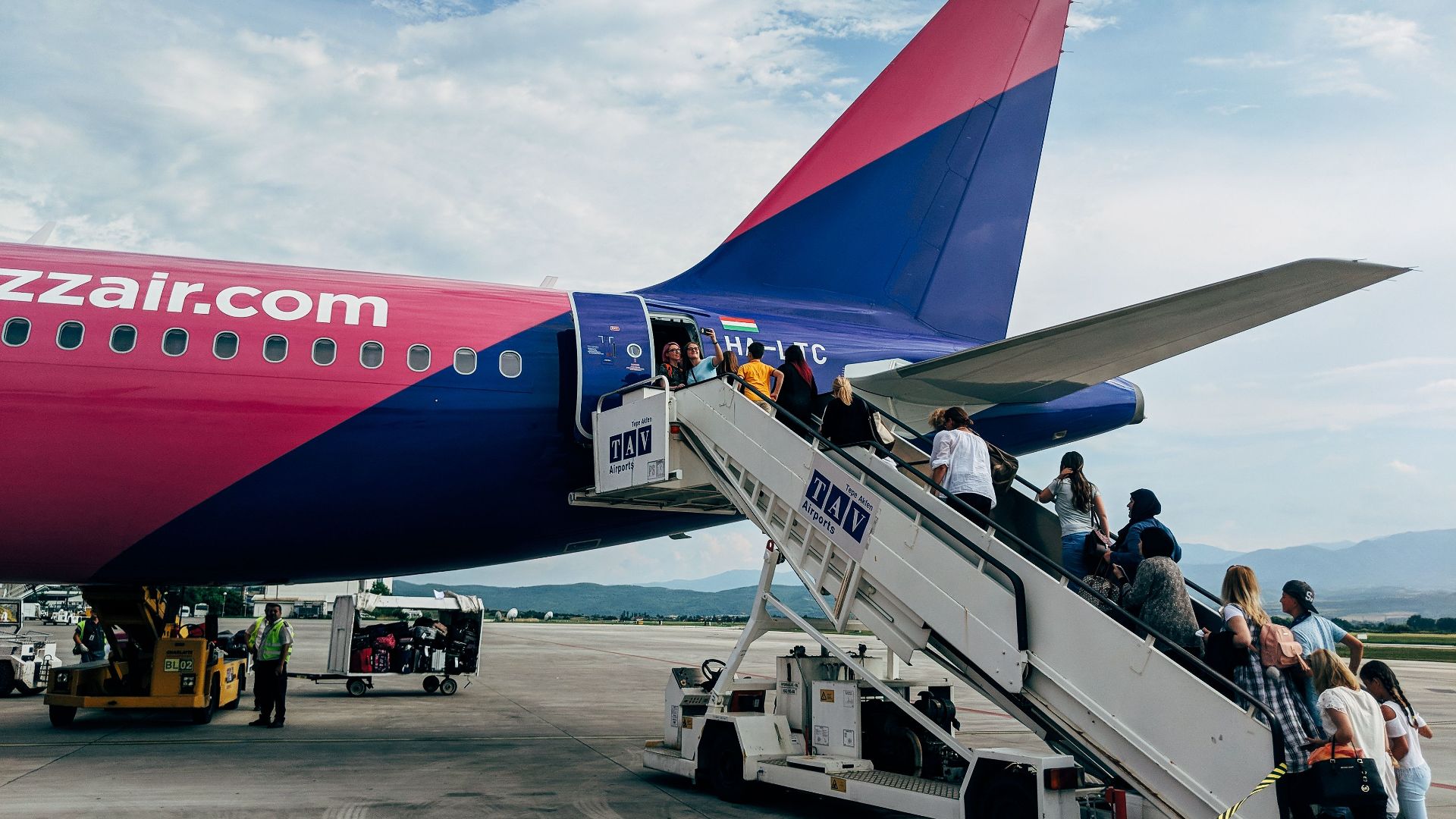
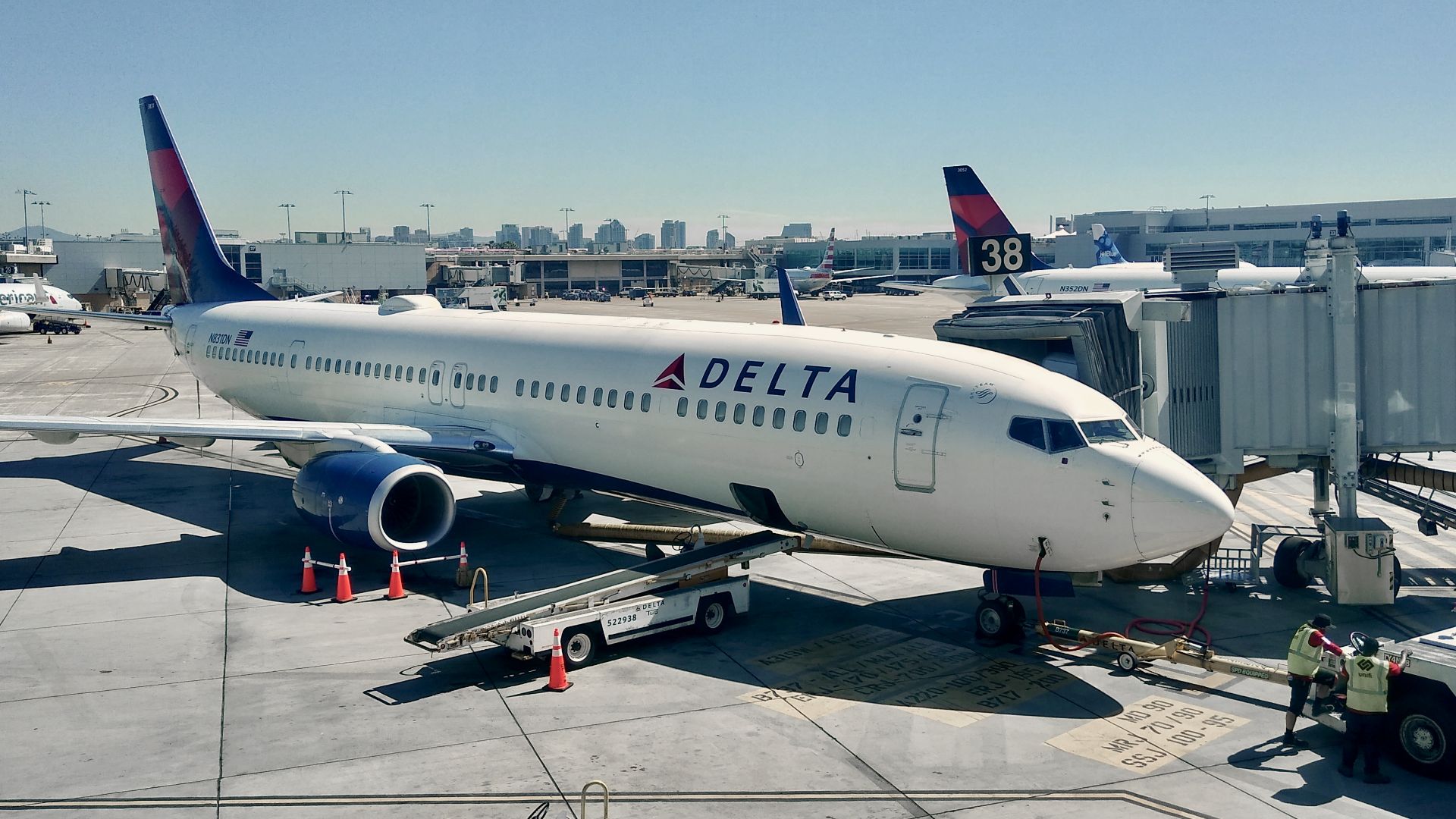
You finally get on the plane, the clock is ticking, and instead of pushing back, the airline starts pitching seat upgrades. That kind of delay hits a nerve because it feels avoidable. The obvious question is whether selling a few extras can really justify leaving late.
Short Answer: Usually No
Airlines can sell paid upgrades before departure, including at the gate or through onboard devices. But a sales push is not usually treated by regulators as a valid reason to delay a flight. In the United States, the Department of Transportation looks at whether a delay was within the airline's control and whether the airline followed its own customer service promises. If boarding is mainly being held so the airline can keep selling extras, that is much more likely to look like an airline-controlled delay than an unavoidable one.
 LightField Studios, Shutterstock
Why Travelers Keep Asking
This question keeps coming up because airlines now make a lot of money from add-ons. Seat upgrades, checked bags, early boarding, lounge access, and bundled perks can all be sold right up to departure. So when passengers watch that sales process keep going while the flight slips behind schedule, it is easy to wonder whether profit is winning over punctuality.
The Upgrade Business Is Very Real
This is not just something frustrated travelers made up. Airlines have spent years building what the industry calls ancillary revenue, meaning money from upgrades and optional fees beyond the base fare. Industry tracking by IdeaWorksCompany and CarTrawler has repeatedly shown that these extras bring in billions of dollars around the world.
What The Industry Data Shows
In its 2024 ancillary revenue report, IdeaWorksCompany said airlines worldwide pulled in massive sums from extras like seat assignment fees, upgrades, loyalty revenue, and bundled offers. That matters because it shows the financial motive is real. It does not prove an airline delayed your specific flight to keep selling, but it helps explain why passengers notice anything that looks like exactly that.
Boarding Delays Follow A Different Playbook
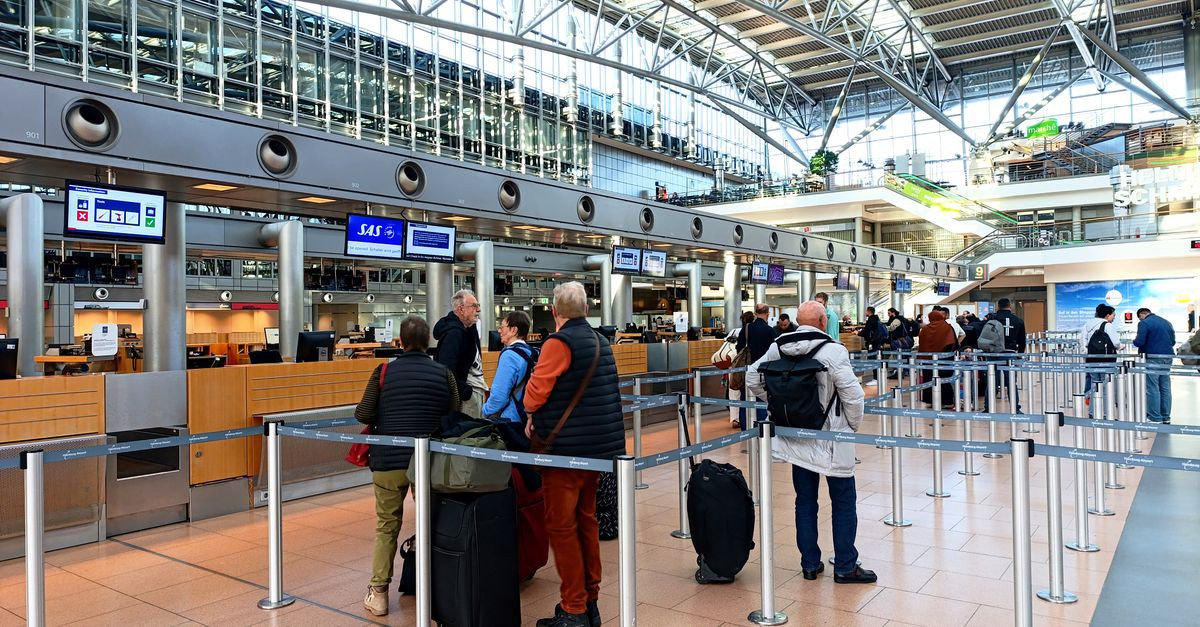
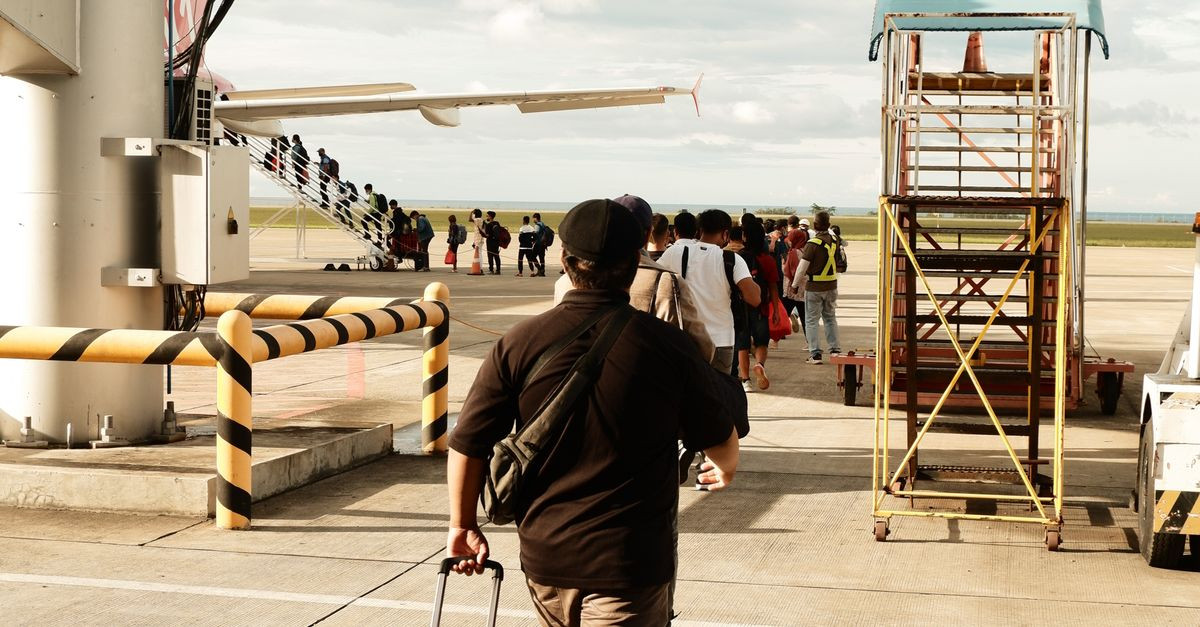
There is a big difference between selling an upgrade during normal boarding and delaying departure so the selling can continue. Boarding is already a messy process with passenger counts, carry-on bags, seat problems, paperwork, and last-minute standby travelers. If an upsell happens during that normal window, it is generally just part of pre-departure operations.
When The Delay Crosses A Line
If the airline actually holds the plane past the point when it was otherwise ready to leave because staff are still trying to move people into more expensive seats, that looks very different. Regulators and consumer protection agencies care about whether the airline could control the delay. A sales process is something the airline chose to do.
What The DOT Actually Regulates
The U.S. Department of Transportation does not have a rule that says, word for word, airlines may not delay boarding to sell upgrades. But it does police unfair and deceptive practices, and it requires airlines to disclose policies on delays and cancellations through customer service plans and dashboards. So the key question is not whether upgrades are allowed. It is whether the airline is handling delays honestly and within the commitments it has made.
The New Dashboard Changed Expectations
In recent years, the DOT has pushed airlines to make their delay and cancellation promises easier to compare. Its Airline Customer Service Dashboard shows what major U.S. airlines say they will do when a delay or cancellation is caused by the airline. If your late departure was controllable, those promises can matter a lot.
Controllable Versus Uncontrollable Is The Main Issue
This is the heart of the whole problem. Weather, air traffic control limits, and some airport issues can be outside the airline's control. A long boarding process tied to the airline's own seating and upselling choices is much more likely to count as controllable.
Why Airlines Might Push Back
An airline may say the delay had nothing to do with selling upgrades. It could point to a late crew, paperwork, passenger manifest issues, weight-and-balance calculations, seat reassignment needs, or a baggage problem happening at the same time. From a passenger's seat, the sales pitch may be the most obvious thing happening, even if it was not the main cause behind the scenes.
That Is Why Documentation Matters
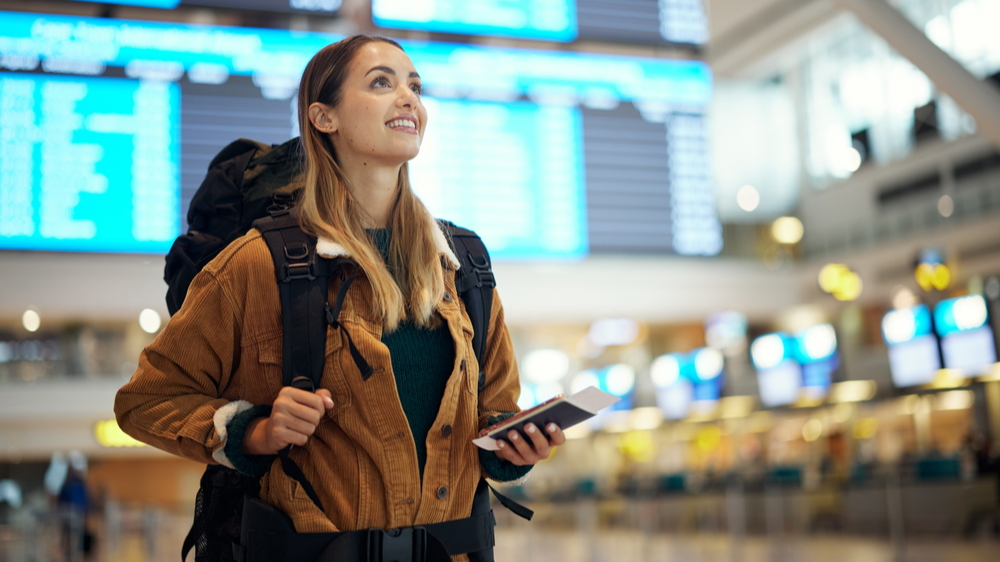
If you think the airline delayed departure mainly to keep selling upgrades, write down what happened and when. Note the scheduled boarding time, the actual boarding start, any gate announcements, and the time the aircraft door closed. Screenshots from the airline app and photos of departure boards can also help if you later file a complaint.
 PeopleImages.com - Yuri A, Shutterstock
Europe Takes A Different Consumer Approach
In Europe, the issue is often less about the exact reason for the delay and more about whether the delay at arrival triggers compensation rights under EU261 or the UK version of those rules. If the delay is long enough and was not caused by extraordinary circumstances, compensation may be owed. In that setup, a delay tied to an airline-controlled process would usually not help the airline's case.
EU Rules Focus On Arrival Delay
European Commission guidance and passenger rights pages make clear that compensation usually depends on how late you arrive at your final destination and whether extraordinary circumstances applied. A delay caused by a sales-related hold would be hard to call extraordinary. That does not mean every short delay at departure leads to compensation, but it does affect how responsibility is judged.
The U.S. Compensation Picture Is Narrower
In the United States, there is no general federal rule that requires airlines to pay cash compensation for ordinary domestic flight delays. The DOT's main mandatory cash compensation rule covers involuntary denied boarding, which is a different issue. So even if your flight left late because of a questionable upsell process, that does not automatically mean you are owed money.
Refund Rights Still Matter
Refunds are a different matter if the disruption becomes serious and you decide not to travel. The DOT has stressed that passengers are entitled to refunds when an airline cancels a flight or makes a significant schedule change and the passenger does not accept the alternative. Whether a boarding delay tied to upgrades reaches that point depends on how serious the disruption becomes.
Airline Contracts Add More Rules
Every airline also has a contract of carriage, the legal document that governs a lot of the trip. These contracts usually give airlines broad power over seating and operational decisions. They do not usually promise that sales efforts will never overlap with boarding, but they also do not give airlines a free pass to handle delays badly without consequences.
What You Can Ask At The Gate
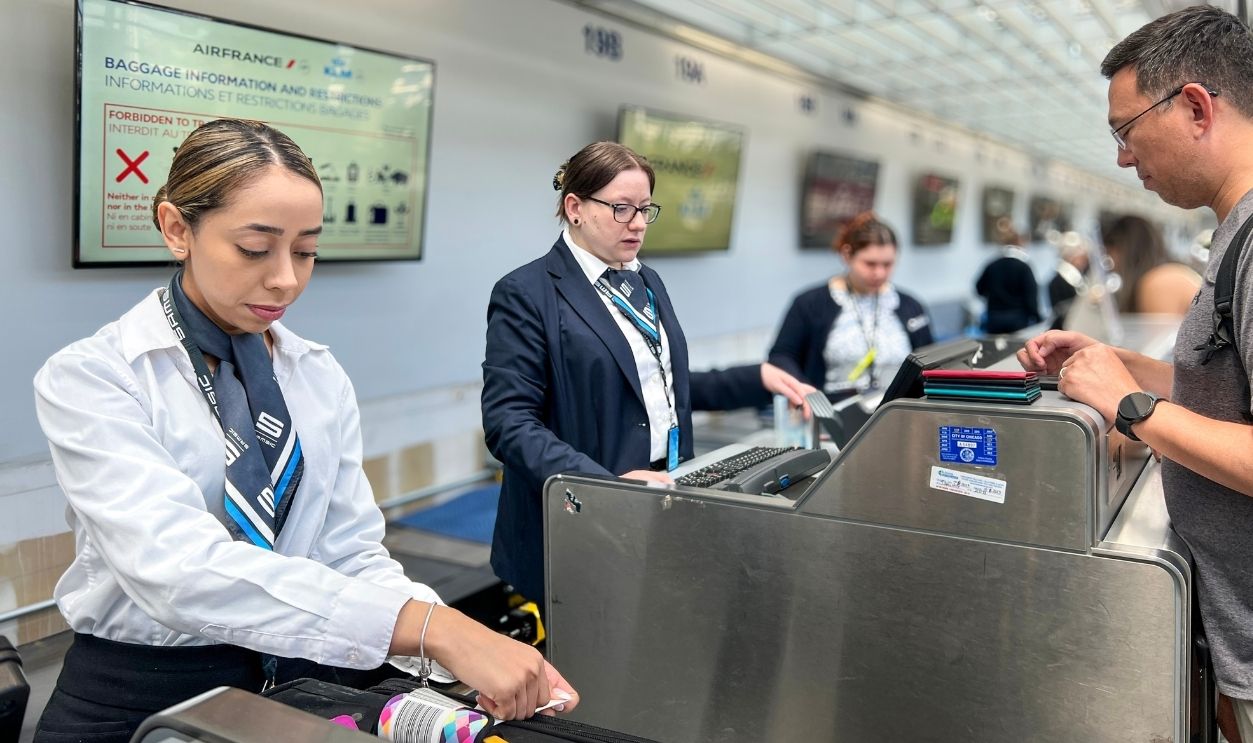
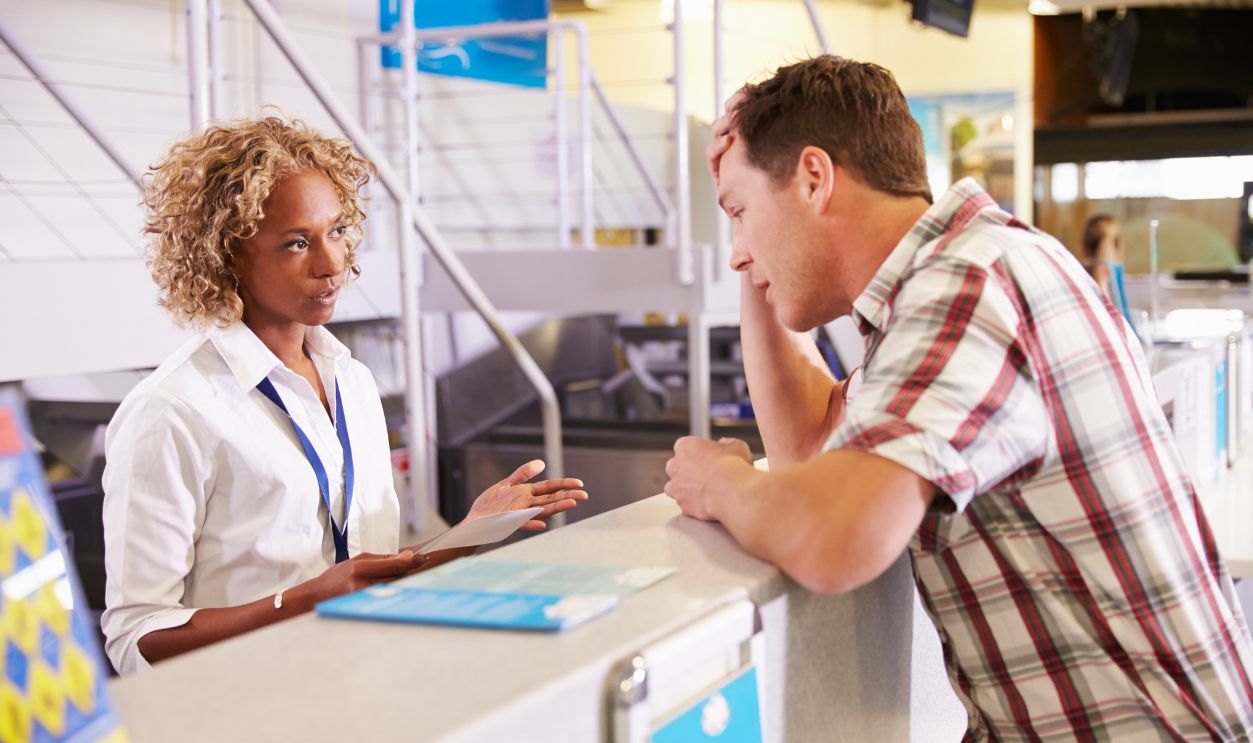
If boarding seems stuck while staff are still pitching upgrades, ask a calm and direct question. Try this: “Is departure being held for operational reasons, or are seat changes and upgrades still being processed?” You may not get a perfect answer, but it can produce useful details and sometimes push staff to spell out the real cause.
 Monkey Business Images, Shutterstock
Check The Airline's Own Promises
While you wait, pull up the airline's customer service plan or the DOT dashboard. Many major U.S. airlines say they will provide rebooking, meal vouchers, or hotel accommodations in some airline-caused disruptions. Those promises usually apply only in certain situations, but knowing them in real time gives you a stronger position.

The Tarmac Delay Rule Is A Different Thing
Some travelers mix this up with the DOT tarmac delay rule, but they are separate issues. The tarmac rule limits how long a plane can sit on the ground without letting passengers get off, with exceptions for safety and air traffic control. A gate-side boarding delay linked to upgrades is annoying, but it is not automatically a tarmac delay violation.
Airlines Also Have Reasons To Avoid Late Pushback
Even aside from angry passengers, delays cost airlines. A late departure can throw off aircraft rotations, crew duty limits, gate assignments, and on-time performance numbers. That is one reason a delay caused purely by selling upgrades would be risky and usually run against the airline's bigger operational goals.
Still, Small Delays Can Happen
What is more believable is a smaller delay where sales activity gets mixed into an already chaotic boarding process. A gate agent might keep handling seat changes, standby requests, and paid upgrades while the departure window gets tighter. To passengers, that can look like the airline is trading punctuality for revenue, even if the real explanation inside the operation is more tangled.
How To Tell If Selling Was Really The Cause
Ask yourself whether upgrade selling was the only thing going on. Were crew members still arriving? Was the gate crowded with standby passengers? Were names being called over the speaker? Was baggage still being loaded? The more overlapping problems you notice, the harder it is to show that the sales pitch alone caused the late departure.

If You Want To Complain, Be Specific
The strongest complaints are factual and calm. Include the flight number, date, airport, scheduled boarding time, actual pushback time, and the announcements you heard. If you believe the delay was controllable because boarding was intentionally stretched out for upgrades, say that clearly and ask the airline to explain the official delay code.
 Frame Stock Footage, Shutterstock
Where To Escalate It
Start with the airline's customer service channel so there is a direct record. If the reply is vague or unsatisfying, U.S. travelers can also file a complaint with the Department of Transportation. In Europe, passengers can use the airline's complaint process and then escalate to a national enforcement body or another dispute channel, depending on the route and carrier.

Can It Ever Be Justified
In a narrow practical sense, yes: airlines can keep handling upgrades during ordinary boarding as long as it does not delay departure. But if the sales process itself is what causes the late pushback, it is hard to defend that as anything other than an airline-controlled delay. The legal outcome depends on where you are flying and how long the disruption lasts, but the common-sense answer is pretty clear.
The Bottom Line For Travelers
If it seemed like your flight left late because the airline was still trying to squeeze out extra money, your frustration makes sense. The rules and industry data show that upgrades are a normal part of airline business, but they are not a free pass for a delayed departure. In most cases, selling extras may explain what you saw. The real question is whether the airline chose a process it controlled and that made the flight leave late.