A Double Charge Can Sour a Trip Fast
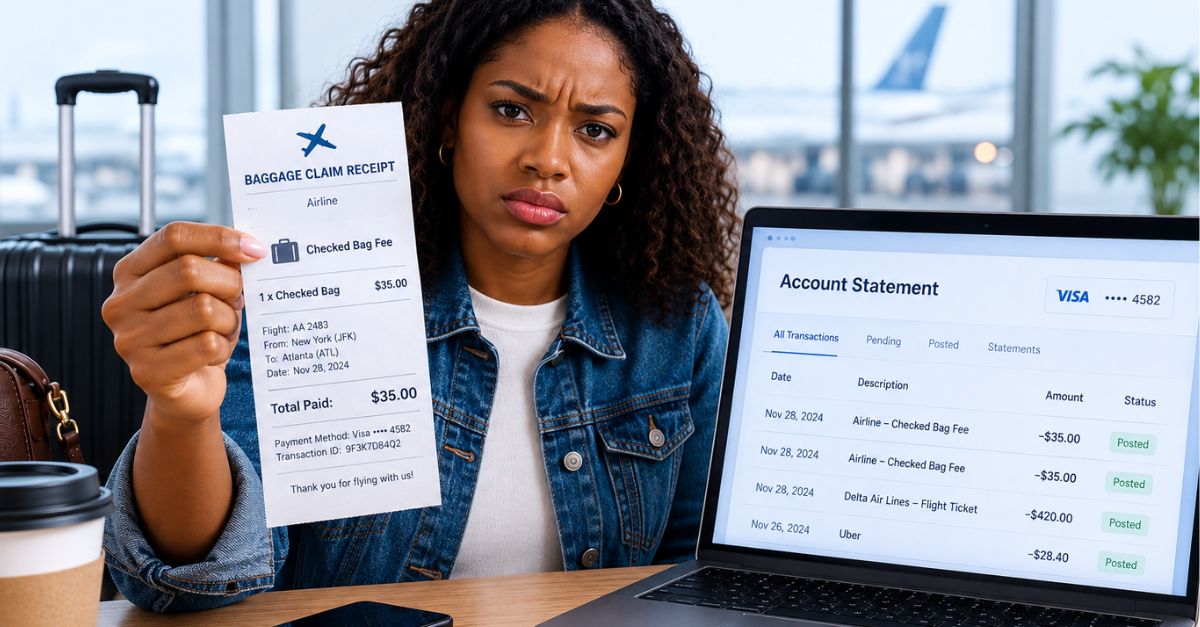
You pay for a checked bag, get the receipt, and assume the transaction is done. Then your card statement shows the same baggage fee twice. Seems like an easy fix, but the agent tells you a receipt isn't enough: You need to prove it.
The Short Answer Is Yes, the Receipt Should Matter
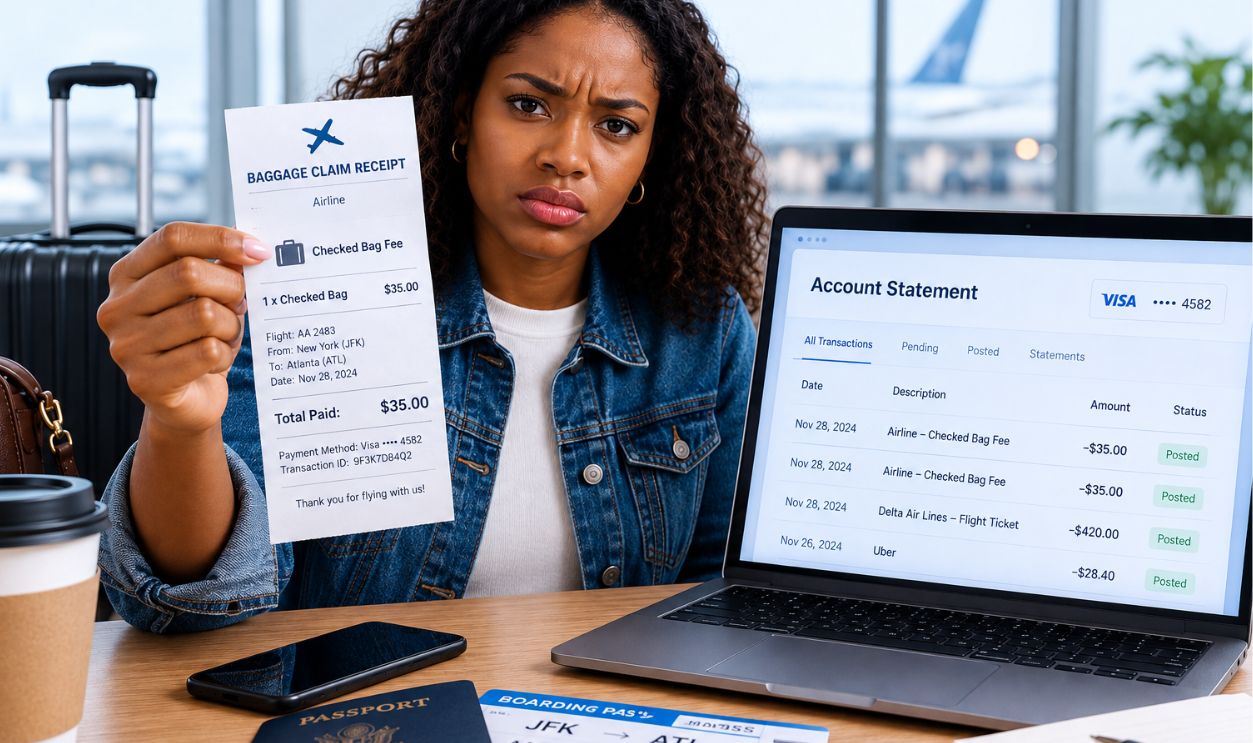
If an airline issued a baggage receipt and then processed a duplicate charge, that receipt will be a key part of fixing the problem. In real life, though, airlines often ask for more, like bank statements, screenshots, and itemized records. The receipt still matters. It just may not be enough by itself to get a quick refund.

What Counts as Strong Proof
The best evidence is usually a set of documents, not just one. That means your baggage receipt, boarding pass, itinerary, and a card statement showing both charges. If the two fees posted on the same date for the same amount, that helps a lot. A screenshot from the airline app or website showing only one checked bag purchase can also make your case stronger.
Why Airlines Ask for More Than a Receipt
A receipt shows that a fee was charged, but it does not always show whether another charge was pending, reversed, or separately approved. That is one reason airlines sometimes tell travelers to wait a few days before filing a complaint. The Consumer Financial Protection Bureau says pending transactions can look different from posted ones, so it is smart to check what actually settled before you push the issue.
 https://kaboompics.com/, Pexels
First, Make Sure It Really Is a Duplicate
Take a close look at your card activity and confirm that both charges fully posted. Sometimes one of them is only a temporary authorization that disappears on its own. If both charges are posted and neither has been refunded, save screenshots right away.

Save Every Travel Record You Have
Pull together the baggage receipt, email confirmation, and any text alerts tied to the payment. Keep your boarding pass and reservation number nearby because airlines usually ask for both. If you paid at the airport kiosk or counter, note the location, the rough time, and the employee or station number if you have it.

The Department of Transportation Gives You a Complaint Option
If the airline does not fix the problem, you can file a complaint with the U.S. Department of Transportation. The DOT says complaints help it track patterns in airline service problems and possible rule violations. It is not a guaranteed fast refund, but it creates a formal record and often gets attention.
 AgnosticPreachersKid, Wikimedia Commons
Airlines Also Have to Clearly Disclose Baggage Fees
The DOT requires airlines and ticket agents to clearly show baggage fees during booking for travel within, to, and from the United States. That rule is mainly about transparency, but it matters here too. If the fee was clearly listed, it is easier to compare what you were told you would pay with what actually hit your card.
Your Credit Card Issuer May Be the Best Backup
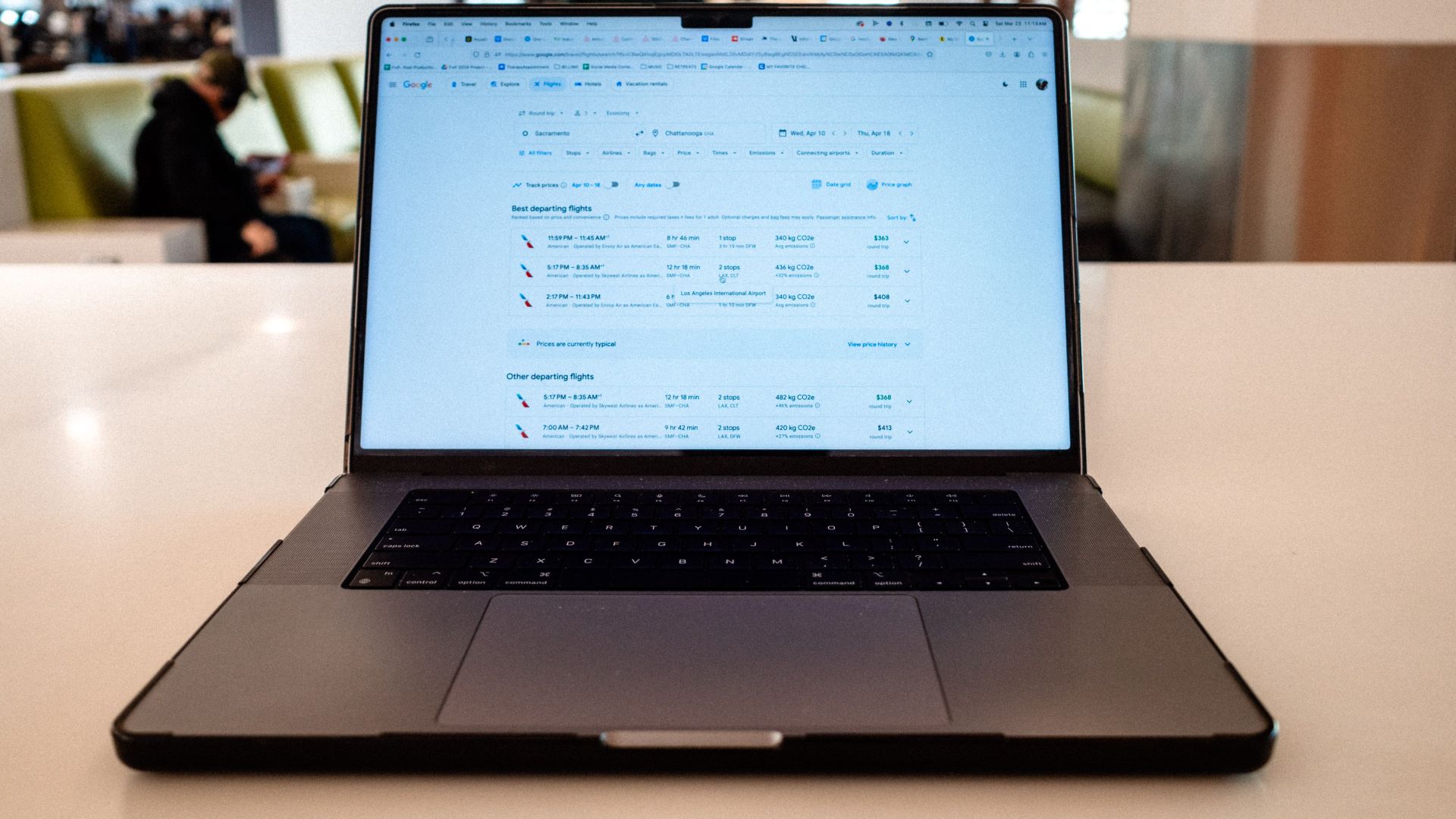
If the airline drags its feet, a billing dispute with your card issuer may be the most practical next step. The Federal Trade Commission says consumers can dispute billing errors, including charges for the wrong amount, under the Fair Credit Billing Act. Timing matters, so do not let the issue sit for weeks while you wait for customer service to call back.

The 60-Day Window Matters
The FTC says your billing error dispute should reach the creditor within 60 days after the first bill with the error was mailed or made available to you. That deadline can sneak up fast if you spend too long going back and forth with the airline. If the airline is stalling, keep the card dispute clock in mind from the start.

Write Down the Timeline While You Still Remember It
Note when you paid for the bag, when the second charge appeared, and when you contacted the airline. Write down the names of the agents you spoke with and any case numbers they gave you. A clear timeline can make a big difference when a supervisor, regulator, or bank investigator reviews the case.

Ask the Airline One Simple Question
Keep the request direct. Ask the airline to identify which of the two baggage charges matches an actual service and which one should be refunded. If it cannot tie both charges to two separate checked bags, that gap can become the center of your dispute.

Itemized Records Can Be Better Than a Basic Receipt
A baggage receipt may show only the amount you paid. An itemized receipt can show the bag number, route, and date of service. If all you got was a generic payment confirmation, ask the airline for a more detailed transaction record. That is a fair request and often useful when front-line agents say they need more proof.
Do Not Let the Airline Put All the Burden on You
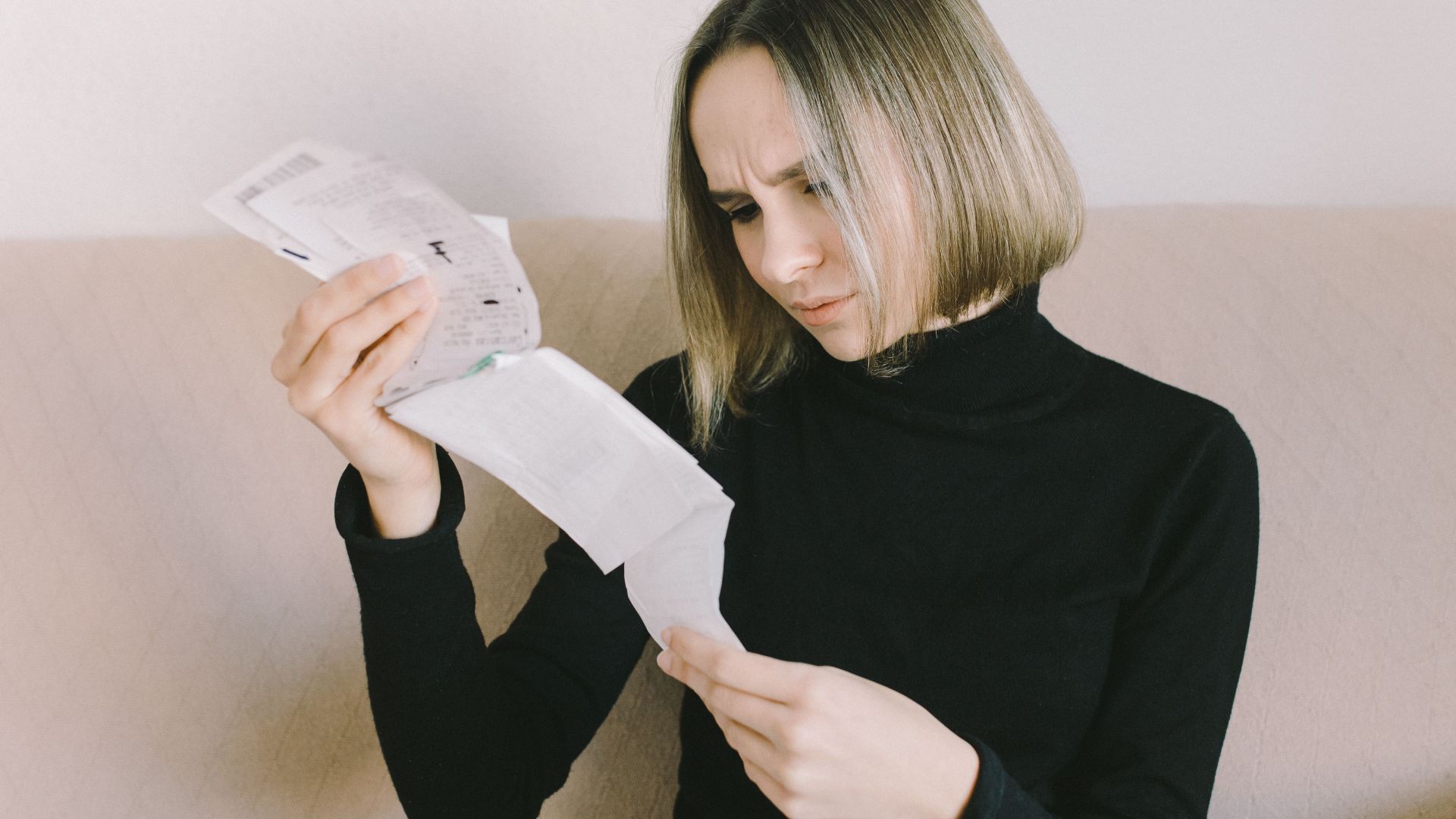
It is reasonable for a company to ask for documents. It is not reasonable to act as if the traveler has to rebuild the entire case alone when the airline can also check its own system. In your reply, politely point out that the airline should be able to verify baggage transactions using your confirmation code and travel date.

Airport Kiosk Errors Can Cause This
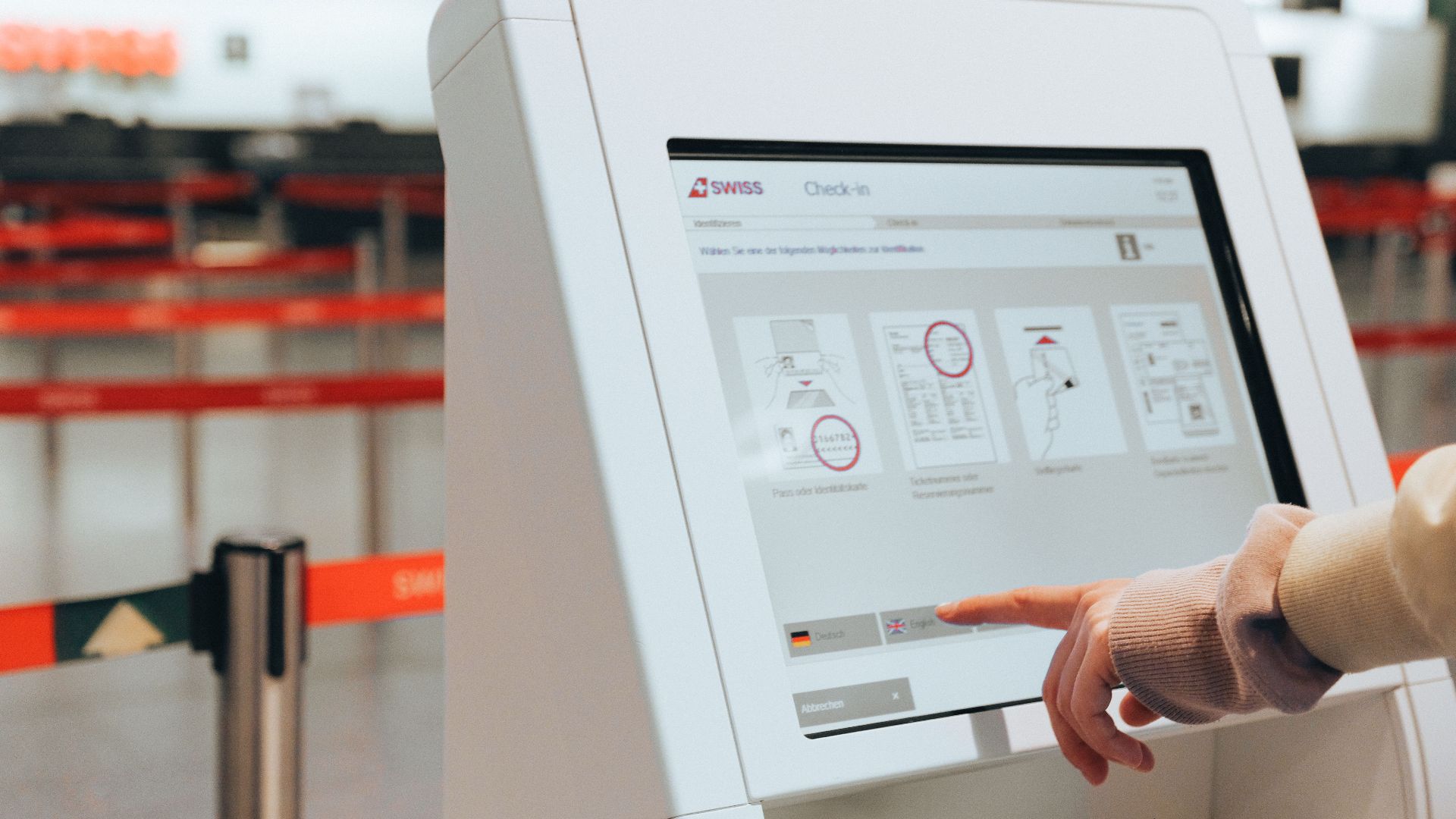
Self-service kiosks and app payments are convenient until the system freezes, reloads, or gives a vague confirmation screen. Travelers sometimes try the payment again because the first attempt looks like it failed, only to see both charges post later. If that happened, explain exactly what the screen showed before you tried again.
Pending Versus Posted Can Change Everything
What looks like a double charge is sometimes one posted payment and one temporary authorization. The CFPB notes that pending charges may later update or disappear. That is why it makes sense to wait long enough to confirm the final charge, but not so long that you miss your dispute deadline.

A Screenshot Habit Can Save You a Lot of Time
Take screenshots during every payment step when buying baggage online or through an app. Capture the price, the confirmation page, and any order number. Those images can be very helpful if the airline later says it cannot find the original transaction.

Email Beats a Phone Call Alone
Phone calls are useful for quick escalation, but written messages create a record. Use the airline's customer service form or email if it has one, and attach the receipt and card statement showing the duplicate fee. If you do call, send a follow-up message that sums up what was said.

Be Exact About the Amount and Date
List the exact dollar amount of each baggage fee, the card used, and the posting date for both charges. Avoid vague lines like "you charged me twice last week." Specific details make it easier for the billing team to search its records and harder for the complaint to be brushed aside.

If You Used a Debit Card, Act Even Faster
Duplicate charges on a debit card can lock up real money in your bank account. The CFPB advises consumers to report problems quickly and check statements closely. Even when protections apply, losing access to cash can hurt more than dealing with a credit card dispute.

Travel Insurance Usually Will Not Help Here
A duplicate baggage fee is usually a billing problem, not the kind of loss most travel insurance policies cover. That means your main options are the airline, your card issuer, and, if needed, the DOT complaint process. It is frustrating, but it is also usually fixable if you document everything well.

A Good Complaint Letter Is Short and Clear
Keep your written complaint calm and factual. Include your record locator, flight date, baggage receipt number if you have it, and proof of the two posted charges. Then ask for one specific fix: a refund of the duplicate baggage fee to the original form of payment.

What to Say If They Ask for Proof Again
You can respond that you already provided the airline-issued baggage receipt and evidence of two posted charges for the same service. Then ask the airline to explain what other proof it needs and why its own transaction records are not enough. That question often pushes the case into a more serious review.

Escalation Works Better When You Stay Organized
If the first agent will not help, ask for a supervisor and include the case number in every message. If nothing moves, file a complaint with the DOT and dispute the charge with your card issuer before the deadline passes. Organized records usually get better results than repeated angry calls.

The Practical Checklist for Travelers
Confirm that both charges posted. Save the airline receipt, screenshots, boarding pass, and card statement. Contact the airline in writing, ask for a refund of the duplicate fee, and if that goes nowhere, escalate to your card issuer and the DOT.

The Bottom Line on Whether the Receipt Is Enough
The airline's own receipt absolutely counts as evidence, and common sense says it should carry weight. But the fastest path to a refund is often a full package of proof rather than a single document. If you build that package quickly and keep an eye on deadlines, a duplicate baggage charge is usually something you can beat.