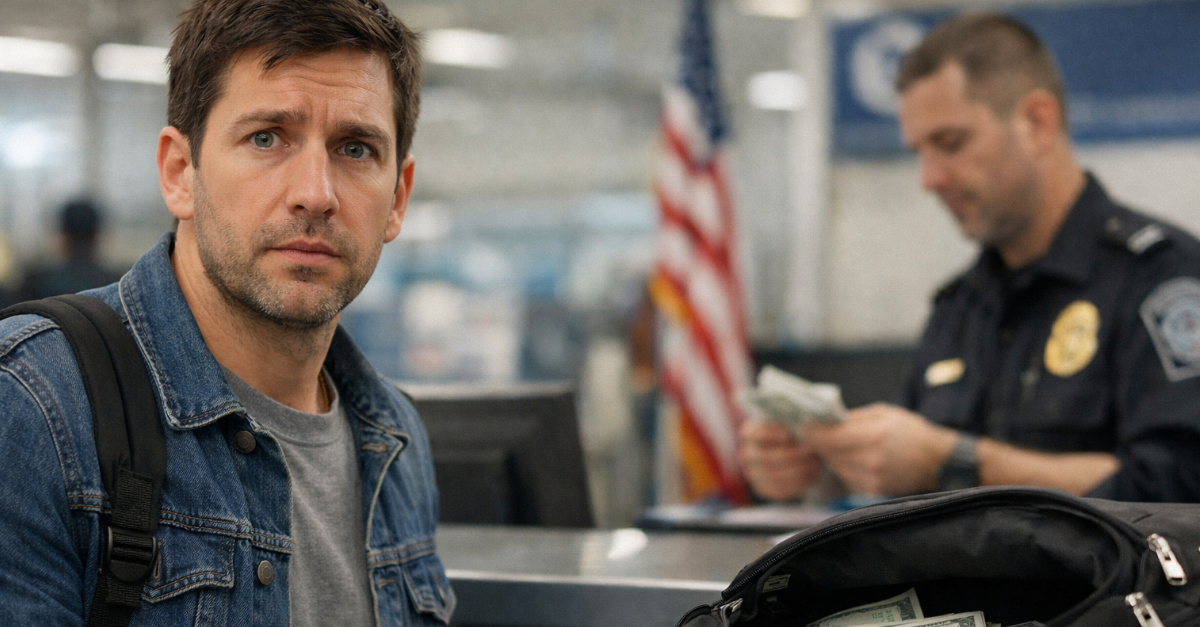
Your Seat Changed Overnight. Now What?
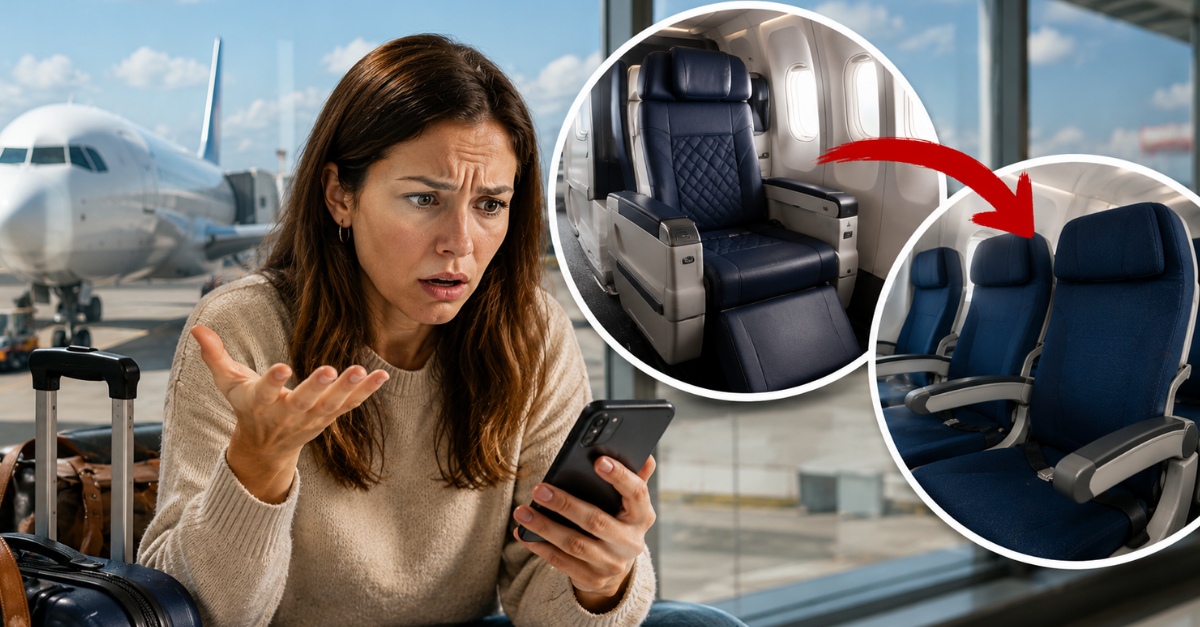
You booked early, paid extra for the perfect seat, and thought everything was set. Then you open the airline app before your flight and discover you're on a different aircraft—and your carefully chosen seat is gone. It's frustrating, but it happens more often than many travelers realize. Here's what airlines can do, what they usually owe you, and the steps you can take if your paid seat disappears.
Aircraft Swaps Happen More Often Than You Think
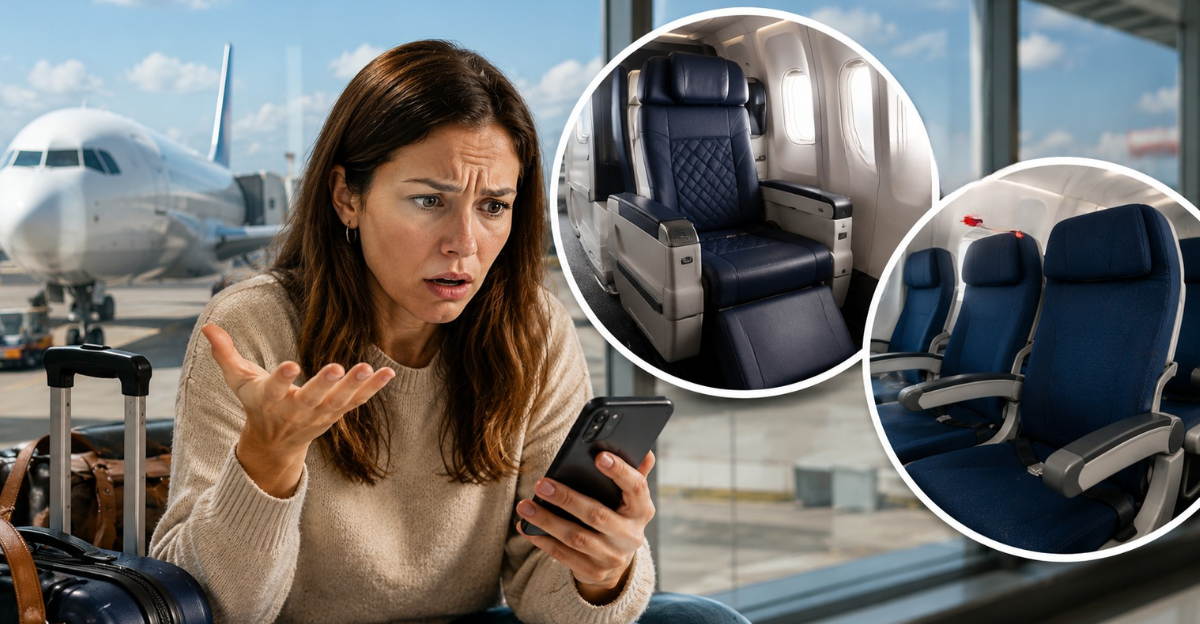
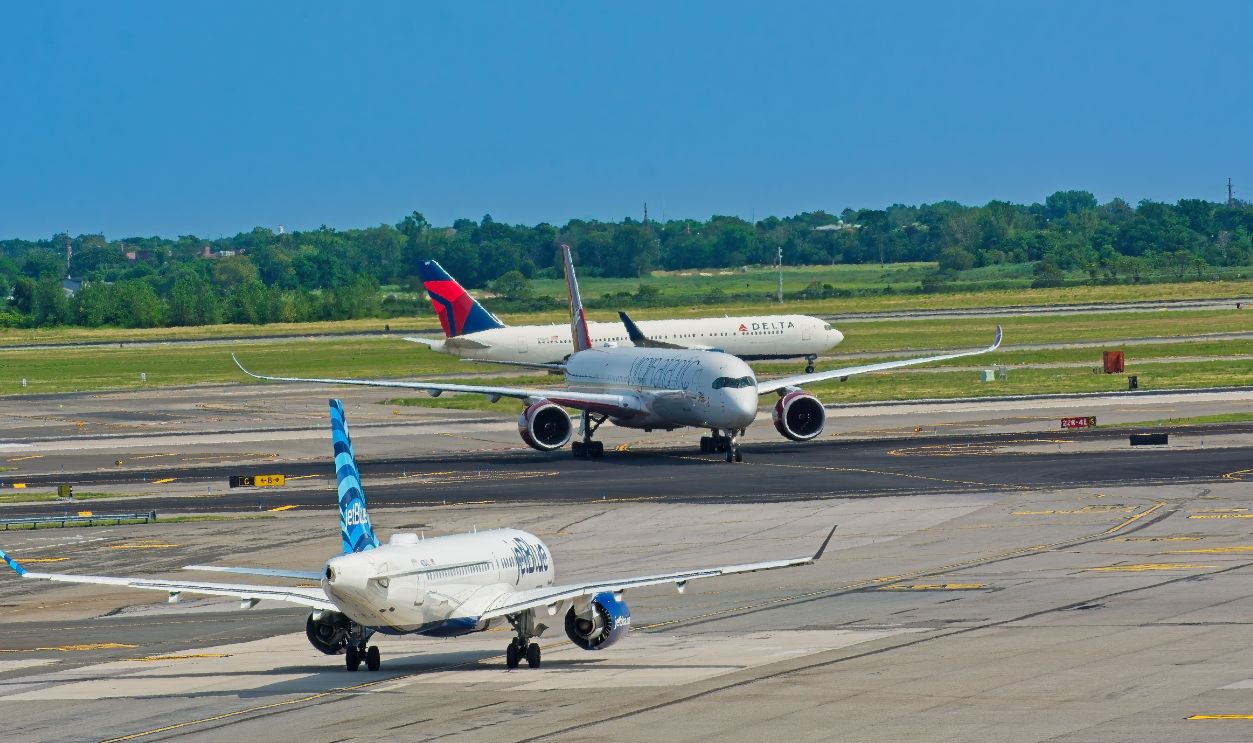
Airlines regularly substitute one aircraft for another because of maintenance issues, scheduling changes, operational disruptions, or changing passenger demand. When that happens, the new aircraft may have a completely different cabin layout. Even if your flight number stays the same, your original seat may no longer exist.
A Seat Assignment Usually Isn't Guaranteed
Most airlines' contracts of carriage state that purchasing a ticket—or even paying for seat selection—doesn't permanently guarantee that exact seat. Airlines reserve the right to move passengers when operational or safety reasons require it. That means the aircraft change itself is generally allowed, even if it's disappointing.
Paying Extra Doesn't Always Lock In That Seat
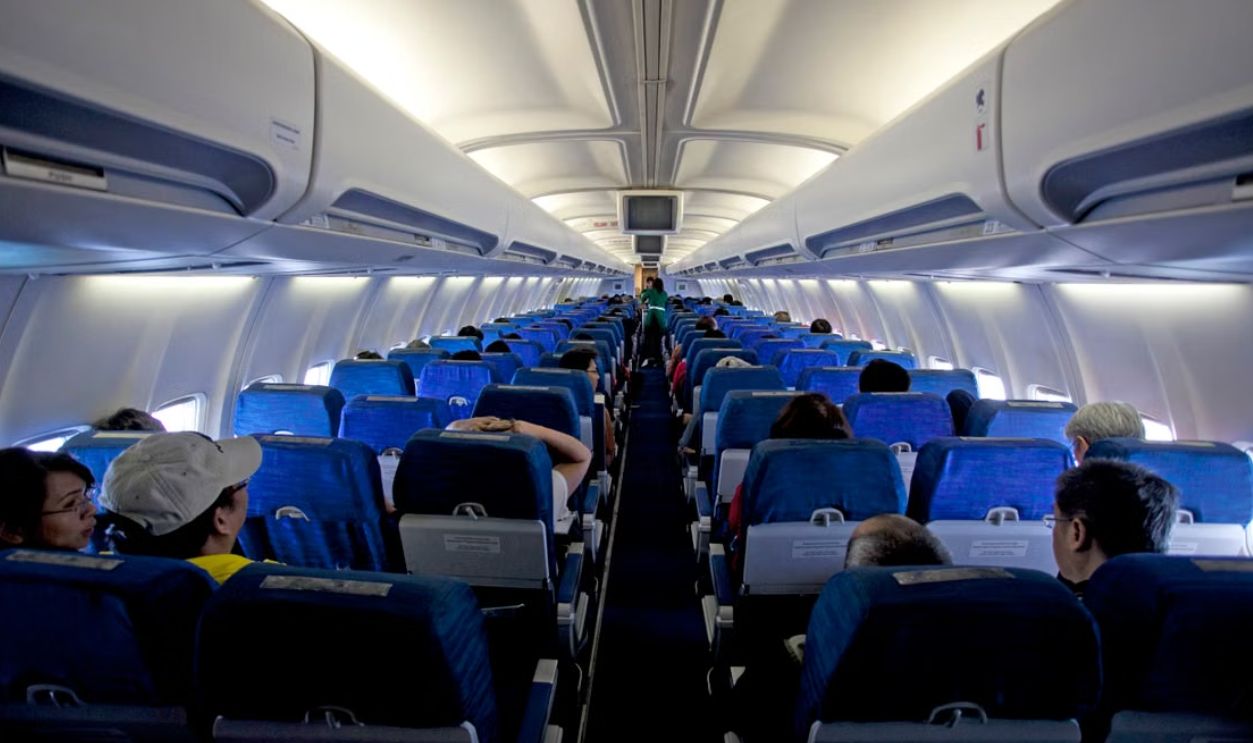
Premium seat selection fees buy you the opportunity to reserve a preferred seat ahead of time, not an absolute promise that you'll occupy it. If the aircraft changes, airlines typically attempt to assign a comparable seat whenever possible. If none is available, the situation becomes more about refunds than keeping the exact seat.
You May Be Entitled To A Seat Fee Refund
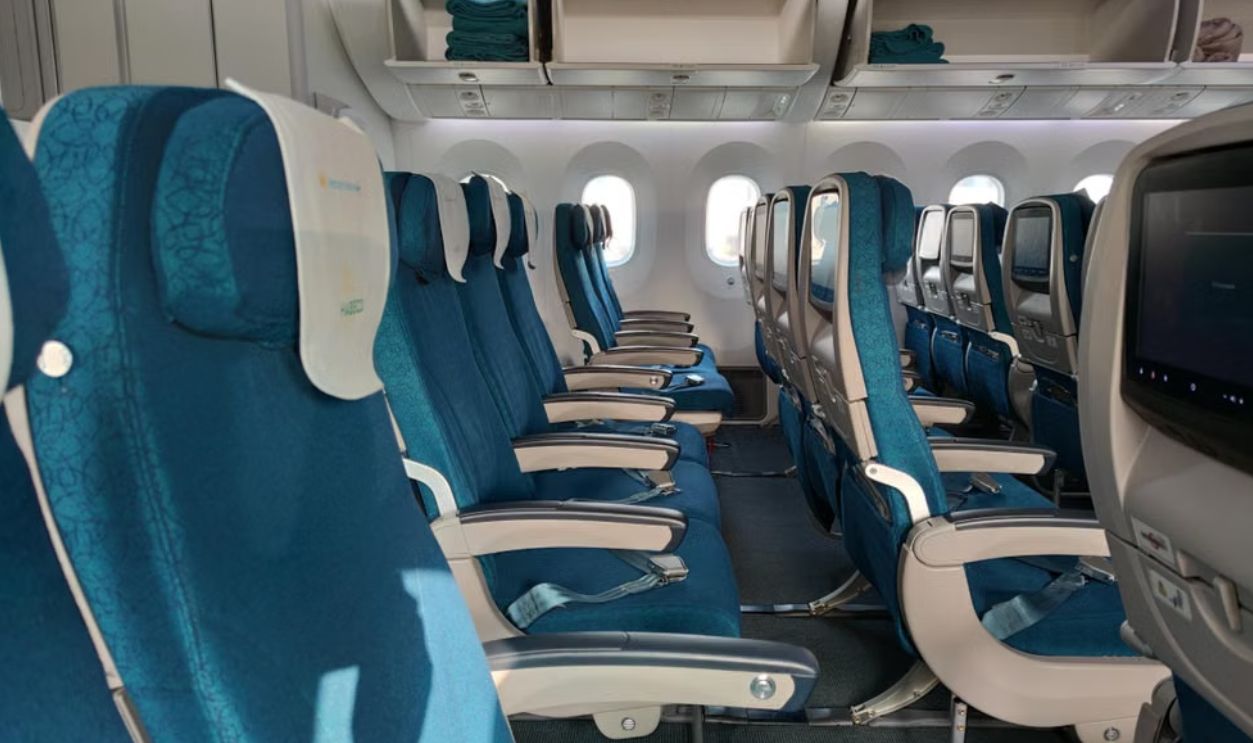
If you paid specifically for seat selection and the airline couldn't provide the seat or comparable seating you purchased, U.S. Department of Transportation rules generally require a refund of that ancillary fee. This applies separately from the cost of your airfare and doesn't require the entire trip to be canceled.
A Refund Doesn't Always Mean Extra Compensation
Receiving your seat selection fee back doesn't automatically mean you'll receive vouchers, miles, or additional cash. Unless another consumer protection law applies, airlines generally aren't required to compensate passengers for inconvenience alone. Some carriers may offer goodwill gestures, but those are usually voluntary.

Not Every Seat Change Is Equal
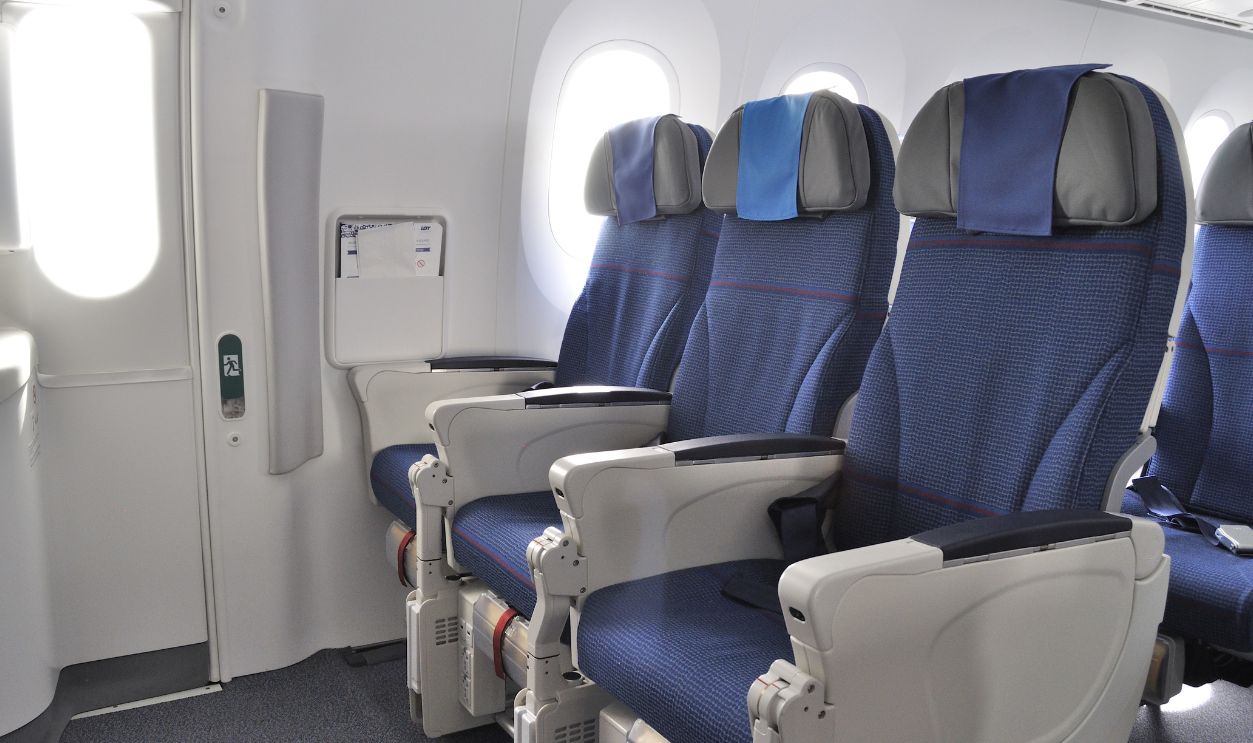
Moving from one aisle seat to another is different from losing an exit row, extra-legroom seat, or premium cabin assignment. Airlines often try to provide comparable seating, but availability depends on the replacement aircraft. The bigger the difference in what you purchased versus what you received, the stronger your refund claim may become.
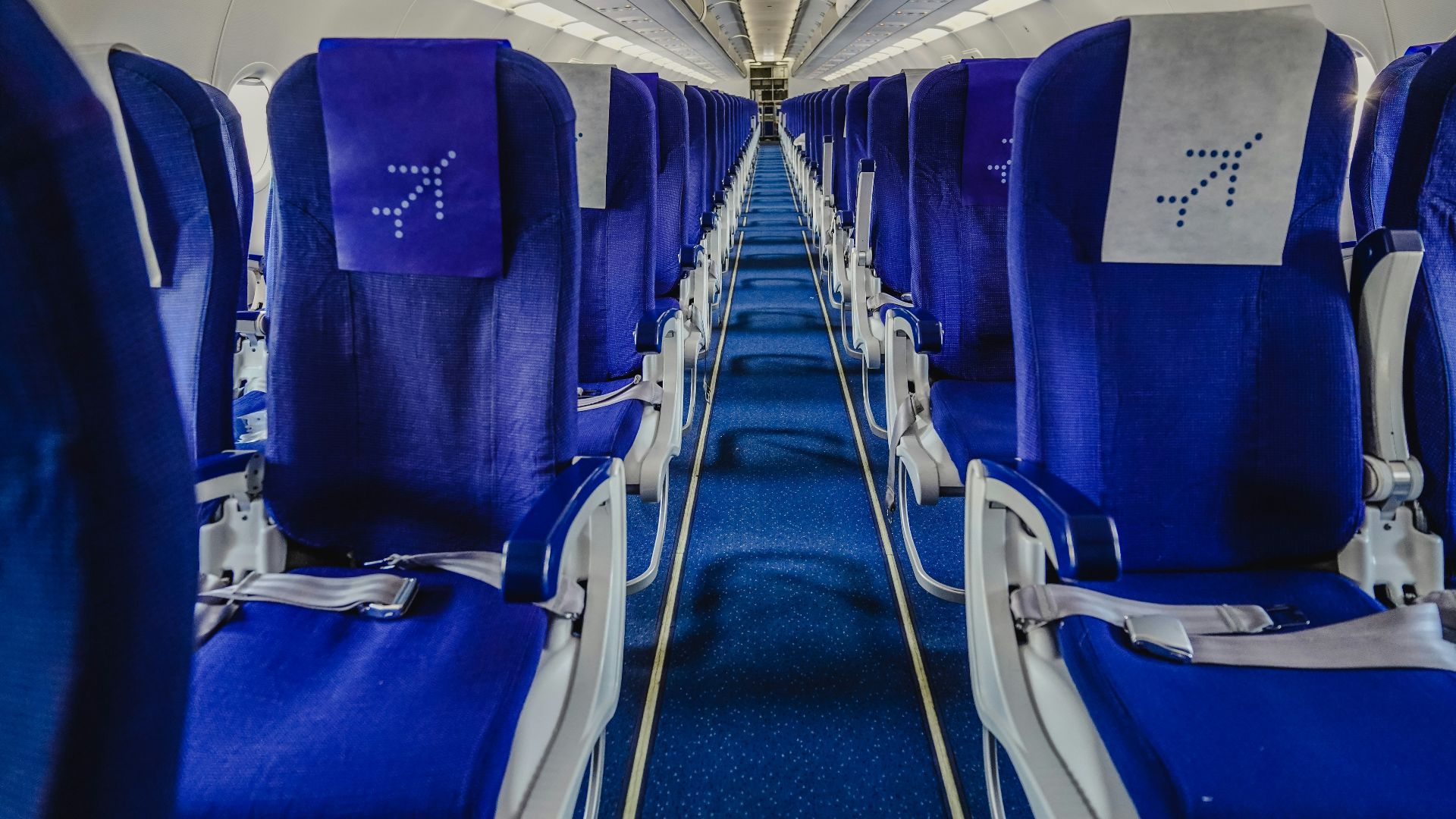
 Stanislaw Tokarski, Shutterstock
Cabin Downgrades Follow Different Rules
If an aircraft swap moves you from business class or premium economy into a lower class of service, you're dealing with more than a seat assignment issue. In many cases, passengers who actually travel in a lower cabin than they purchased are entitled to a fare difference refund in addition to any seat selection refund.
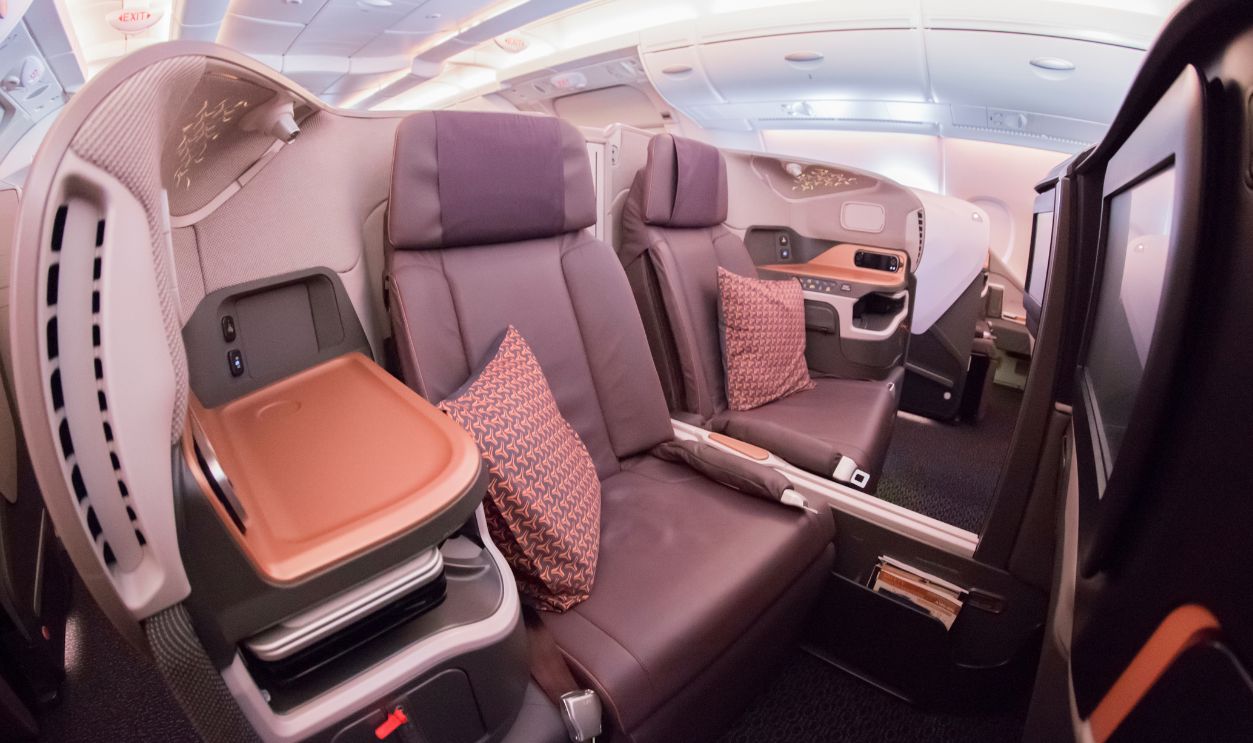
Safety Can Override Seat Assignments
Certain passengers cannot occupy exit rows because of federal safety regulations. Likewise, airlines may need to move passengers to accommodate operational requirements, crew positioning, or accessibility needs. These safety-related changes generally take priority over previously assigned seats.
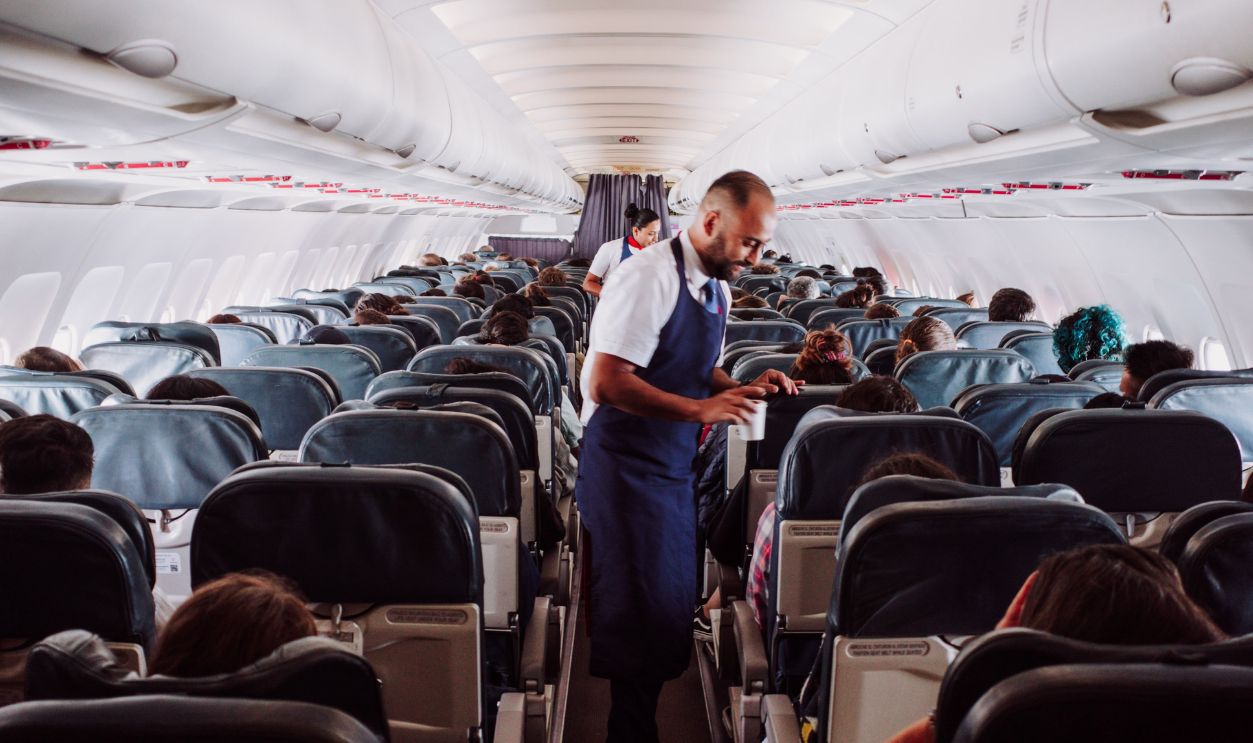
Families May Receive Special Consideration
When aircraft swaps separate young children from their parents, airlines often try to rearrange seating before departure. Federal law now prohibits airlines from charging parents of children under 14 extra fees simply to sit together, although operational changes can still complicate seating assignments.
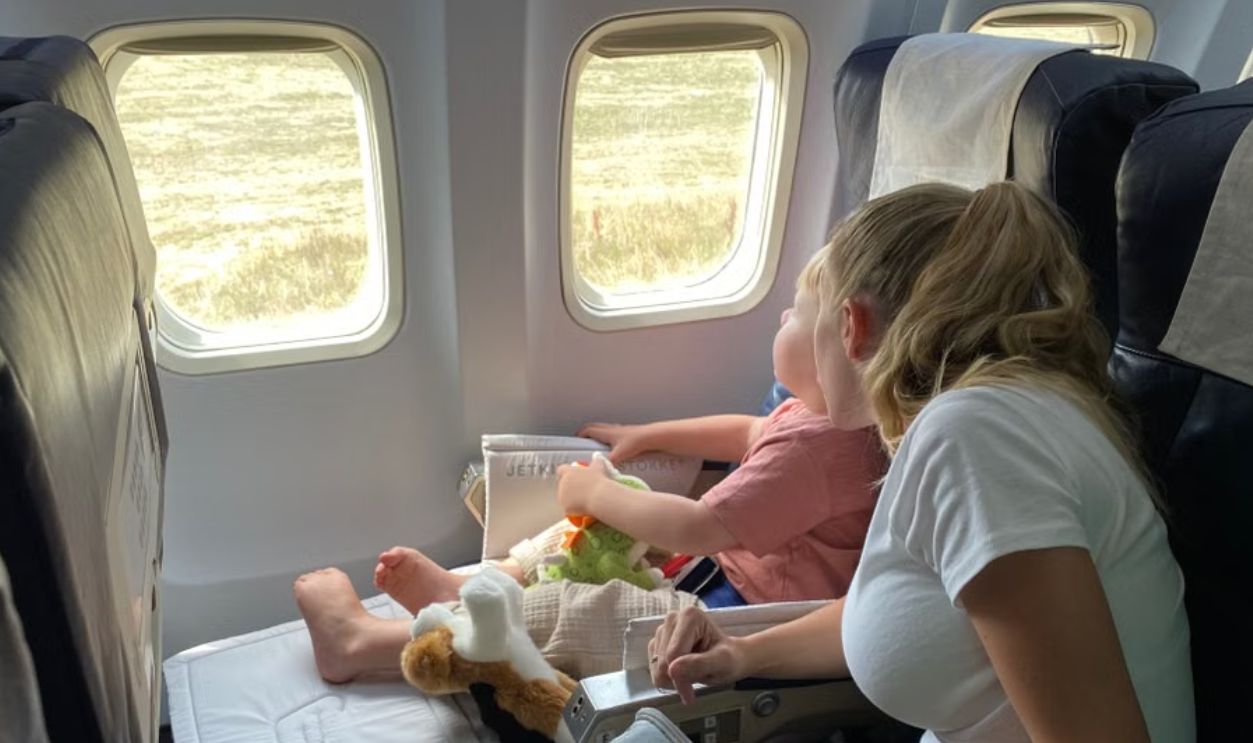
Check Your Reservation Before Travel
Aircraft substitutions sometimes occur weeks before departure, while others happen only hours before boarding. Reviewing your reservation periodically—and especially after receiving schedule change emails—gives you more time to select another available seat before the cabin fills up.

Contact The Airline Quickly
If you notice your seat changed after an aircraft swap, reaching out immediately often produces better results than waiting until boarding. Reservation agents may still have flexibility to move you into another comparable seat before check-in closes and remaining seats disappear.
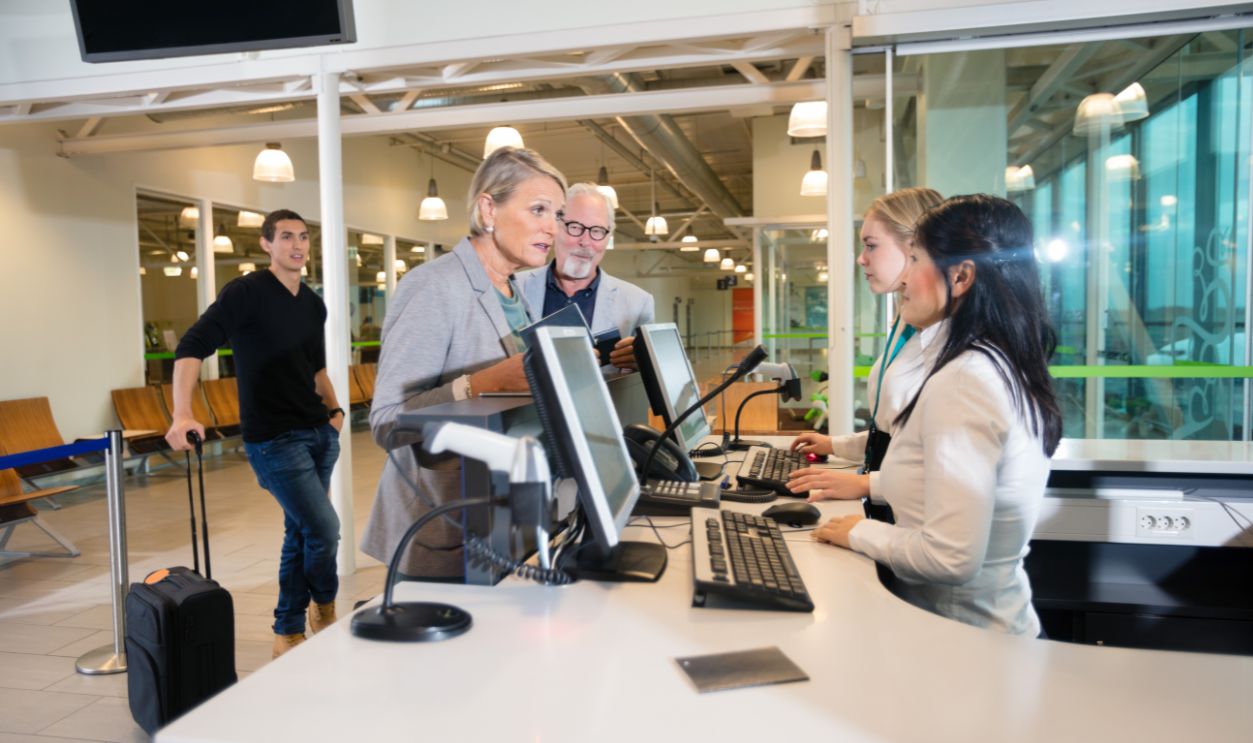
Gate Agents Often Have Limited Options
By the time boarding begins, many flights are nearly full. Gate agents can sometimes help with last-minute seating changes, but they cannot create seats that don't exist. If the replacement aircraft has fewer premium seats, even the most helpful agent may have few alternatives available.
Save Every Receipt
Keep your original booking confirmation, your paid seat receipt, updated boarding passes, and any emails showing the aircraft change. These documents make it much easier to demonstrate exactly what you purchased if you later request a refund.

Don't Assume The Refund Is Automatic
Although newer DOT rules require automatic refunds in many situations, processing isn't always immediate for ancillary fees. If several days pass without seeing the refund, submit a formal request through the airline's customer service or refund portal.

Credit Card Protections May Help
If an airline refuses to refund a seat fee you believe you're owed, your credit card issuer may allow you to dispute that specific charge. Before filing a dispute, it's generally wise to give the airline an opportunity to resolve the matter directly.

International Flights Can Be Different
Passengers flying to or from certain regions, particularly Europe, may have additional protections depending on the circumstances. However, seat assignment disputes themselves usually remain governed by airline policies unless broader passenger rights rules are triggered by delays, cancellations, or downgrades.
Loyalty Status Can Make A Difference
Elite frequent flyers sometimes receive priority when airlines reassign seats after an aircraft swap. While status doesn't guarantee you'll keep your original seat, it can improve your chances of being placed into another premium location if one becomes available.
Window Seats Aren't Always What You Expect
Recent lawsuits against major US airlines have highlighted another seating issue: some paid "window seats" are positioned beside aircraft walls with no actual window. Those cases focus on disclosure and marketing, showing how seat-related disputes continue evolving beyond simple aircraft swaps.
Document Everything If You're Dissatisfied
Take screenshots showing your original seat assignment, the replacement seat, and any correspondence with the airline. Having a clear timeline makes it much easier to explain what happened if customer service initially denies your refund request.

The Bottom Line
Yes, airlines generally can change aircraft and reassign your seat, even if you paid extra for a specific location. What they typically can't do is keep the fee for a premium seat they ultimately failed to provide. Understanding the difference between a guaranteed flight and a guaranteed seat can help you know when to accept the change—and when it's time to ask for your money back.
You May Also Like: