The Window Was There, But The View Wasn't
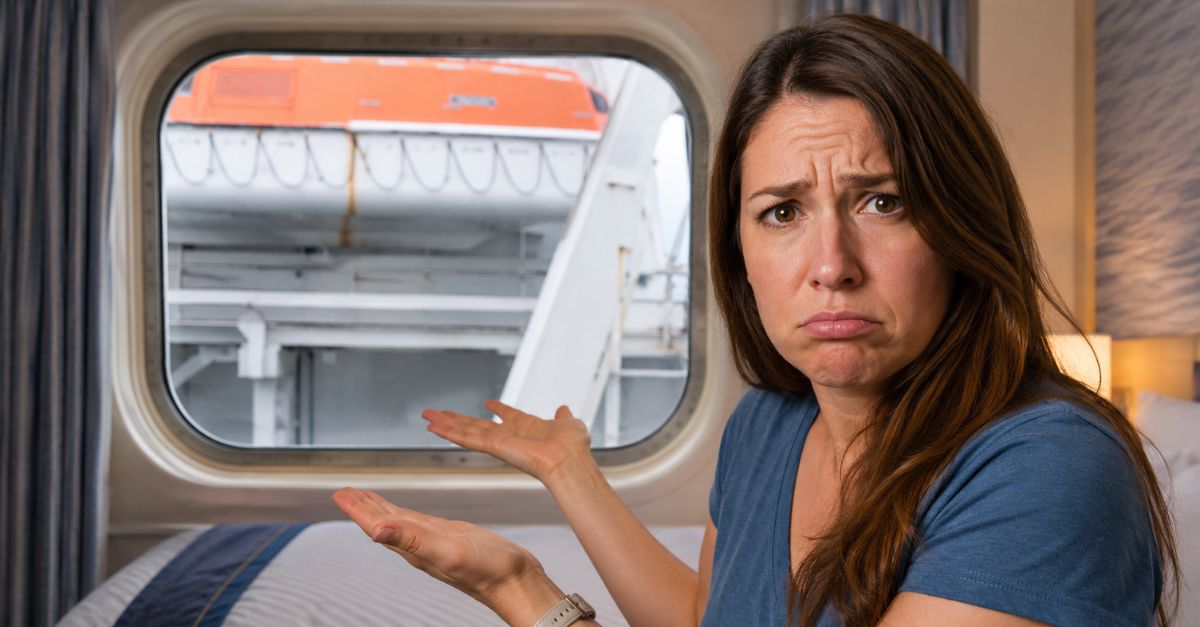
Finding a lifeboat, steel beam, or deck structure parked right outside your cabin window is a massive disappointment. But if the booking page never clearly mentioned it, it can feel more like a bait and switch. You could be able to get compensation, but whether you've got a case usually comes down to one thing: What the cruise line told you before you sailed.
Why This Problem Keeps Causing Complaints
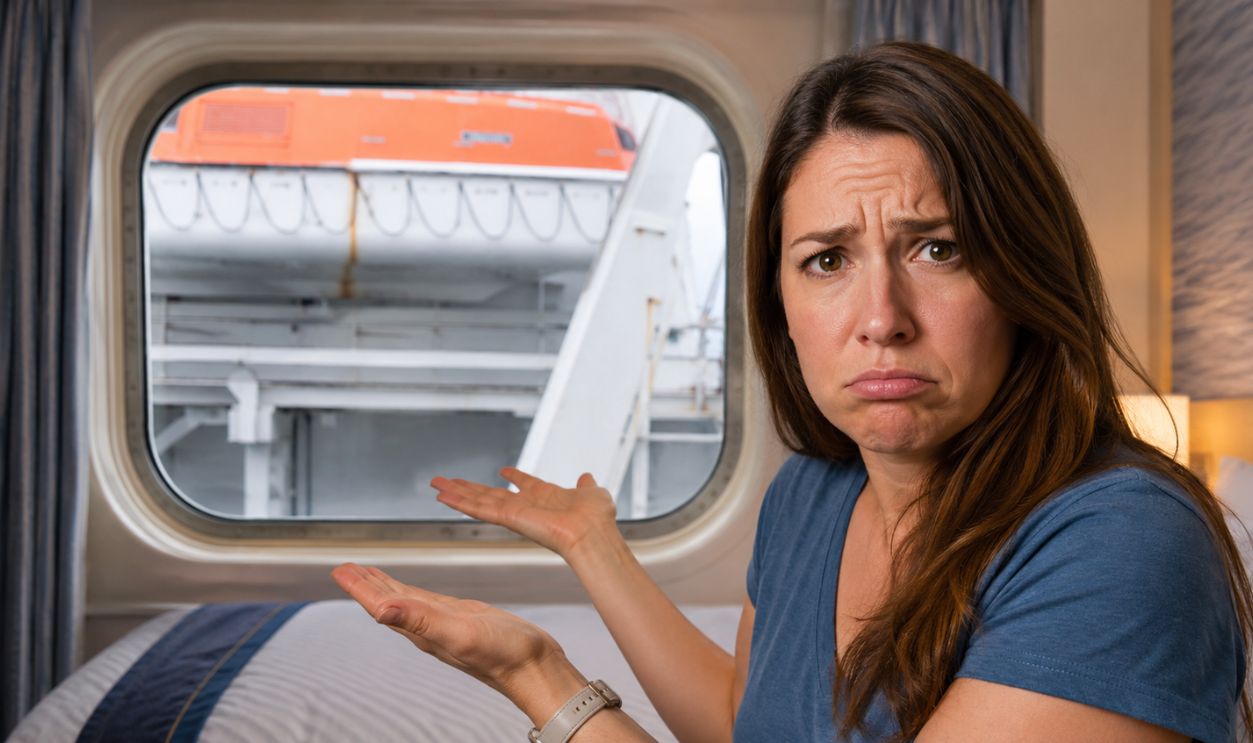
A window matters because passengers often pay extra for natural light and a view of the sea instead of booking an inside cabin. When that view is blocked, people understandably feel they did not get what they paid for. Cruise forums, consumer sites, and travel advisors have been talking about these disputes for years because the gap between disappointment and misrepresentation can be small.
What Cruise Lines Mean By Obstructed View
An obstructed-view cabin is usually an oceanview or balcony cabin where equipment or part of the ship partly or fully blocks the view. The usual offenders are lifeboats, tenders, railings, steel supports, and promenade structures. Many cruise lines sell these cabins at a lower price, but the real issue is whether that obstruction was clearly disclosed when the cabin was booked.

The Fine Print Usually Decides The Fight
Cruise ticket contracts are written to give cruise lines wide control over cabin assignments and onboard conditions. That does not mean passengers never have a valid complaint, but it does mean these cases often come down to paperwork, screenshots, and confirmation emails. If the cabin was sold as obstructed or partially obstructed, your argument gets much weaker.

Cruise Critic Says To Check Cabin Details Carefully
Cruise Critic, one of the best-known cruise advice sites, notes that obstructed-view cabins are often cheaper and can still be a good deal if travelers know what they are booking. The site also points out that some obstructions are minor while others are severe, which makes cabin research important before you book. That matters because a cruise line may argue that the cabin category itself was the warning.

Not Every Obstruction Is The Same
One passenger may still get a decent ocean view over a lifeboat, while another may be staring at a metal wall with barely any view at all. That difference can shape both how fair compensation seems and how willing customer service is to help. It also explains why cabin-specific reviews and deck plans are so useful.
How You Booked Matters More Than You Might Think
If you booked directly with the cruise line, there may be a record of exactly what appeared on the cabin page when you chose the room. If you booked through an online travel agency, then the wording and screenshots from that site matter just as much. In a dispute, the key question is what you were shown when you paid, not what the description says later after it gets updated.

What Counts As A Real Warning
A note buried several clicks deep may not feel like much of a warning, but companies often lean on those details. Clearer disclosures usually use phrases like obstructed view, partial view, or limited view right in the cabin category or description. If nothing like that appeared anywhere during booking, your case for compensation gets stronger.

Photos And Screenshots Can Make Or Break Your Claim
The smartest move is to document everything as soon as you notice the problem. Take photos from inside the cabin that clearly show how much of the window is blocked. Save your booking confirmation, cabin description, fare category, and any images that suggested you were getting a normal ocean view.

ABTA Says To Complain Right Away
ABTA, the U.K. travel association, advises travelers to report problems as soon as possible to the supplier or local representative so there is a chance to fix them during the trip. That advice makes sense on a cruise because a cabin move may still be possible early in the voyage. If you wait until you get home, the cruise line may argue that you never gave it a fair chance to sort things out onboard.

If You Notice It On Day One, Speak Up Immediately
Go to guest services as soon as you enter the cabin and calmly explain that the room does not match what was advertised. Ask whether another cabin is available and whether your complaint can be noted in writing. Reporting it the same day creates a paper trail and shows you acted reasonably.

Be Clear About What You Paid For
Do not just say the cabin was disappointing. Say that you booked an oceanview or balcony cabin and that no obstructed-view warning appeared in the description, if that is true. Specific wording makes it easier for onboard staff and later claims teams to compare your complaint with the original sales record.

What Compensation Usually Looks Like
Compensation in these cases is often limited unless the problem is serious or the cabin was clearly misdescribed. You might be offered onboard credit, a partial fare refund, or a credit toward a future cruise. A full refund is less common unless the cruise line failed to provide the cabin category promised or the issue is part of a wider package-travel complaint.

The Cruise Line May Try To Fix It With A Cabin Move
If another suitable cabin is open, a move is often the easiest solution for both sides. That can be better than arguing over money, especially on a longer sailing where the cabin affects your trip every day. But if the new room is smaller, noisier, or otherwise worse, you should say so.

U.S. Travelers May Have Another Path
For cruises sold in the United States, the Federal Maritime Commission requires passenger ticket contracts to include certain terms and filing provisions, though it does not handle every service complaint like a local consumer watchdog would. In practice, most obstructed-view disputes are still settled directly with the cruise line or through card disputes and consumer channels. The contract remains central, but documented misrepresentation can still matter.

Package Travelers In The U.K. May Have Stronger Rights
If your cruise was part of a package holiday bought in the U.K., the Package Travel and Linked Travel Arrangements Regulations 2018 may apply. Those rules require the organizer to provide services that match the contract. If the cabin sold was meaningfully different from what was promised, the traveler may have a stronger legal basis to ask for a price reduction or another remedy.

A Bad View Alone Does Not Guarantee Money Back
A blocked sightline by itself is not always enough to force compensation. In many failed complaints, the missing piece is proof that the cabin was sold as something better than it really was. If the cruise line can show the category, fare code, or terms disclosed a limited or obstructed view, the passenger may simply have booked a cheaper cabin without realizing the tradeoff.

Travel Advisors Often Catch This Before It Becomes A Problem
Experienced cruise agents often check cabin notes, deck plans, and review databases before locking in a room. They know some cabins look fine on a generic map but have awkward structures outside the glass in real life. That extra check can prevent the kind of surprise that leads to complaints later.

Deck Plans Help, But They Do Not Tell The Whole Story
Official deck plans can show lifeboats and public areas, but they do not always reveal how badly a specific window is blocked. A cabin may sit between supports or above equipment that only becomes obvious in traveler photos. That is why many experienced cruisers compare official plans with reviews and passenger-uploaded images.

Consumer Experts Say Evidence Is Everything
Which? advises holidaymakers to complain to the travel company and gather evidence, including photos and copies of what was booked, if the holiday is not as described. That fits cruise cabin disputes perfectly because the difference between a minor annoyance and a successful claim is often the quality of the evidence. A fuzzy memory of the booking page usually is not enough.

You Can Still Complain Even If The Trip Was Great
Some travelers worry that enjoying the ship, food, and itinerary will weaken their complaint. Usually, it does not. You can still argue that one part of what you paid for, the cabin view or category, was not delivered as advertised.
Social Media Can Help If You Use It Carefully
Posting a clear, factual account on social platforms can sometimes speed up a response from customer service. Keep it calm and stick to the facts, because claims that are easy to disprove can hurt your credibility. A side-by-side image showing the booking description and the blocked window is much stronger than an angry rant.

What To Do If Customer Service Says No
If the cruise line rejects your complaint, ask for a final written response and move through any formal complaints process it offers. If you booked through a travel agent or tour operator, involve them too because they may have separate duties under your contract. Depending on how and where you booked, card issuers, consumer bodies, and dispute resolution schemes may also be options.

Do Not Wait Too Long After The Cruise
If you plan to ask for money back, do not let the complaint sit for weeks. ABTA and consumer advocates both recommend raising complaints quickly and following up in writing. The longer you wait, the easier it is for a company to say records are incomplete or that the issue could not have been very serious if you said nothing at the time.

What A Strong Claim Looks Like
A solid complaint usually includes the sailing date, ship name, cabin number, screenshots of the listing, and photos showing the obstruction. It should also clearly say what remedy you want, such as a partial refund based on the difference between an unobstructed and obstructed cabin. Polite, evidence-based claims usually land better than dramatic demands.

So, Is This Enough To Demand Compensation?
Yes, a blocked-view window that was never disclosed online can be enough to justify asking for compensation, but it does not guarantee you will get it. Your chances improve if you can show the cabin was sold as a standard oceanview or balcony with no clear warning and that you reported the issue quickly onboard. The blocked view may start the complaint, but proof of missing disclosure is what really drives it.

The Best Lesson Before Your Next Cruise
Before you book, search the exact cabin number, study the deck plans, and save screenshots of the description you relied on. If the view matters to you, that small bit of homework can save a lot of frustration after the ship leaves port. And if the worst happens, you will already have what you need to push for a fair outcome.