Do Cruises Need Special Travel Insurance?
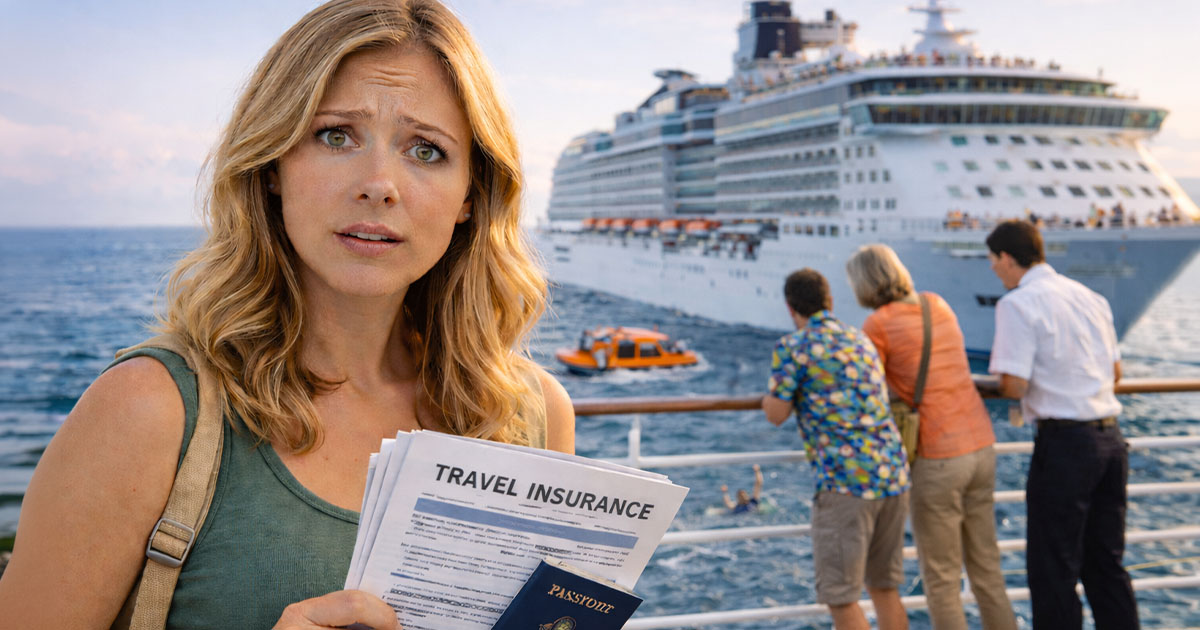
You’re heading out on a cruise, bags packed, excitement high—and suddenly your family is debating insurance. Your brother says regular travel insurance is enough. Your mom says cruises are different and need special coverage. Annoying, but also a fair question.
Why Cruises Are a Little Different
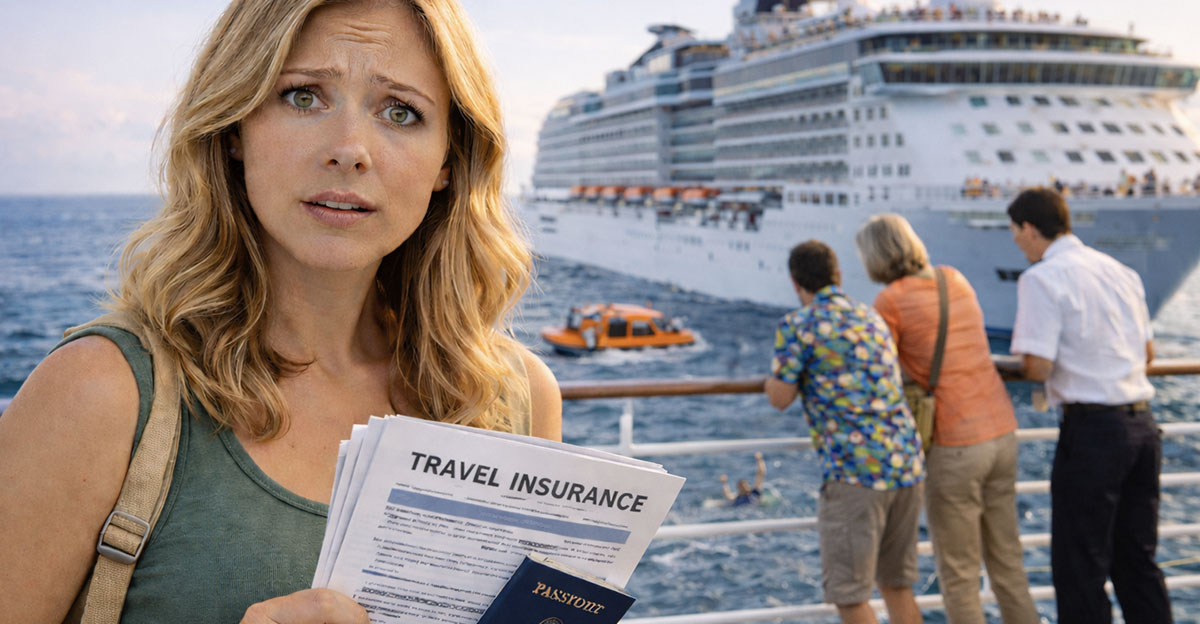
Cruises aren’t like flights and hotels. You’re on a floating resort, visiting multiple countries, often far from land. If something goes wrong, help isn’t always close by. That unique setup changes what kinds of risks matter—and what kind of insurance makes sense.
What Regular Travel Insurance Usually Covers
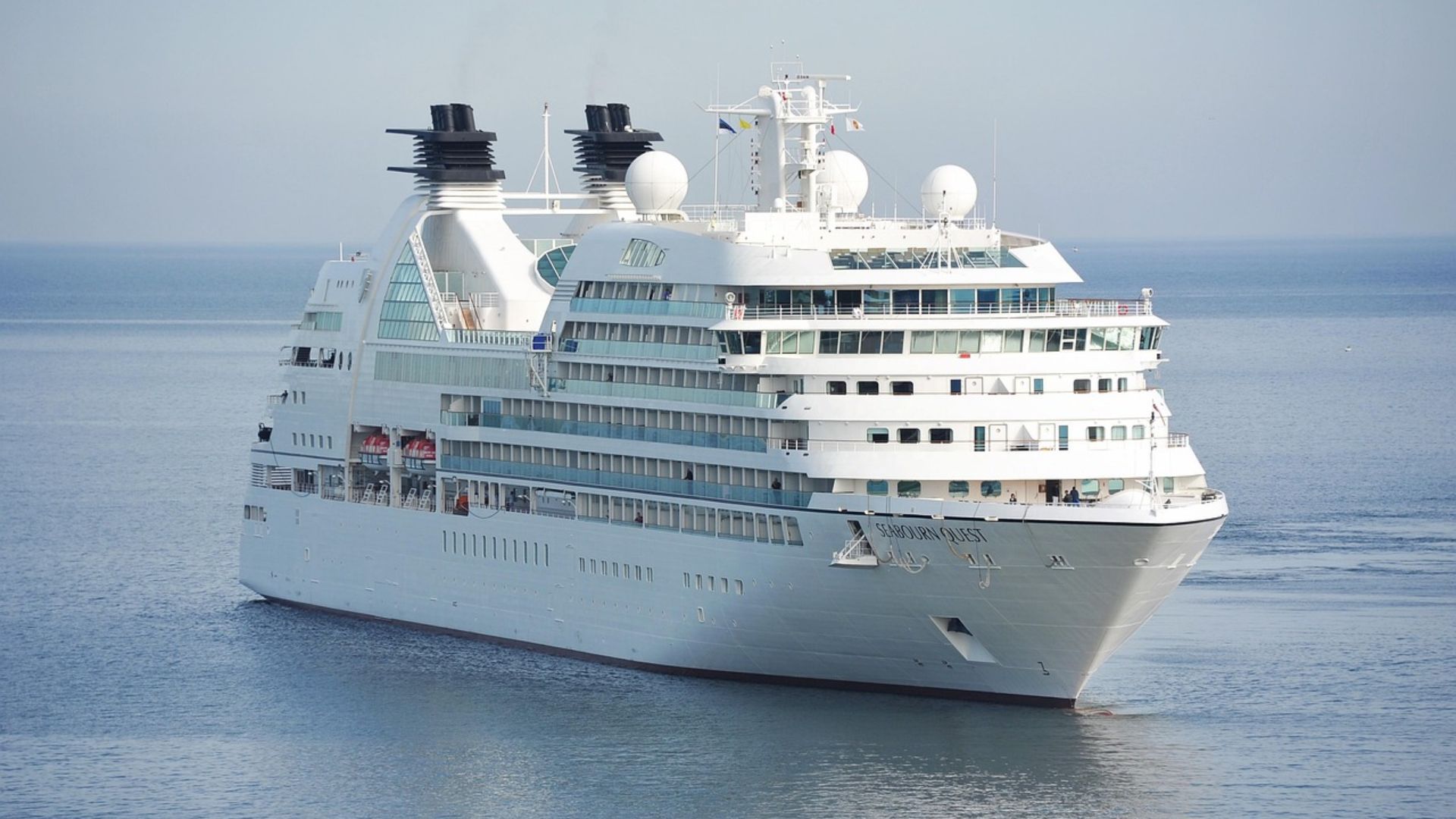
Standard travel insurance often includes trip cancellation, trip interruption, baggage issues, and emergency medical care. For many vacations, that’s enough. If your cruise is simple, short, and domestic, regular insurance might cover the basics without issue.

Where Regular Travel Insurance Can Fall Short
Some regular policies don’t fully account for cruise-specific risks—like missing the ship at a port, medical evacuation from the ocean, or itinerary changes caused by weather at sea. These gaps don’t matter on land trips, but they matter a lot on cruises.
Medical Care on a Cruise Ship Isn’t Cheap
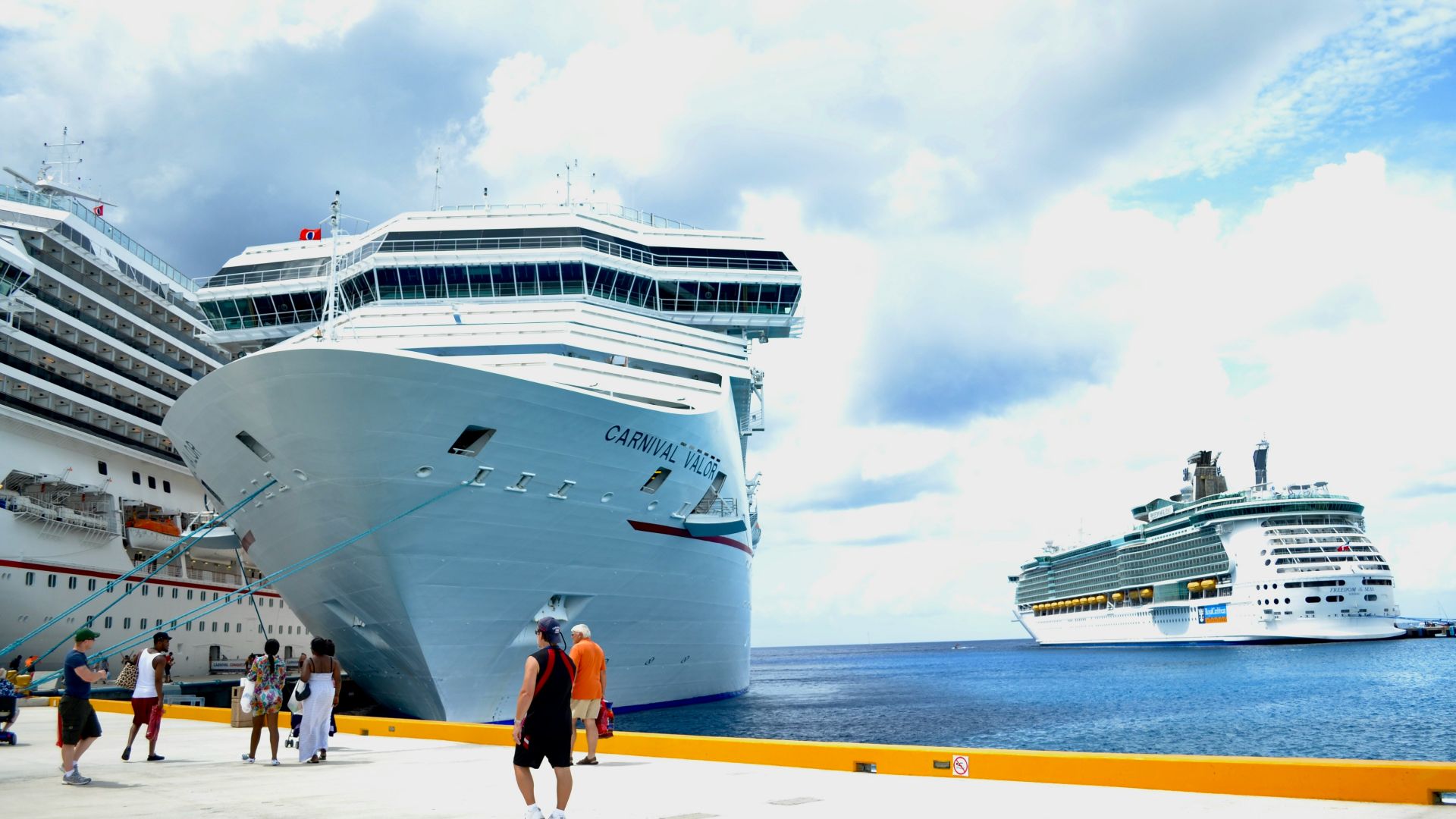
Cruise ships have onboard medical centers, but they’re not free—and they’re not cheap. Treatment is often billed like private emergency care. Regular travel insurance may cover some of this, but coverage limits can be lower than what cruise-specific policies offer.
Medical Evacuation Is the Biggest Risk
This is the big one. If you need to be airlifted from a ship to a hospital, costs can reach tens of thousands of dollars. Some regular travel insurance covers evacuation, but cruise-focused policies usually offer higher limits and fewer exclusions.

Missed Port or Missed Ship Coverage
If you miss the ship at a port due to delays, illness, or transportation issues, cruise insurance often helps pay to catch up at the next stop. Regular travel insurance doesn’t always include this—or may limit coverage heavily.
 Monkey Business Images, Shutterstock
Weather and Itinerary Changes Happen a Lot
Cruises reroute or cancel ports more often than flights cancel destinations. Storms, rough seas, and mechanical issues can change plans fast. Cruise-specific insurance often includes protections for missed ports and itinerary changes that regular policies may skip.
Cruises Often Have Stricter Cancellation Rules
Cruise lines usually have firm cancellation deadlines. Miss it by a day, and you might lose a big chunk of your money. Cruise insurance is often designed to match these rules more closely than general travel insurance.

Not All Cruises Are Equal Risk
A weekend cruise close to home is very different from a two-week international cruise. Short, domestic cruises may not need special coverage. Long, expensive cruises with multiple ports usually do.
Age and Health Matter More on Cruises
Cruises are popular with older travelers, and medical incidents are more common. If you or someone traveling with you has health concerns, cruise-specific insurance can offer better medical and evacuation protection.

Credit Card Coverage Usually Isn’t Enough
Some credit cards offer travel protection, but cruise coverage is often limited. Medical evacuation, missed port coverage, and onboard medical costs are usually weak or missing. Relying only on your card for a cruise is risky.

Cruise Insurance Isn’t Always Separate
Sometimes “cruise insurance” is just a travel insurance policy with cruise-specific features added. You don’t always need a totally separate product—just one that clearly covers cruise-related issues.

Buying Through the Cruise Line vs. Third Party
Cruise lines sell insurance, but it’s often more expensive and limited. Third-party policies usually offer broader coverage and more flexibility. Always compare before buying.

Timing Matters With Cruise Insurance
Many cruise insurance benefits only apply if you buy coverage soon after booking. Waiting too long can remove cancellation or pre-existing condition coverage. This matters more for cruises than other trips.

When Your Brother Is Probably Right
If your cruise is short, inexpensive, domestic, and you’re healthy, regular travel insurance may be fine. In low-risk situations, extra cruise-specific coverage may be unnecessary.

When Your Mom Is Definitely Right
If your cruise is long, international, expensive, or involves health risks, cruise-focused coverage is the safer choice. The ocean adds risks regular insurance doesn’t always handle well.
Think About Worst-Case Scenarios
Ask yourself what would hurt the most: losing the trip cost, paying for medical care, or getting stranded far from home. Cruise insurance is designed to cover those specific nightmares.

You Don’t Have to Overbuy Coverage
You don’t need every add-on available. Focus on medical care, evacuation, missed ship coverage, and trip interruption. Skip extras that don’t match your actual risks.

Peace of Mind Is Part of the Decision
If worrying about “what if” would ruin your cruise, insurance is worth it. Feeling protected can make the trip more enjoyable—and that matters.

Final Verdict: Your Mom Has the Edge
Regular travel insurance can work for some cruises, but cruise-specific coverage exists for a reason. Cruises come with unique risks, and insurance that’s built for them usually offers better protection. The right choice depends on your cruise—but in most cases, your mom’s advice is the safer bet.

You May Also Like: