Apparently, Buying One Plane Ticket Is Suspicious Now
Tell your family you’re going on vacation with friends and you’ll probably hear, “Have fun!”. Tell them you’re going alone and suddenly everyone wants to know whether you’re okay. Solo travel still makes some people uneasy because vacations have traditionally been imagined as shared experiences. Yet traveling alone is increasingly common, and research suggests choosing solitude is very different from actually being lonely.

Being Alone And Being Lonely Aren’t The Same Thing
This is probably the biggest misunderstanding behind the judgment. The CDC defines loneliness as the feeling of being disconnected or lacking the meaningful relationships you want, while social isolation refers to objectively having too little contact or support. In other words, sitting alone in a café in Lisbon tells you basically nothing about whether someone has a healthy social life back home.

We’re Trained To Treat Vacations As Group Activities
Think about how travel is usually presented: honeymoons, family vacations, couples’ getaways and trips with friends. That makes voluntarily removing the companion from the equation seem unusual. Research into solo female travel has specifically identified interpersonal and sociocultural pressures among the constraints travelers encounter, meaning some of the resistance really does come from the expectations of people around them.
Your Family May Actually Be Worried About You
Not every raised eyebrow is criticism. Sometimes it’s plain old concern wearing an annoying disguise. A 2026 Road Scholar survey of 2,000 American adults found that safety was the most commonly cited barrier to solo travel, mentioned by 26% of respondents, followed closely by cost at 25% and loneliness at 23%.
 https://kaboompics.com/, Pexels
Those Concerns Can Be Stronger For Women
Women traveling internationally can face additional considerations depending on the destination. The U.S. State Department specifically advises women travelers to research local laws, customs, clothing expectations, transportation and other destination-specific conditions. So when relatives worry about a woman traveling alone, there can be legitimate safety questions underneath the dramatic family group chat.

But Concern Can Turn Into Social Pressure
There’s a difference between “Have you checked the travel advisory?” and “Why would you ever want to go by yourself?”. Academic research on women traveling alone in Africa found that family, friends and media could themselves become interpersonal constraints before and during trips. Travelers in the study nevertheless described feeling adventurous and satisfied with their experiences.
 YAKOBCHUK VIACHESLAV, Shutterstock
Solo Travel Isn’t Nearly As Unusual As It Sounds
The numbers make the “Who travels alone?” reaction look increasingly outdated. American Express reported in its 2024 Global Travel Trends Report that 69% of respondents said they were planning a solo trip that year, including 76% of Millennials and Gen Z respondents. Among people planning solo trips, 60% intended to take at least two.
Older Travelers Are Doing It Too
This isn’t simply a twenty-something backpacker phenomenon. Road Scholar reported in 2026 that 58% of Baby Boomers and 64% of Silent Generation respondents had traveled alone at least once. The organization also says roughly 30% of its own travelers go solo each year.
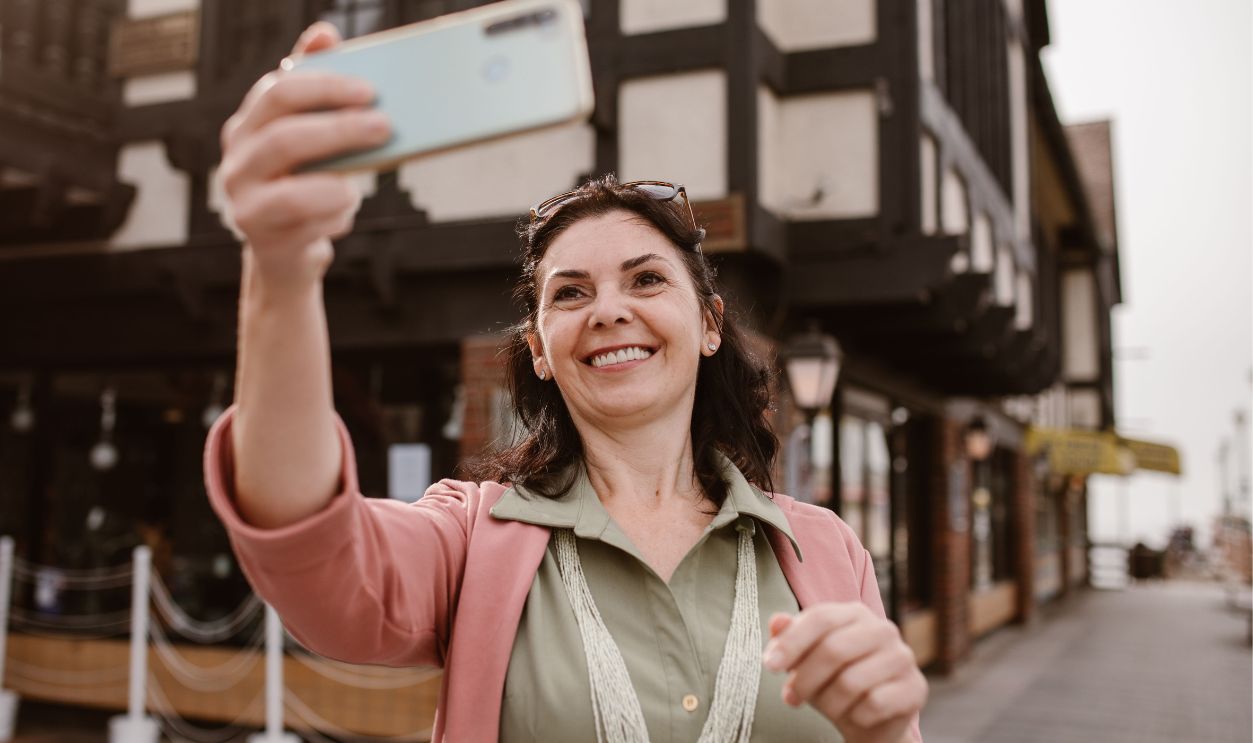
Sometimes Waiting For A Travel Buddy Means Never Going
Finding another person with the same vacation dates, budget, destination preferences and interests can be surprisingly difficult. Road Scholar’s survey found that half of American adults had already traveled solo, while another 32% of people who hadn’t done it were open to the idea. Sometimes the choice isn’t really “travel alone or travel together.” It’s “travel alone or keep postponing the trip.”
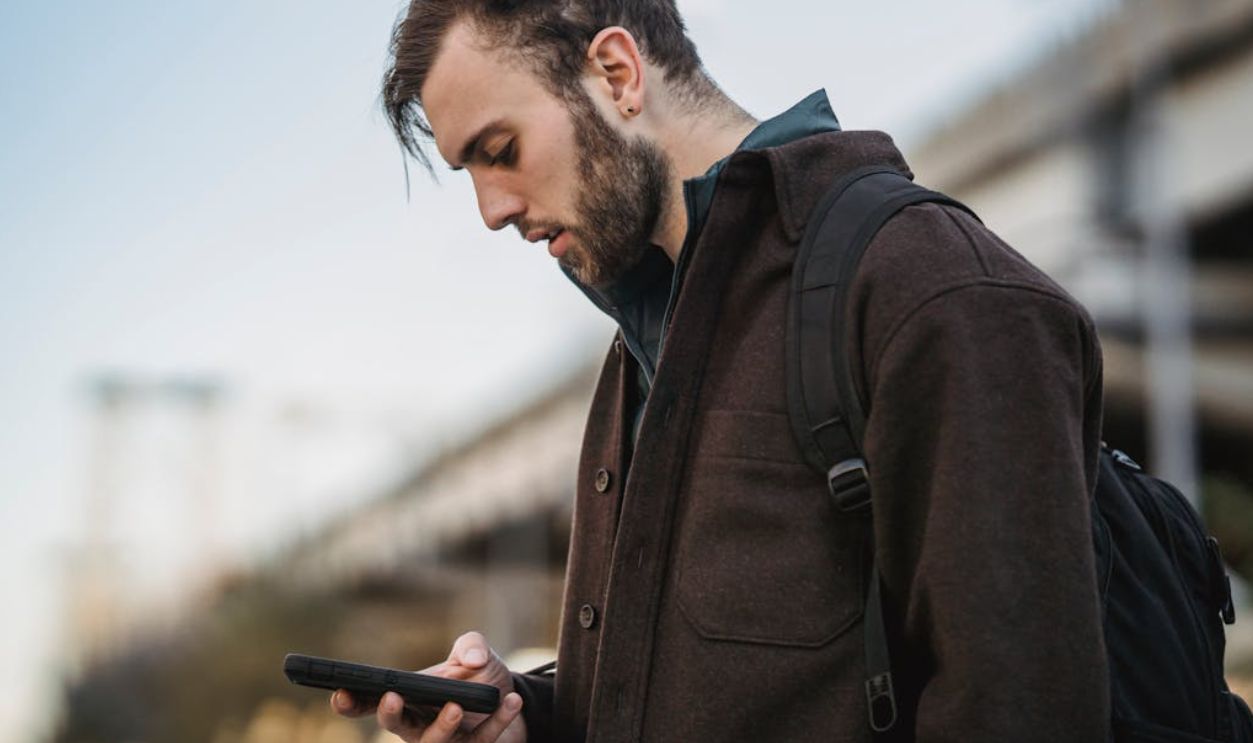
Traveling Alone Gives You Total Control
Want to spend four hours wandering around a museum? Nobody is sighing dramatically near the exit. Want breakfast at 11, dinner at 5 and absolutely no nightlife whatsoever? Congratulations, the itinerary committee has unanimously approved your proposal. That freedom is one reason solo travelers consistently describe independence and pursuing their own interests as major attractions of traveling alone.

Choosing Solitude Can Actually Feel Good
Psychological research increasingly distinguishes positive, voluntary solitude from unwanted loneliness. A study published in the Journal of Personality found that people experiencing loneliness reported more low-arousal positive emotion after spending time alone when they had first been encouraged to think about solitude as potentially beneficial. The takeaway isn’t that everyone needs more alone time, but that how people interpret solitude can influence how they experience it.

Your Personality Doesn’t Automatically Explain It Either
People sometimes assume solo travelers must be introverts who secretly want to escape humanity. Research is more complicated than that. A 2025 study of 301 Japanese adults found positive solitude was associated with several personality traits, including extraversion, openness, conscientiousness and agreeableness, suggesting enjoying time alone isn’t exclusive to one stereotypical personality type.
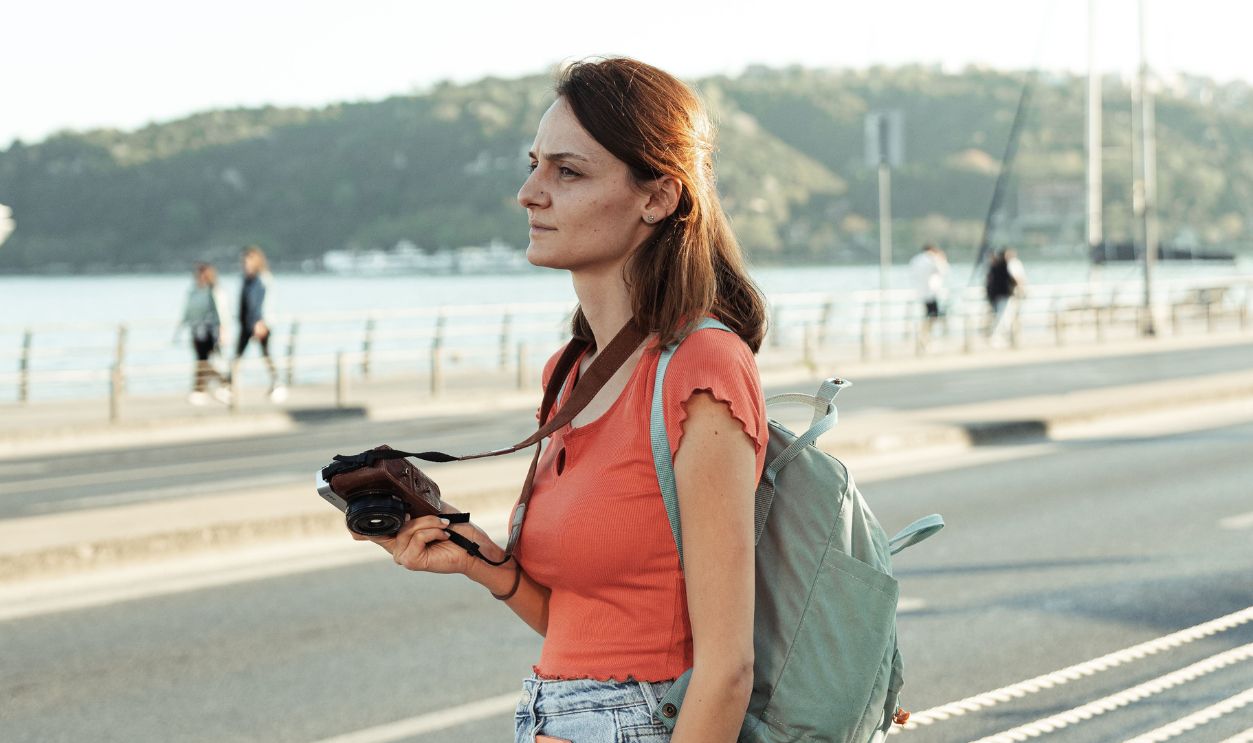
You’re Also Not Signing A Contract To Avoid Humans
“Solo travel” describes how you start the trip, not necessarily how you spend every minute of it. You can take walking tours, join excursions, attend classes, eat at communal tables or meet fellow travelers along the way. Road Scholar, for example, says about 30% of its participants travel solo even though its programs place those travelers into larger educational groups.

There’s A Middle Ground For Nervous First-Timers
Traveling solo doesn’t require landing somewhere unfamiliar and immediately disappearing into the wilderness with a backpack. Organized tours and learning programs allow people to arrive independently while still having guides and companions during much of the trip. That hybrid model has become particularly useful for people who want independence without being completely on their own.
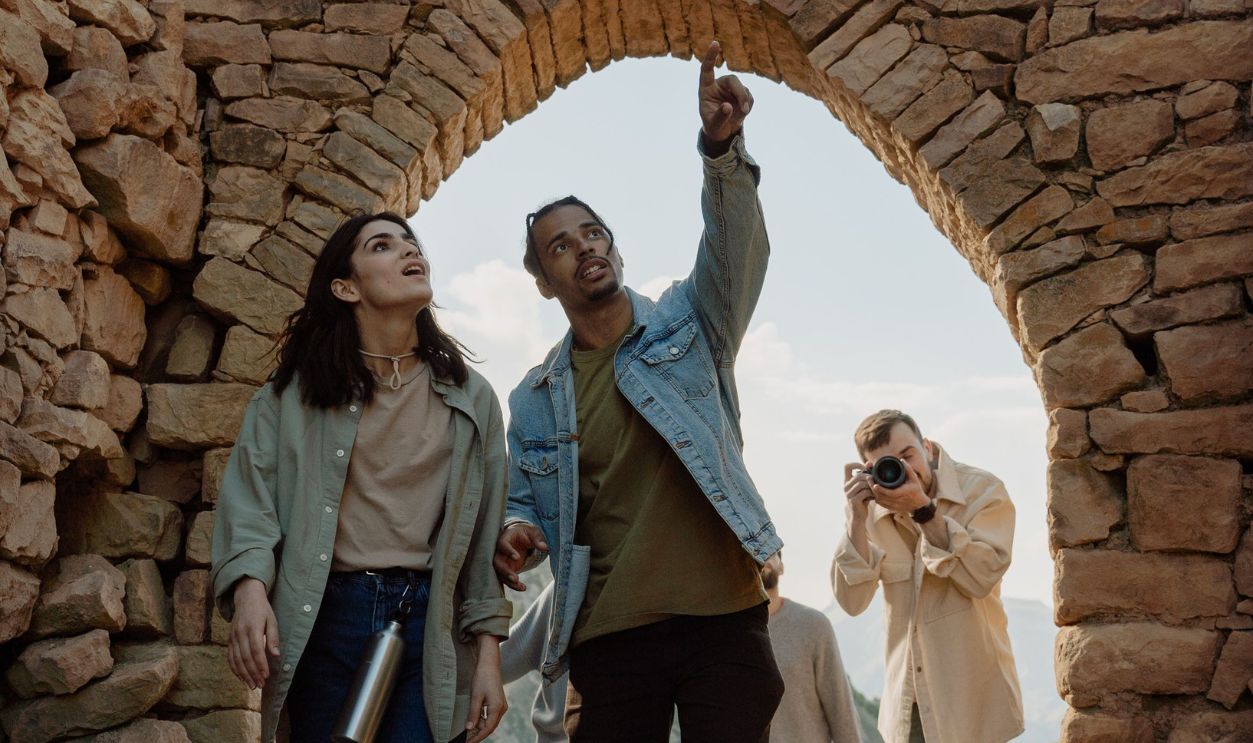
Yes, Solo Travel Can Cost More
Here’s one criticism that unfortunately has some numbers behind it. Hotels, cruises and tours have historically built much of their pricing around two people sharing accommodations, which can leave solo travelers facing a “single supplement.” Travel companies increasingly offer dedicated single rooms or waive those charges on selected departures, but traveling alone can still mean paying more per person for accommodations.

You Do Have To Plan Differently
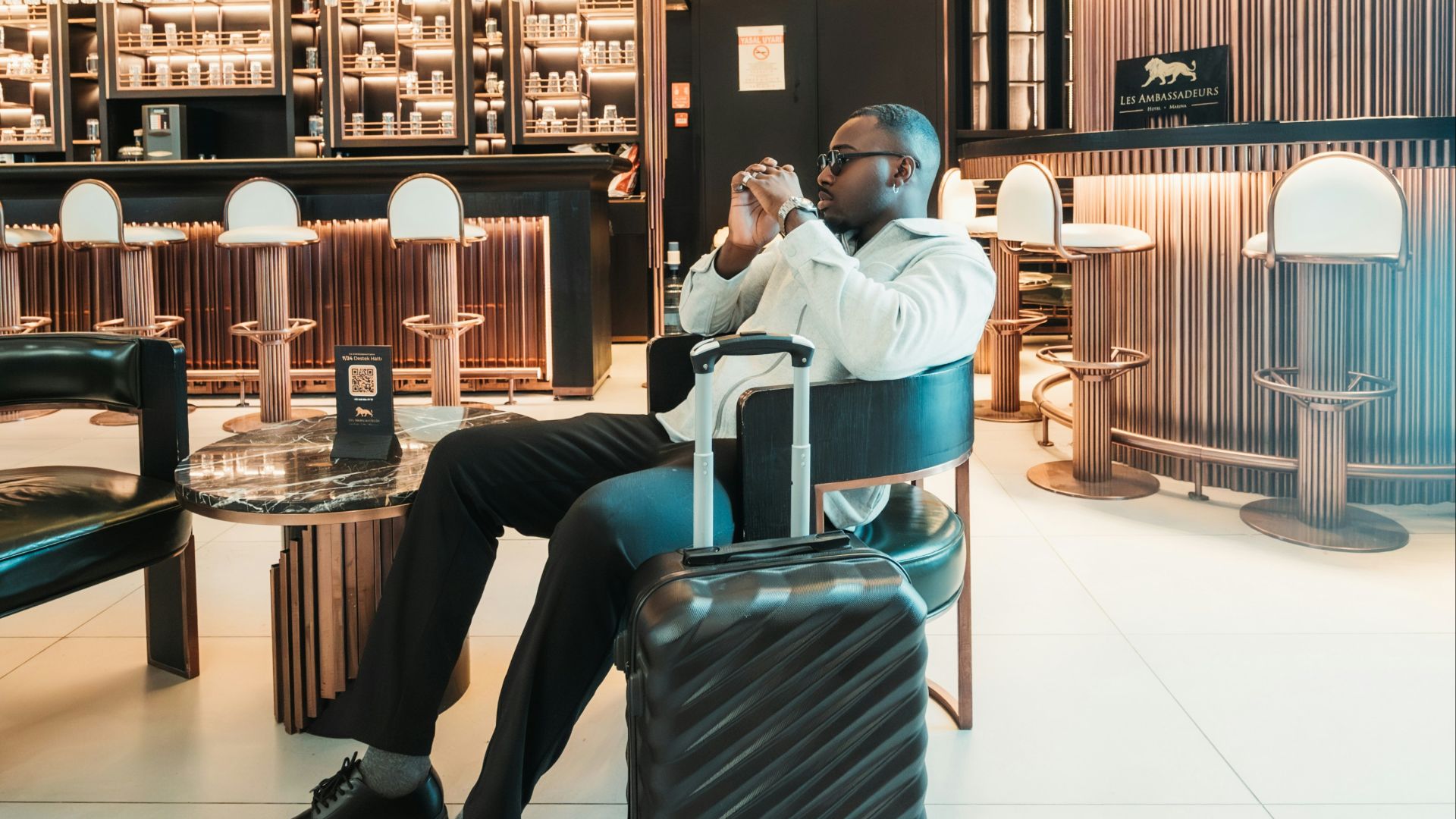
There’s no companion to watch your luggage while you run to the restroom or notice that you’ve confidently boarded the wrong train. International solo travelers should check destination advisories, entry requirements, local laws, health information and embassy contacts before departure. The State Department also recommends its Smart Traveler Enrollment Program, which can provide travelers with embassy alerts and help officials contact them or an emergency contact when necessary.
Sharing Your Plans Can Calm Everyone Down
If relatives are worried, showing them that you actually have a plan may work better than arguing about whether solo travel is “normal.” Providing an itinerary, accommodation details and regular check-in plans can address the practical concern underneath many objections. It also aligns with official guidance encouraging international travelers to research destinations and prepare emergency information before leaving.

The Stigma Around Doing Things Alone Is Already Changing
Travel isn’t the only activity getting a solo makeover. Solo dining has become increasingly visible too, particularly among younger adults who describe eating alone as relaxing or a form of self-care. That shift matters because it challenges the old assumption that appearing alone in public automatically means you couldn’t find anyone willing to join you.

Maybe People Are Projecting Their Own Discomfort
If someone says they could never travel alone, they may be telling you more about themselves than about your vacation. Road Scholar’s 2026 survey found substantial anxiety around several solo activities, including travel, concerts and outdoor recreation. What feels freeing to one person can feel intimidating to another, which helps explain why people sometimes treat their own discomfort as evidence that the activity itself is strange.

Going Alone Doesn’t Mean Something Is Wrong With You
There are legitimate downsides to solo travel: costs can be higher, safety requires careful thought and there may be moments when you genuinely wish someone familiar were sitting beside you. But voluntarily traveling alone is not the same thing as unwanted social isolation or loneliness. With large numbers of travelers now choosing solo trips, the stranger assumption may soon be that everyone should wait around until somebody else has the same vacation schedule. If you’ve done your research, made sensible safety plans and genuinely want the experience, one plane ticket can be plenty.
You May Also Like: