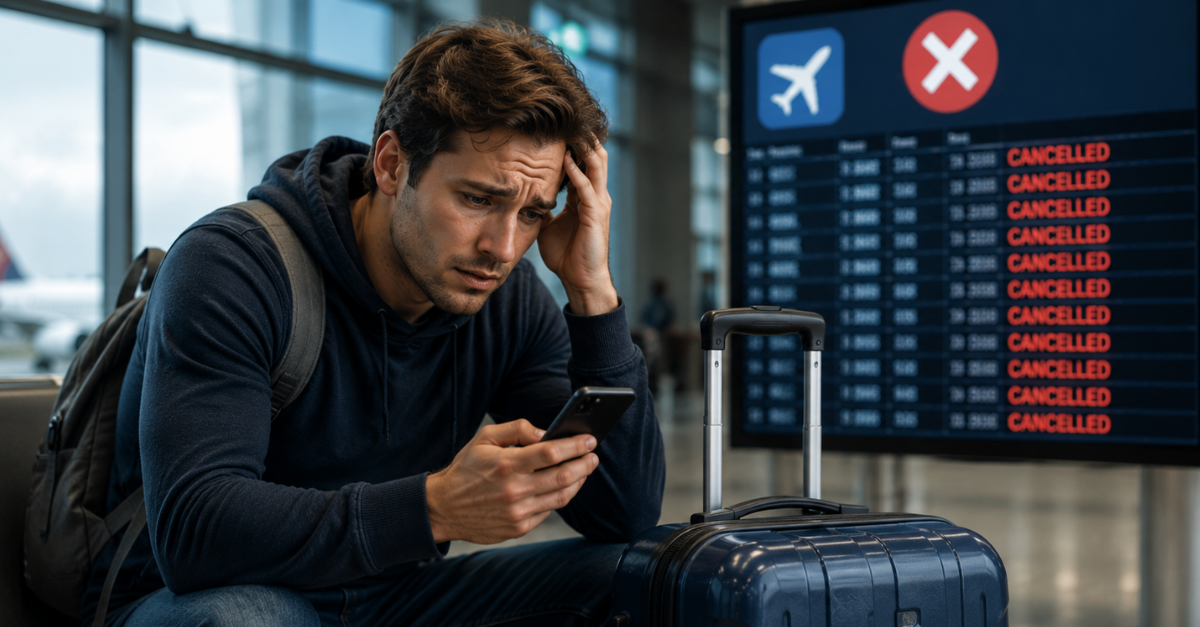
When Reality Finally Sinks In
Getting stuck in another country is bad enough. Finding out your airline canceled your flight and then seemingly vanished from existence makes it even worse. Before you do anything else, save screenshots of your booking, cancellation notices, emails, app alerts, and any attempts you've made to contact the airline. Those records could end up being very valuable later.
Make Sure The Airline Hasn't Completely Fallen Apart
A canceled flight doesn't automatically mean the airline is shutting down. Check the carrier's website, app, and verified social media accounts for updates. Sometimes the problem is a weather event, a technical issue, or a staffing shortage rather than a complete operational collapse.
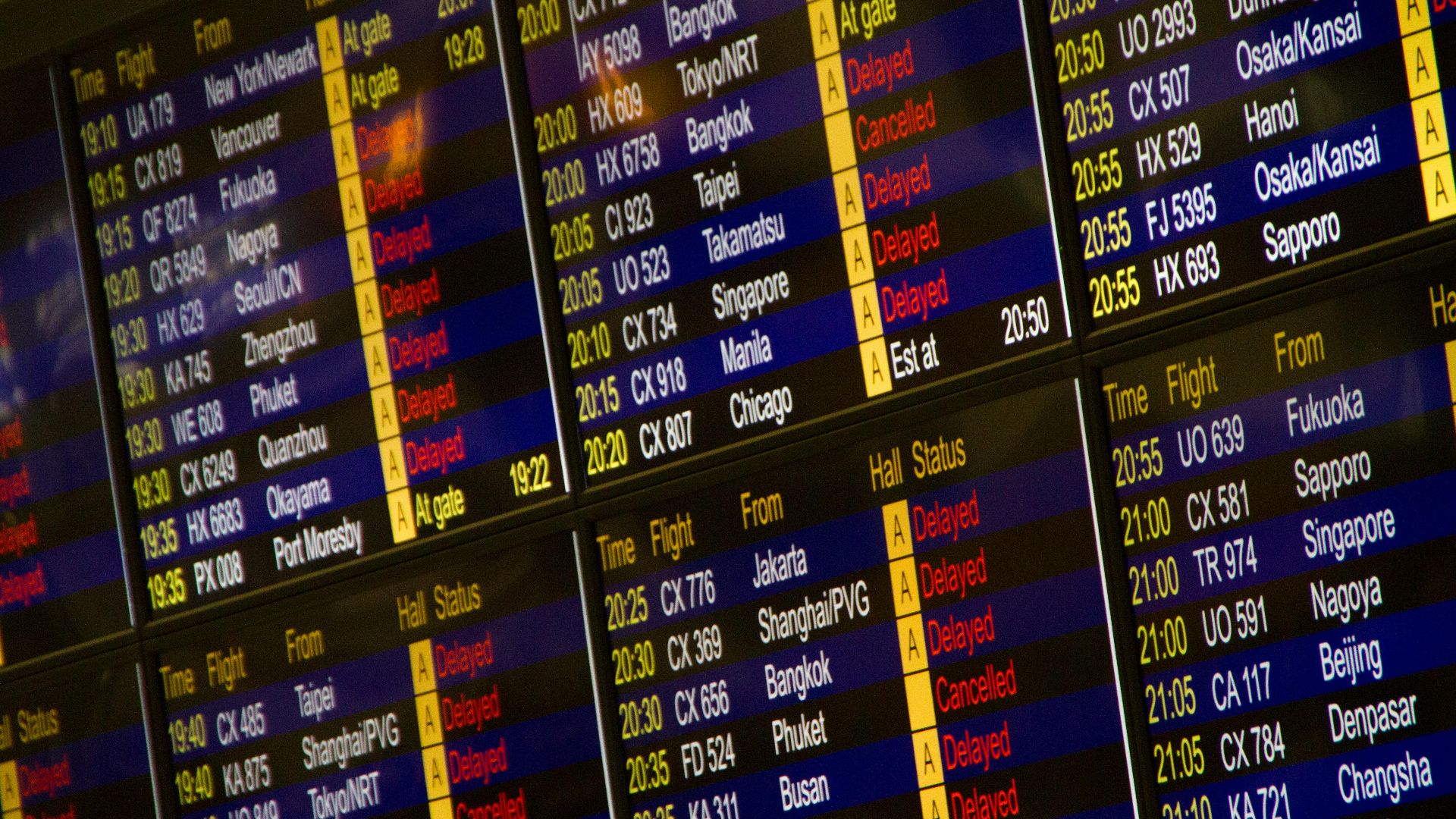
Try Every Communication Channel You Can Find
If customer service phone lines are impossible to reach, don't stop there. Try the airline's app, online chat, social media accounts, airport service desks, and email support. During major disruptions, one channel may be backed up while another is still functioning.
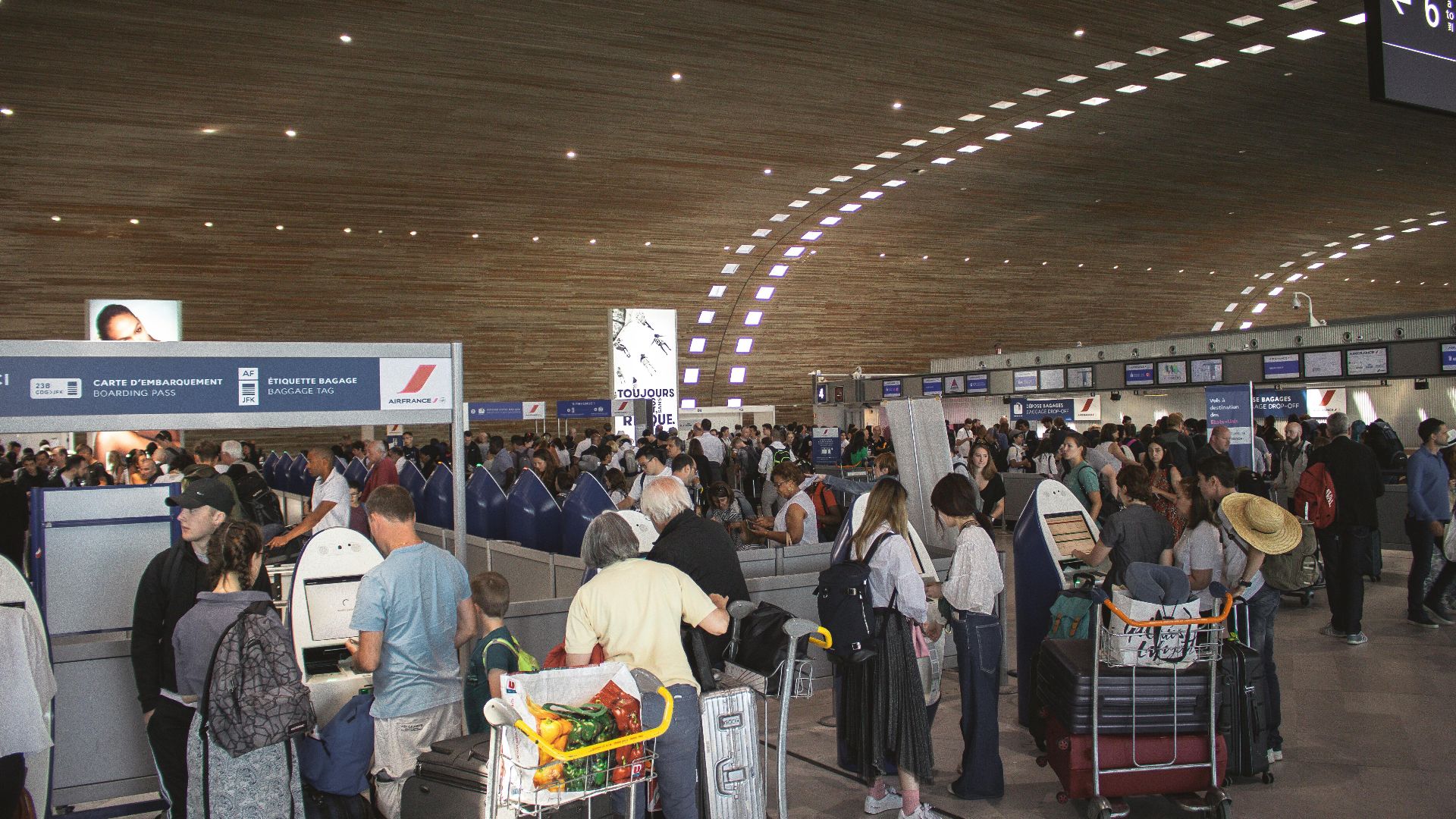
Get In The Line And Stay On Your Phone
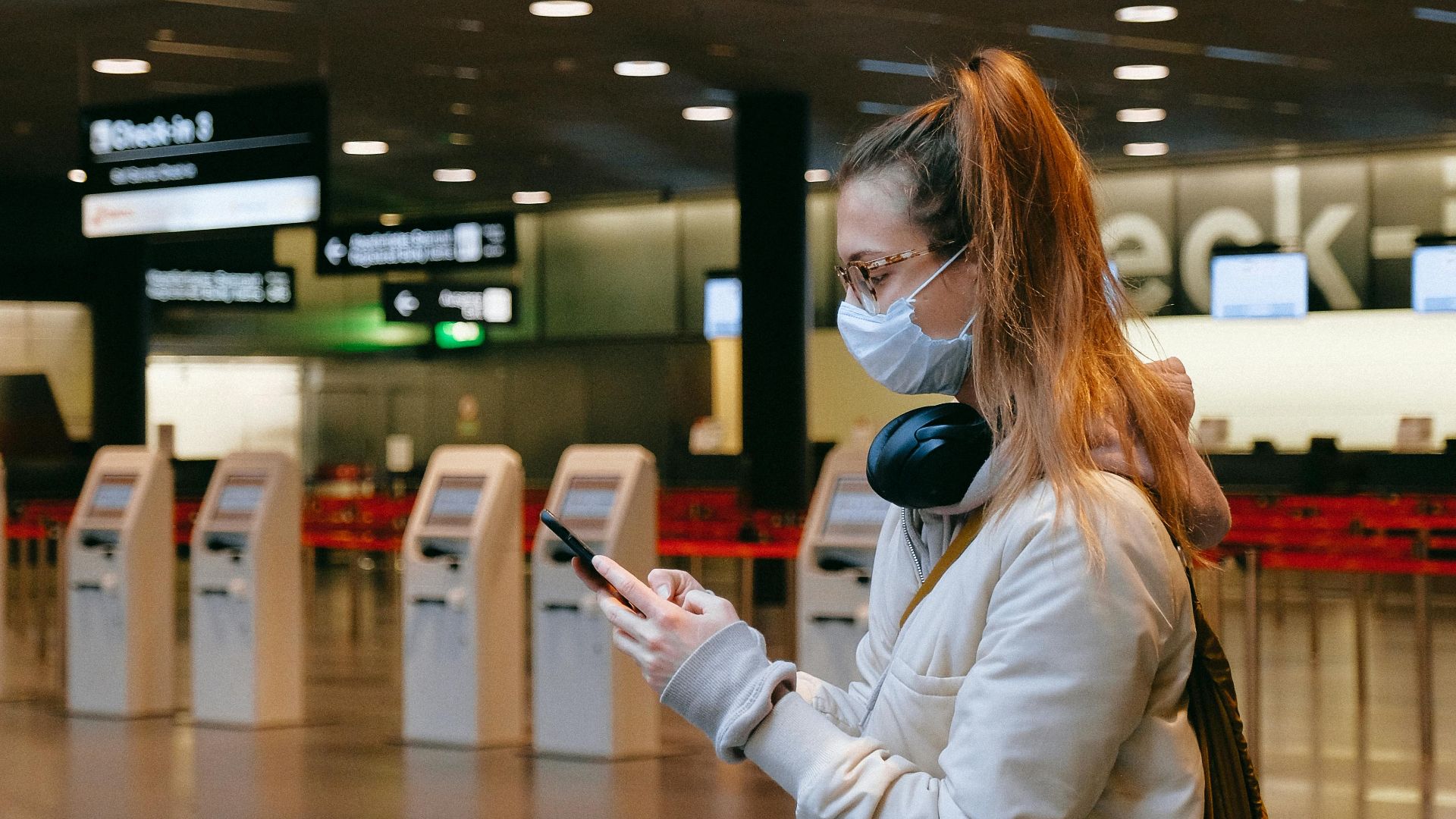
If you're at the airport, join the customer service queue immediately. Then start looking for solutions on your phone while you wait. It sounds simple, but many travelers have secured new flights online before ever reaching the front of the line.

See If You've Already Been Rebooked
Airlines often move passengers onto alternative flights automatically after a cancellation. Check your reservation carefully to see whether a new itinerary has already been assigned. If the replacement flight doesn't work for you, ask about other available options.
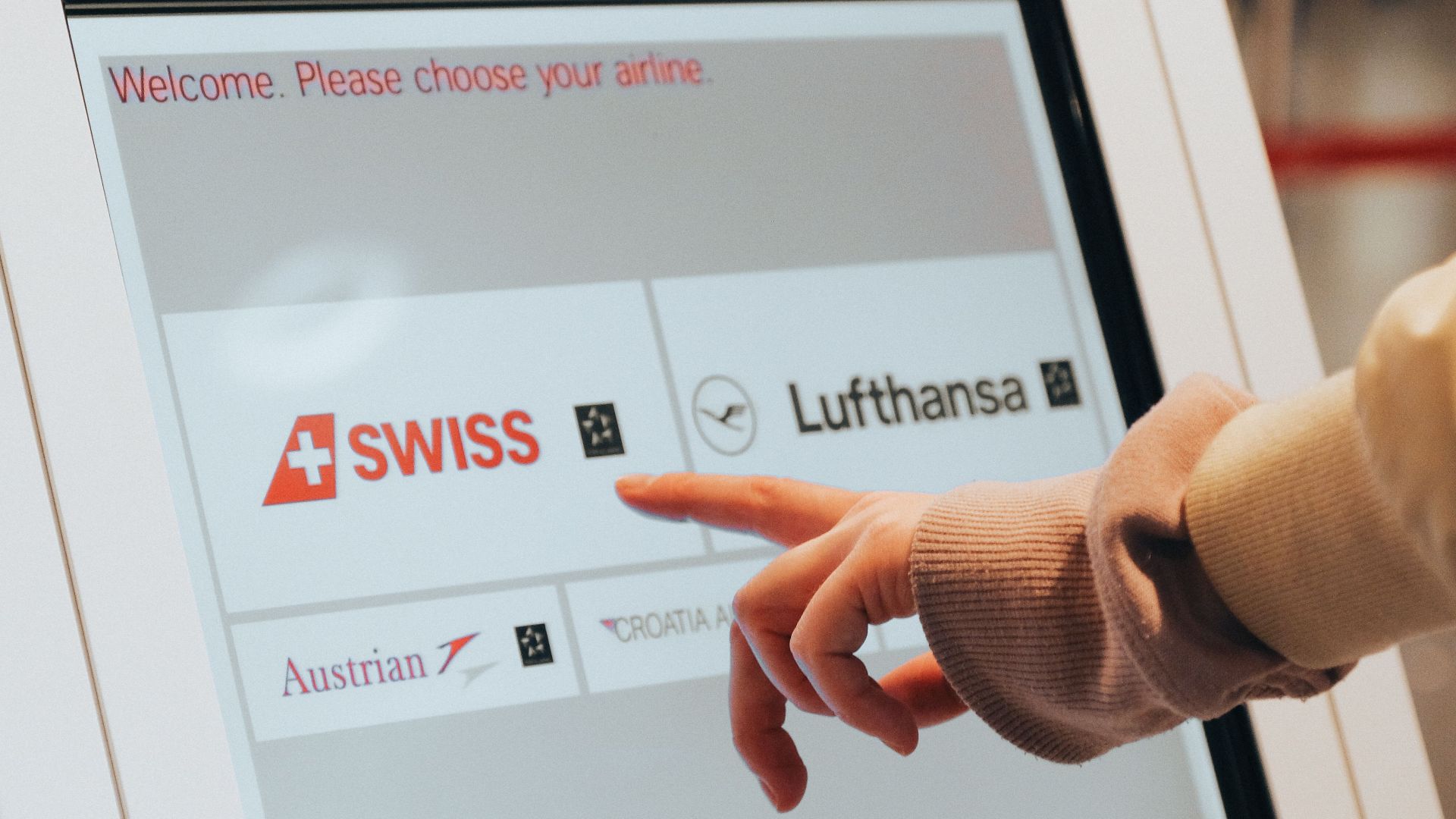
Ask About Partner Airlines
Many airlines work with partner carriers and alliance members. If your original airline is struggling to get passengers moving, there may be seats available through one of its partners. It never hurts to ask.

Keep An Eye Out For Rescue Fares
When airlines experience severe disruptions or financial trouble, competing carriers sometimes offer discounted rescue fares to stranded travelers. These deals aren't guaranteed, but they have appeared during previous airline crises and can provide a much cheaper way home.
Save Every Single Receipt
This is not the time to toss receipts in the trash. If you're paying for meals, hotels, taxis, train tickets, or replacement flights, keep proof of every expense. You may need those documents for reimbursement requests, insurance claims, or credit card disputes.

Find Out Whether The Airline Covers Expenses
Some airlines provide hotel rooms, meal vouchers, or transportation assistance when cancellations are within their control. Policies vary from carrier to carrier, but asking the question could save you hundreds of dollars.
 User:Mattes, Wikimedia Commons
Don't Confuse A Voucher With A Refund
Airlines sometimes offer travel credits or vouchers after a cancellation. That may sound helpful, but a voucher is not the same thing as getting your money back. Before accepting any offer, make sure you understand exactly what you're agreeing to.
Know Your Rights If The Flight Involved The United States
Flights to, from, or within the United States may fall under Department of Transportation rules. In many situations, passengers can receive a refund if the airline cancels the flight and the traveler decides not to accept alternative transportation.

European Travelers May Have Stronger Protections
If your journey involved the European Union, additional passenger protections may apply. Depending on the circumstances, travelers could qualify for rerouting, refunds, assistance, and sometimes compensation.

Contact Your Credit Card Company
If the airline has stopped responding altogether, your credit card company may become your new best friend. Many card issuers allow customers to dispute charges when a paid service was never provided.

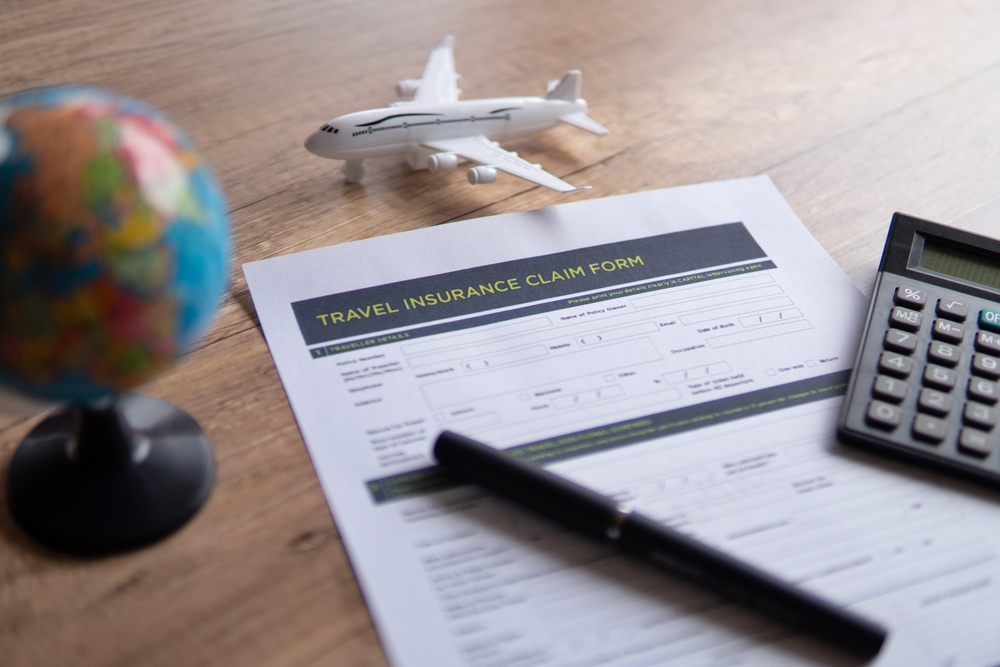
Review Your Travel Insurance
Travel insurance is one of those things people forget about until they actually need it. Depending on your policy, it may cover expenses related to trip interruptions, delays, or other travel disruptions. The exact details will depend on the plan you purchased.
Don't Assume Insurance Covers Everything
A lot of travelers discover the hard way that airline bankruptcy or insolvency isn't automatically covered. Some policies include protection for airline failure, while others specifically exclude it. This is one of those situations where reading the fine print really matters.
Be Careful Who You Trust Online
Whenever a major airline disruption makes headlines, scammers tend to show up. Fake customer service numbers and bogus social media accounts can spread quickly. Stick to official airline channels and verified sources whenever possible.
Understand What Your Embassy Can Actually Do
Many travelers assume their embassy can solve transportation problems. In reality, embassies generally cannot buy plane tickets or force airlines to help. They can, however, provide guidance and assistance if you're facing a genuine emergency abroad.

File A Formal Complaint If You Have To
If the airline ignores you or refuses to honor applicable passenger protections, don't be afraid to escalate the issue. Government transportation agencies often have formal complaint systems designed specifically for situations like these.

Stay Flexible About How You Get Home
When thousands of passengers are trying to rebook at the same time, flexibility becomes your secret weapon. Looking at nearby airports, alternate routes, or slightly different travel dates can dramatically increase your chances of finding an available seat.
Keep A Timeline Of Everything
Write down what happened and when it happened. Track cancellation notices, phone calls, emails, expenses, and promises made by airline representatives. A clear timeline can make later claims and complaints much easier to support.

Focus On The Solution First
It's completely understandable to be angry when an airline leaves you stranded. Still, your first priority should be getting yourself somewhere safe and securing a route home. Once you're no longer stuck overseas, you can turn your attention to refunds, compensation claims, and holding the airline accountable.
You May Also Like: