
The debate begins
Air travel brings out strong opinions. One of you wants to be at the gate before the check-in counter even opens. The other believes strolling up 45 minutes before boarding is perfectly reasonable (and even preferable). So who’s actually right?

The great airport divide
This is one of the most common travel arguments couples have. Early arrivers see time as insurance. Last-minute arrivers see early arrival as wasted life. Neither side is irrational (although, try telling the other side that)—they’re just optimizing for different risks.
What airlines actually recommend
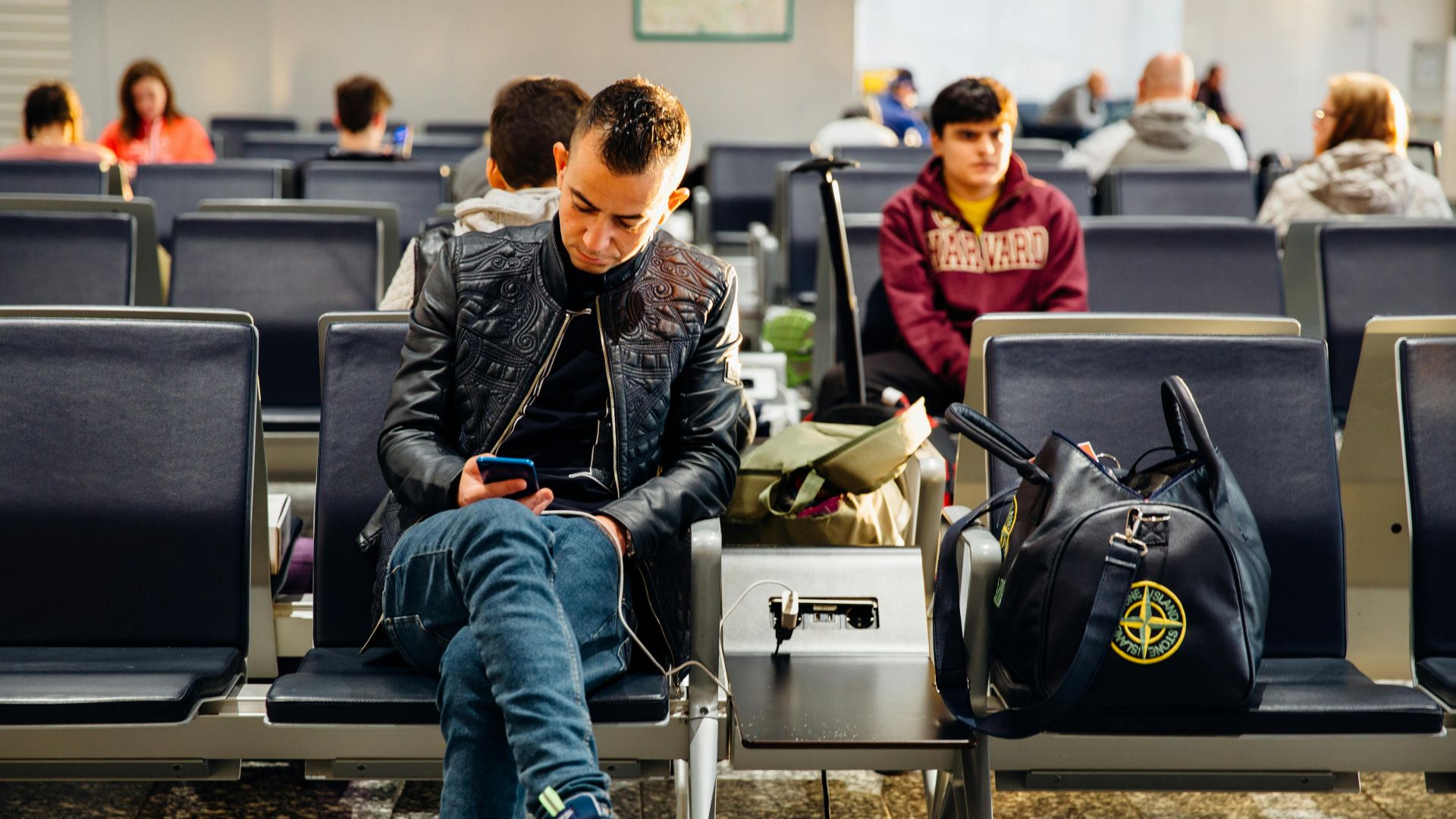
Most airlines recommend arriving 2 hours before domestic flights and 3 hours before international flights. That guidance accounts for check-in deadlines, security screening, and unpredictable delays. Three hours for a routine domestic flight is more conservative—but it’s not random.
The scale of modern air travel
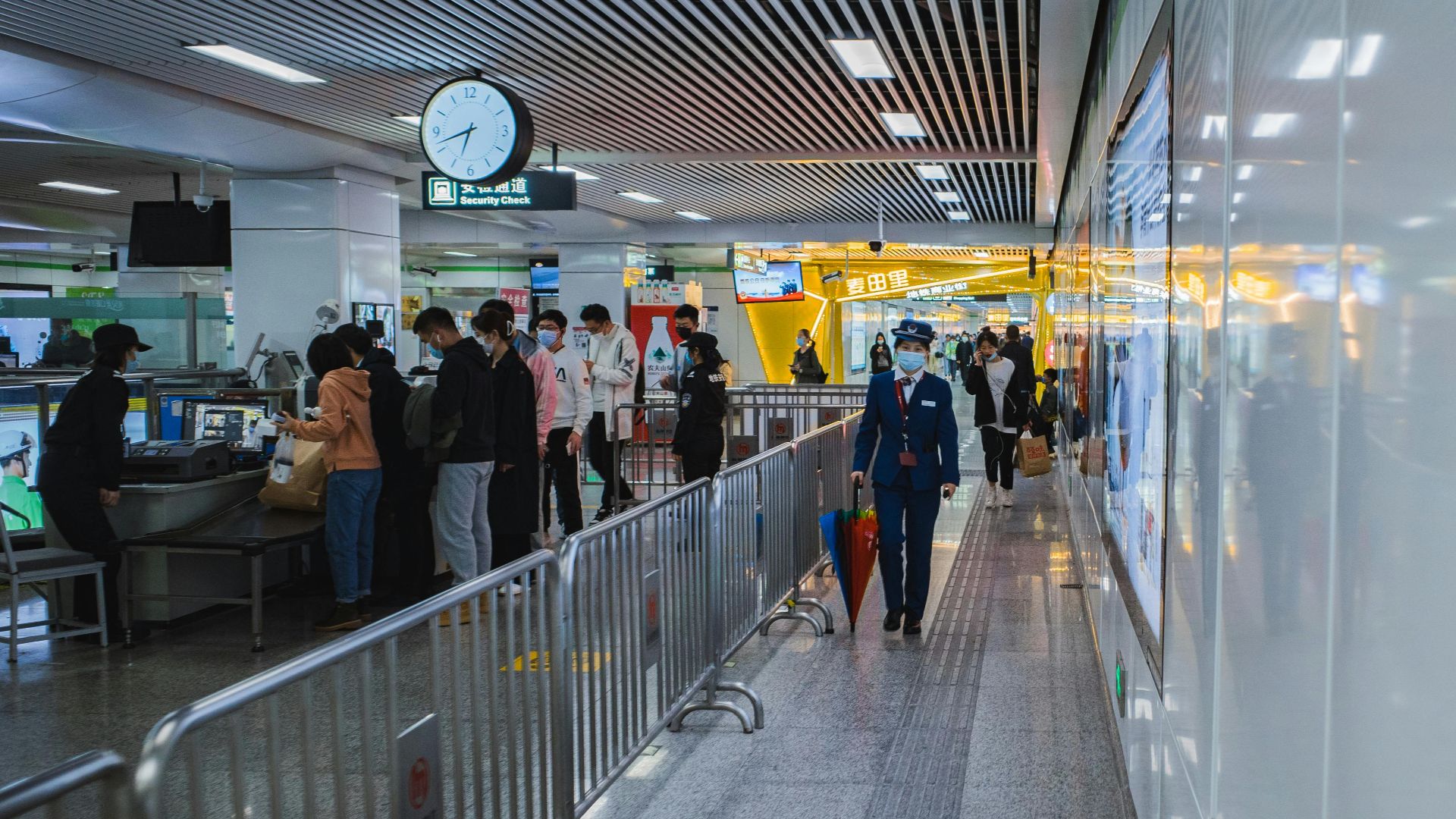
U.S. airlines carry more than 800 million passengers in a typical year. On peak travel days, TSA screens over 3 million travelers in a single 24-hour period. When you’re dealing with numbers that large, even small disruptions ripple quickly.
Why the 3 hours early crowd feels safer
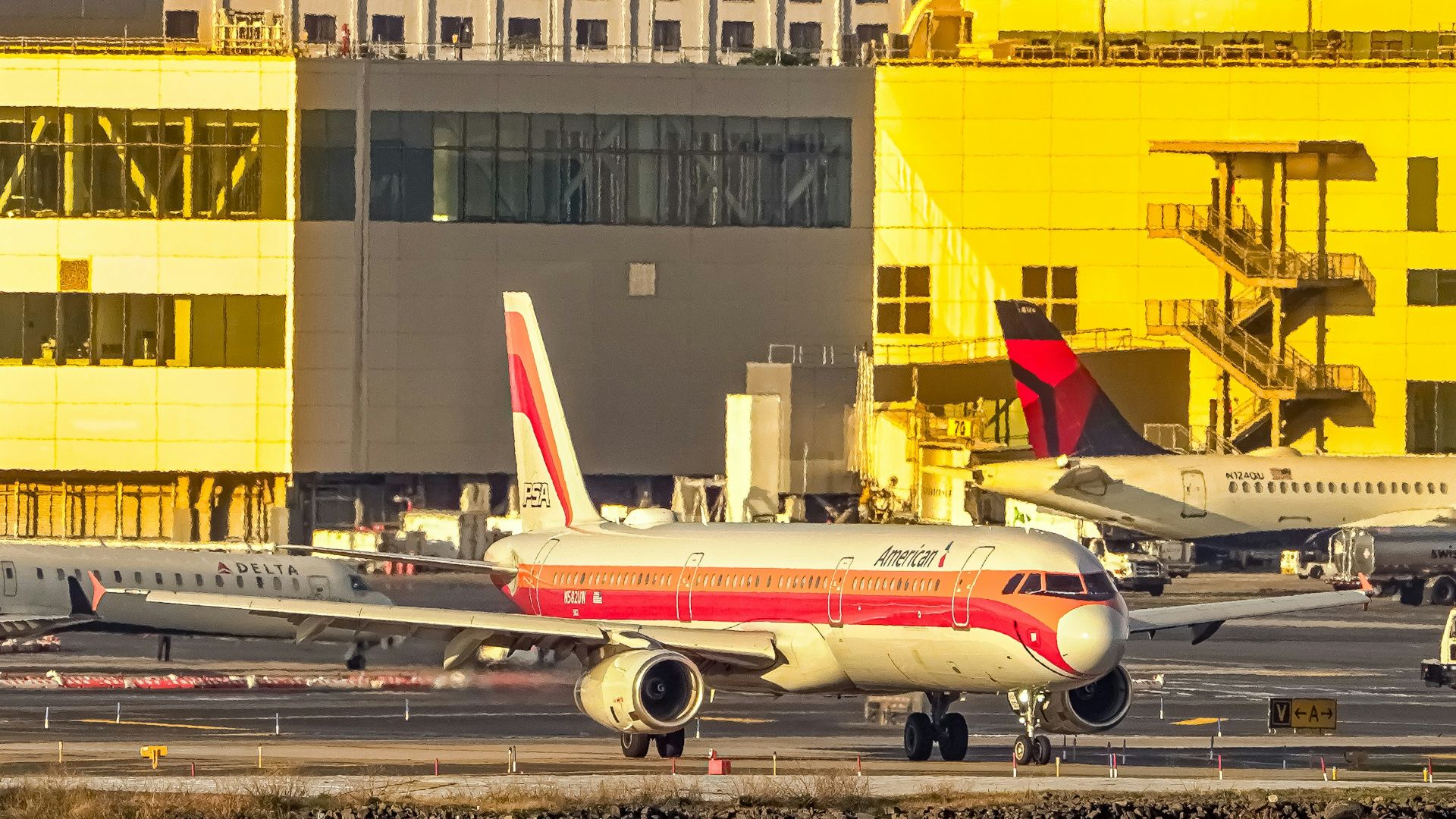
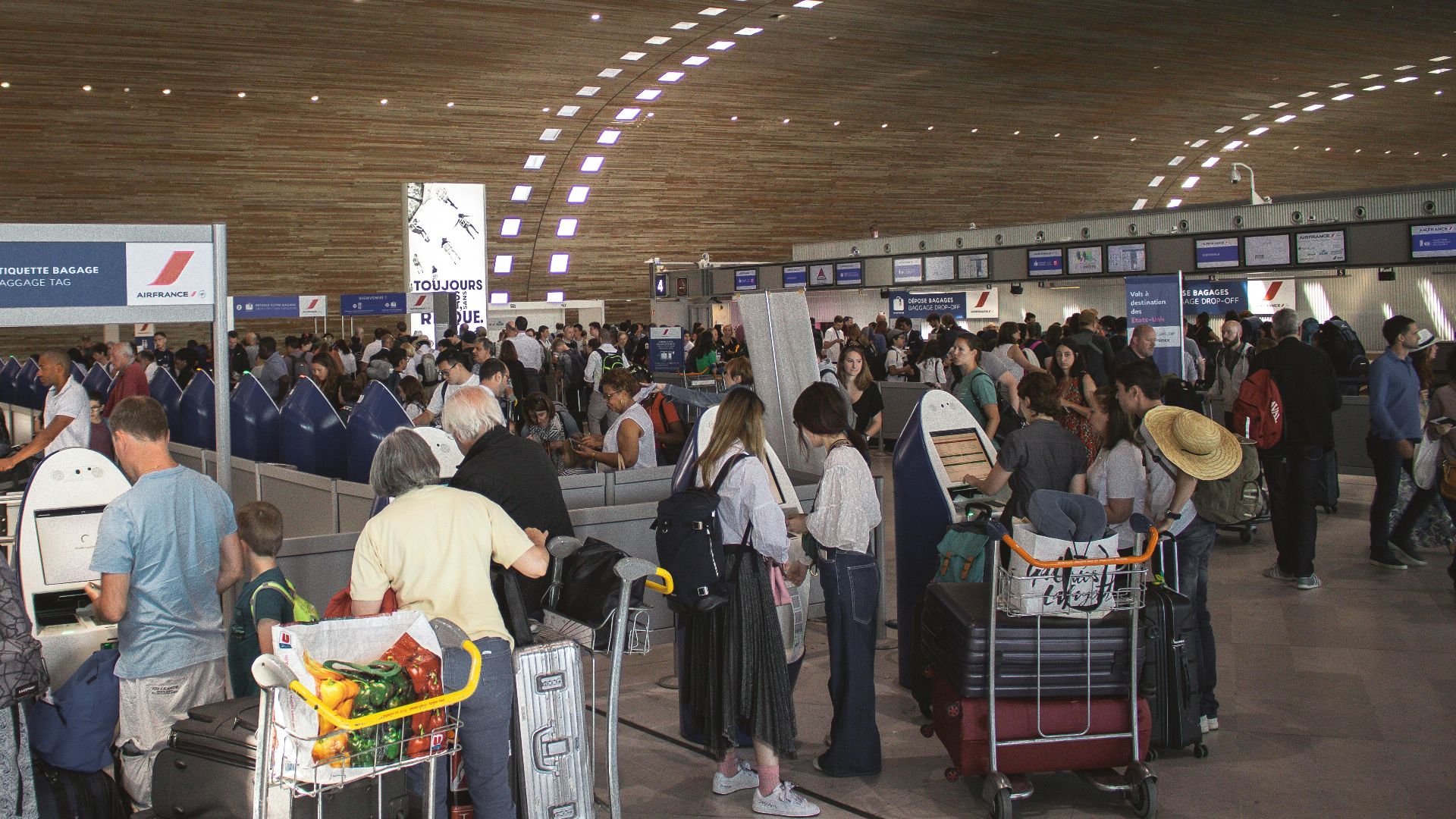
Airports are unpredictable. Security lines spike. Parking lots fill up. TSA equipment breaks. During peak travel weekends, on-site airport parking can reach capacity—forcing travelers into off-site lots and shuttle rides that can add 20–40 minutes. Arriving early removes uncertainty—and anxiety thrives on uncertainty.
How common are long security delays?
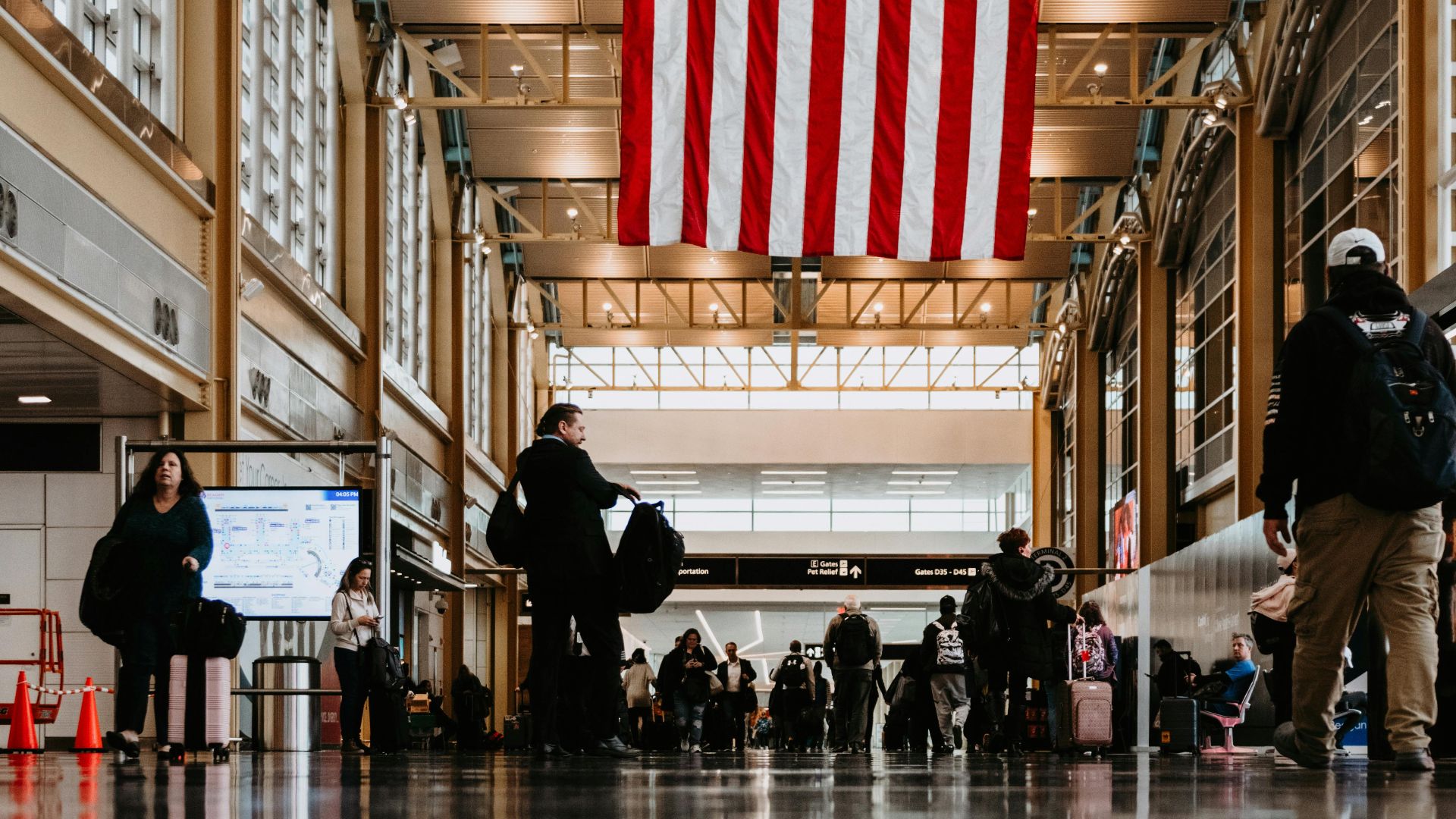
TSA screens roughly 2.5–3 million passengers per day in the U.S. Most travelers clear security in under 30 minutes—but during holidays and early-morning departure waves, waits can exceed 60 minutes. That’s where the early-arrival argument gains real traction.
What TSA PreCheck changes
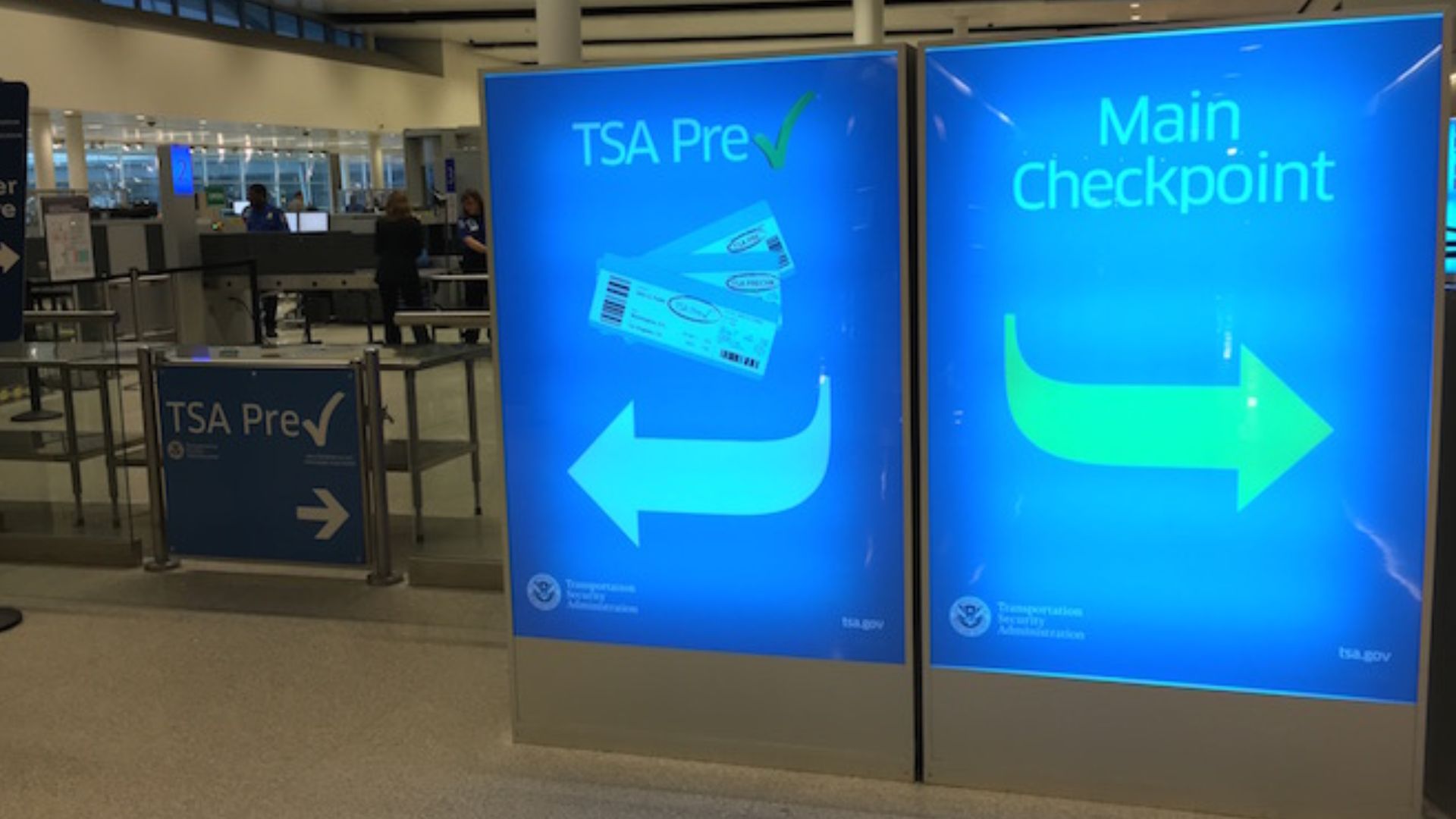
If you have TSA PreCheck, average wait times are often under 10 minutes. That dramatically lowers the risk of cutting it too close. If one of you has PreCheck and the other doesn’t, that alone can explain your disagreement.
 EasySentri Sentri, Wikimedia Commons
The last-minute strategy explained
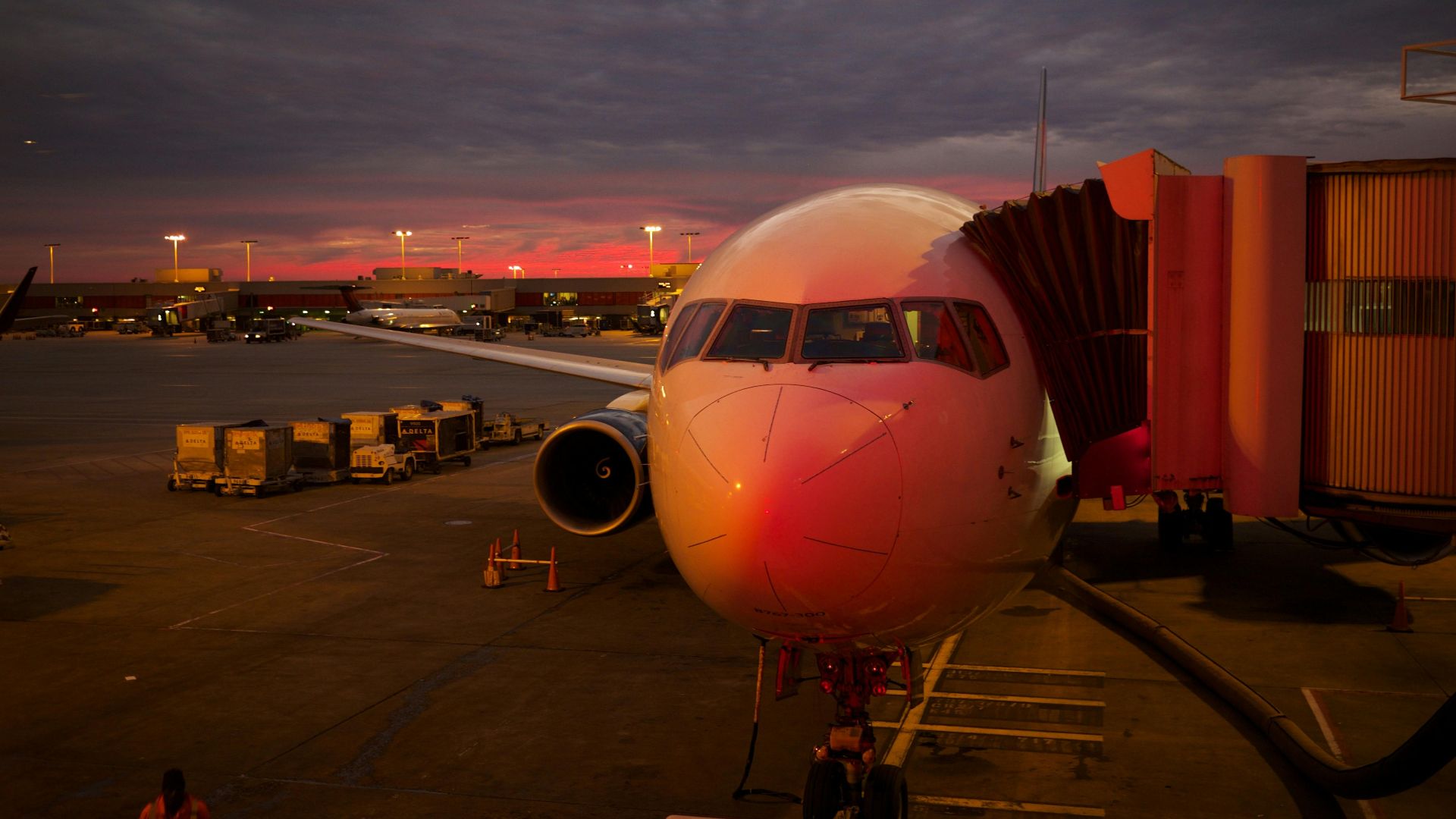
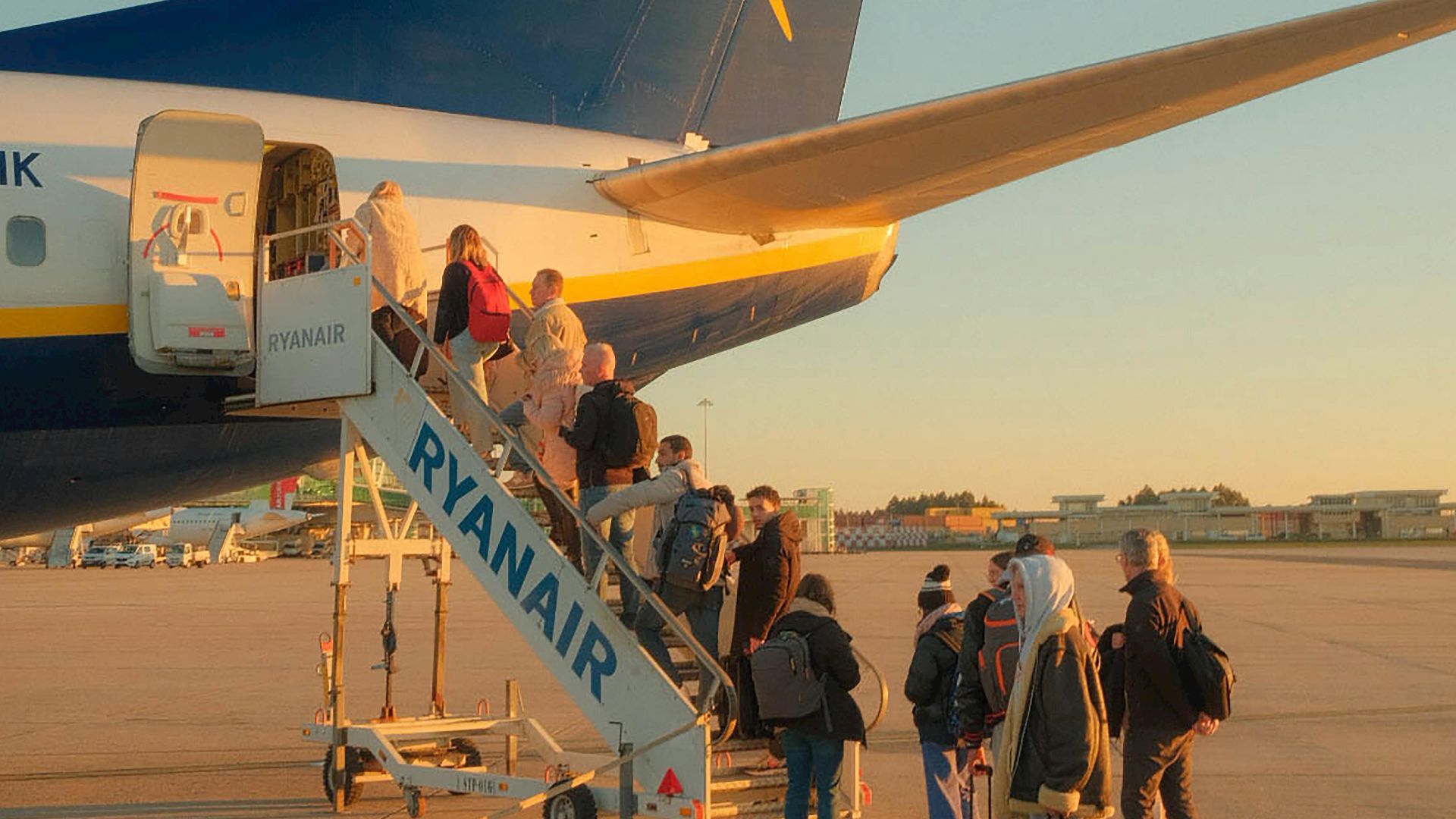
Last-minute travelers are betting on probabilities. Most flights board 30–40 minutes before departure, and boarding doors typically close 10–15 minutes before takeoff—not at departure time. Showing up 60–90 minutes early often works. Often—but not always. And when it doesn’t, you’re sprinting through the terminal while your name echoes over the loudspeaker like you’re in an action movie.
The risk factor nobody likes to talk about
Airlines enforce check-in cutoffs strictly—often 30–45 minutes before departure for domestic flights. Miss that window and you can be denied boarding even if the plane is still at the gate. Airlines don’t publish exact figures for late-arrival no-shows, but with more than 800 million passengers flying annually, even a small percentage would translate to millions of disrupted trips.
What happens if you miss it?
If you miss a flight because you arrived too late, you’re usually placed on standby for the next available flight—but not guaranteed a seat. Same-day changes may require paying any fare difference. On busy travel days, you could be waiting hours or even overnight.
But what about wasted time?
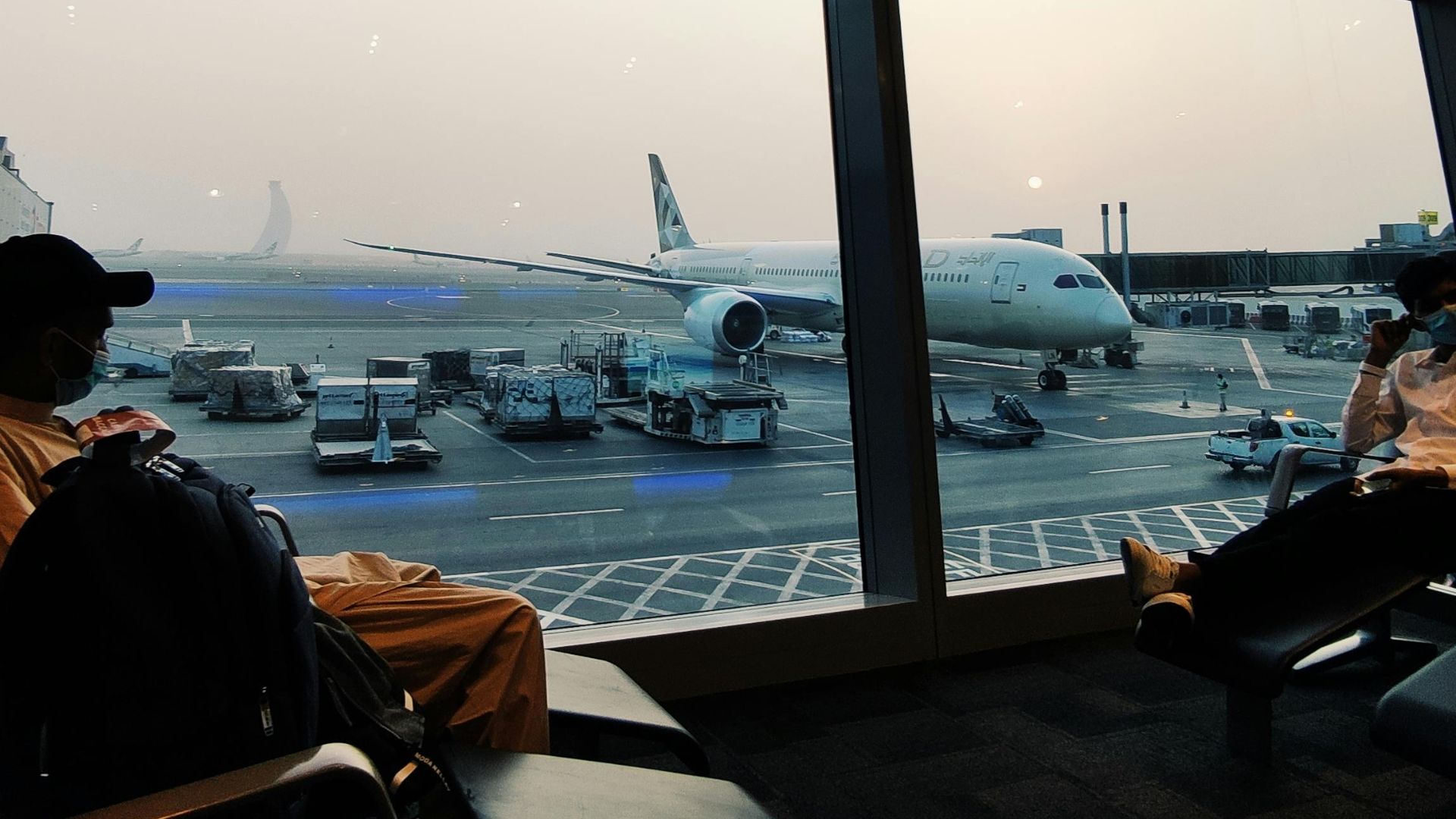
If you arrive 3 hours early for a simple domestic flight and everything runs smoothly, you might sit at the gate for 90 minutes doing nothing. There are only so many overpriced bags of chips you can eat and $18 airport sandwiches you can justify before you start questioning your life choices. Multiply that by a few trips a year, and you’re suddenly looking at hours of your life spent guarding Gate B12.
Airports aren’t what they used to be
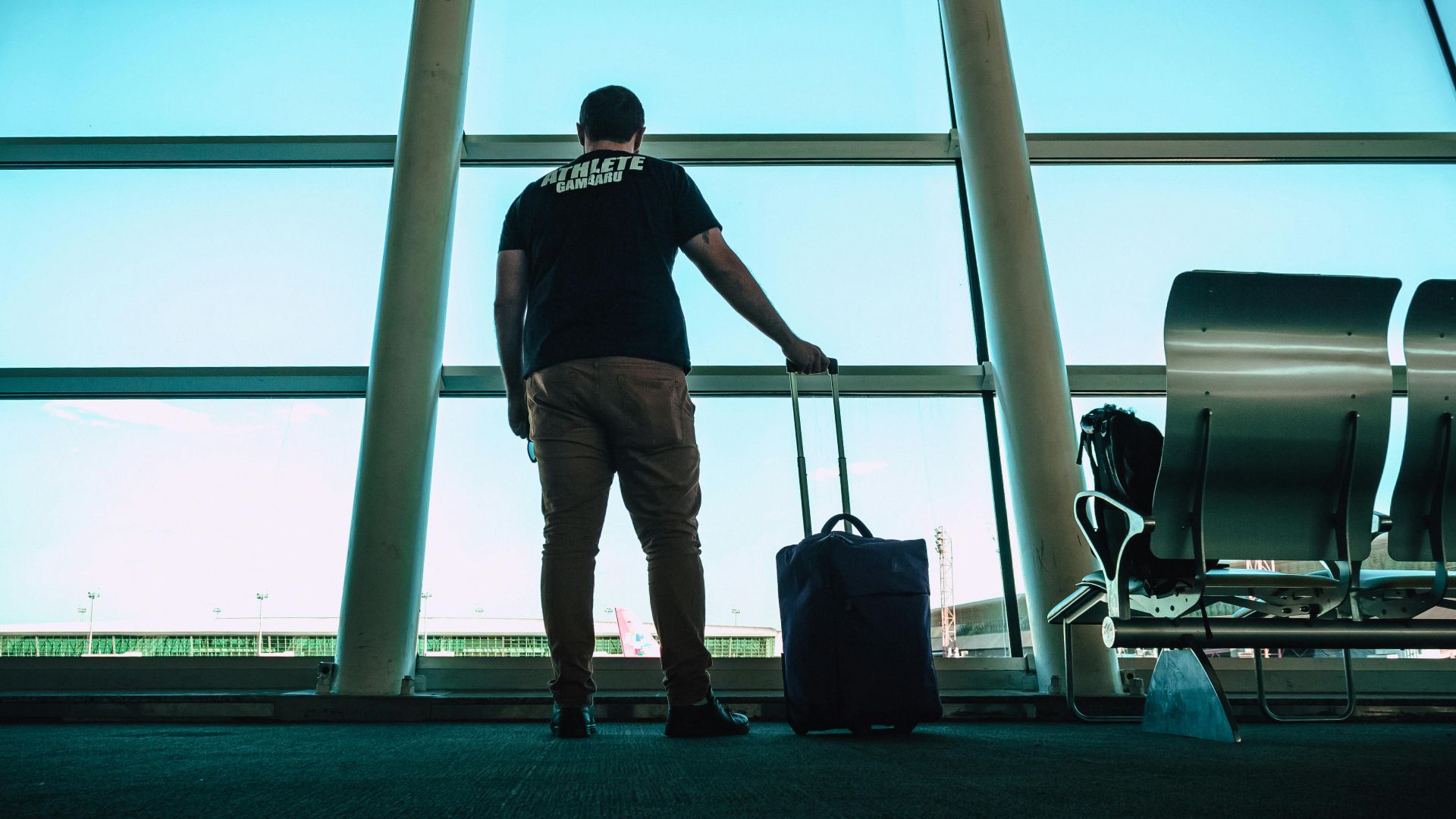
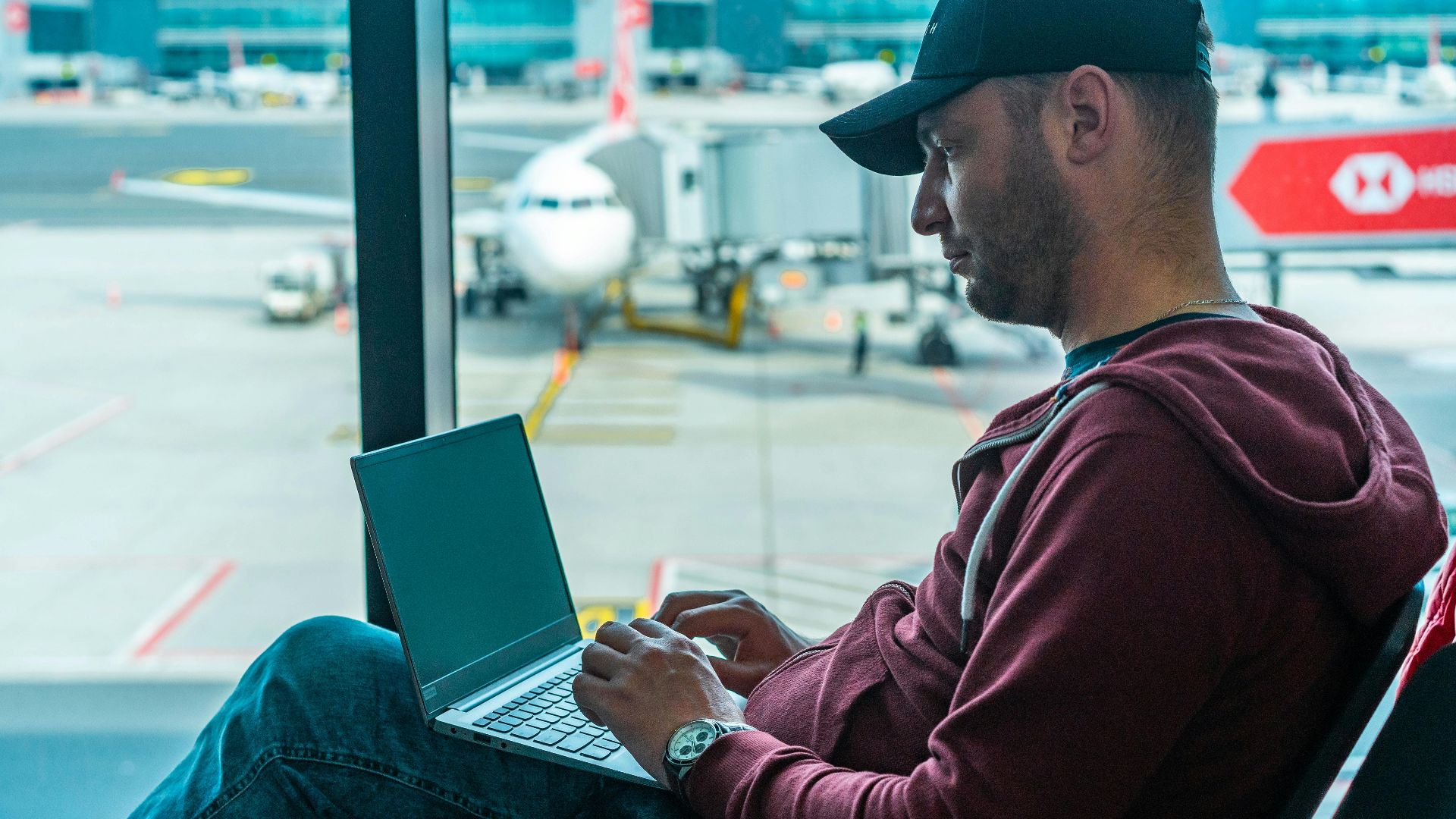
Modern airports often offer solid restaurants, lounges, strong Wi-Fi, and comfortable workspaces. For some travelers, getting there early isn’t wasted time—it’s built-in buffer plus productivity time. If you can work remotely, the “lost time” argument weakens considerably.
How often are flights actually delayed?
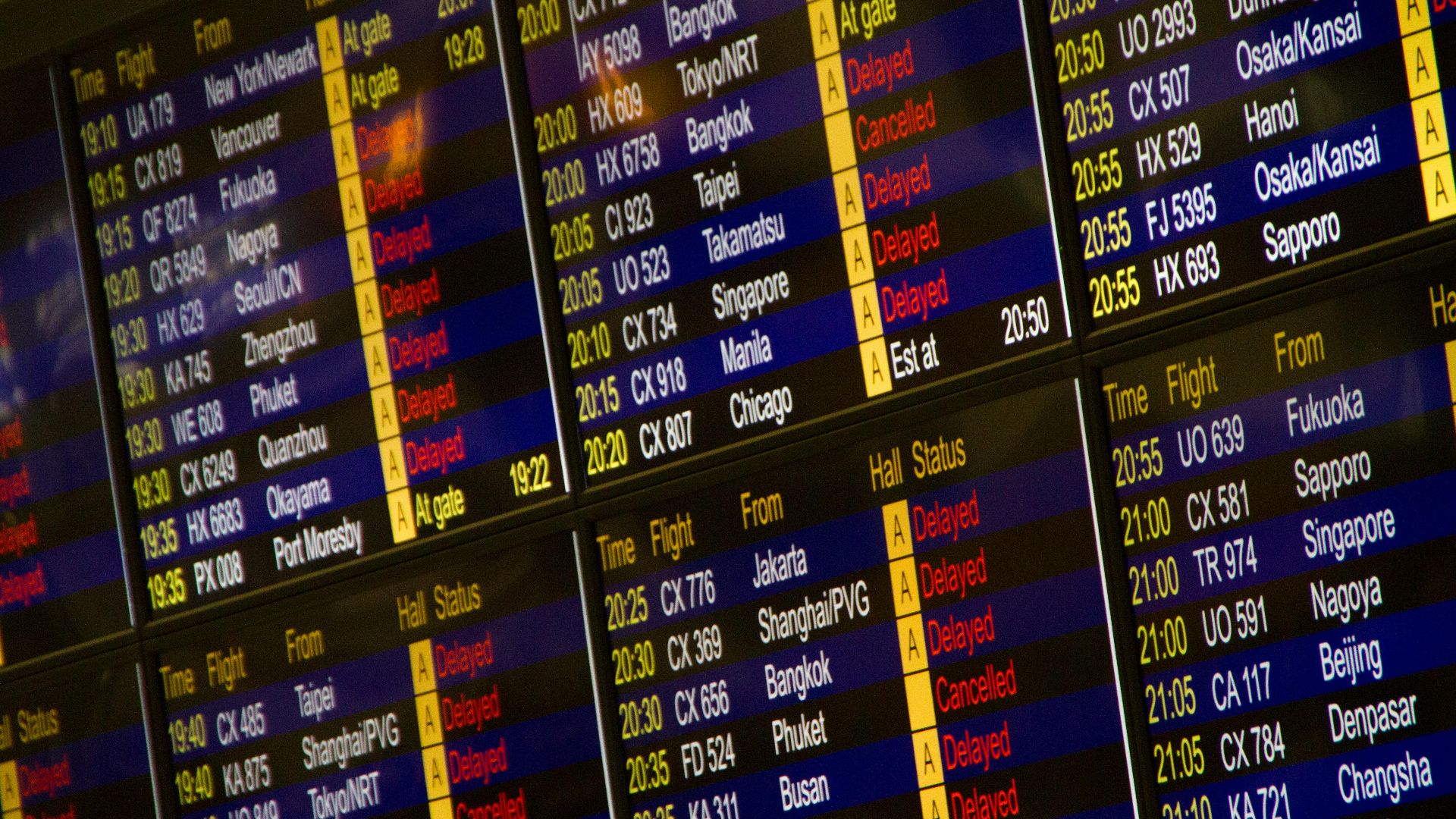
According to Department of Transportation data, roughly 75–80% of U.S. flights arrive on time in typical months. That means about 1 in 4 flights experiences a delay. Most days run normally—but not all days.
Are certain airports worse?
Major hubs like Atlanta, Denver, Dallas-Fort Worth, and LAX process enormous passenger volumes and can experience unpredictable surges. Smaller regional airports often move much faster. Three hours early at a small airport may genuinely be unnecessary.
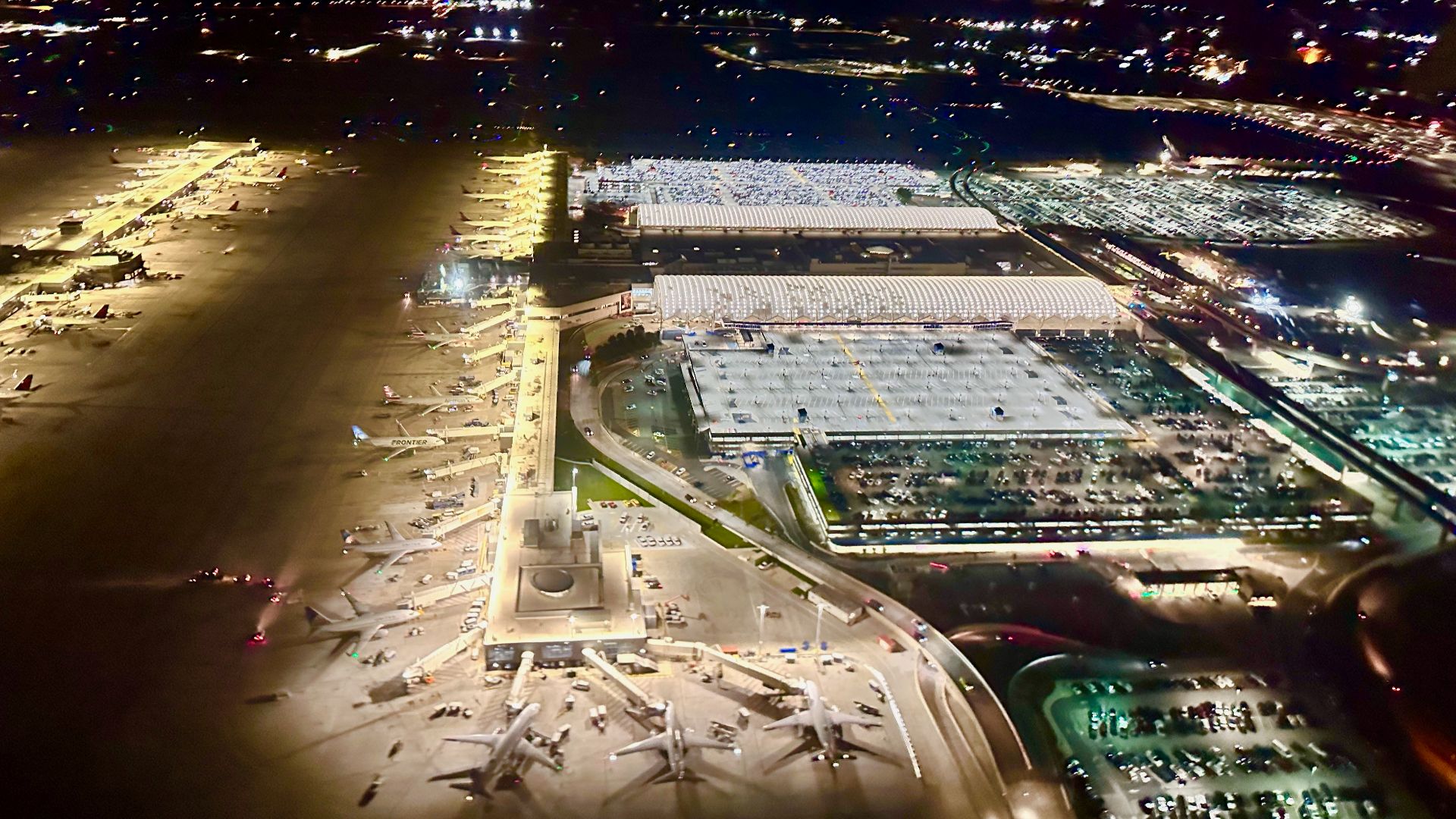 Harrison Keely, Wikimedia Commons
Time of day matters
Early morning departures often cluster dozens of flights at once, creating long security lines before sunrise. Midday departures are usually smoother. Your flight time should absolutely influence your arrival strategy.
Weather is a wildcard
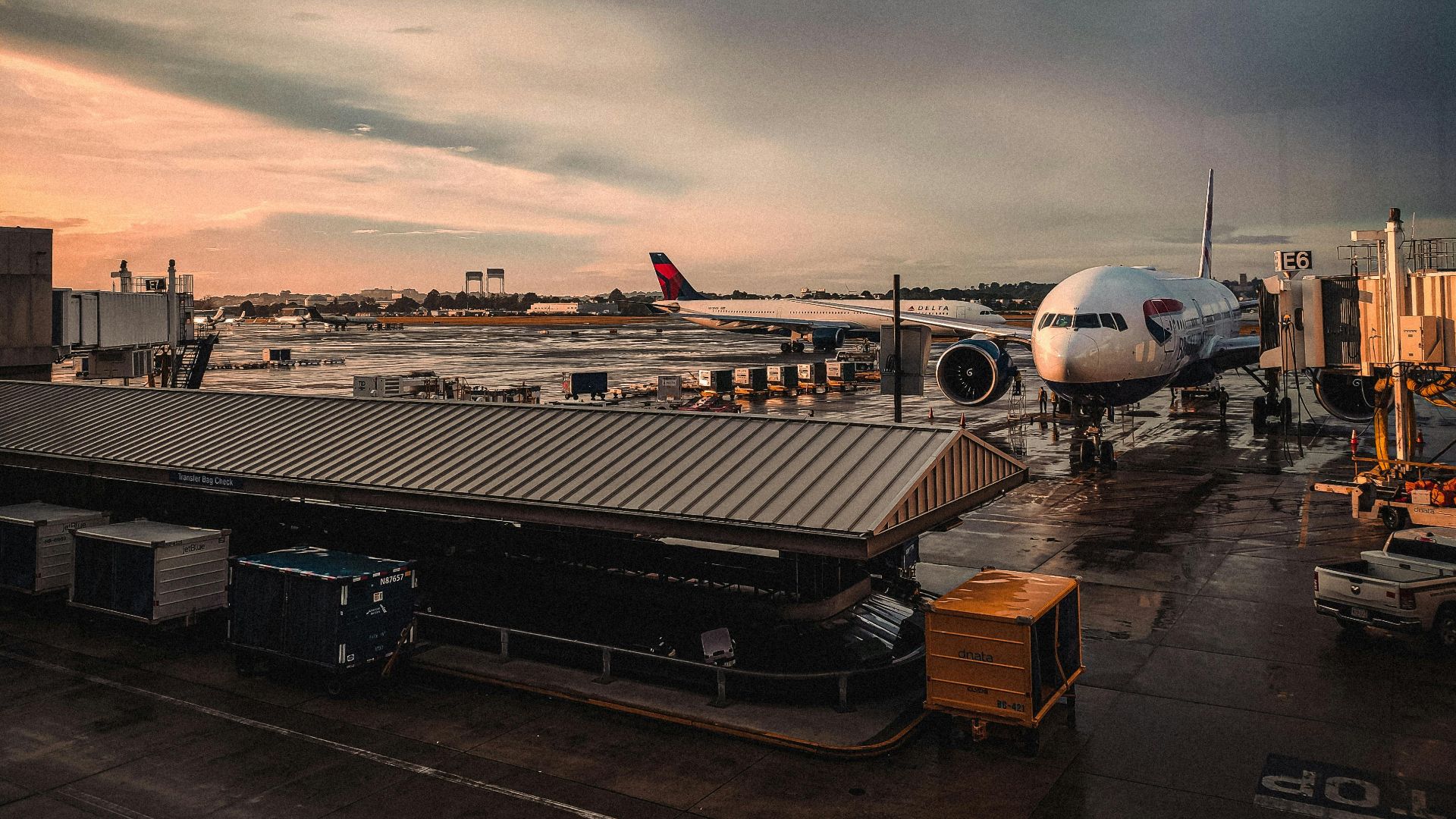
Bad weather anywhere in the system can cause rebooking lines, gate changes, and cascading delays. Early arrival gives you more flexibility if disruptions begin before boarding. This is where the cautious partner has a strong point.
International flights are different
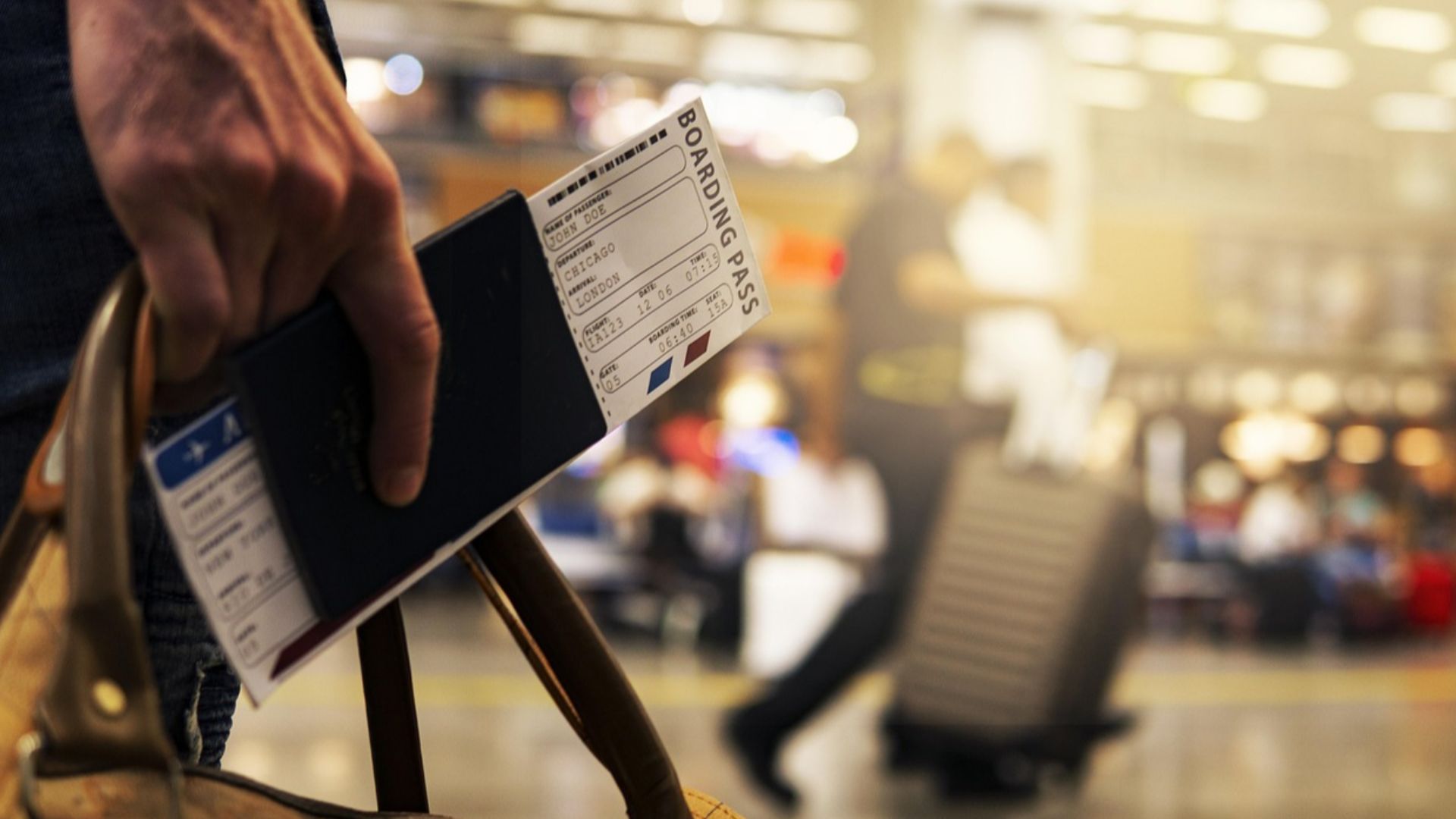
Passports, document checks, possible secondary screening, and larger aircraft boarding processes make the 3-hour recommendation far more reasonable for international travel. On that front, the anxious traveler is fully aligned with airline guidance.
The personality factor
People who score higher in intolerance of uncertainty prefer larger safety margins. That’s exactly what arriving early provides. In simpler terms: one of you packs snacks for a 30-minute car ride, and the other thinks gas stations exist for a reason.
What frequent flyers tend to do
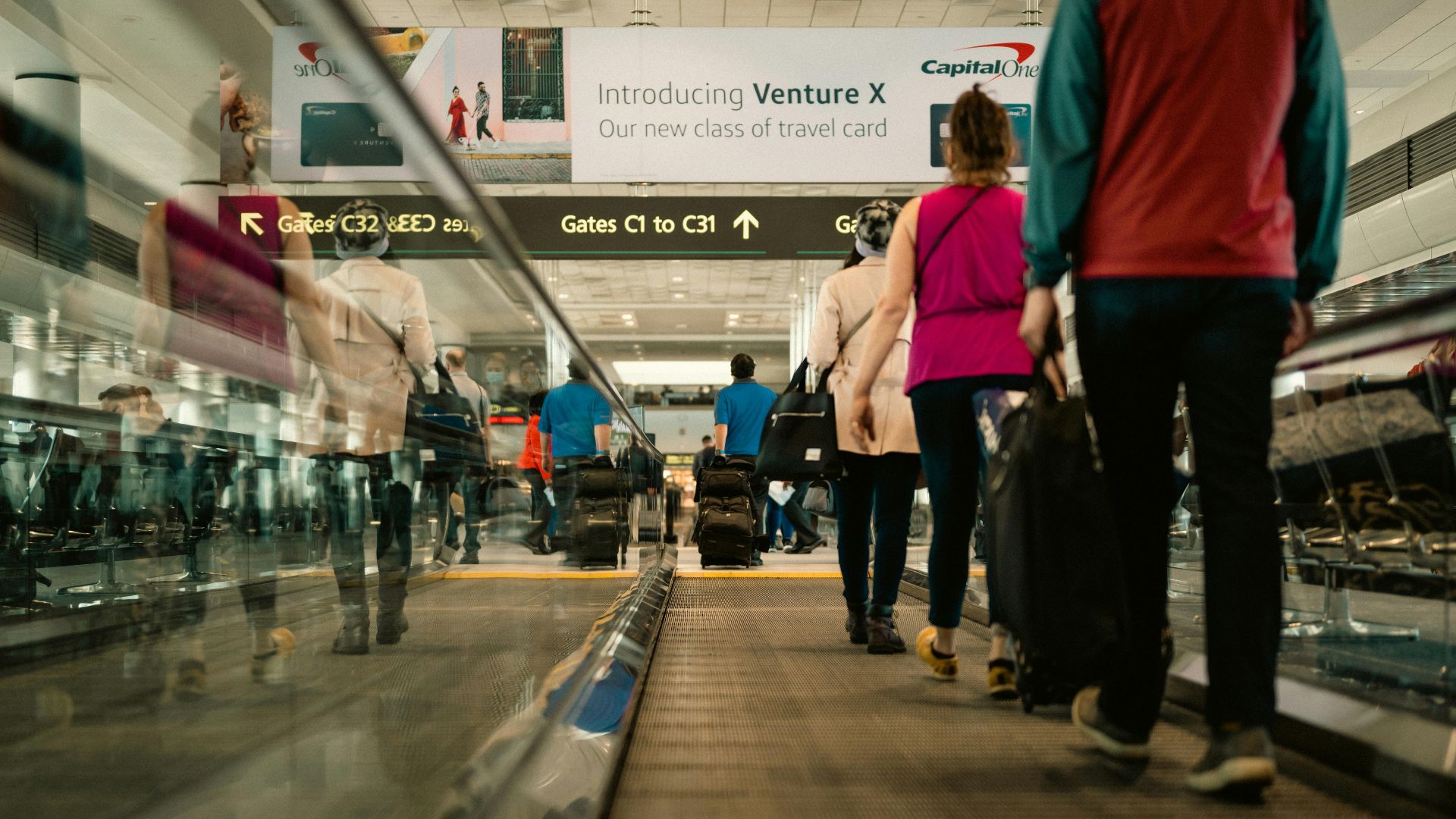
Seasoned travelers adjust based on context. They might arrive 90 minutes early for a routine domestic trip—but 2.5–3 hours early during peak holidays. Flexibility beats rigid rules every time.

Is anxiety the real issue?
If arriving early meaningfully reduces your stress and improves your travel experience, that has value. Travel anxiety is real. The extra buffer might be worth it simply for peace of mind. Mental comfort isn’t irrational.
Is rushing worth the adrenaline?
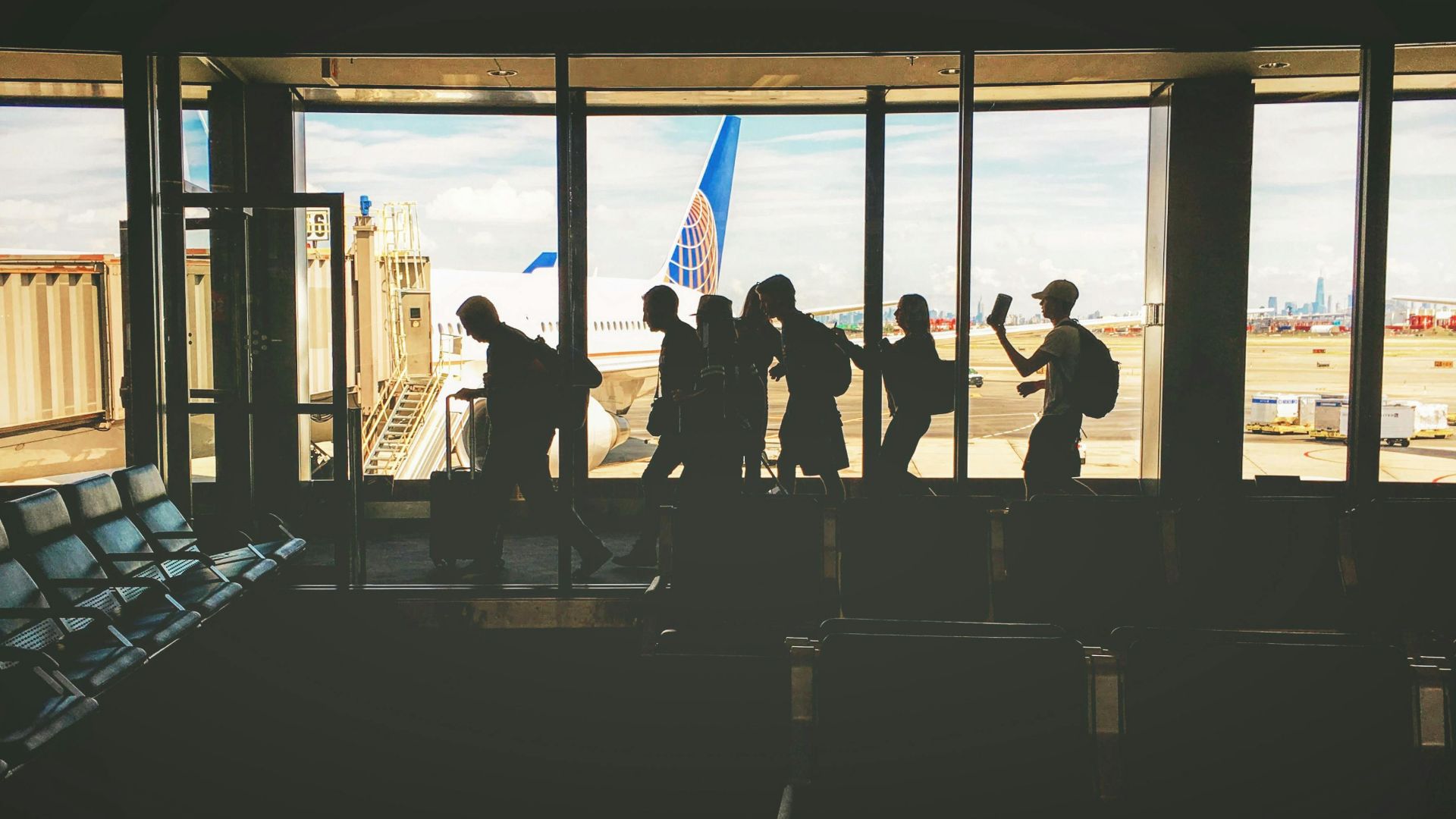
Sprinting to a gate with minutes to spare creates avoidable stress. Nothing says “I’m ready to unwind” like boarding sweaty, out of breath, and apologizing to 23 people in your row.
The compromise solution
A practical middle ground: 2 hours before domestic flights, 2.5–3 hours during peak travel or bad weather, and a full 3 hours for international flights. Think of it as relationship PreCheck—it keeps everyone moving and reduces unnecessary turbulence.
One more thing to consider
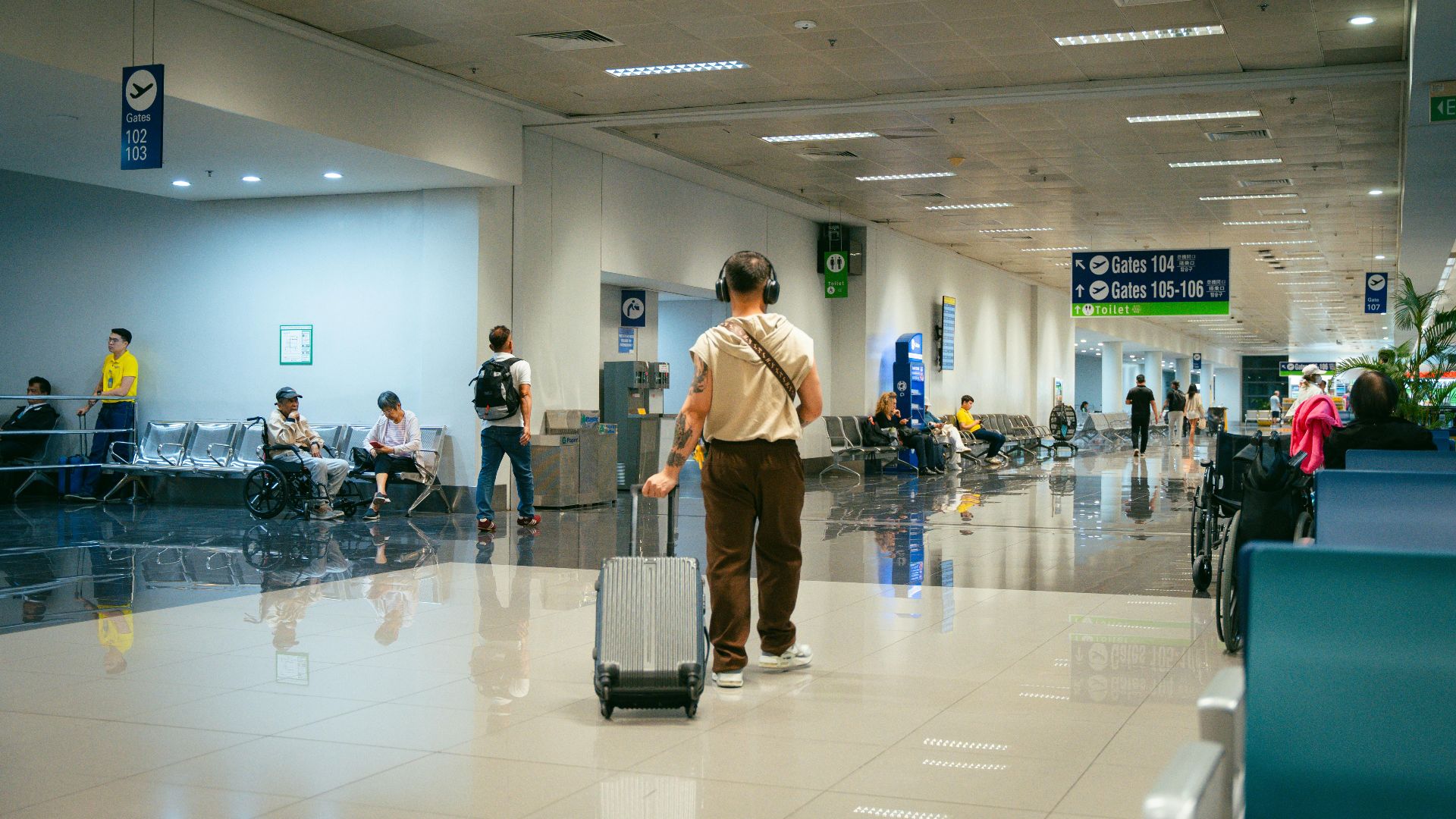
If missing the flight would cause serious consequences—like a cruise departure, wedding, or tight international connection—arrive early. The stakes matter more than pride.

The real answer
Neither of you is wrong—you’re optimizing for different fears. The smartest travelers adjust based on airport size, season, and flight type. But if minimizing stress is the goal, a little early is almost always safer than a little late. Because no one has ever said, “I wish we’d cut that airport timing even closer.”
You Might Also Like:
The New Airline Rules Coming in 2026 That Will Affect How Everyone Travels From Now On