
The Cheap Hotel Looked Like A Win
I picked a hotel outside the city center because the nightly rate looked much lower. That choice seemed sensible because the room immediately reduced the accommodation portion of my budget. The problem appeared when nearly every activity required another bus, train, taxi, or rideshare. Suddenly, the hotel price was only part of the story.

The Savings Needed A Second Look
A cheaper room does not necessarily produce a cheaper trip. Transportation created by the hotel's location also belongs in the comparison. Once I started adding those expenses, the difference between the two hotels became much smaller. That meant I needed to stop comparing room rates and start comparing total costs.

The Real Question Was Total Cost
The useful comparison is the cost of staying centrally against the combined cost of staying farther away and reaching the places I want to visit. A central hotel can still involve transportation expenses, so those costs have to be counted on both sides. The important figure is the additional transportation caused specifically by choosing the distant hotel. If that amount exceeds the room discount, the cheaper hotel becomes the more expensive option overall.

Location Can Change Every Day
Hotel location affects more than the first journey into town. A distant property can require another trip whenever I want to return to the room before dinner, change clothes, or take a break. Those extra journeys can turn one daily commute into several paid trips. A conveniently located hotel can make those additional movements unnecessary.

Public Transit Can Protect The Budget
Good public transportation can make an outer neighborhood much more practical. New York's Metropolitan Transportation Authority currently lists a $3 fare for most subway and local bus riders. A predictable fare makes it easier to calculate the transportation cost before booking. The equation becomes less favorable when the hotel requires a more expensive commuter rail service or several different transportation systems.

Fare Caps Can Make A Big Difference
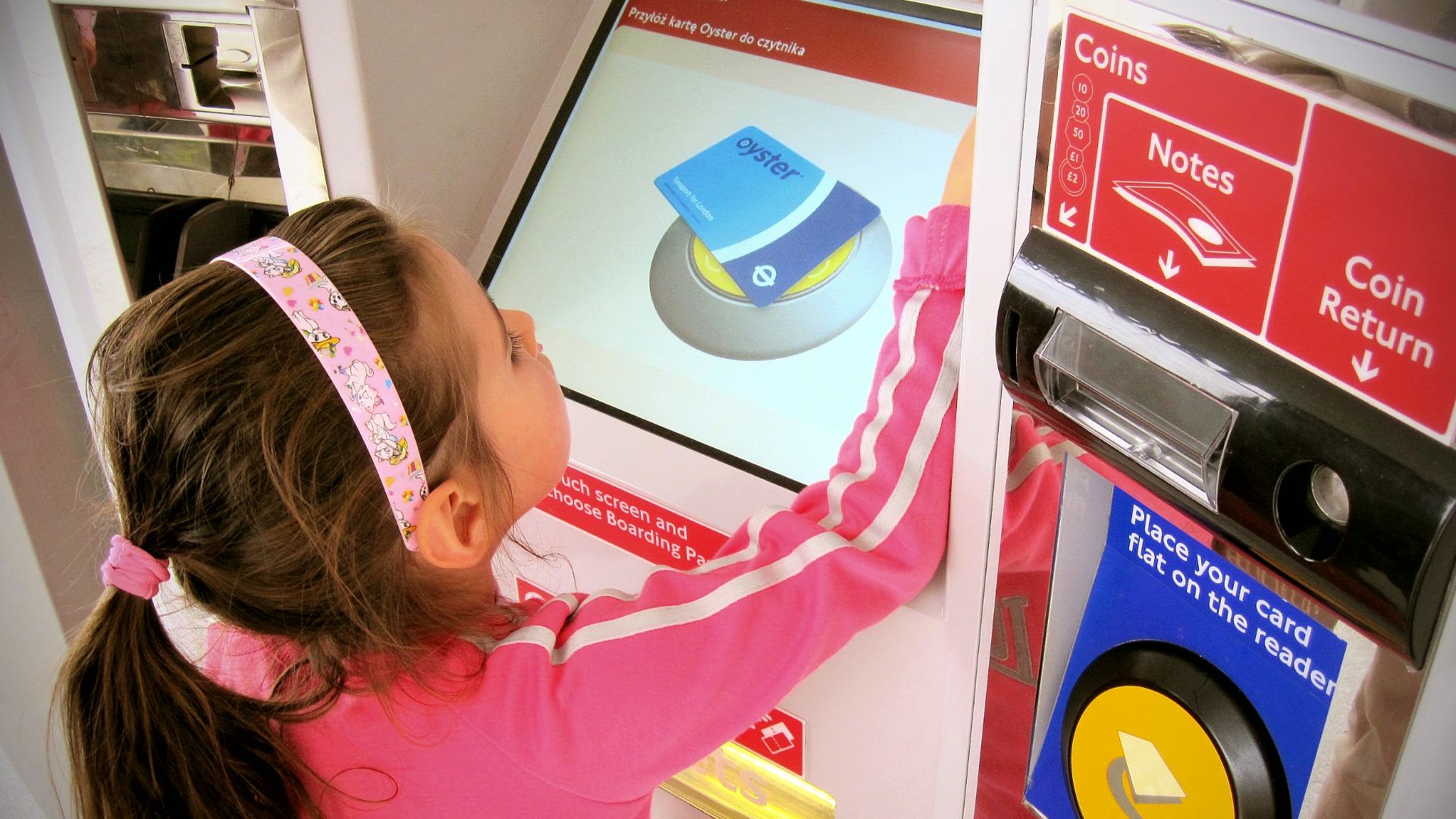
Some cities limit how much passengers pay after making multiple journeys. Transport for London says pay-as-you-go travel with contactless or Oyster offers daily and weekly capping. It also says a Visitor Oyster card has a daily cap within the zones traveled. Those policies can prevent a busy sightseeing schedule from producing an unlimited stream of individual fares.
A Transit Pass Cannot Shorten The Commute
Cheap transportation does not make a long journey faster. If reaching the center takes 45 minutes each way, the round trip consumes an hour and a half regardless of the fare. Repeating that commute throughout a vacation can remove a substantial amount of usable time. That trade-off deserves consideration even when the hotel still wins on dollars alone.

Transfers Can Make Distance Feel Worse
Mileage does not tell the entire transportation story. A hotel beside a direct rail or subway line can be easier to reach than a geographically closer property requiring multiple connections. Transport for London's journey planner even allows travelers to search for routes with the fewest changes or the least walking. Looking at the actual route therefore matters more than simply checking the hotel's distance from downtown.

Rideshares Make Costs Less Predictable
Ride-hailing can solve an inconvenient transit problem, but its price is not necessarily fixed. Uber says its upfront prices use factors including estimated trip time, distance, demand patterns, tolls, taxes, surcharges, and fees. It also notes that prices can reflect periods of increased demand. Depending on rideshares every day therefore makes the transportation side of the hotel calculation less predictable.
A Changed Ride Can Cost More
Even an upfront rideshare quote is not immune to changes. Uber says the displayed price can change when a rider adds stops, changes the destination, experiences significant route or duration changes, or encounters certain tolls. Wait-time fees can also apply in some circumstances. That matters when rideshares are the main connection between a remote hotel and the itinerary.

Taxis Add Their Own Charges
Traditional taxis can introduce additional expenses too. New York City's Taxi and Limousine Commission lists a $3 initial charge for a standard metered taxi, followed by distance or time-based charges. It also lists separate MTA, improvement, overnight, and weekday rush-hour surcharges. A traveler using taxis repeatedly therefore needs to account for more than the basic meter rate.

Airport Transfers Deserve Their Own Calculation
The first and last rides of the vacation can be among the most expensive. JFK Airport currently states that taxis between JFK and Manhattan use a $70 flat fare, plus tolls, tips, and additional fees ranging from $2.75 to $8.50 depending on time and destination. The airport also publishes different estimated fares for several other New York City destinations. That is a good reminder to compare airport transportation before deciding which hotel location is cheaper.
 Mike Powell, Wikimedia Commons
The Number Of Travelers Changes The Equation
Group size can change which transportation option makes financial sense. JFK Airport notes that one taxi fare covers all passengers traveling to the same destination, subject to vehicle passenger limits. Public transportation, by contrast, generally requires each fare-paying traveler to pay individually. A hotel location that works economically for one traveler may therefore produce a different calculation for a couple, family, or group.

Walking Can Turn Into Real Savings
A central hotel can eliminate some paid journeys altogether when restaurants, attractions, or neighborhoods are within comfortable walking distance. That does not mean every downtown hotel automatically offers better value. It means walkability should be treated as part of the transportation calculation. Each journey that can reasonably be completed on foot is one less fare competing with the cheaper room rate.

Convenience Has Financial Value
Location can also influence spontaneous transportation decisions. A difficult trip back to the hotel can make a taxi or rideshare more attractive than a long series of transfers. A nearby hotel provides more opportunities to walk or use a short transit journey instead. The financial value of convenience becomes clearer when those decisions happen several times during the trip.

The Itinerary Should Come Before The Hotel
The best location depends on where I actually plan to spend my time. A hotel outside the traditional center may be perfectly positioned if my main activities are nearby. The same hotel becomes less appealing if breakfast, sightseeing, dinner, and entertainment all require travel into another district. Mapping the itinerary before booking reveals which location is genuinely convenient.

The Cheapest Fare Is Not The Cheapest Trip
Looking at the price of one bus or subway ride can create false confidence. What matters is how many additional journeys the hotel's location creates during the entire stay. Two inexpensive fares repeated every day can become a meaningful expense. Extra taxis or rideshares make the difference grow even faster.

Late Nights Can Change The Plan
A transportation strategy should account for the actual hours when I expect to travel. Evening plans can make a distant hotel less convenient if the route home requires a lengthy or complicated journey. That can increase the temptation to choose a taxi or rideshare instead. Checking late-evening transportation options before booking gives me a more realistic picture of the hotel's true cost.

The Return Trip Matters As Much As The Outbound Trip
It is easy to calculate the morning journey into the center and forget that I also have to get back. Every sightseeing day usually creates at least two location-dependent journeys. Returning to the hotel during the day can add even more. Counting complete round trips prevents me from understating transportation expenses.

Small Charges Can Become Big Totals
No single fare has to be enormous for transportation to erase a hotel discount. Several modest expenses repeated across multiple days can produce the same result. This is especially important when comparing hotels with only a small nightly price difference. The closer the room rates are, the easier it is for transportation to reverse the apparent savings.

I Needed To Price The Entire Itinerary
A better approach would have been to map the major activities before reserving the room. I could then identify which journeys each hotel would require and check the relevant transit, taxi, or rideshare costs. That would turn a vague assumption about a "cheap location" into an actual trip budget. It also would expose expensive transfers before I committed to a nonrefundable reservation.

The Break-Even Formula Is Simple
The calculation starts with the total accommodation savings from choosing the cheaper hotel. I then compare that figure with the additional transportation expense caused by its location. The formula is straightforward: hotel savings minus extra transportation costs equals the actual monetary advantage. A result below zero means transportation has completely erased the lodging savings.

A Simple Example Shows The Problem
Suppose an outer hotel is $35 cheaper per night for four nights. That creates $140 in apparent accommodation savings. If staying there creates $160 in additional transportation during the trip, the cheaper room actually leaves the traveler $20 worse off. These figures are only an illustration, but the arithmetic shows exactly where the break-even point occurs.

Time Can Be Calculated Separately
Transportation time should not be quietly converted into dollars unless I have a defensible reason for assigning it a monetary value. Instead, I can calculate the financial comparison first and then examine travel time as a separate trade-off. A distant hotel might still save money while requiring significantly more commuting. Whether that exchange is worthwhile becomes a personal decision rather than a misleading accounting trick.

A Direct Transit Line Can Save The Deal
Being outside the center is not automatically a problem. A hotel next to fast, direct public transportation can provide an excellent balance between room price and accessibility. The important questions are how frequently I will travel, how many connections are required, and what those journeys cost. Location quality is therefore more nuanced than a simple downtown-versus-suburb label.

The Answer Is Hidden In The Receipts
So, did I actually spend more? The answer is yes if the extra transportation attributable to the distant hotel exceeded the amount saved on accommodation. If transportation remained below that discount, I still saved money in strictly financial terms. The receipts, rather than the advertised room rate, settle the question.

The Lowest Room Rate Was Only Half The Story
The mistake was not choosing a budget hotel outside the center. The mistake was treating accommodation and transportation as unrelated expenses when the hotel's location directly influenced both. Next time, I will compare the room, airport transfers, daily transit, likely taxi or rideshare use, and travel time before booking. The cheapest bed is only a bargain when the rest of the trip does not have to pay for it.

You May Also Like: