The Gates Were Shut.
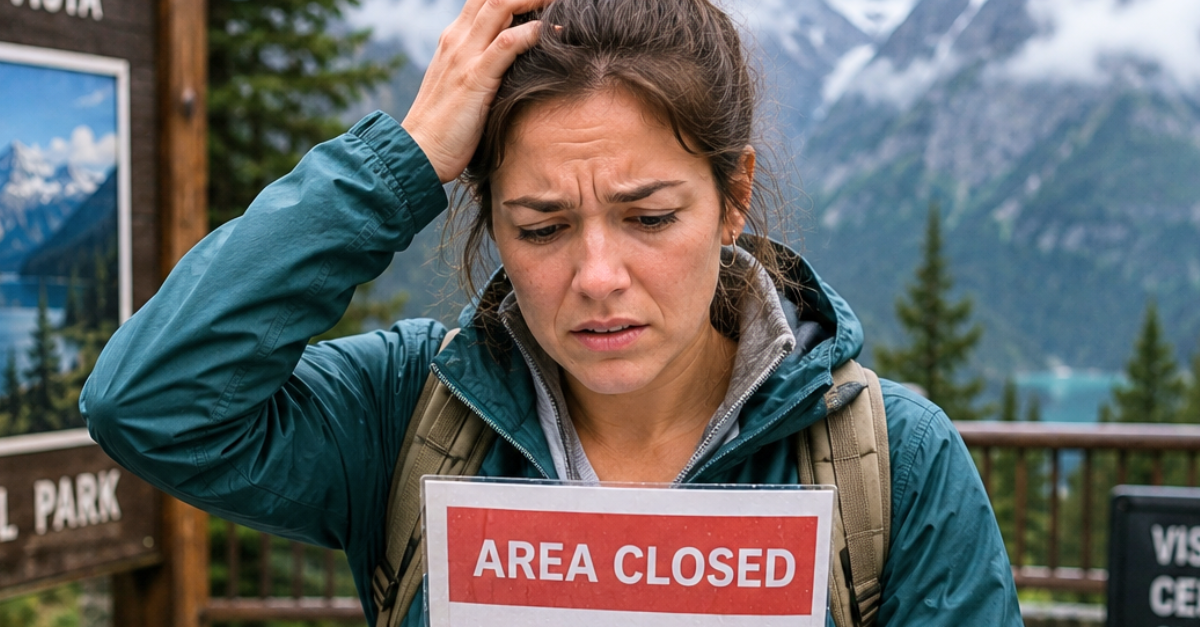
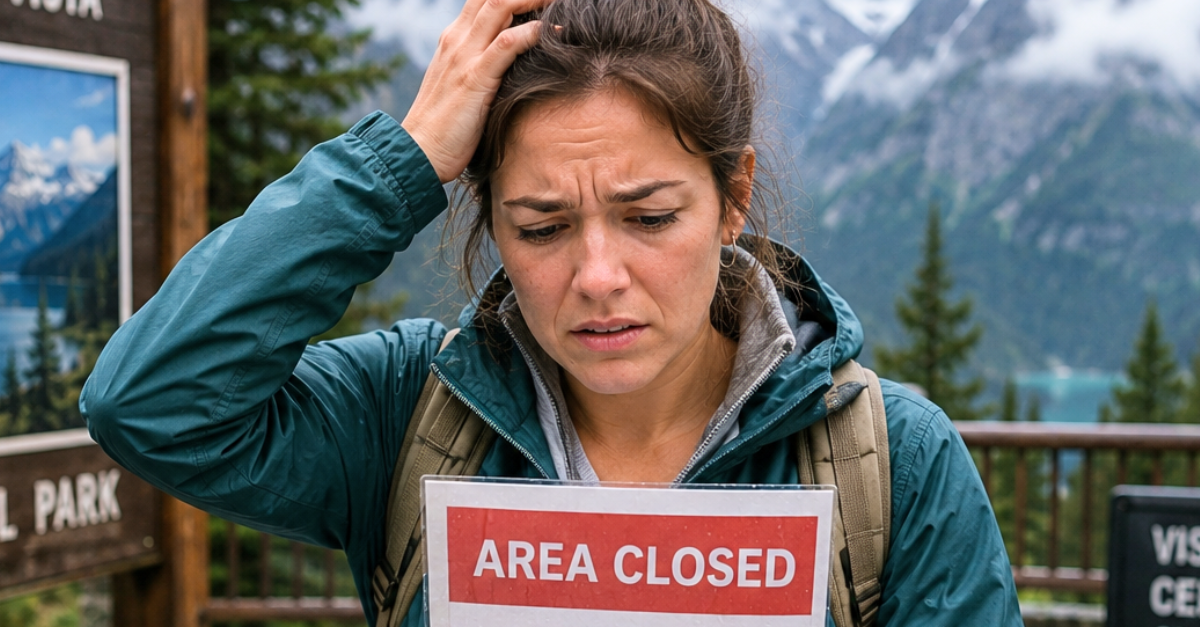
I had planned an entire vacation around one famous natural attraction, only to discover that visitors could not enter when I arrived. A closure does not always leave travelers completely out of luck, but recovering the rest of the trip costs can be much harder than obtaining a refund for admission.
The Main Event Disappeared
Natural attractions often become the centerpiece of a vacation rather than one optional stop on a longer itinerary. Travelers may choose their flights, hotel, rental car, and travel dates specifically to experience one waterfall, canyon, volcano, cave, beach, or wildlife area. When that place closes, the financial loss can extend far beyond the price of one ticket.
Closures Are Usually About Safety
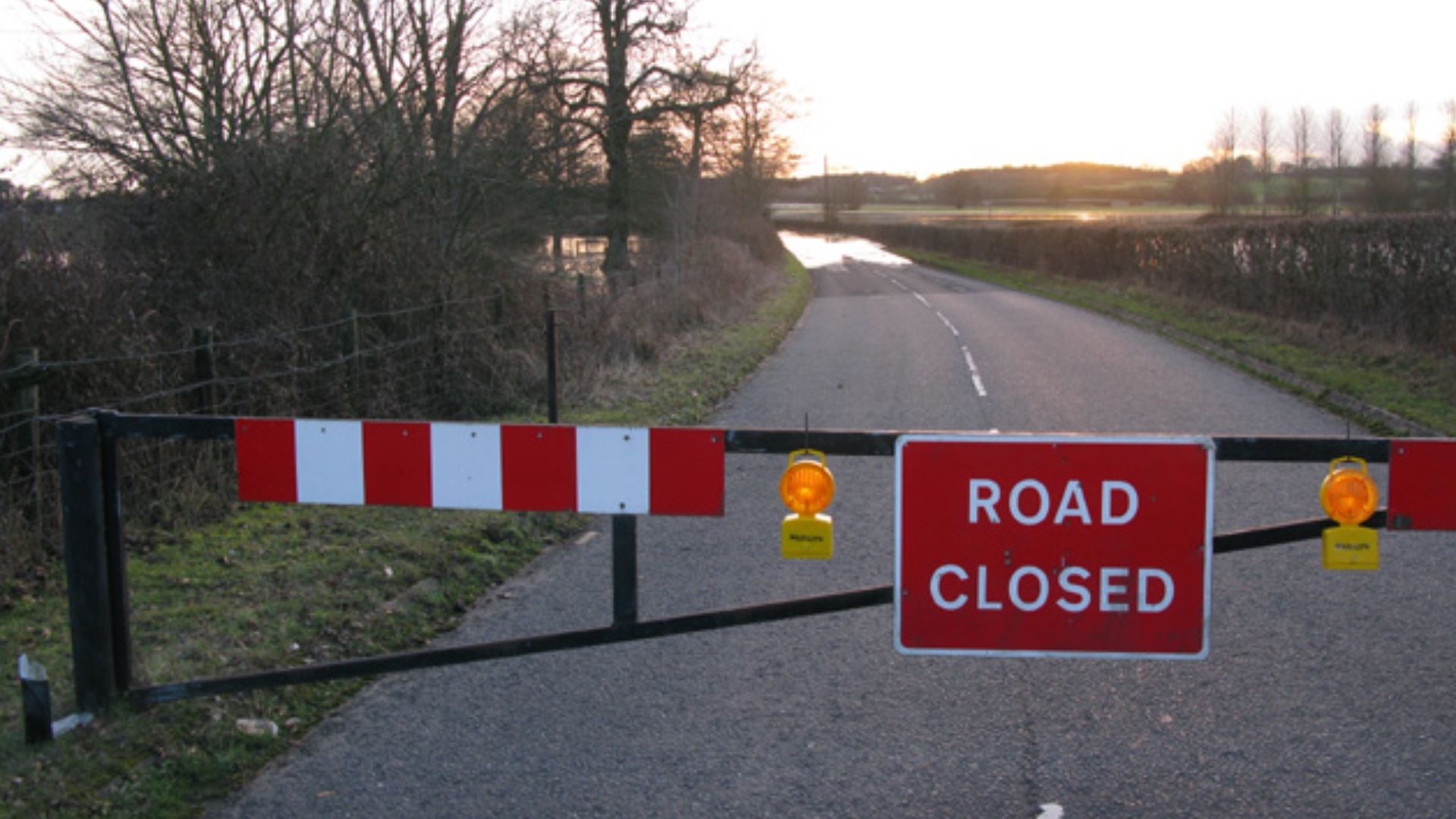
Public agencies may close attractions because of wildfire, flooding, unstable trails, severe weather, damaged roads, construction, dangerous wildlife activity, or other hazards. The National Park Service uses alerts to distinguish closures, dangers, cautions, and information that could affect a visit. Ignoring a posted closure can place travelers and emergency responders at risk.
First Learn What Actually Closed
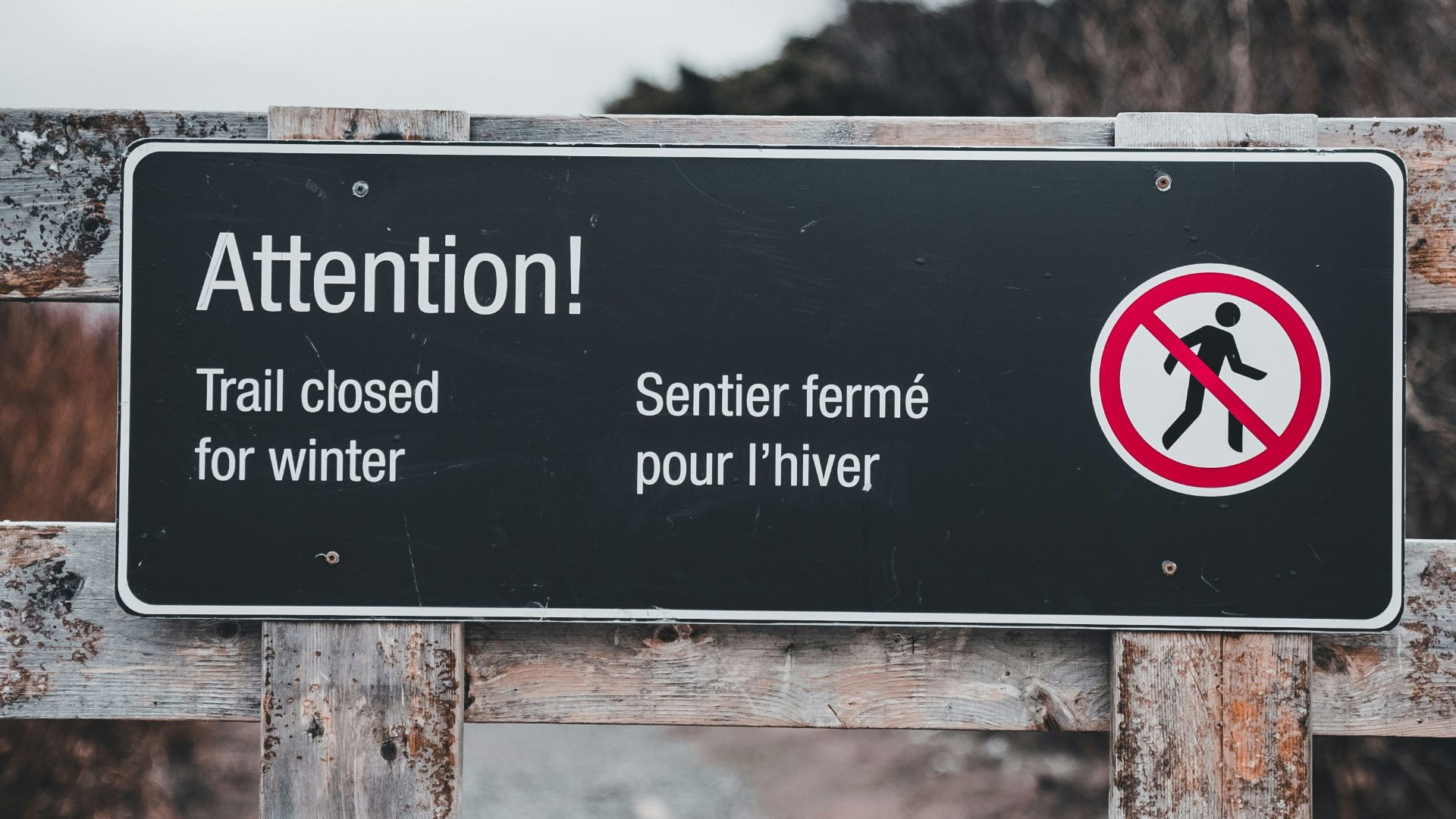
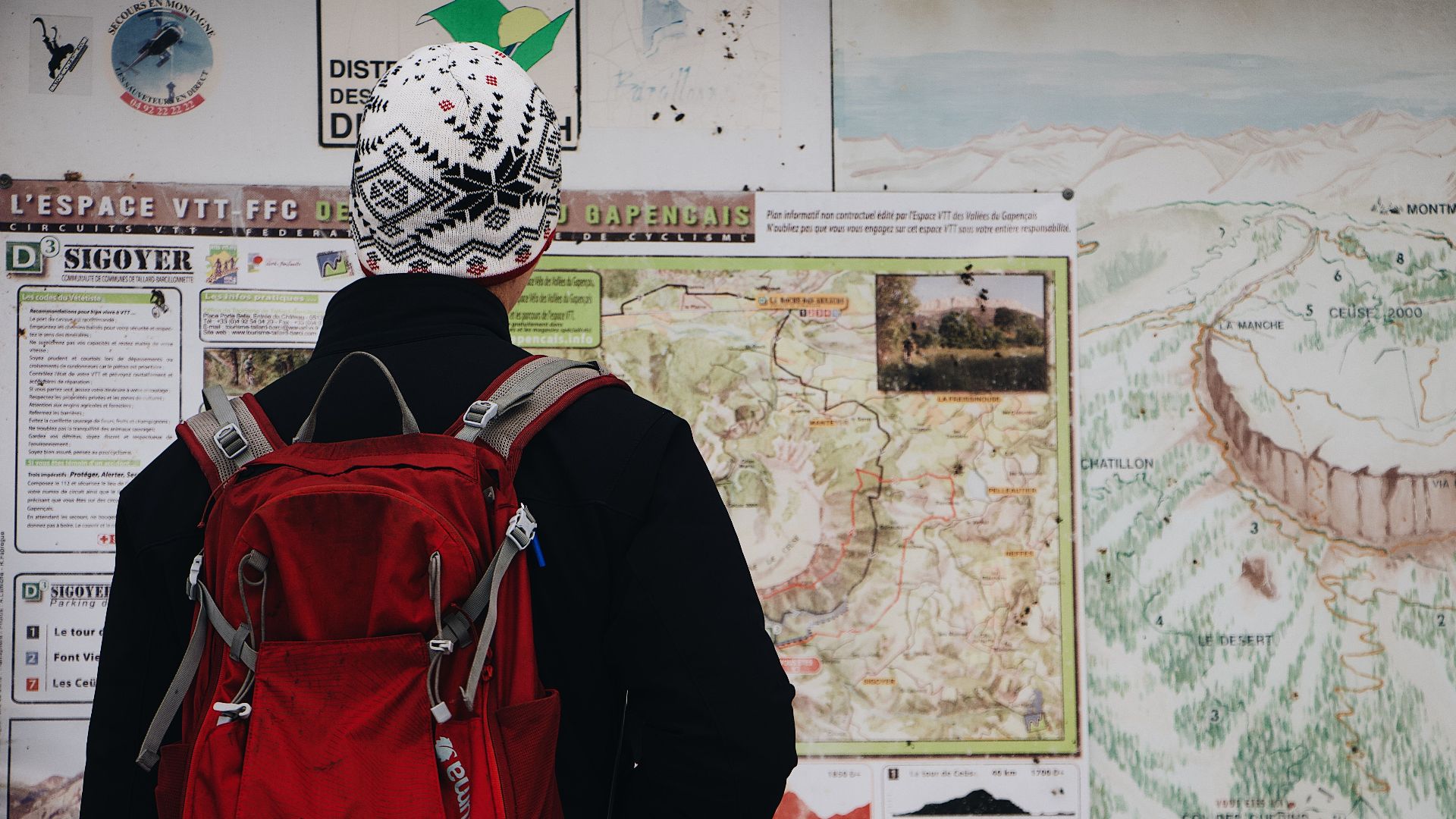
A headline saying that a park or attraction is closed may not mean the entire destination is inaccessible. Sometimes only one road, trail, overlook, beach, visitor center, or entrance is affected. Check whether another district, route, viewing area, or nearby unit remains safely open before abandoning the day.
Official Closure Or Bad Conditions?
There is a major difference between an official closure and disappointing conditions. Fog obscuring a mountain, low water at a waterfall, poor wildlife sightings, or rain during a scenic drive may not trigger the same refund policy as an attraction formally closing. Many reservations remain nonrefundable when the facility is open but the experience is less impressive than expected.

The Attraction Fee May Be Refundable
When a government recreation facility closes during an emergency, Recreation.gov says its team or the facility manager will refund applicable fees and attempt to notify reservation holders. Individual attractions can still have their own rules, deadlines, and exceptions. Request the refund through the original reservation account instead of assuming it will always appear automatically.

Not Every Fee Follows One Rule
A timed-entry reservation, campsite, permit, tour, parking space, and lodging booking may each have a different cancellation policy. Some fees are refundable after an official closure, while others remain nonrefundable after a deadline or once the reservation date begins. Read the rules attached to the exact product you purchased rather than relying on a general park policy.

The Rest Of The Trip Is Separate
A refunded attraction ticket does not automatically cancel the hotel, airfare, rental car, or restaurant reservations surrounding it. Those companies entered separate agreements and may still be prepared to provide exactly what was booked. The fact that your personal reason for traveling disappeared does not necessarily mean every supplier failed to perform.

Your Flight May Still Operate
United States airline refund protections generally apply when an airline cancels or significantly changes a flight and the passenger rejects the alternative. They do not normally require an airline to refund an unchanged flight because an attraction at the destination closed. Travelers who choose not to fly may therefore remain subject to the ticket’s normal cancellation and credit rules.
The Hotel May Still Have A Room
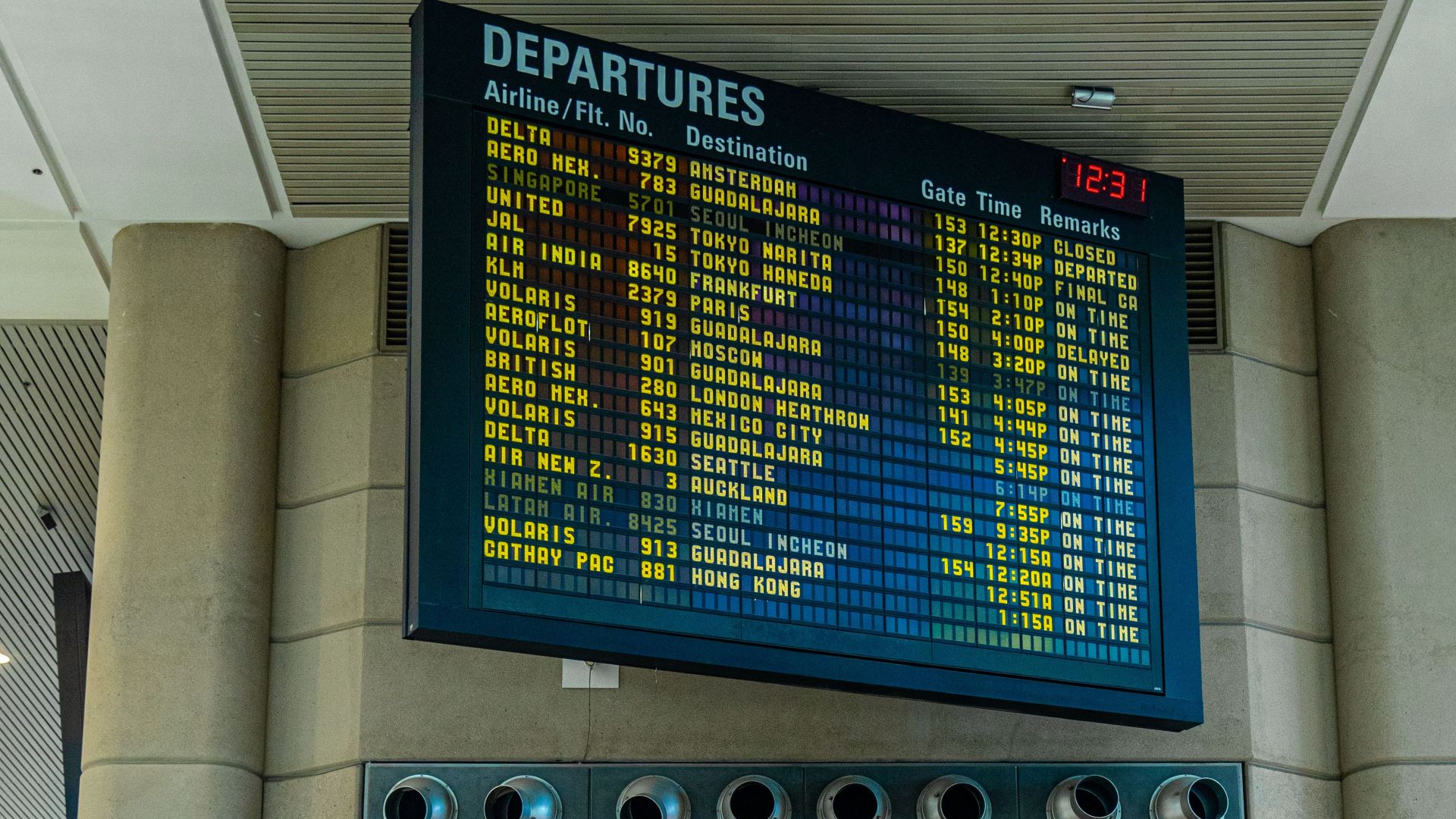
A hotel can argue that it fulfilled its agreement if the reserved room remained available. However, some properties may voluntarily allow a date change, waive a penalty, or issue a credit when a major local attraction suddenly closes. Contact the manager promptly and make a specific request rather than assuming the published policy is the final answer.

Package Trips Can Be Different
Travelers may have stronger options when flights, accommodation, transportation, and excursions were sold together as a qualifying package. European package-travel rules place responsibilities on organizers when contracted travel services cannot be supplied as agreed. A collection of independently purchased bookings usually does not receive the same unified treatment.

Read What The Seller Promised
A tour operator may have marketed the vacation specifically around guaranteed admission to the attraction. If that promised component cannot be delivered, the booking contract may describe substitutions, price reductions, cancellation rights, or alternative arrangements. Save the original itinerary and advertisement because the wording can matter when requesting compensation.

Insurance Does Not Cover Everything
Standard trip-cancellation and trip-interruption insurance usually pays only when the loss results from a reason listed in the policy. Each policy sets its own covered events, exclusions, limits, deadlines, and documentation requirements. The mere fact that the vacation no longer feels worthwhile may not be enough to support a claim.

Look For The Exact Covered Reason
A closure caused by wildfire, severe weather, evacuation, or another natural disaster may potentially fit a policy’s covered-event language. A routine seasonal closure, maintenance shutdown, lack of snow, poor visibility, or reduced access may not qualify. Call the insurer before abandoning the trip and ask which policy provision could apply.

Timing Can Decide The Claim
Insurance generally protects against uncertain future events rather than problems already known when coverage is purchased. Buying a policy after officials have announced a fire, storm, eruption, or closure may be too late for that event. Policyholders should also follow claim-notification deadlines and retain proof of when the closure became public.

Cancel For Any Reason Is Broader
Cancel-for-any-reason coverage can provide an option when the closure does not qualify under ordinary trip-cancellation terms. The National Association of Insurance Commissioners says this coverage commonly reimburses only part of the trip cost, often between 50 and 75 percent. It also carries eligibility rules that may include purchasing coverage soon after the initial trip deposit and canceling before a specified deadline.

Save Evidence Before It Vanishes
Take screenshots of the official closure notice, affected dates, reservation terms, and refund policy. Keep emails, text alerts, receipts, confirmation numbers, photographs of posted signs, and records of calls with the attraction. A clear timeline will strengthen requests made to insurers, hotels, tour operators, and card issuers.

Use Official Information First
Social media posts and traveler forums can spread closure news quickly, but they may omit reopening times or exaggerate the affected area. Verify the situation through the attraction’s official website, public land agency, emergency authority, or verified account. The National Park Service maintains an active-alert system that directs travelers to current park information.

Check Again Before Leaving Home
Conditions at natural attractions can change between the day a trip is booked and the day a traveler arrives. Review official alerts when the cancellation window is still open, again before starting the journey, and once more before driving to the site. Current weather, road, trail, fire, and facility reports can reveal problems early enough to change the plan.

Contact The Attraction Immediately
Ask whether the closure qualifies for an automatic refund, manual refund, replacement date, or alternate entry. Confirm whether the entire attraction is closed and when officials expect to issue another update. Get the response in writing when possible, especially if the attraction instructs you to claim through another company.
 Daniel & Hannah Snipes, Pexels
Ask About Another Experience
A boat tour may be replaced by a land tour, while a closed trail might have a safer alternative elsewhere in the same park. A tour operator may also substitute another natural attraction if the contract permits changes. The replacement does not need to be identical to rescue part of the trip, but travelers should not accept a materially inferior option without asking about a price adjustment.

Move The Reservation Before Canceling
Some suppliers are more willing to change dates than return money. Ask hotels, tours, rental companies, and transportation providers whether they can move the reservation to a future trip without charging the full cancellation penalty. A credit is less flexible than cash, so confirm its expiration date, transferability, and blackout restrictions before accepting it.

Request Help From The Hotel
Local hotels often know which nearby roads, parks, viewpoints, and tours remain open. The front desk or concierge may help build an alternative day that avoids the closure area. If the attraction is expected to reopen shortly, the property may also know whether changing the order of the itinerary could preserve the original plan.

A Chargeback Has Limits
A credit card dispute may be appropriate when a paid service was not delivered and the merchant refuses to address the problem. It is less likely to succeed against a hotel or airline that remained available simply because another attraction closed. Contact the merchant first, preserve the booking terms, and explain accurately which specific service was not provided.

Escalate A Valid Complaint
Begin with the attraction, booking platform, tour operator, or other company that collected the payment. If the dispute remains unresolved, USAGov directs consumers to state consumer protection offices and the appropriate travel complaint channels. Insurance disputes can also be reported to the traveler’s state insurance department.

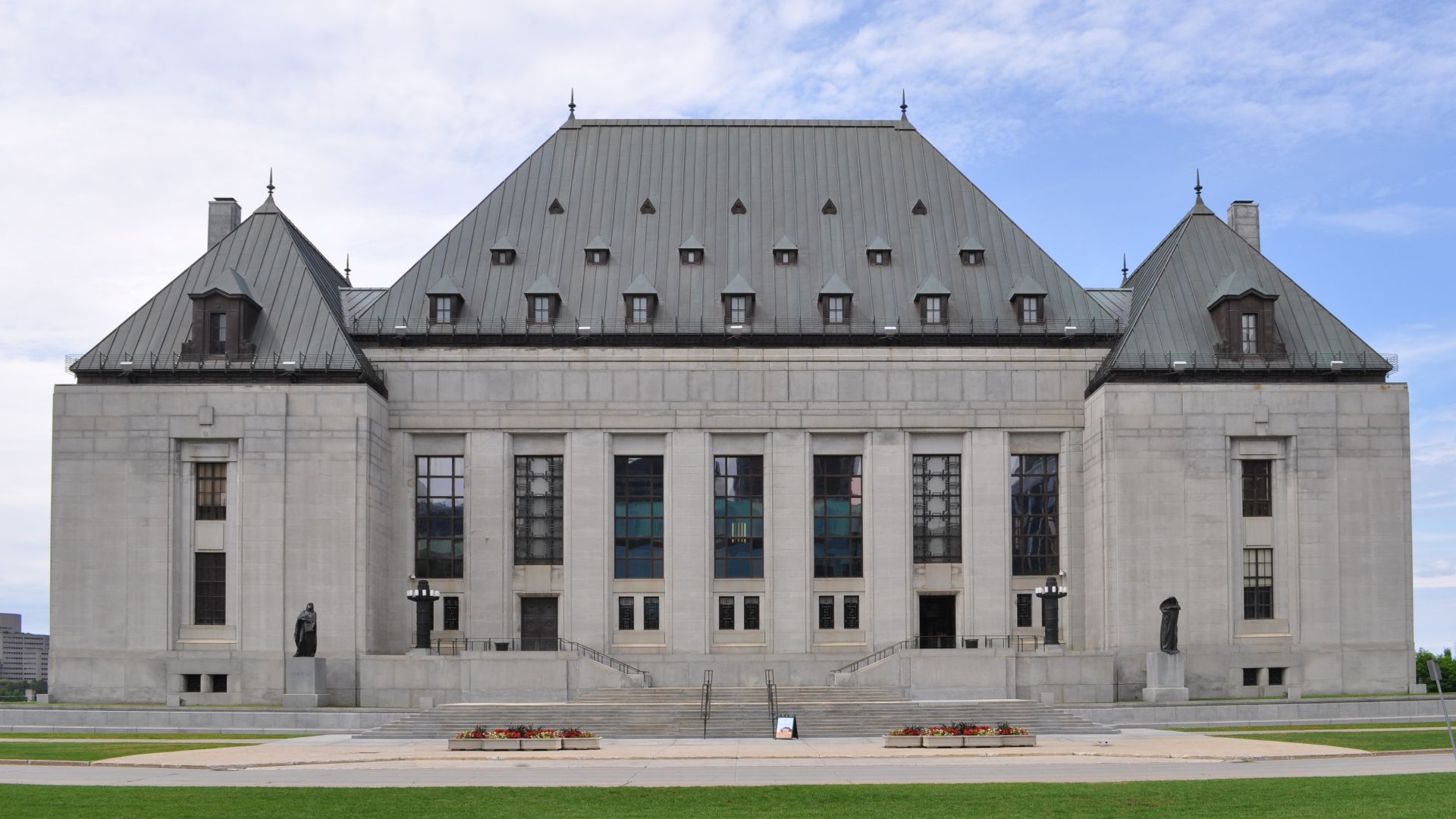
Canadian Advertising Rules May Help
Canadian law prohibits business representations that are false or misleading in a material respect. That could matter when a seller continued advertising guaranteed access after it knew the attraction would be unavailable. It does not mean that every weather-related or emergency closure creates an automatic right to recover independently booked travel expenses.
Salvage The Destination
A closed attraction can ruin the original itinerary without ruining the entire region. Look for state or provincial parks, scenic drives, museums, historic communities, wildlife centers, or guided experiences outside the affected zone. Follow official safety restrictions and avoid treating a closure boundary as an obstacle to sneak around.
Build A More Resilient Trip
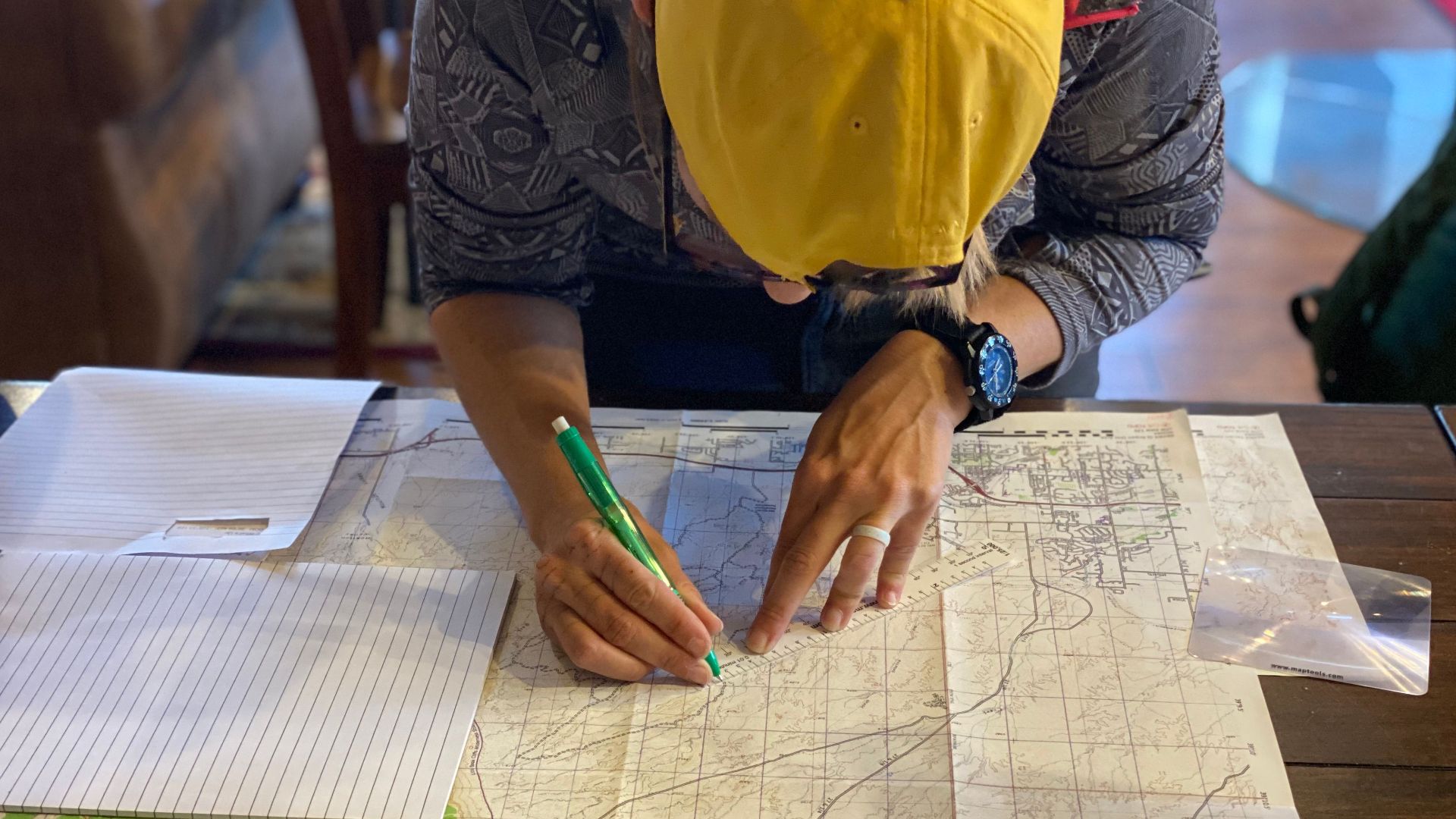
Avoid making every expensive reservation dependent on one weather-sensitive attraction when possible. Choose flexible rates, leave open time in the schedule, monitor seasonal risks, and learn what ordinary insurance will actually cover before buying it. A backup list prepared at home is much easier to use than one created while standing outside a locked gate.
You Are Not Necessarily Out Of Luck
Start by pursuing a refund for the closed attraction and any connected service that cannot be delivered. Then request flexibility from the other suppliers, review package protections and insurance terms, and document every additional expense. You may not recover the entire vacation cost, but quick action and precise records can prevent one closure from becoming a total financial loss.

You May Also Like:
Four Key Tips For Traveling On A Budget
10 Hidden Gems for a Safe and Affordable Family Vacation
The Most Peaceful Countries In The World—Ranked According To Data
Sources: 1, 2, 3, 4, 5, 6, 7, 8, 9, 10, 11, 12, 13, 14, 15, 16, 17, 18, 19, 20, 21, 22, 23