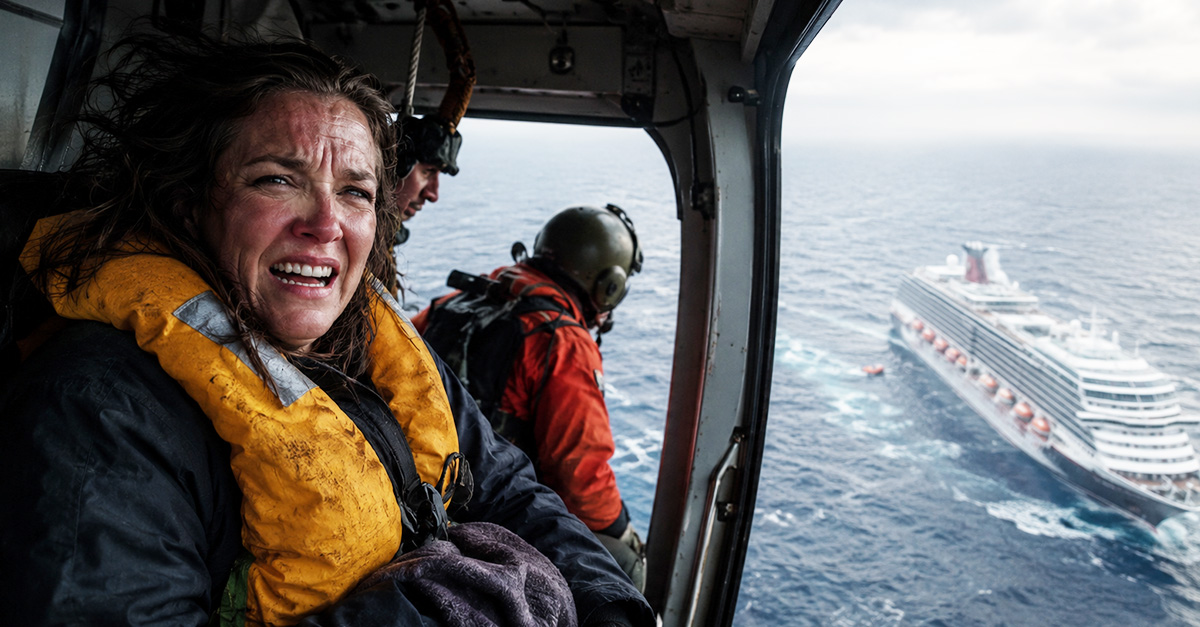
When Your Dream Cruise Turns Into A Rescue Story
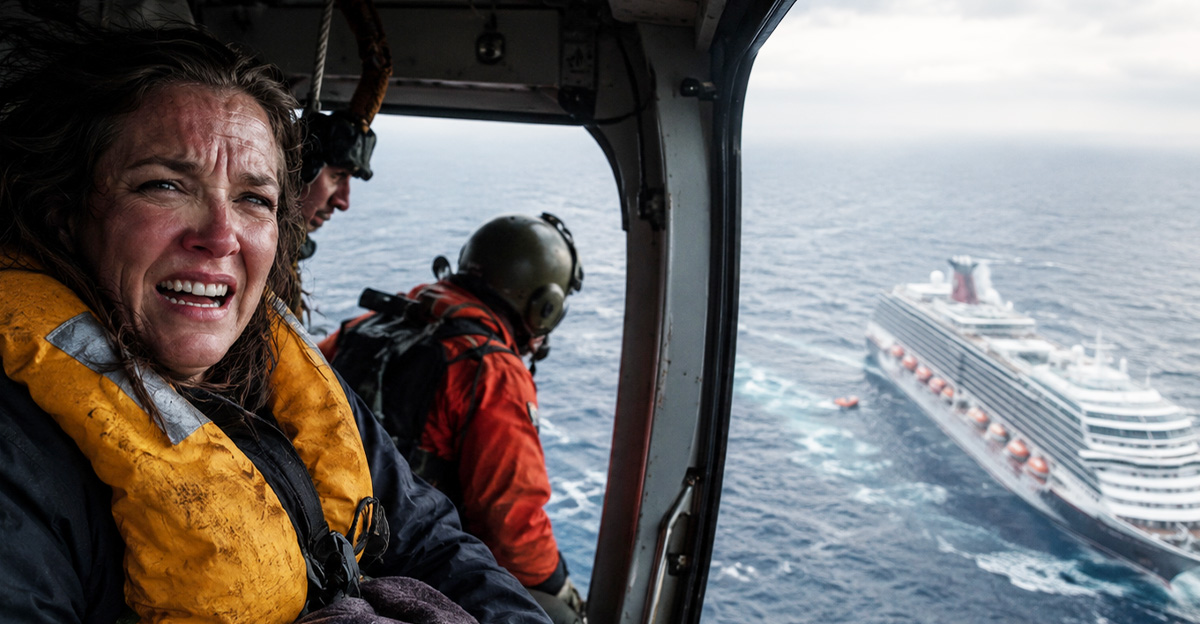
You booked sunsets, seafood towers, and towel animals. Instead, your cruise had a mechanical fault in the middle of the ocean, and suddenly your vacation became a dramatic aviation scene. First, breathe. If you were airlifted off, your trip clearly did not go as sold, and you may have several paths to getting money back.
Start With Safety, Then Start Saving Proof
Once everyone is safe, your new vacation hobby is documentation. Save emails, app alerts, announcements, photos, receipts, medical notes, and any written updates from the crew. Write down dates, times, names, and what passengers were told. Refund claims are easier when you have a timeline, not just a terrifying story.

Do Not Delete The Cruise Line App
Many cruise lines send disruption notices through their apps. Those little push notifications can become golden evidence later. Screenshot anything mentioning mechanical problems, itinerary changes, emergency evacuation, compensation, refunds, future cruise credits, or guest services instructions. Apps sometimes update or vanish after sailing, so capture everything quickly.

Ask For The Official Incident Report
Contact the cruise line and ask for written confirmation of what happened. Use calm language, even if your inner pirate is screaming. Request the official reason for evacuation, the portion of the cruise missed, and any compensation already approved. A written record helps prevent “we have no details” replies later.

Read Your Ticket Contract Carefully
Cruise contracts are not beach reads, but this is when they matter. Look for sections on mechanical failure, itinerary changes, early termination, refunds, liability, and claims deadlines. Some contracts require complaints within a short window. Mark those dates immediately, because missing a deadline can sink an otherwise strong claim.

Know The Passenger Bill Of Rights
Many major cruise lines follow a passenger bill of rights that covers serious disruptions. If a cruise ends early because of mechanical failure, passengers may be entitled to transportation to the scheduled disembarkation port or home city. If overnight lodging is needed after unscheduled disembarkation, that may also be covered.

Separate Refunds From Extra Compensation
A refund and compensation are cousins, not twins. A refund usually means getting back money for the cruise you did not receive. Compensation may include hotels, meals, flights, medical costs, lost excursions, missed work, or a future cruise credit. Ask for each category separately so nothing gets blurred.

Calculate What You Actually Lost
Make a simple list. Include the cruise fare, taxes, prepaid gratuities, drink packages, Wi-Fi, excursions, specialty dining, port fees, transfers, hotels, flights, parking, pet sitting, and travel insurance. Then mark what was used, unused, or ruined by the mechanical fault. Numbers make your request harder to brush aside.

Request A Cash Refund First
Cruise lines may offer future cruise credit, which sounds generous until you remember you may not want another floating adventure right away. Ask for a cash refund first, especially for the unused portion of the trip. If they offer credit, ask whether cash is available instead and whether accepting credit waives other claims.

Be Polite, But Very Specific
Your complaint should be firm, organized, and surprisingly boring. Avoid dramatic insults, even if “floating chaos burrito” feels accurate. State the booking number, sailing date, ship, cabin, disruption, evacuation, expenses, and requested refund amount. Guest relations teams handle thousands of complaints. Make yours easy to approve.

Send One Master Complaint
Do not scatter your claim across social media, phone calls, and random inboxes without a paper trail. Send one complete written complaint to the cruise line’s guest relations department. Attach copies, not originals. Ask for a written response by a specific date, usually 14 to 30 days.

Include A Clear Refund Formula
Try something like: “Because the cruise was terminated early due to a mechanical fault and I was airlifted off before receiving the full vacation purchased, I am requesting a refund of the unused cruise fare plus reimbursement of documented related expenses.” Then list the amount. Clear beats emotional every time.

Keep Receipts For Emergency Costs
If you paid for hotels, meals, clothing, medication, transport, phone calls, or replacement flights after the evacuation, keep every receipt. Even small costs add up. If you lost prepaid private excursions or non-refundable travel plans, include those too. The cruise line may not pay everything, but ask anyway.

Contact Your Travel Agent
If you booked through a travel advisor, bring them in immediately. Good agents know supplier contacts, escalation routes, and the magic phrases that move claims along. They may also know what the cruise line has offered other passengers on the same sailing, which can help you spot an unfair offer.

Check Your Travel Insurance
Travel insurance may cover trip interruption, emergency evacuation, medical costs, missed connections, or extra lodging. The key word is “may.” Policies vary wildly. File quickly, provide the cruise line’s written explanation, and ask the insurer exactly which benefits apply. Do not assume the cruise line and insurer will coordinate.

Watch Out For Double Recovery
You generally cannot collect the same dollar twice. If the cruise line refunds your hotel, your insurer may not also pay that hotel bill. Keep a spreadsheet showing what you claimed, who paid, and what remains unpaid. It makes you look organized and helps avoid delays.

Try Your Credit Card Benefits
Some premium credit cards include trip interruption or travel accident coverage when you use the card to pay. Check your card benefits guide and file a claim if eligible. This is different from a chargeback. It is an insurance-style benefit, and it may help with costs the cruise line rejects.

Consider A Credit Card Dispute
A chargeback can be useful if the cruise line refuses a fair refund for services not provided. But use it carefully. Your bank will want proof, dates, contract details, and evidence that you tried to resolve the issue first. Dispute only the amount you can reasonably support.

Escalate To The Right Regulator
For cruises involving U.S. ports, the Federal Maritime Commission may be relevant for certain refund issues. Other countries have their own consumer protection bodies. Regulators usually will not write you a vacation apology poem, but a properly filed complaint can encourage a company to take your case seriously.

Compare Offers With Other Passengers
If you can connect with fellow passengers, compare compensation offers. Cruise lines sometimes issue different responses depending on cabin category, booking method, loyalty status, or complaint timing. You are not automatically owed what someone else received, but inconsistent treatment can strengthen your argument for a better resolution.

Be Careful With Settlement Language
Before accepting money, credit, or vouchers, read the fine print. Some offers require you to release further claims. Others expire quickly or apply only to certain sailings. A shiny future cruise credit is less useful if it must be used during hurricane season on a Tuesday.

Do Not Overlook Medical Documentation
Being airlifted off a ship can be frightening and physically stressful. If you needed medical treatment, counseling, medication, or follow-up care, keep records and bills. Even if your main goal is a refund, medical documentation can support the seriousness of the disruption and explain extra expenses.

Use Social Media Strategically
A short, factual post can get attention, but do not turn your claim into a 47-part rant. Public complaints work best when they include the ship, sailing date, basic facts, and a request for help. Avoid exaggeration. The goal is resolution, not becoming the main character forever.

Know When To Get Legal Advice
If the refund amount is large, someone was injured, or the cruise line denies responsibility, consider speaking with a maritime or travel lawyer. Cruise contracts often include strict deadlines, venue rules, and limits on lawsuits. A quick consultation can tell you whether your case is worth pursuing further.

Keep Your Claim Organized
Create a folder called “Cruise Refund Claim” and pretend you are the world’s calmest detective. Save your contract, booking confirmation, screenshots, receipts, complaint letters, claim numbers, and replies. When someone asks for proof, you can send it in minutes instead of digging through vacation chaos.

The Best Outcome To Ask For
A fair request might include a cash refund for the unused cruise, reimbursement of reasonable extra costs, return of unused onboard purchases, and consideration for the distress and inconvenience. You can accept a future cruise credit only if it genuinely works for you. Your vacation failed; your refund should not.

Final Thoughts Before You Drop Anchor
Being airlifted off a cruise is not a minor itinerary change. It is a major disruption, and you are right to ask for money back. Stay calm, document everything, ask for cash first, involve insurance and your card provider, and escalate when needed. The ocean was dramatic enough; your refund process should be orderly.

You May Also Like: