
That Was Too Close.
An airport hotel’s shuttle can be the deciding factor when a traveler chooses where to spend the night, especially before an early flight. Hotels can adjust operating schedules, but an undisclosed change becomes harder to defend when the original shuttle promise materially influenced the booking.

The Shuttle Was The Whole Point
Imagine reserving an airport hotel because its website advertises convenient transportation to the terminal. You arrive and discover that the first shuttle now departs later than the schedule shown when you booked. Suddenly, the service that justified the reservation may no longer get you to the airport on time.

Yes, Schedules Can Sometimes Change
Hotels generally need operational flexibility because vehicles can break down, drivers can become unavailable, and airport traffic can disrupt service. A property may therefore change a shuttle timetable, particularly when its terms describe the service as limited, scheduled, seasonal, subject to availability, or subject to change. That does not automatically mean the hotel may advertise one useful schedule, quietly replace it, and leave affected guests without a reasonable solution.

The Original Promise Still Matters
The first question is not simply whether the hotel owns the shuttle. It is what the hotel represented when the guest made the reservation. The Federal Trade Commission says advertising must be truthful and supported, regardless of whether the claim appears online, in print, or elsewhere.

A Material Claim Carries More Weight
A detail is material when it could influence a customer’s decision to purchase a product or service. Canada’s Competition Bureau specifically describes material information as information capable of affecting consumer behavior. An advertised 4:00 a.m. airport shuttle could therefore matter far more than a minor change to the lobby coffee selection.
 Photo: David RestivoGlacierNPS, Wikimedia Commons
A Guaranteed Time Is Stronger Evidence
A confirmation stating that a shuttle departs every 30 minutes beginning at 4:00 a.m. is more useful than a vague advertisement promising “airport transportation.” Specific written language helps establish what the guest reasonably believed was included. Screenshots, confirmation emails, app messages, and chat transcripts can all preserve that language before a webpage changes.

Fine Print Can Change The Answer
The hotel may have disclosed that shuttle hours could change or that reservations were required. It may also have stated that seats were limited or that service was not guaranteed outside particular hours. Guests should read the rate details and transportation section rather than relying only on a search-result snippet or an amenity icon.

Third-Party Listings Complicate Responsibility
Many travelers book through online travel agencies rather than directly with the hotel. Information on those sites may be incomplete, outdated, or supplied through another company’s booking system. The FTC has previously examined deceptive practices in the online hotel-booking market, including websites that misrepresented their relationships with hotels or obscured important reservation information.

Save The Listing Before You Travel
Take screenshots of the hotel’s shuttle description, schedule, pickup instructions, and reservation requirements. Save the date, page address, confirmation number, and any messages exchanged with the property. That record may become important if the schedule changes and the original version disappears.

Call The Property Directly
A hotel brand’s central reservation agent may not know the current schedule at an individually operated property. Calling the front desk shortly before arrival gives you a chance to confirm the first departure, travel time, terminal drop-off, and whether a seat must be reserved. Use contact information from the hotel’s official website because the FTC warns that travel scammers sometimes place fake telephone numbers beside recognizable company names in search advertisements.

Ask Who Operates The Shuttle
Some airport hotels run their own vans, while others share transportation with neighboring properties or contract the work to another company. That difference can affect frequency, capacity, and the hotel’s ability to correct a disruption quickly. Ask whether the shuttle follows a fixed timetable or simply leaves when requested.

Never Plan Around The Last Possible Ride
A shuttle that theoretically gets you to the terminal just before check-in closes leaves almost no margin for trouble. Traffic, full vehicles, loading delays, and stops at several terminals can consume the entire cushion. The Transportation Security Administration advises passengers to allow time for shuttle transportation, airline check-in, security screening, and reaching the gate.

Airport Arrival Is More Than Security
Reaching the terminal doors does not mean you have successfully reached your flight. Travelers may still need to check baggage, obtain boarding documents, clear screening, travel between terminals, and walk to a distant gate. TSA also recommends checking airline boarding and baggage cutoff times because those deadlines can arrive well before departure.
Early Flights Create Extra Risk
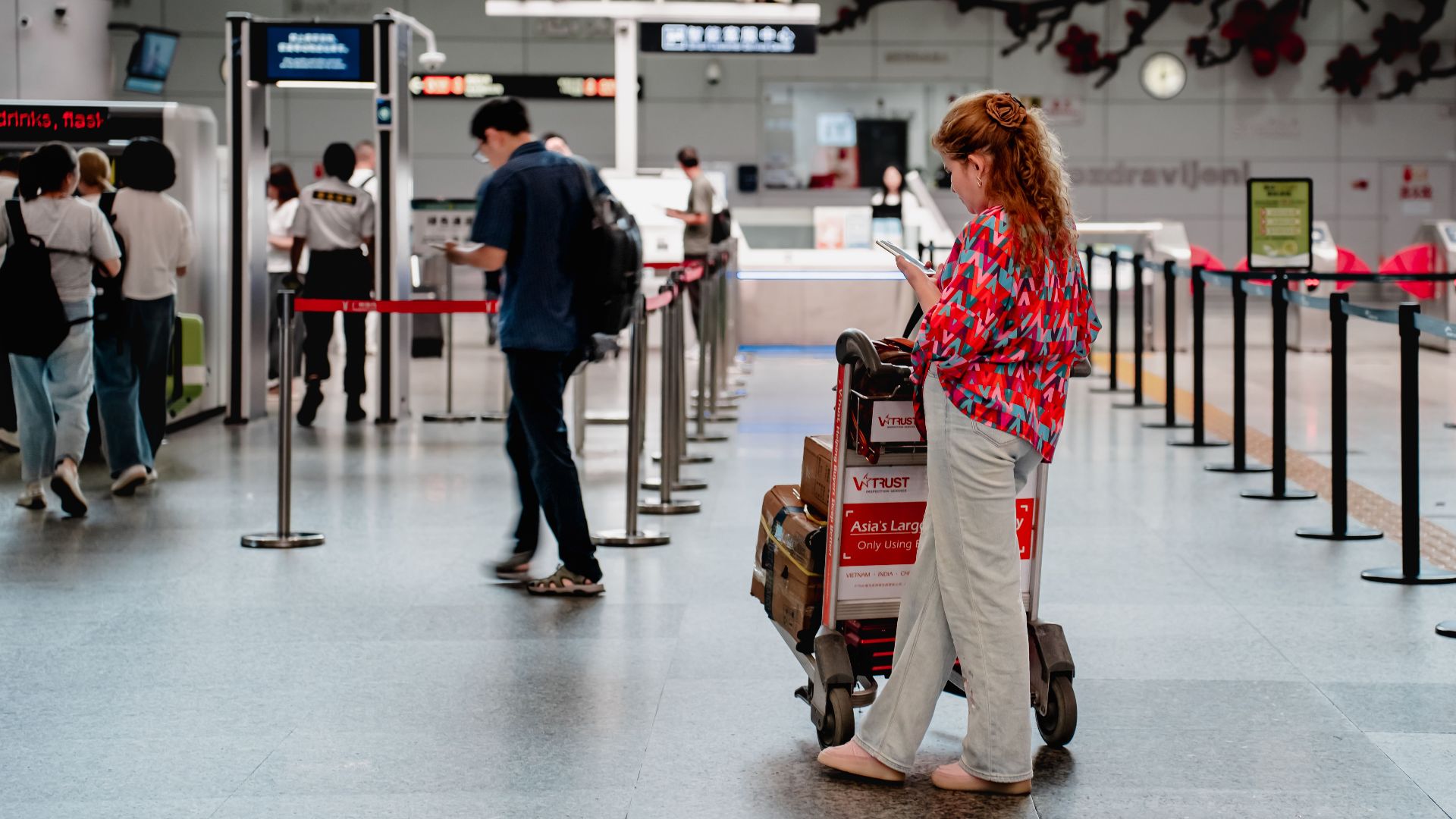
The first hotel shuttle may not be early enough for the first wave of departures. Overnight staffing may also be thinner, leaving fewer people available to arrange alternatives. Travelers with dawn flights should verify the actual first departure rather than assuming that “24-hour airport shuttle” means a van leaves whenever requested.

Twenty-Four-Hour Service Can Be Ambiguous
A hotel may use “24-hour shuttle” to mean that transportation is available throughout the day. The actual system might still require advance reservations or operate at widely spaced intervals overnight. Ask for the exact departure that would serve your flight and have the answer confirmed in writing when possible.

Notify The Hotel Immediately
Once you learn that the new schedule will not work, tell the front desk before paying for another ride. Give the hotel a chance to provide a taxi, rideshare credit, private transfer, earlier van, or cancellation without penalty. Consumer complaint guidance generally recommends contacting the business first because direct resolution is often the fastest option.

Request A Specific Solution
A general complaint may produce an apology but no practical help. Explain that you selected the property because of the advertised transportation and ask for a particular remedy. Reasonable requests might include reimbursement for replacement transportation, a partial rate reduction, loyalty points, or permission to cancel and move elsewhere.
 Hryshchyshen Serhii, Shutterstock
Get The Response In Writing
Ask the employee to note the problem in the reservation and send an email confirming the proposed solution. Record the employee’s name, the time of the conversation, and what was promised. Written documentation reduces confusion when a different manager handles the account after checkout.

Keep Every Replacement-Ride Receipt
If the hotel cannot provide transportation, retain the taxi or rideshare receipt. A documented out-of-pocket expense is easier to evaluate than an unsupported estimate. Keep the boarding pass and flight itinerary as well because they help show why the alternative ride was necessary at that particular time.

Missing The Flight Changes Everything
A replacement taxi may cost relatively little compared with missing the flight. A missed departure can lead to airfare changes, meals, transportation, and another night of lodging. Recovering those larger consequential losses can be difficult because responsibility depends on the booking terms, applicable law, causation, and whether the traveler took reasonable steps to limit the damage.

The Airline May Not Rescue You
A hotel transportation failure is normally separate from the airline’s responsibility for operating the flight. If the aircraft departed as scheduled, the airline may treat the traveler as a no-show under its fare rules. That is another reason to arrange replacement transportation quickly instead of waiting indefinitely for the hotel to resolve the dispute.

Escalate Beyond The Front Desk
When the front desk cannot help, request the general manager’s contact information. Guests staying at a branded property can also contact the hotel chain’s customer-care department, although the property may be independently owned or operated. Present a brief timeline, the original advertisement, the changed schedule, receipts, and the remedy already requested.

Complain Through The Booking Platform
Travelers who booked through an online agency should open a complaint through that platform as well. The agency may be able to document what appeared on its listing when the reservation was made. However, its cancellation and reimbursement options will depend on its own terms and its relationship with the property.

A Card Dispute Is Not The First Step
Credit card disputes should not replace a genuine effort to resolve the matter with the merchant. The Consumer Financial Protection Bureau recommends contacting the card issuer promptly when disputing a charge and reviewing the relevant agreement and procedures. In some circumstances, an issuer may consider a dispute involving goods or services that were not delivered as agreed, but a missing shuttle does not automatically justify reversing the entire hotel charge.

Government Complaints Can Document A Pattern
The FTC accepts reports concerning fraud, scams, and unfair or deceptive business practices, although it does not resolve individual reimbursement disputes. State consumer protection offices and attorneys general may also assist with complaints against businesses. USAGov provides directories that help consumers identify the appropriate state office.

Canadian Guests Have Similar Options
Canadian federal law addresses representations that are false or misleading in a material respect, while provinces and territories maintain additional consumer protection rules. The federal Office of Consumer Affairs recommends understanding which level of government regulates the issue before filing a complaint. Canadian travelers can use its complaint roadmap and provincial or territorial consumer affairs directories to find the appropriate channel.

The Best Protection Comes Before Check-In
Confirm the schedule directly with the property several days before the stay and again when arriving. Build enough time into the morning to survive one missed departure, a full van, heavy traffic, or a longer-than-expected security line. Keep the address and number of a backup taxi or rideshare option ready before going to sleep.

The Bottom Line For Travelers
Hotels may sometimes alter shuttle operations, especially when their terms clearly reserve that flexibility. The problem becomes more serious when a specific schedule was advertised, influenced the reservation, and changed without meaningful notice or assistance. Document the promise, ask the hotel to fix the problem, preserve your expenses, and escalate through the booking company, card issuer, or consumer authorities when the facts support it.
You May Also Like:
Free Camping Destinations In Every State
Everyday American Habits That Baffle The Rest Of The World