The Bag That Suddenly Fails
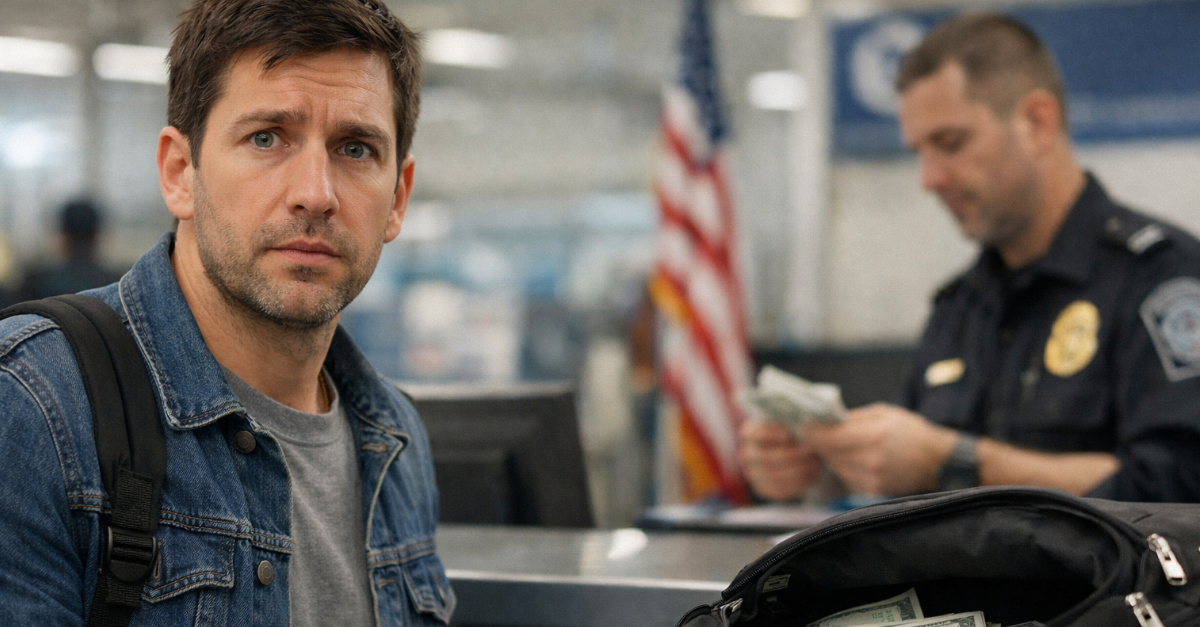
You can fly with the same carry-on for years, then one day an airline agent says it is too big. It feels shady, especially when a gate-check fee shows up right after. Sometimes the airline really is enforcing an old rule more strictly. Sometimes the rules have changed and most travelers did not notice until they were standing at the airport.

Why This Keeps Happening
Carry-on disputes are not new, but they have become a lot more common as airlines chase baggage revenue and cabins get more crowded. In Europe, regulators have been taking a closer look at hand-baggage fees in recent years, and some airlines have been challenged over them. In the United States, airlines still set their own size limits, so a bag that passes on one carrier can fail on another.

Your Old Bag May Not Match Today’s Rule
A lot of travelers buy a suitcase labeled “carry-on” and assume that settles it for good. It does not. Airlines set their own dimensions, and those limits can differ by a few inches. That matters because many carriers count wheels and handles, and the sizer at the airport does not care what the bag was called in the store.
American Airlines Gives A Good Example
American Airlines says carry-on bags can be up to 22 x 14 x 9 inches, including handles and wheels. That is a common U.S. standard, but not every airline uses it. If your trusted bag is a little deeper because of spinner wheels or a stuffed front pocket, it can suddenly fail even if it got through many times before.
 Kuruman from Tokyo, Japan, Wikimedia Commons
United Counts The Extras Too
United publishes the same 22 x 14 x 9 inch limit for a full-size carry-on. Like American, it says handles and wheels count toward the total. This is one of the easiest ways travelers get caught off guard, because the main shell may fit while the actual bag does not.

Delta Uses A Slightly Different Standard
Delta says carry-on bags may not exceed 22 x 14 x 9 inches, or 45 linear inches total, and they must fit in the overhead bin. So shape matters as much as the label on the suitcase. A bag can look close enough and still be a problem if it bulges.
Budget Airlines Are Even Tighter
This is where the fights usually get worse. Frontier, Spirit, Ryanair, and easyJet all have strict baggage rules, and the smallest free item may be only a personal item unless you pay for a larger cabin bag. A suitcase that worked fine for years on a major airline can suddenly become expensive when you book a cheaper fare on a stricter carrier.
 CBP Photography, Wikimedia Commons
Ryanair Has A Reputation For This
Ryanair’s baggage rules have been the source of airport arguments for years. Its lowest fares have long included only a small free personal bag, while a larger cabin bag usually costs extra through priority boarding or another add-on. The policy is not hidden, but travelers switching airlines or booking through third-party sites often miss the details until they get to the gate.
 CBP Photography, Wikimedia Commons
EasyJet Changed Its Rules In 2021
EasyJet made a major change in February 2021 when it limited the free cabin allowance for most customers to a small under-seat bag, unless they bought certain fares, chose a front seat, or paid for extra legroom. Reuters reported the move at the time as part of a broader push by airlines to bring in more fee revenue. So for travelers who had flown easyJet for years, the old routine really did stop working.
 Summit Art Creations, Shutterstock
Europe’s Regulators Started Paying More Attention
In October 2024, Spain’s consumer rights ministry said it had fined several low-cost airlines over practices that included charging for hand luggage. Reuters identified Ryanair, Vueling, easyJet, Norwegian, and Volotea among the airlines involved. That did not suddenly make all cabin bag fees illegal across Europe, but it showed how heated the issue had become.
The European Union Is Still Sorting It Out
The legal picture in Europe is messy. There have been court rulings and consumer-rights arguments saying that reasonable hand baggage should be part of the basic fare. At the same time, airlines still build fare structures around what is included in the cabin. So if a traveler thinks an airline is making up a fee on the spot, the bigger truth is that these rules are still being fought over in public.
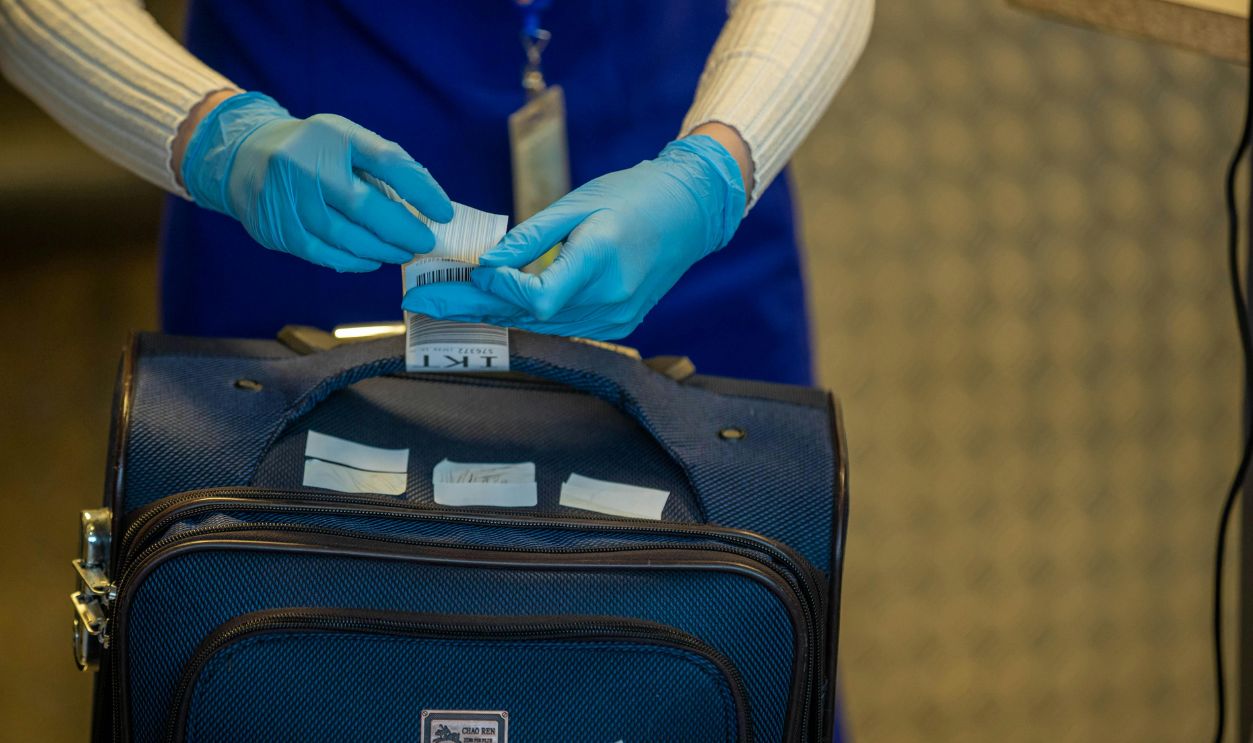
In The United States, Airlines Still Make The Rules
U.S. airlines generally decide their own carry-on limits and fare-bundle rules, as long as they meet disclosure requirements and basic consumer protection law. The Department of Transportation requires airlines and ticket agents to show baggage fee information on e-ticket confirmations, though that does not mean every traveler notices every restriction. If your bag suddenly fails, the reason is often the fare you bought, the airline you picked, or an agent enforcing the written rule more strictly than before.

Fare Class Can Change Everything
Basic economy has changed what travelers can bring aboard on some airlines. The same traveler, carrying the same suitcase, can have different rights depending on the ticket. That is one reason these disputes feel so random, even when they are tied to a written fare rule.

Gate Agents Get Stricter On Full Flights
When overhead bins are filling up fast, enforcement usually gets tougher. Staff may start using the sizer more often to keep boarding moving and stop the bins from overflowing. That can feel personal, even when the airline is simply cracking down because cabin space is tight.
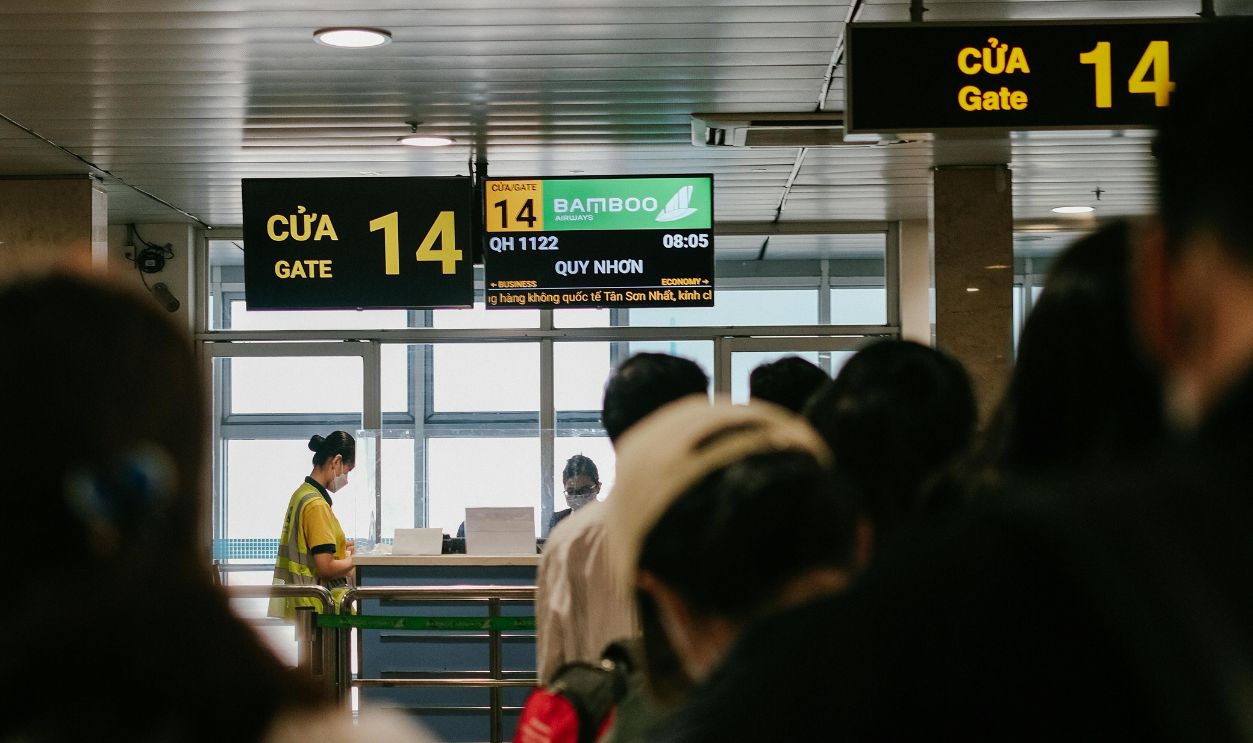
The Sizer Is The Final Word
If your bag fits the published dimensions on paper but not the metal sizer at the airport, you are unlikely to win that argument. Soft bags can bulge past their stated size, and hard-shell bags can go over because of wheel housings or molded corners. That is why a carry-on that “always worked before” can suddenly fail when an agent insists on the test.

Wheels And Handles Matter More Than Most People Think
This small detail causes a lot of disputes. American and United both clearly say wheels and handles are included in the measurement. Many travelers measure only the main body of the suitcase at home, then find out too late that the airline was counting every part that sticks out.
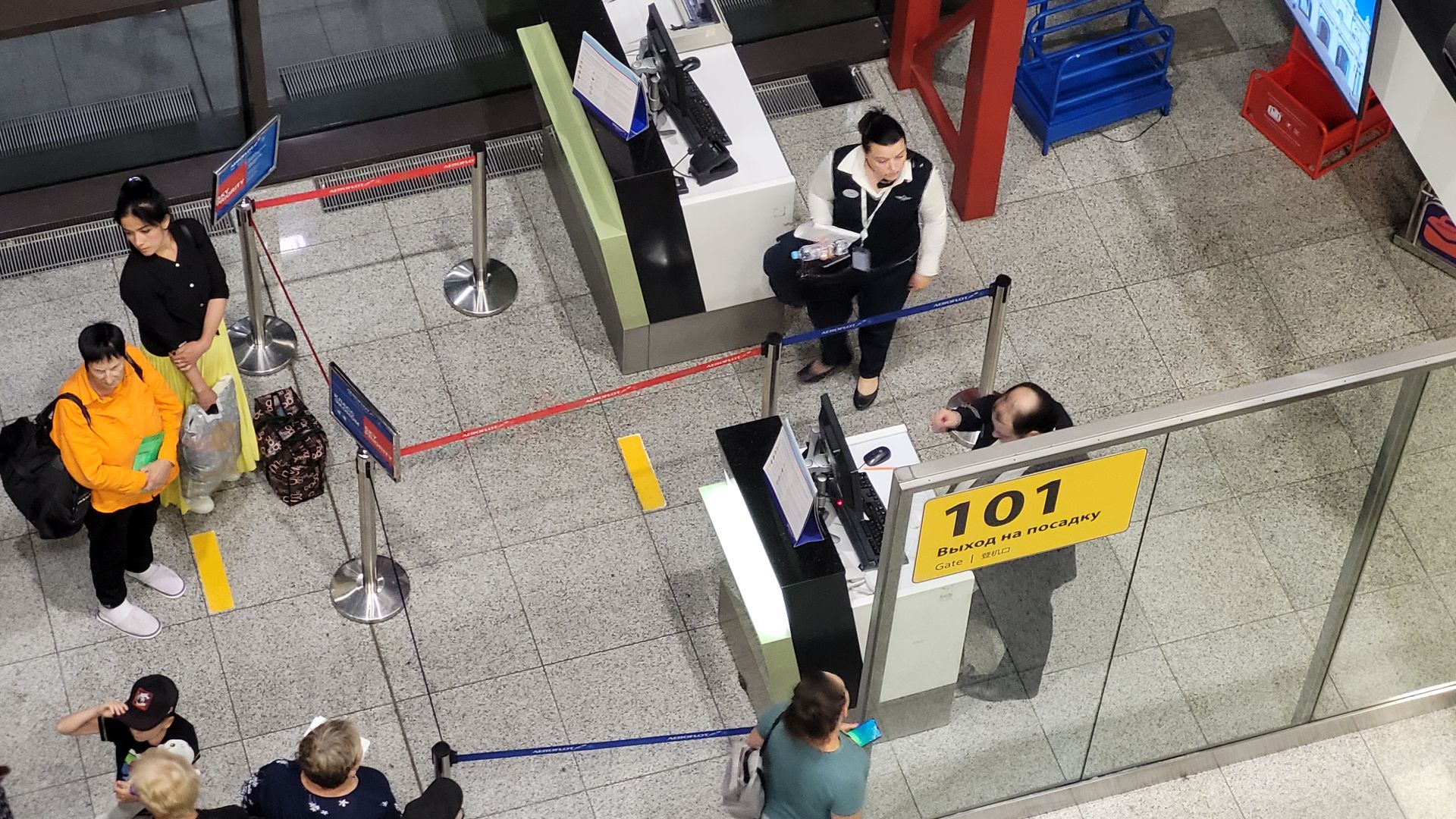 Svetlov Artem, Wikimedia Commons
Expansion Zippers Are A Quiet Trap
That extra inch from an expansion zipper can be the difference between free and fee. A bag may have fit for years when lightly packed, then fail once it is stuffed for a longer trip. The rule may not have changed at all. Your packed bag did.

Aircraft Type Can Also Matter
Regional jets and smaller aircraft often have tighter overhead bins than larger planes. Some bags that meet the airline’s published limit still need to be gate-checked because the space is physically smaller. That is frustrating, but it is usually an operations issue, not proof of a scam.

Sometimes The Policy Really Has Changed
Travelers are not imagining everything. Airlines have changed free-bag allowances, introduced stricter basic fares, and reworked cabin baggage rules over time. EasyJet’s 2021 shift is one clear example, and several low-cost carriers have built their business around charging separately for larger cabin bags.

Sometimes Enforcement Has Changed Instead
A policy can sit on the books for years without being enforced the same way every day. Then a busy holiday weekend, a new manager, or a stronger focus on fee revenue can lead to stricter checks. To the traveler, that feels like a new rule, even if the airline points to the same dimensions it had posted all along.

Are Airlines Just Hunting For Fees
The honest answer is that baggage fees bring in serious extra revenue, so airlines have a clear reason to care. But that does not mean every bag dispute is invented. In many cases, the fee comes from a written policy the traveler did not know had changed, or had never tested carefully against the sizer.

What To Check Before You Leave Home
Look up your airline’s current carry-on and personal-item dimensions on its official website before every trip. Measure your bag fully packed, and include wheels, handles, side pockets, and any bulge from soft materials. Also check whether your exact fare includes a larger cabin bag, because the answer may differ from what another passenger on the same airline gets.

Take A Screenshot Of The Rules
Before you head to the airport, save a screenshot of the airline’s baggage page and your booking details. That will not help if your bag is actually too big, but it can help if there is confusion about what your fare includes. It is especially useful when policies vary by route, seat type, loyalty status, or boarding package.
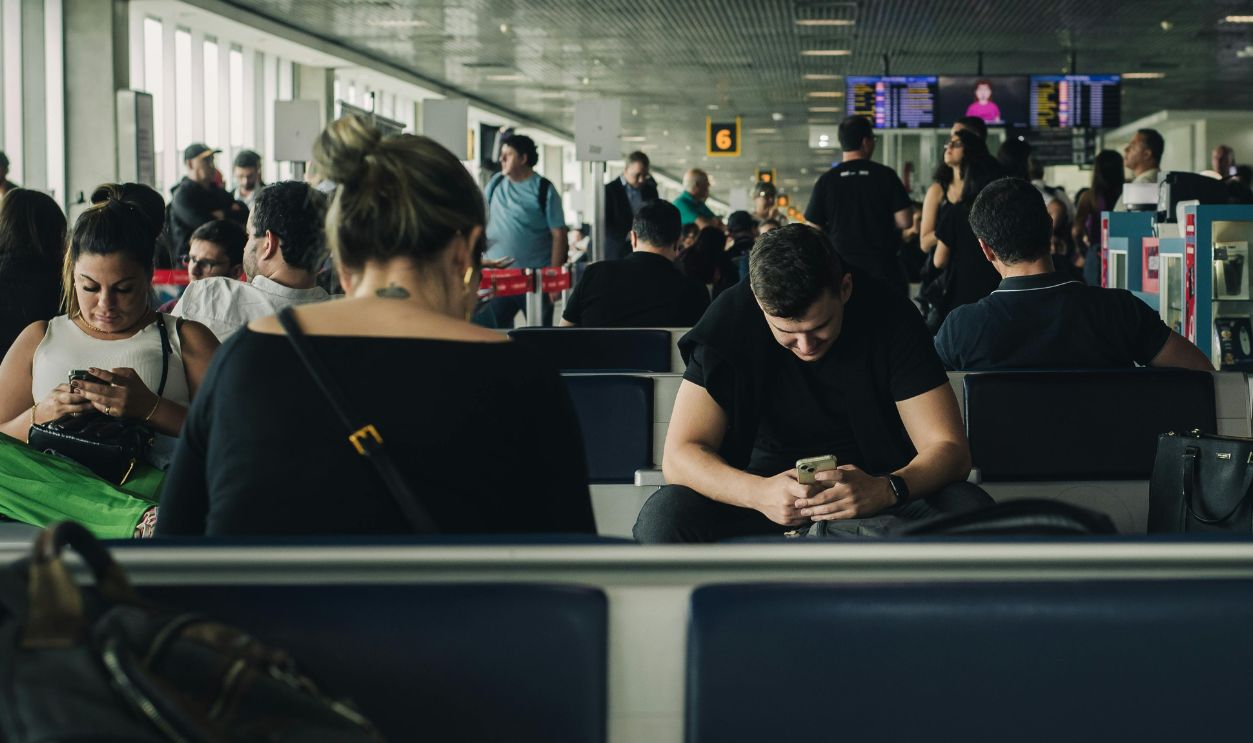
Weight Can Matter Too
Some airlines, especially outside the United States, also set cabin-bag weight limits. A bag can fit perfectly in the sizer and still fail because it is too heavy. This is another reason travelers get surprised when they switch airlines or regions.
 Monkey Business Images, Shutterstock
If You Think The Charge Was Wrong
Ask politely for the exact rule in writing or on the airline’s website, and take a photo of the sizer test if that is allowed. Keep your boarding pass, baggage receipt, and any bag-tag paperwork. If the charge seems to go against the published policy, complain to the airline first, then take it to the relevant regulator or consumer body if needed.

When A Refund Is Worth Chasing
A refund claim is strongest when the airline’s website clearly showed your fare included the bag, or when the bag met the stated size and weight and you have proof. It is weaker when the bag was overstuffed, barely over the limit, or measured only by the shell and not the wheels. Once the complaint reaches customer service, facts matter more than frustration.
 Ekaterina Pokrovsky, Shutterstock
The Smartest Way To Avoid The Ambush
If you fly on multiple airlines, the safest move is to buy luggage that fits the strictest common standard you are likely to face. Do not rely on labels like “international carry-on” or “fits most airlines,” because those are not guarantees. A slightly smaller bag can save you a lot of money and stress.
The Bottom Line On Your Suddenly Too-Big Carry-On
No, airlines are not always inventing a problem just to hit you with a fee, but they do make money from baggage charges and they do sometimes tighten policies or enforcement. That mix creates a headache that feels personal even when it is built into the system. The best defense is simple: check the current rule, measure the bag as packed, and never assume that what worked five years ago still works today.