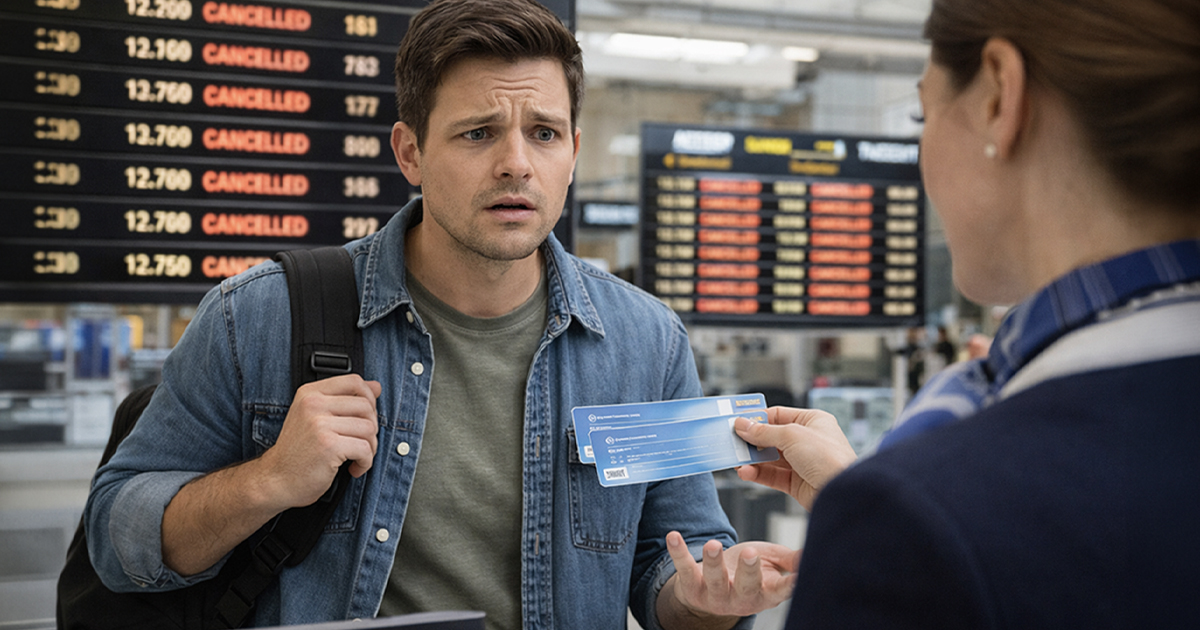
They Canceled the Flight—But Kept Your Money?
You show up ready to travel, and suddenly your flight is canceled. The airline quickly offers you travel credit like it’s a favor. But your friend says you’re entitled to a full refund, not just credit. Are they lowballing you?
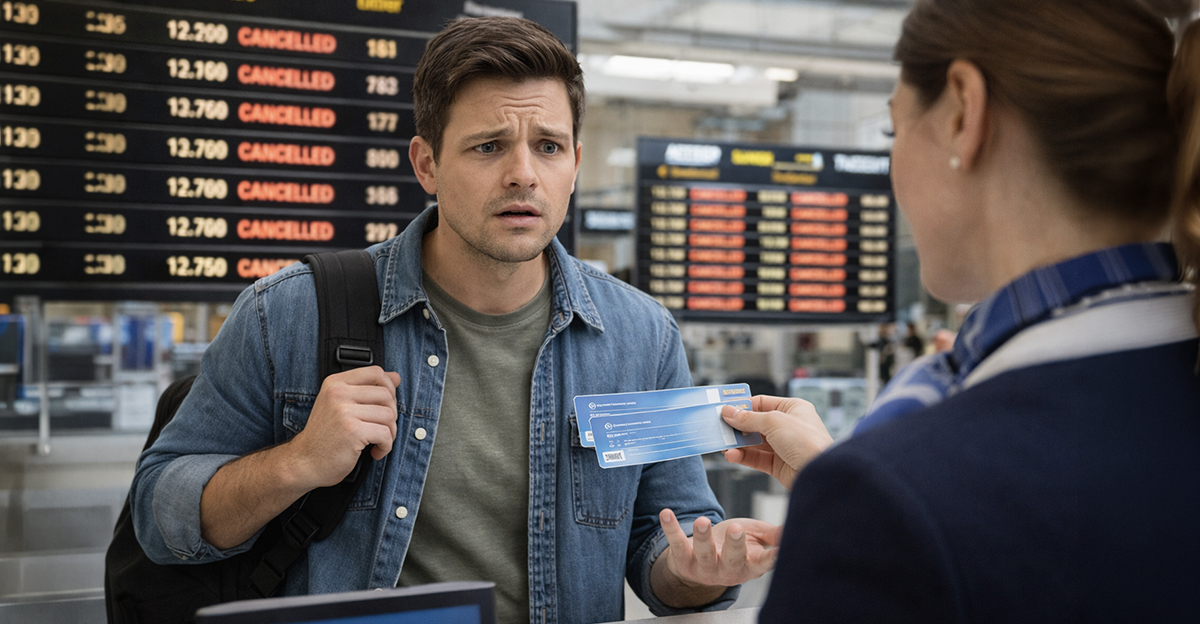
So… Are You Entitled to a Cash Refund?
In many cases, yes you are. If the airline cancels your flight, not you, you’re generally entitled to a full cash refund. That includes the unused portion of your ticket, even if the airline pushes other options first—and they will.

Why Airlines Push Travel Credit First
Airlines prefer giving credits because it keeps your money with them. A refund costs them cash immediately, while credit keeps you locked into future bookings. It’s not about convenience—it’s about their bottom line.
 User:Mattes, Wikimedia Commons
The “Rebooking” Pressure Tactic
You’ll often be offered a new flight instead of a refund. While that can be helpful, it’s also a strategy. Once you accept rebooking or credit, you may lose your right to request a cash refund later.
 Marek Slusarczyk (Tupungato) Photo gallery, Wikimedia Commons
Most People Don’t Know Their Rights
This is where airlines quietly win. Many travelers assume credit is the only option, especially when it’s presented as the default. In reality, you often have more control than you’re being told.

What US Rules Actually Say
According to the US Department of Transportation, if an airline cancels your flight, you are entitled to a refund—even if the cancellation is outside the airline’s control. That’s a key detail most people miss.

What Counts as a “Cancellation”?
It’s not just obvious cancellations. Significant delays, major schedule changes, or route changes can also qualify. If your flight is drastically altered, you may still have the right to a refund.
 Alex Graves from Lugano, Switzerland, Wikimedia Commons
Why Airlines Don’t Highlight This
Simply put—they don’t want to. Refunds cost money. Credits don’t. So airlines often bury refund options in fine print or only provide them if you specifically ask.

The Fine Print Trap
When you click through rebooking options online, you might unknowingly accept a credit. Some systems default to vouchers, making it easy to miss the refund option entirely unless you slow down and look closely.

What Happens If You Accept Credit?
Once you accept travel credit, your refund rights may disappear. That’s why it’s important to decide carefully before clicking anything. What seems convenient in the moment can limit your options later.

When You’re Definitely Entitled to a Refund
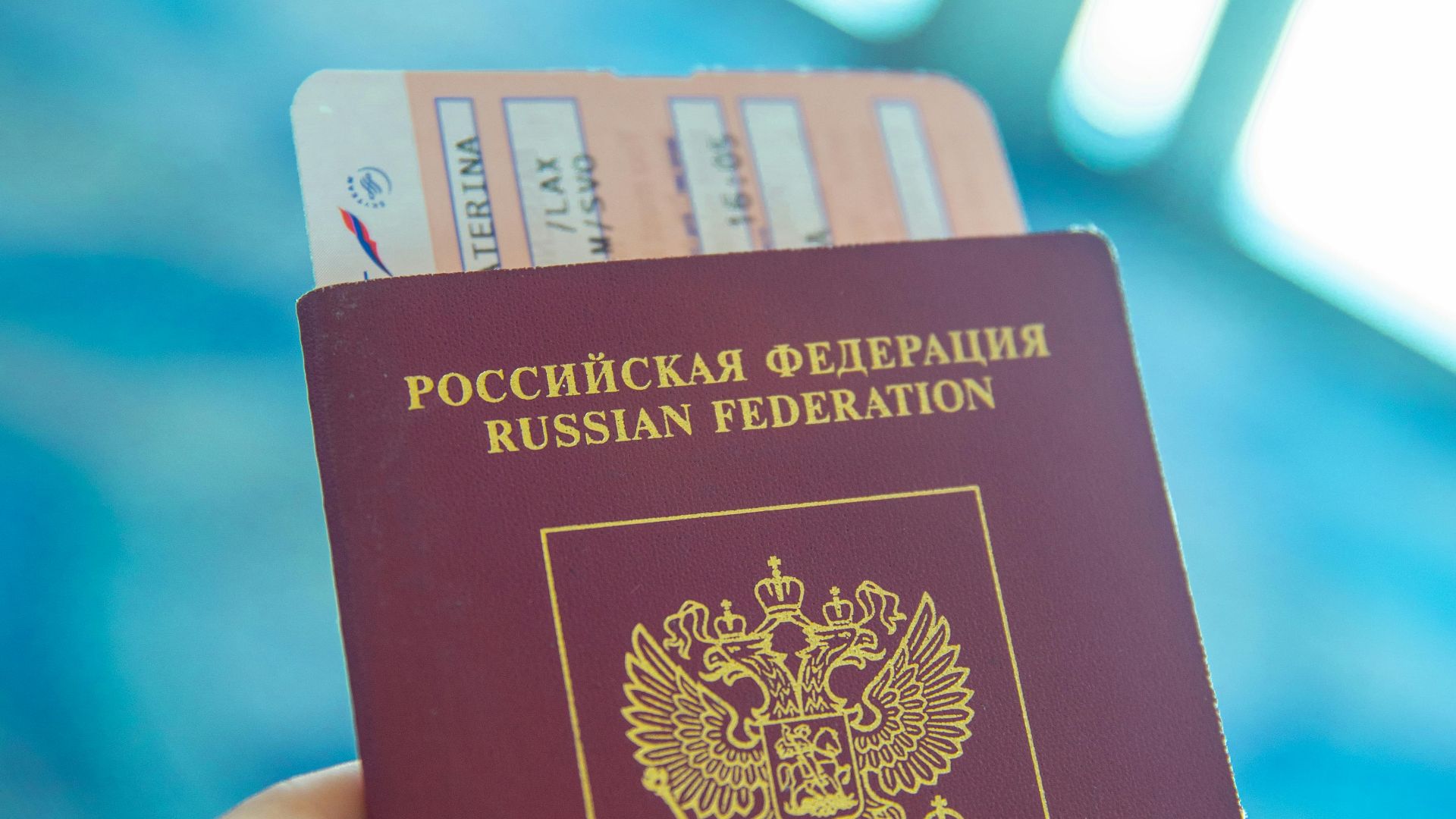
If the airline cancels your flight and you choose not to travel, you are entitled to a refund. This applies to tickets, baggage fees, seat upgrades, and even some add-ons.
When You Might Not Get One
If you cancel your own flight, the rules are different. In most cases, you’ll only receive credit unless you purchased a refundable ticket. That’s why who cancels matters so much.
What About Weather or “Outside Control”?
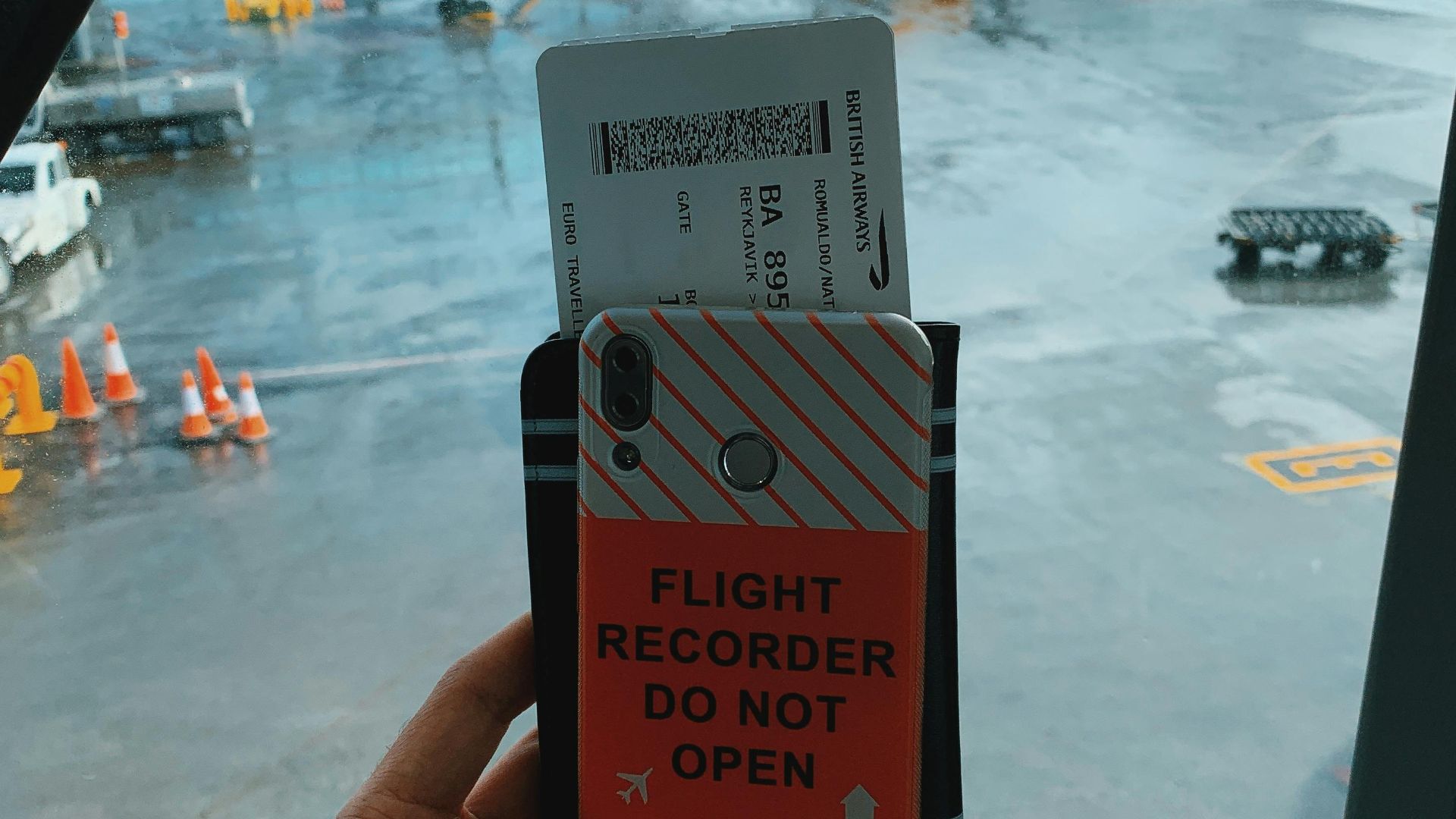
Even if the airline blames weather or staffing issues, you can still be entitled to a refund if the flight is canceled. The reason doesn’t remove your refund rights—it only affects compensation beyond that.
 Simon_sees from Australia, Wikimedia Commons
How to Actually Request Your Refund
Don’t wait for the airline to offer it. Go directly to their website’s refund section or contact customer service. Use clear language like “I am requesting a refund under DOT rules due to cancellation.”

What If They Push Back?
It happens. If the airline insists on credit, stay firm. Reference your right to a refund due to cancellation. If needed, escalate the request or file a complaint with the Department of Transportation.
 AgnosticPreachersKid, Wikimedia Commons
Timing Matters More Than You Think
Request your refund as soon as possible. The longer you wait—or the more options you click through—the easier it is to accidentally accept credit instead.
Credit Isn’t Always a Bad Option
To be fair, credit can be useful if you plan to travel again soon. But it usually comes with expiration dates and restrictions, making it less flexible than cash in your account.

Why This Happens So Often
Airlines deal with high cancellation volumes, and offering credit reduces financial strain. Over time, this has become the default experience—even though it’s not always the correct one legally.
 Vincent van Zeijst, Wikimedia Commons
How to Protect Yourself Going Forward
Before booking, understand the airline’s policies. Screenshot cancellation notices, keep records, and avoid rushing through options when disruptions happen. A few extra minutes can save you money.

So… Who’s Actually Right?
Your friend is right. If the airline canceled your flight, you’re typically entitled to a cash refund. The credit offer is just that—an offer, not your only option.

The Bottom Line Before You Accept Anything
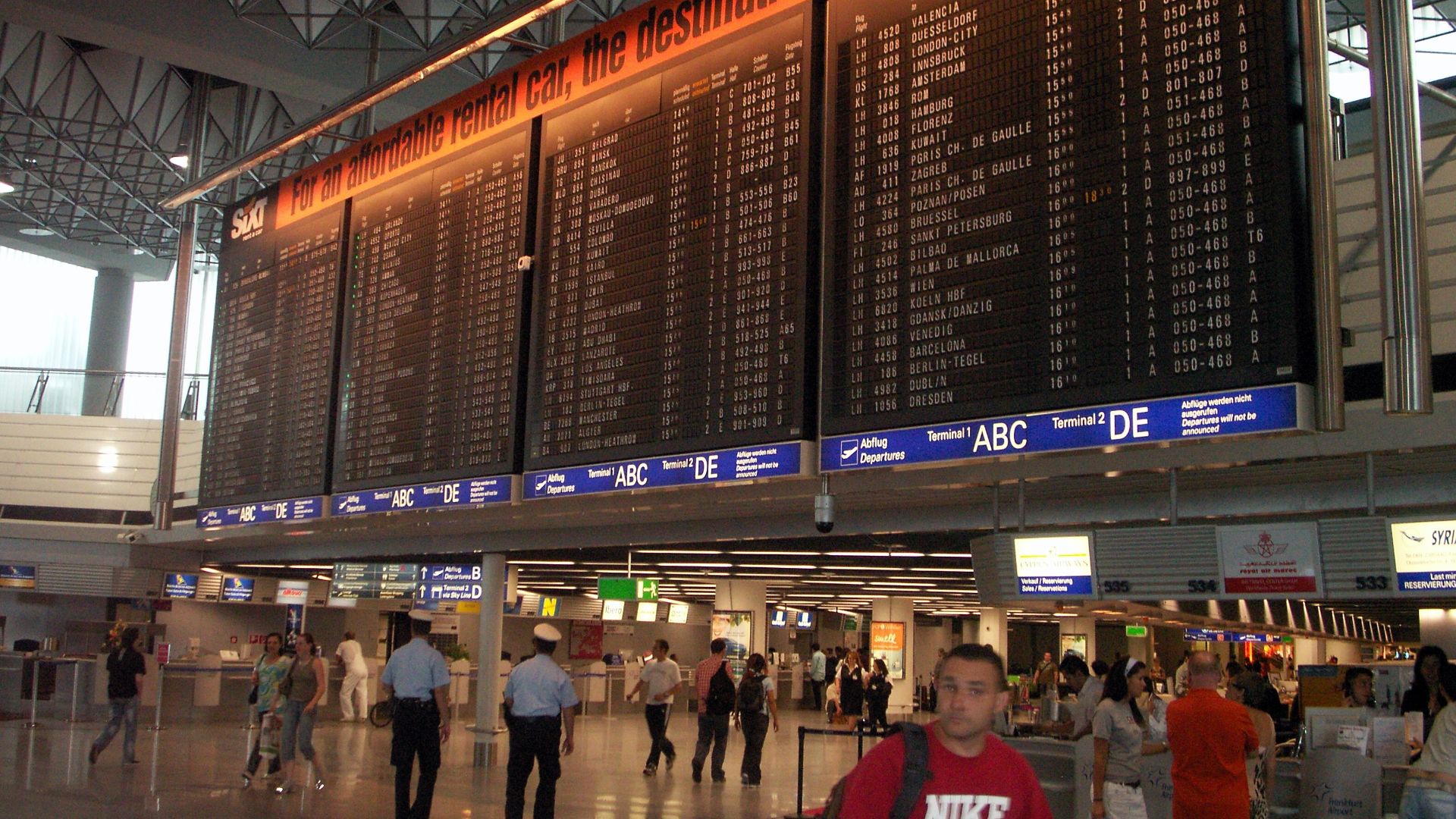
If your flight gets canceled, pause before clicking anything. You likely have the right to your money back. Airlines may not make it obvious—but that doesn’t mean it’s not yours to claim.
 Rainer Ebert, Wikimedia Commons
You May Also Like:
I booked “hidden city” flights to save money, but my dad says airlines can ban me for that—is that actually true?
My friend says TSA can’t make you unlock your phone. My cousin says they absolutely can at some airports. Who’s telling the truth?