The Mayan civilization is one of the most renowned ancient cultures for their expertise in astronomy, mathematics, agriculture, and art. Their sprawling empire was full of grand cities and roadways, and encompassed parts of Mexico, Belize, Guatemala, Honduras, and El Salvador. While Mayan culture is still alive and well in remote parts of Mexico, the ruins of the ancient civilization are scattered throughout the south of the country and are popular with modern travelers. If you want to immerse yourself in this great Mesoamerican society, check out these incredible Mayan ruins in Mexico.
Chichen Itza
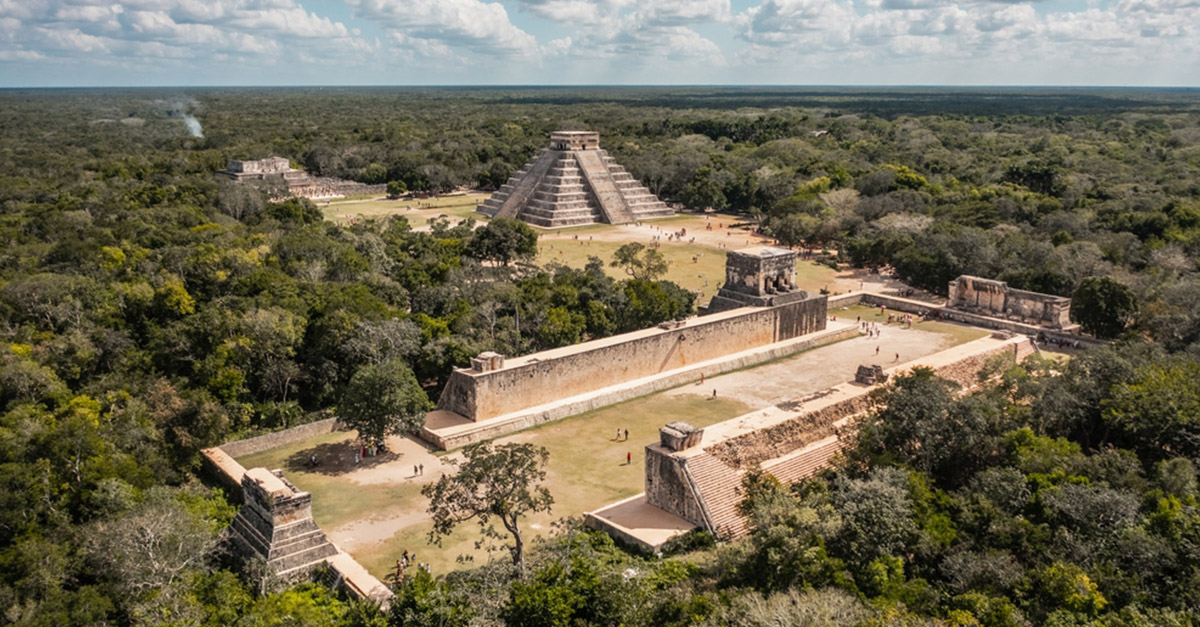
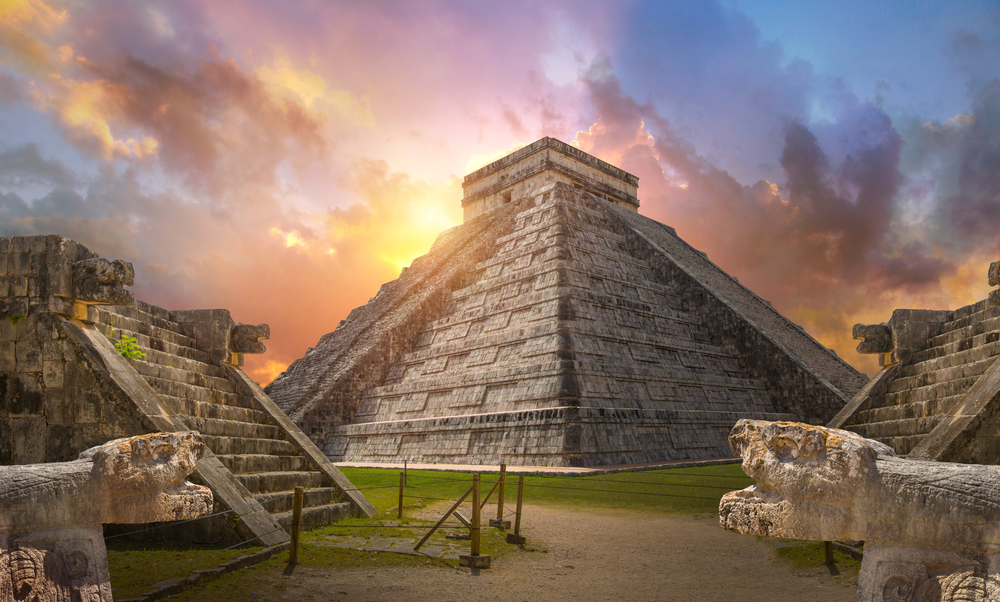
Chichen Itza is the most well-known Mayan ruin, in part due to its status as one of New Seven Wonders of the World. Once the site of a large city, Chichen Itza is now home to dozens of well-preserved ruins, including the Pyramid of Kukulcan. Also referred to as “El Castillo”, the Pyramid of Kukulcan is one of the most fascinating ruins for its unique construction. Each of the pyramid’s four sides has 365 steps to represent the days of the year, and it has nine terraces to represent the nine Mayan heavens. During the spring and fall equinoxes, the sun hits the terraces to create a large shadow of a serpent, which signifies the god, Kukulcan. It is an awe-inspiring sight that easily makes this one of the best Mayan ruins in Mexico.
Coba
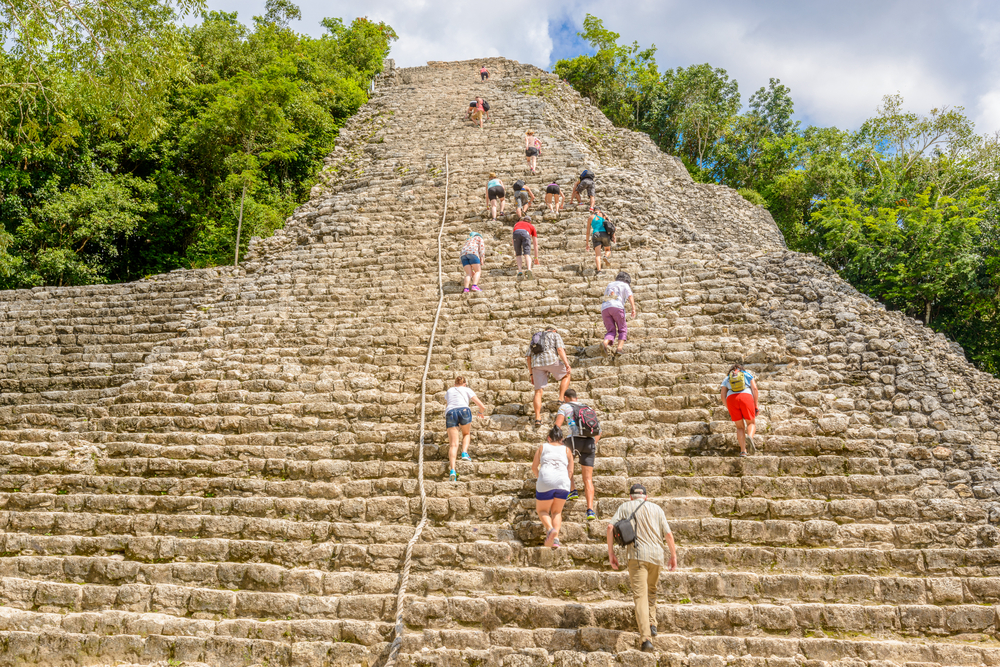
Coba gets less attention than other Mayan ruins, which makes it great if you’re looking to explore without getting overwhelmed by a crowd of other travelers. Coba was another large city, but because it is surrounded by dense jungle foliage, only a small part of it has been excavated and opened to the public. The best way to explore the area is with a rented bicycle, and while there are several cool structures to see, you’ve got to check out Nohoch Mul. Nohoch Mul is one of the few Mayan pyramids that you can actually climb. The ascent is quite steep but the trek to the top is more than worth it for the outstanding view of the lush, tropical jungle that surrounds these ruins.
Bonampak
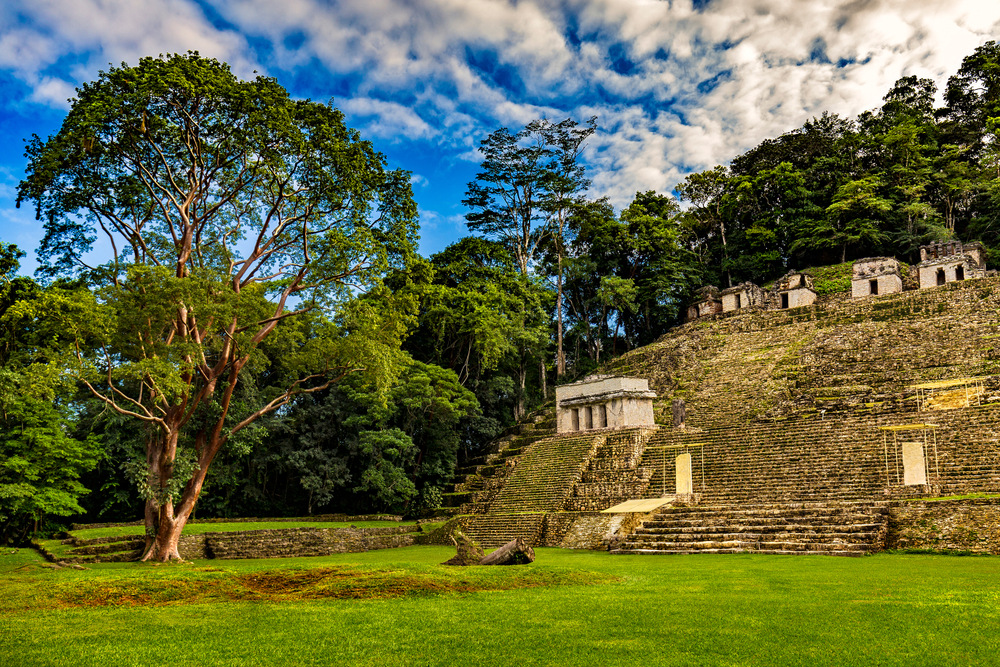
To witness the beauty of Mayan art, head over to Bonampak. Though it was smaller than many other Mayan cities, Bonampak was important for trade in the surrounding Chiapas region. Today, these ruins are home to the best-preserved Mayan murals. The walls of the main building are covered in bright, vibrant paintings that depict lavish celebrations, ritual sacrifice, and a glimpse into the life of Mayan royalty. Bonampak is deep in the jungle, so it takes a couple of hours to get there from Palenque. However, you’ll be happy you made the journey when you are treated to the visual reward of the site’s rare 1,000-year-old paintings.
There are dozens of Mayan ruins scattered throughout Mexico and South America. For the quintessential Mayan experience, add Chichen Itza, Coba, and Bonampak to your itinerary.