Canadians Still Look South For Big Park Trips
Canadians have plenty of extraordinary national parks at home, but United States, inventor of the National Park, still hold a powerful pull. In 2024, one in four Canadians visiting in the United States went to a National Park. But there are some that they're flocking to more than others. Do you think they're going to the right ones?

Glacier Feels Like The Obvious Cross-Border Pick
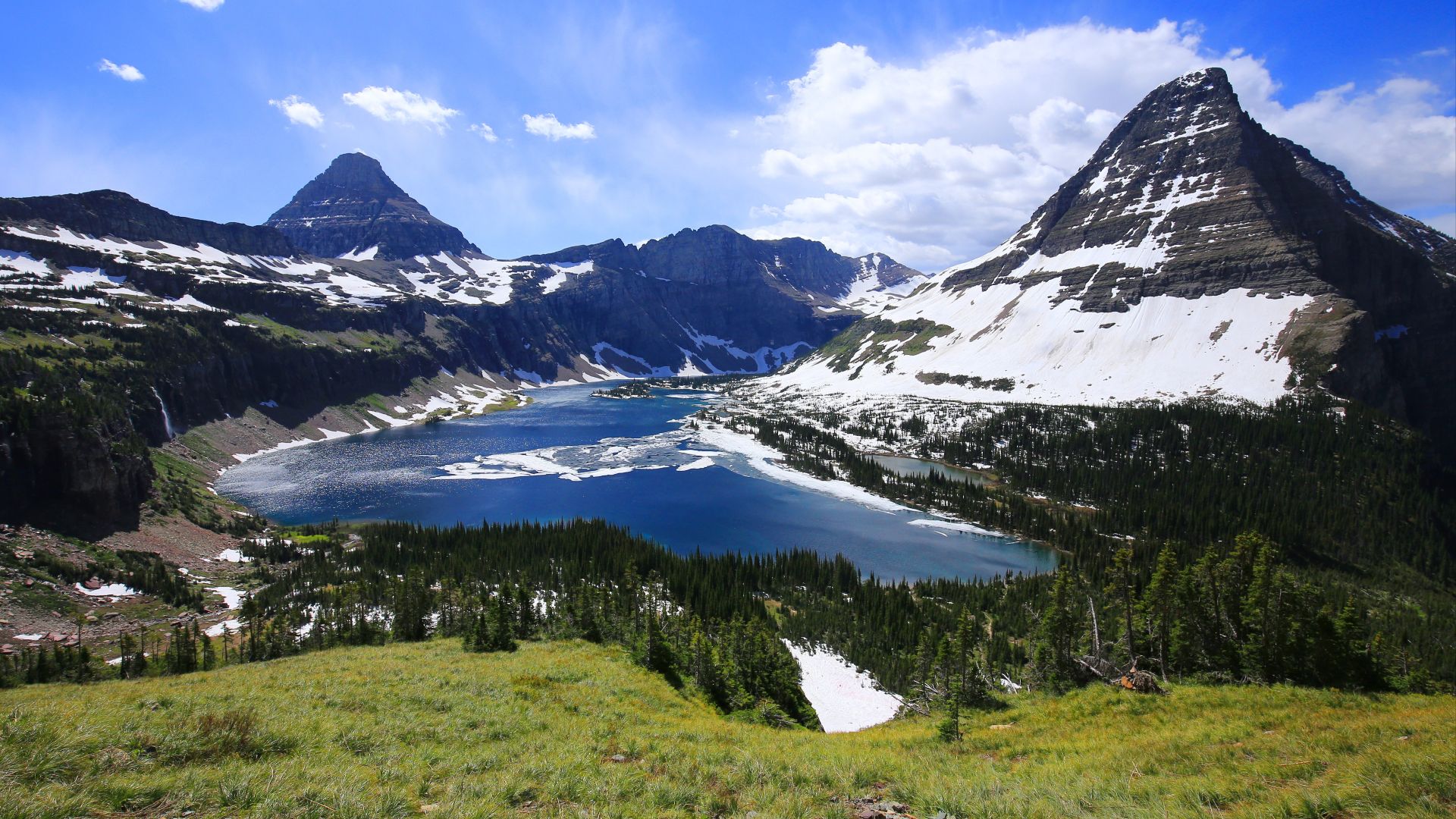
Glacier National Park in Montana is one of the easiest American park choices to understand from a Canadian travel perspective. The park shares a larger protected landscape with Waterton Lakes National Park in Alberta, and the two parks became the world’s first International Peace Park in 1932. Glacier’s official park description highlights alpine meadows, carved valleys, spectacular lakes, historic lodges, and more than 700 miles of trails. For Canadians who already love the Rockies, Glacier feels both familiar and different enough to justify the trip.
 Tobias KlenzeDeutsch, Wikimedia Commons
The Road Trip Appeal Is Real
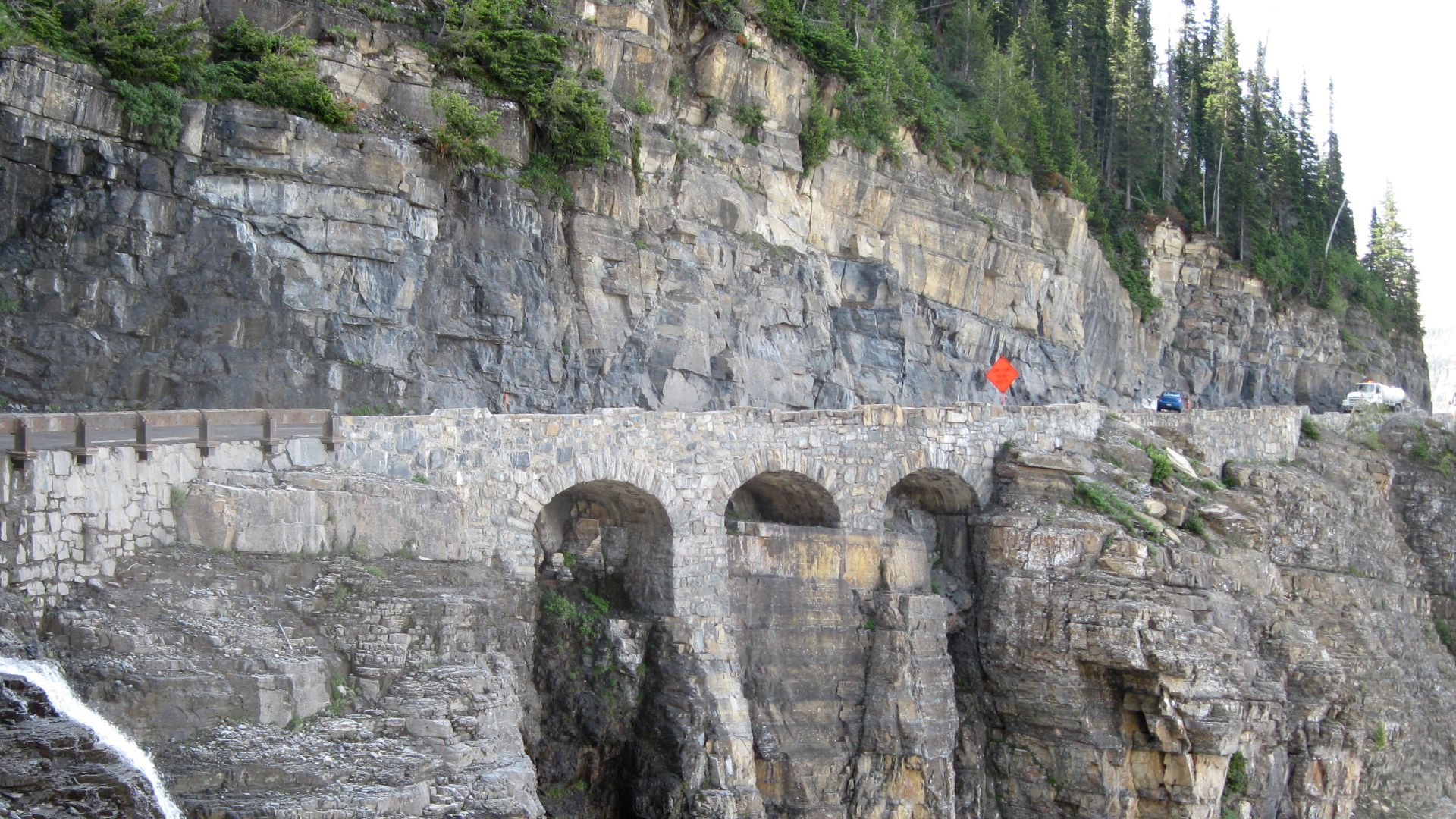
Glacier also has the kind of scenic drive that makes a cross-border vacation feel instantly rewarding. Going-to-the-Sun Road is one of the park’s signature experiences, although its full opening depends on snow, plowing, avalanche risk, and weather. That uncertainty matters for Canadian travelers who may be planning around school breaks or limited vacation time. If the road is open, Glacier can be one of the most dramatic park drives in the country.
Yellowstone Is Still The Classic American Park Dream
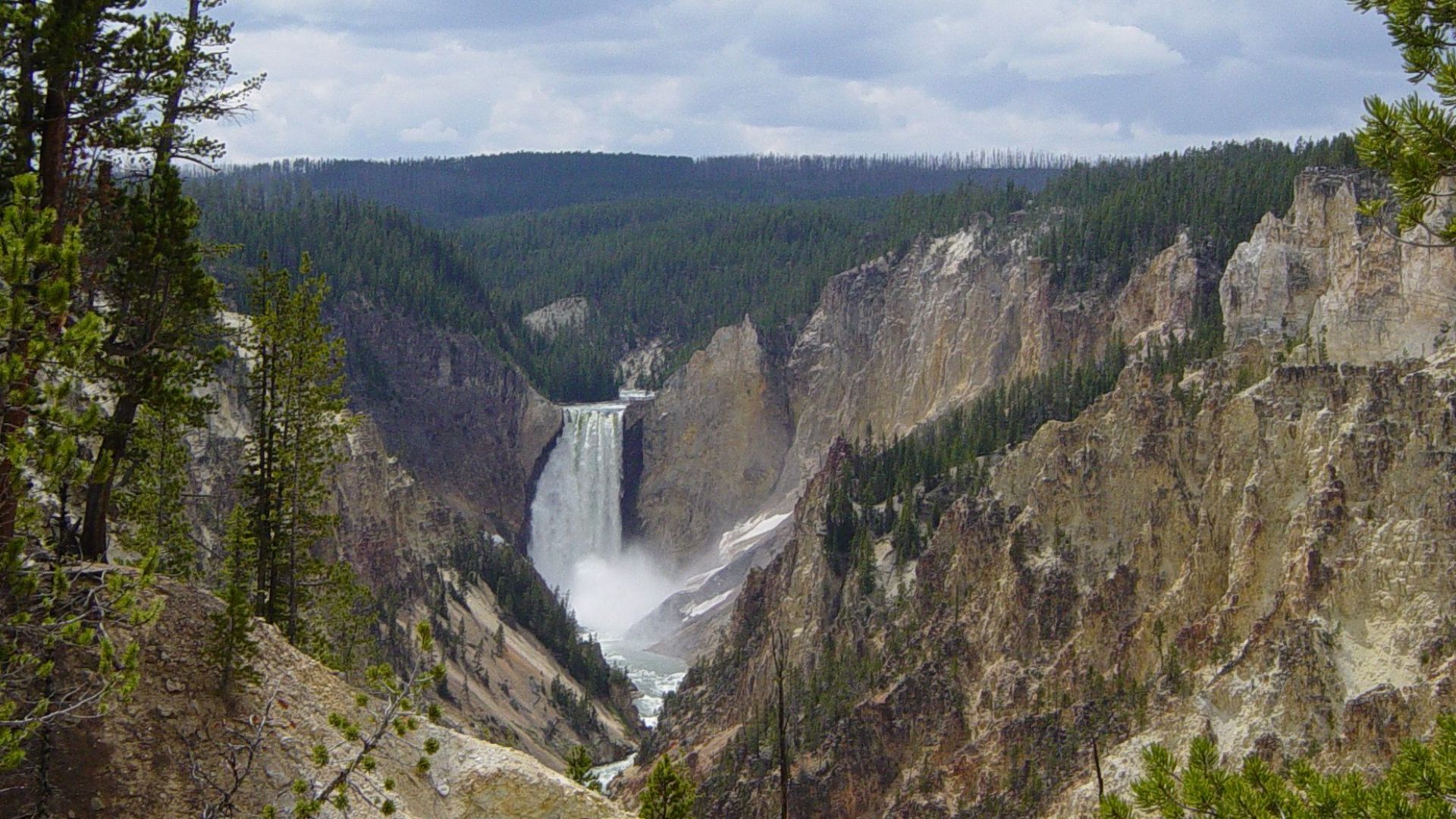
Yellowstone remains a natural fit for Canadians building a big western road trip. The National Park Service identifies Yellowstone as the world’s first national park, established on March 1, 1872, to protect its hydrothermal wonders. The park contains more than 10,000 hydrothermal features and more than 500 geysers. For a Canadian visitor used to mountain parks, Yellowstone adds bubbling pools, geyser basins, and geothermal weirdness that feels completely different.
 Daniel Mayer, Wikimedia Commons
Wildlife Gives Yellowstone Extra Pull
Yellowstone is also famous for wildlife, and that matters for travelers who want more than viewpoints. The National Park Service says Yellowstone has 67 species of mammals, including two bear species and seven native ungulate species. That makes the park one of the strongest wildlife-viewing destinations in the U.S. system. The better question is not whether Canadians are right to visit Yellowstone, but whether they give themselves enough time to see it properly.
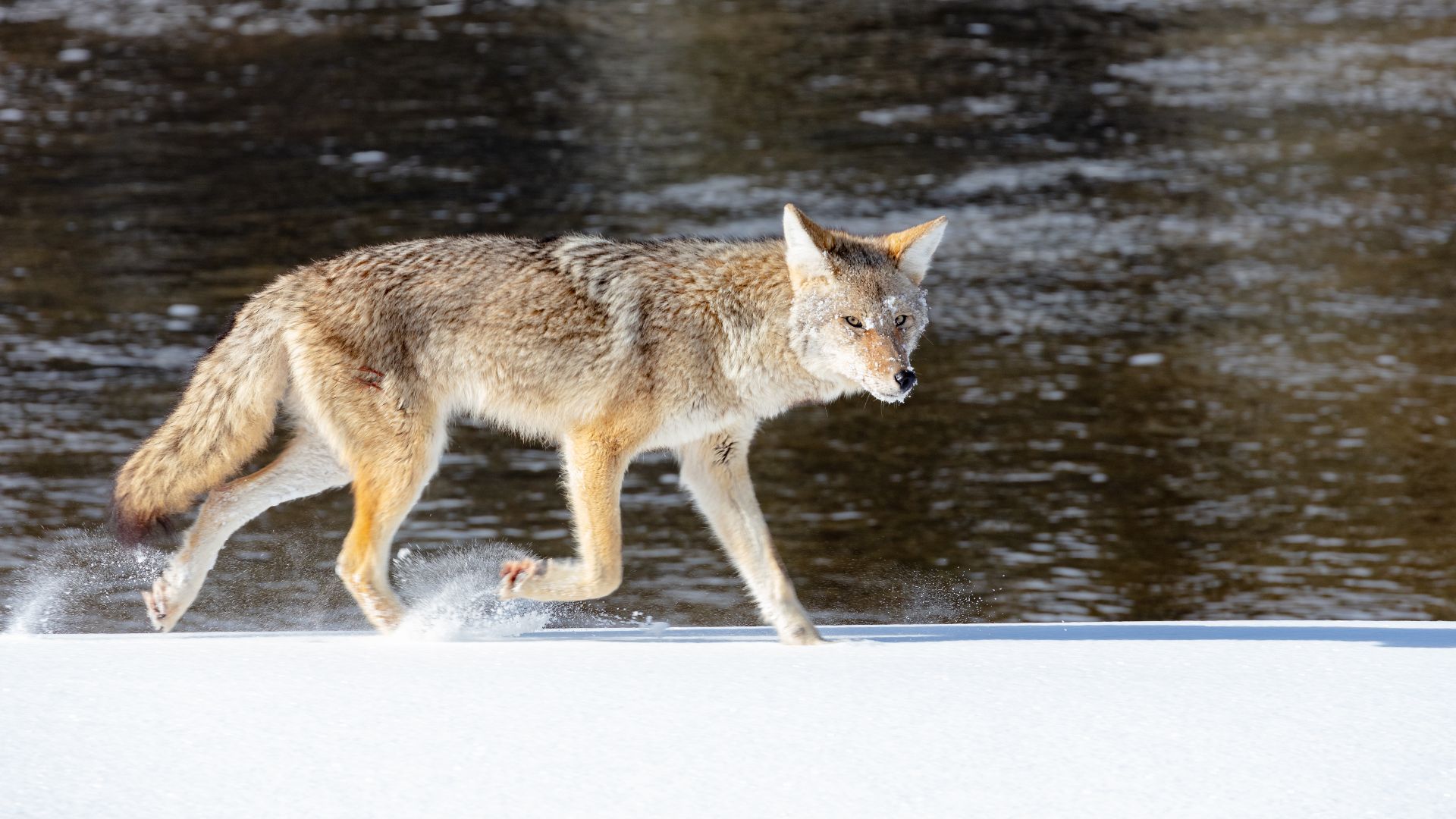 Yellowstone National Park, Wikimedia Commons
Grand Teton Works Best As A Yellowstone Add-On
Grand Teton National Park is often paired with Yellowstone because the two parks sit close together in northwestern Wyoming. The National Park Service describes Grand Teton as a place of mountain scenery, pristine lakes, and abundant wildlife. The Teton Range rises more than 7,000 feet above the valley of Jackson Hole, which gives the park its instant visual drama. Canadians heading all the way to Yellowstone would be wise not to rush past it.
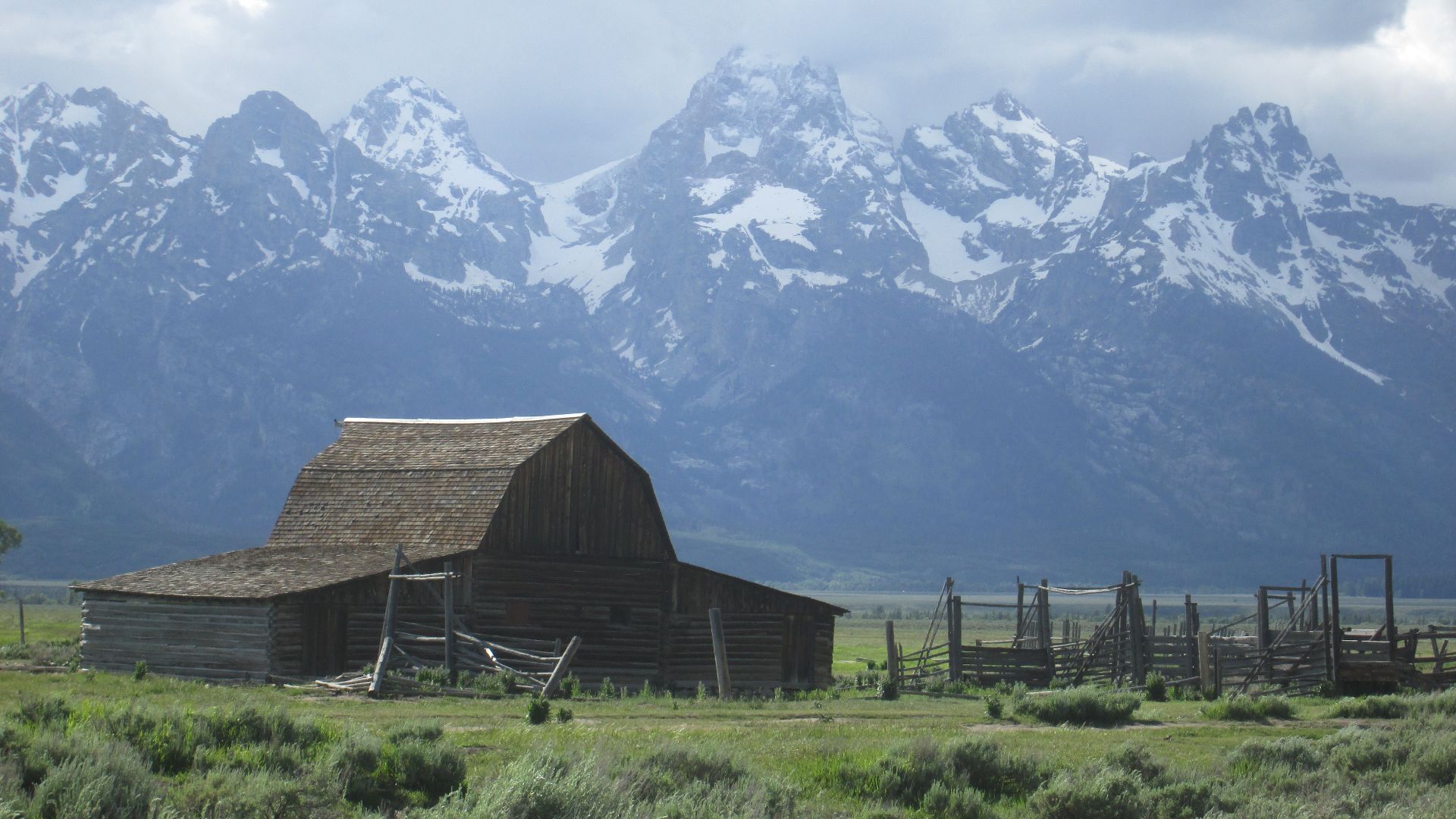 Mountain walrus, Wikimedia Commons
Grand Canyon Is The Bucket-List Giant
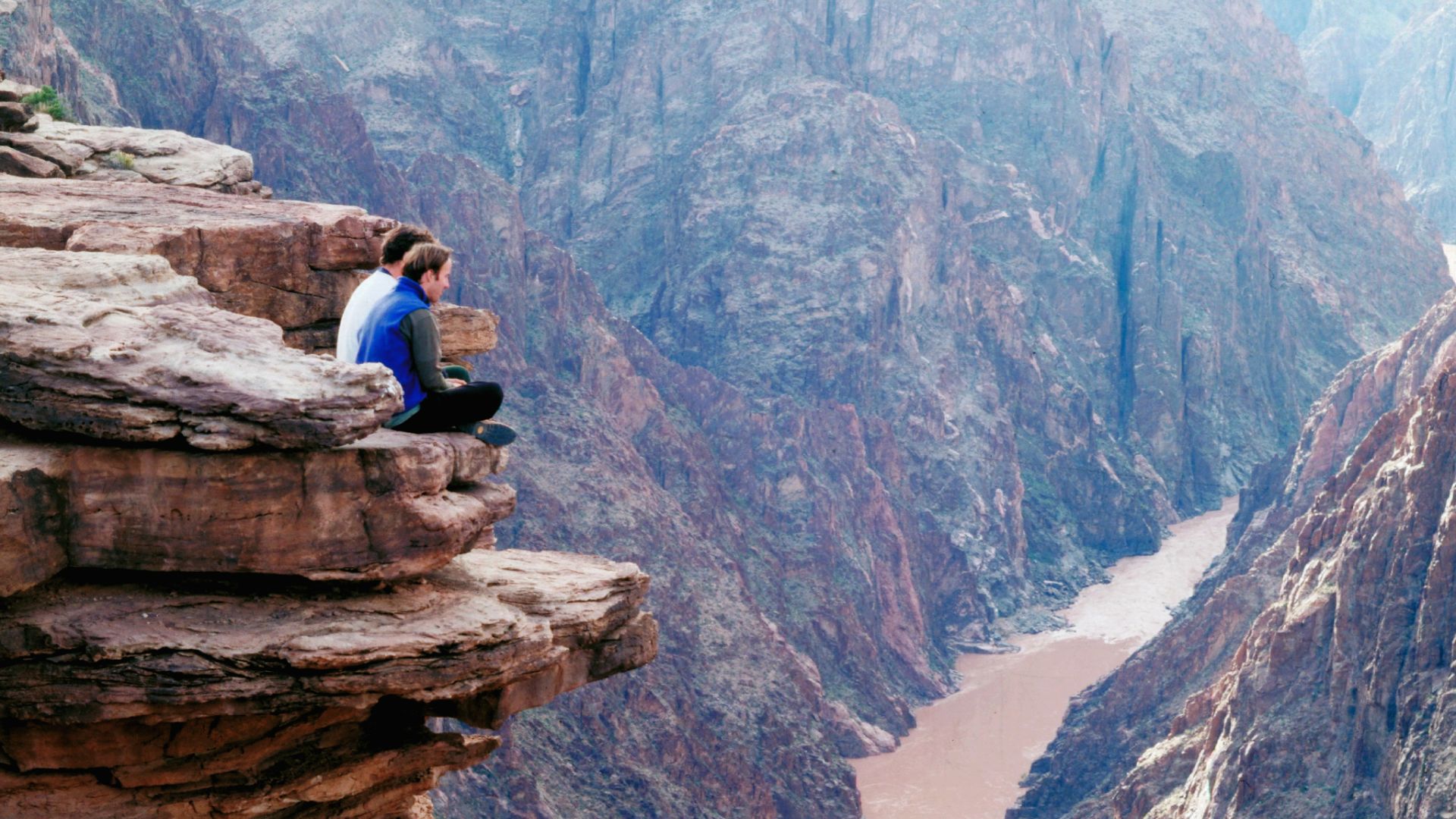
Grand Canyon National Park is one of those places that feels bigger than the word “park.” The National Park Service says the park includes 278 miles of the Colorado River and adjacent uplands. It also notes that Grand Canyon is on the ancestral homeland of 11 associated tribes and is a World Heritage Site. For Canadian travelers, the appeal is obvious because no Canadian canyon experience looks quite like this.
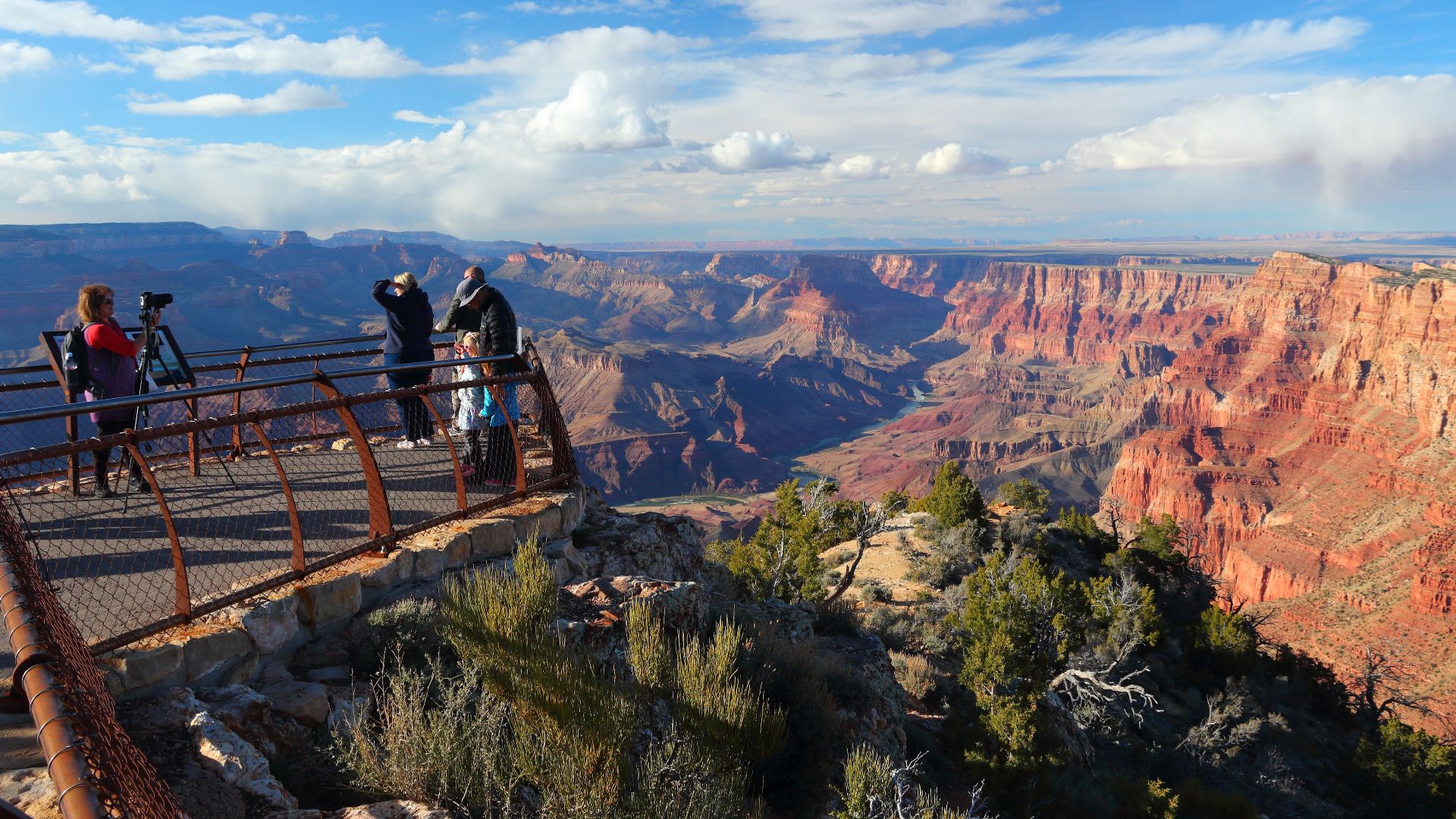 Marek Ślusarczyk (Tupungato) Photo portfolio, Wikimedia Commons
Winter Can Be The Smart Move
Grand Canyon also fits a classic Canadian winter escape, especially for travelers already heading to Arizona. The South Rim is open year-round, while the North Rim has more seasonal access limitations. The National Park Service says winter visitors can find quieter paths after the December holidays, especially in January and February. That makes the park a strong choice for Canadians who want desert scenery without peak summer heat.
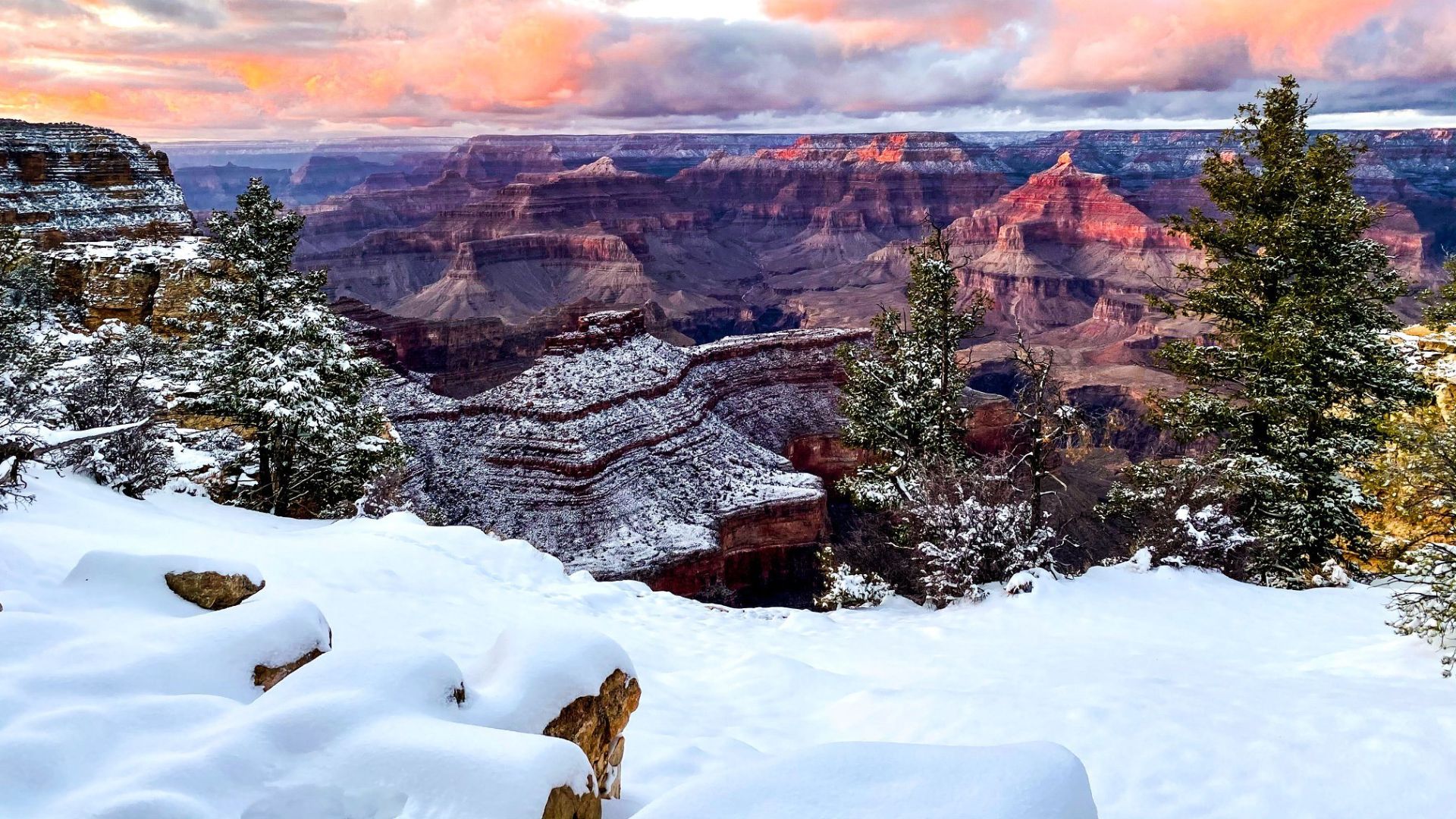
Saguaro Is The Snowbird-Friendly Surprise
Saguaro National Park belongs in this conversation because Arizona has long attracted Canadian winter travelers. The park sits around Tucson and protects the giant saguaro cactus, which the National Park Service calls a universal symbol of the American West. The park has two districts on the east and west sides of Tucson, which makes it unusually easy to fold into a city stay. For Canadians who usually chase warmth in winter, Saguaro offers a national park trip without a huge wilderness commitment.
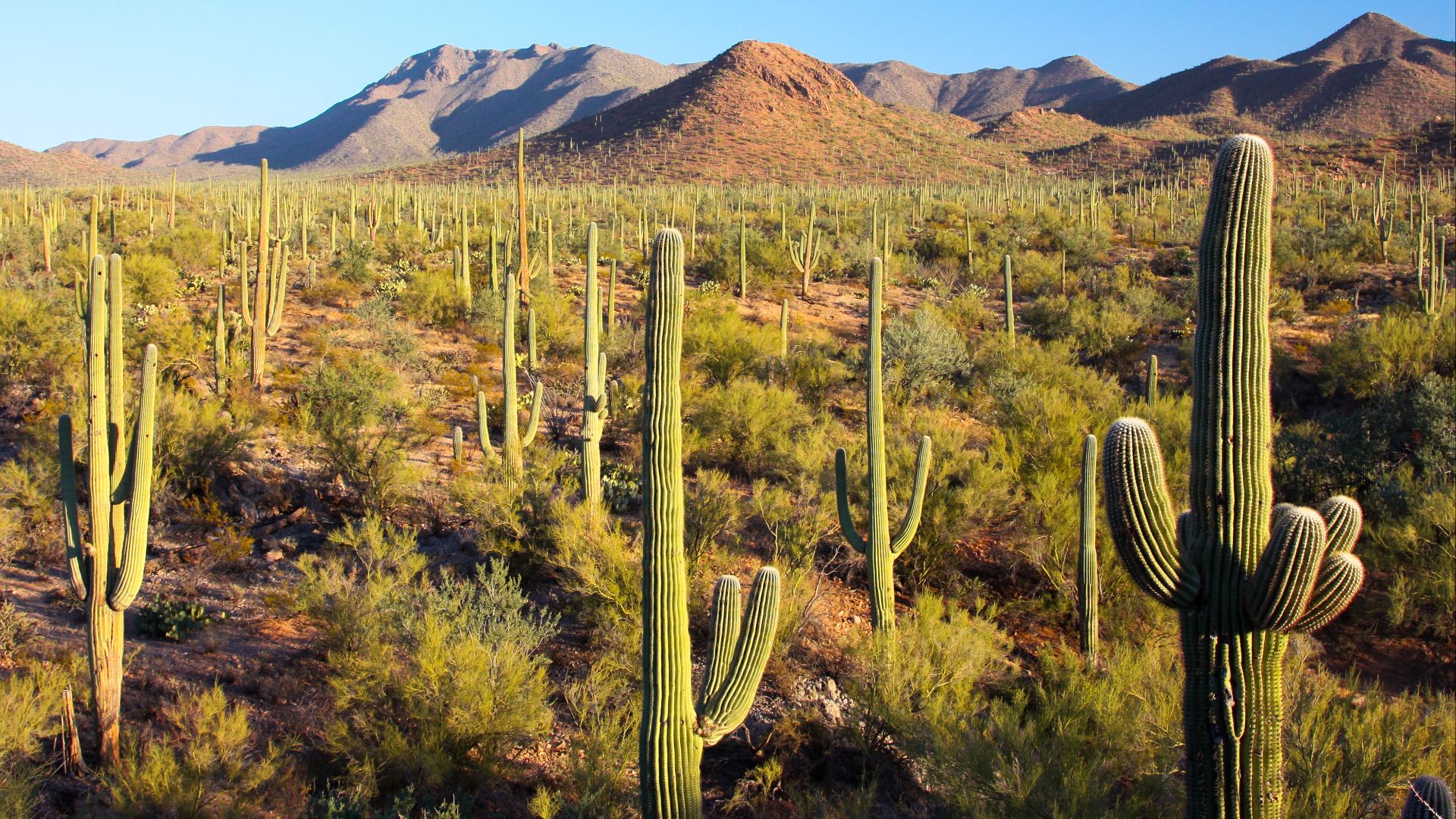 Joe Parks from Berkeley, CA, Wikimedia Commons
The Desert Has Its Own Timing Rules
Saguaro is not a park to treat casually just because it is close to a city. Tucson sits in the Sonoran Desert, and heat can shape the entire visitor experience. The National Park Service points visitors toward scenic drives, trails, visitor centers, and overlooks in both districts. Canadians who visit in cooler months may find that Saguaro is one of the easiest U.S. parks to enjoy at a relaxed pace.
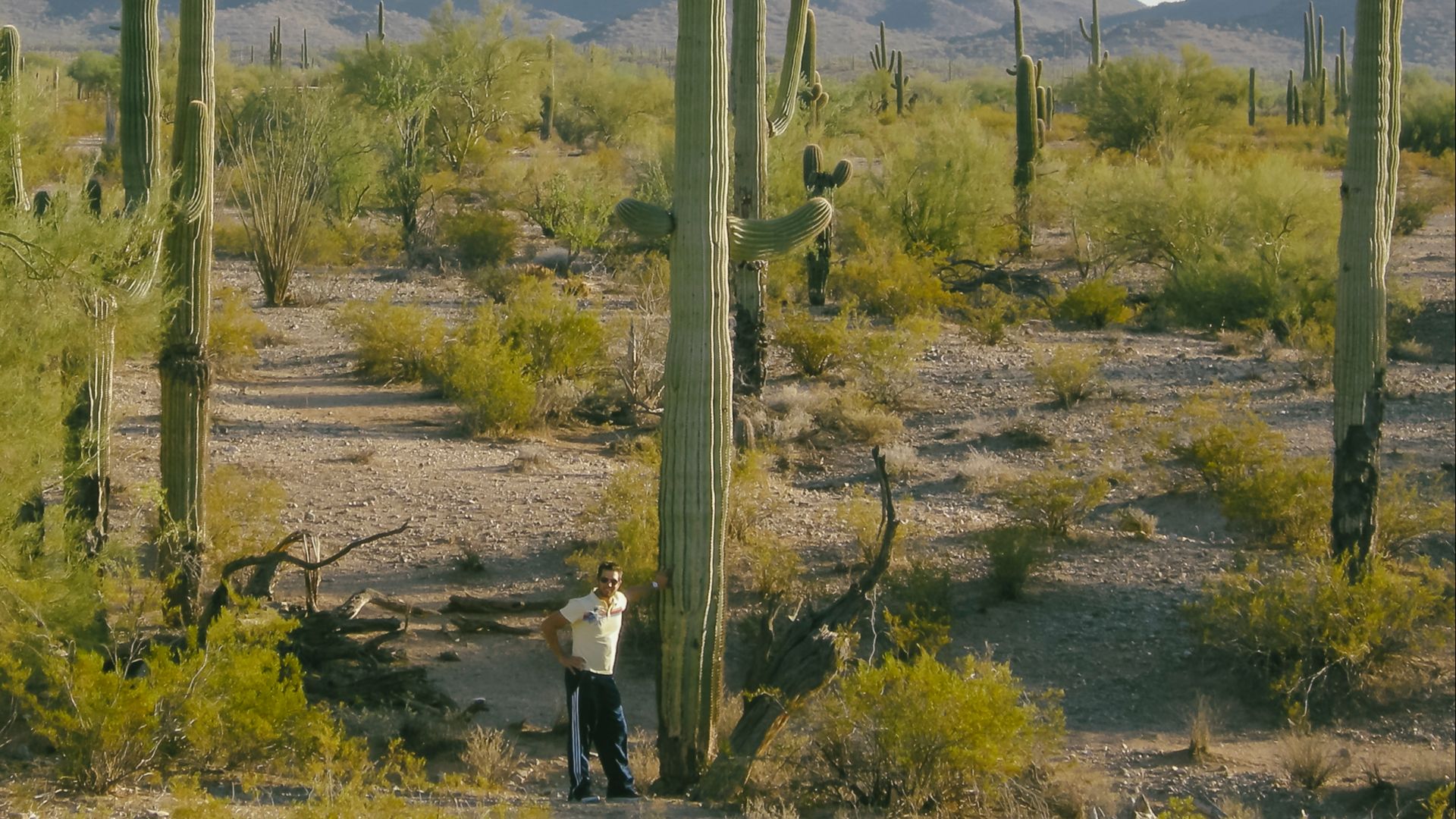 Matthew T Rader, Wikimedia Commons
Yosemite Is Still Worth The Long Flight
Yosemite National Park is not exactly next door to Canada, but its name recognition is hard to beat. The National Park Service says Yosemite is best known for waterfalls, but it also contains deep valleys, meadows, ancient giant sequoias, and a vast wilderness area. Yosemite Valley is accessible by car year-round and is famous for waterfalls, meadows, cliffs, and unusual rock formations. For Canadians flying into California, Yosemite is often the park that makes the extra driving feel worthwhile.
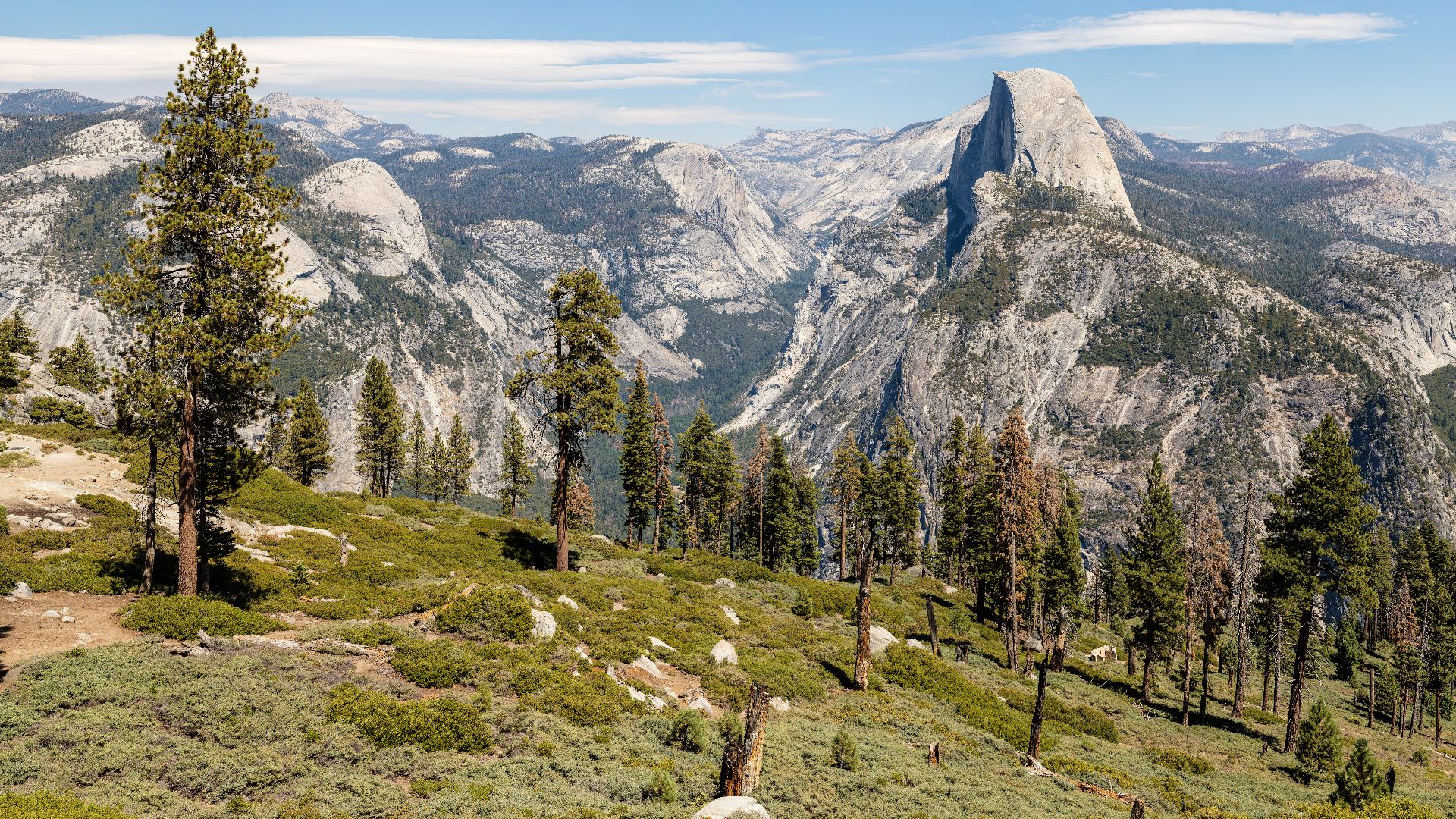 Thomas Wolf, www.foto-tw.de, Wikimedia Commons
Yosemite Rewards Planning More Than Spontaneity
The catch is that Yosemite’s fame comes with pressure. Waterfalls are usually strongest in spring, while summer conditions on some trails can be hot and dry. The National Park Service notes that Yosemite Falls may shrink to a trickle by August in low-water periods. Canadians who want the postcard version of Yosemite should pay close attention to season, lodging, and entry rules before committing.
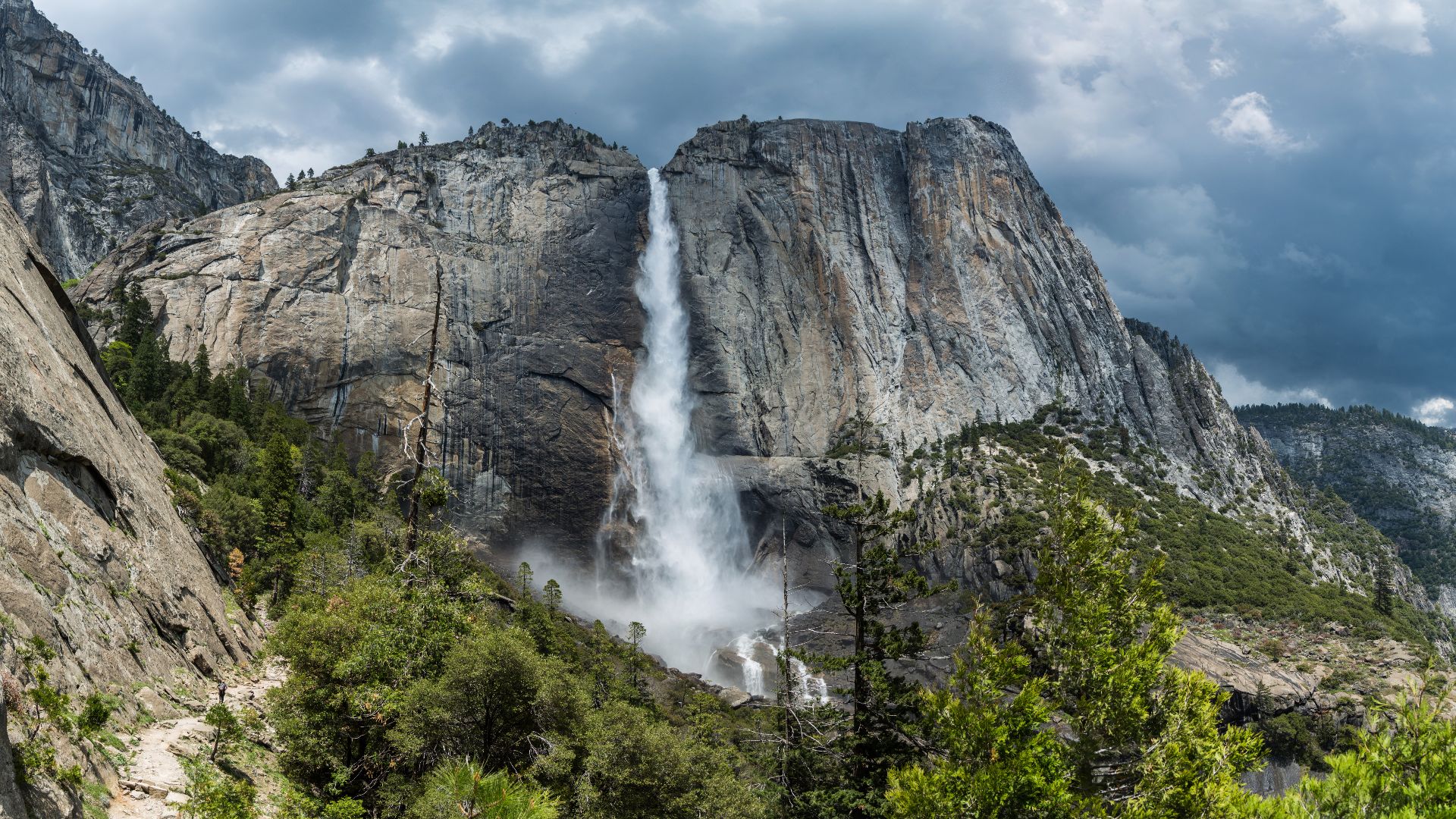
Joshua Tree Fits The California Vacation Pattern
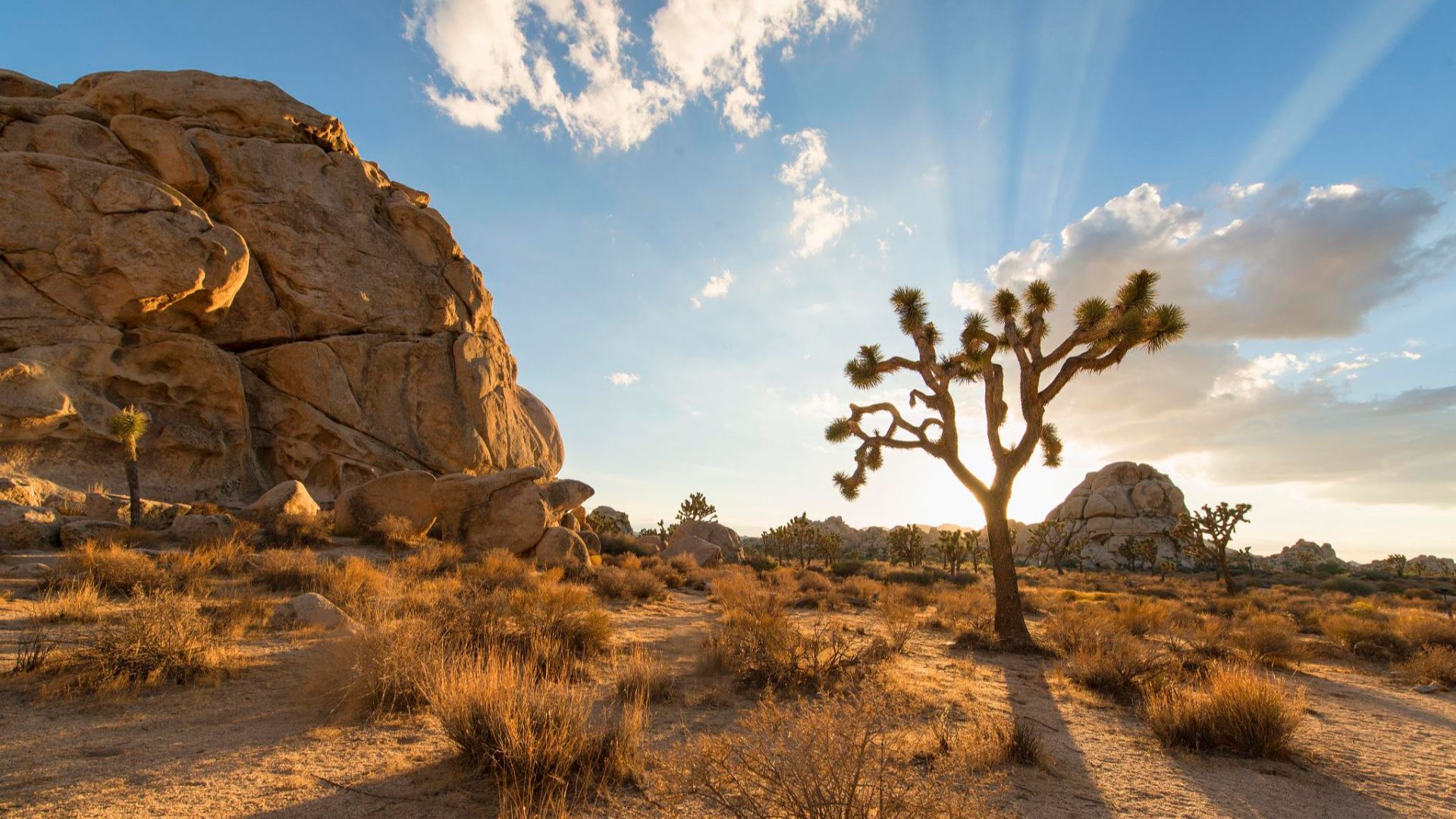
Joshua Tree National Park fits another common Canadian travel habit: the Southern California getaway. The National Park Service says the Mojave and Colorado desert ecosystems come together inside the park. It also highlights dark night skies, surreal geologic features, and a wide variety of plants and animals. For Canadians already visiting Los Angeles, Palm Springs, or San Diego, Joshua Tree can turn a warm-weather trip into something more memorable.
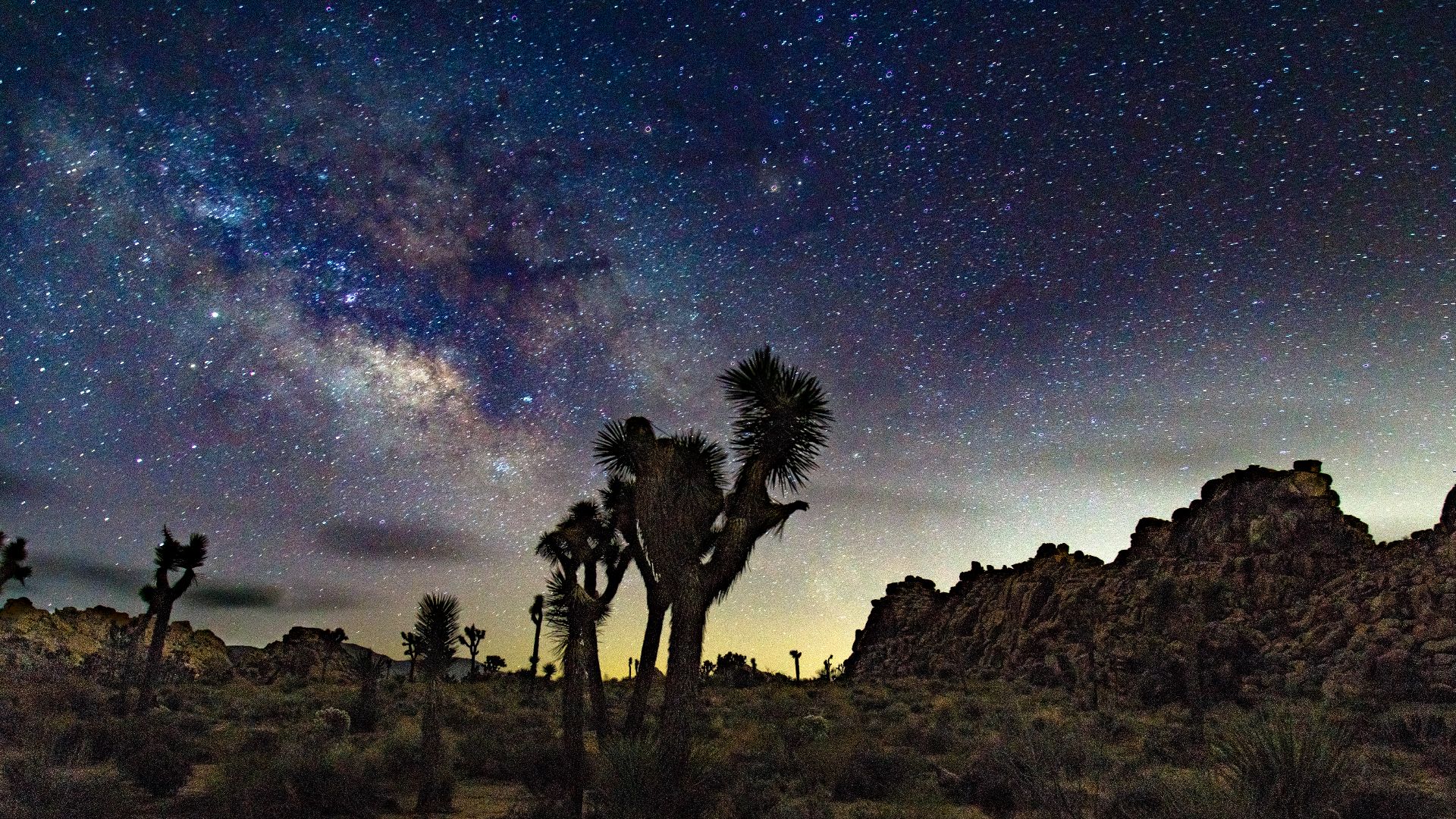 Henrique Pinto, Wikimedia Commons
The Best Visit May Be Outside Summer
Joshua Tree looks rugged and relaxed, but timing matters there too. The National Park Service says summer can bring high temperatures and long days, while the busy season runs from October through May. That lines up well with Canadian winter travel patterns. The park is a good pick when visitors respect the desert instead of treating it like a casual roadside stop.
 Christopher Michel, Wikimedia Commons
Zion Is Popular For A Reason
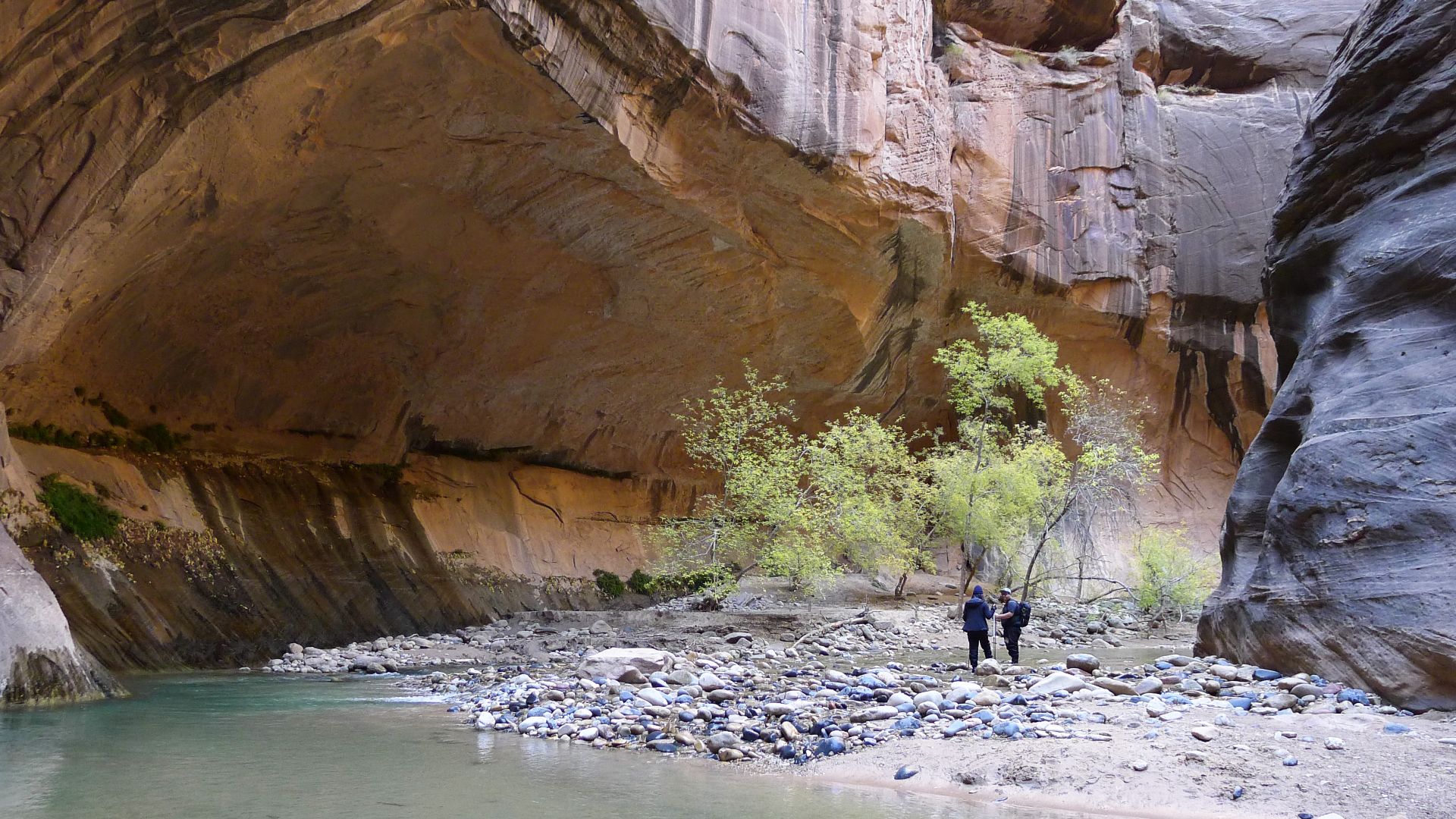
Zion National Park is one of the American Southwest’s most photogenic parks, and it makes sense that Canadians would work it into Utah or Las Vegas itineraries. The National Park Service highlights shuttle access to major Zion Canyon stops, including trailheads for Angels Landing, Emerald Pools, the West Rim Trail, and The Narrows. It also says visitors do not need a permit or reservation to enter most areas of Zion Canyon. That combination of huge scenery and relatively straightforward access explains a lot of the park’s appeal.
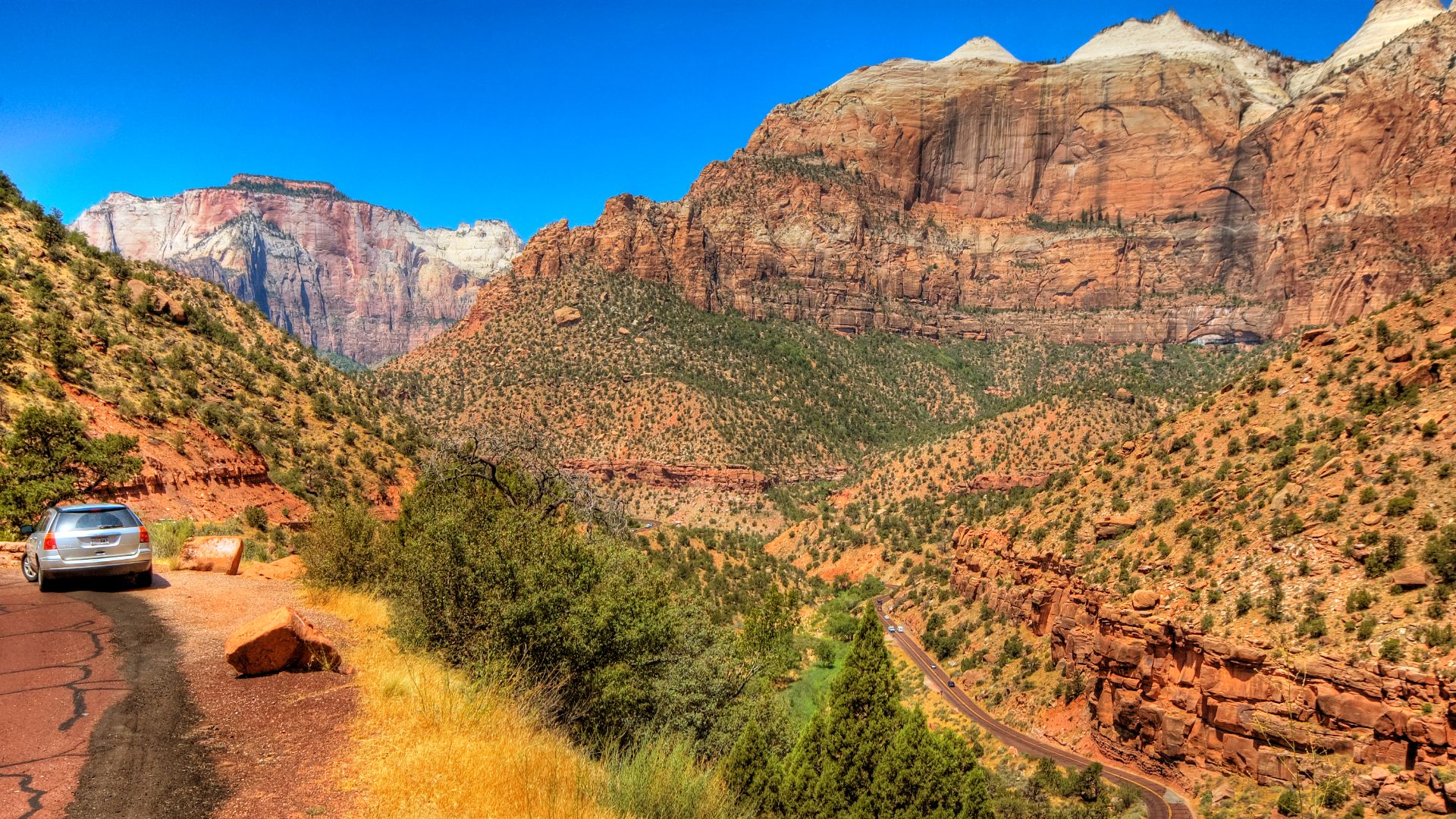 Wolfgang Staudt from Saarbruecken, Germany, Wikimedia Commons
Zion Also Demands Realistic Expectations
Zion is not the place to arrive without reading the rules first. Everyone who hikes Angels Landing needs a permit, and the National Park Service describes the hike as strenuous. The Narrows can also involve different permit rules depending on the route. Canadians choosing Zion are not wrong, but they should plan it like a serious outdoor destination rather than a quick photo stop.
Olympic Is A Natural Fit For Western Canadians
Olympic National Park in Washington is especially logical for travelers from British Columbia. The National Park Service describes Olympic as a park where mountain, coastal, and forest ecosystems come together. It is designated as both a World Heritage Site and an International Biosphere Reserve by the United Nations. For Canadians who like variety, Olympic offers rain forest, rugged coast, lakes, and mountain views in one park.
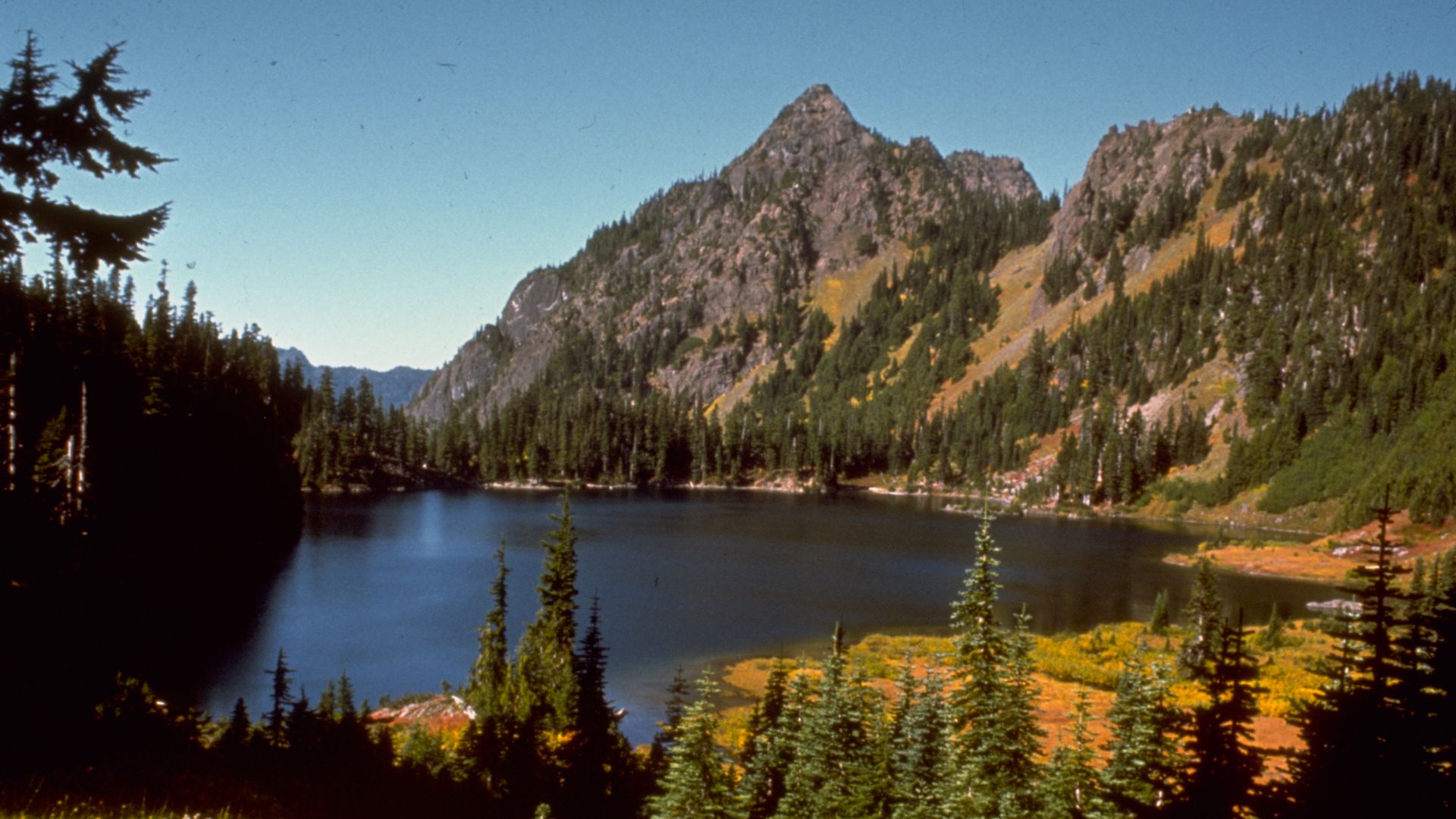 National Park Service Digital Image Archives, Wikimedia Commons
Olympic Needs More Time Than People Expect
Olympic is big, and that can surprise first-time visitors. The National Park Service says the ideal trip would include the park’s three major ecosystems: mountains, rain forest, and coast. That means a fast drive-through may miss what makes the park special. Canadians planning a Pacific Northwest trip should treat Olympic as a multi-day stop, not a side errand from Seattle.
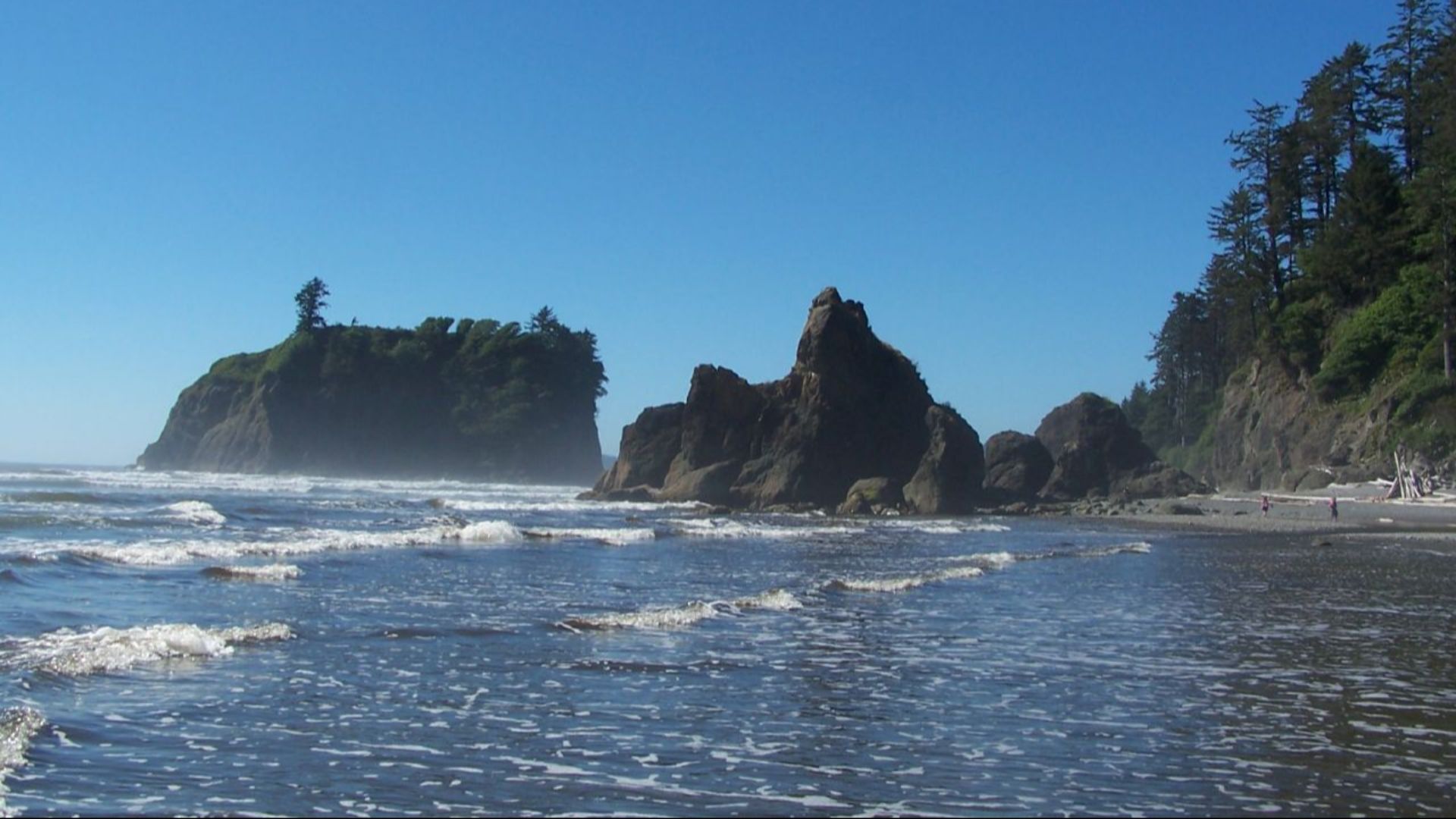 ((brian)) from Sebastopol, CA, USA, Wikimedia Commons
Mount Rainier Is Another Border-State Classic
Mount Rainier National Park is another strong choice for Canadians traveling through Washington. The National Park Service says Mount Rainier rises to 14,410 feet and is the most glaciated peak in the contiguous United States. It also describes subalpine wildflower meadows, ancient forest, major rivers, and abundant wildlife. For visitors from British Columbia or Alberta, Rainier offers a familiar mountain feeling with a very different volcanic centerpiece.
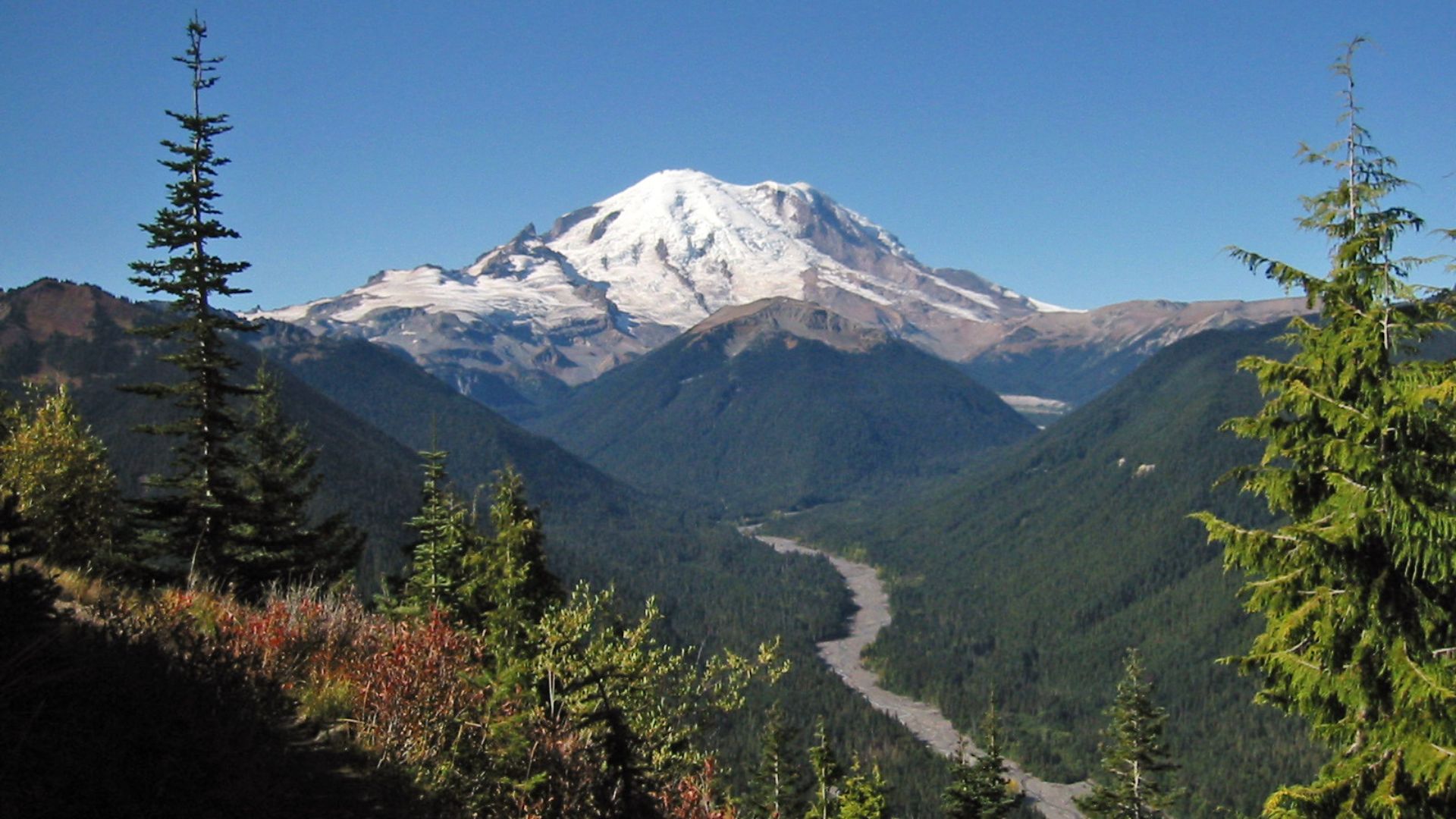 Walter Siegmund (talk), Wikimedia Commons
The Meadows Are The Big Payoff
Mount Rainier’s summer meadows are one of the park’s signature draws. The National Park Service says many visitors come because of the world-famous subalpine meadows, which fill with wildflowers during the short growing season. Paradise is especially famous for views and wildflower meadows. Canadians used to short alpine summers will understand the appeal, but they should also know that timing is everything.
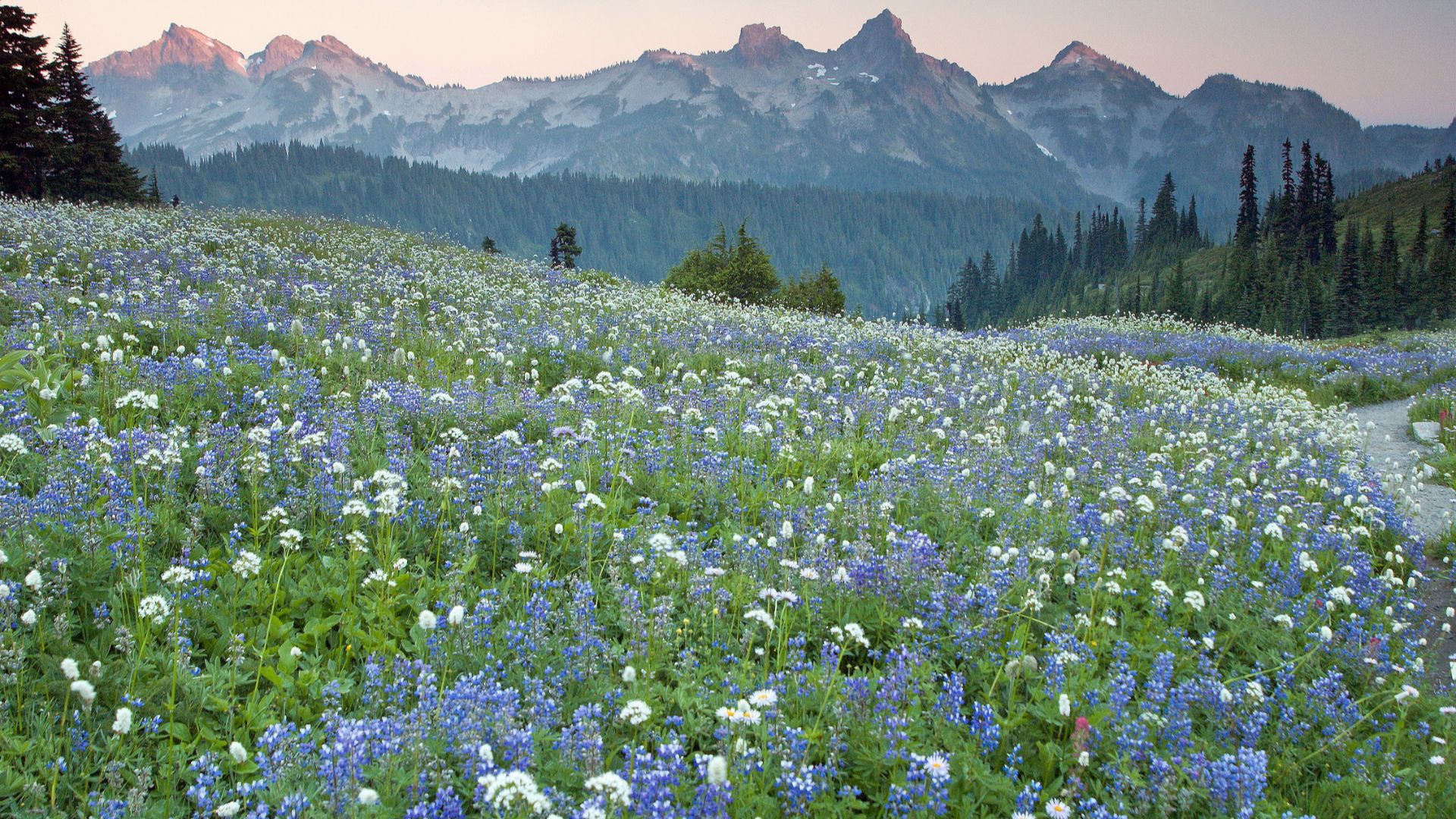 Mount Rainier National Park from Ashford, WA, United States, Wikimedia Commons
Acadia Makes Sense For Eastern Canadians
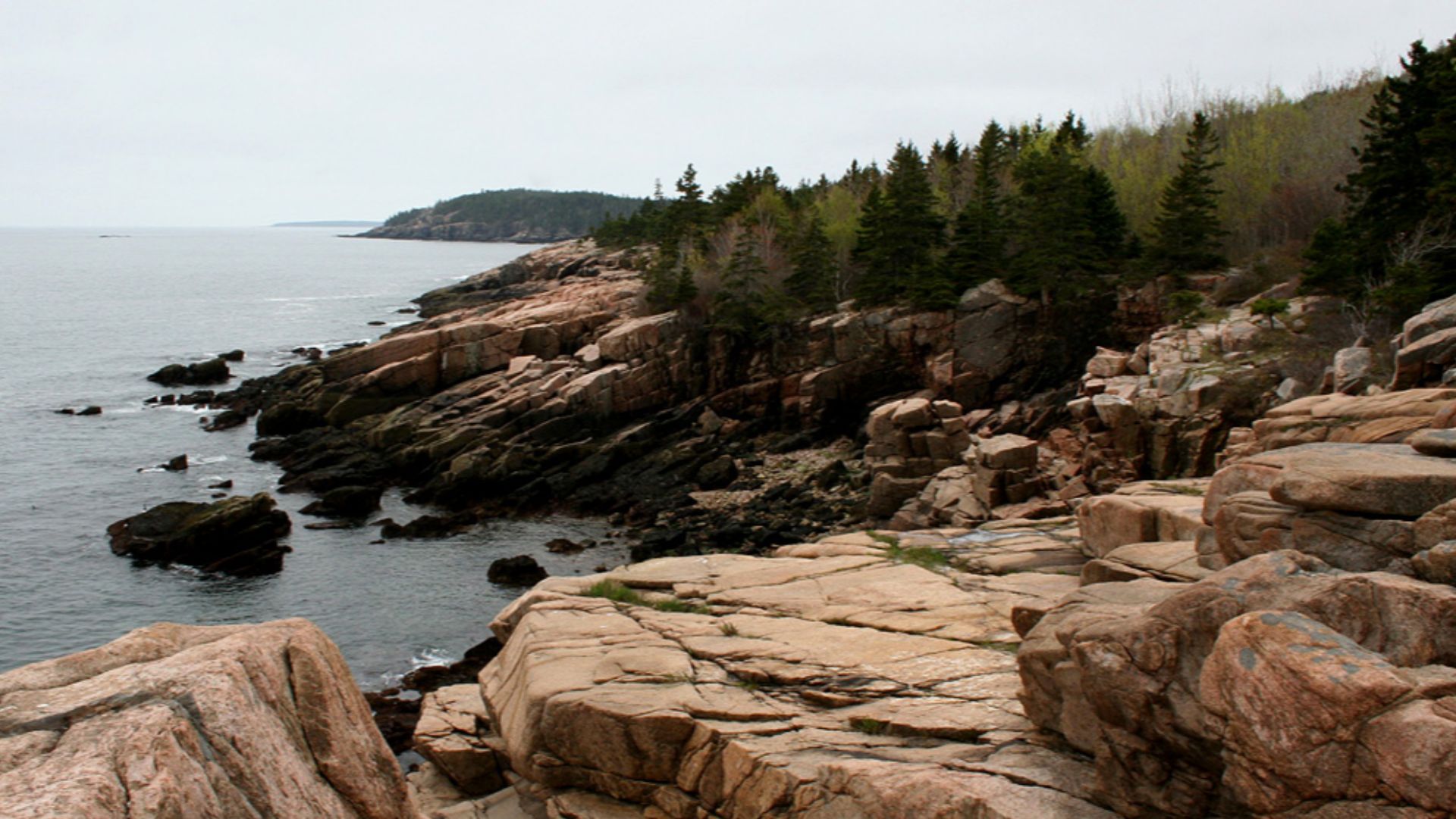
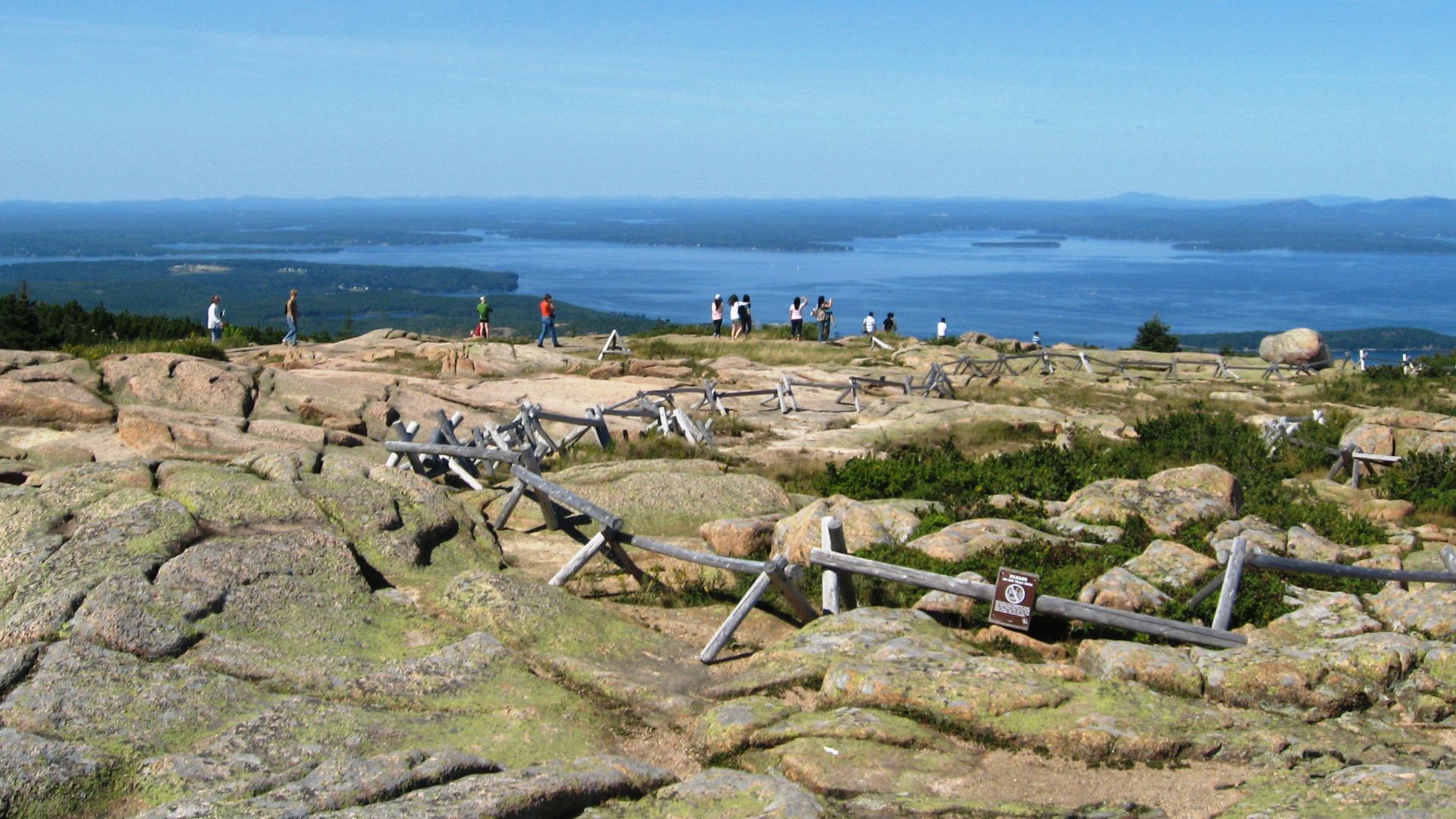
Acadia National Park in Maine is one of the most logical U.S. park choices for Canadians in Atlantic Canada and Quebec. It is close enough to work as a road trip, and it offers coastal scenery rather than western mountains or desert. The National Park Service highlights Cadillac Mountain, Park Loop Road, carriage roads, hiking, camping, and the Schoodic Peninsula. For Canadians who want ocean air, granite, and small-town charm, Acadia is an easy park to defend.
Acadia Has A Reservation Catch
Acadia also shows why modern park trips require more planning than they used to. The National Park Service says vehicle reservations are required to drive Cadillac Summit Road from mid-May to mid-October. Those reservations are separate from the park entrance pass. Canadians who assume a national park pass covers every experience could be caught off guard.
Everglades Is The Florida Add-On With Teeth
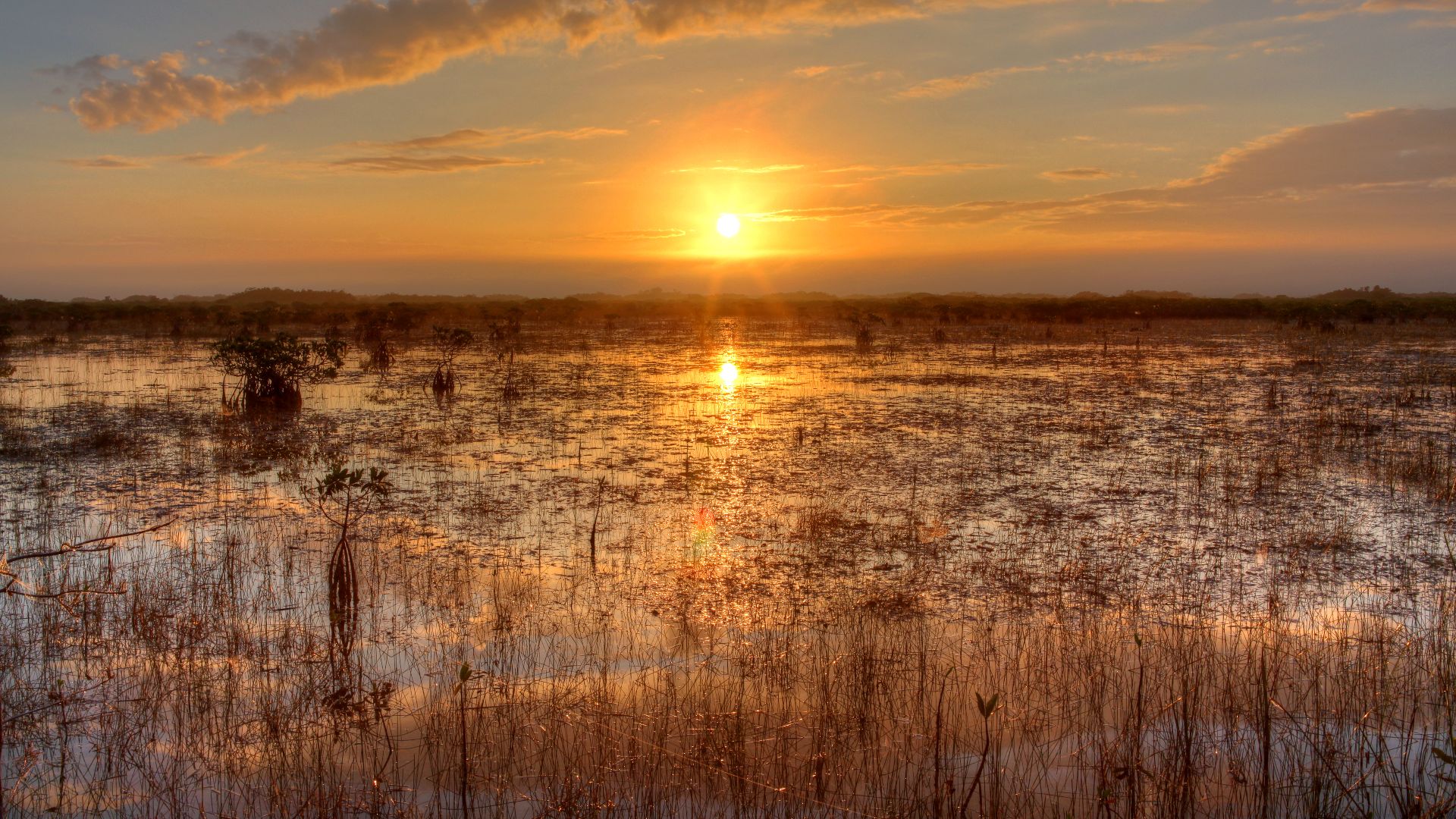
Everglades National Park fits naturally into Canadian travel patterns because Florida is such a major warm-weather destination. The National Park Service calls Everglades the largest subtropical wilderness in the United States. It protects 1.5 million acres of wetland, forest, and marine habitats. For Canadians used to northern forests and lakes, the Everglades offers a completely different version of wild nature.
 Everglades NPS from Homestead, Florida, United States, Wikimedia Commons
Everglades Is Not Just A Quick Detour
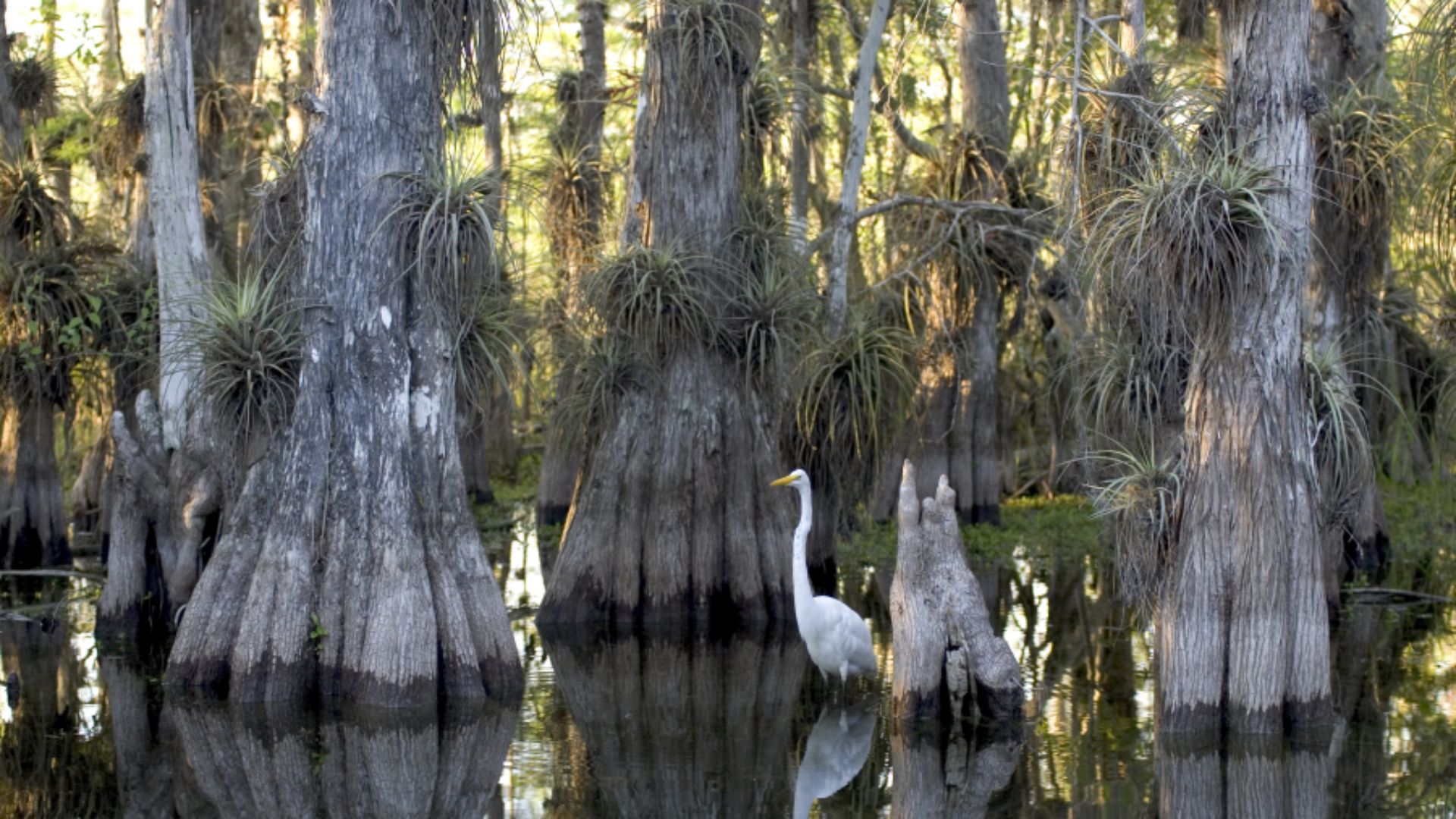
Everglades may look simple on a map, but it has several main entrances that access different areas of the park. The National Park Service tells visitors to prepare for heat, mosquitoes, and seasonal safety considerations. That makes it a better trip when travelers choose a specific experience, such as wildlife viewing, paddling, boardwalks, or a drive toward Flamingo. Canadians already in South Florida should go, but they should not treat it as an afterthought.
 National Park Service, Wikimedia Commons
So Are Canadians Choosing The Right Parks?
Based on travel trends, Canadians seem to gravitate toward parks that fit four clear patterns: They choose border-accessible parks, famous bucket-list parks, warm-weather winter parks, and parks that pair easily with major U.S. cities or road trips. What parks don't fit that description do you think more Canadians should visit?
 National Park Service Digital Image Archives, Wikimedia Commons