The Deadliest Tribe In America

The Deadliest Tribe In America


February 1, 2025 | Samantha Henman

The Deadliest Tribe In America


Mentions of America’s early days and the Wild West often conjure images of skirmishes between settlers and the Native tribes that called this land home. Of those tribes, the Comanche were the most feared. 

READ MORE

La Alcudia - Fb

Eight seasons of exhaustive digs at an Ancient Roman site in Spain reveal a sprawling Roman bath complex with a giant natatio and vivid mosaics.

Just outside Elche, calm fields and gentle hills sit over an unexpected secret. La Alcudia conceals its history so thoroughly that its depth becomes visible only when the soil is opened for all to see. Layers of time lie there like folded pages, each preserving traces of earlier worlds. Across eight digging seasons, archaeologists uncovered a Roman bath complex of remarkable scale. Baths were shared throughout the empire, yet few in Spain survive in such size or with such preservation. The discovery revealed not a modest installation but a sophisticated public space shaped for regular use and community life. When excavation began, the extent of the complex remained unknown, but its centerpiece soon emerged: a massive natatio, an open-air swimming pool large enough to evoke scenes of Roman citizens moving through the water beneath open sky. Surrounding rooms traced a full bathing sequence, from warm spaces to cold plunges and steam rooms, all supported by a hypocaust system circulating heated air beneath the floors. With each season, new chambers and pools appeared, exposing a site built for a substantial population and functioning as an essential gathering place for relief, routine, and social connection.
January 1, 2026 Marlon Wright
Untitled Design (23)

Researchers re-opened a 5,000-year-old tomb in Andalusia and found ivory and amber from thousands of miles away, proof of prehistoric trade routes.

Archaeologists in southern Andalusia recently uncovered a massive stone tomb that dates back an astonishing 5,000 years. The structure, buried beneath layers of soil near the town of Teba, appears far more elaborate than most prehistoric graves found in the region.
January 1, 2026 Alex Summers
812645214 Inrap President Dominique Garcia

An INRAP crew in the south of France has unearthed rows of planting pits from a Greek-era vineyard not far from the ancient Greek colony of Massalia.

As INRAP teams opened trenches in Marseille’s northern districts, the work initially looked like another routine intervention beneath busy streets. Layers of asphalt and industrial debris came away as expected, each tied to the city’s long expansion. But then a curious alignment appeared: evenly spaced pits forming a geometry too deliberate to ignore. What seemed like a minor irregularity expanded with every foot of soil removed. By the time the full pattern emerged, archaeologists realized they were no longer dealing with isolated traces. They were facing the layout of a Greek-era vineyard positioned 1.2 miles beyond ancient Massalia.
December 31, 2025 Marlon Wright

Russia wanted to say they dug the deepest hole ever, and they changed earth science forever in the process.

Beneath a quiet stretch of Arctic land lies a scientific effort that pushed technology to its breaking point. The Kola Superdeep Borehole exposed unexpected heat and geological surprises that challenged decades of assumptions, leaving behind unanswered questions.
December 31, 2025 Jane O'Shea

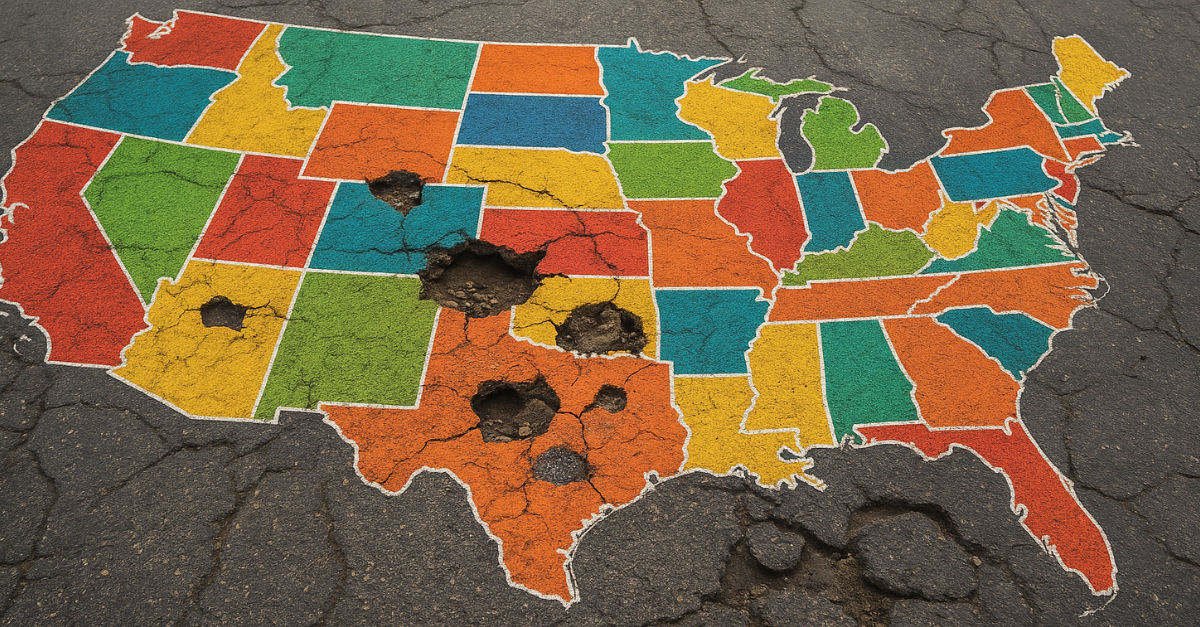
Americans Should Know That These “Normal” Things They Do Are Illegal In Canada

Americans and Canadians seem culturally similar—but legally, they might as well be different planets. Many everyday habits that feel perfectly normal in the U.S. can actually be illegal north of the border. Here are the surprising things Americans do without thinking that could get them in trouble in Canada.
December 31, 2025 Jesse Singer
College students working at old historical archeology field

Archaeologists suspected a rise in the land may be hiding something. Excavations revealed a 2,200-year-old tomb.

At first glance, Wuwangdun seemed like another quiet rise in the land outside Huainan in China’s Anhui province. However, archaeologists had suspected for years that something monumental sat under the soil. When work finally began in earnest, those suspicions turned out to be right. Beneath layers of earth and centuries of shifting area lay one of the largest and best preserved Chu-state tombs ever found, complete with chariot pits, lacquerware, and enormous wooden structures built for someone who clearly held elite status. What researchers uncovered opened an unexpected window into a kingdom that flourished more than 2,200 years ago.
December 31, 2025 Jane O'Shea